The entire film depended on the audience believing the architecture.
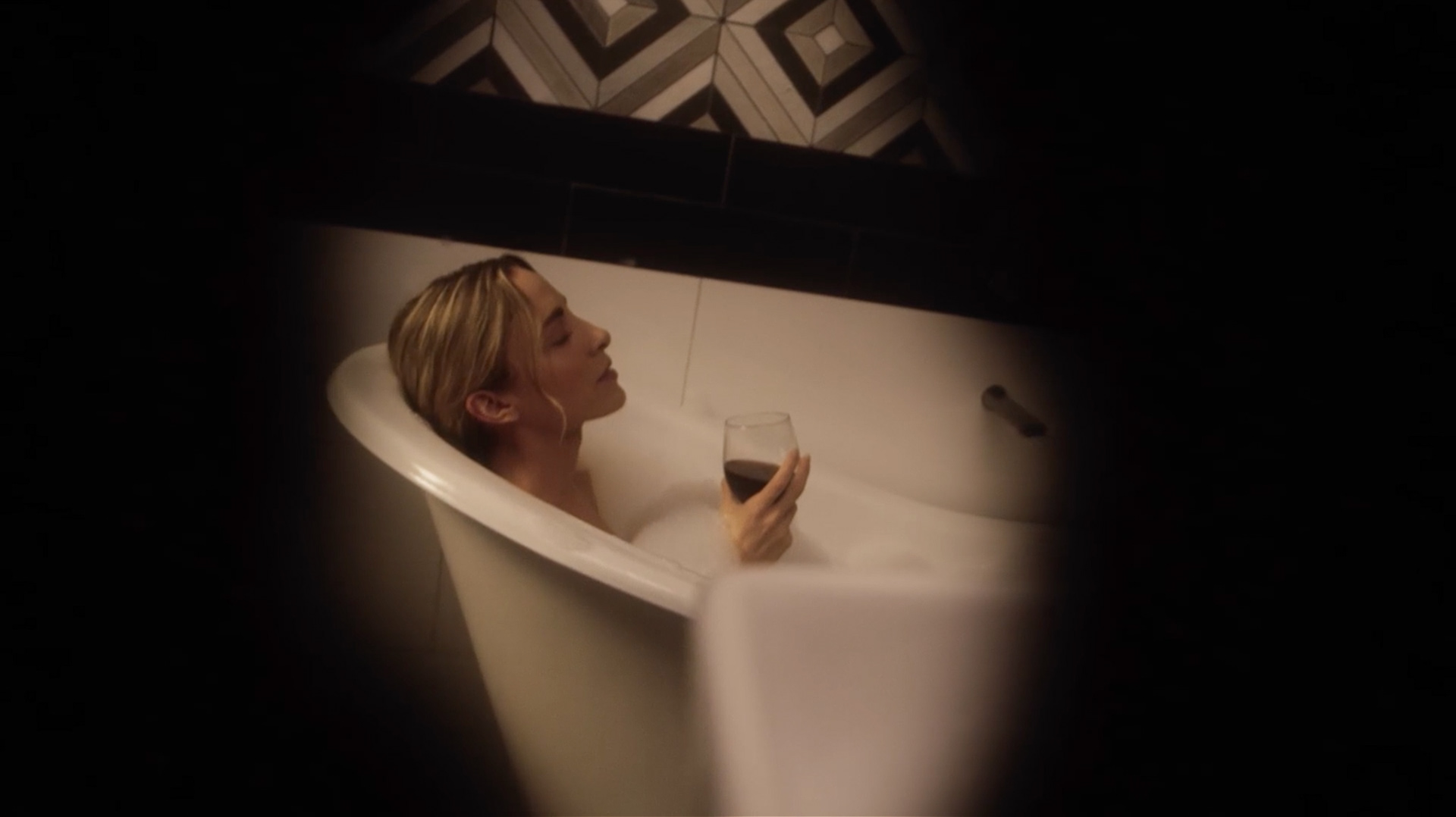
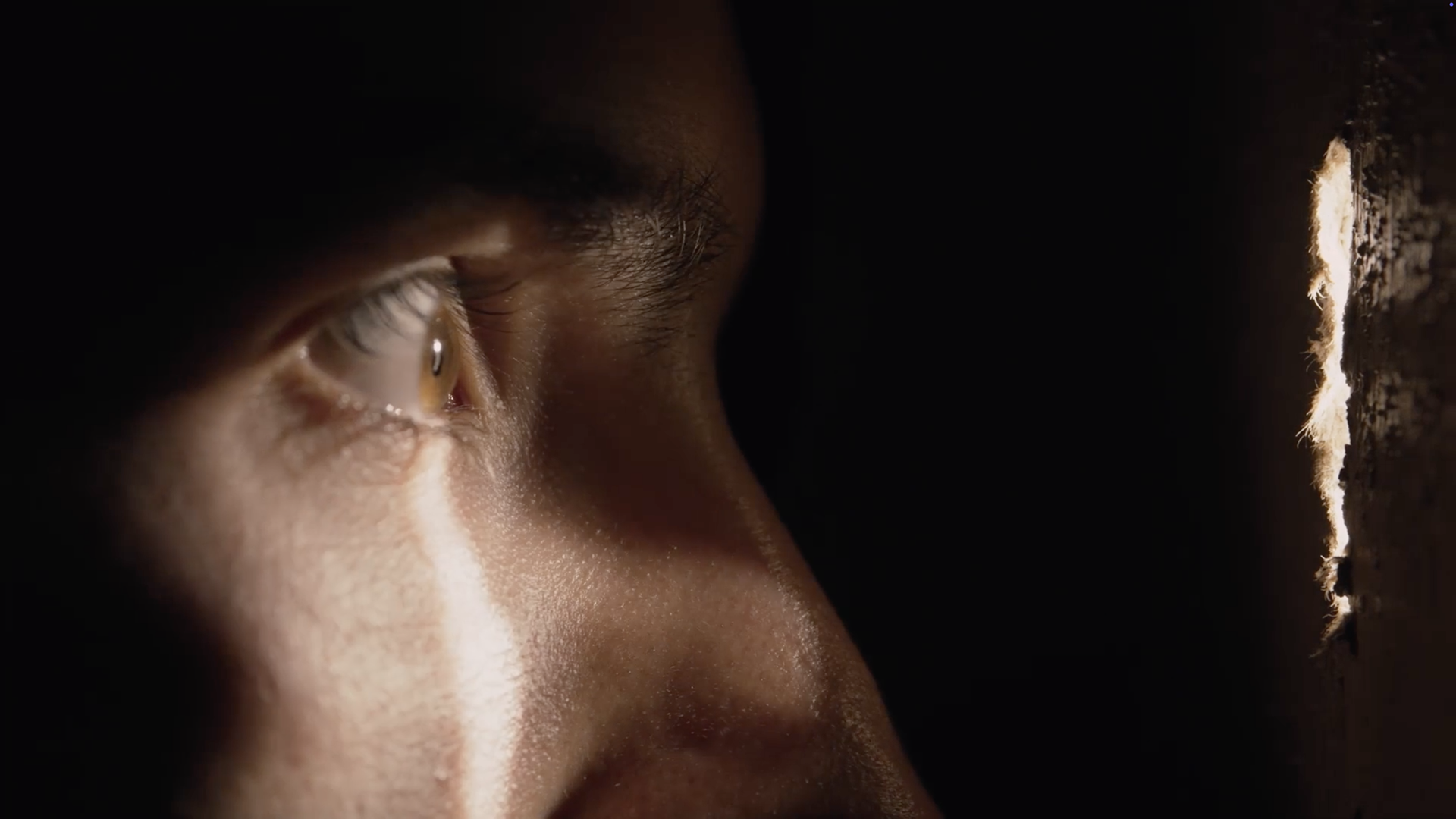
What drew me to Hider in My House was the deeply unsettling idea that someone could secretly exist within the hidden spaces of your home—the one place meant to feel completely safe. I wanted the audience to experience that violation not just intellectually, but emotionally and physically.
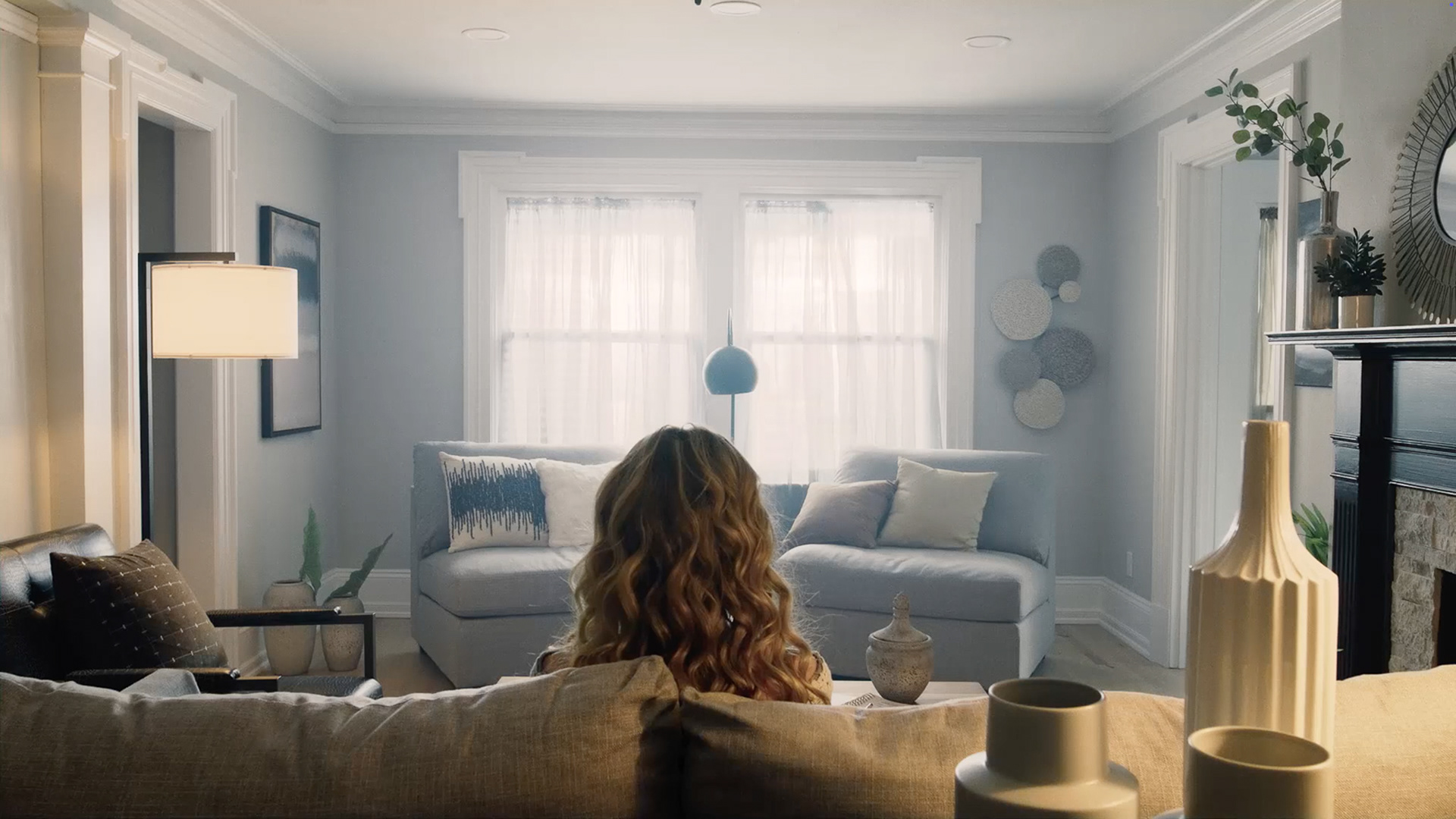
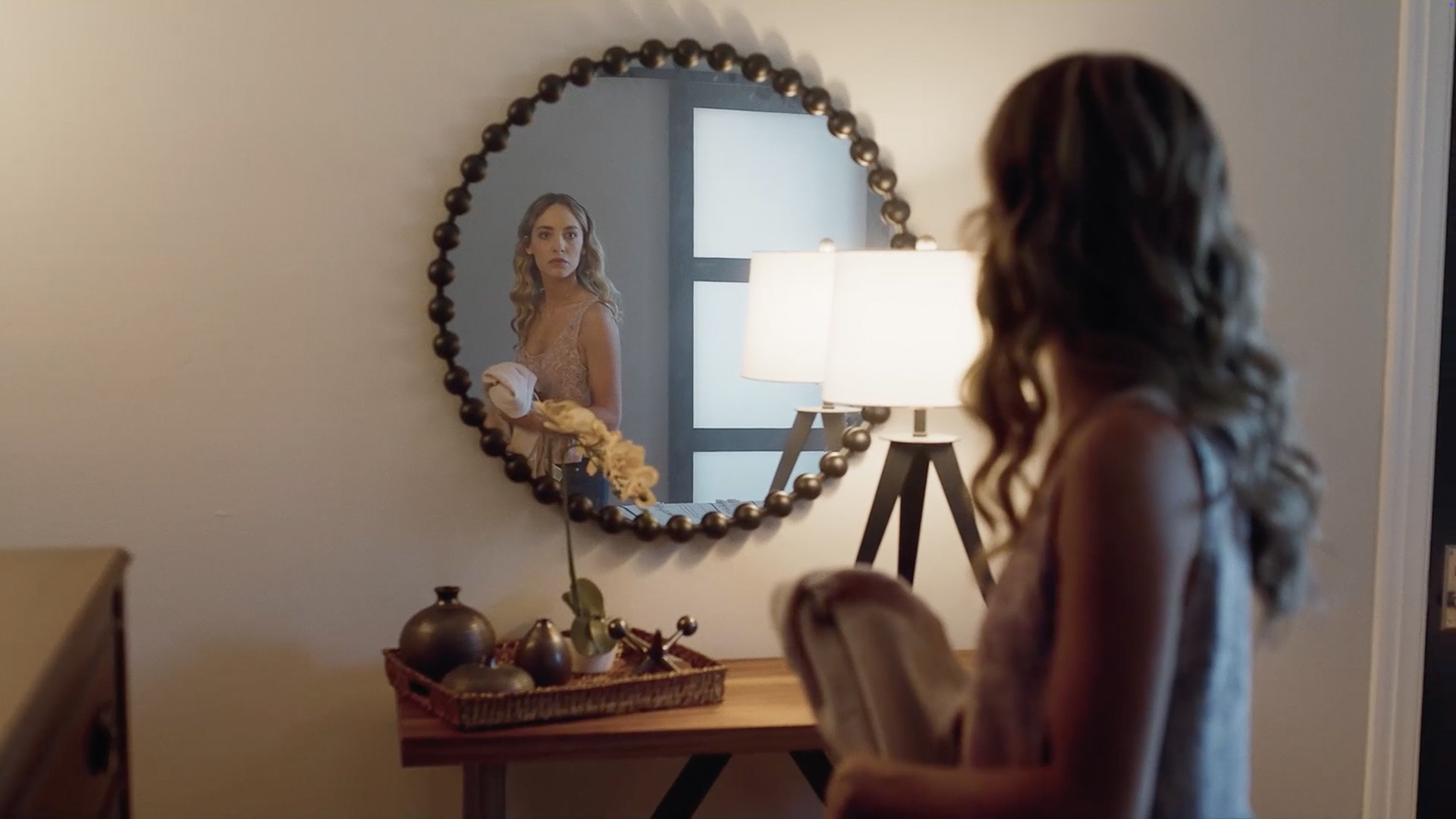
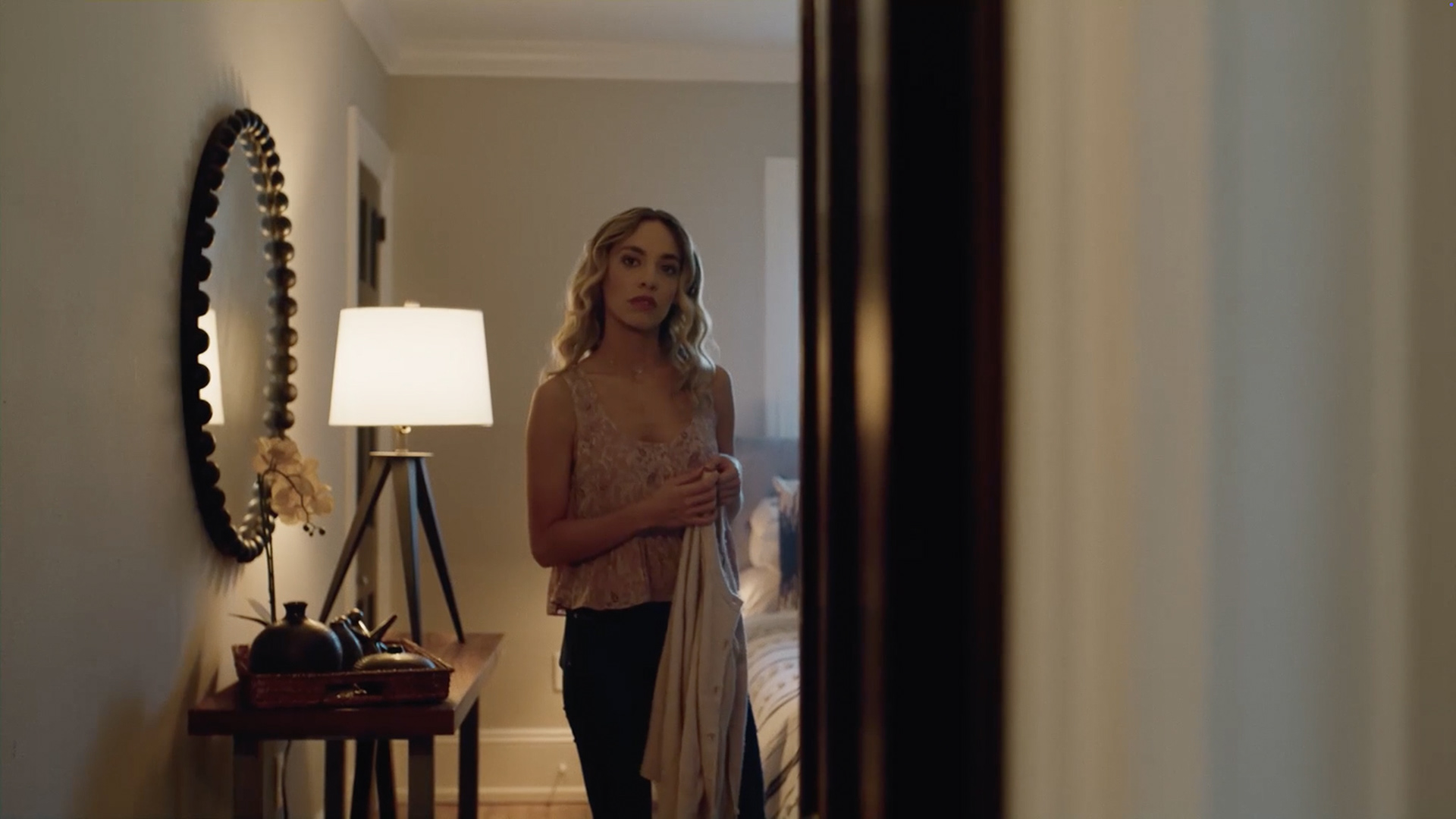
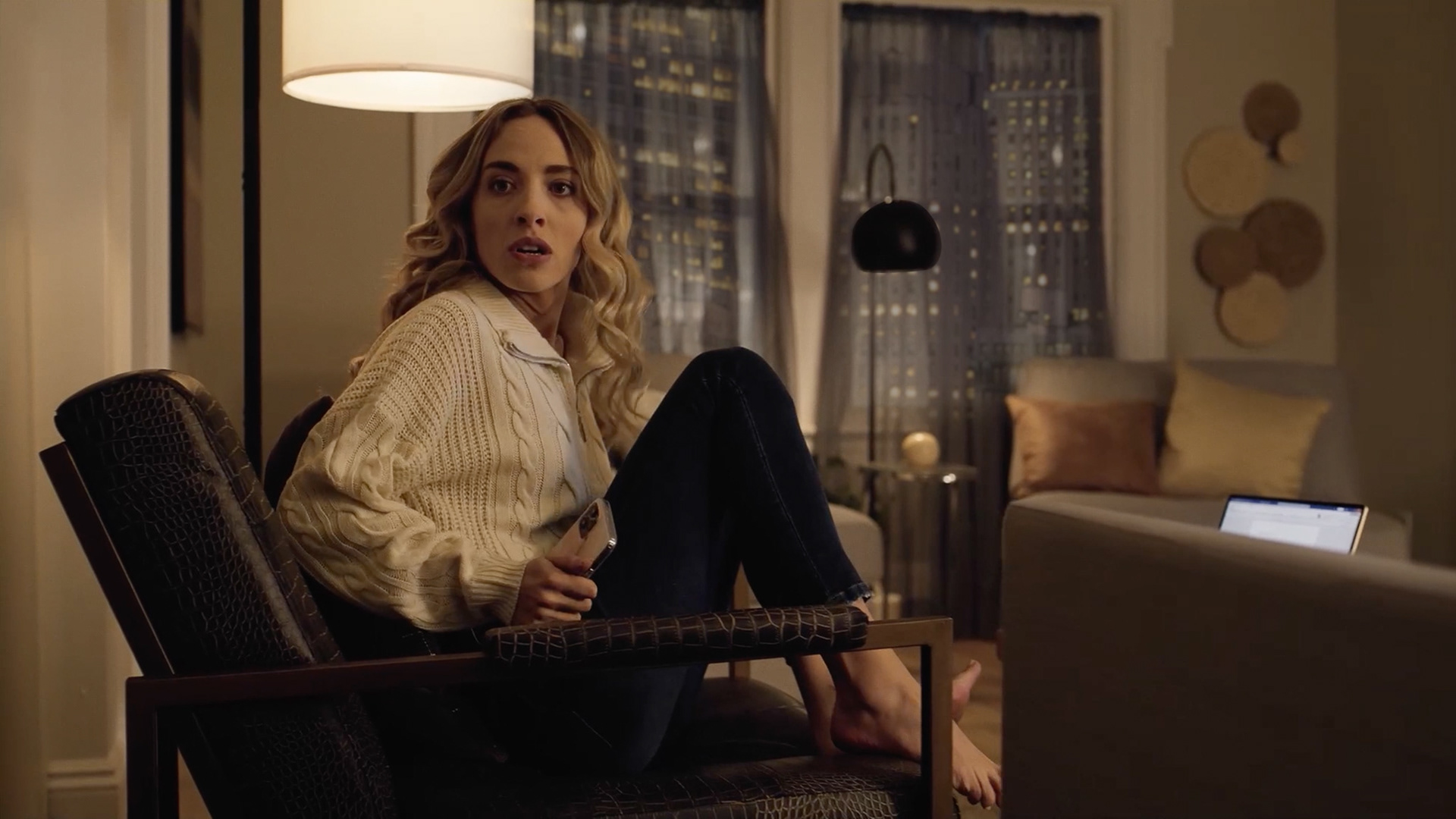
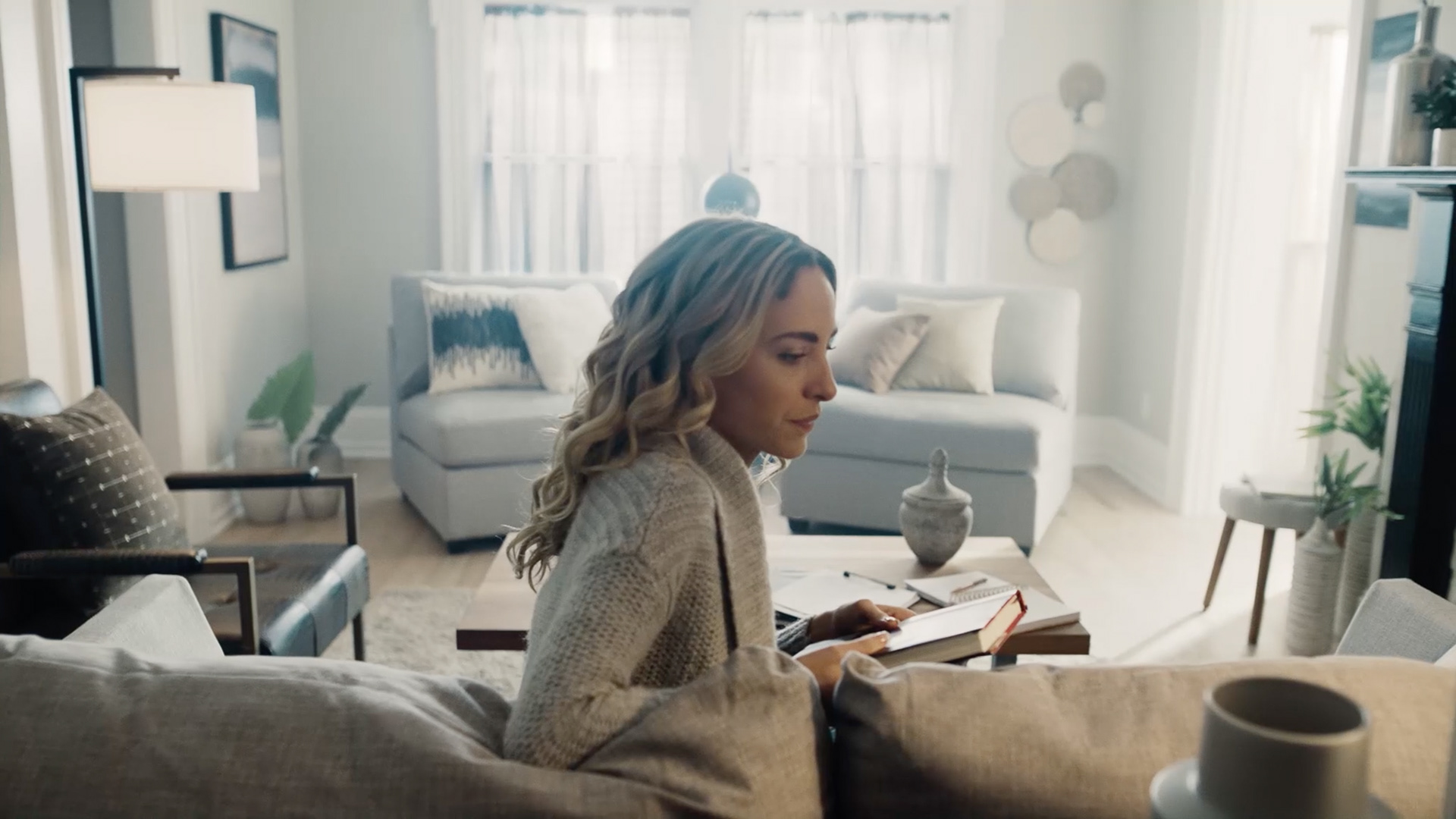
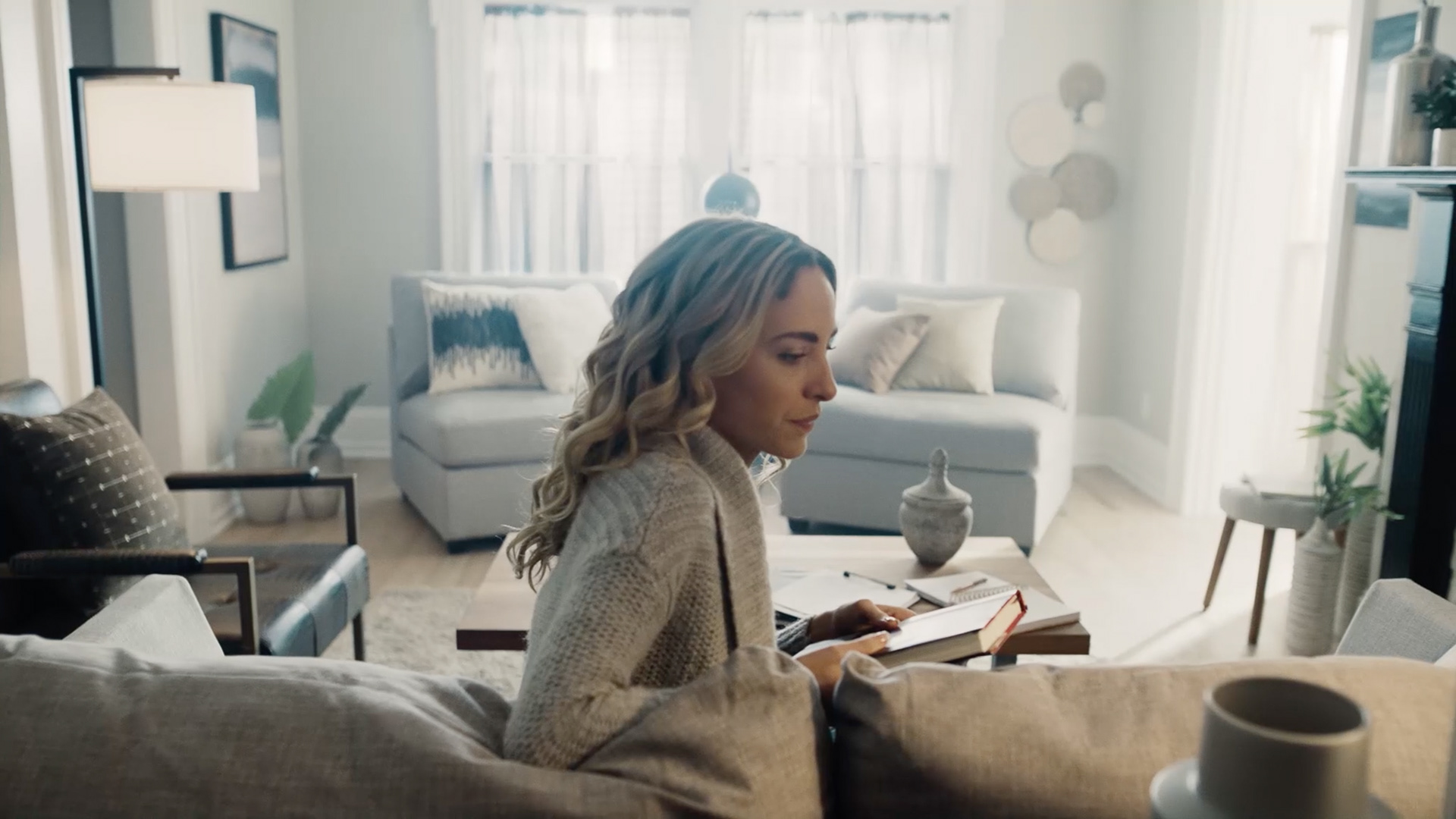
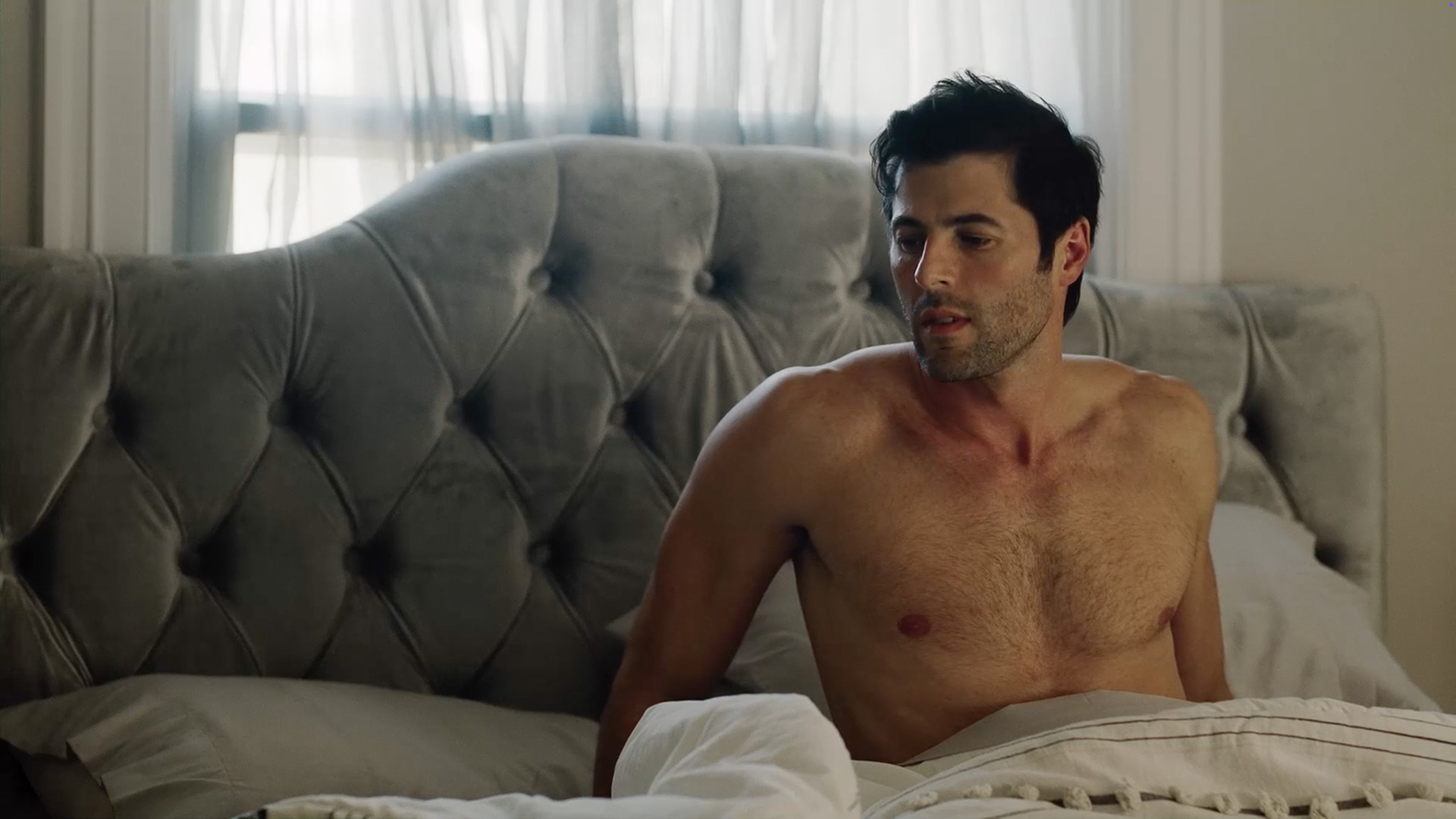
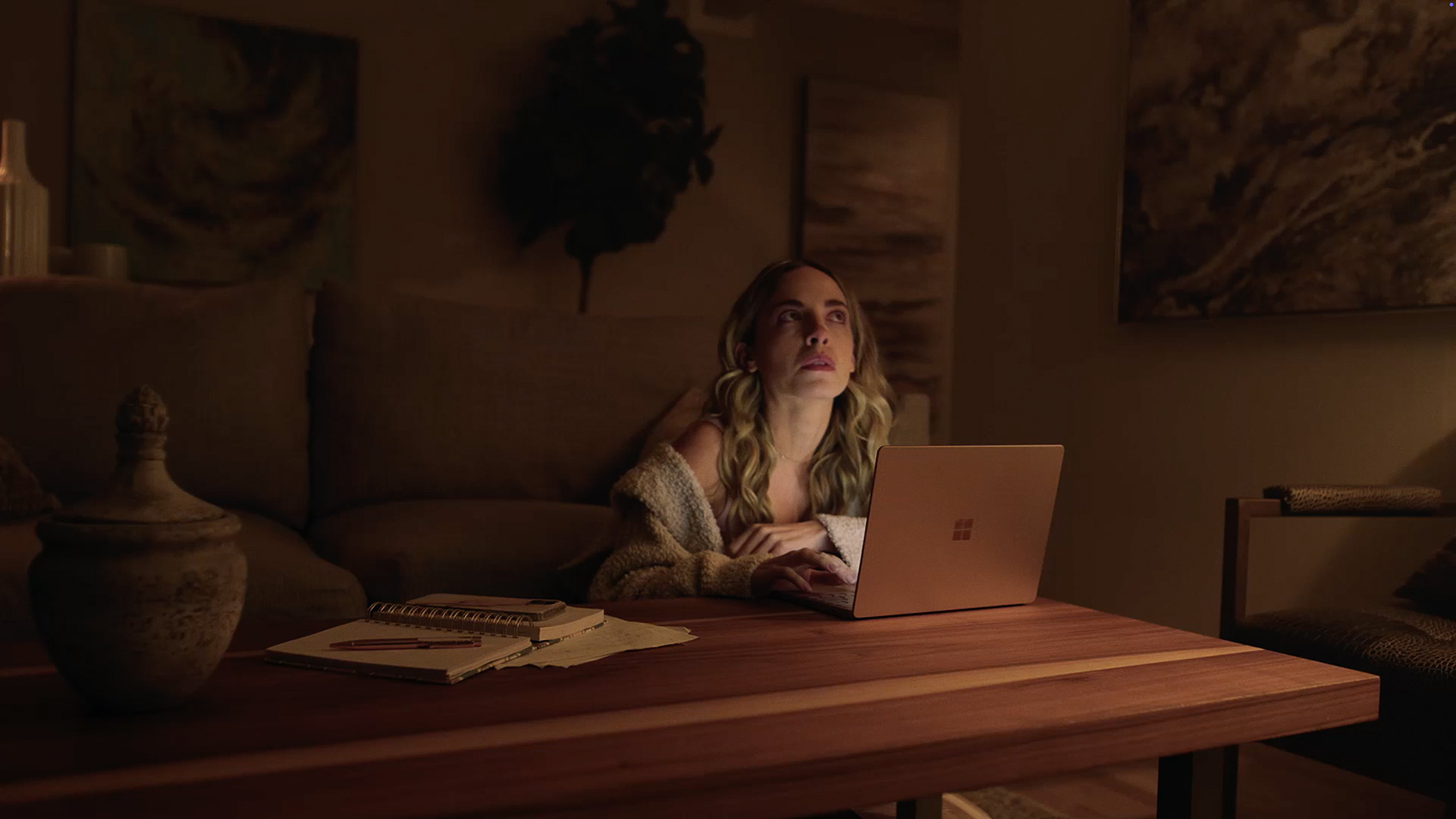
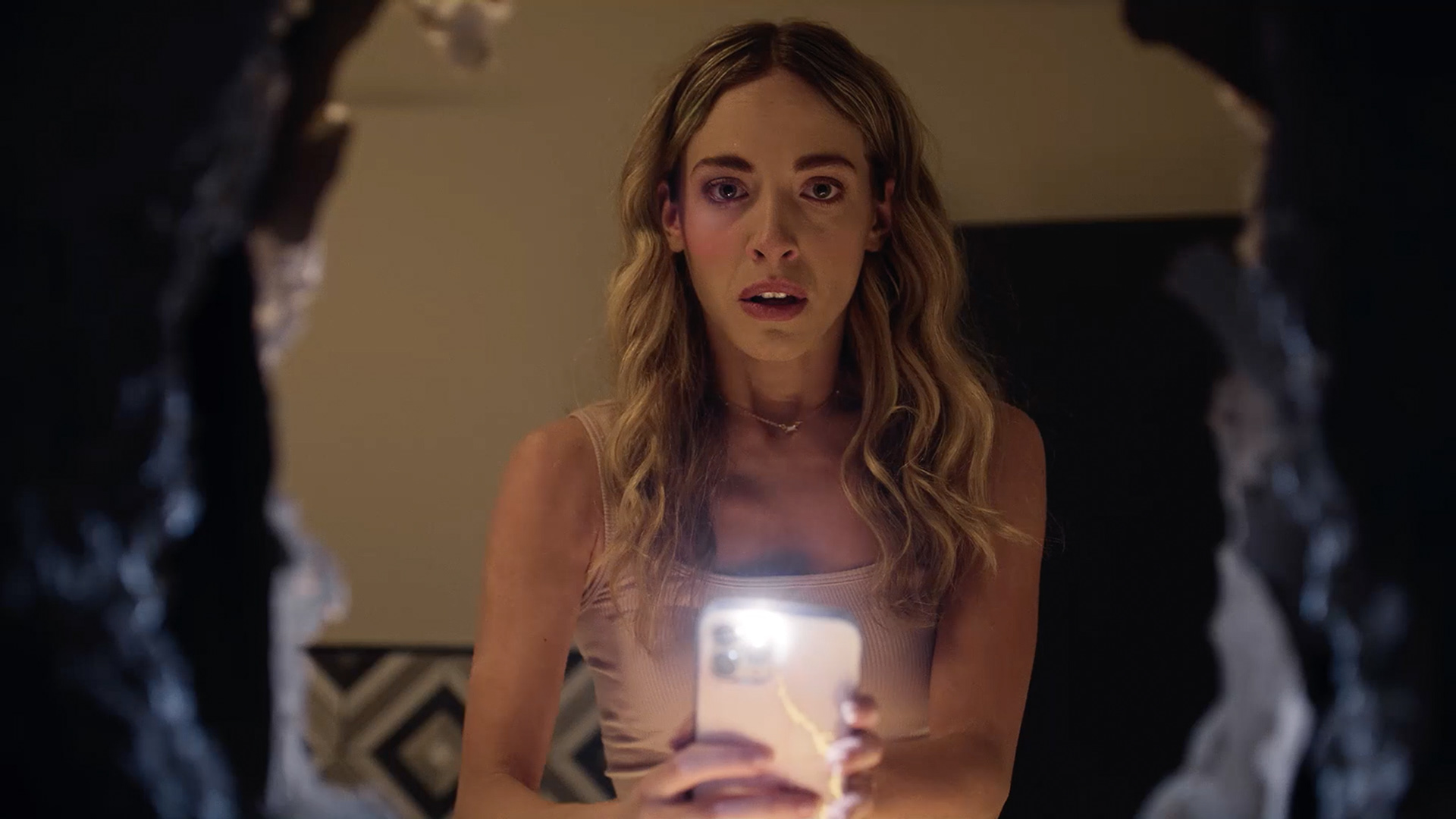
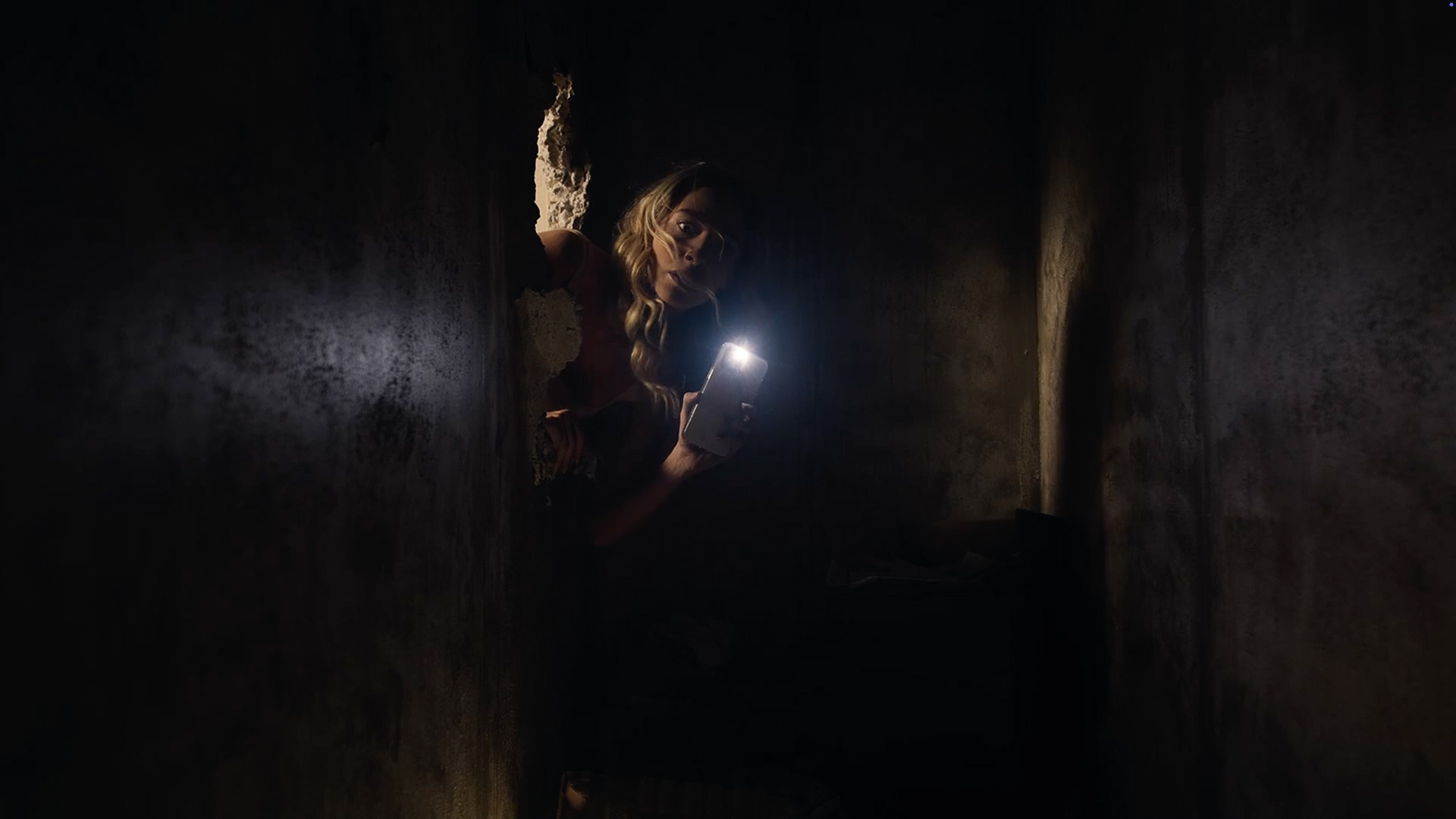
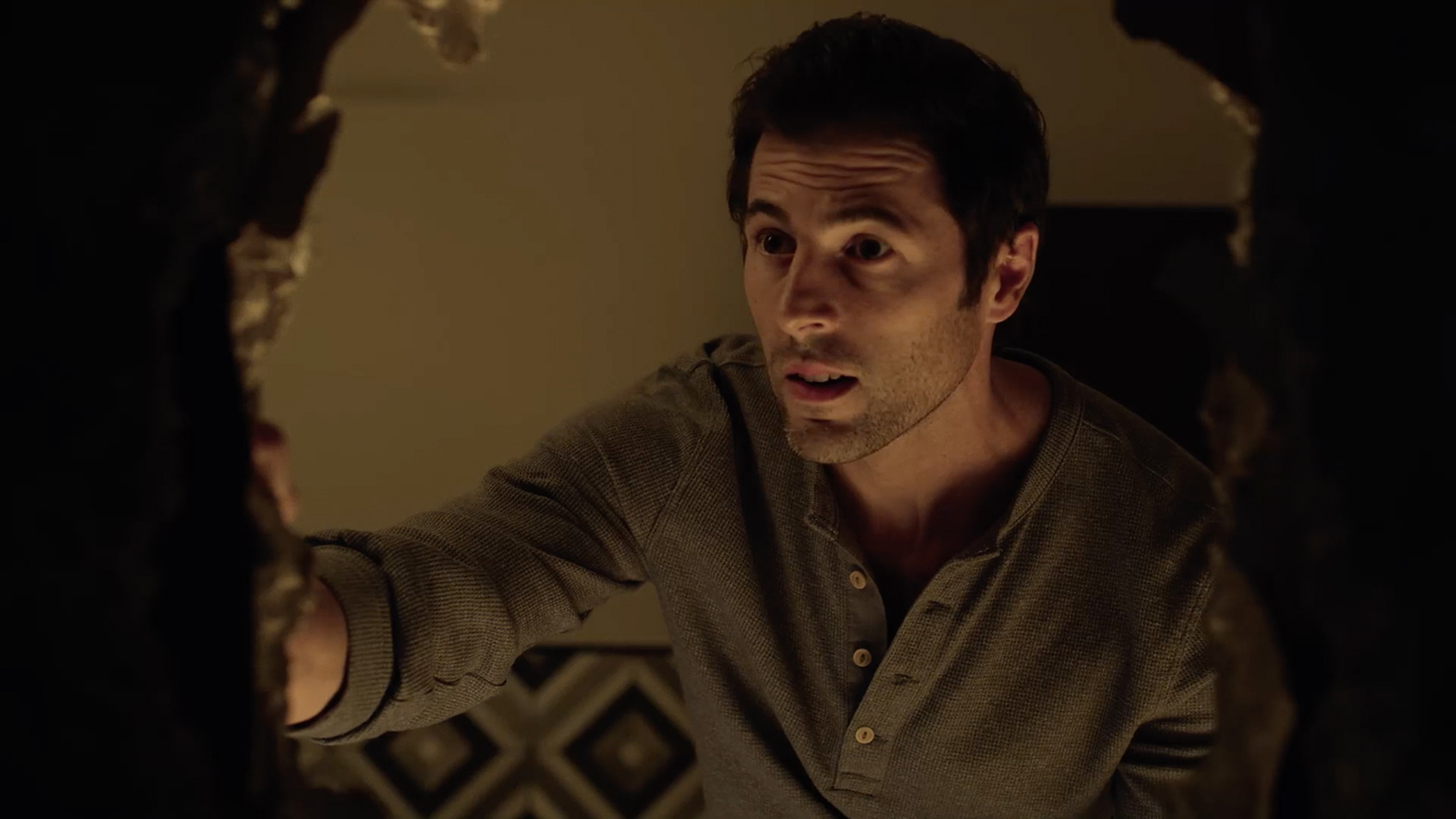
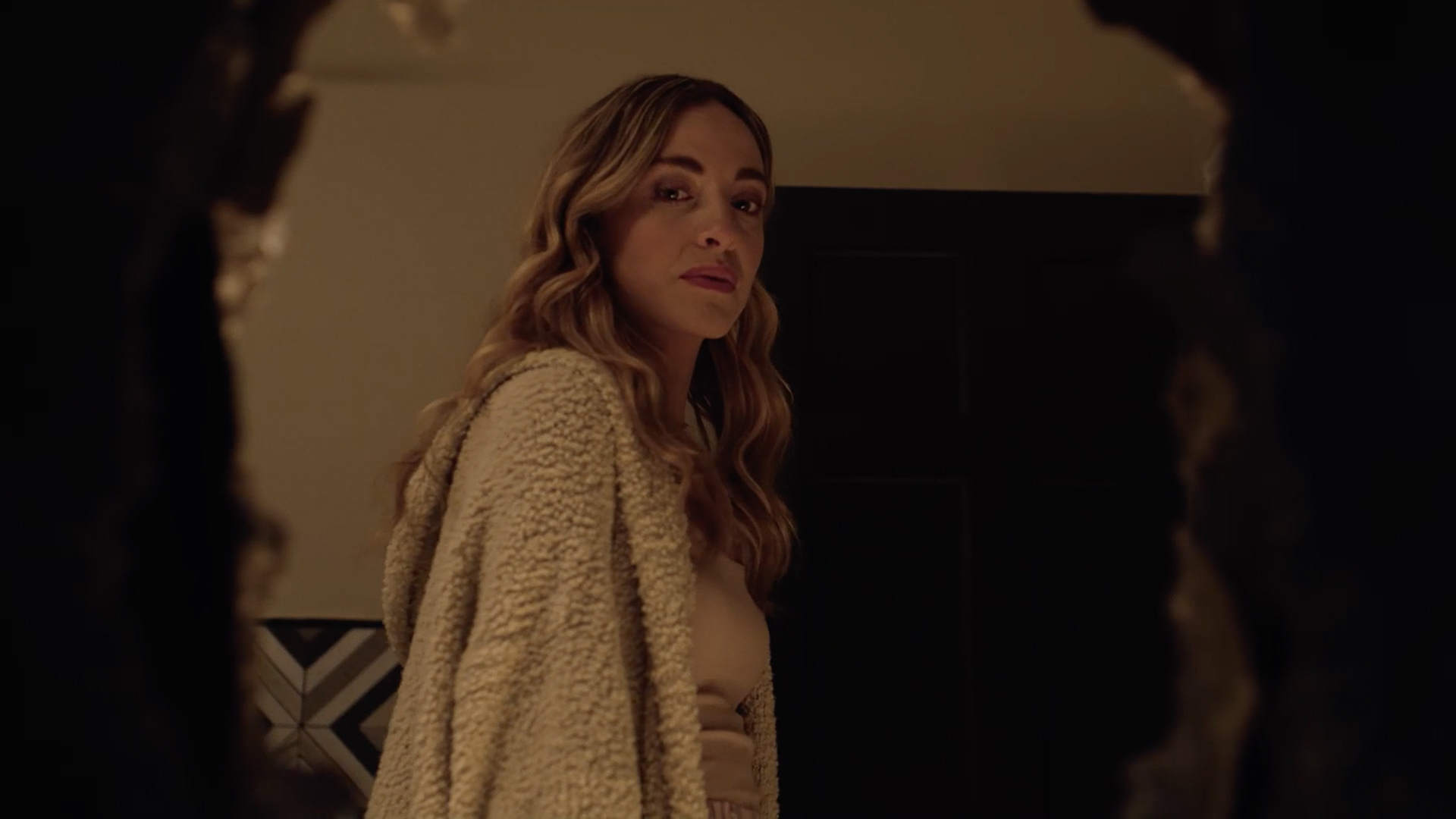
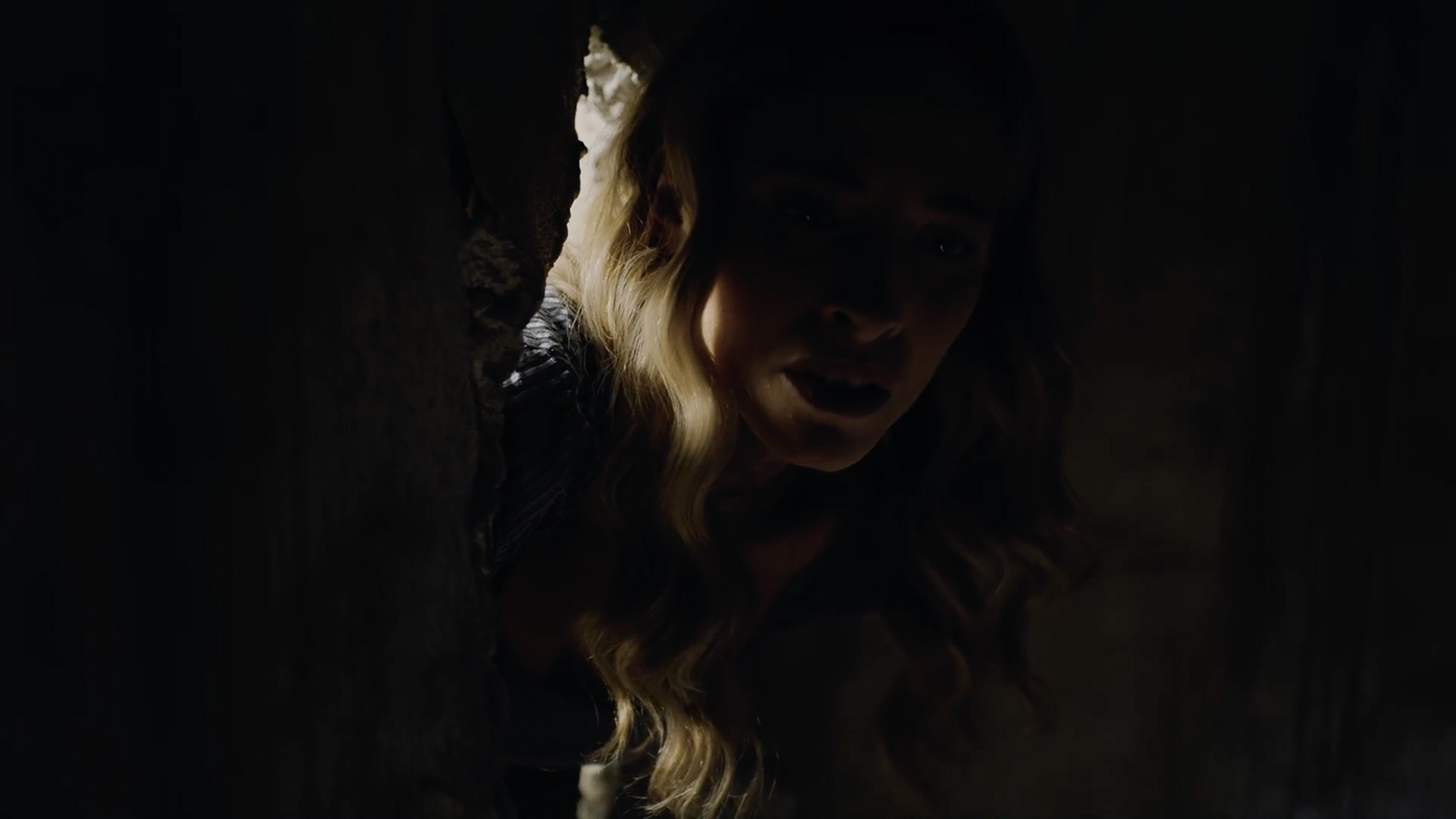
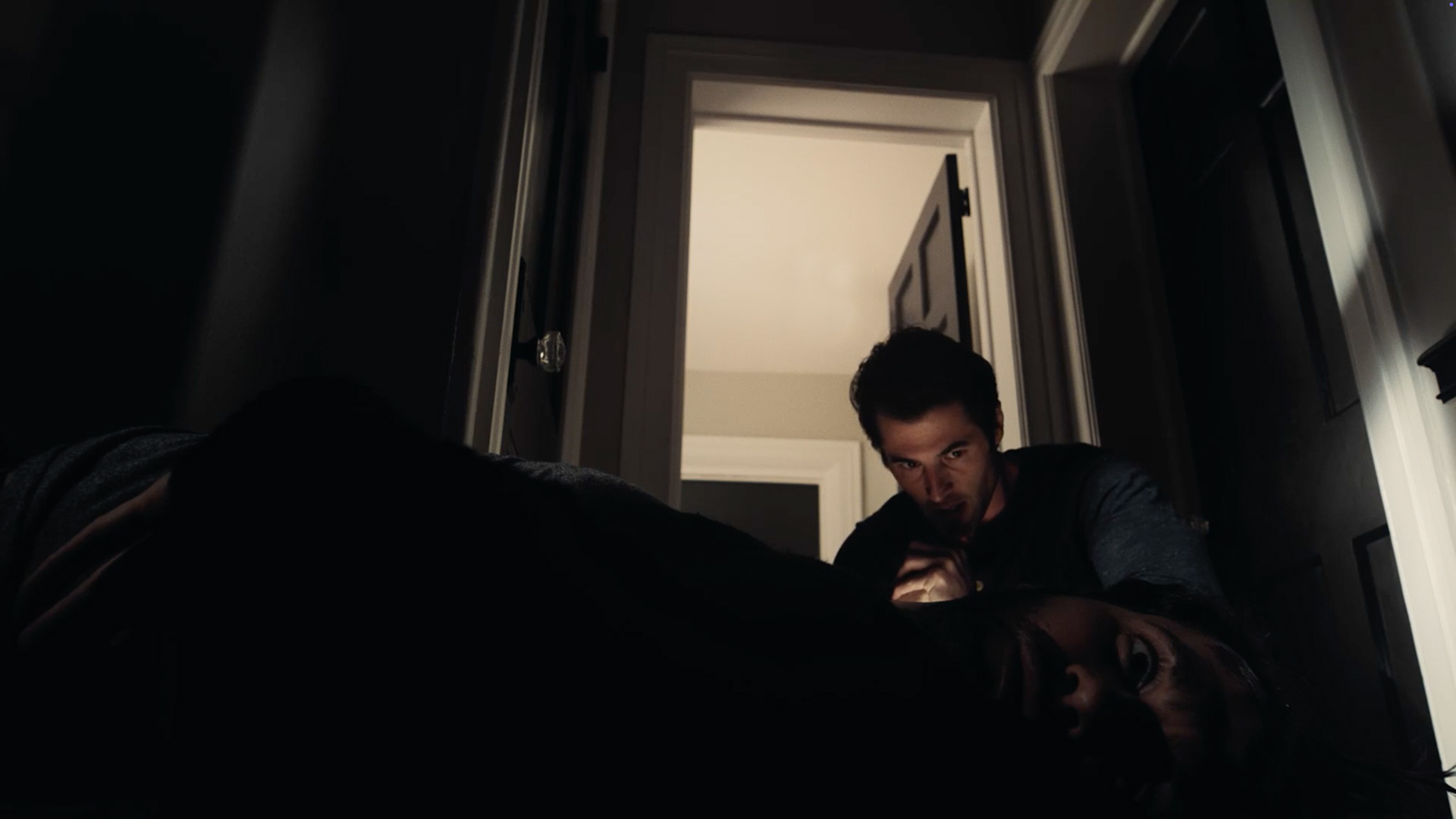
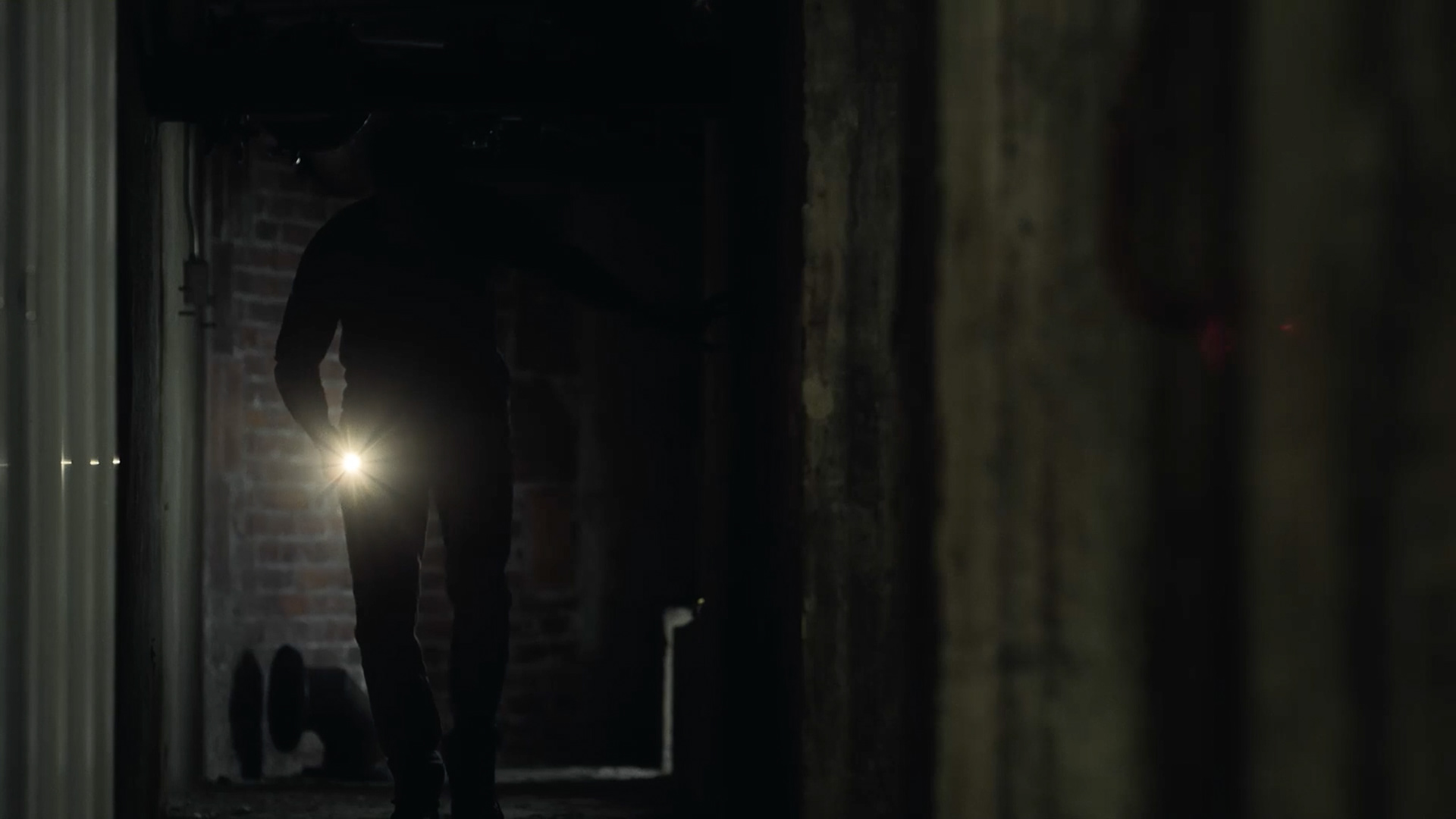
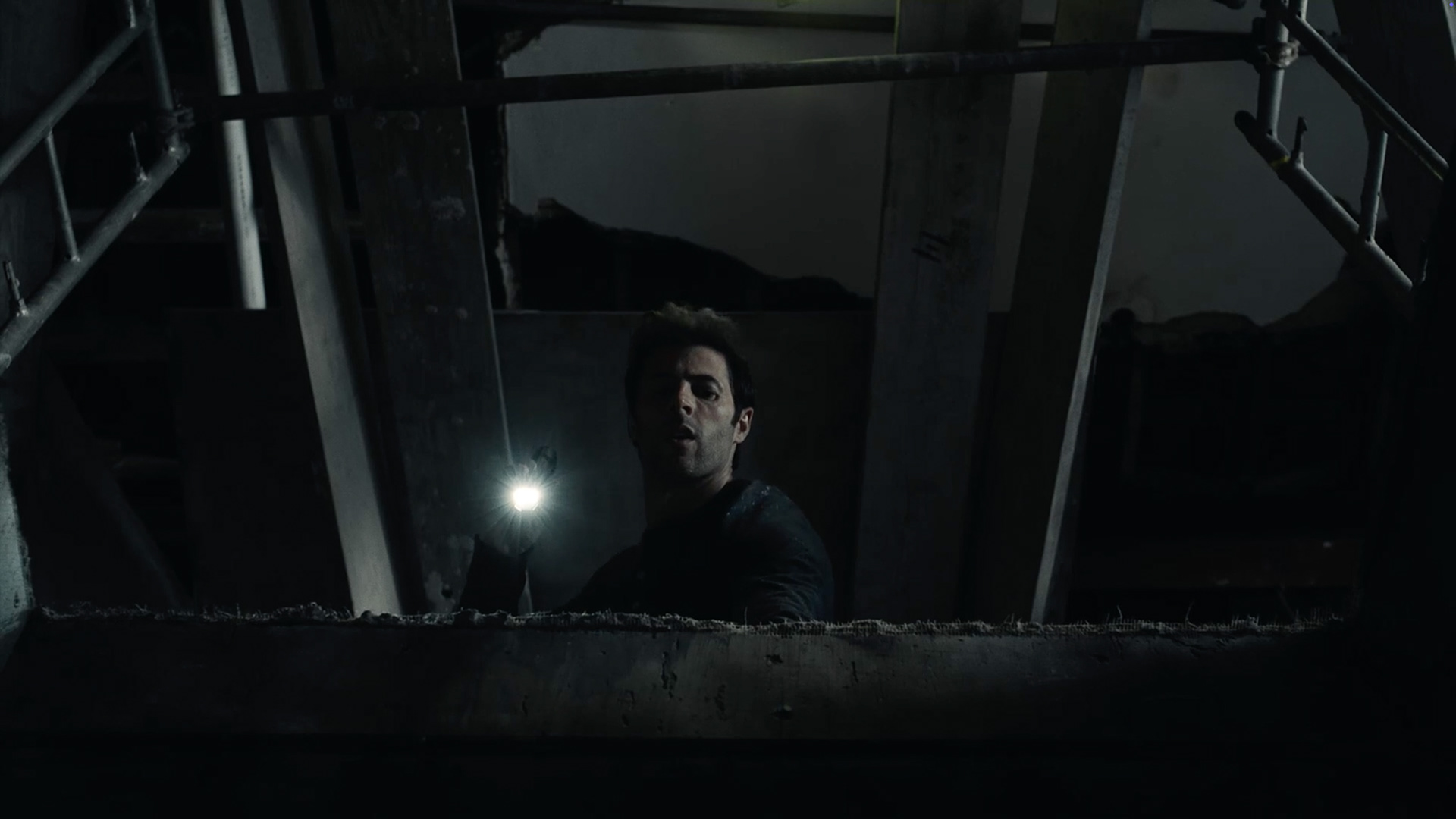
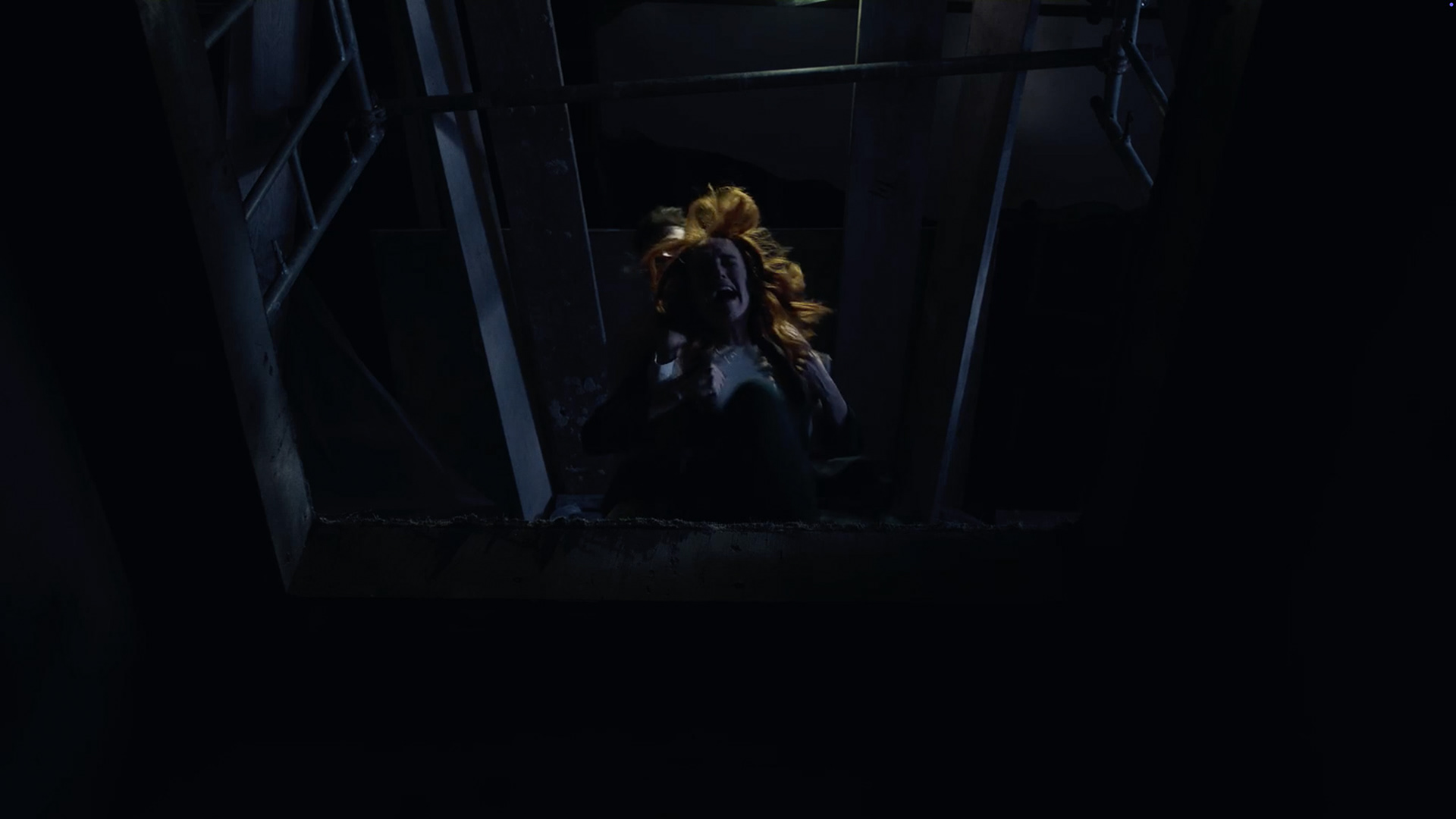
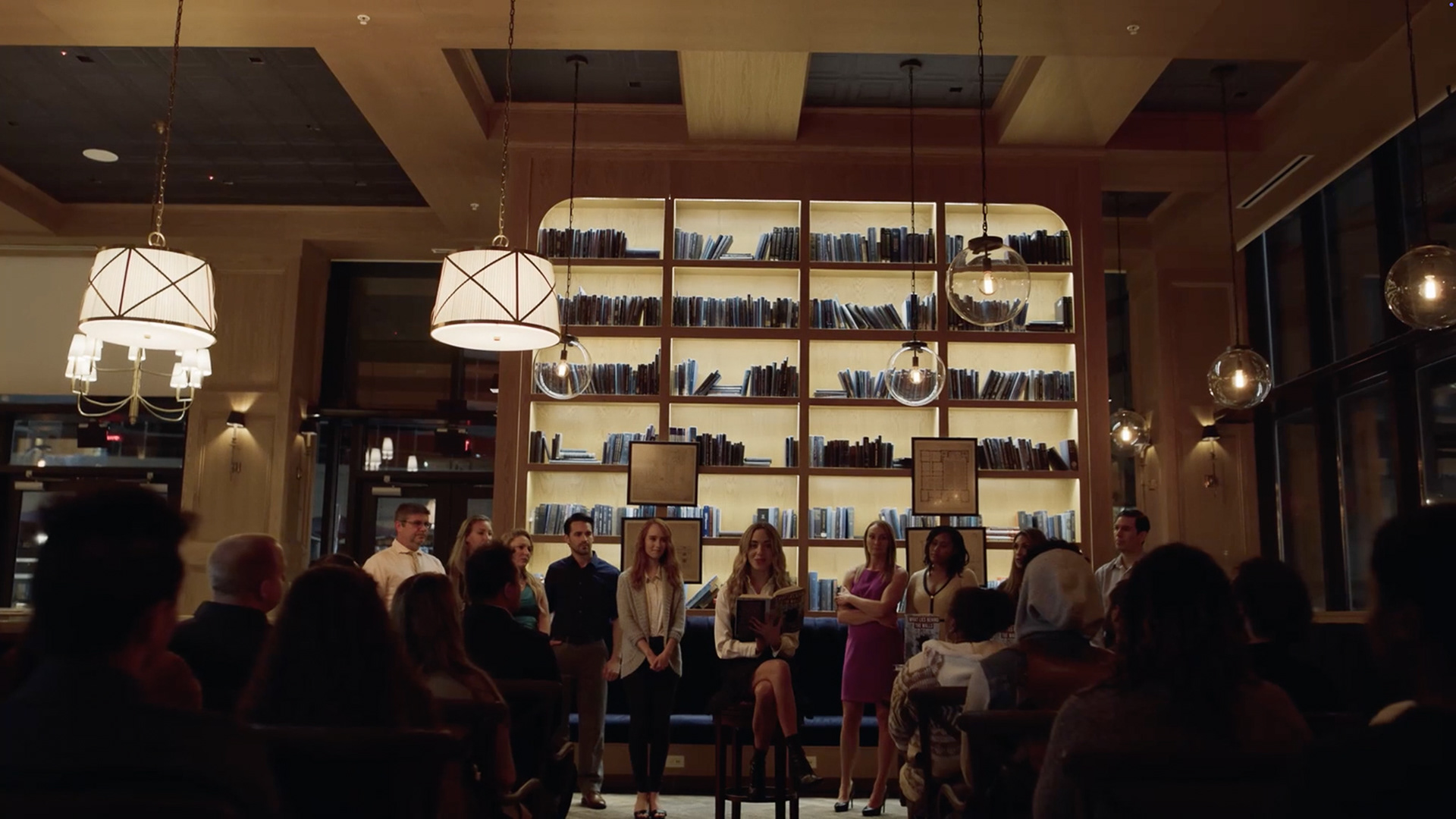
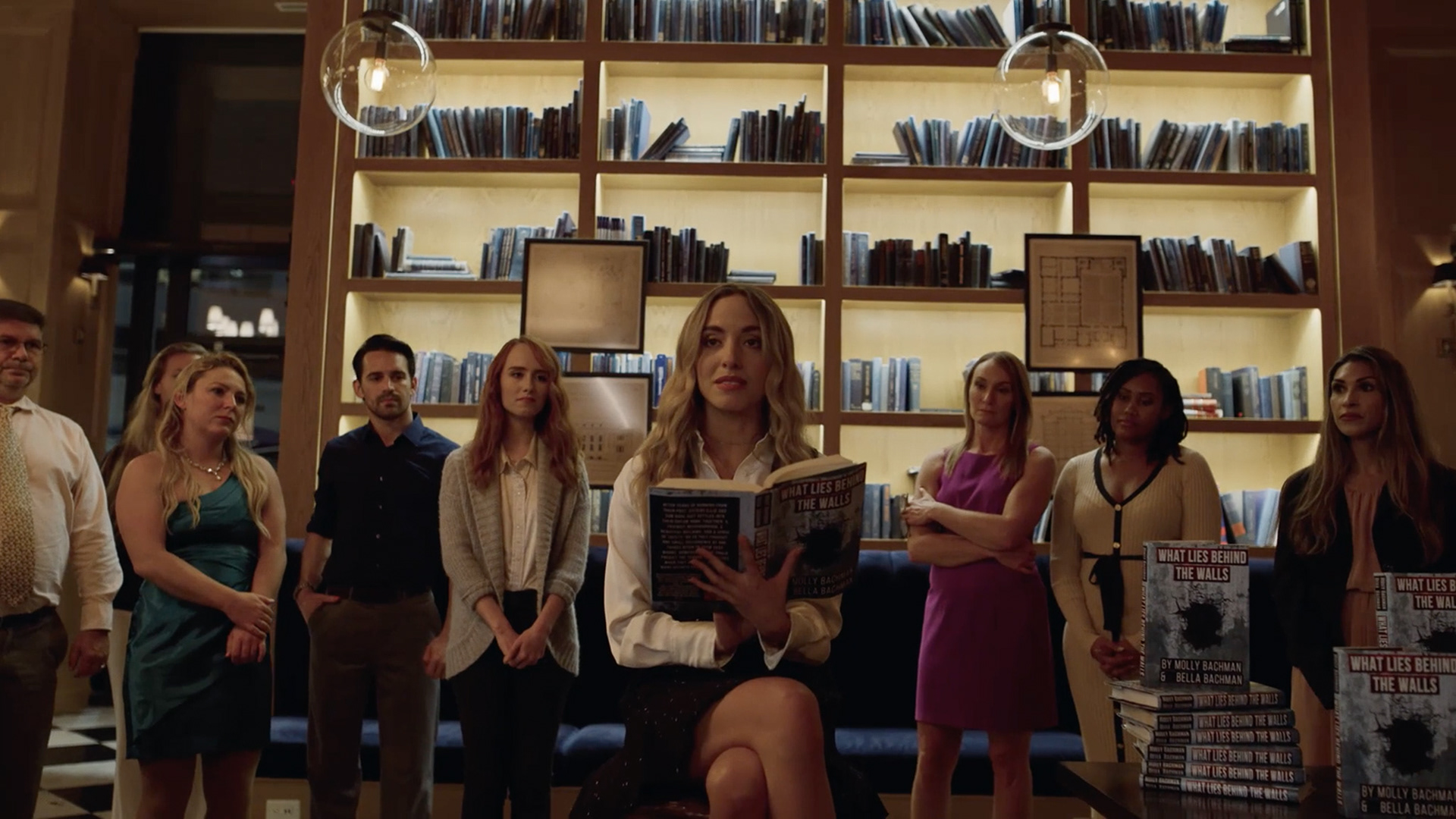
The story presented a highly specific design challenge. The film required an apartment with believable hidden passageways, crawlspaces, and access to an abandoned elevator shaft, all of which needed to feel seamlessly connected. Creating that world involved combining multiple practical locations, false walls, custom-built spaces, and visual effects to construct a geography the audience would fully accept as real.
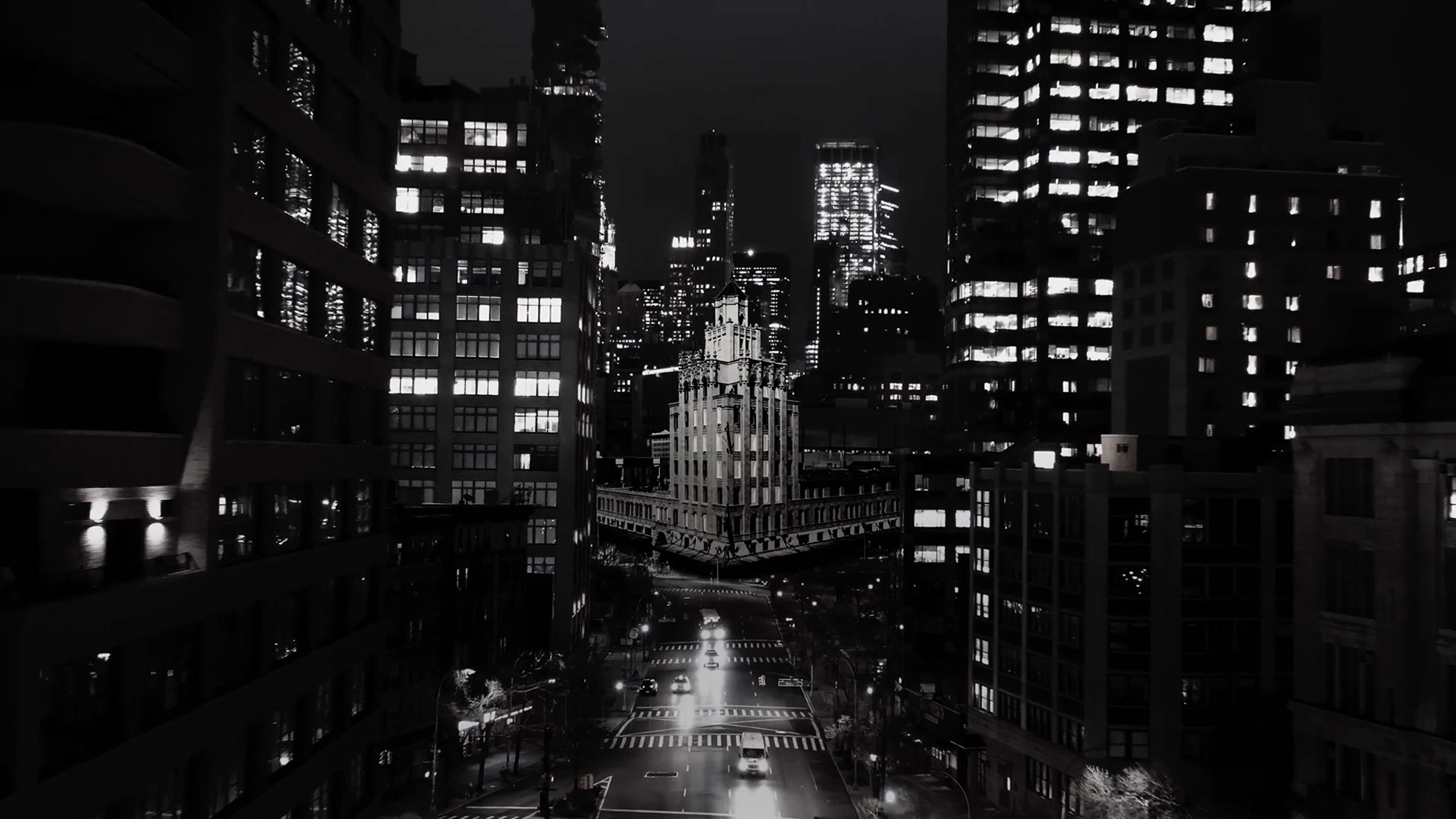
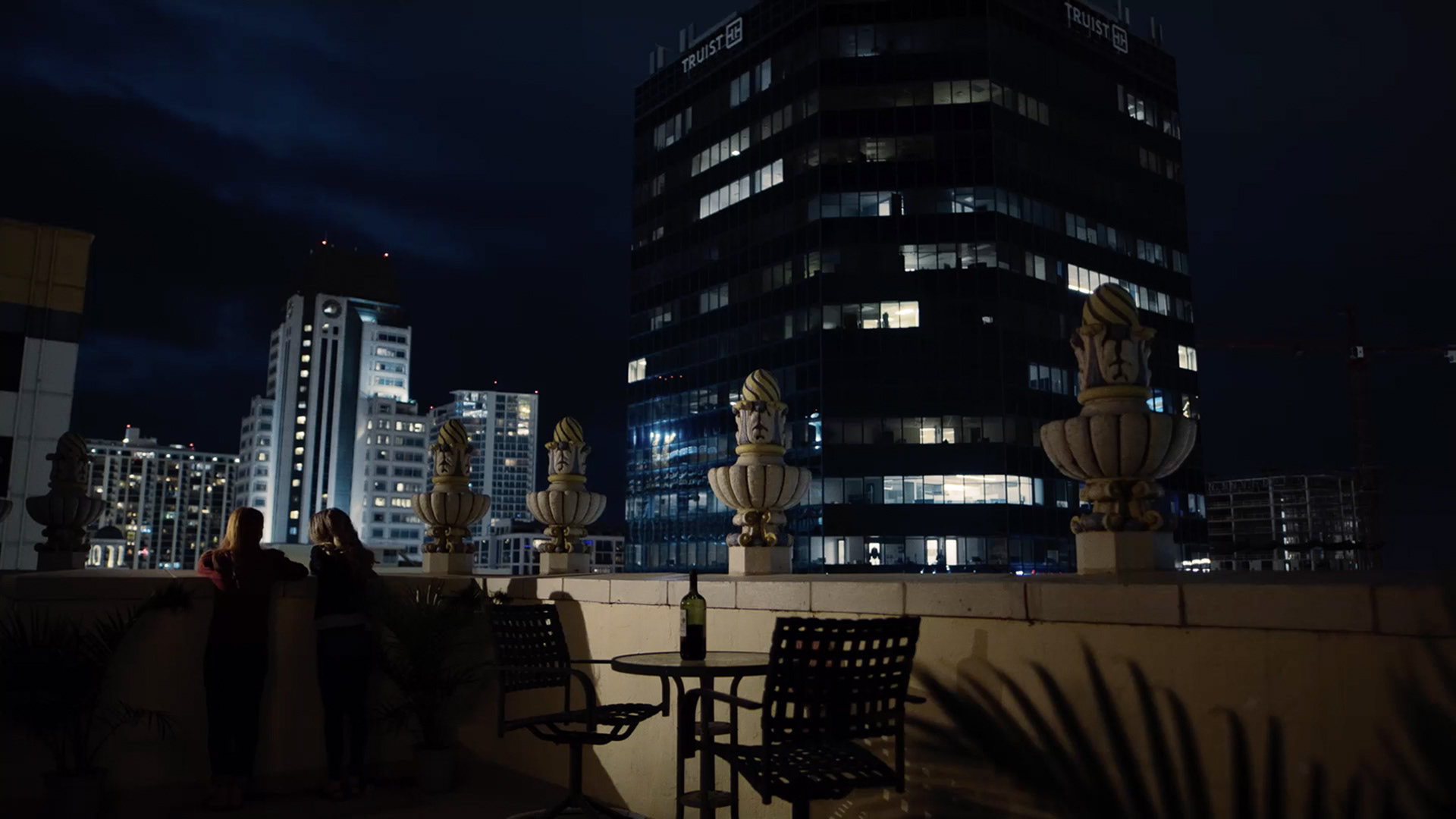
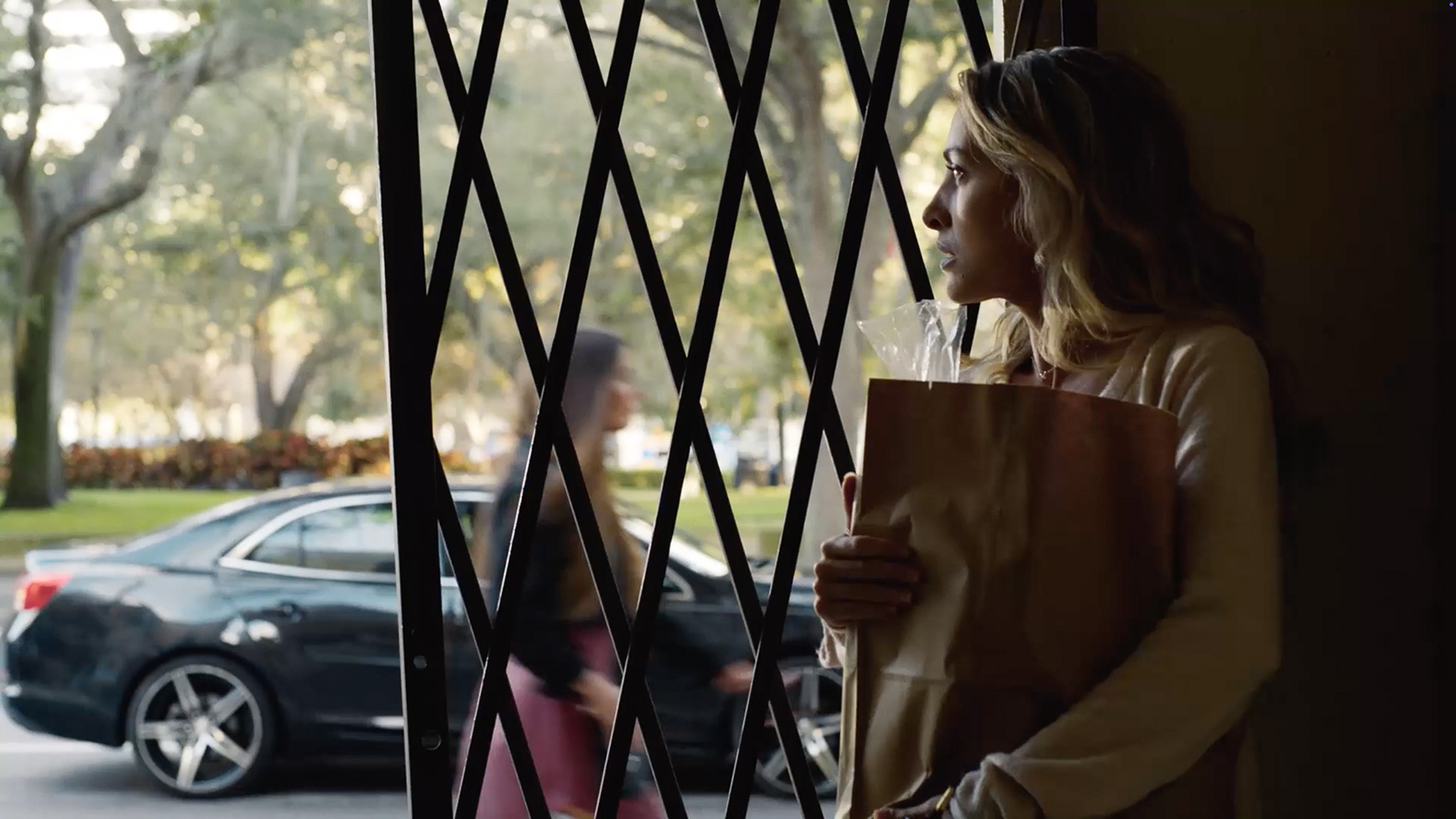
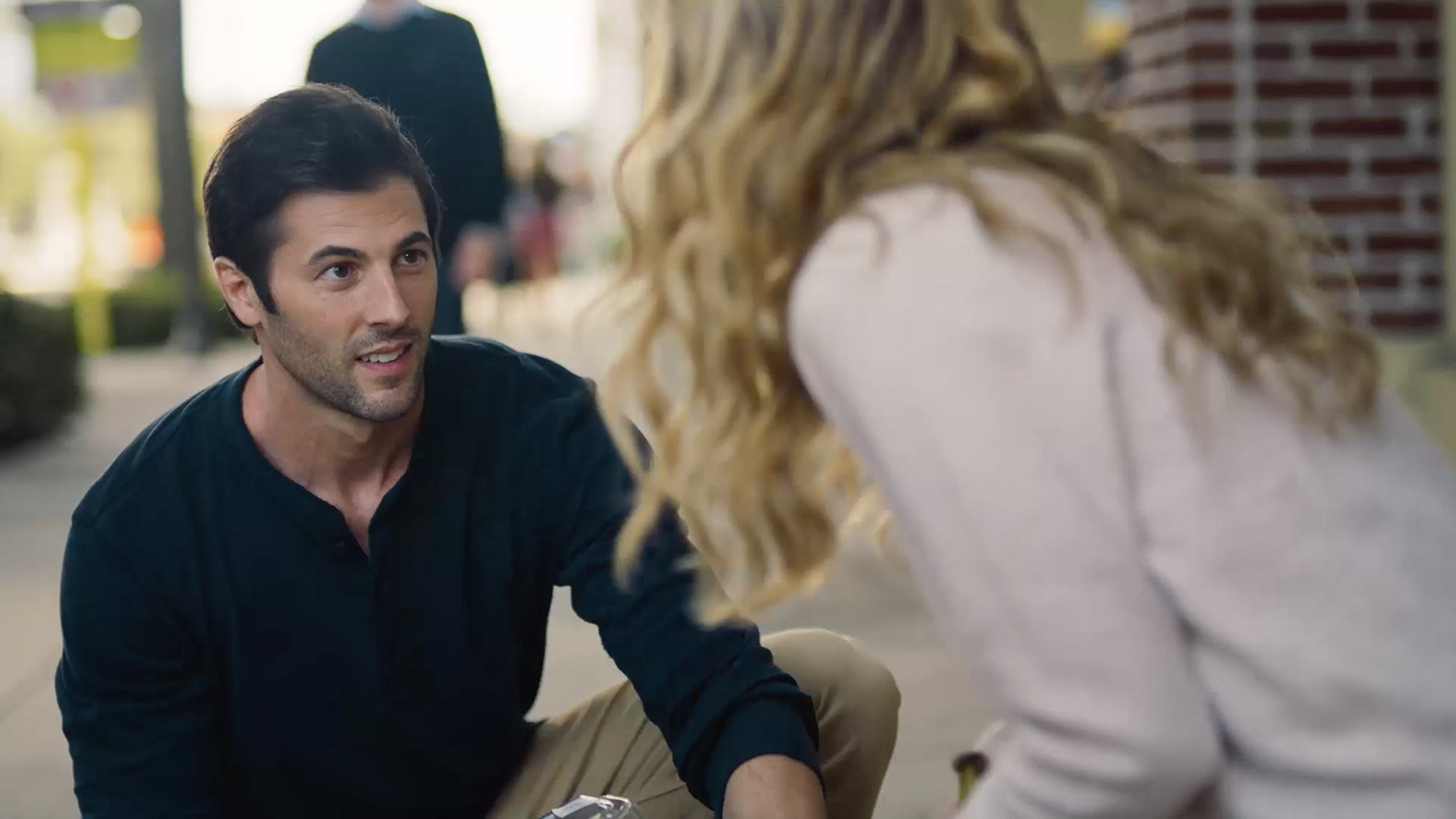
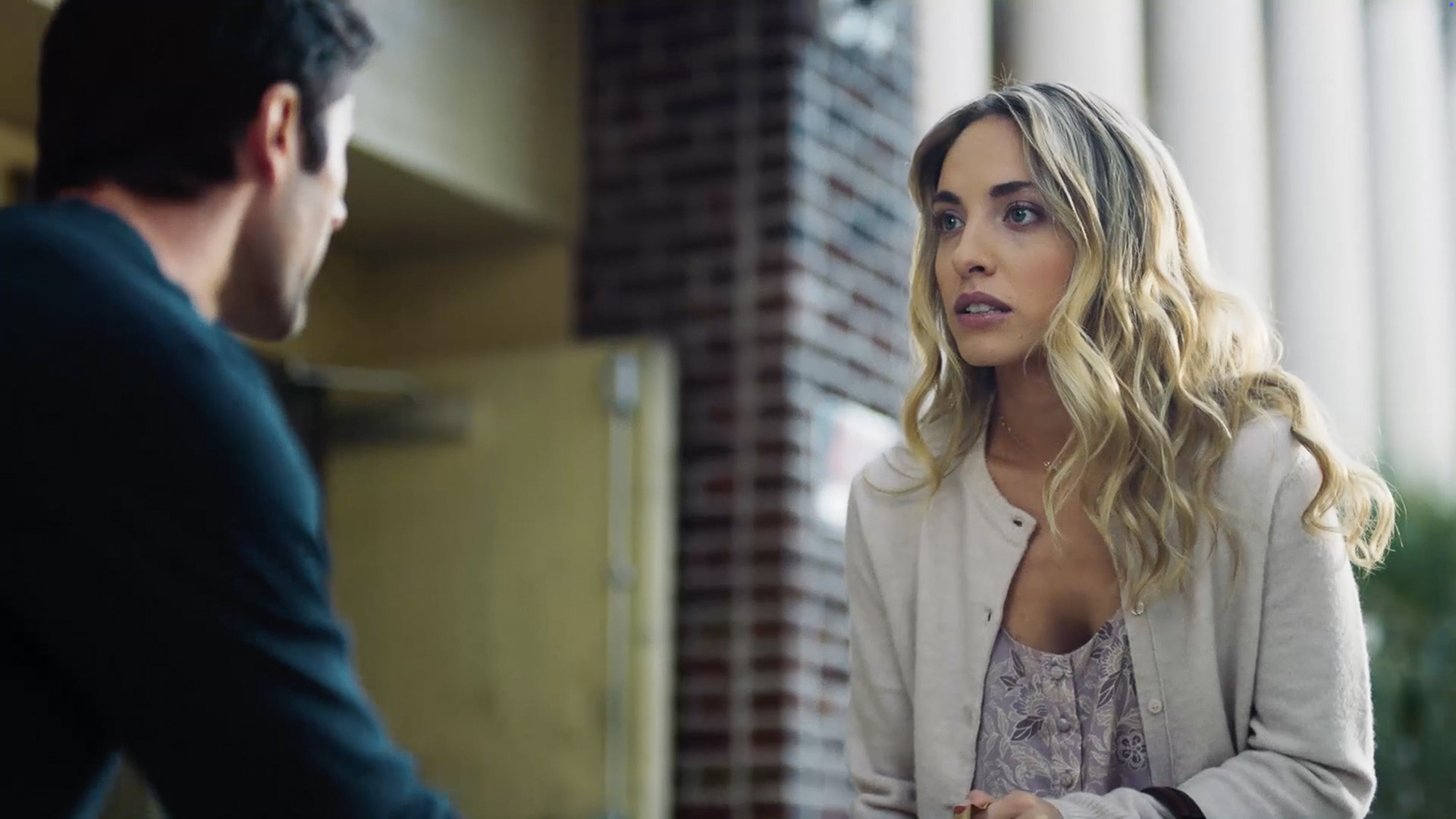
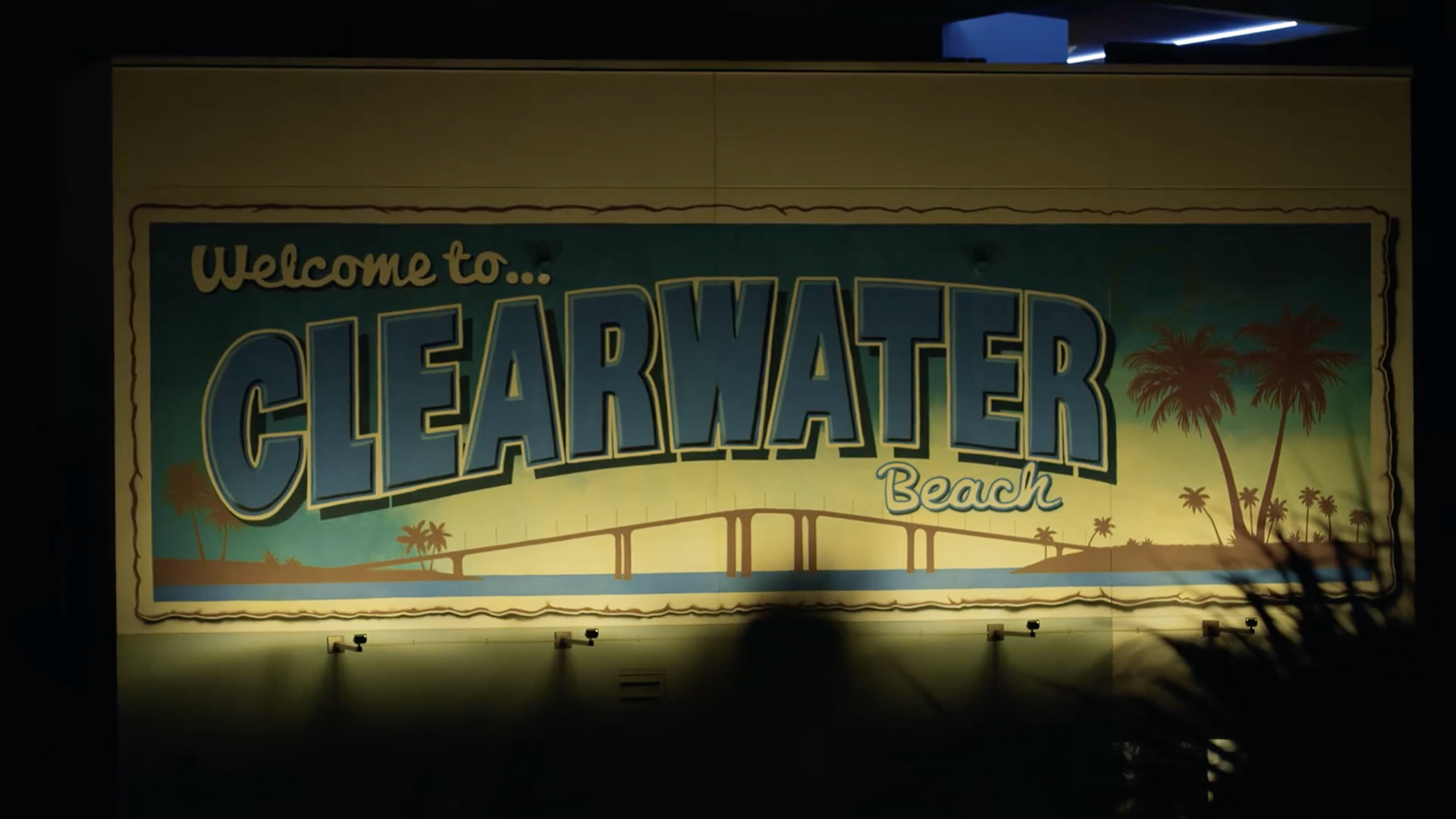
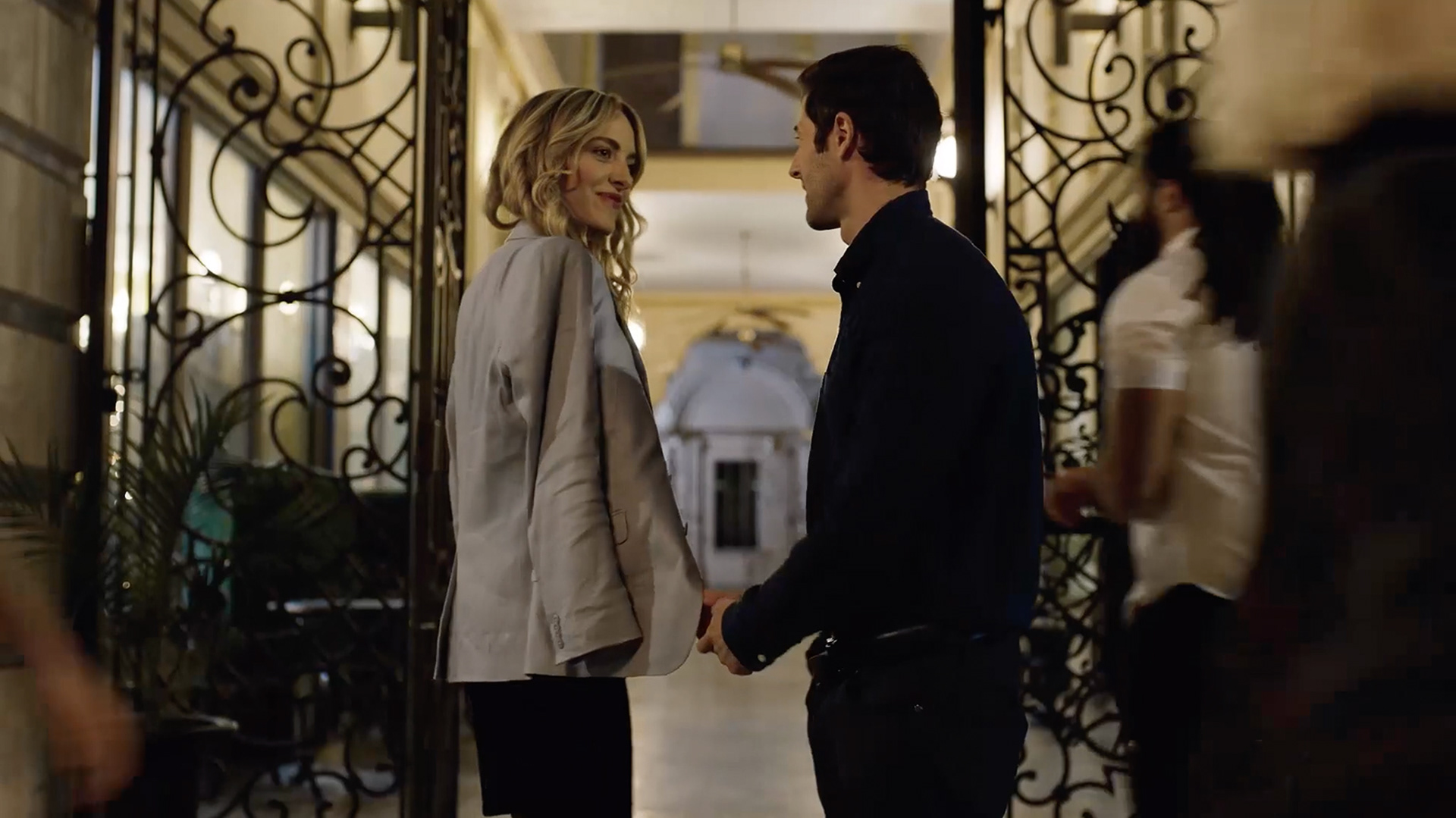
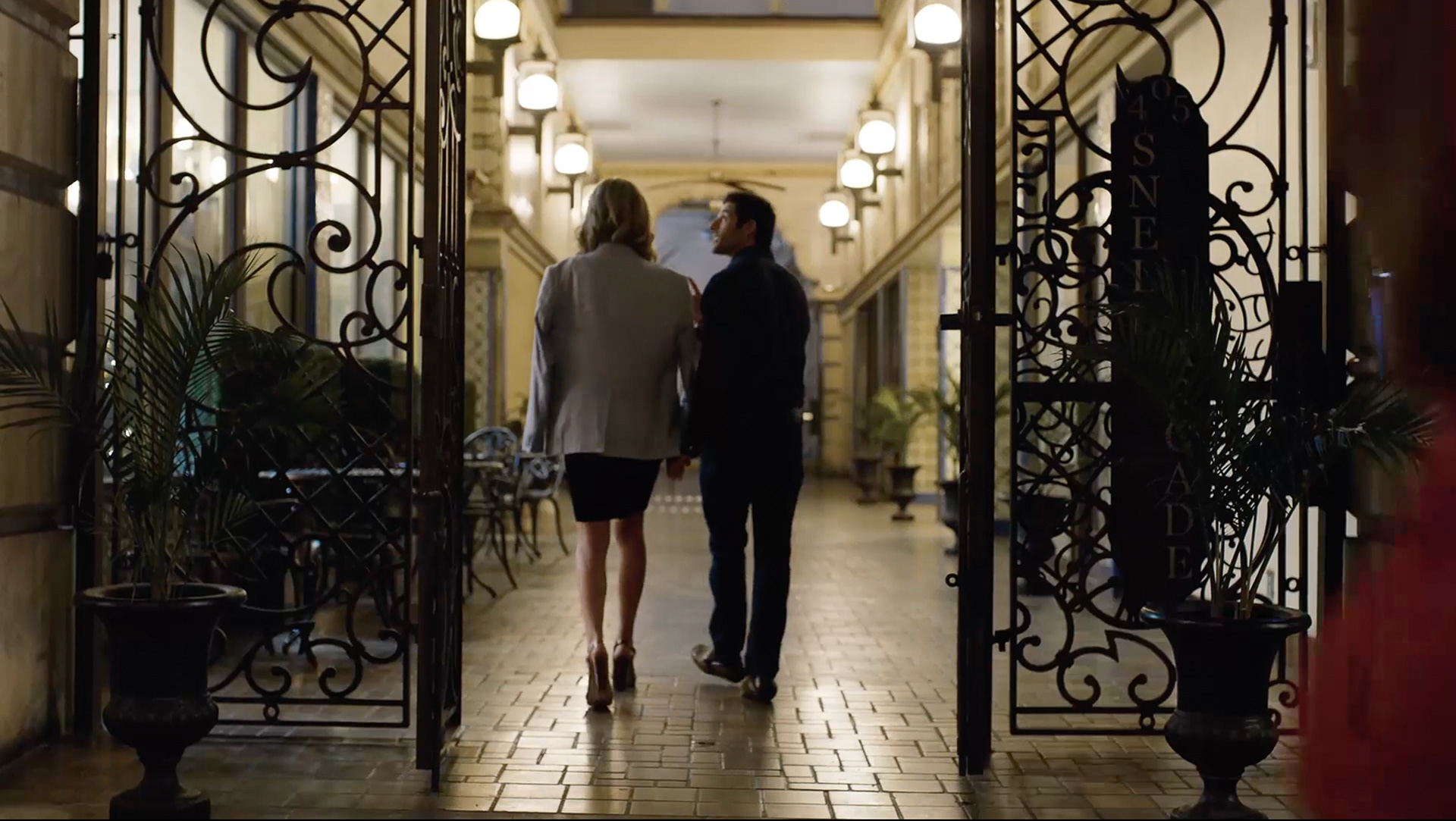
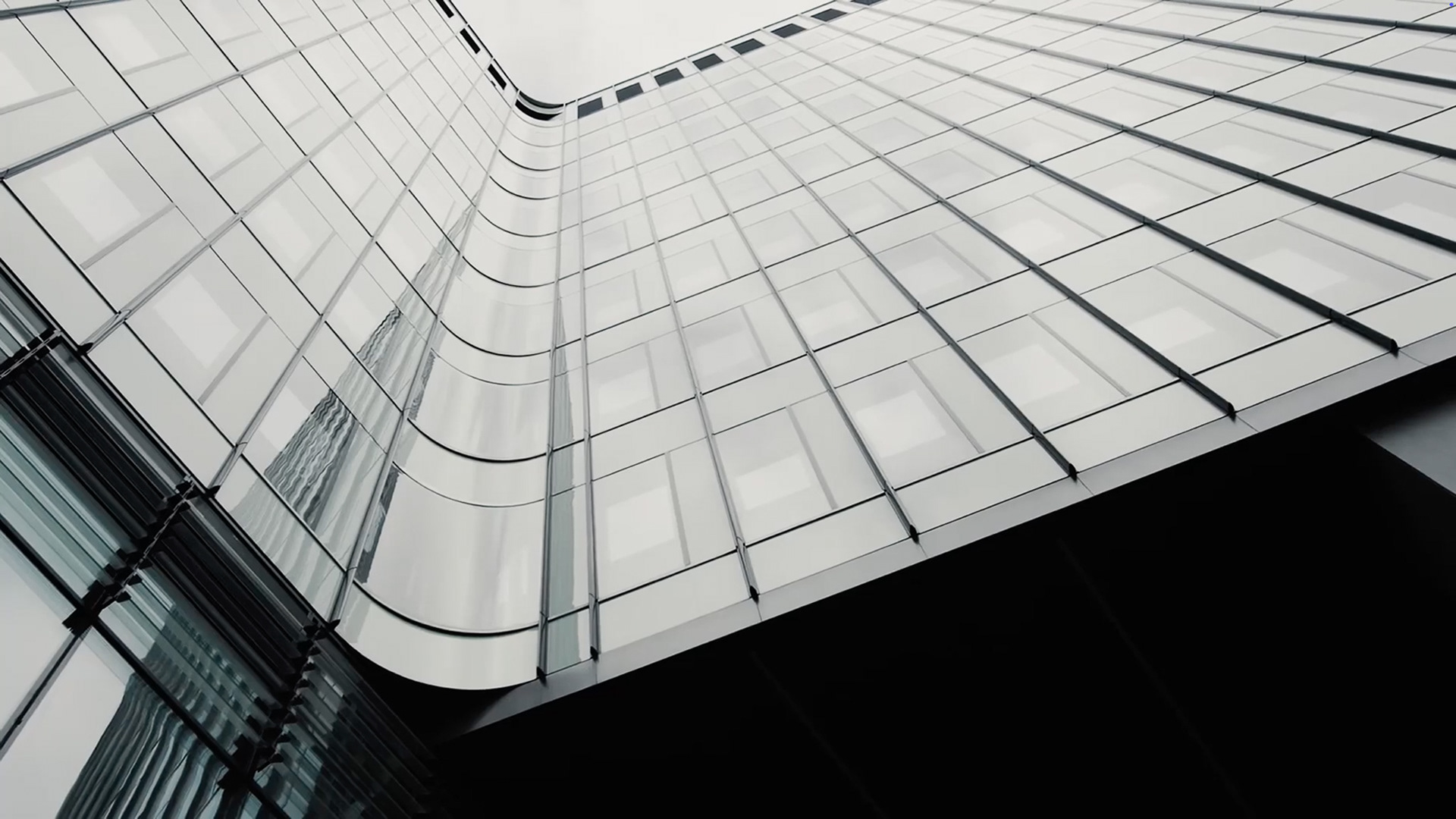
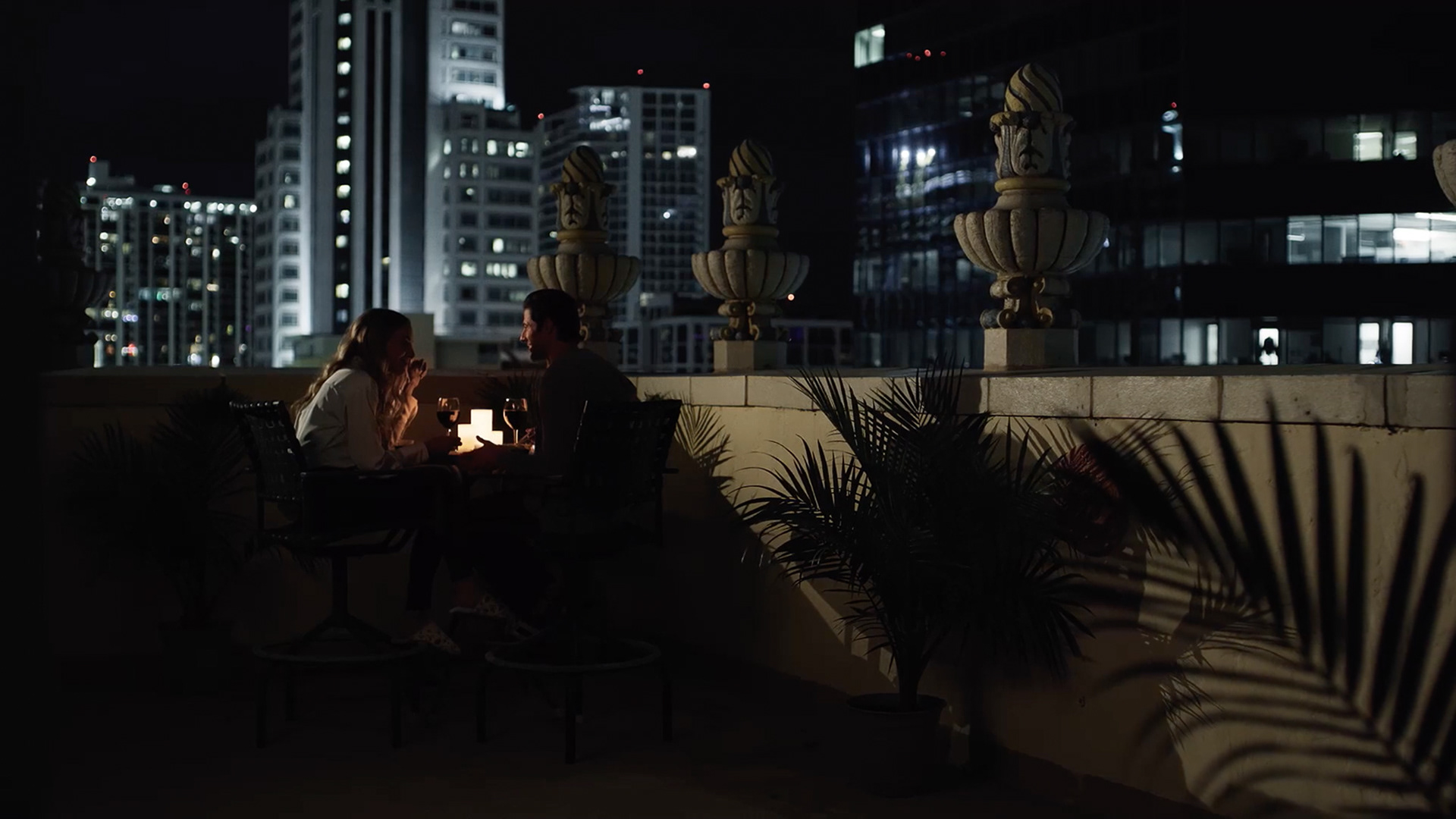
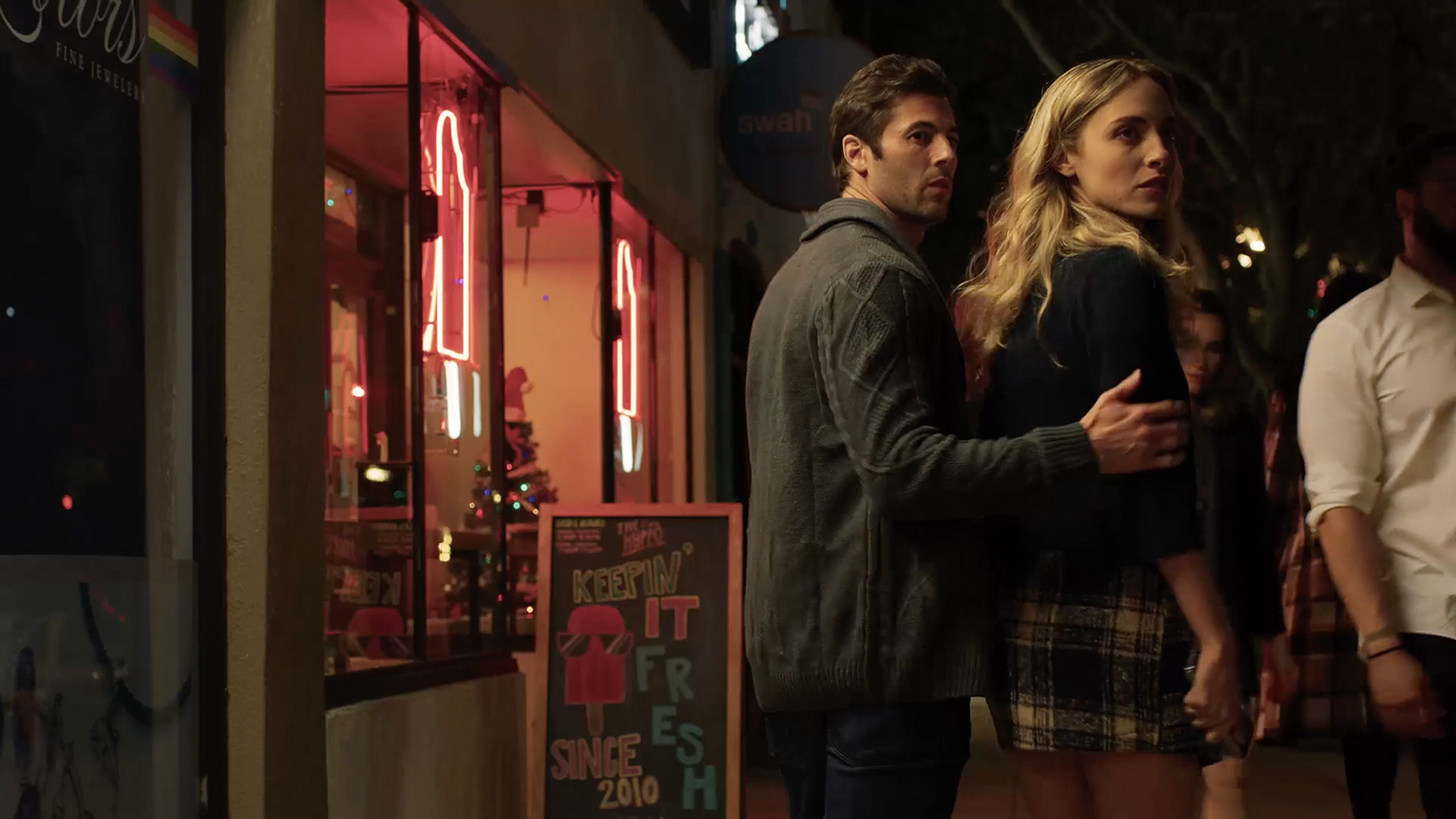
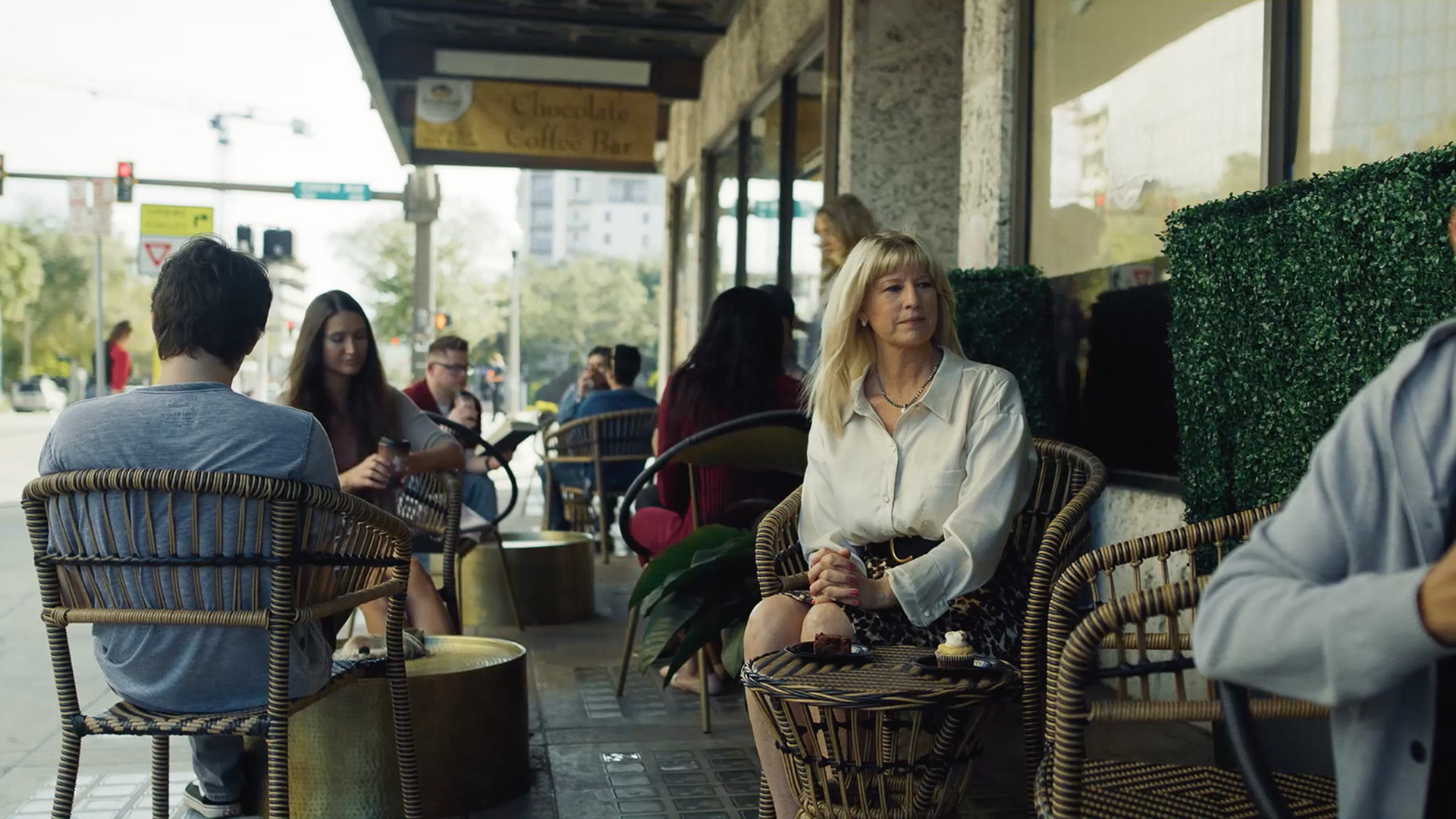
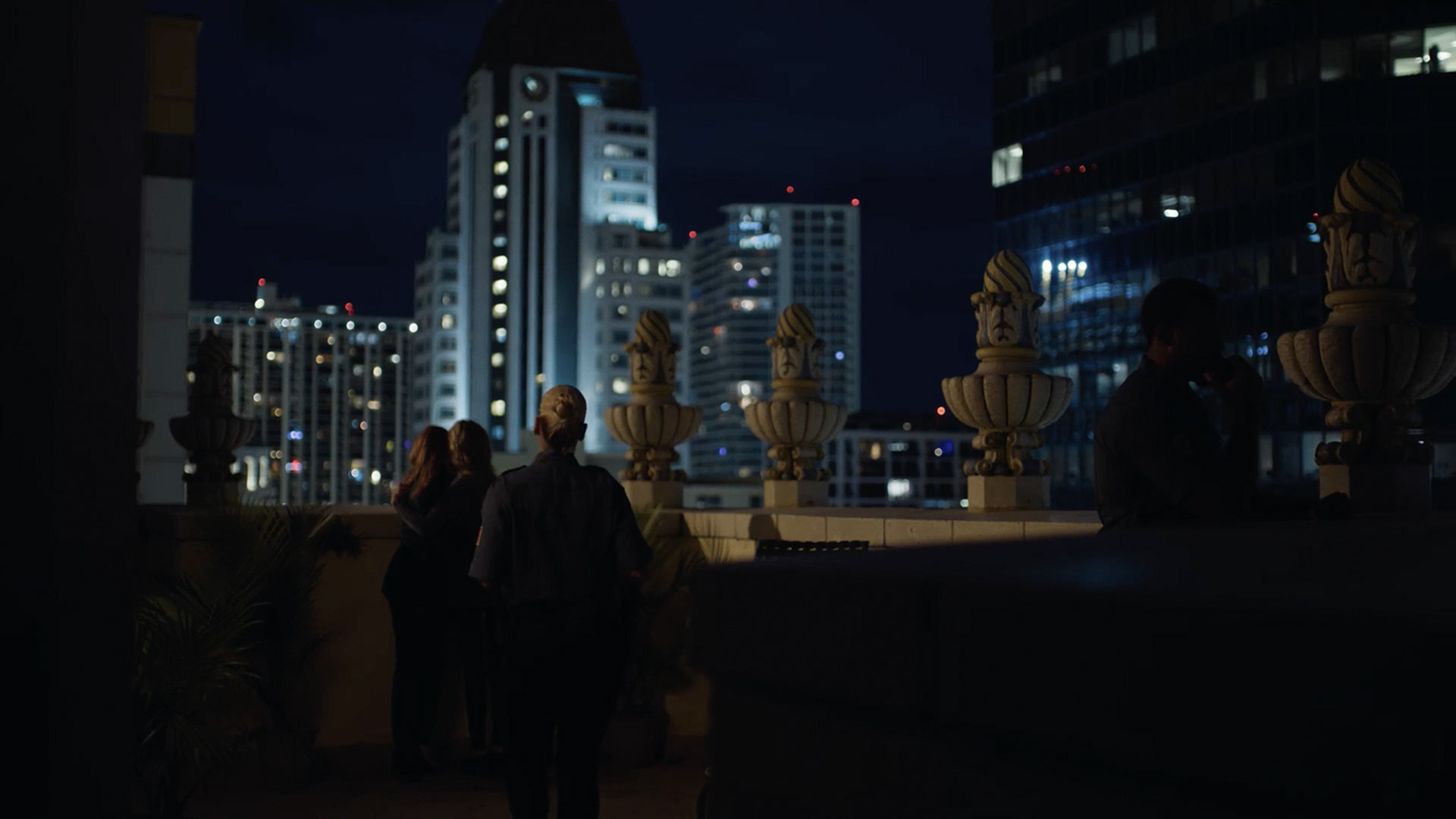
The project also required transforming Florida locations into something that psychologically felt far more like an older Northeastern city. Historic architecture, carefully selected exteriors, layered production design, and controlled visual framing all became important tools in building that illusion.
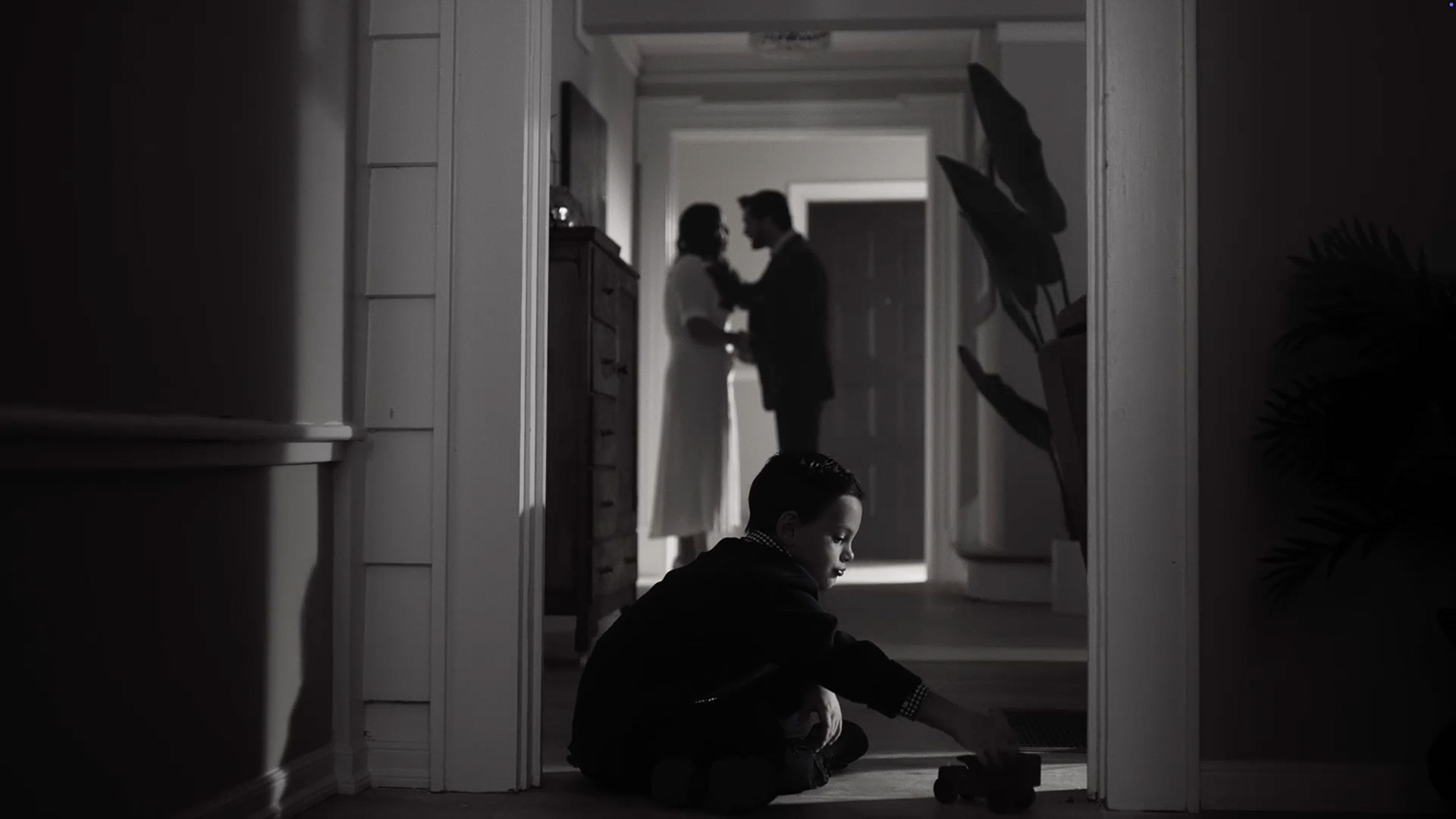
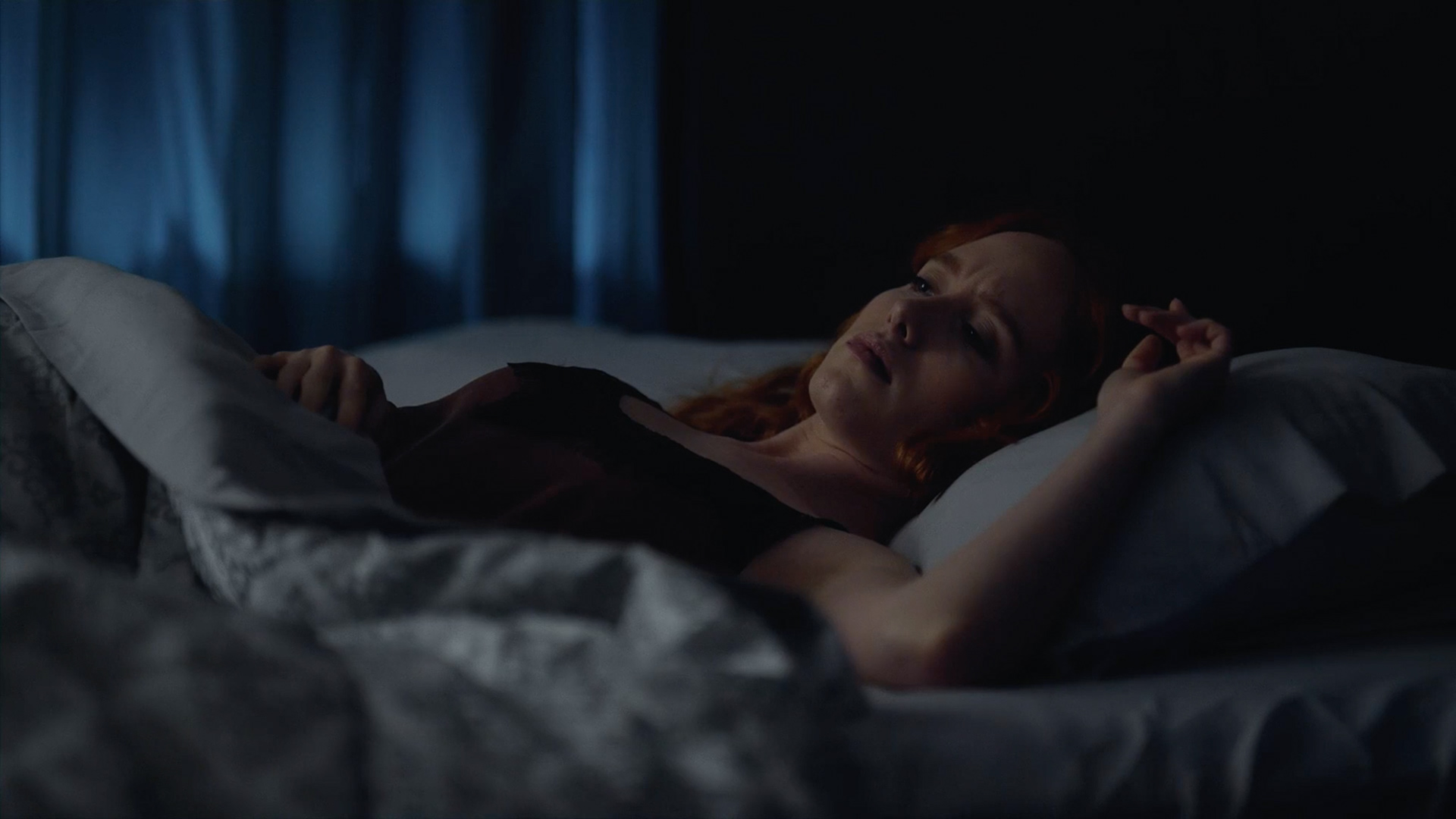
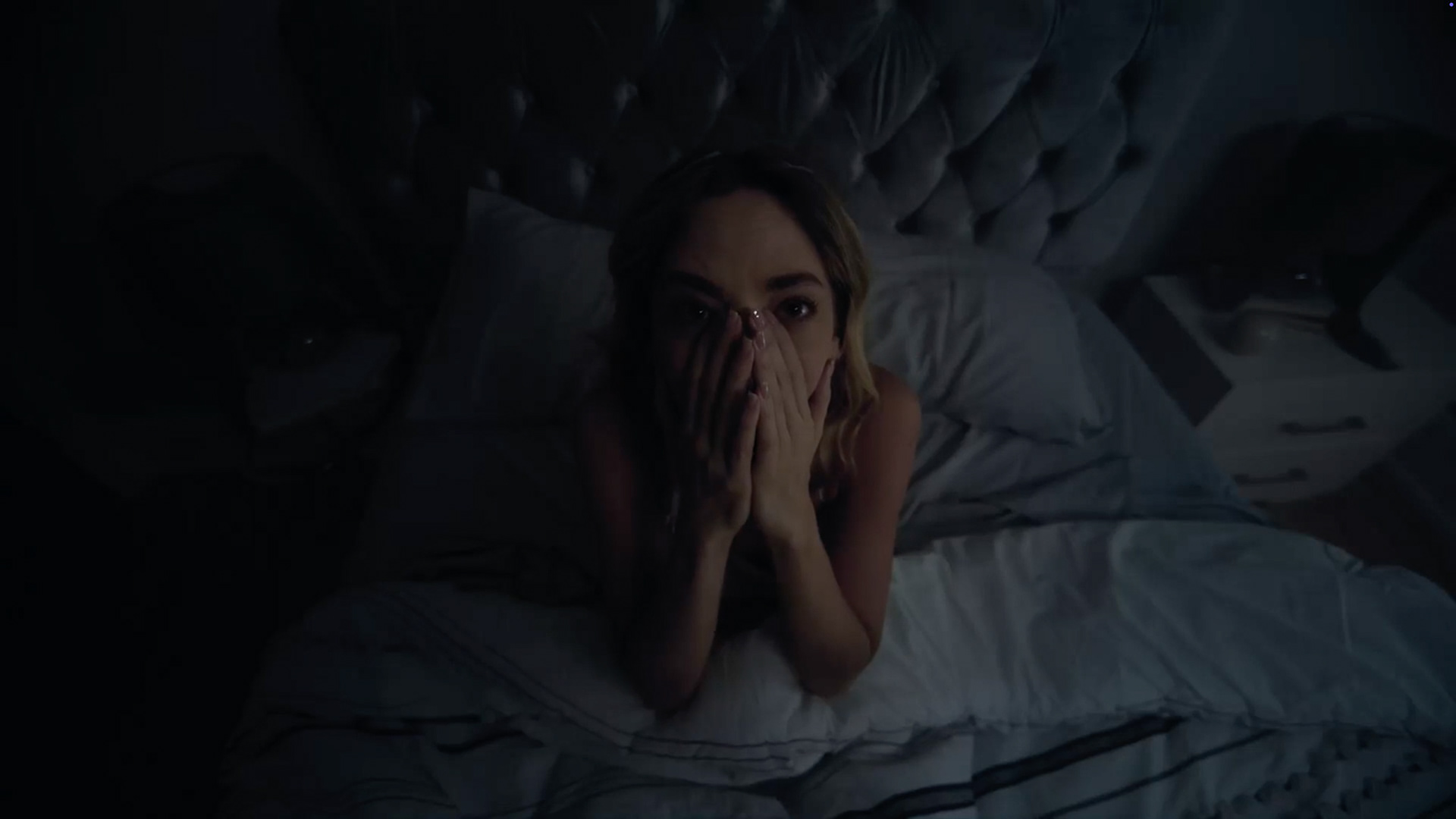
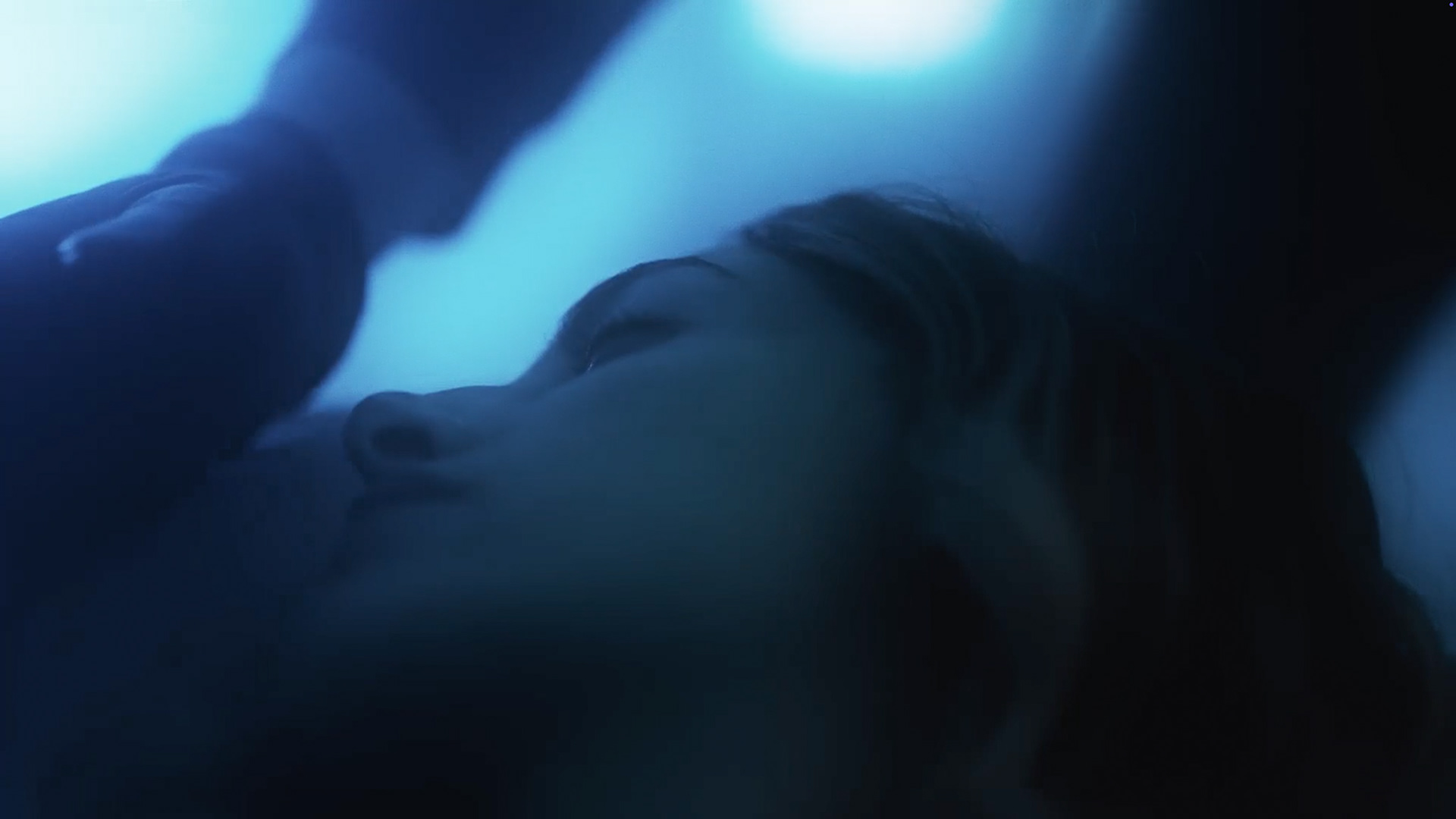
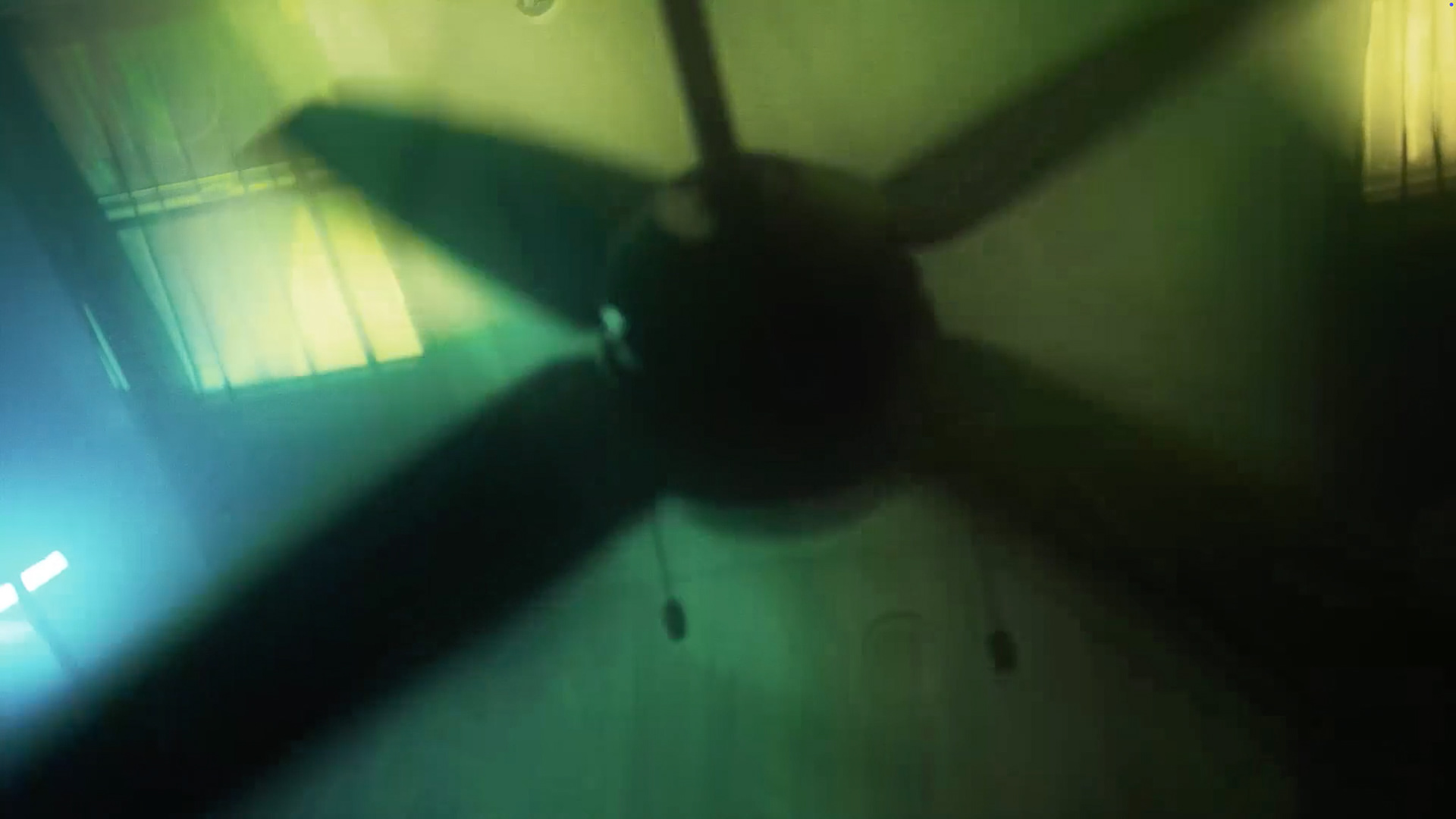
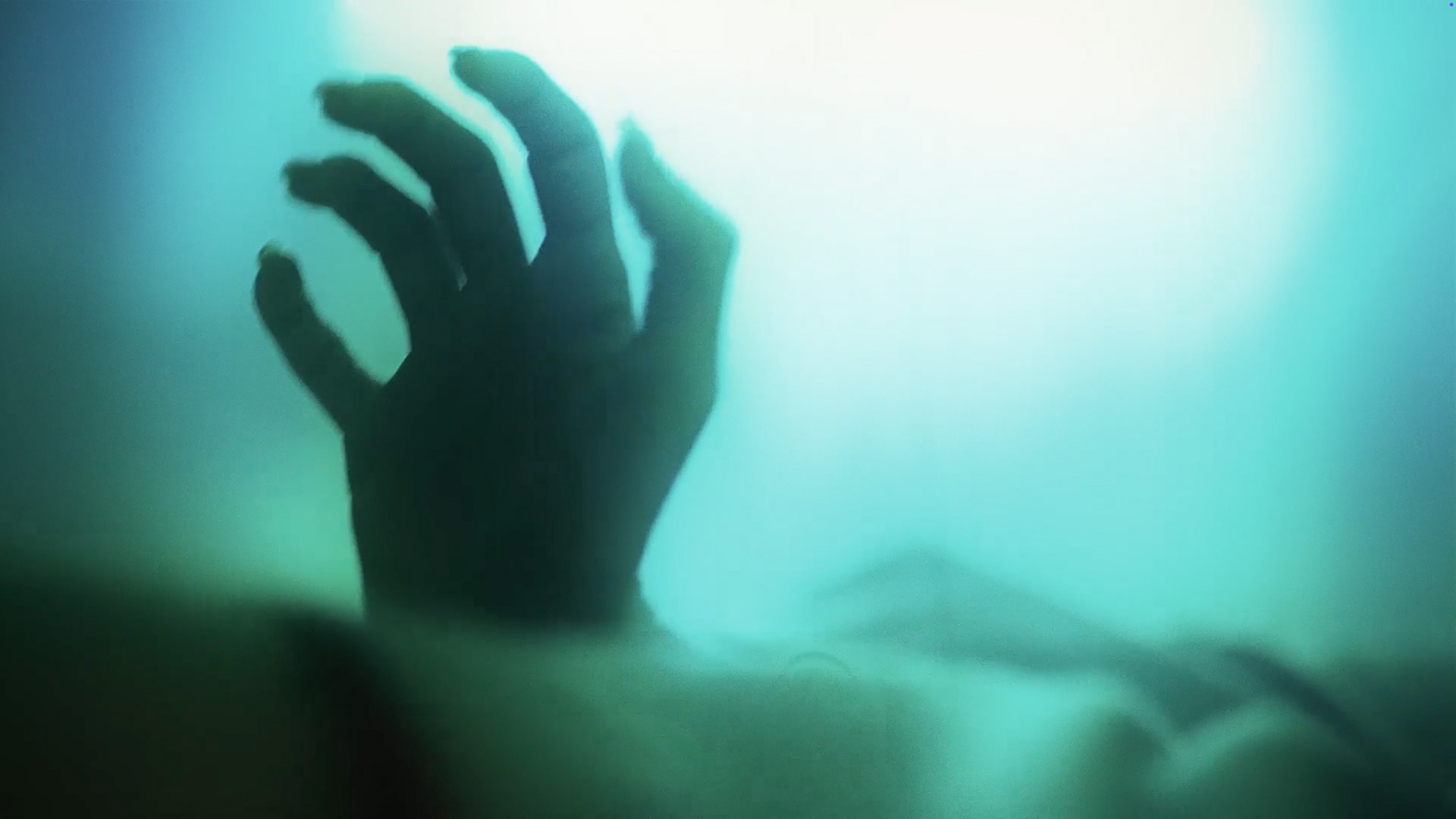
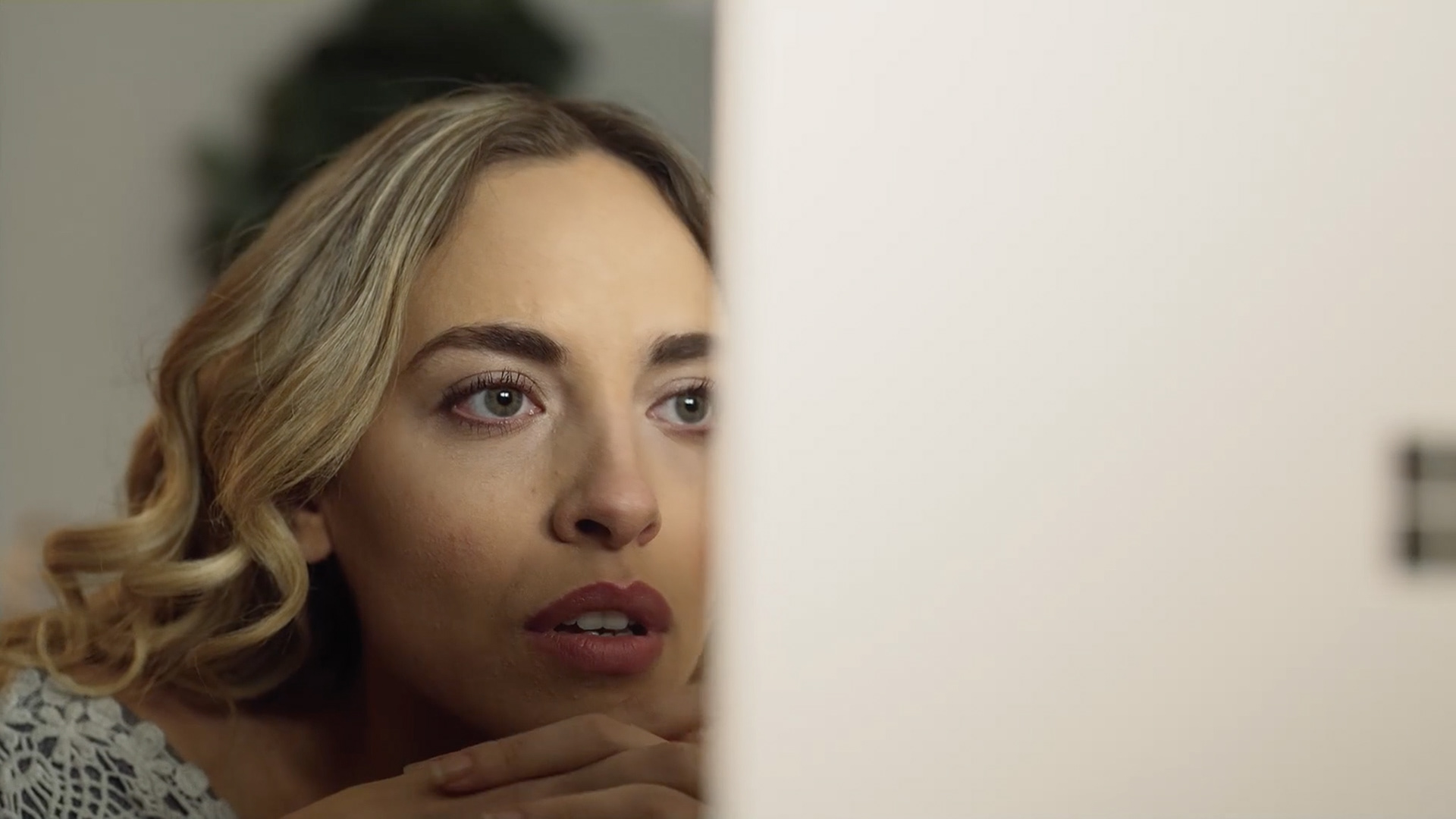
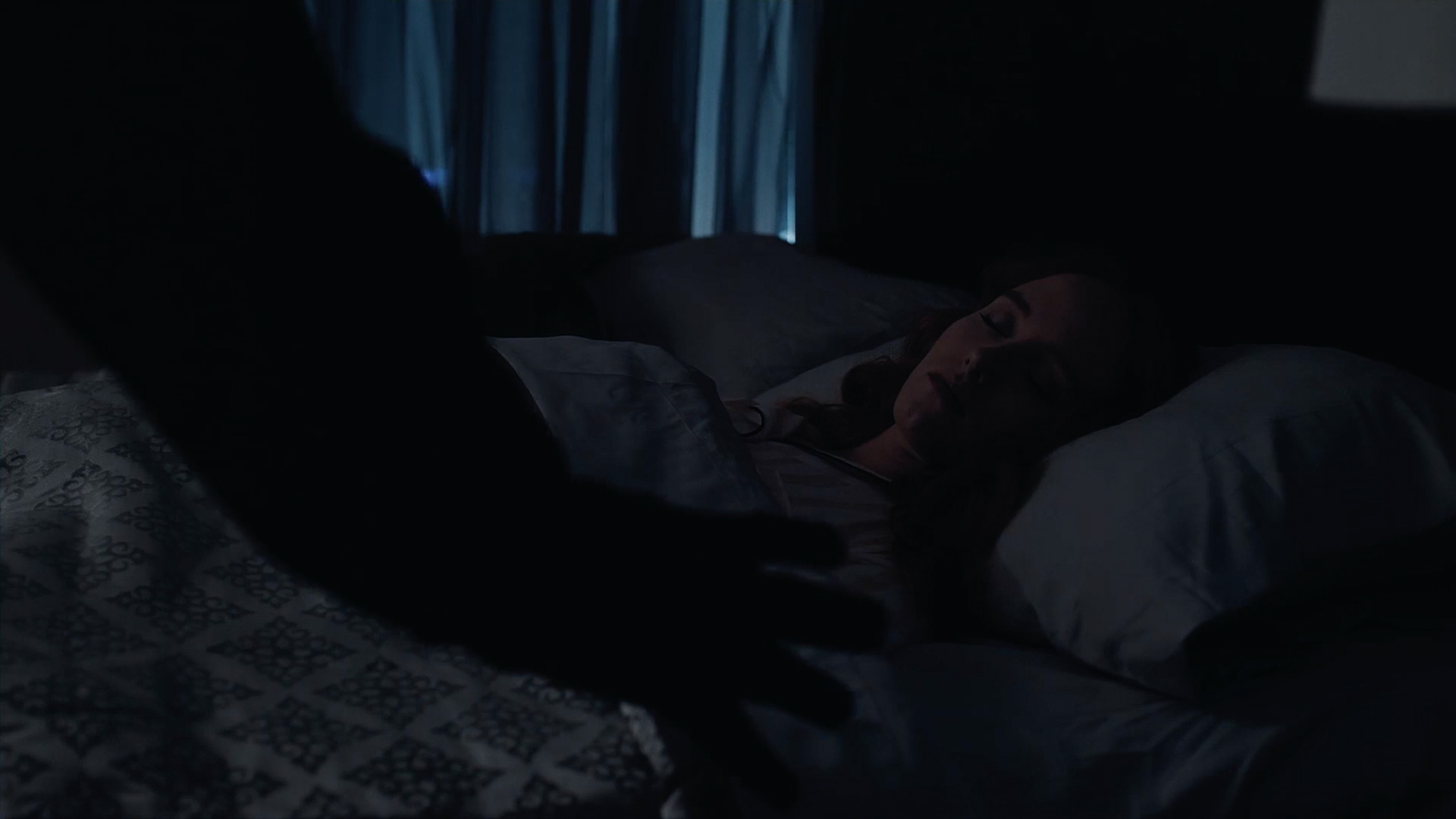
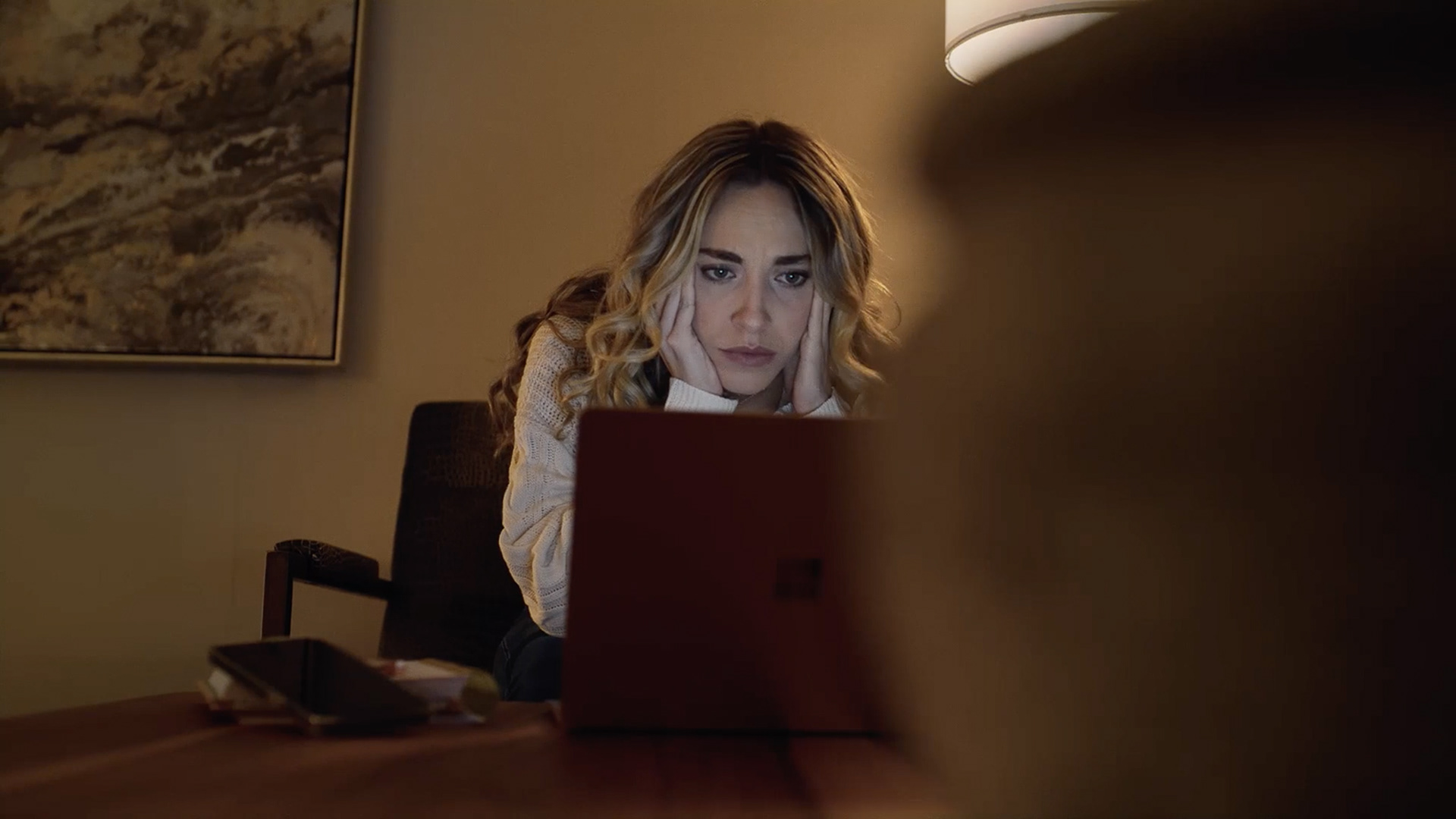
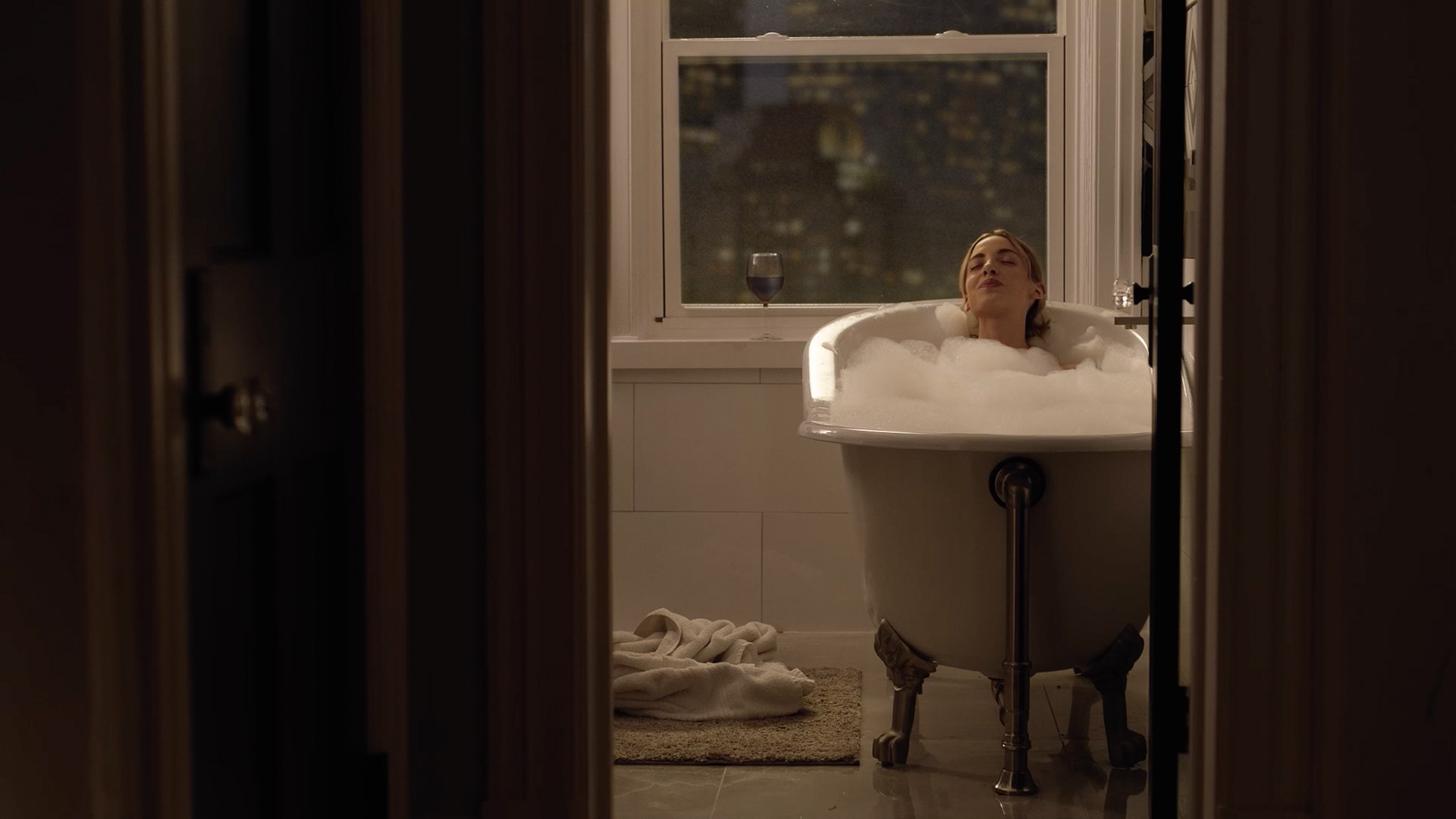
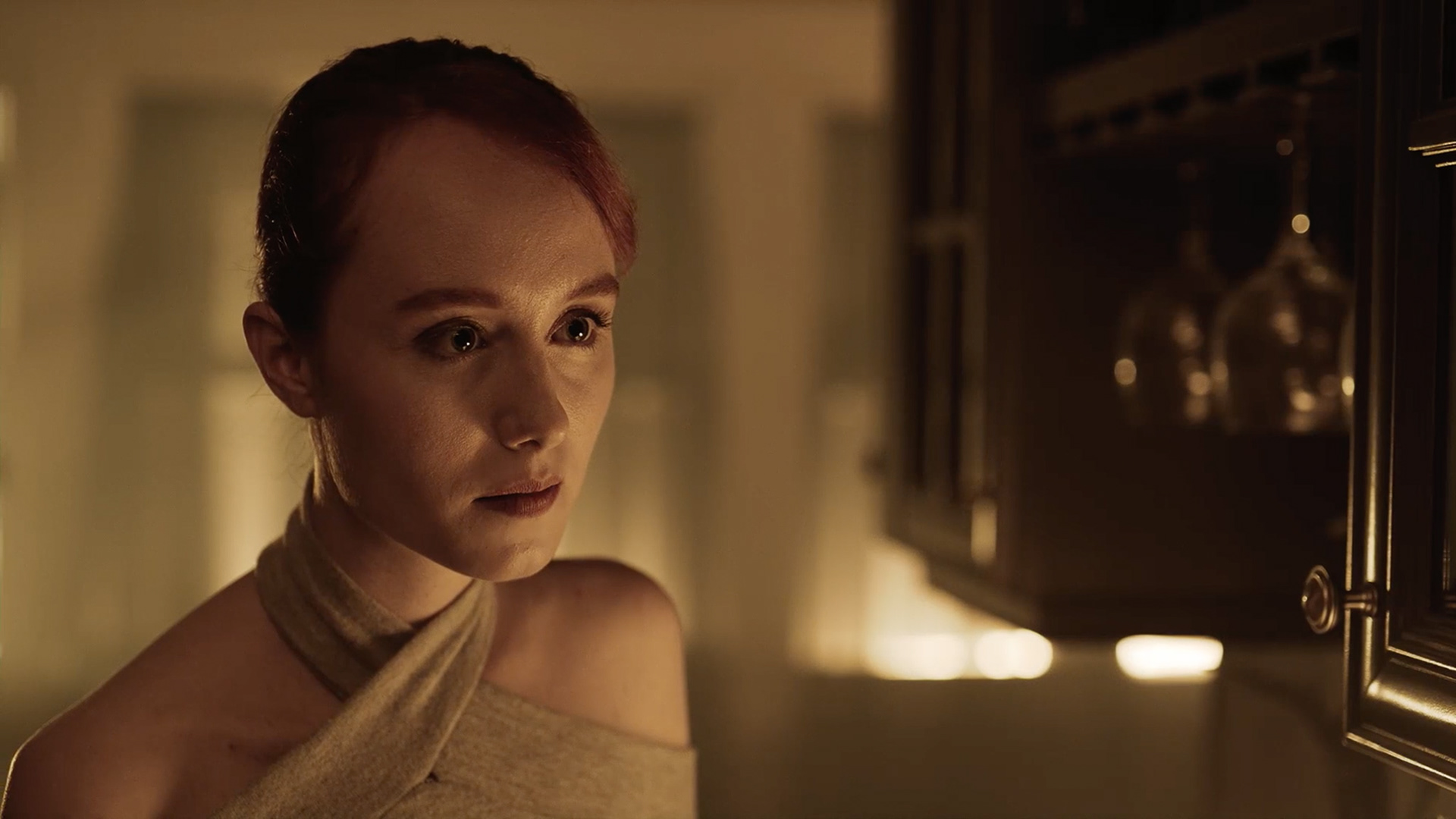
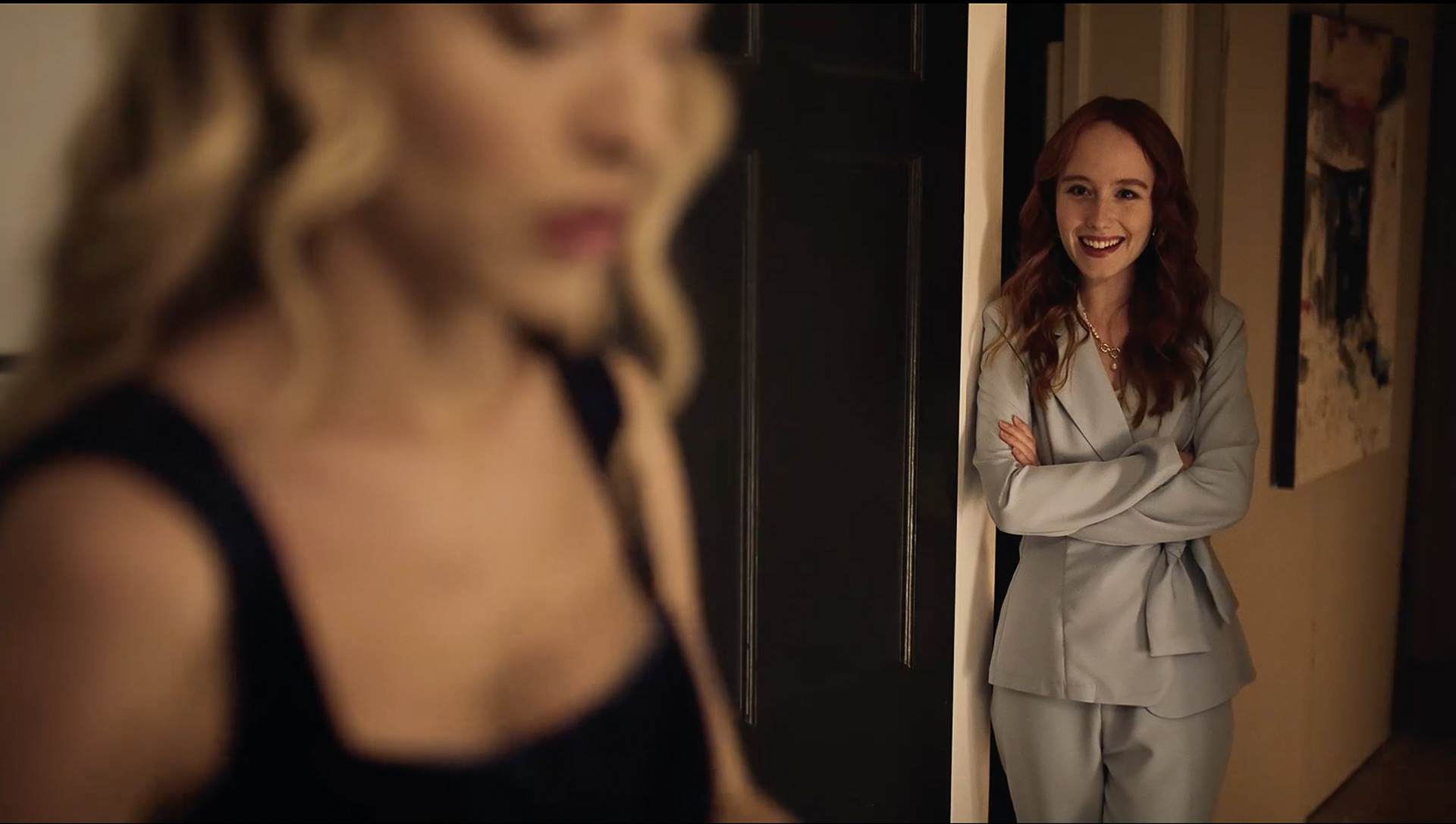
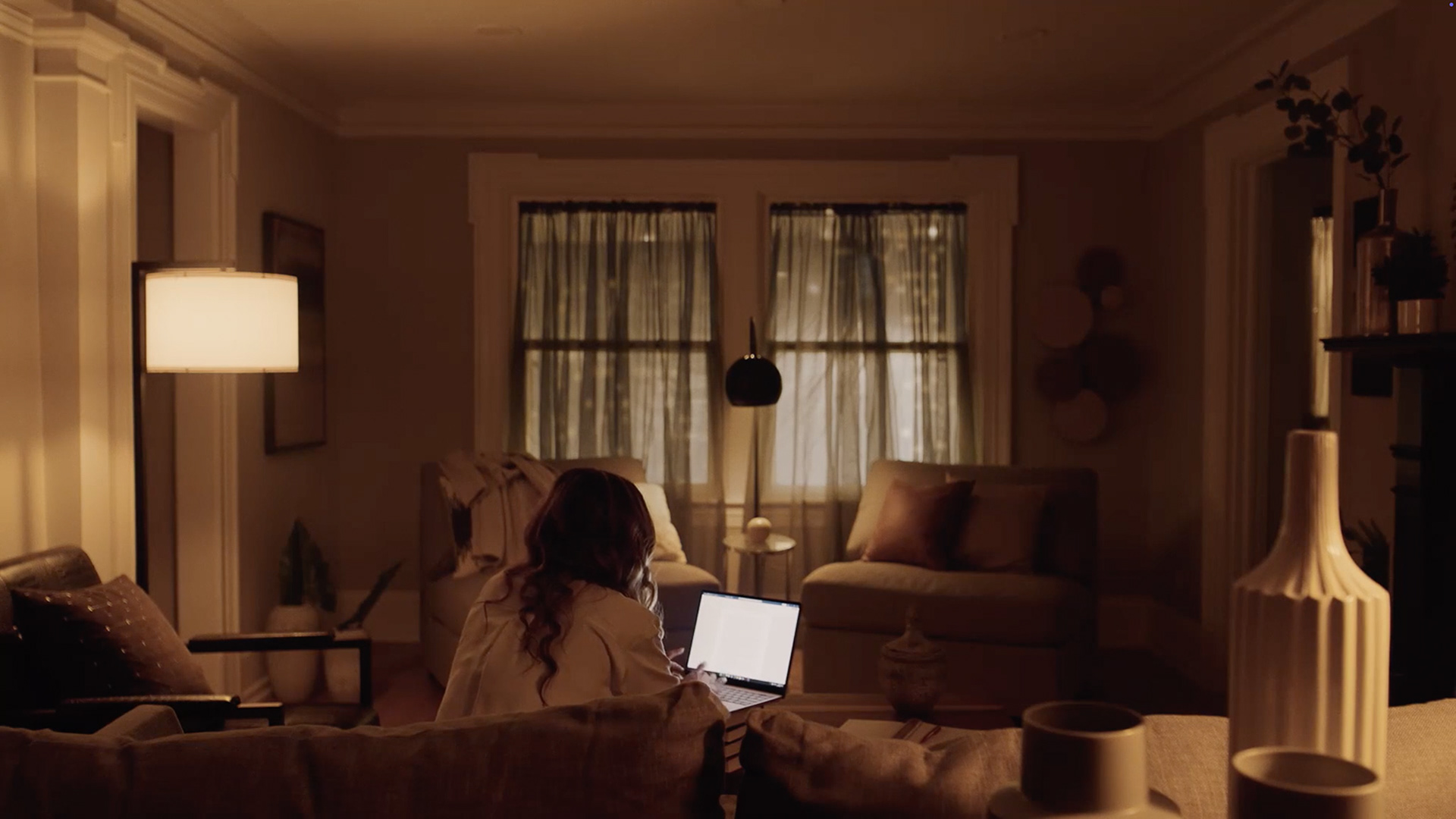
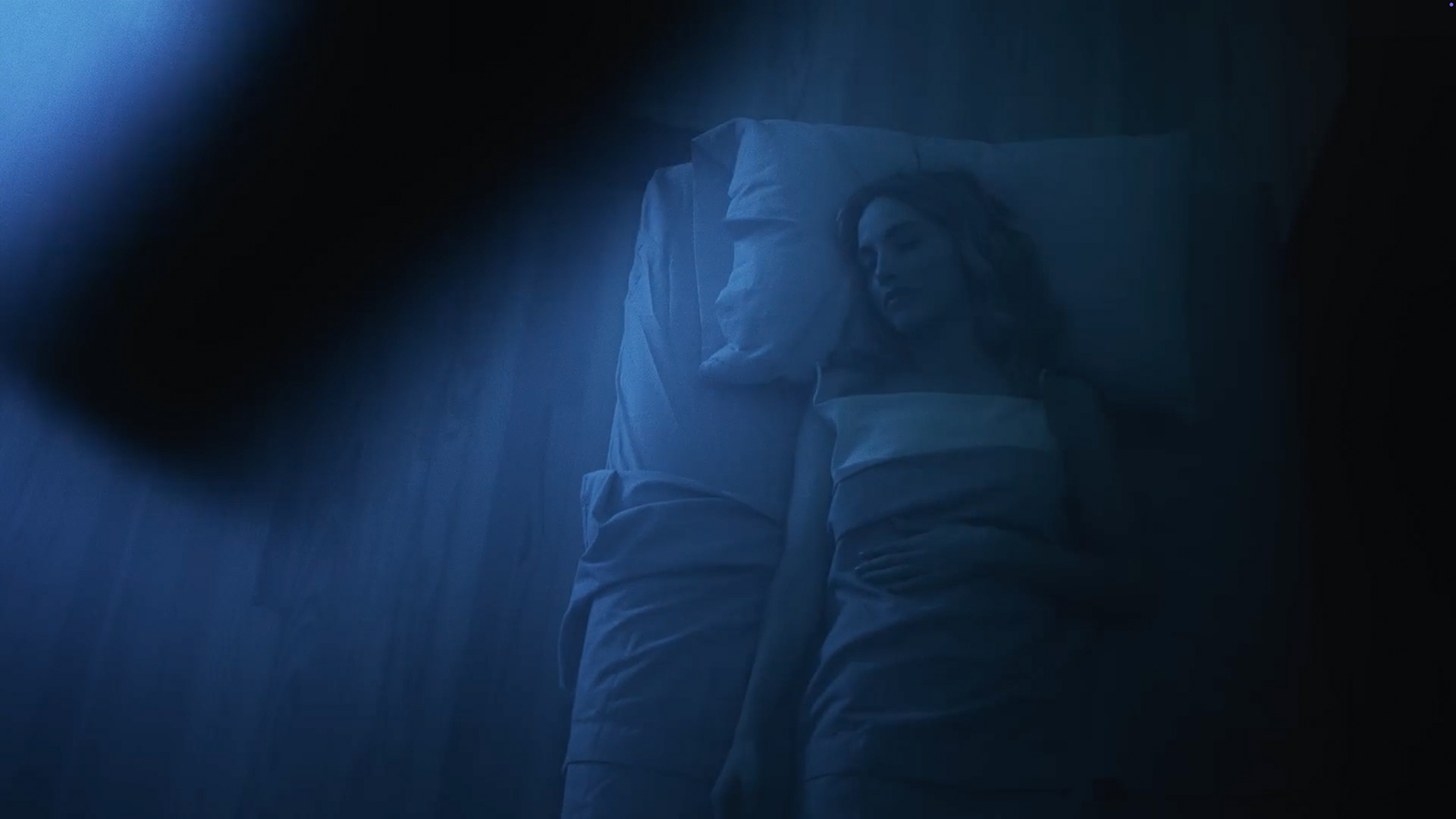
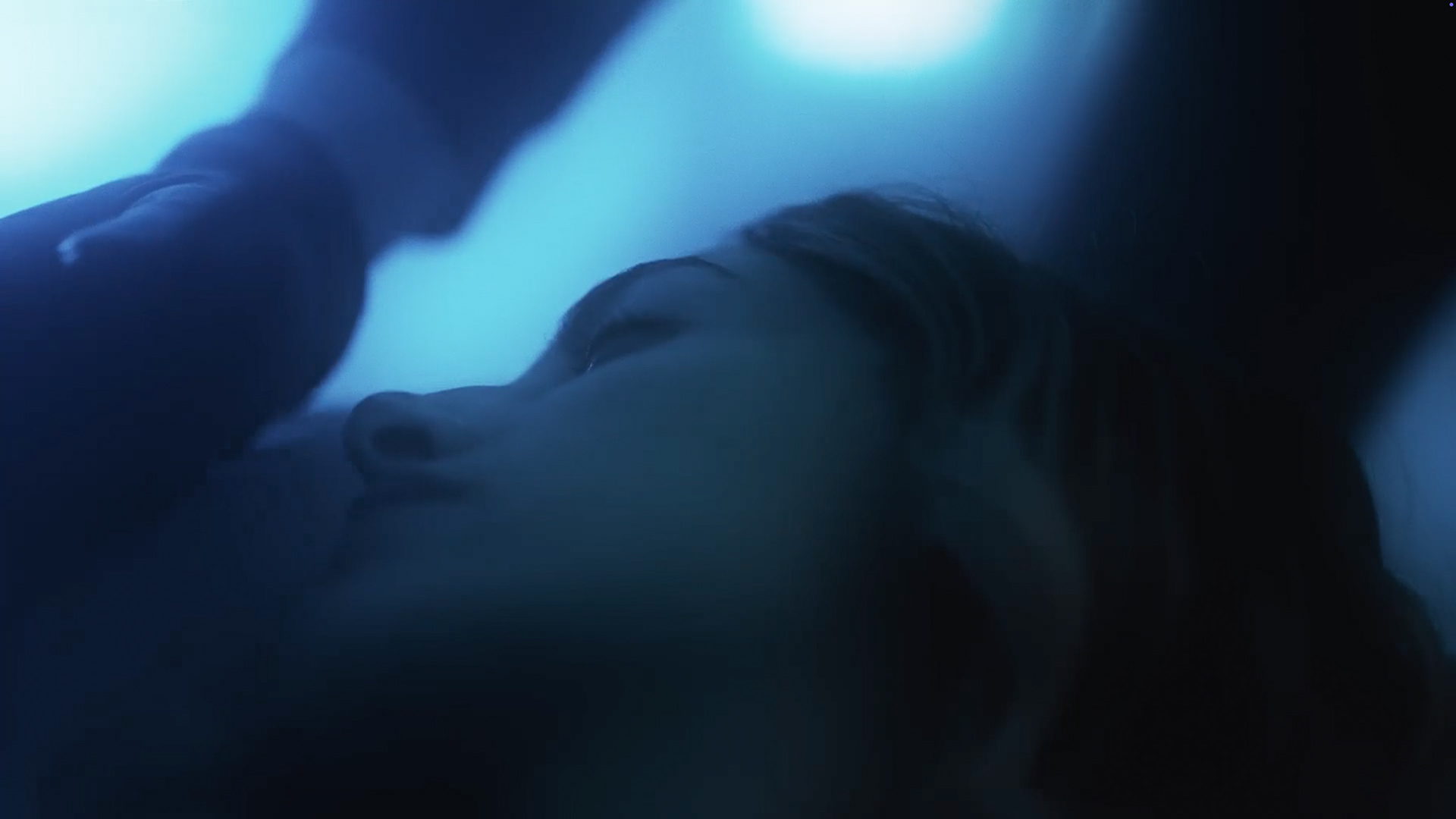
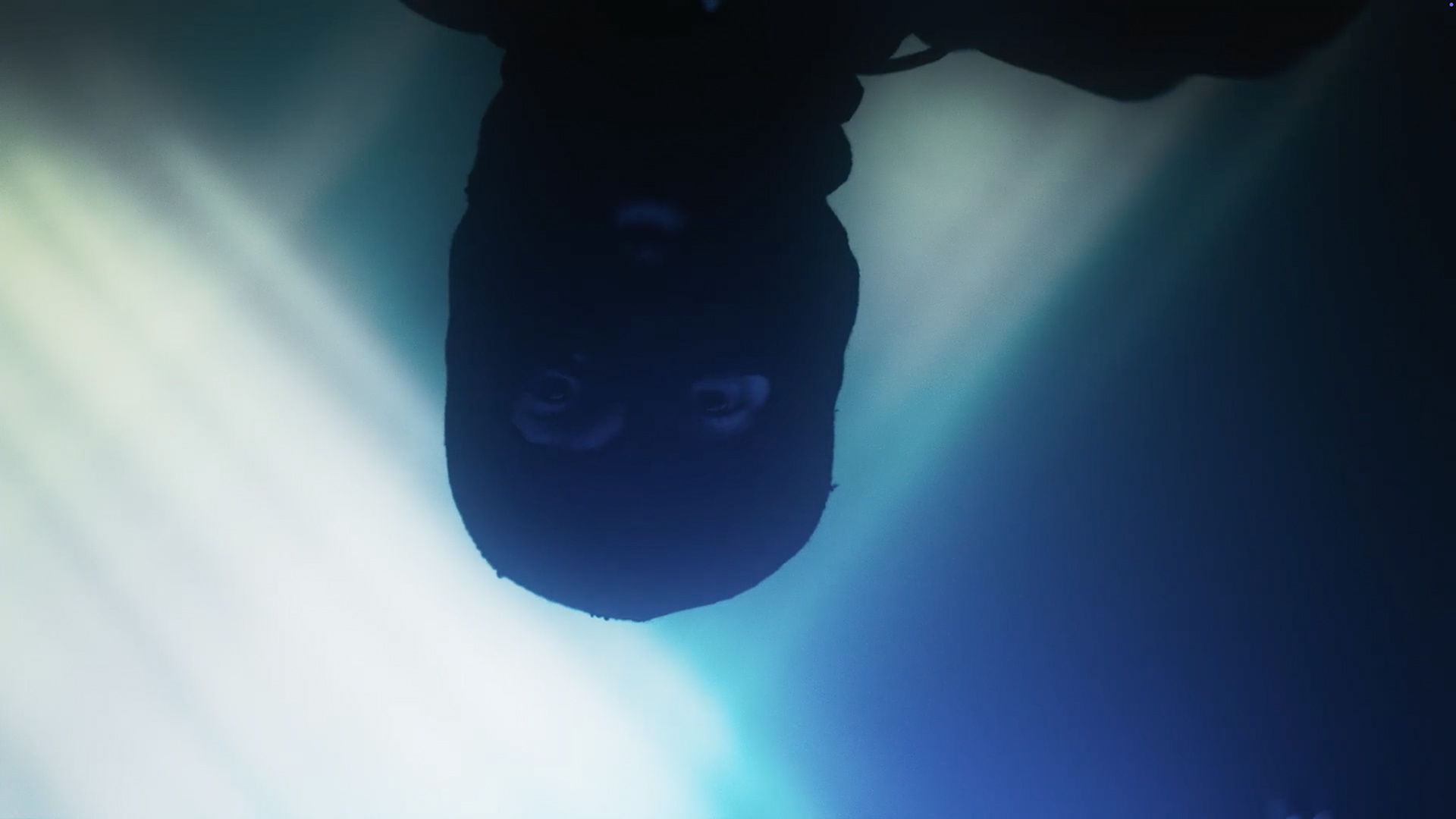
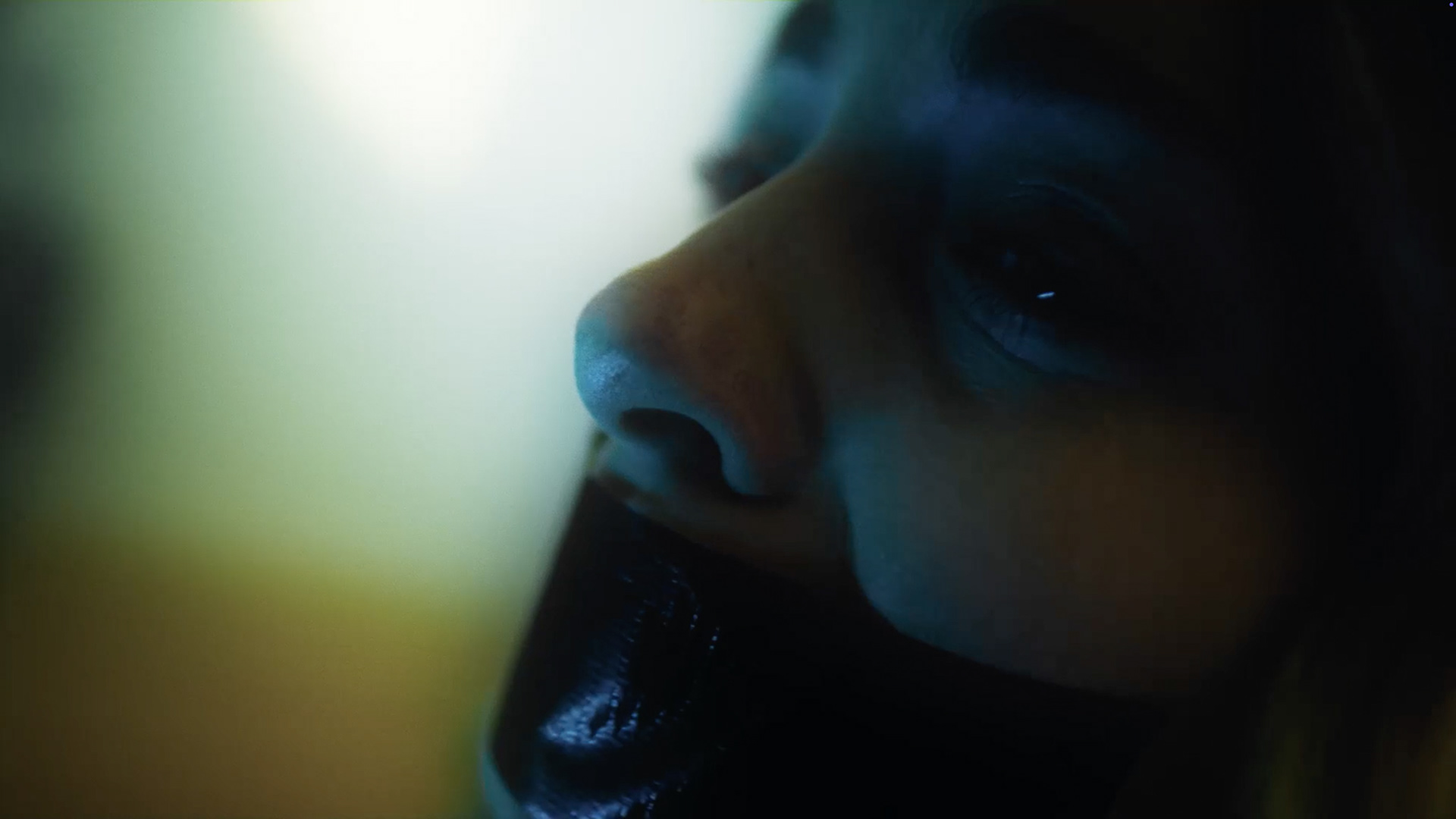
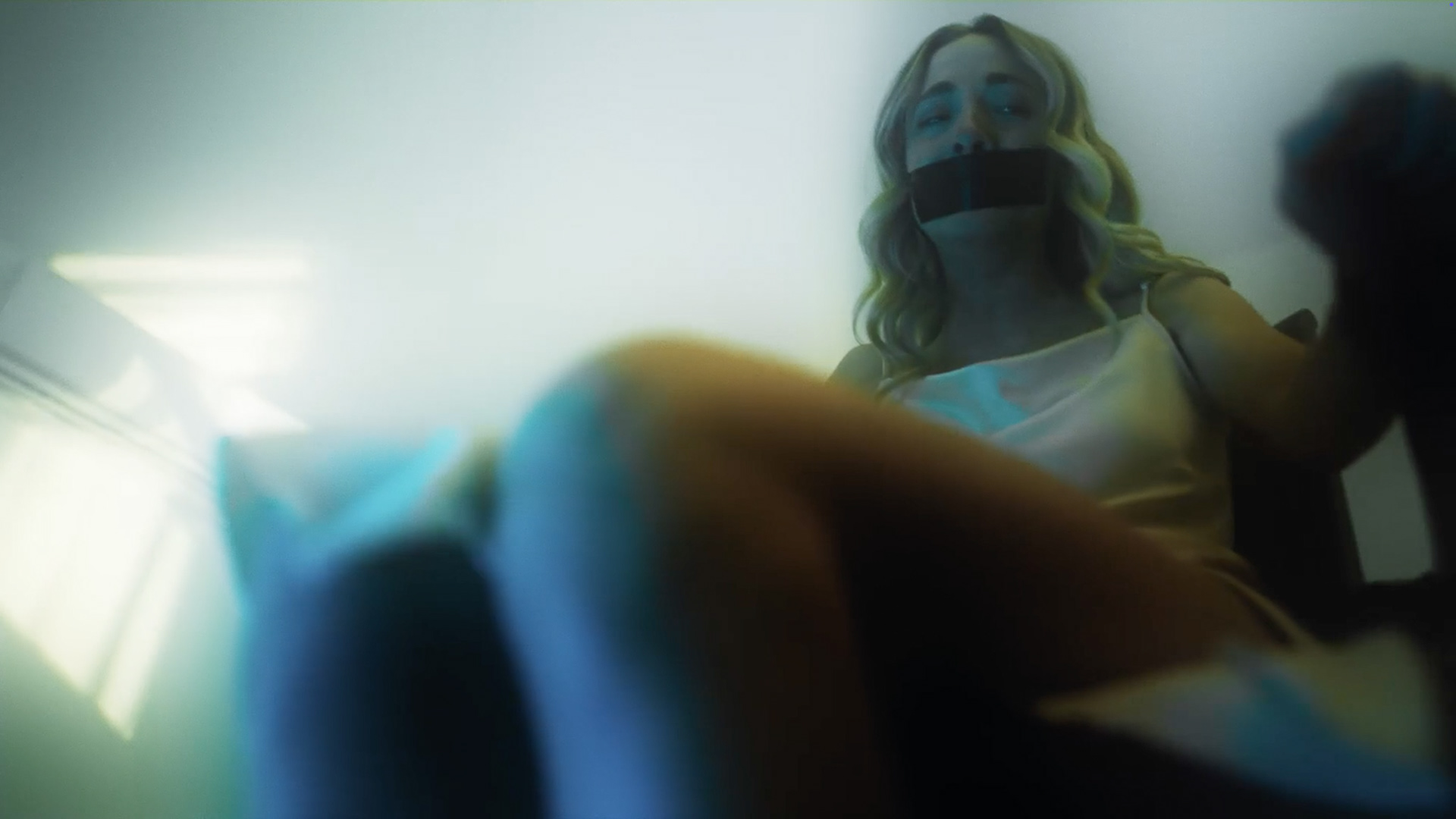
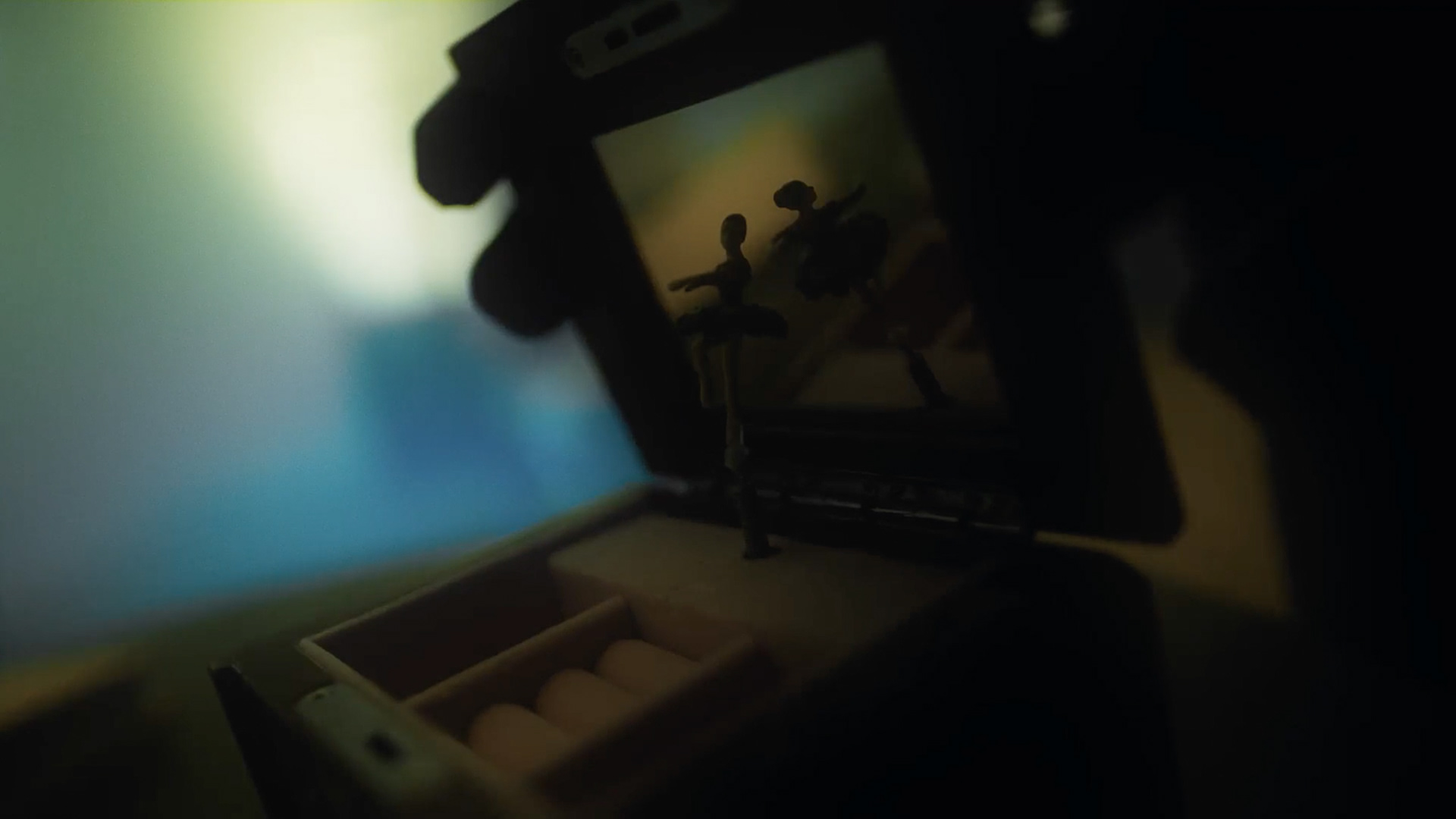
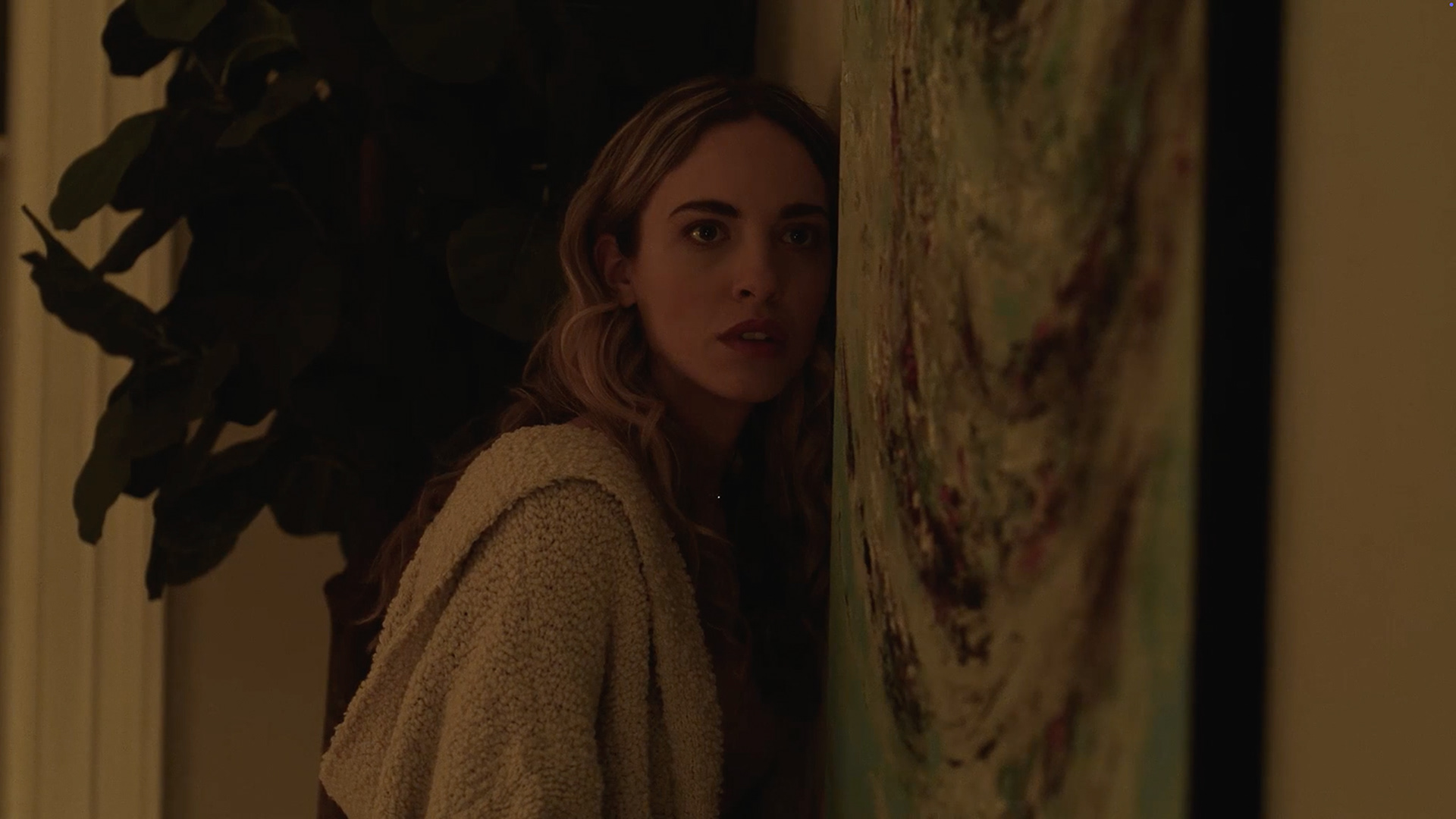
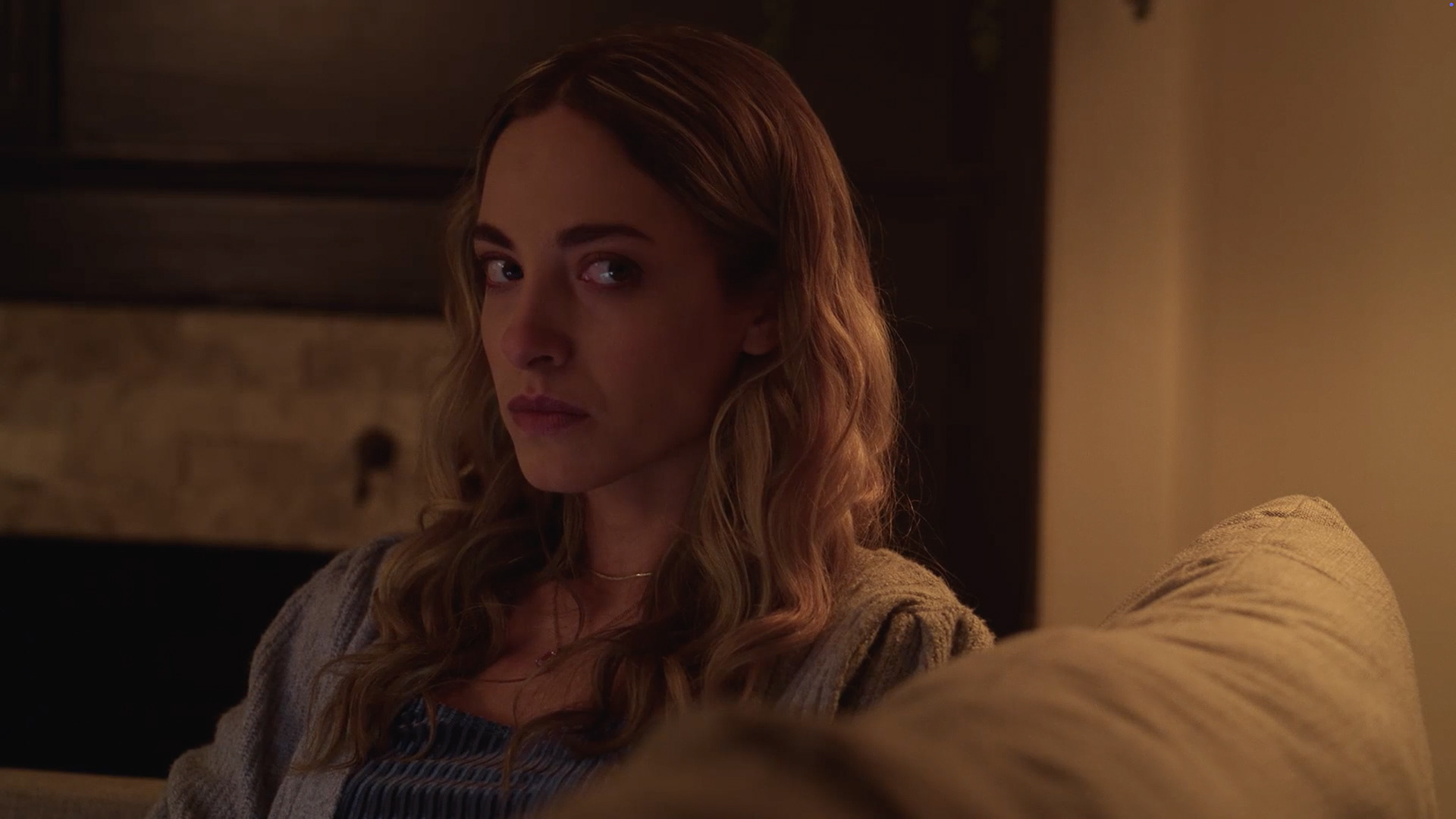
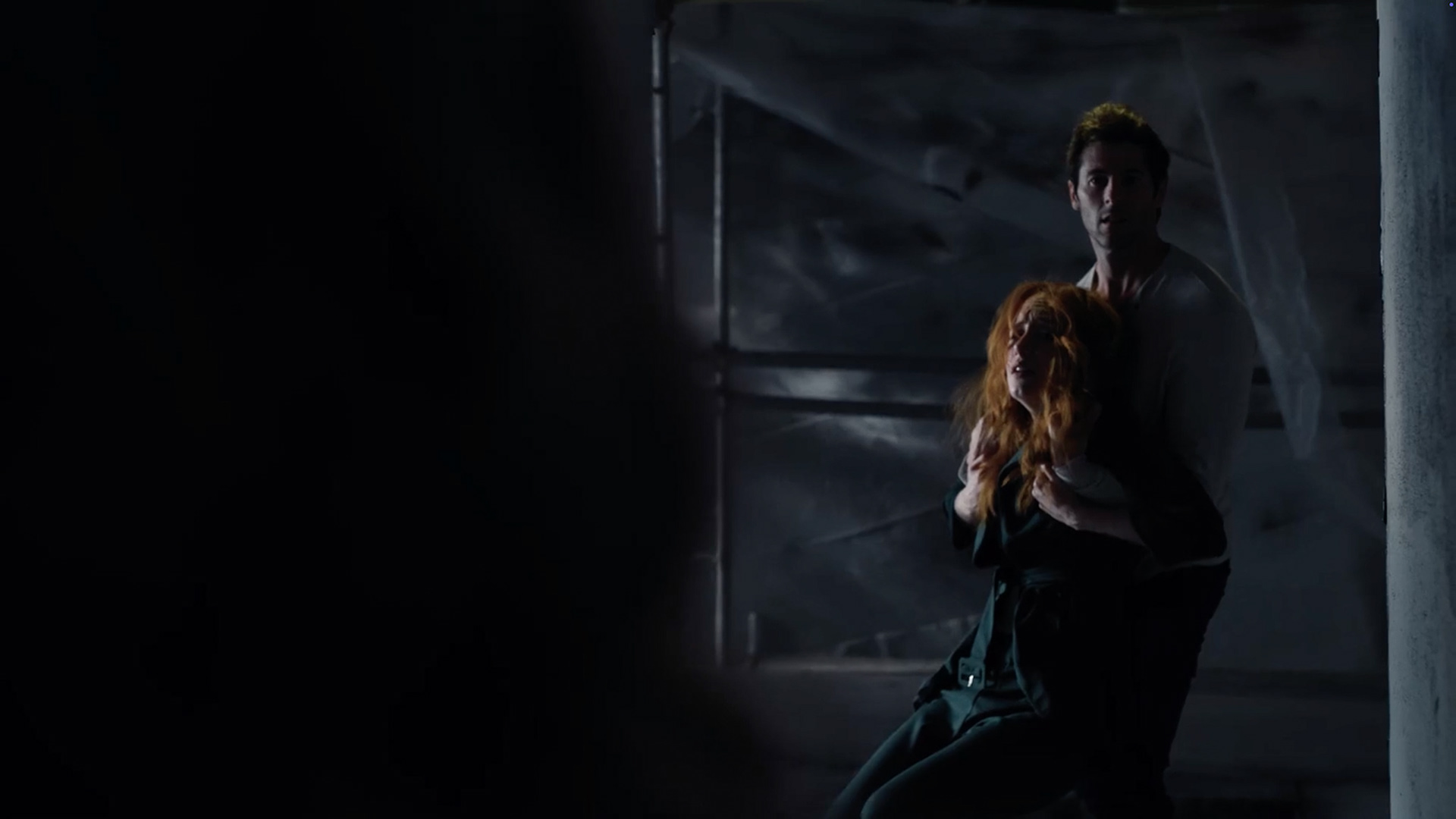
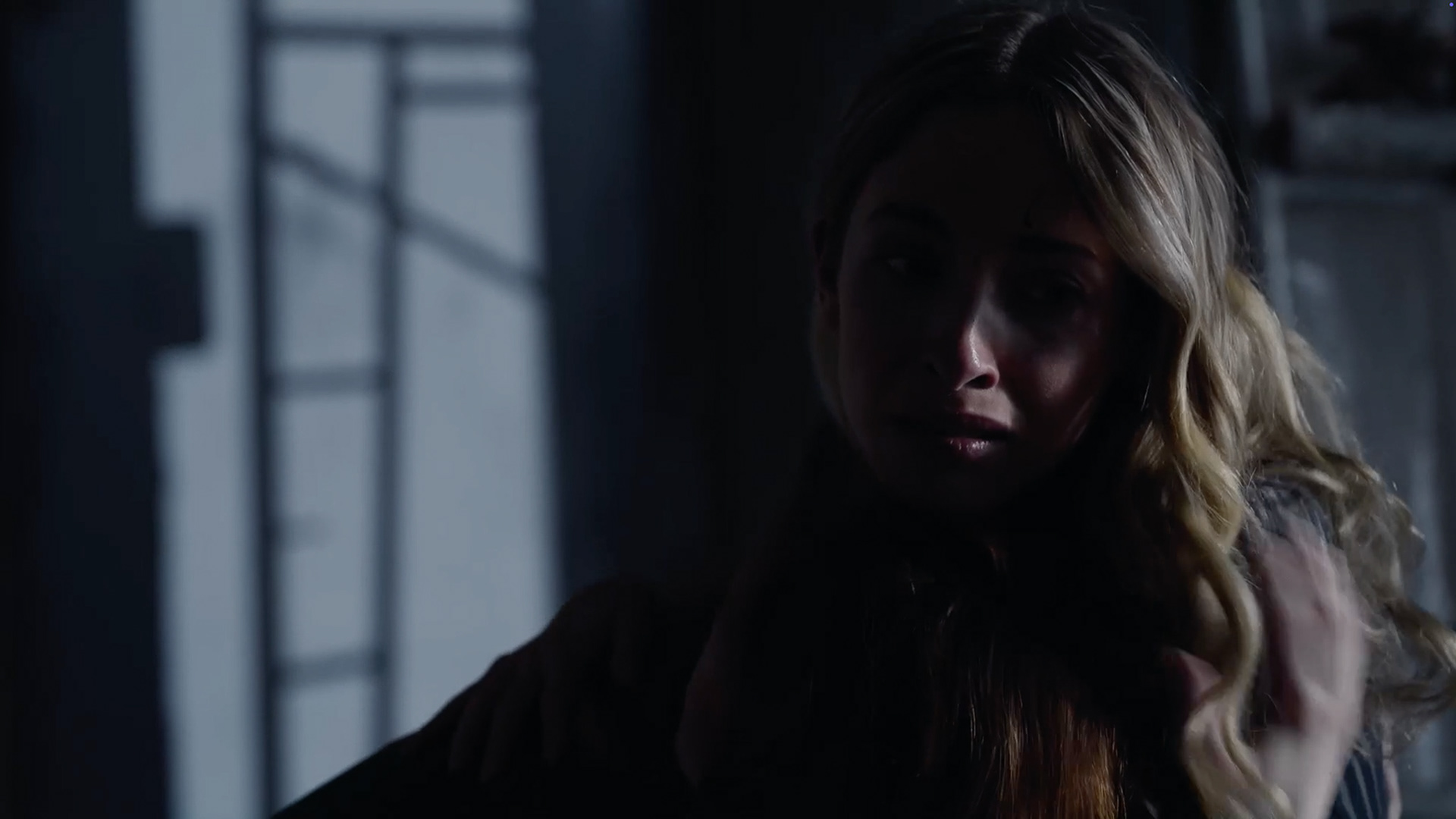
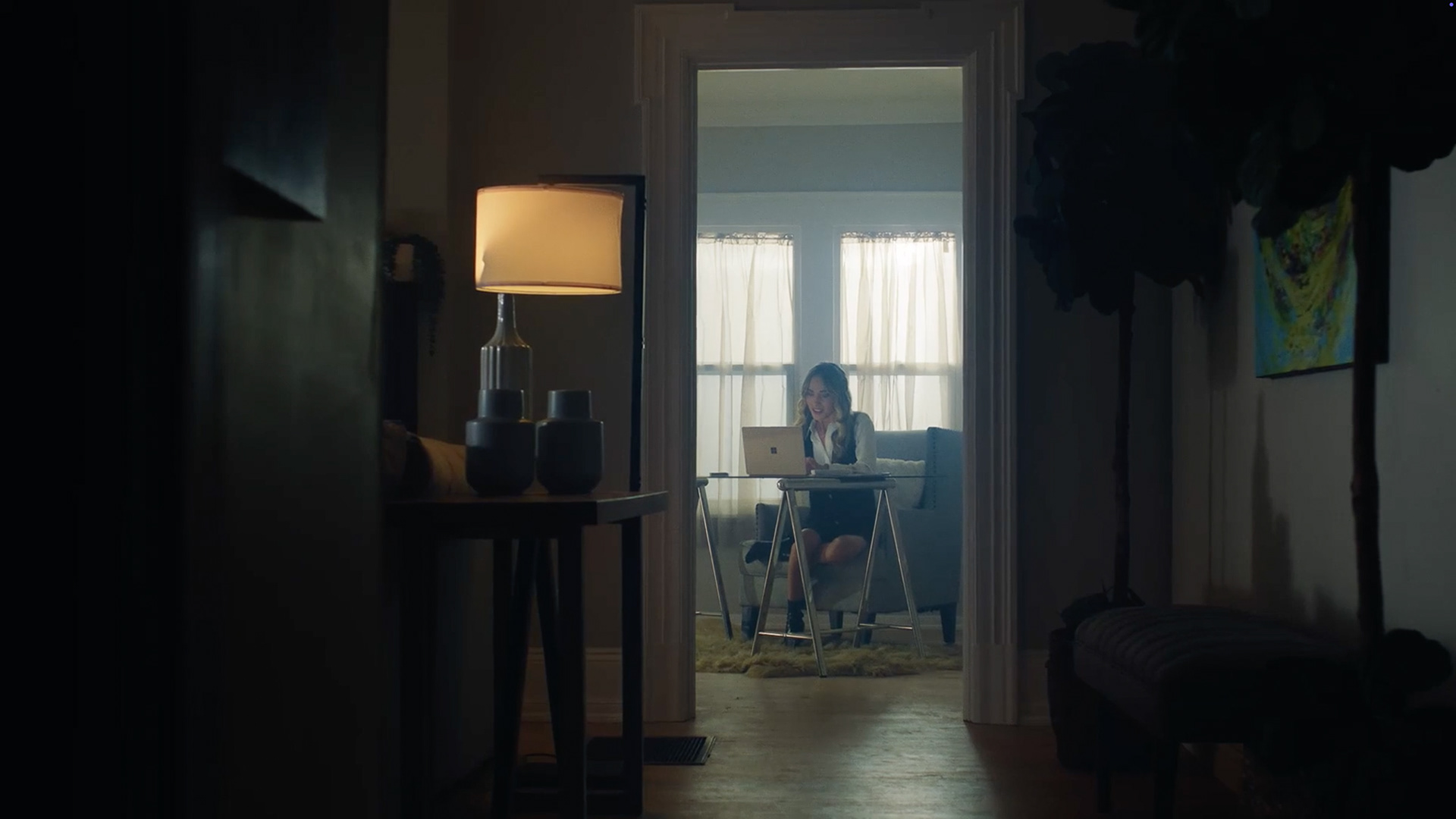
Visually, I used floating camera movement and subjective framing to create the subtle sensation of another presence inhabiting the space long before the protagonist becomes consciously aware of it. The camera itself often behaves like an unseen observer, quietly reinforcing the paranoia underneath the story.
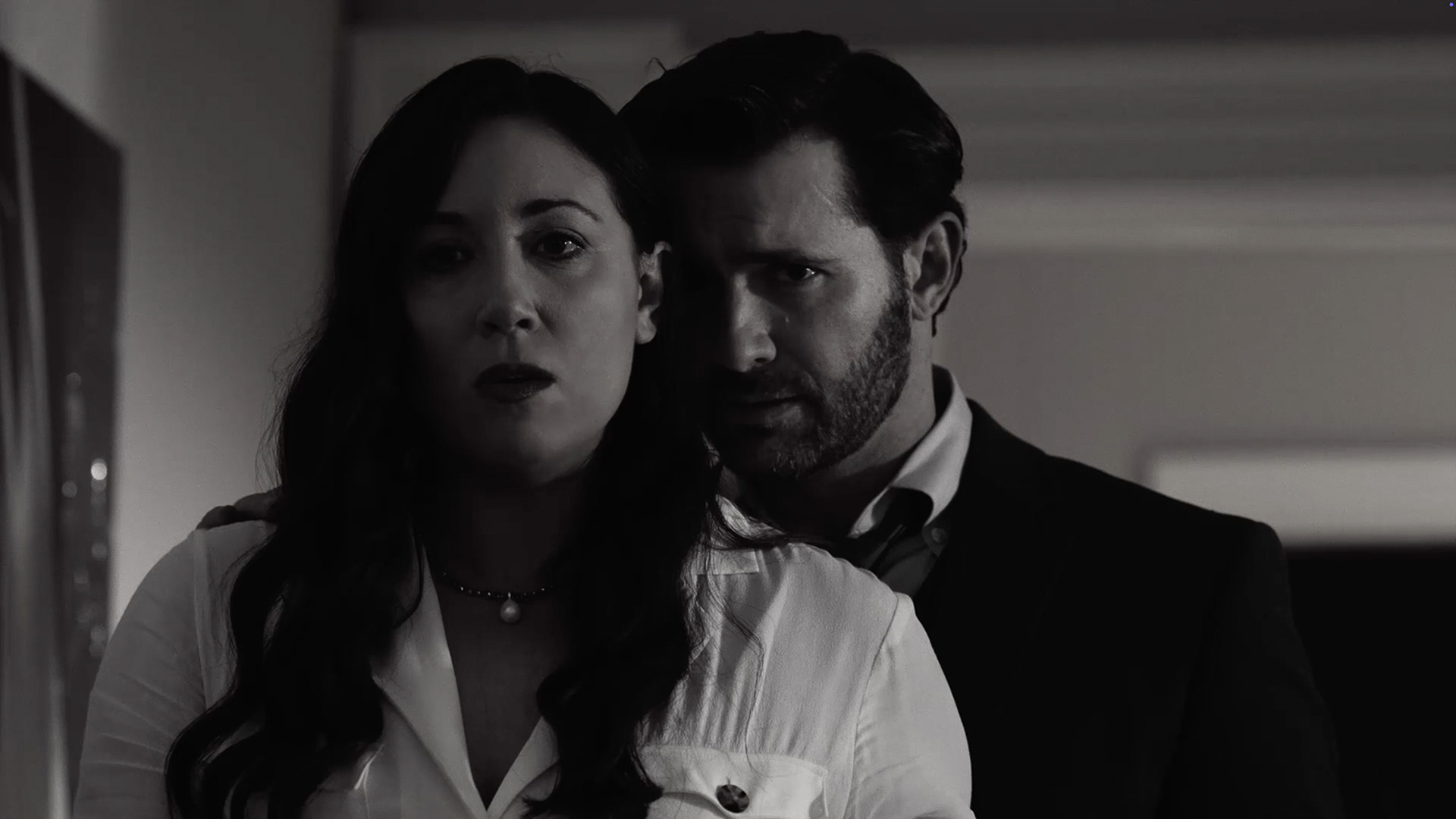
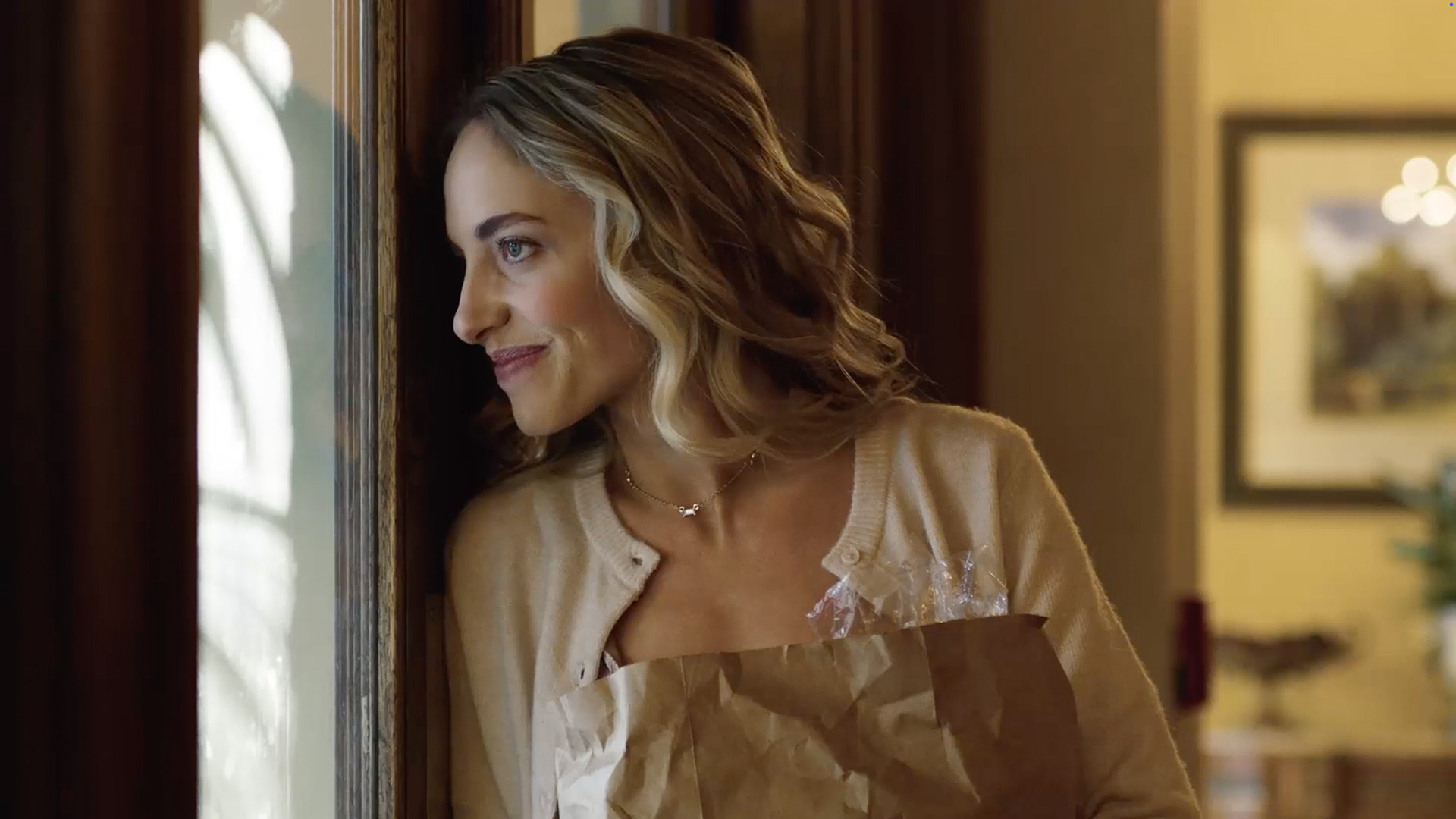
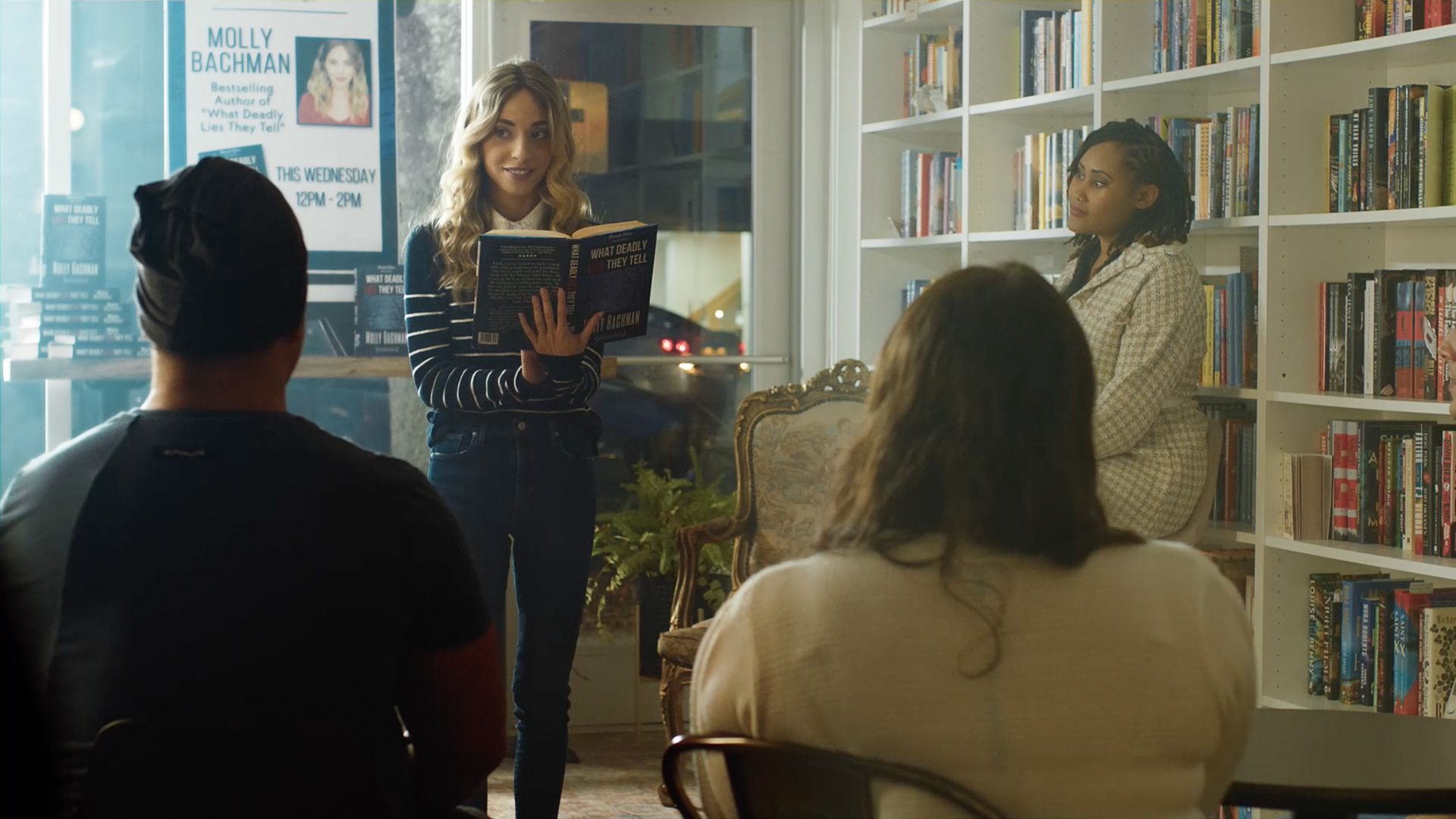
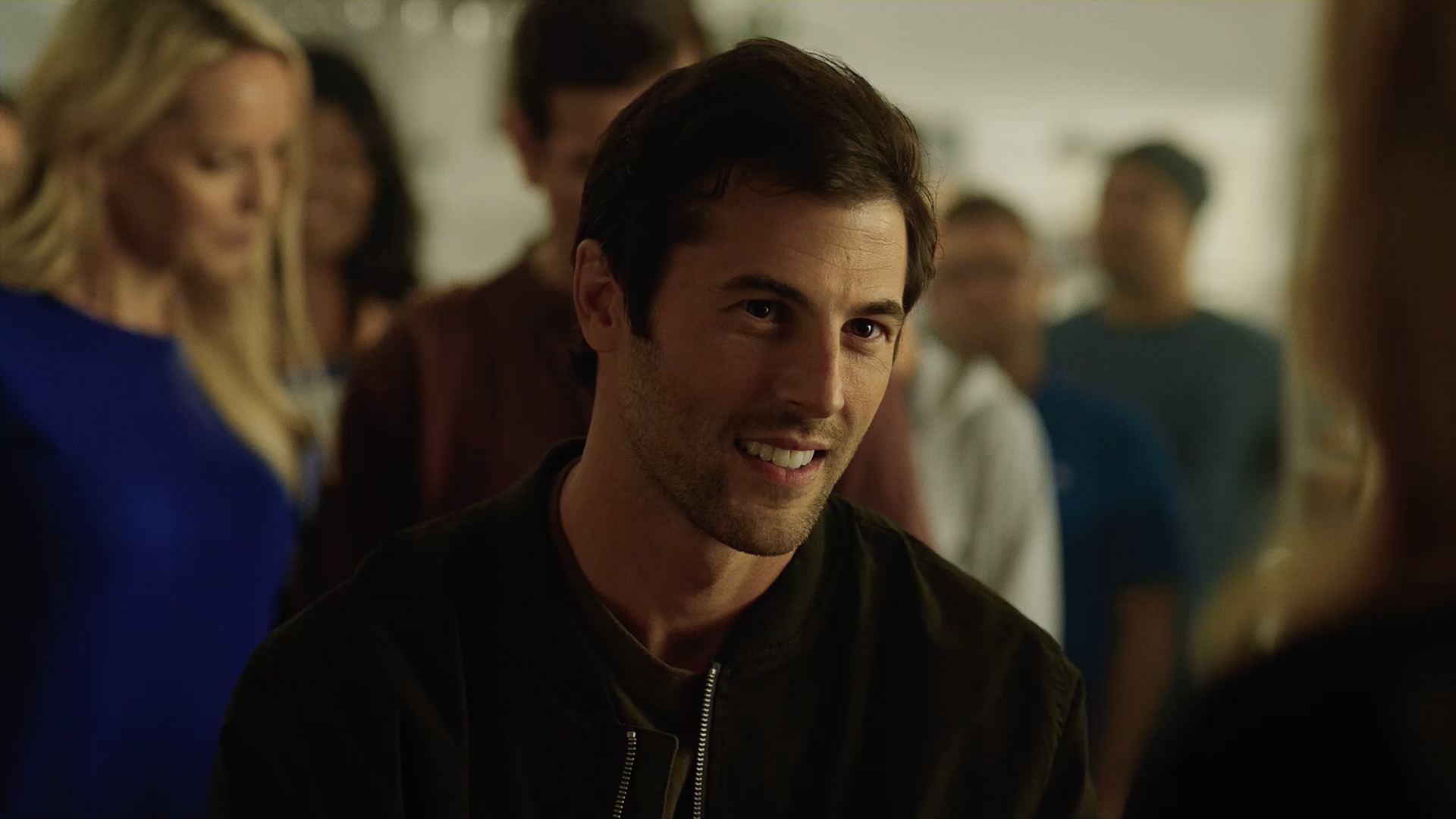
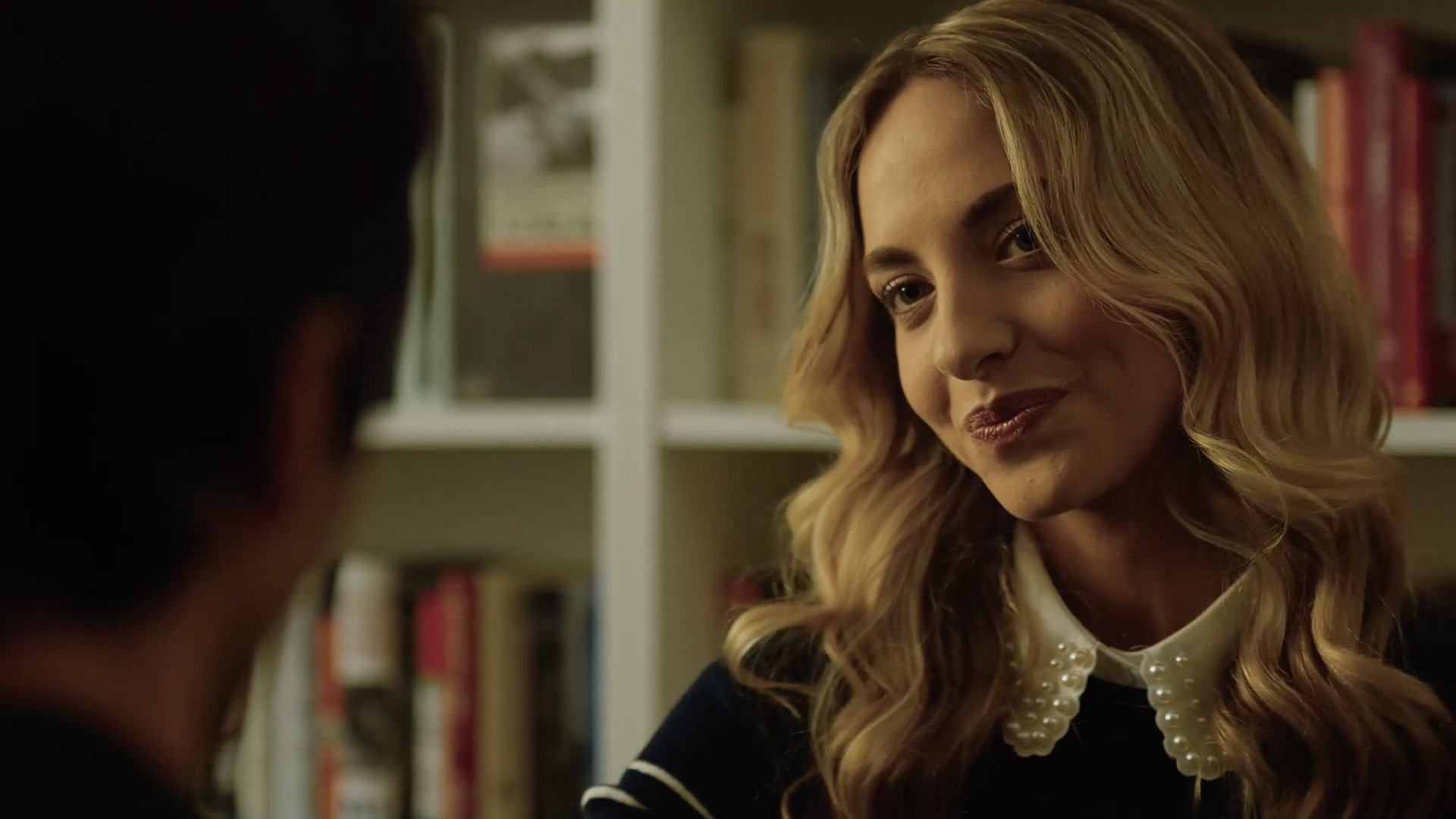
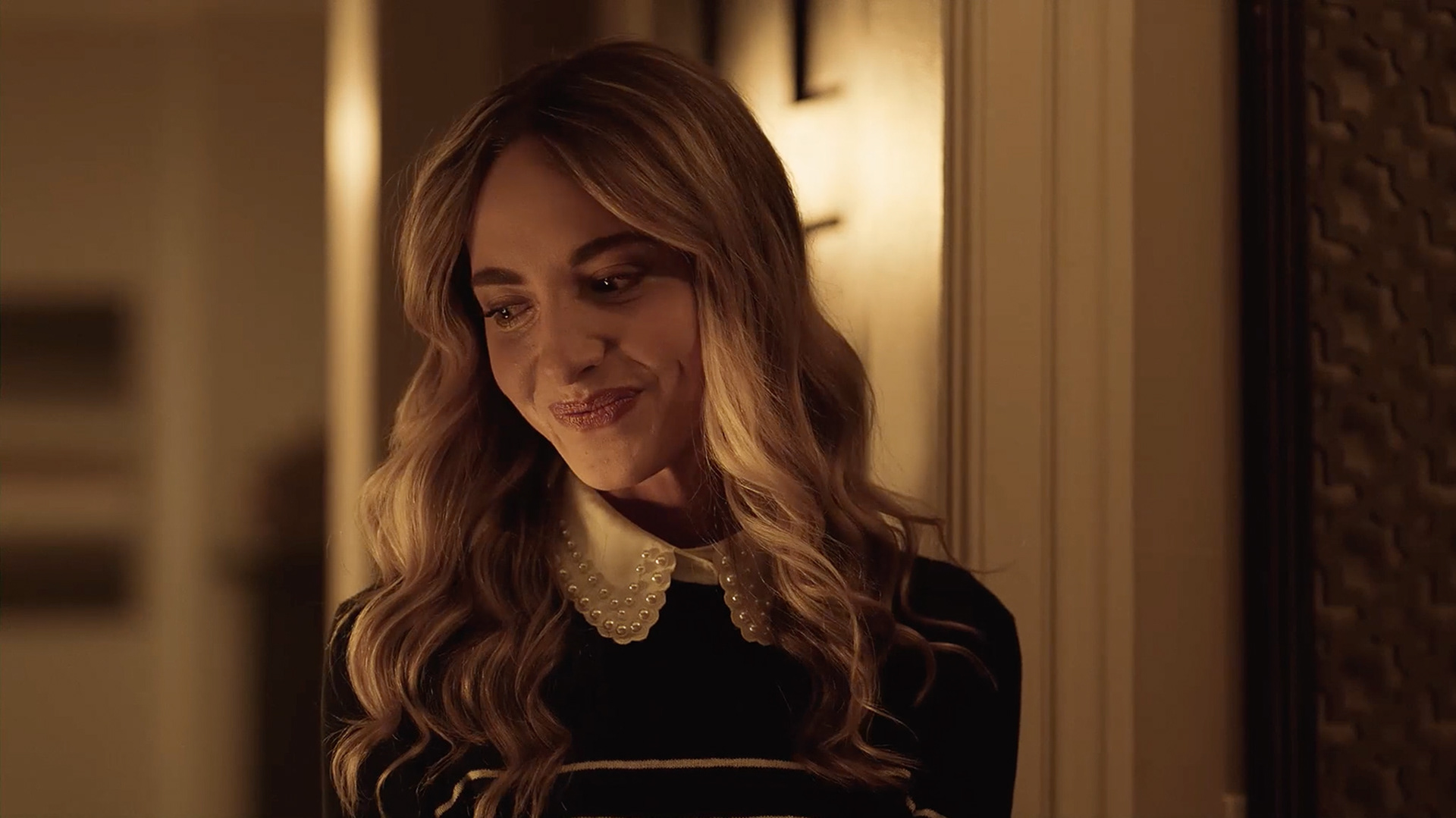
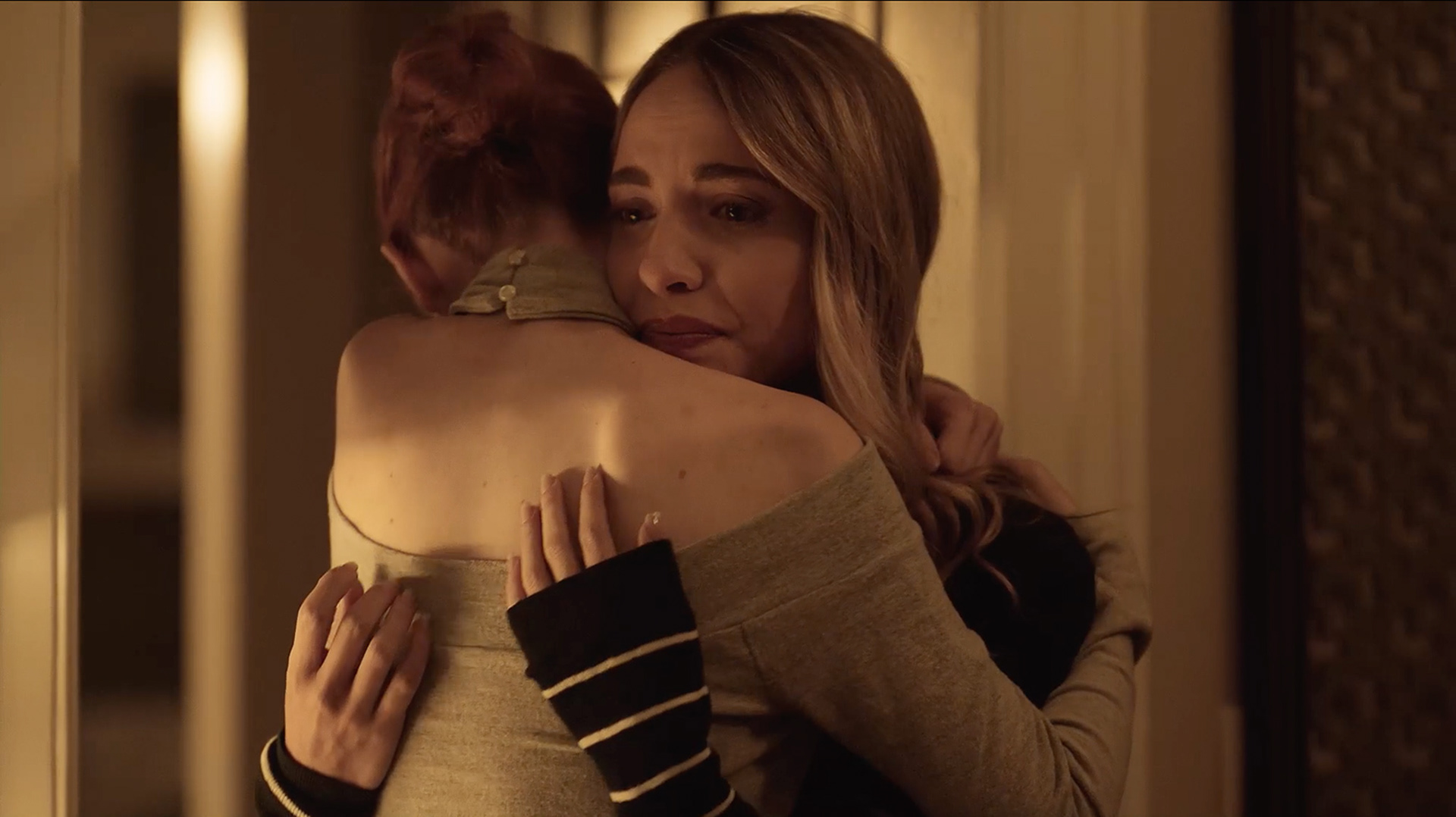
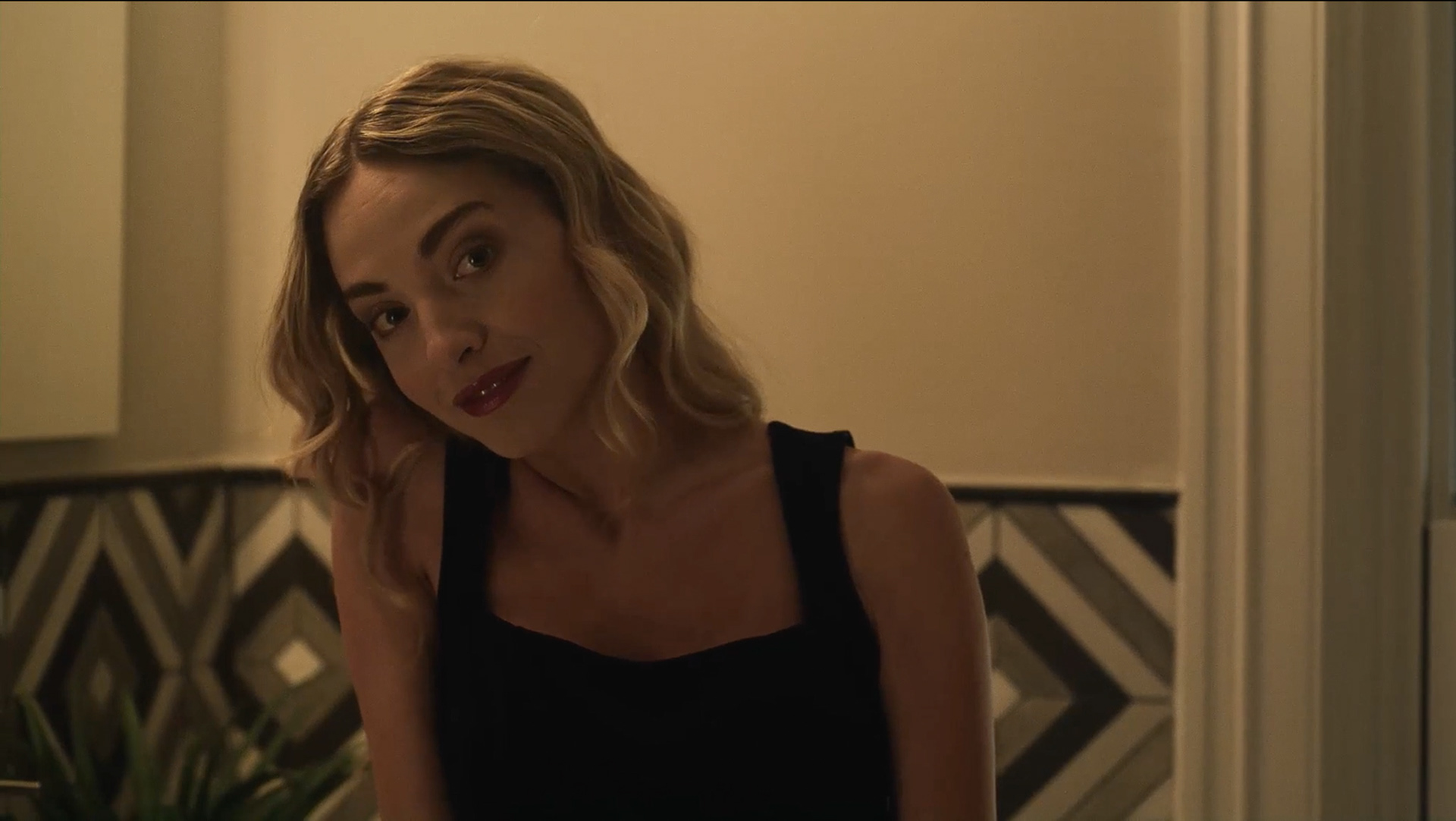
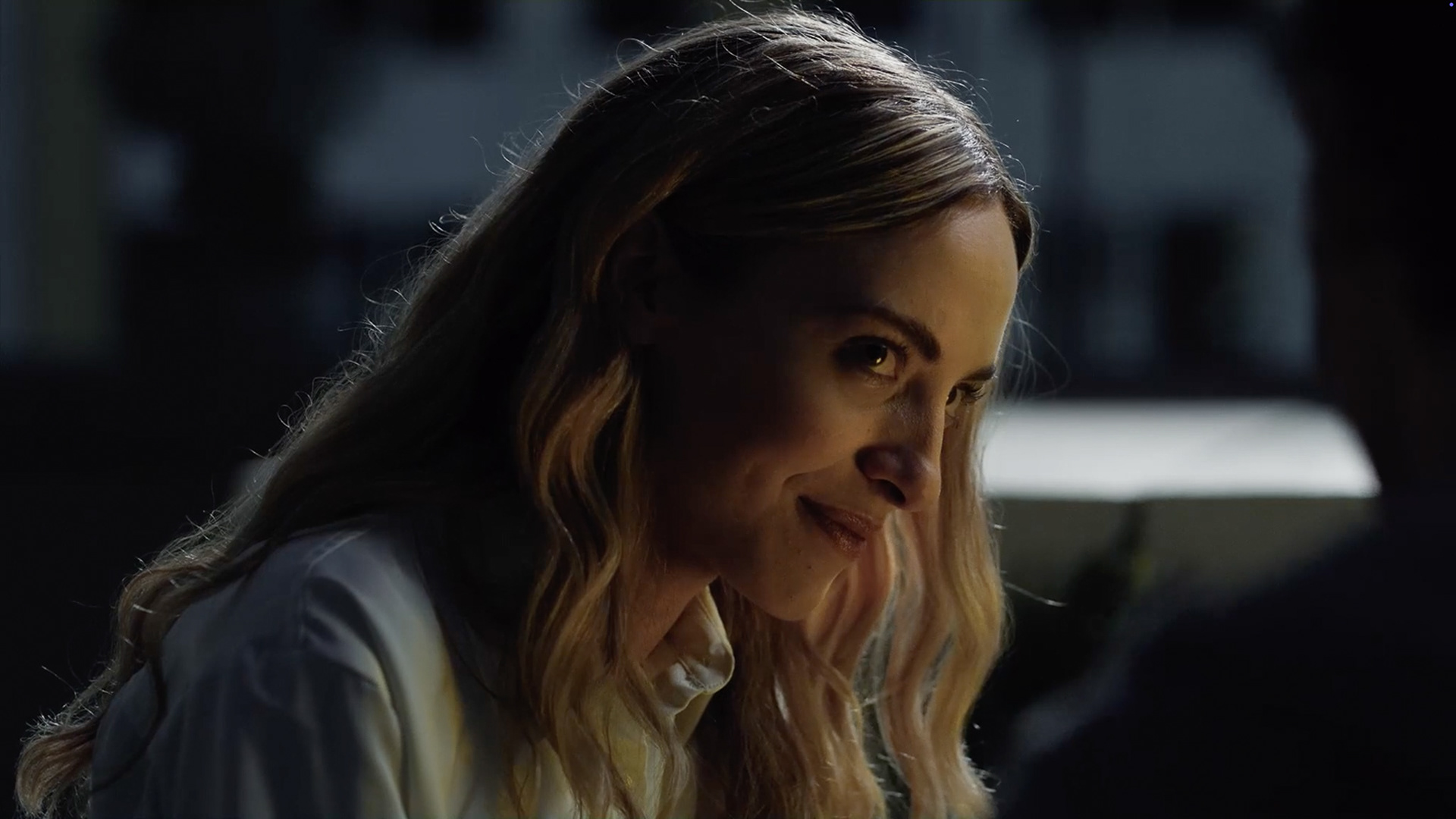
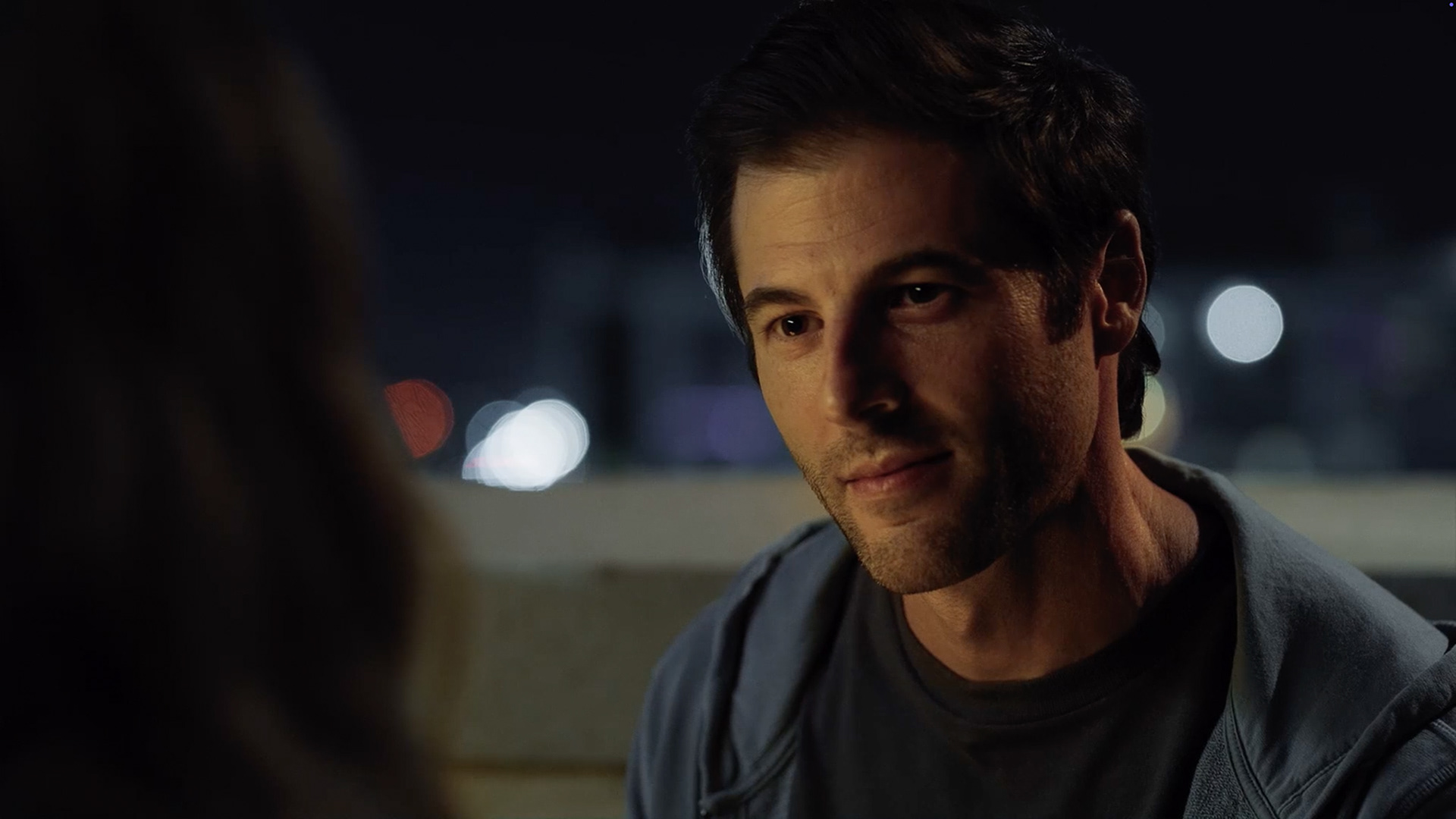
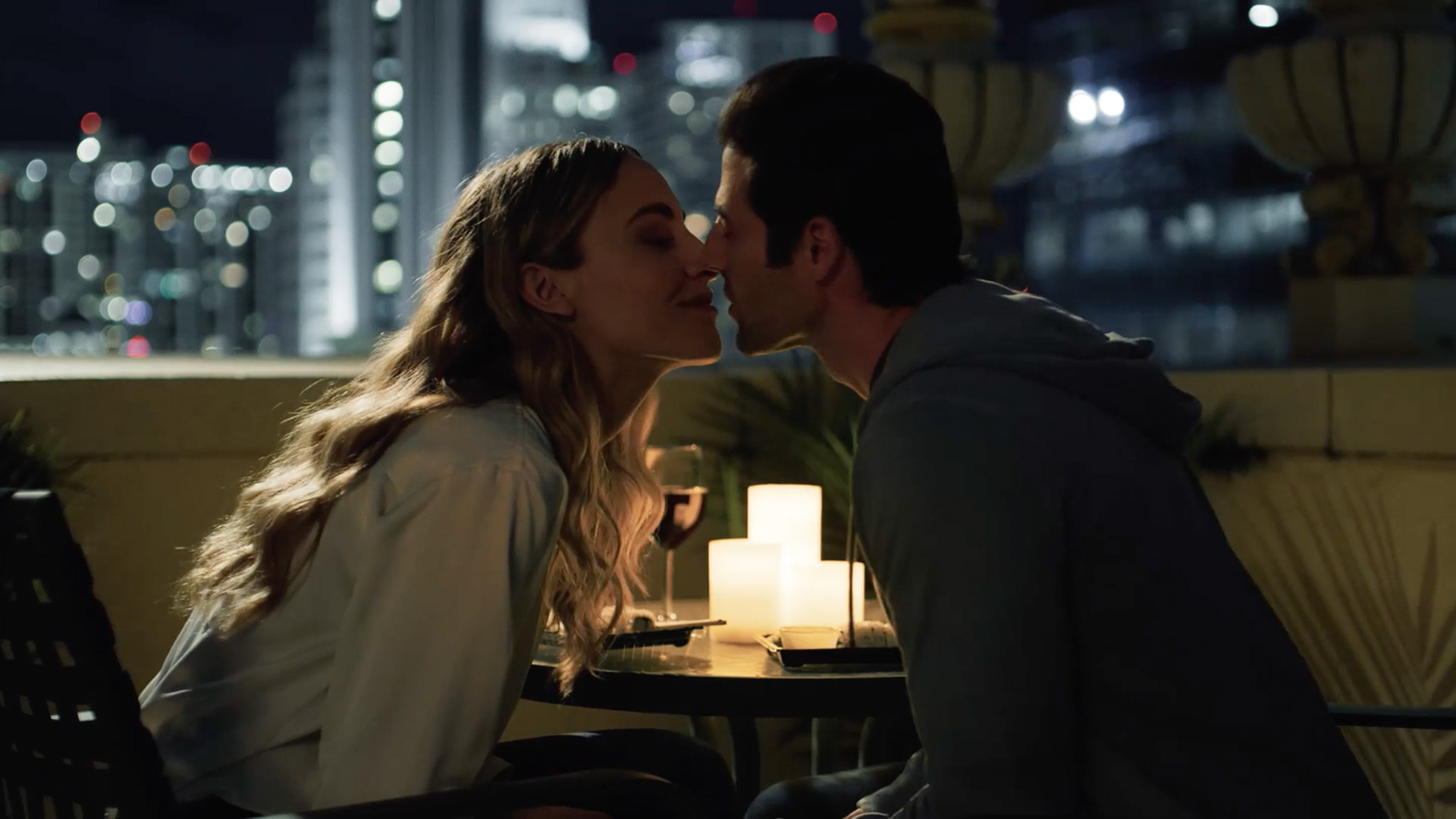
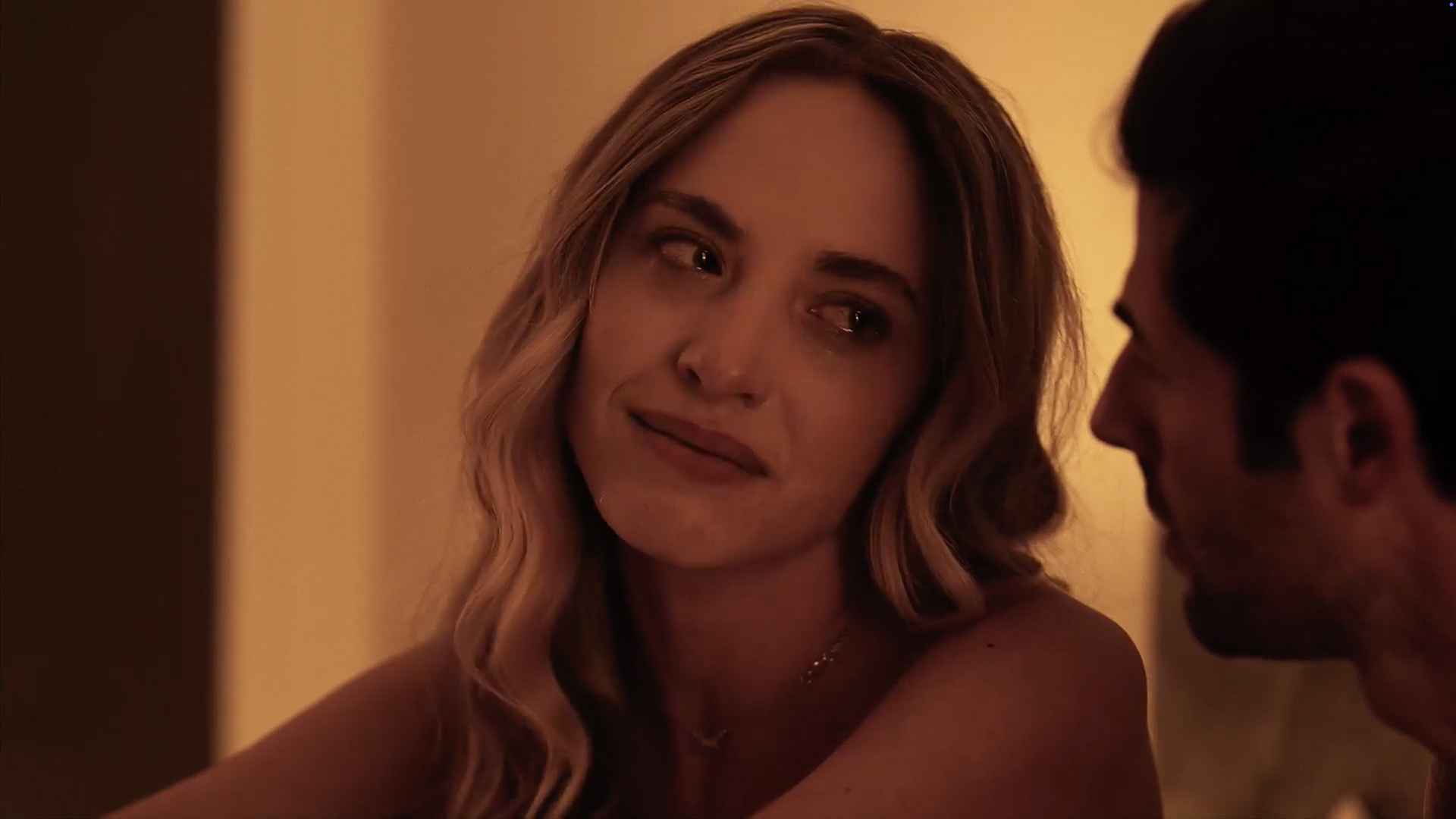
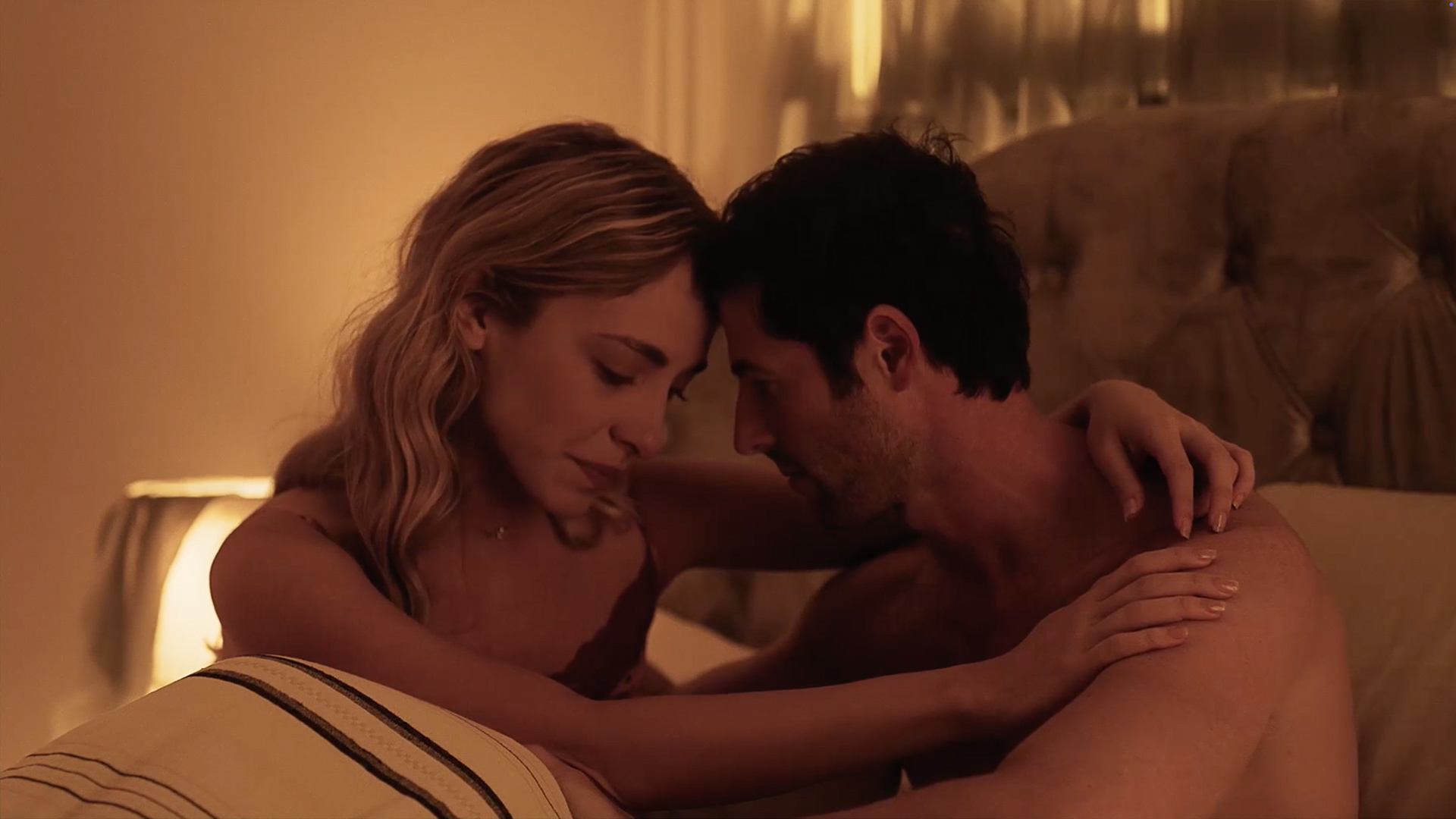
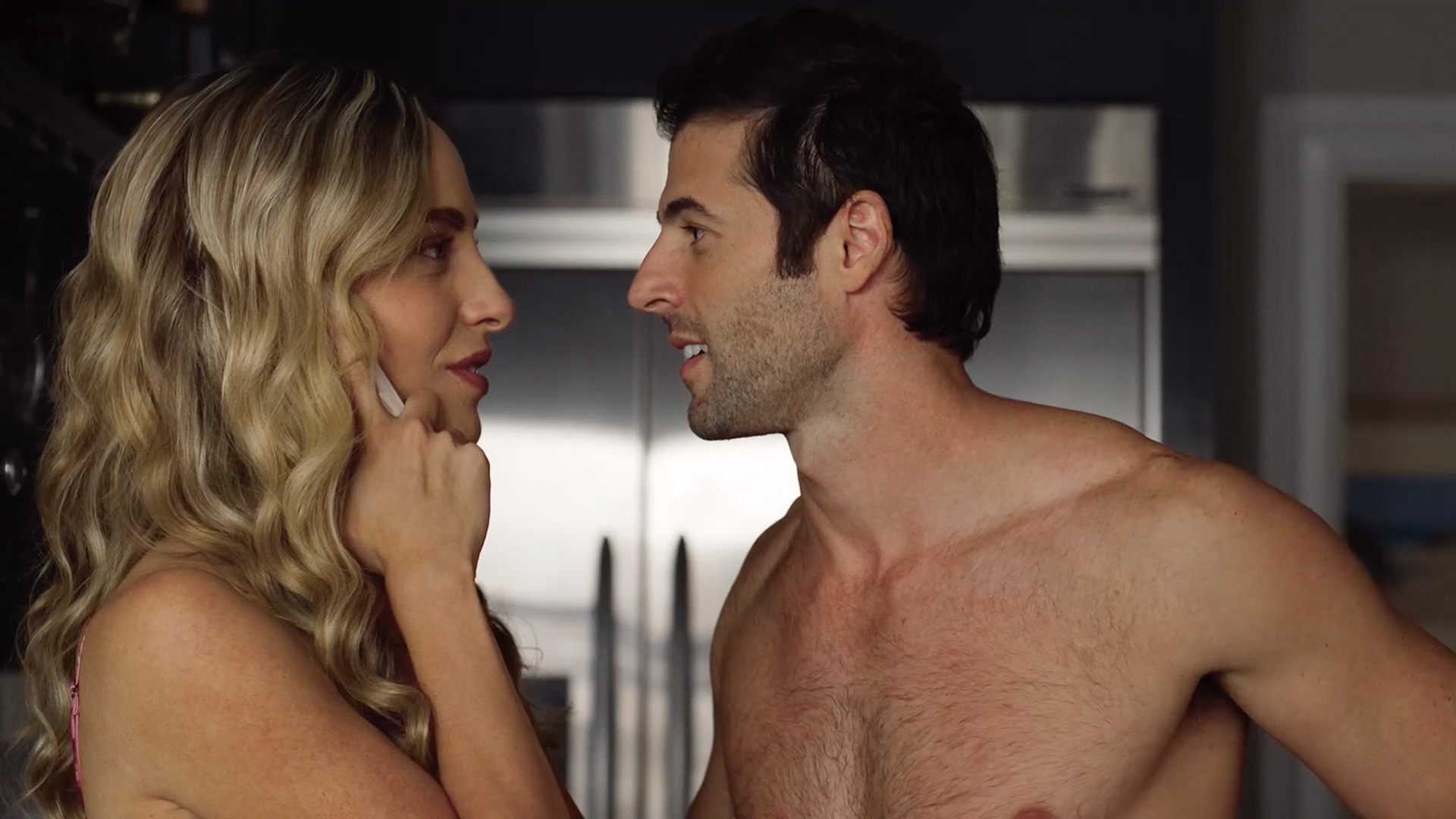
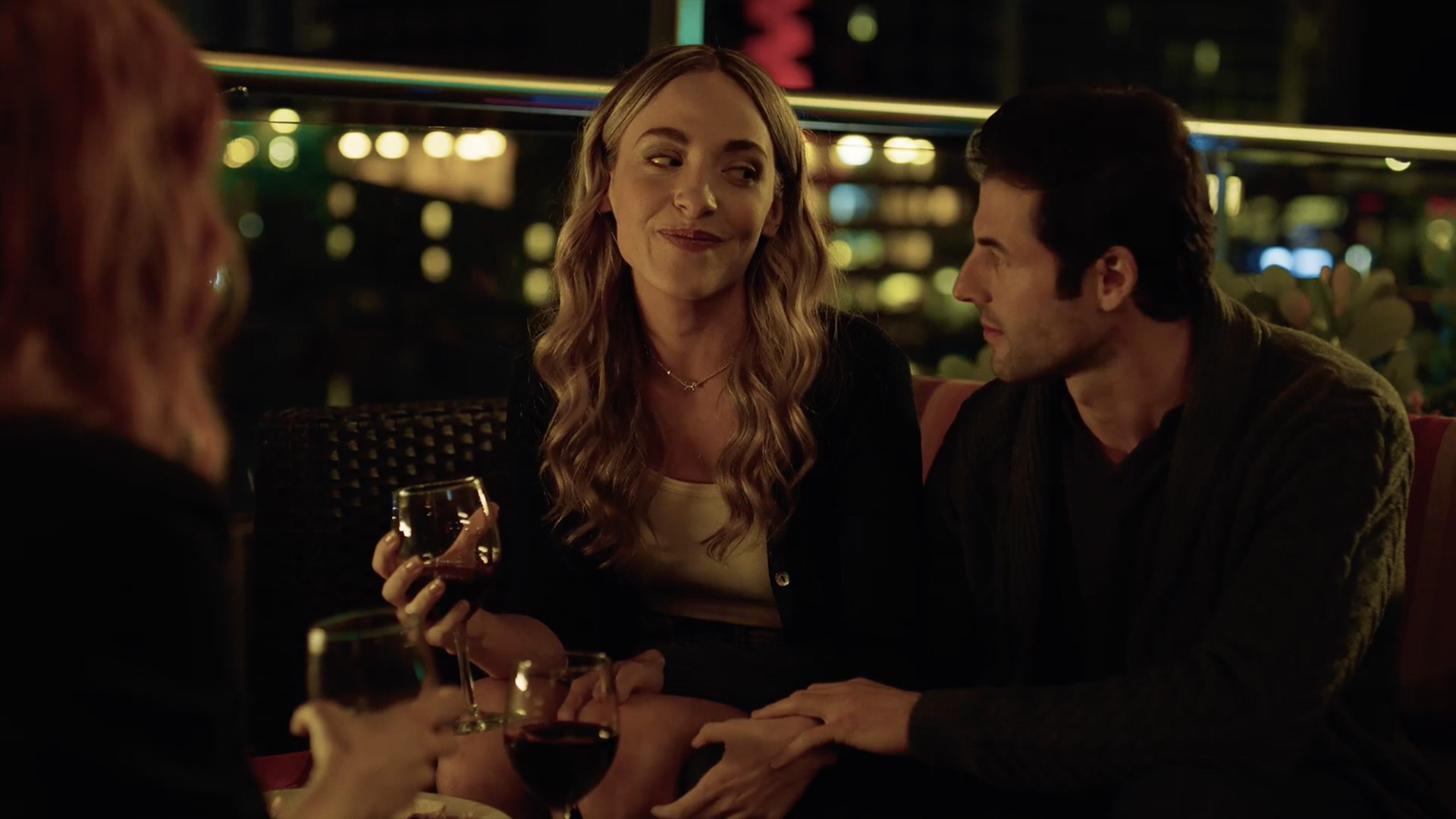
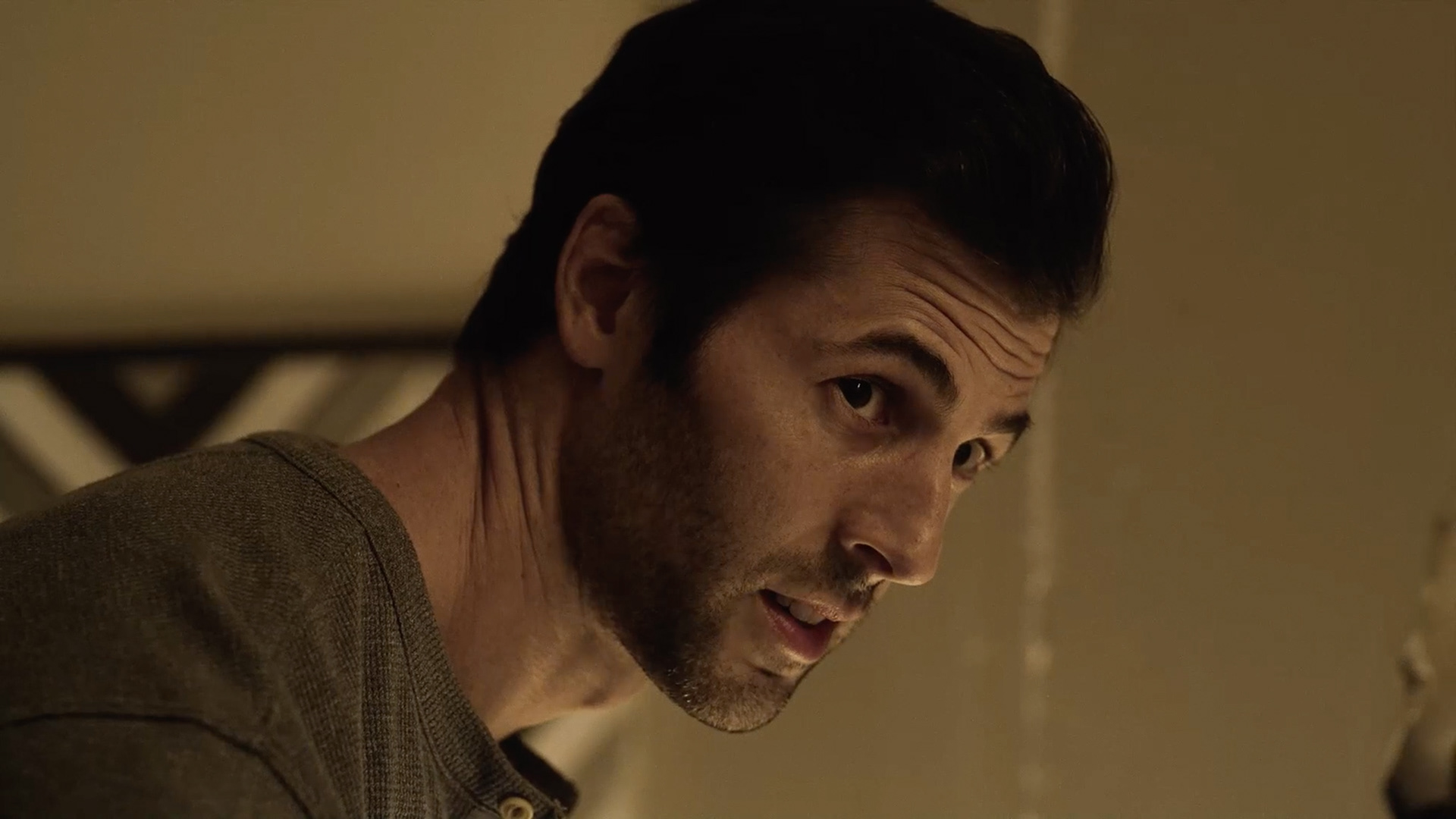
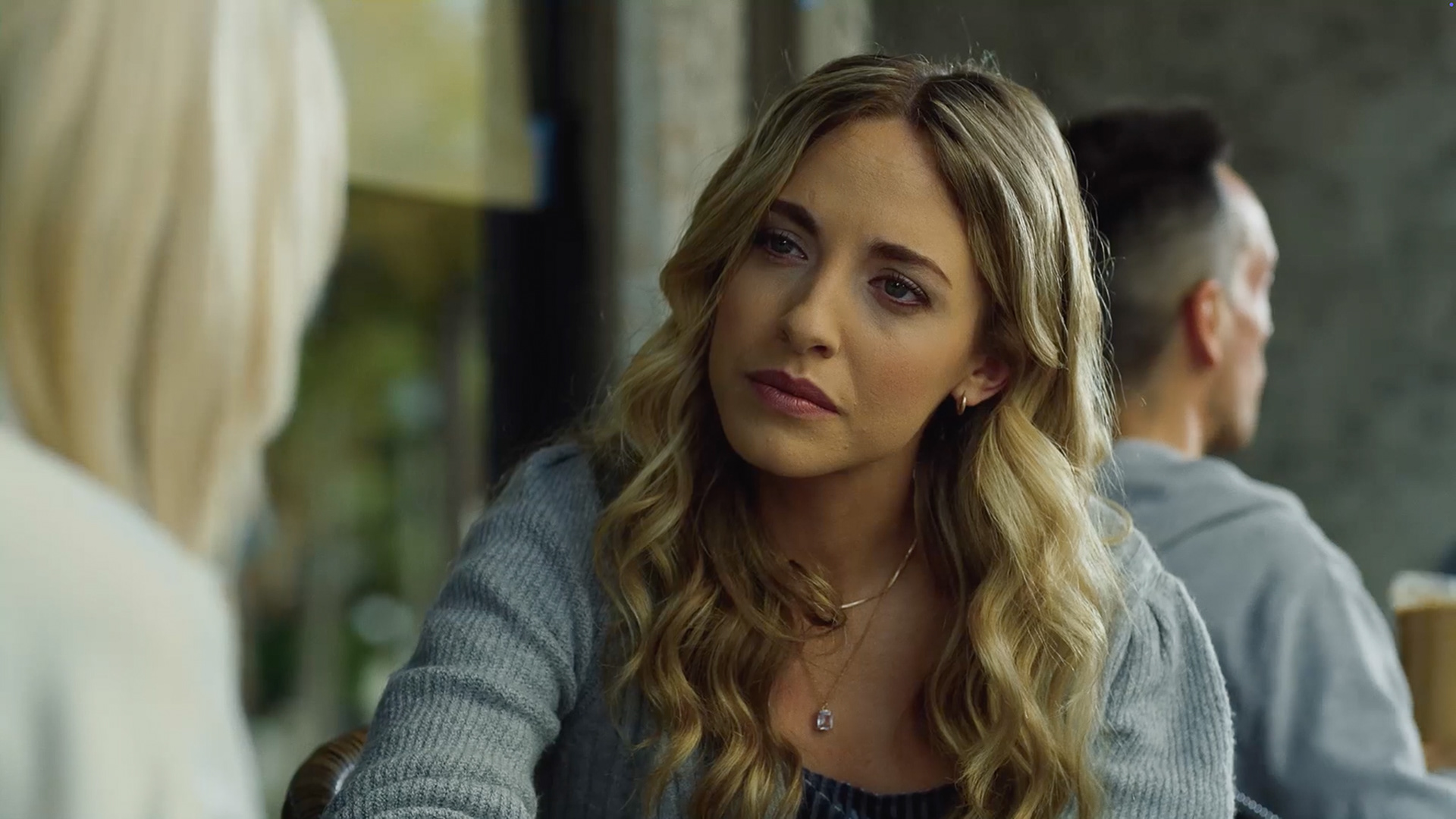
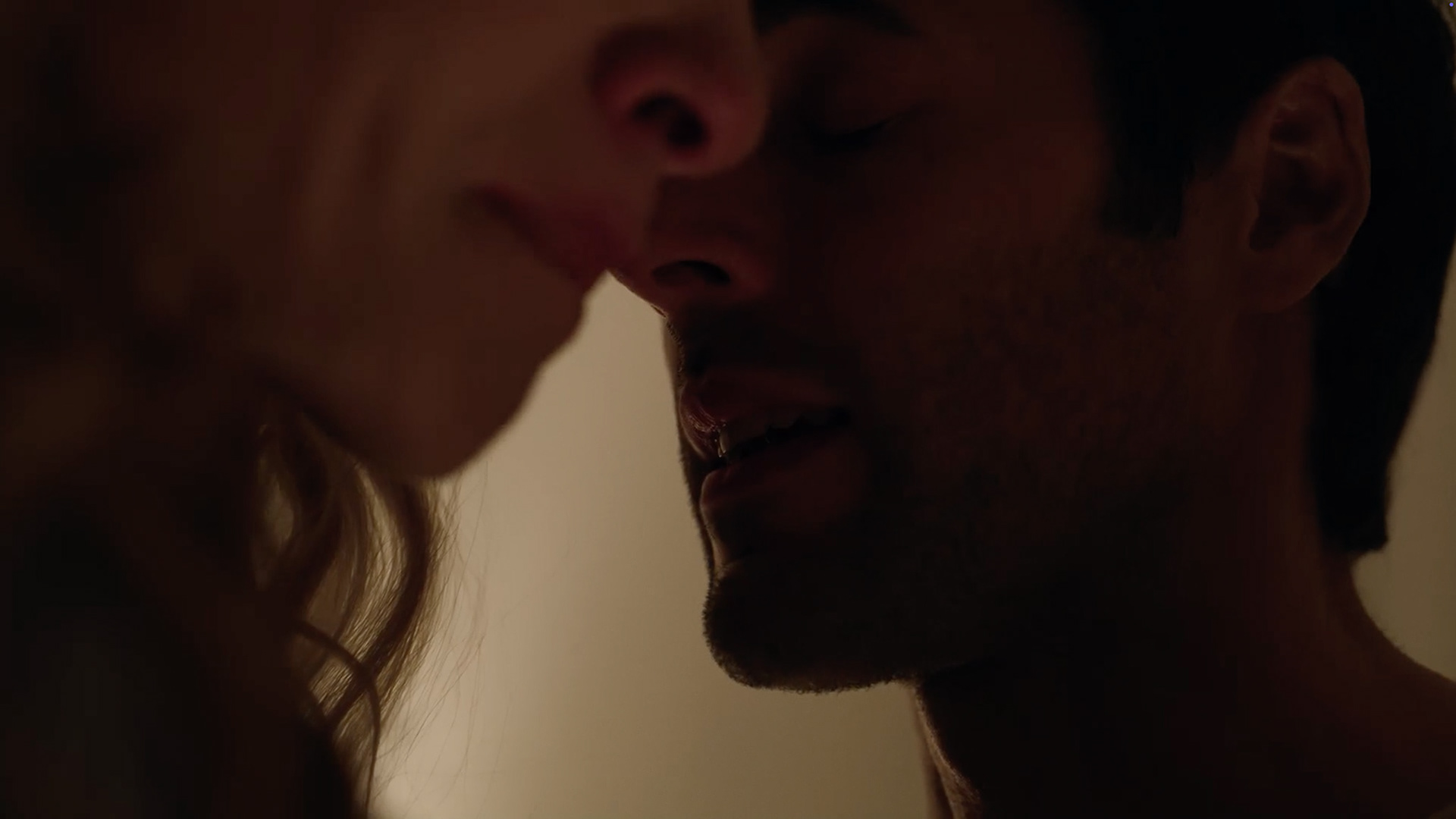
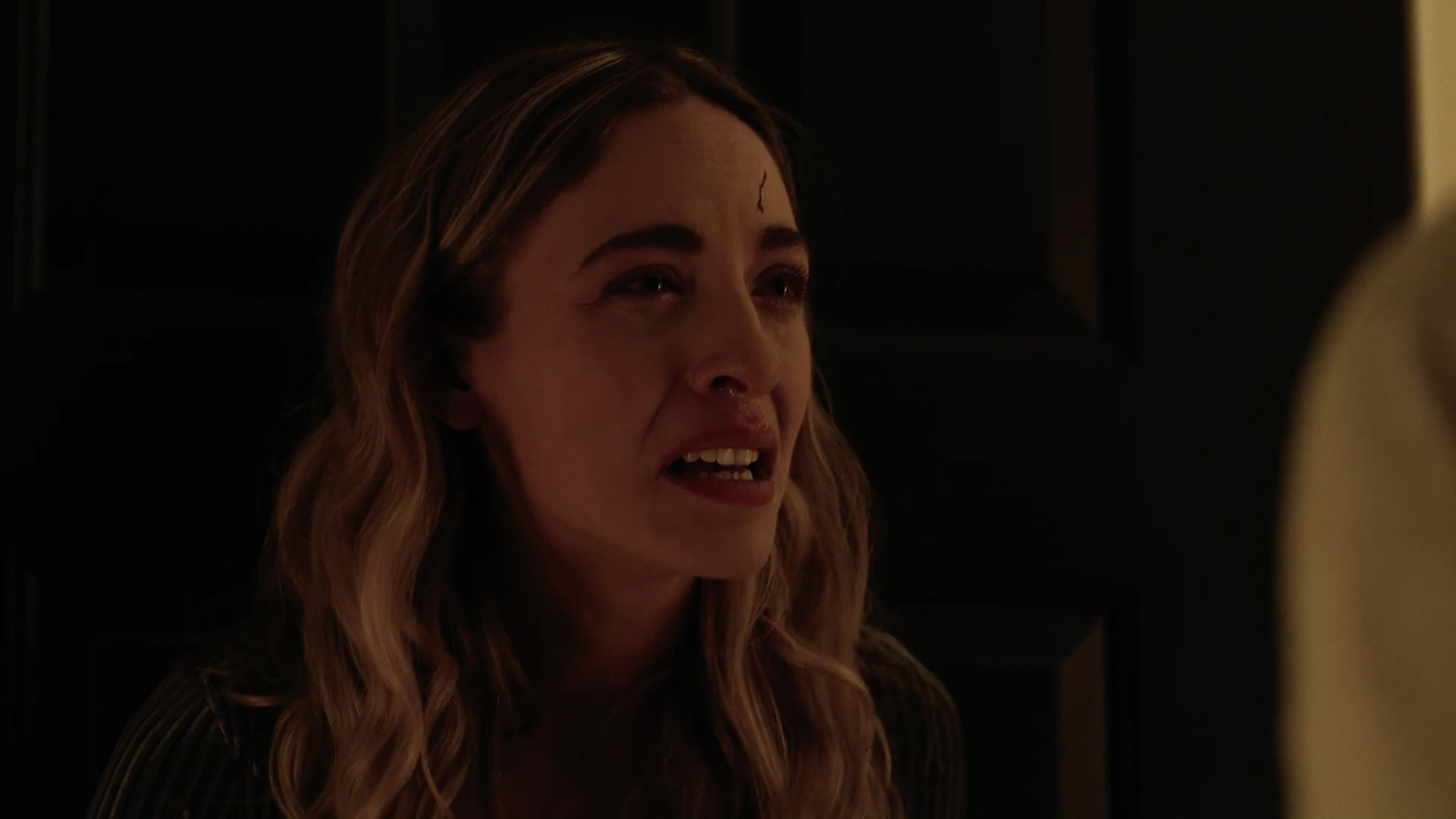
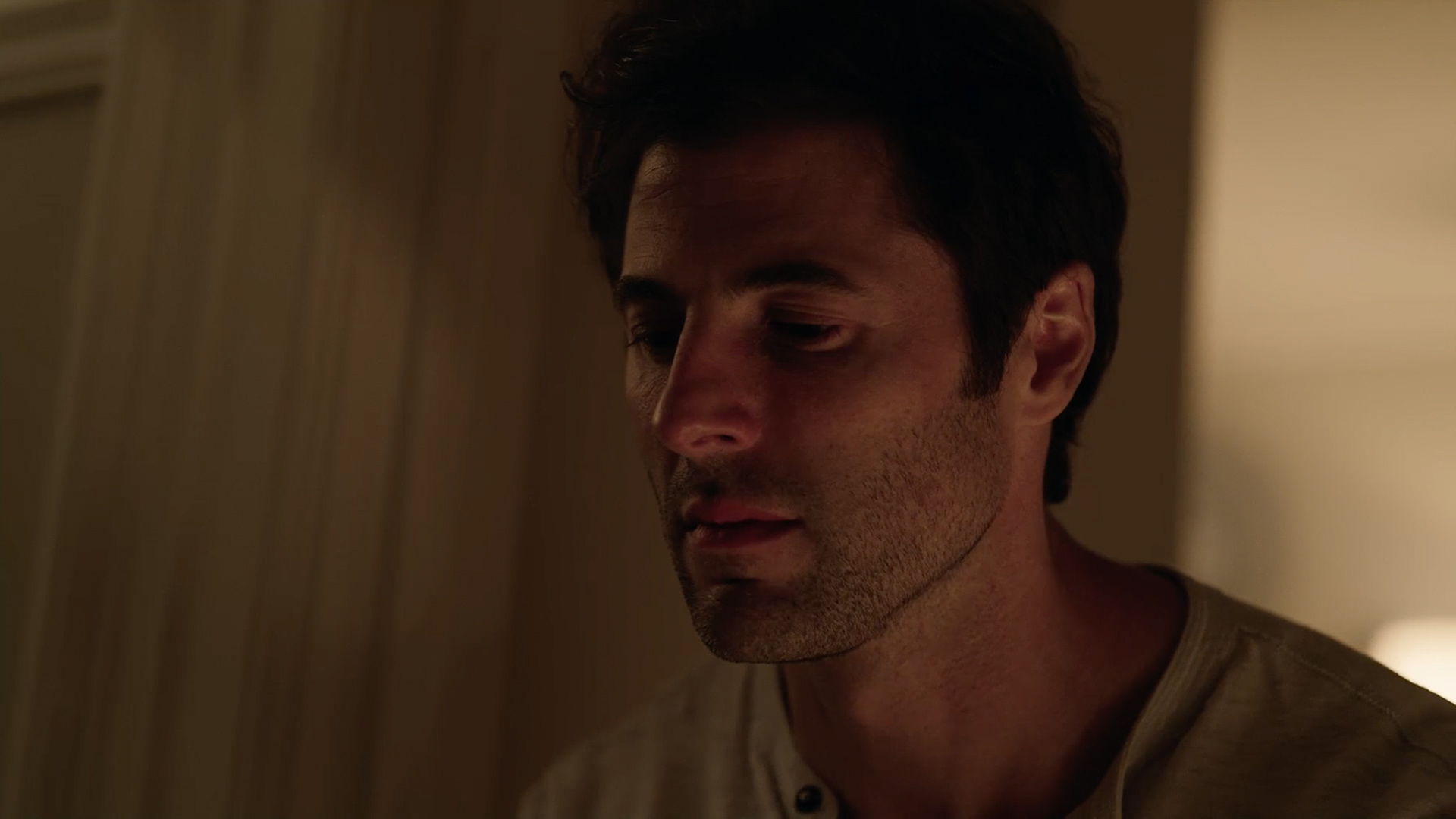
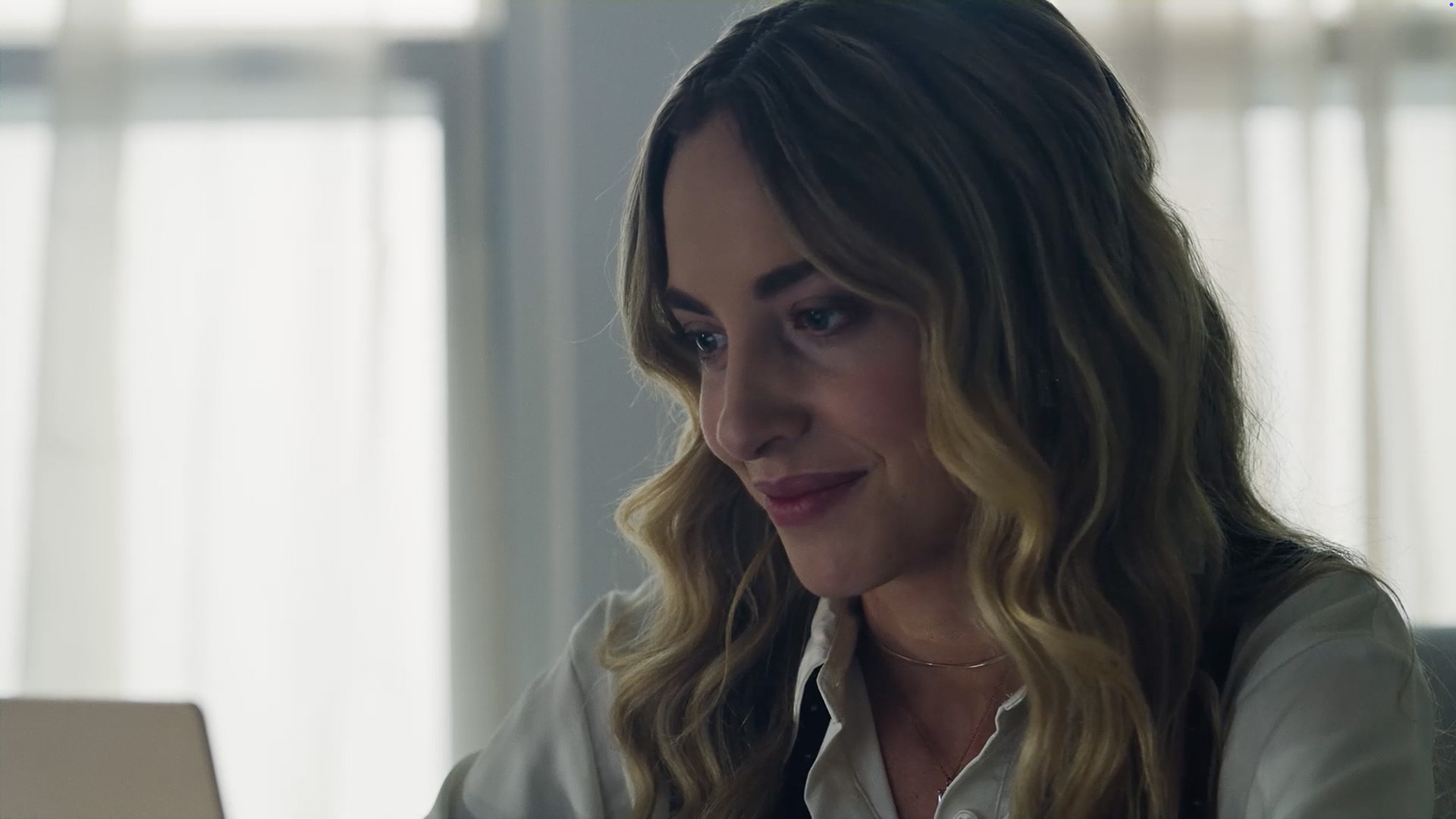
At the center of the film was also the emotional duality of the villain—someone capable of presenting warmth, vulnerability, and intimacy before revealing a far more disturbing reality underneath. That psychological shift became essential to making the final reveal feel genuinely violating for the audience.
I’m especially proud of how convincingly we realized the world of the film within major production limitations, and of the atmosphere, intimacy, and architectural specificity that ultimately gave the movie its identity.
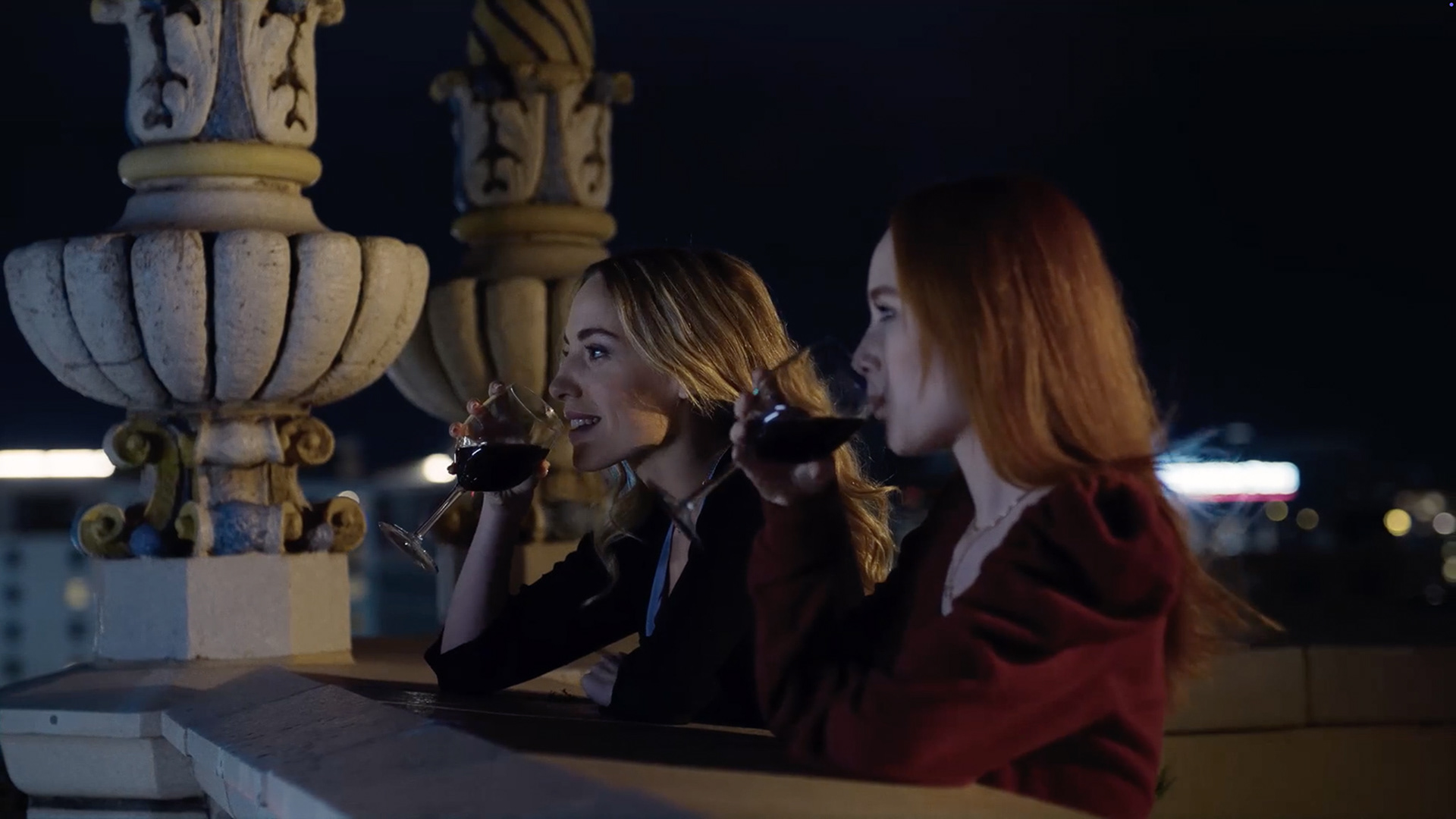
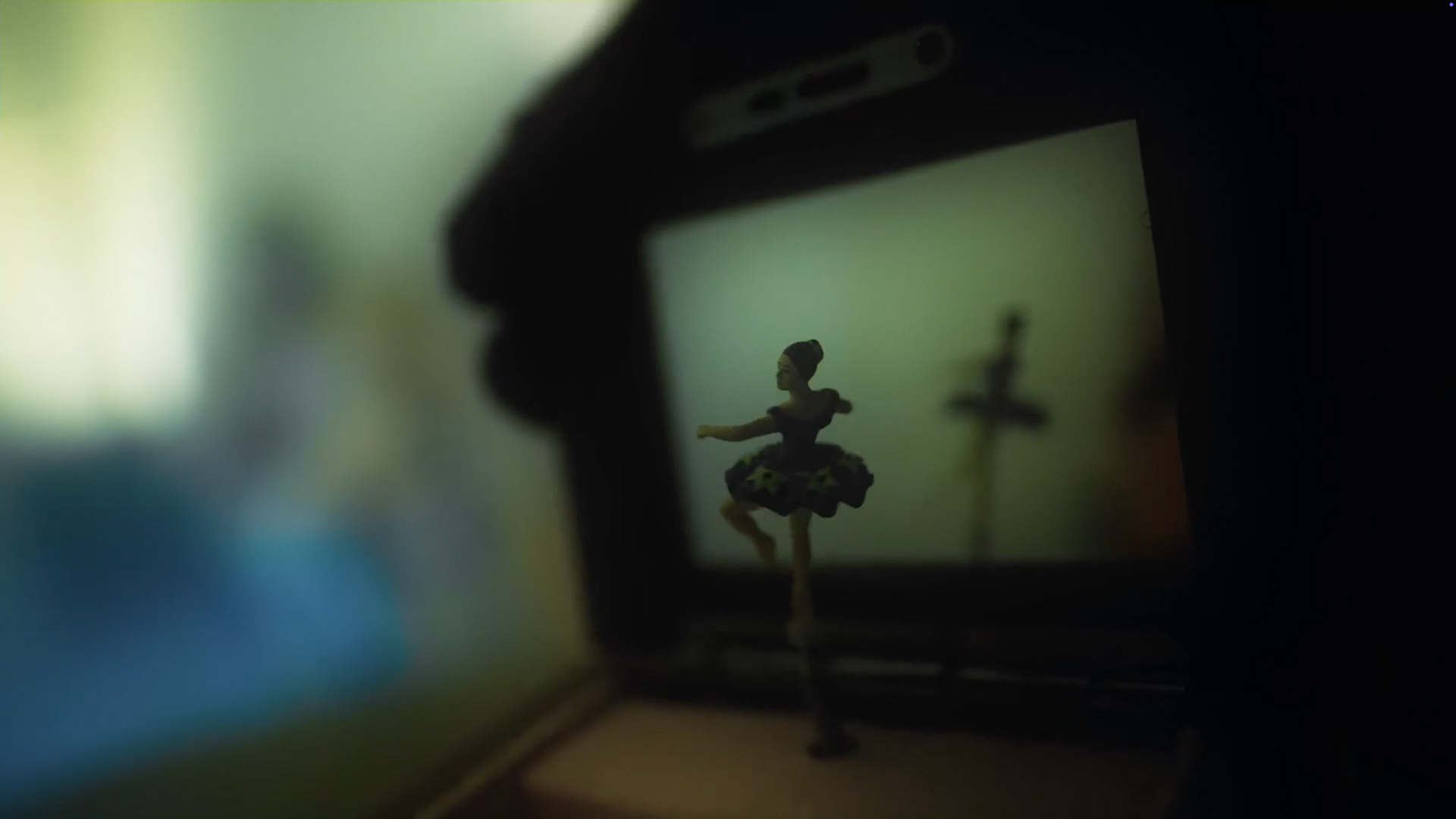
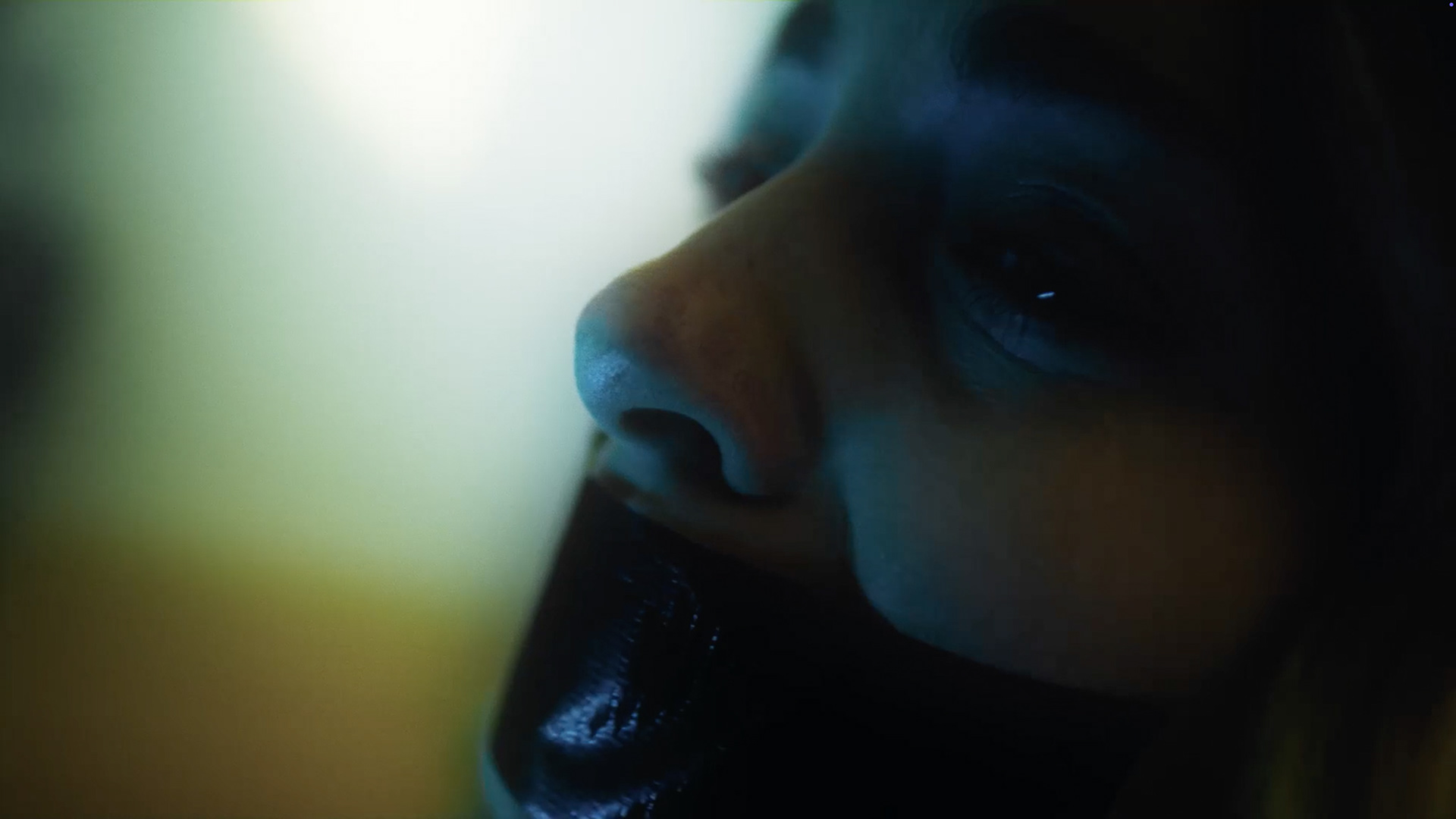
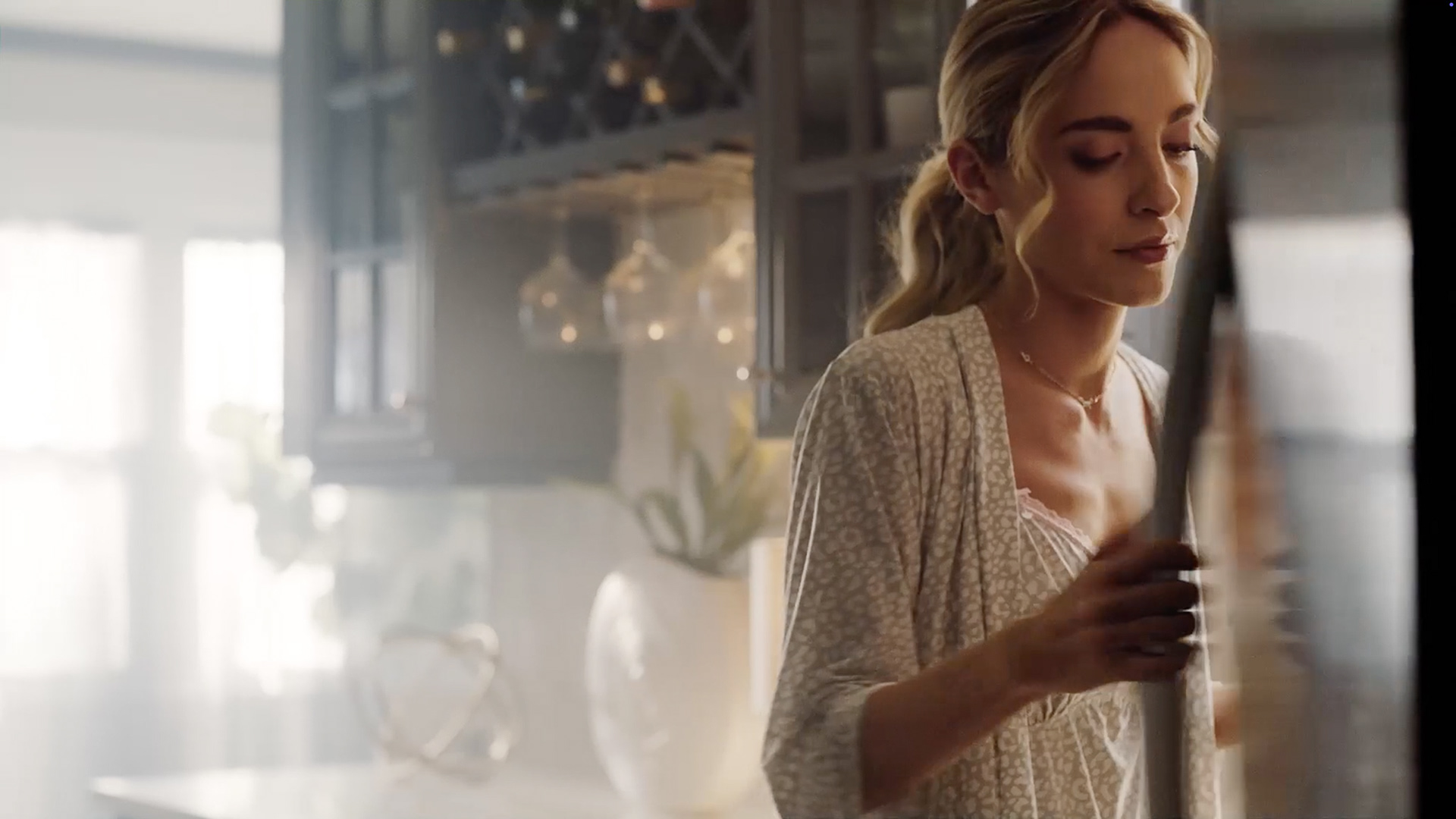
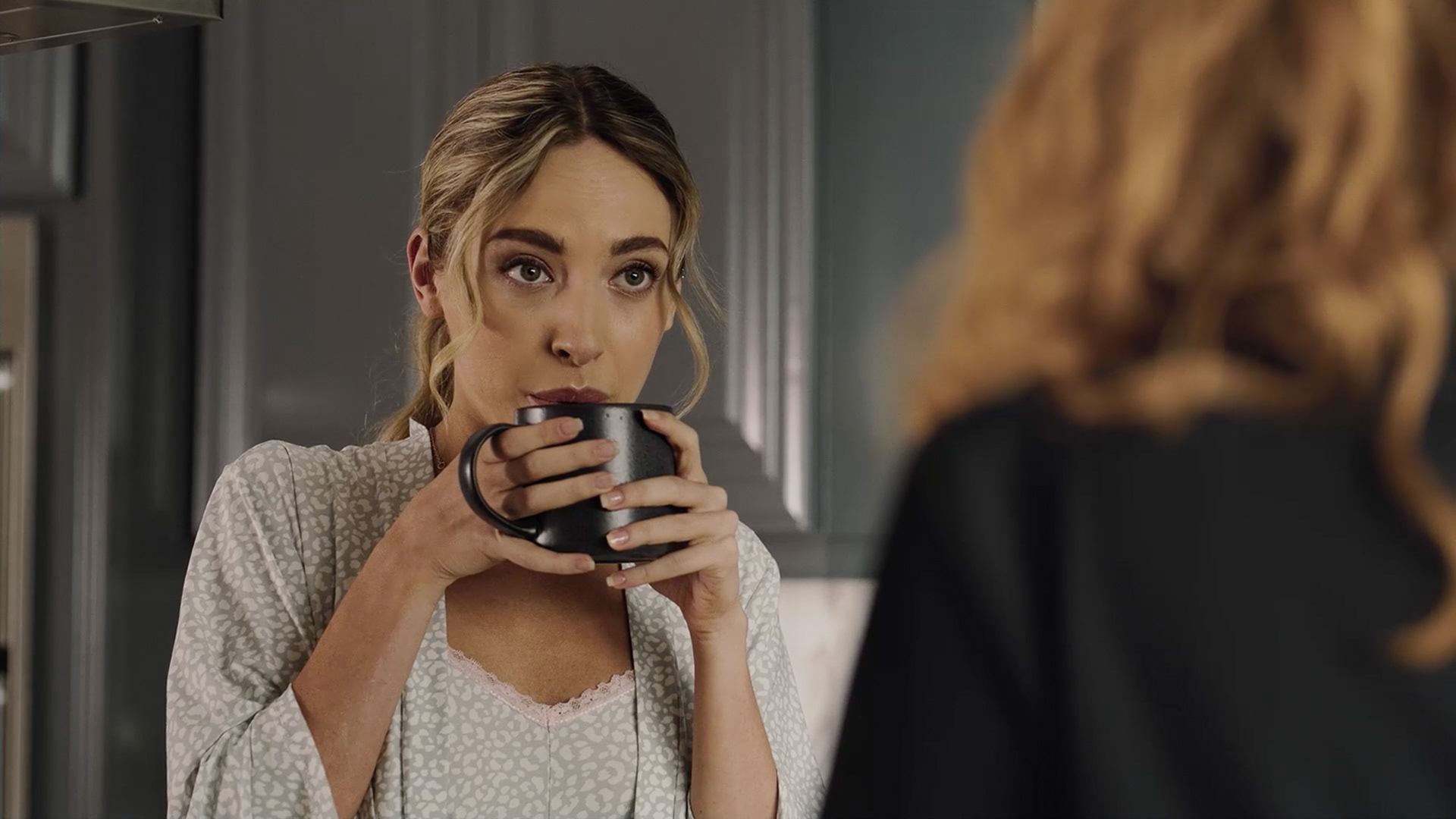
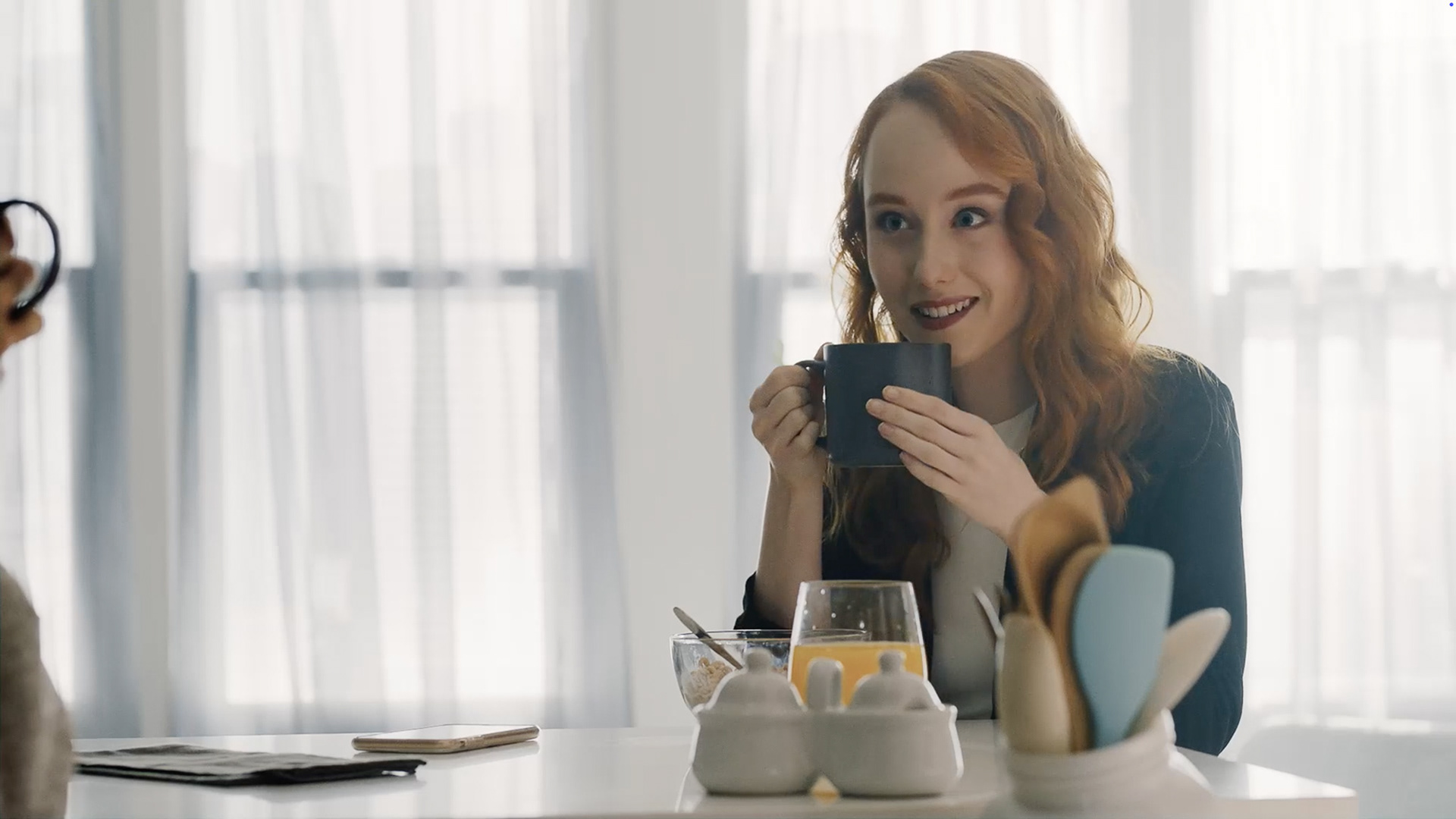
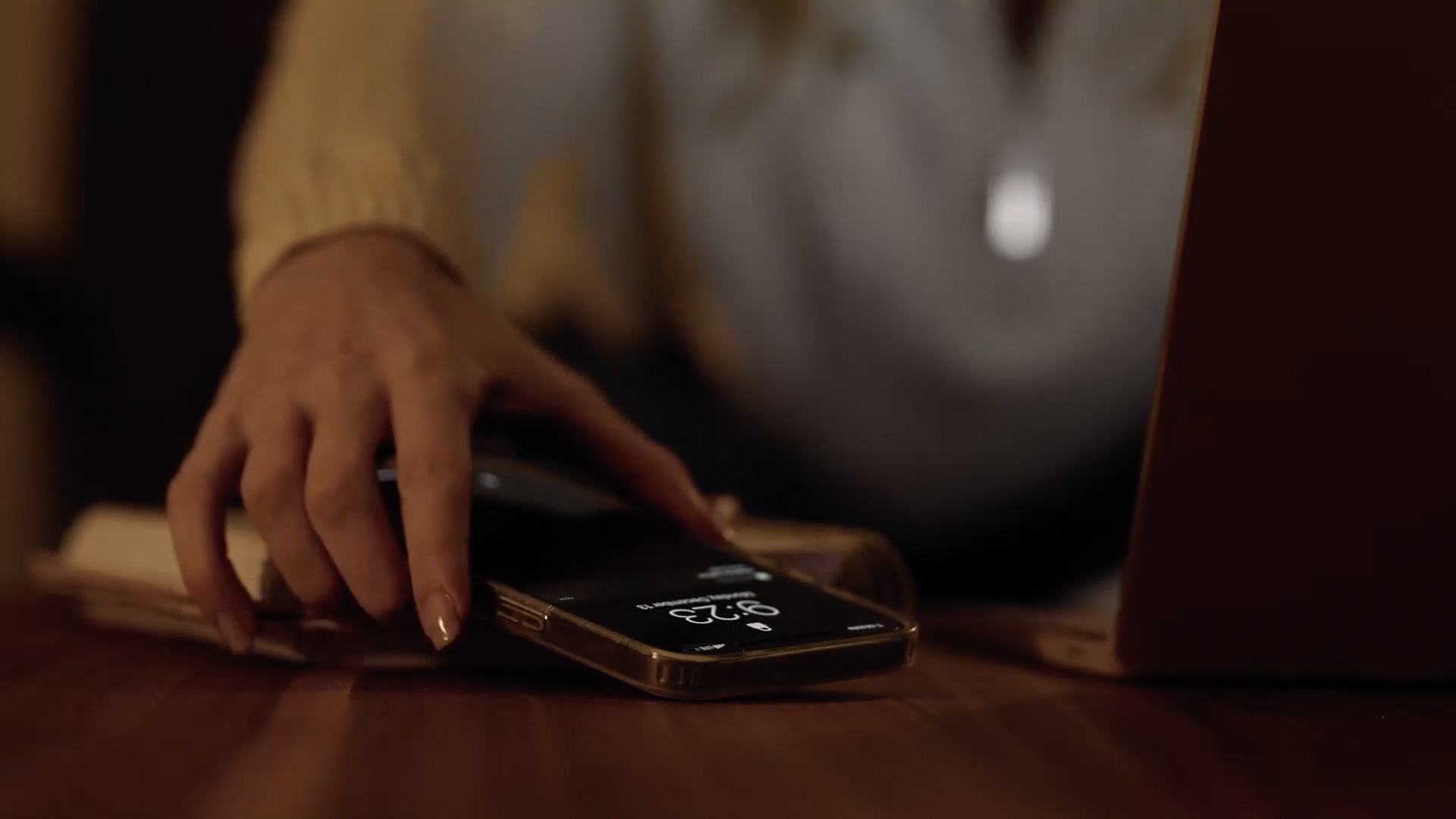
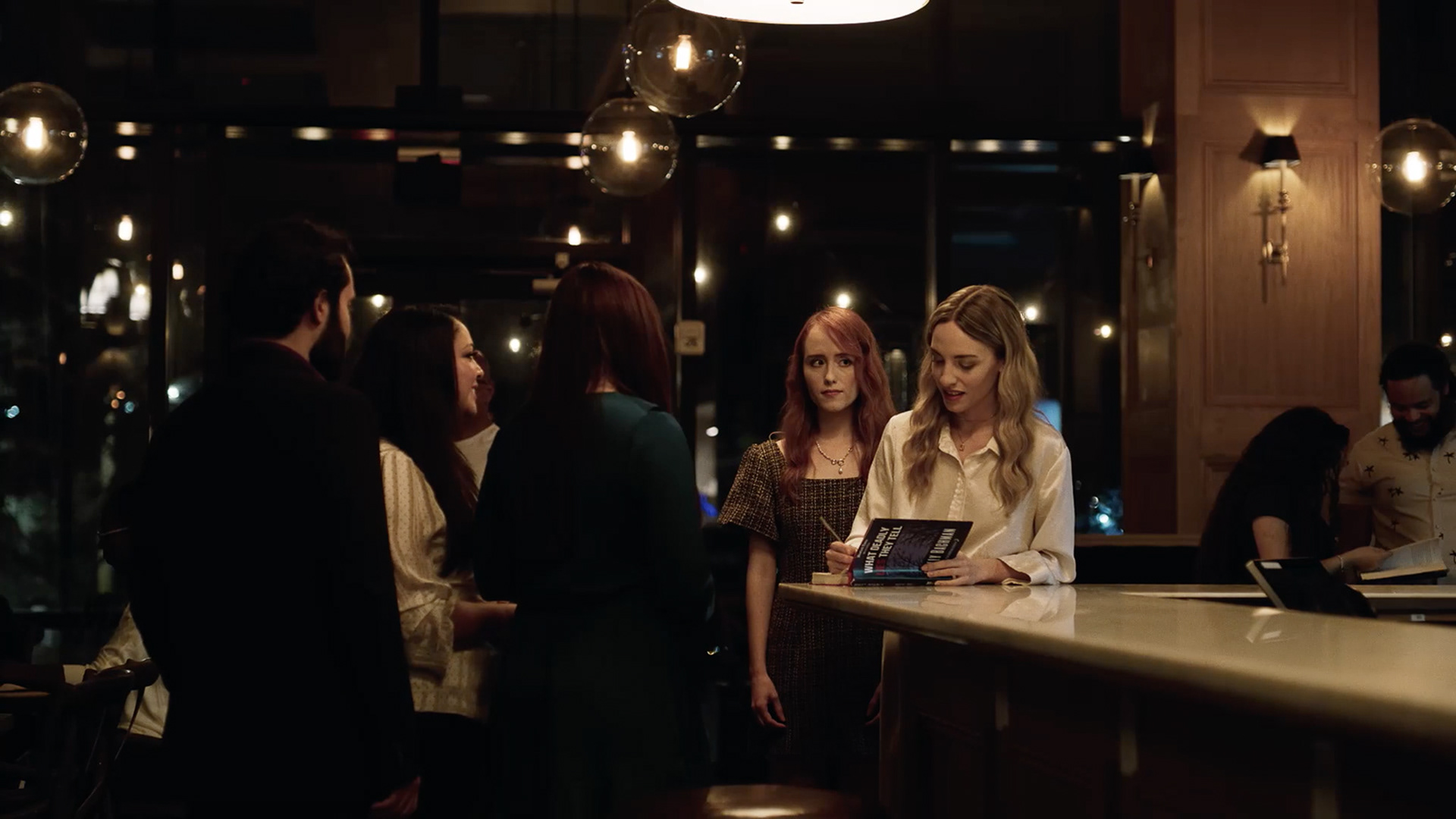
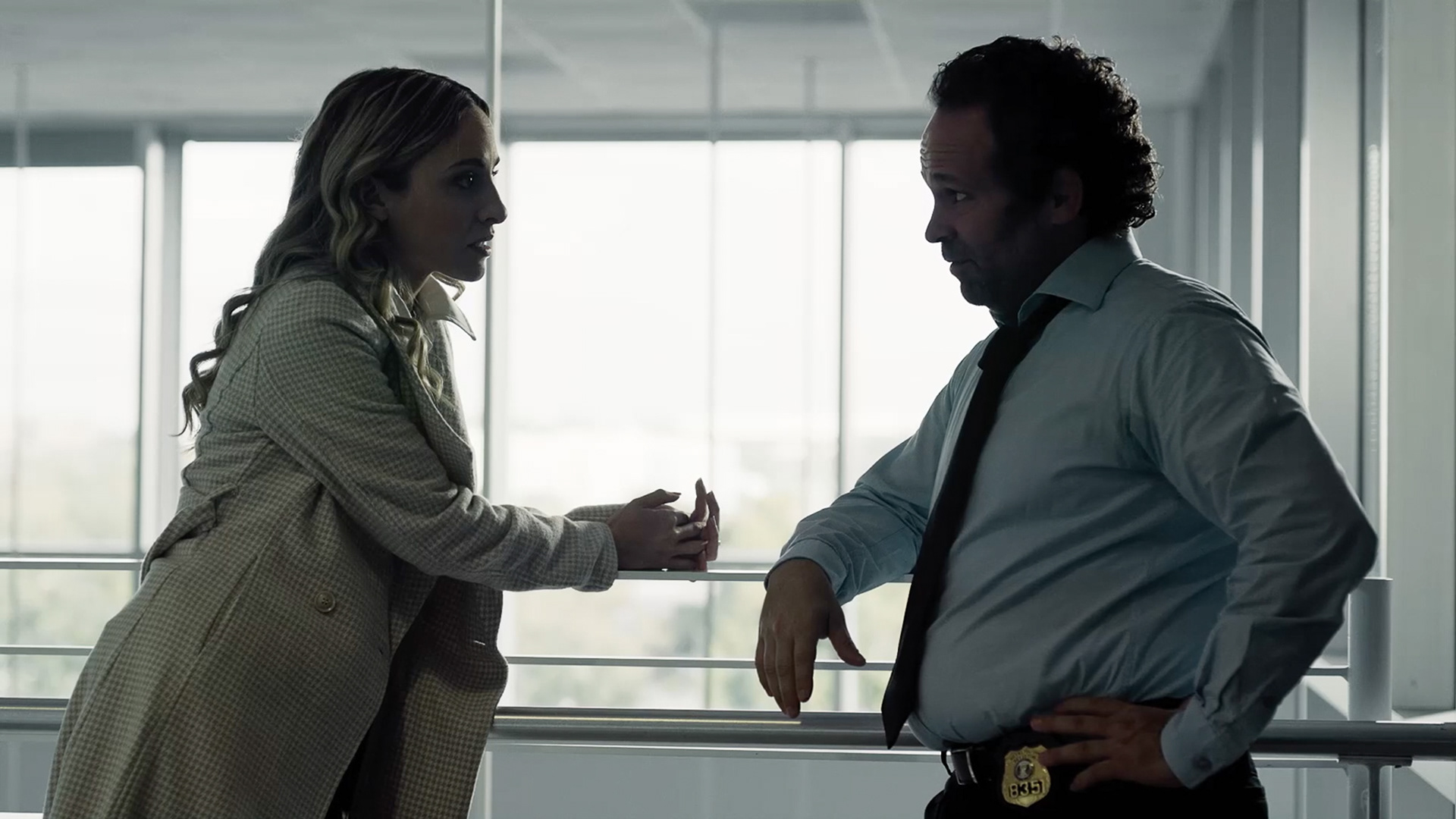
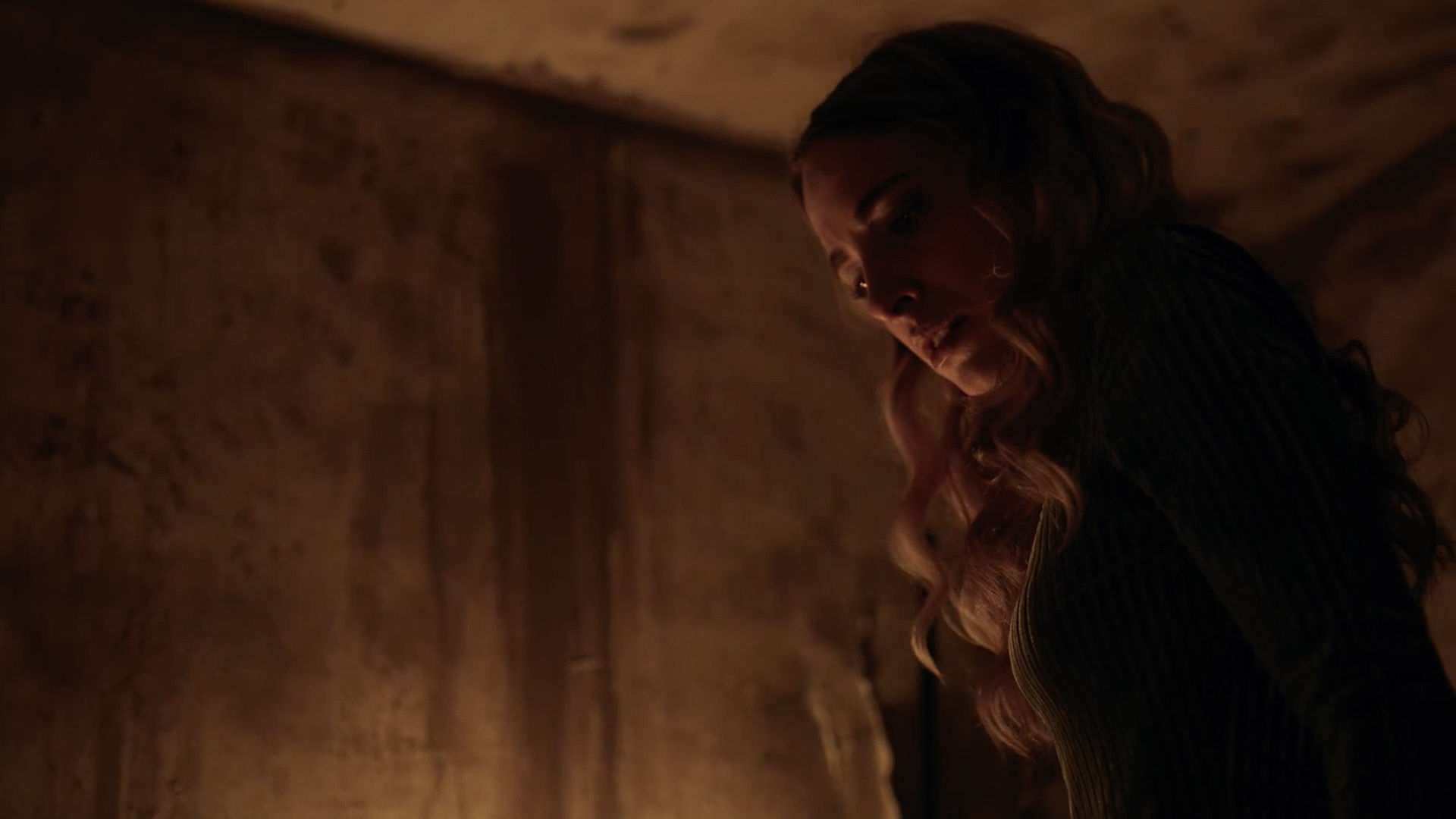
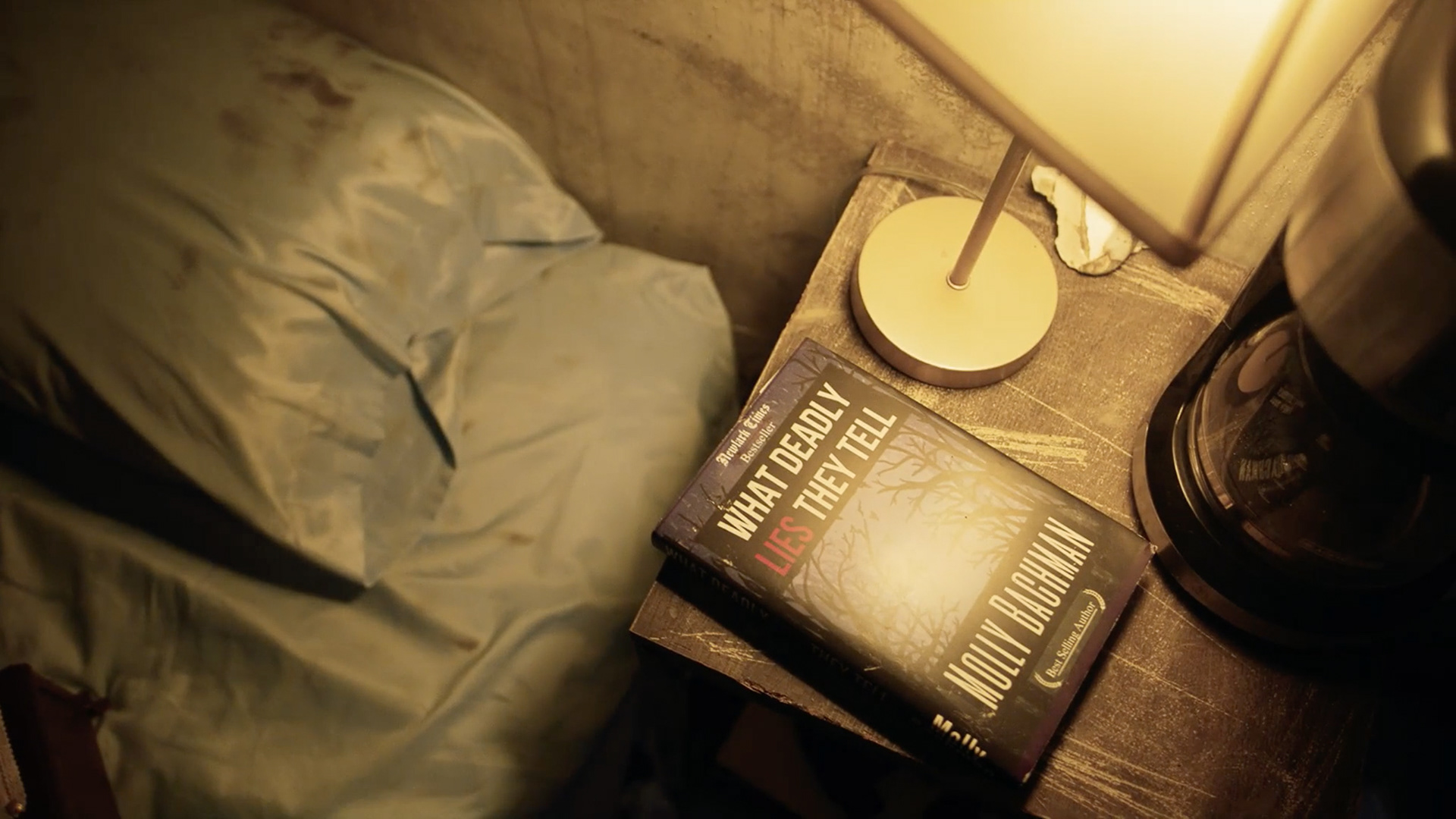
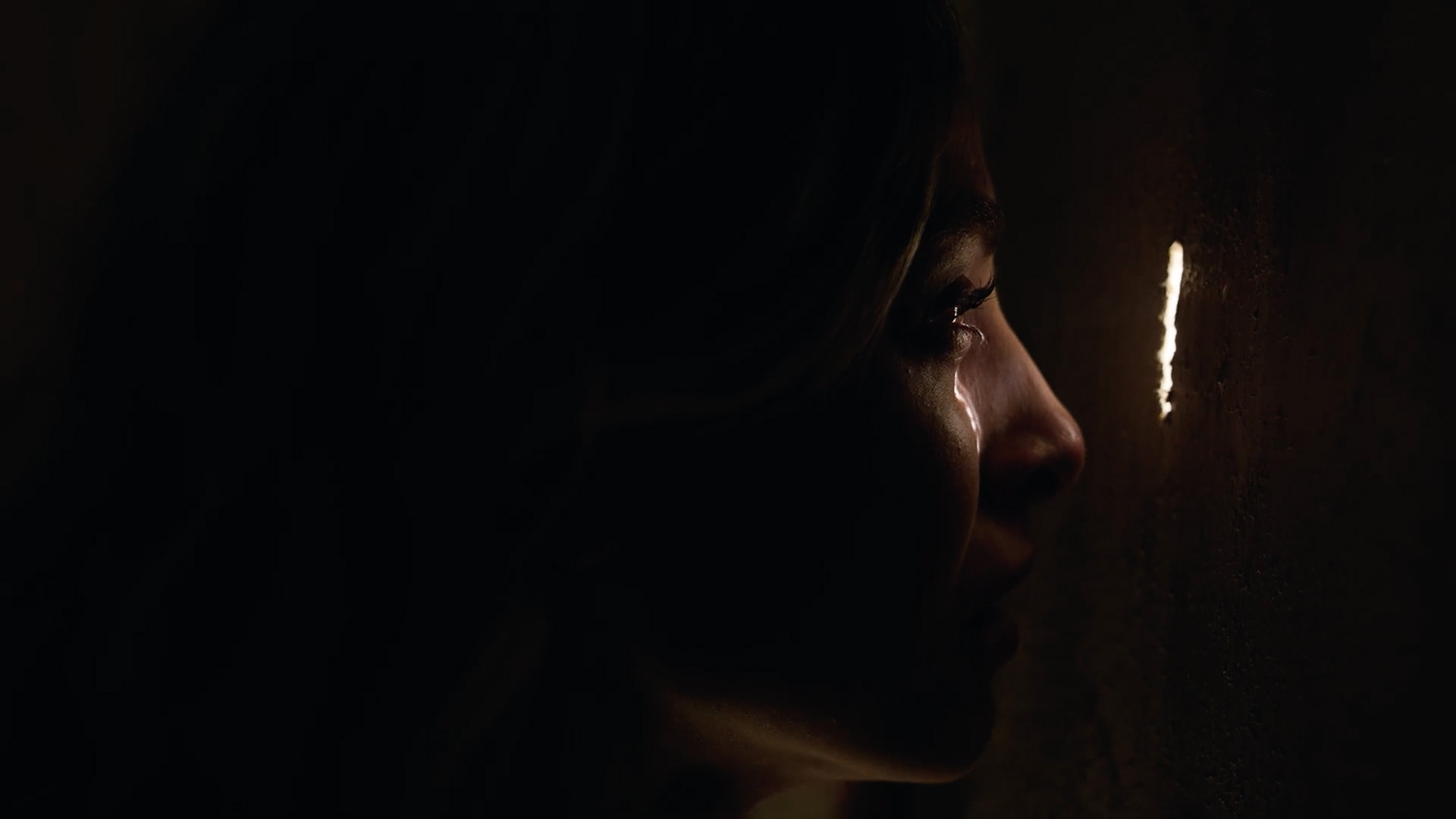
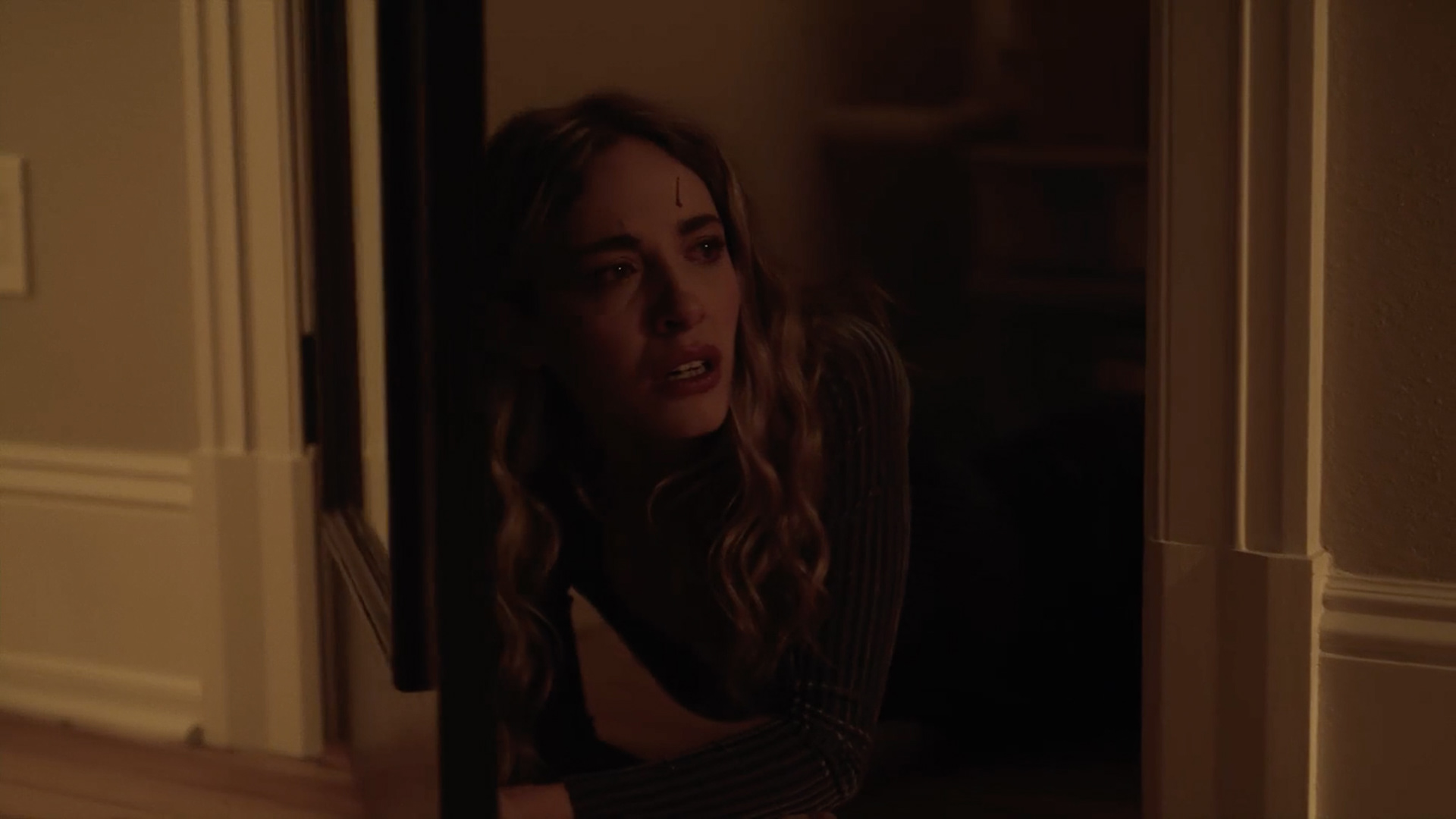
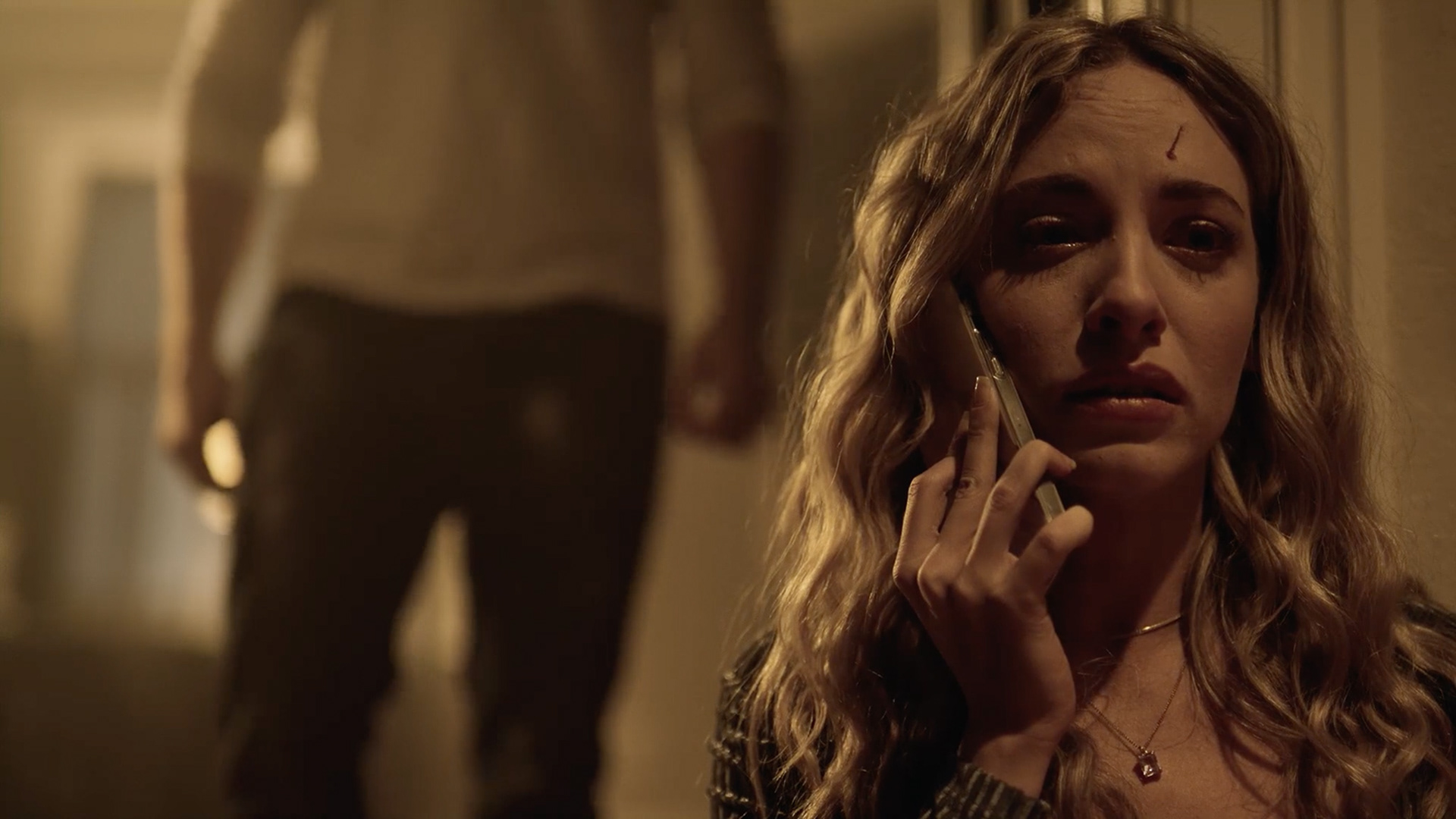
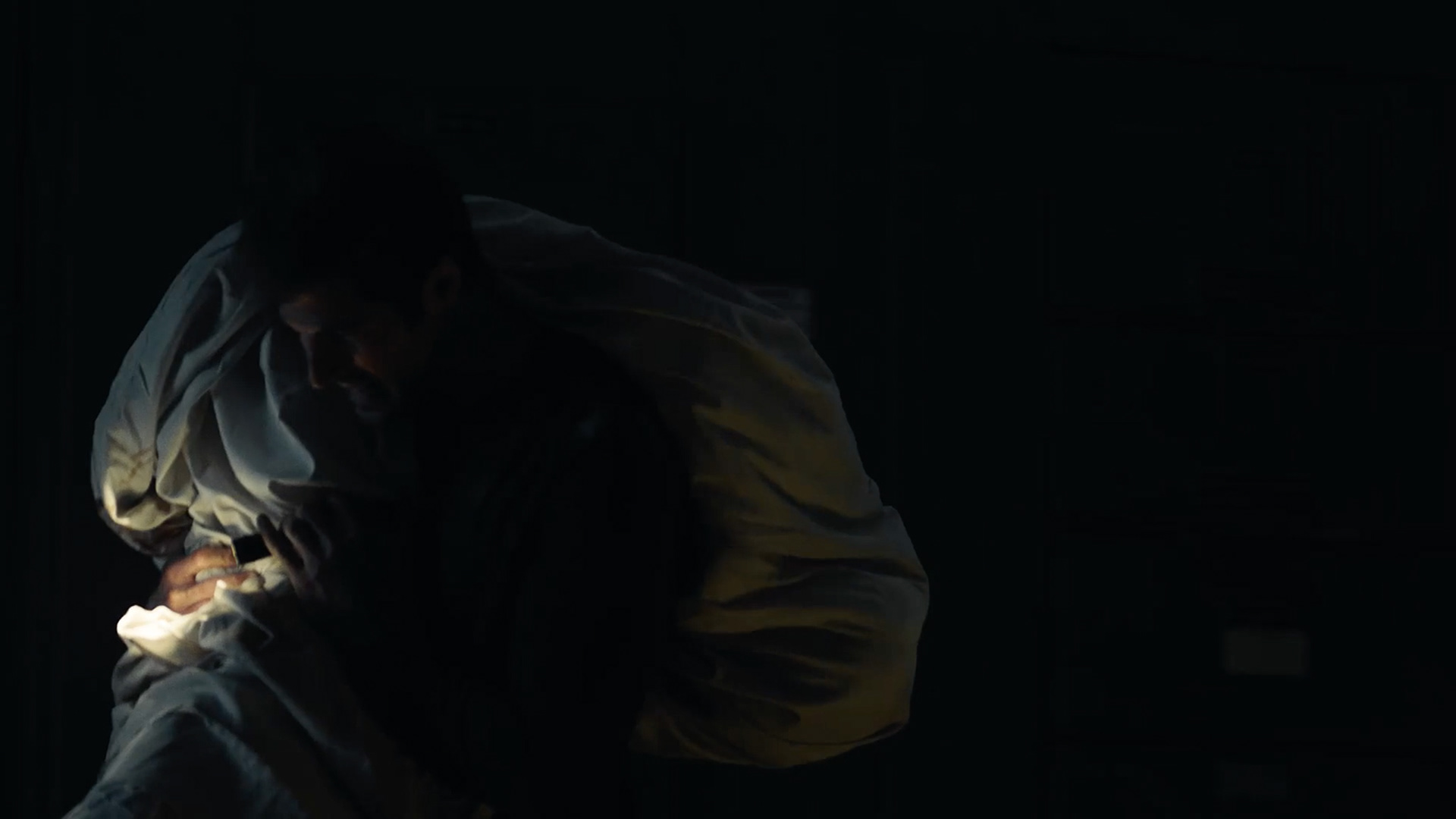
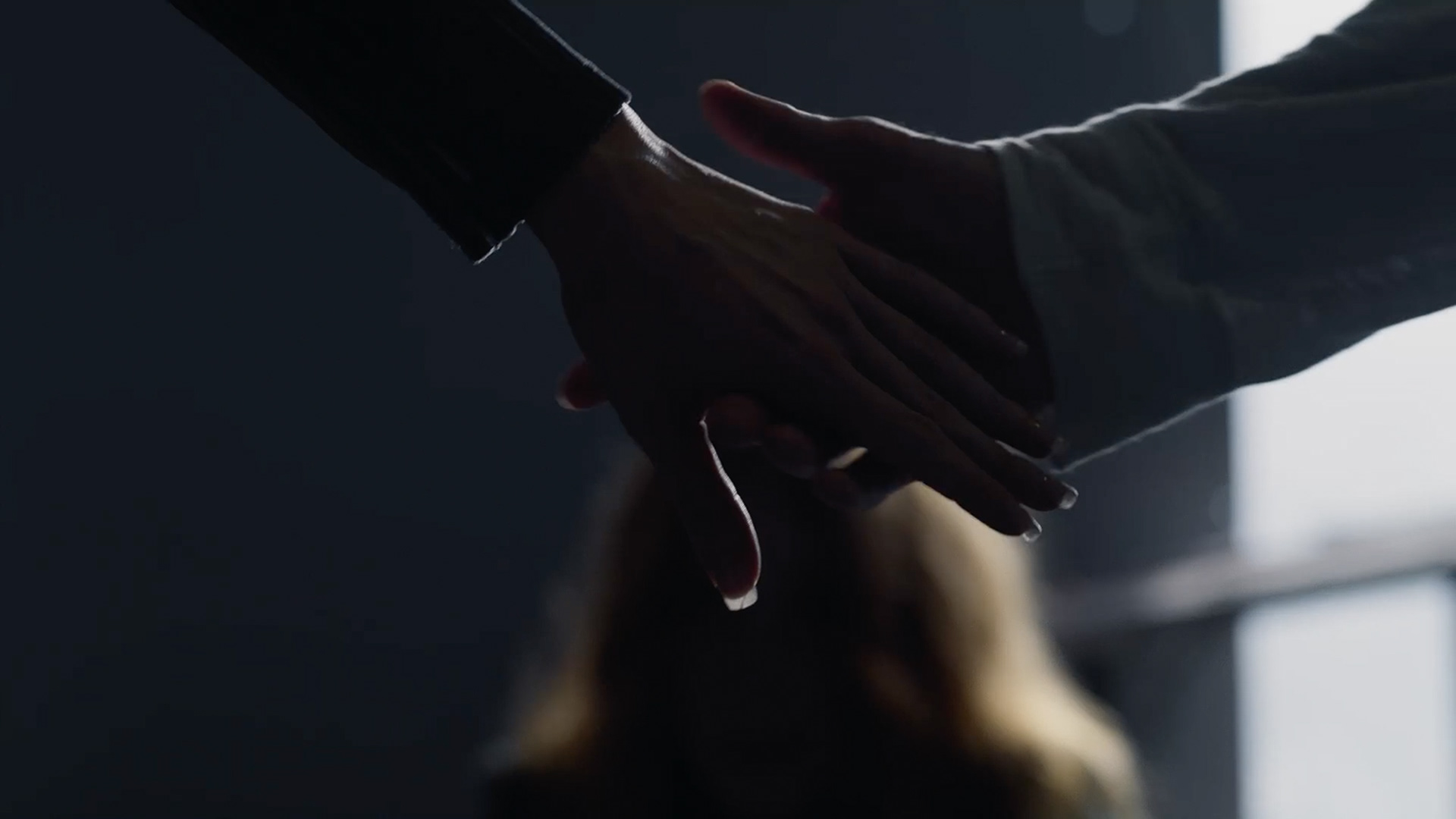
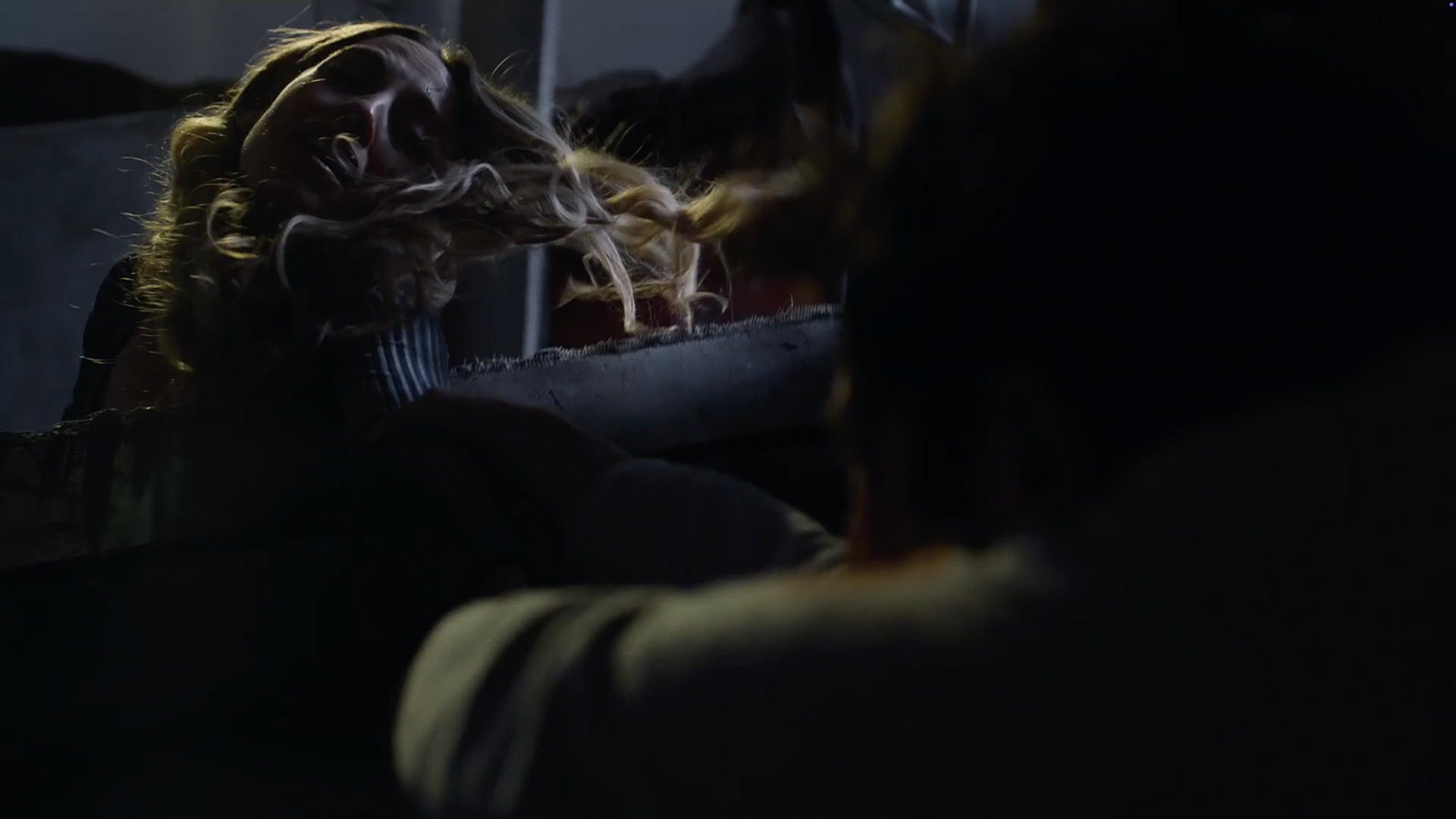
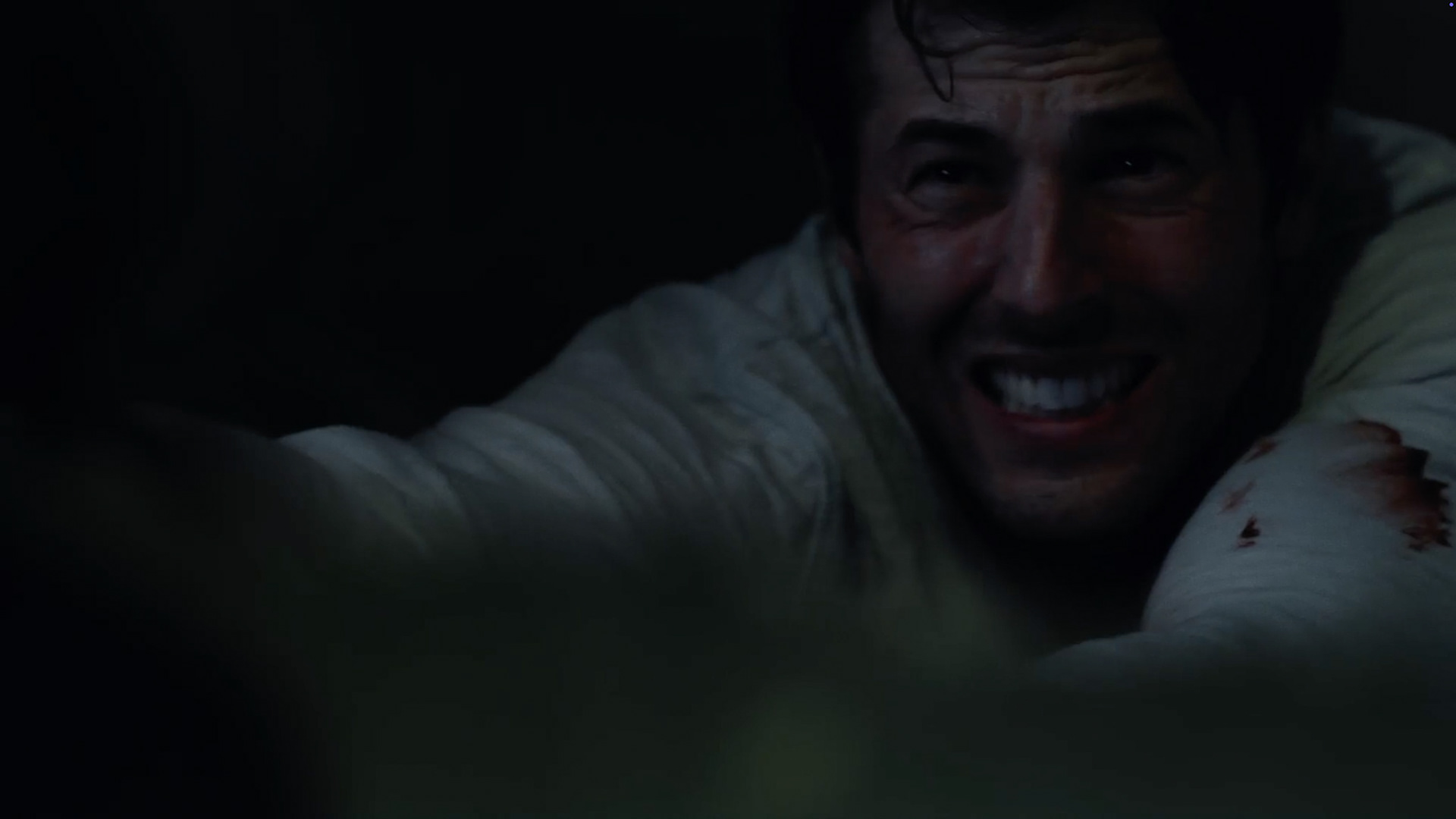
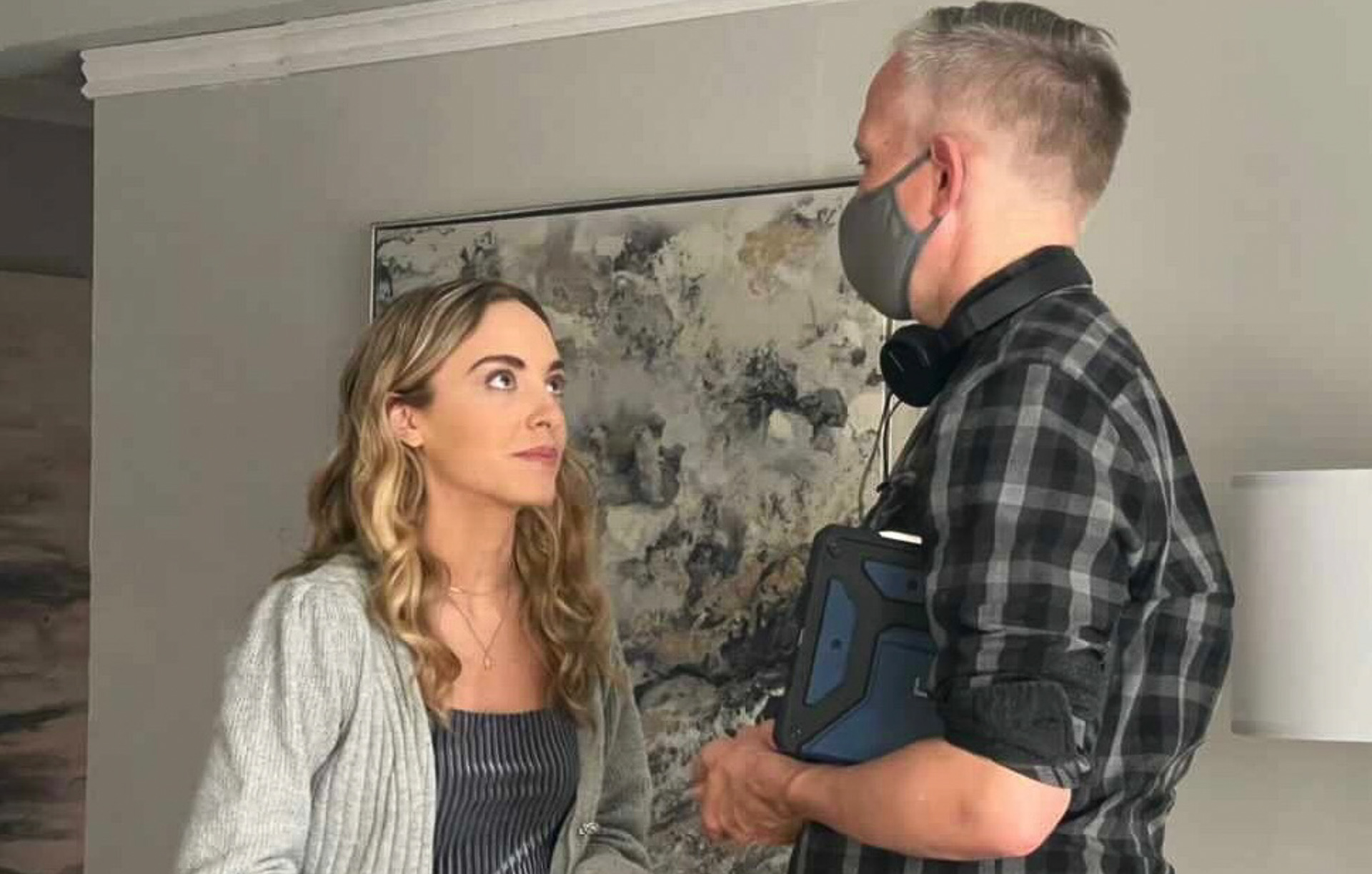
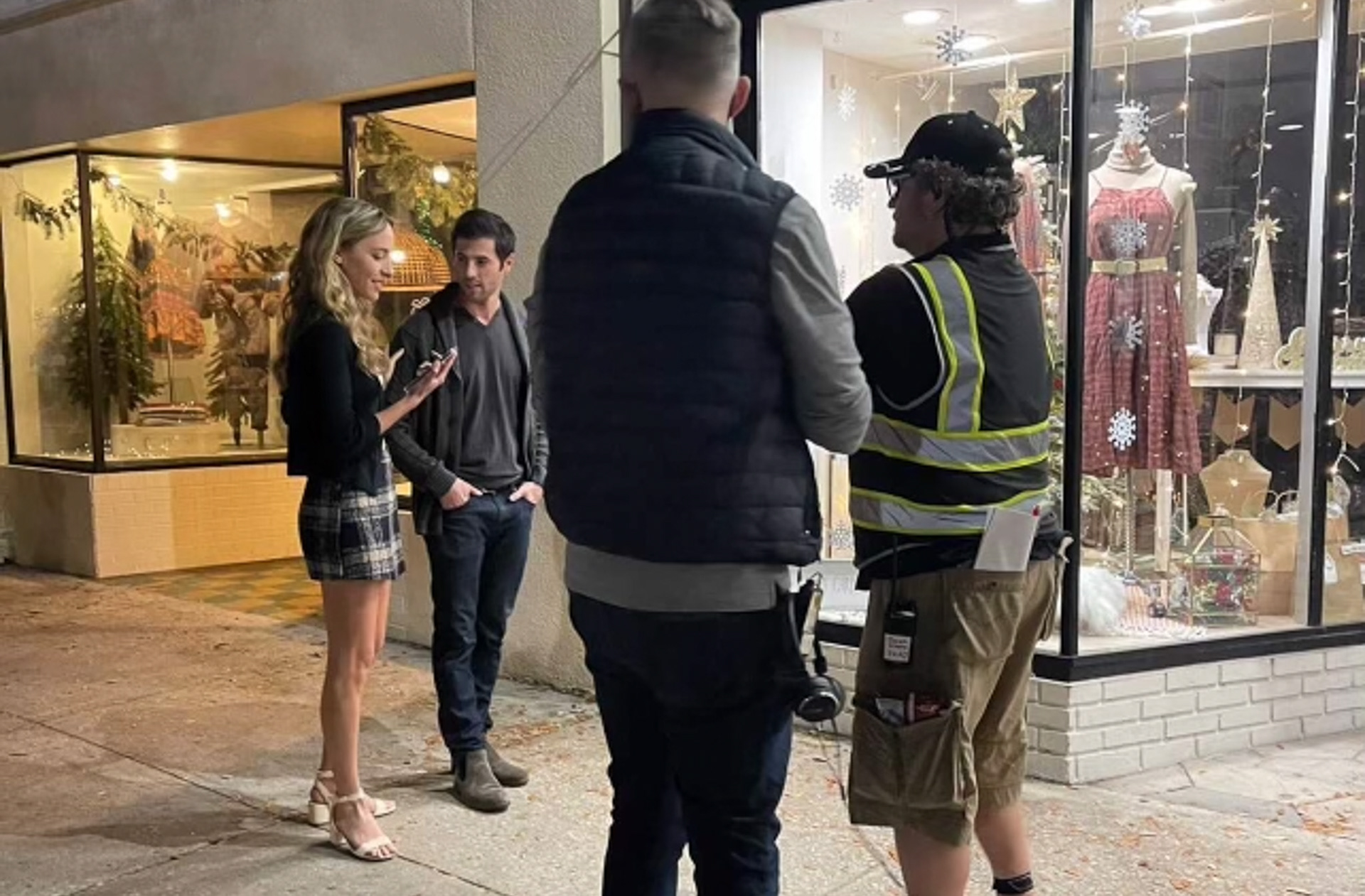
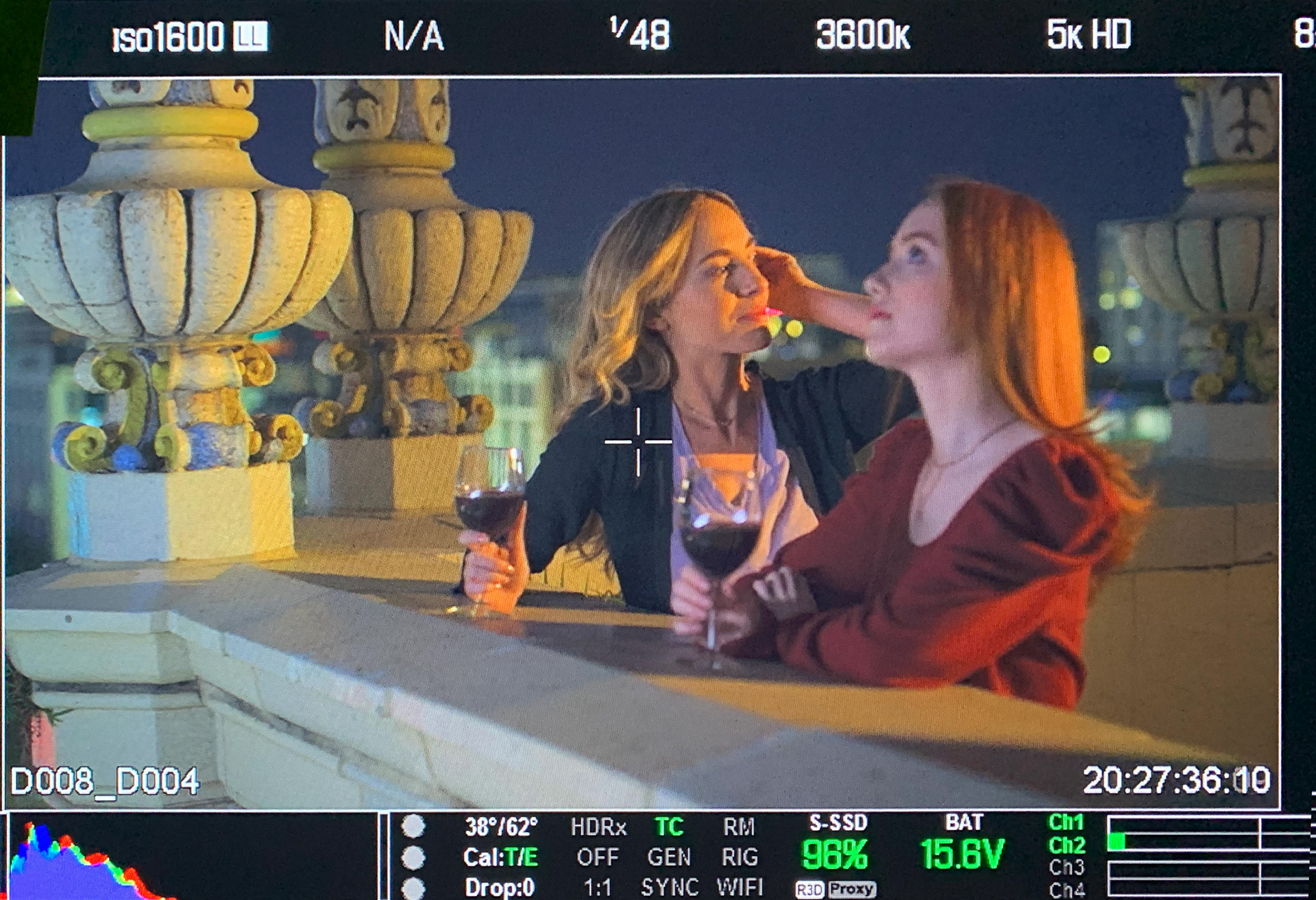
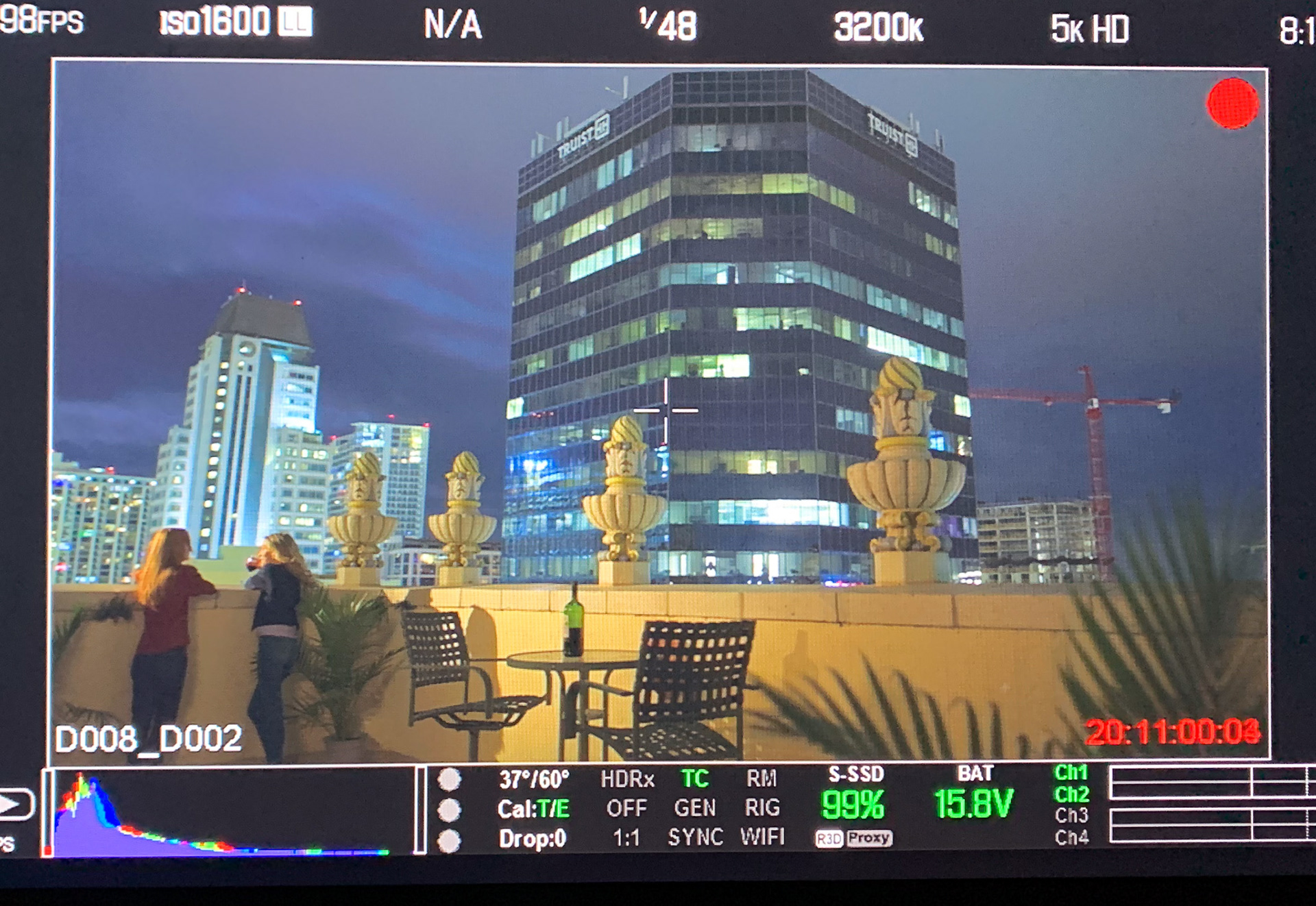
HIDER IN MY HOUSE | BTS IMAGES
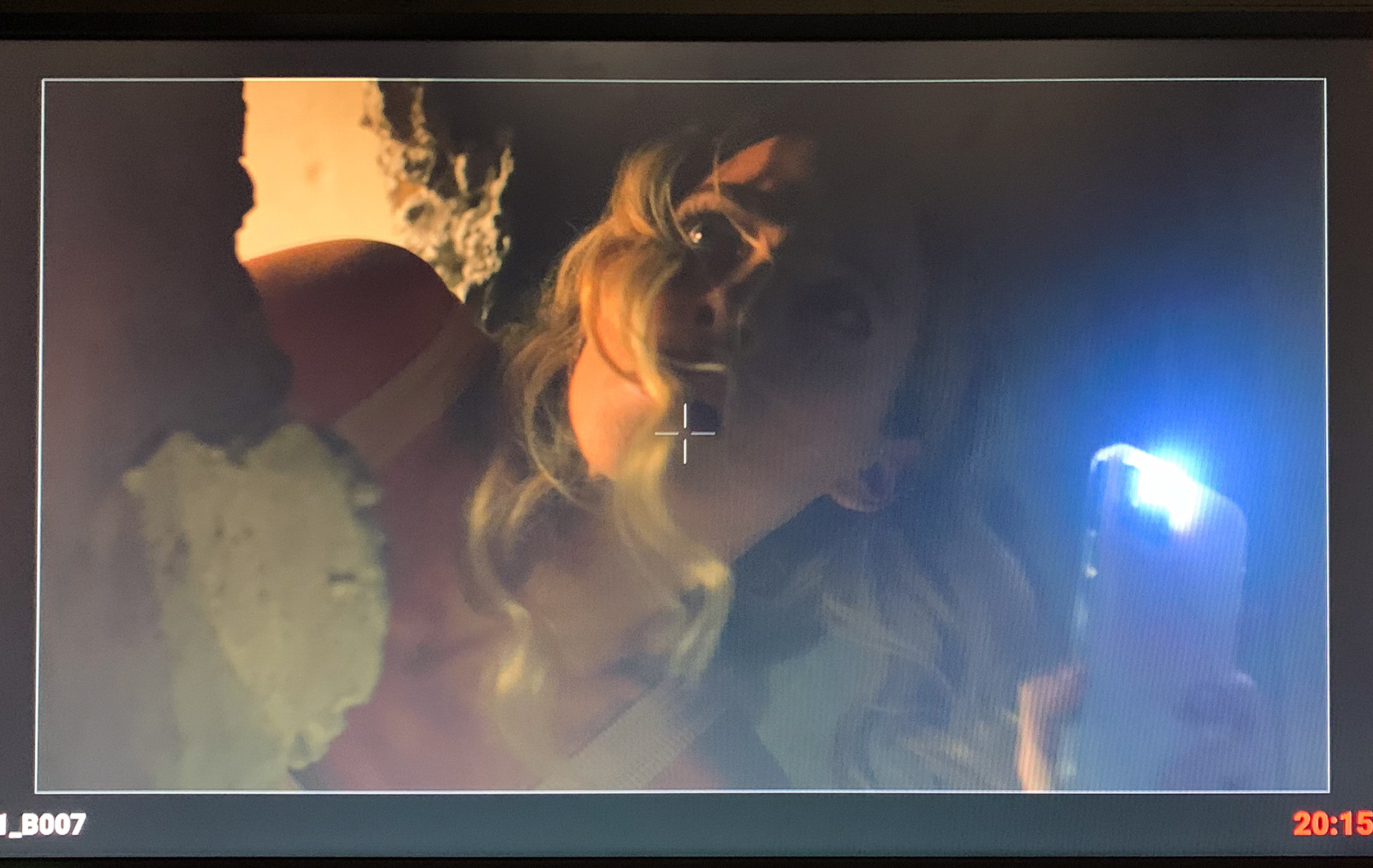
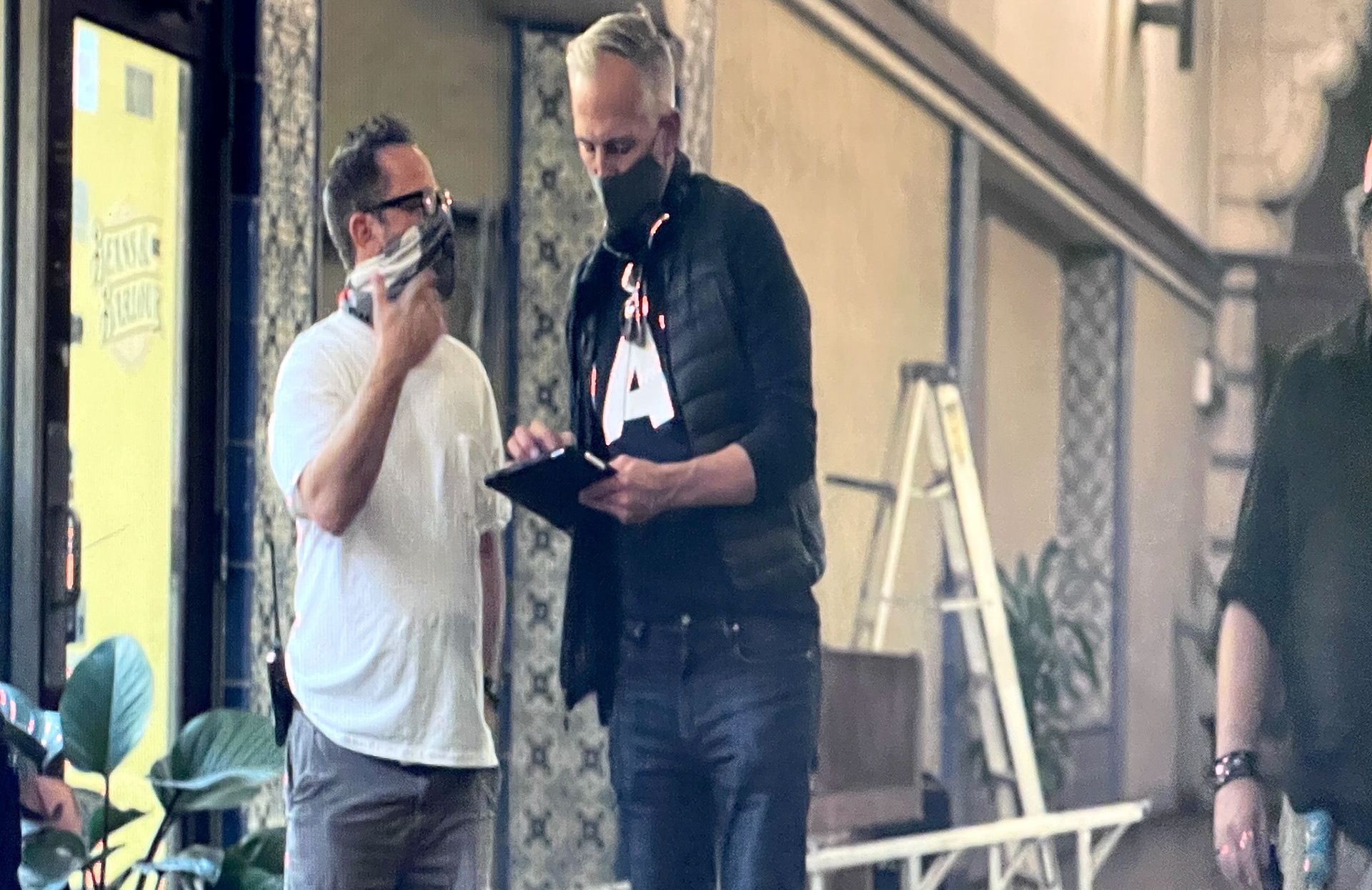
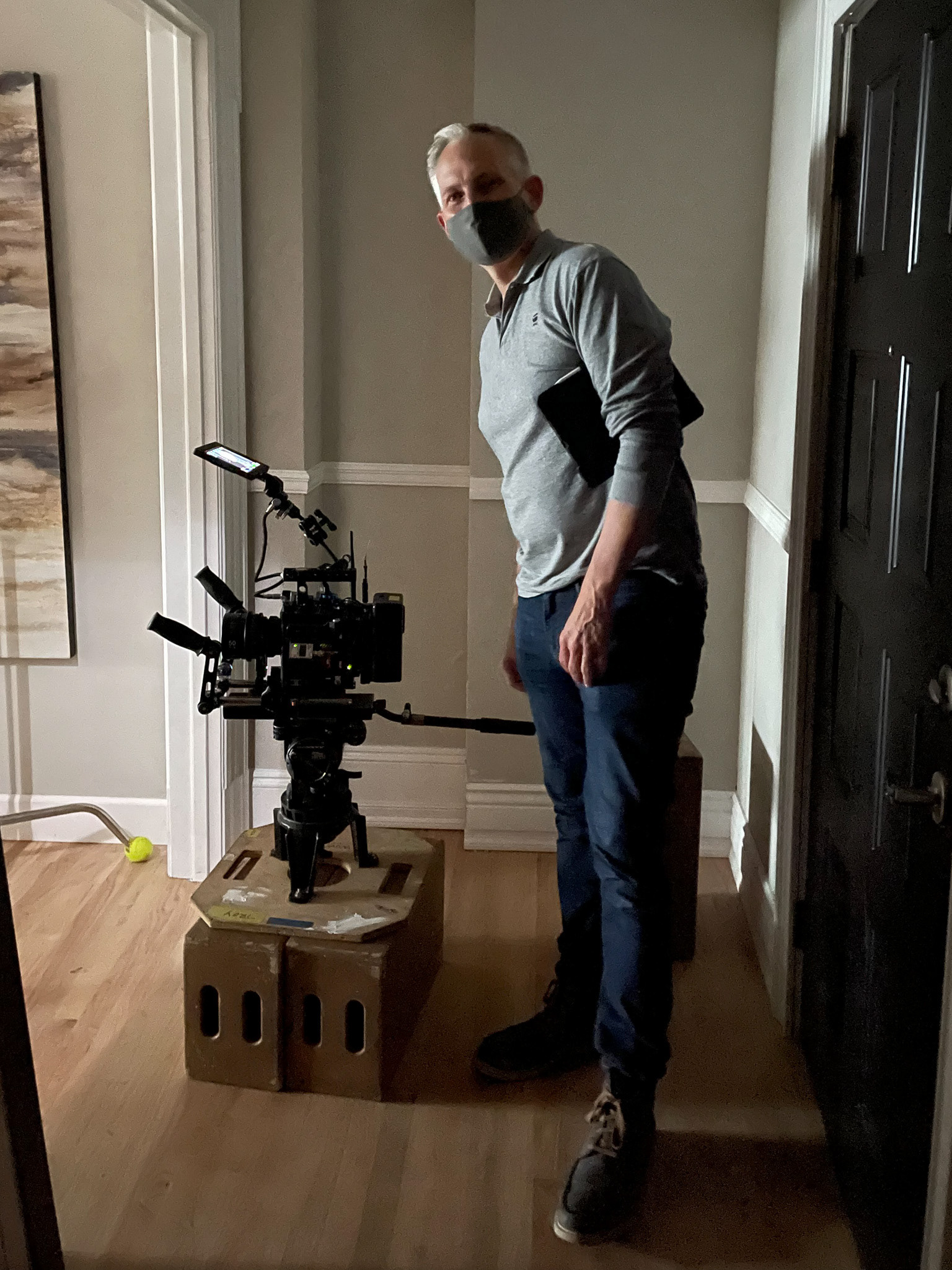
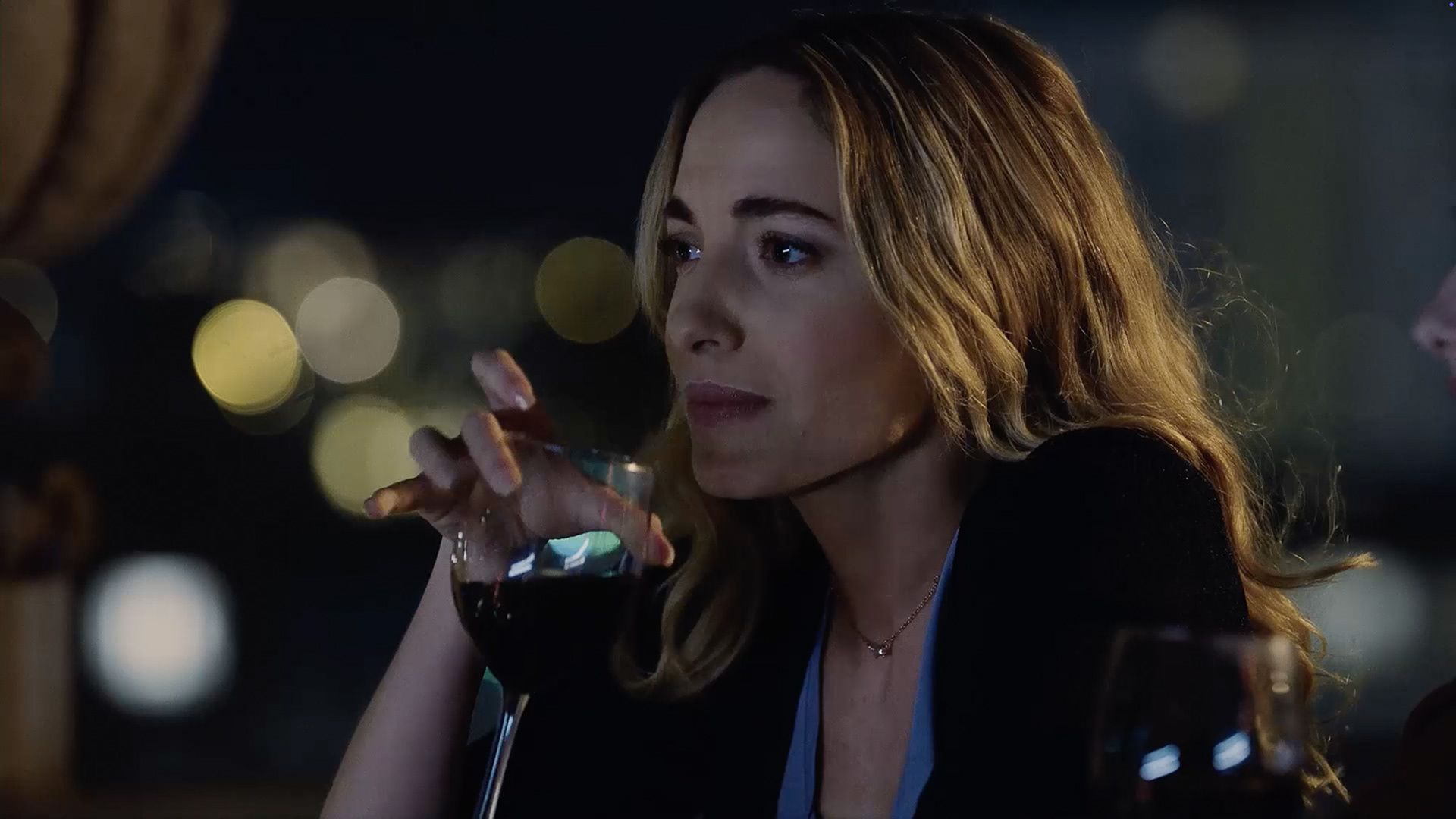
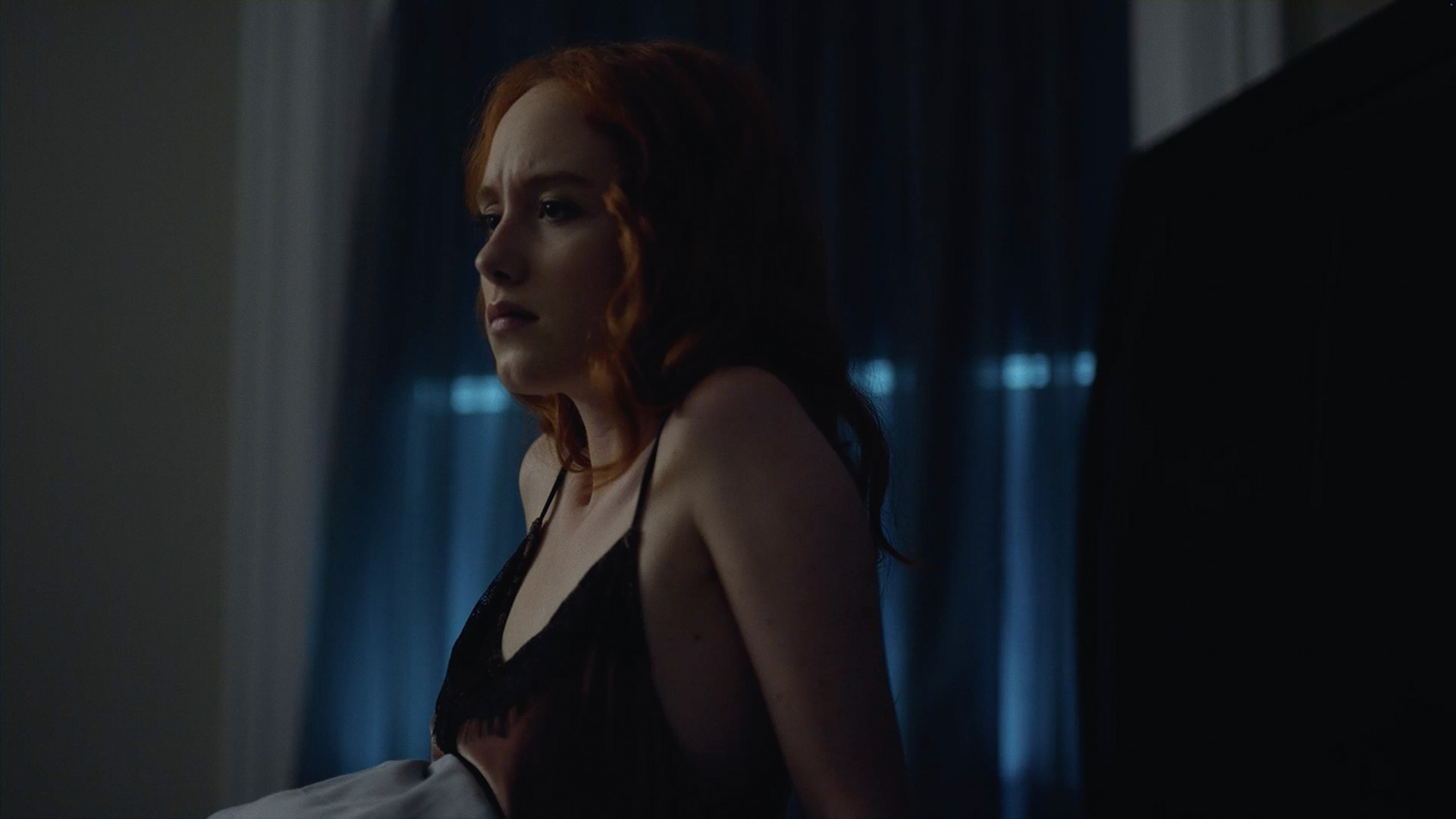
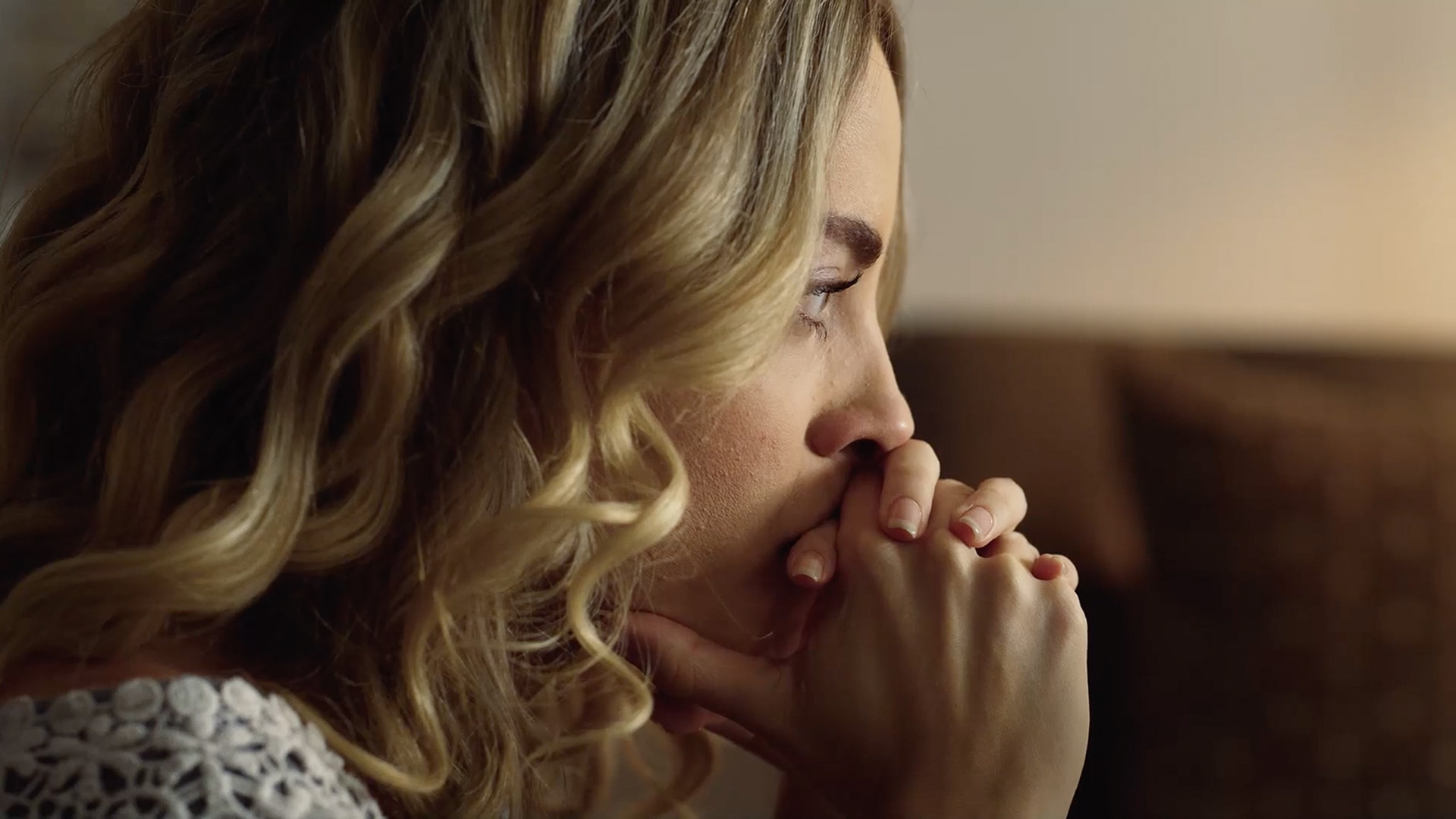
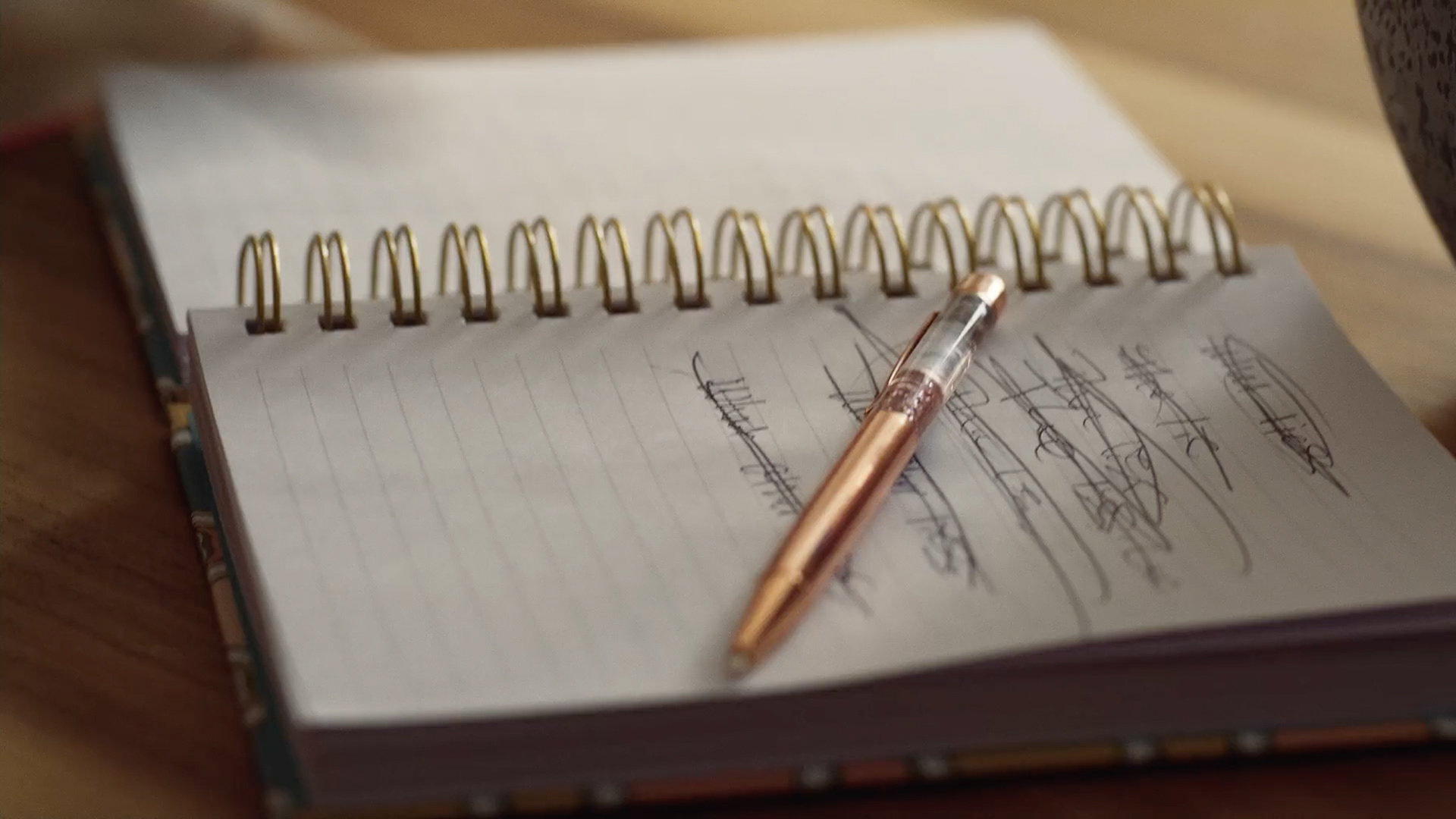
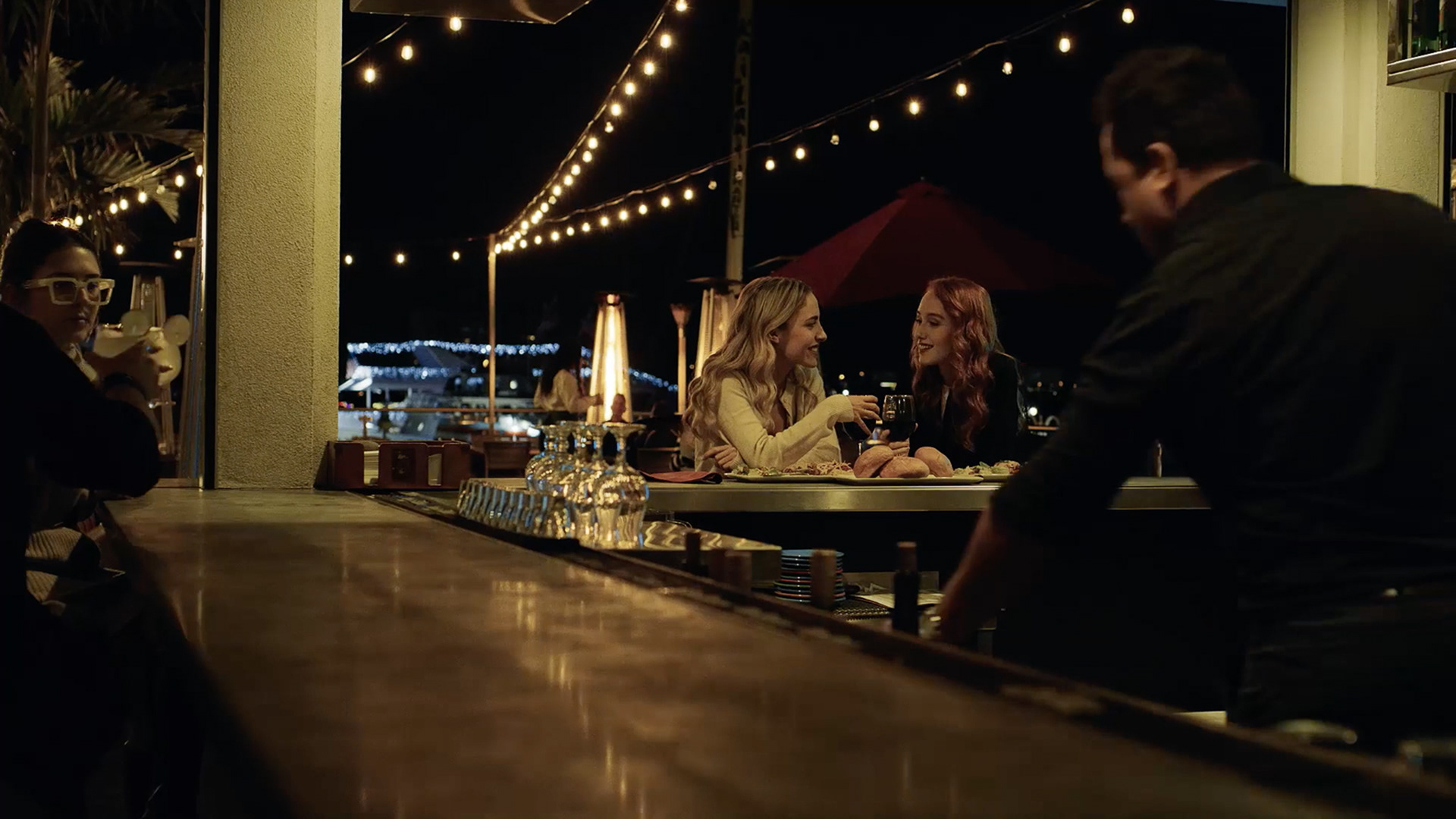
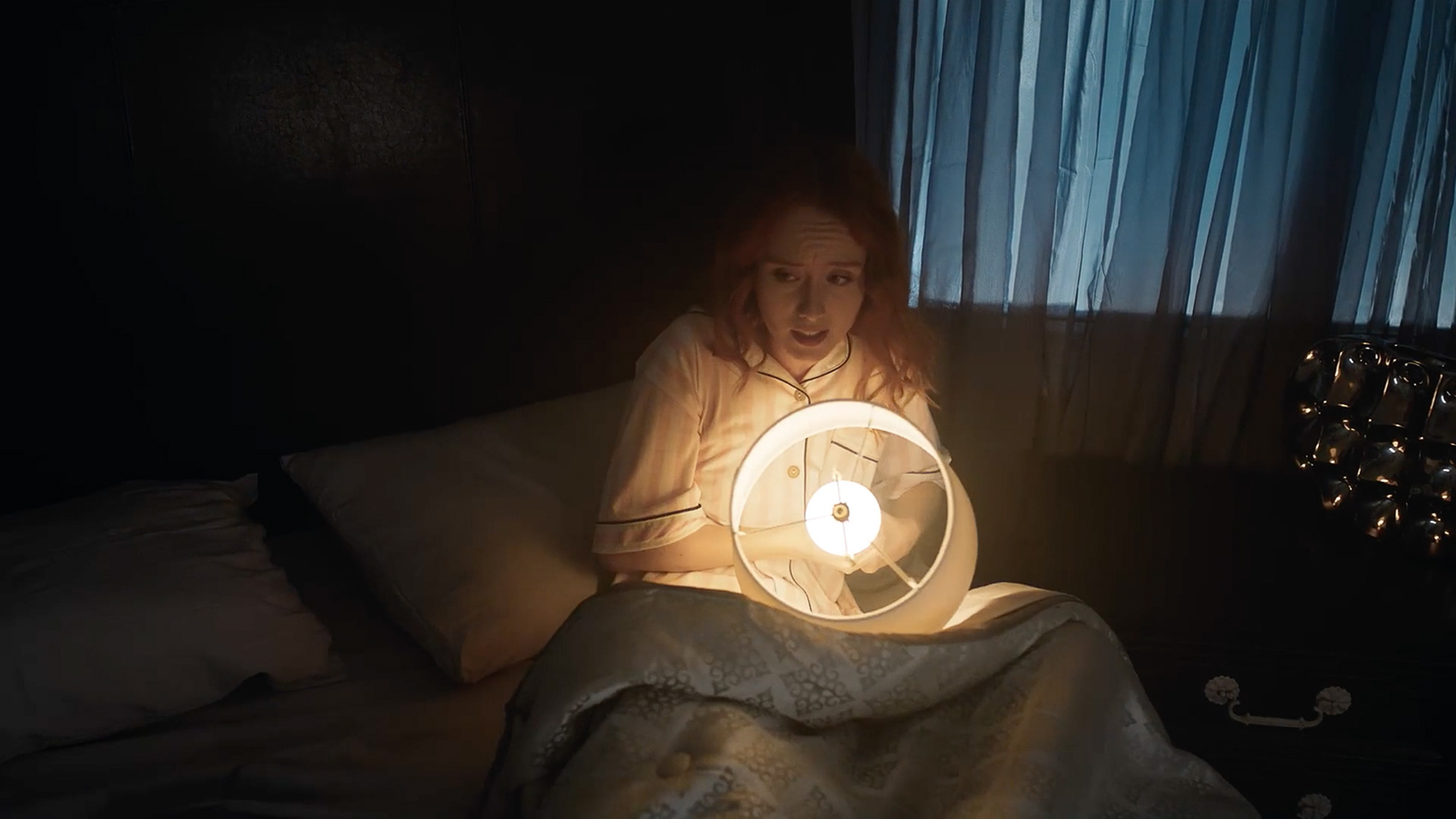
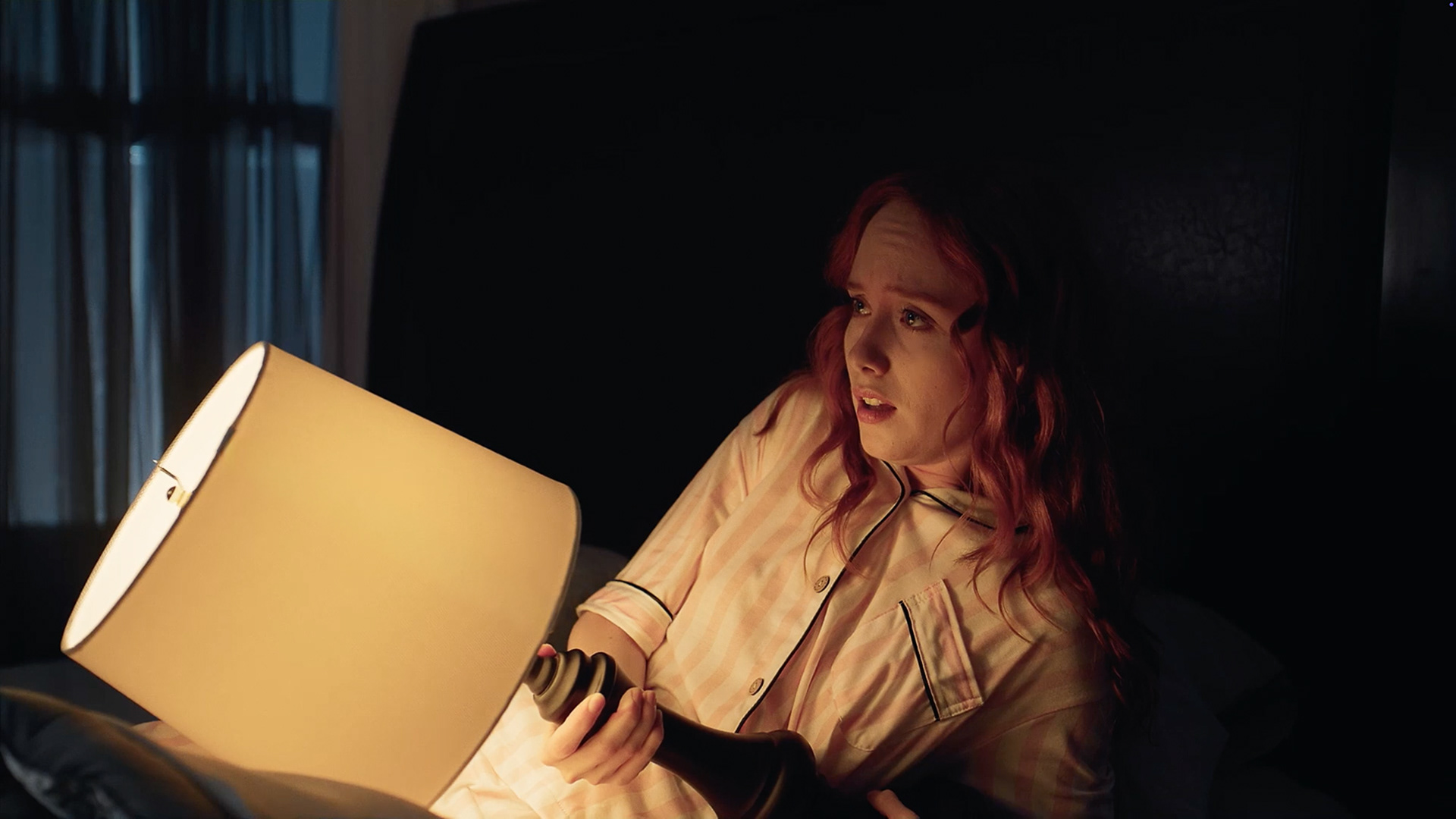
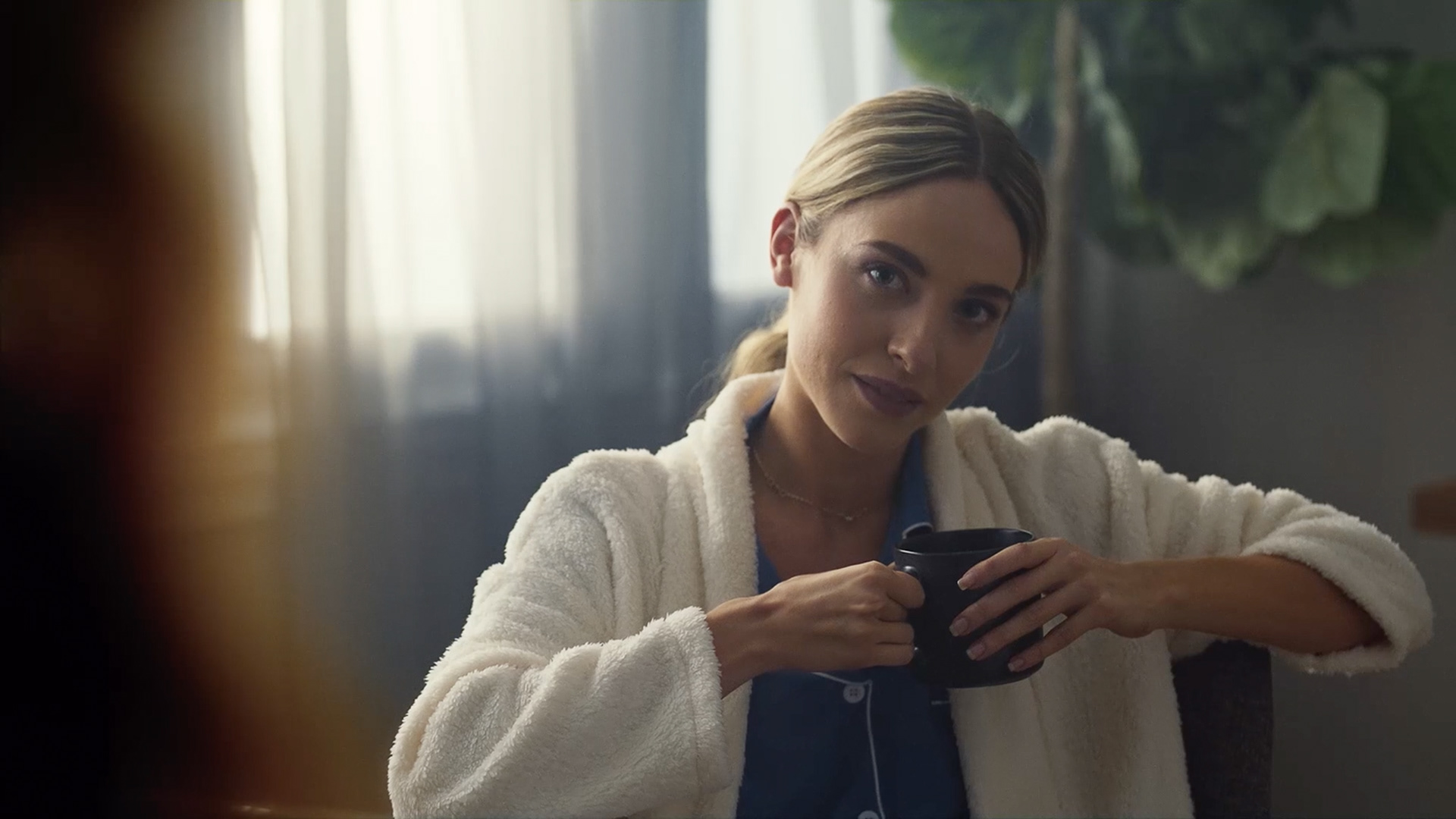
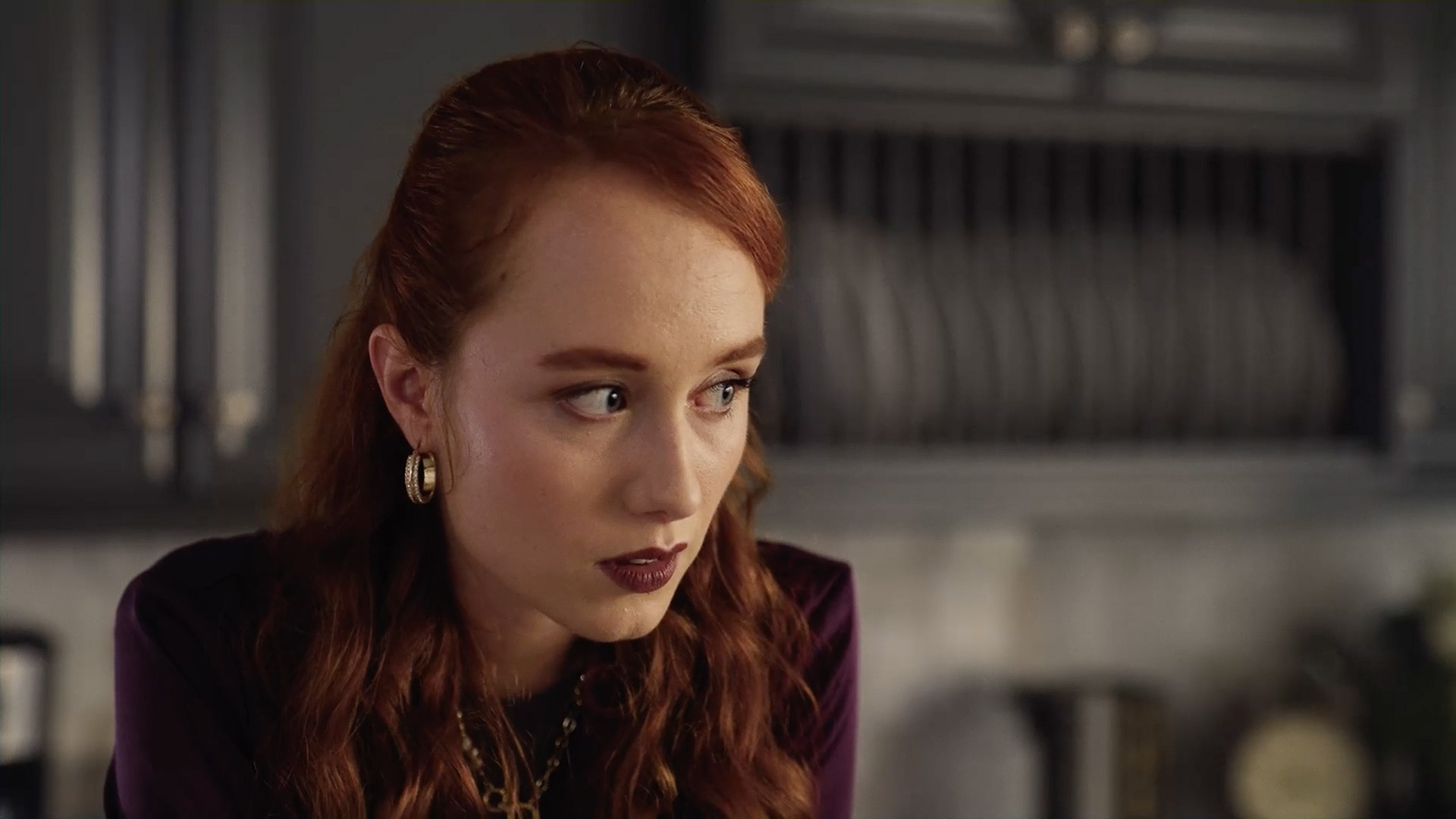
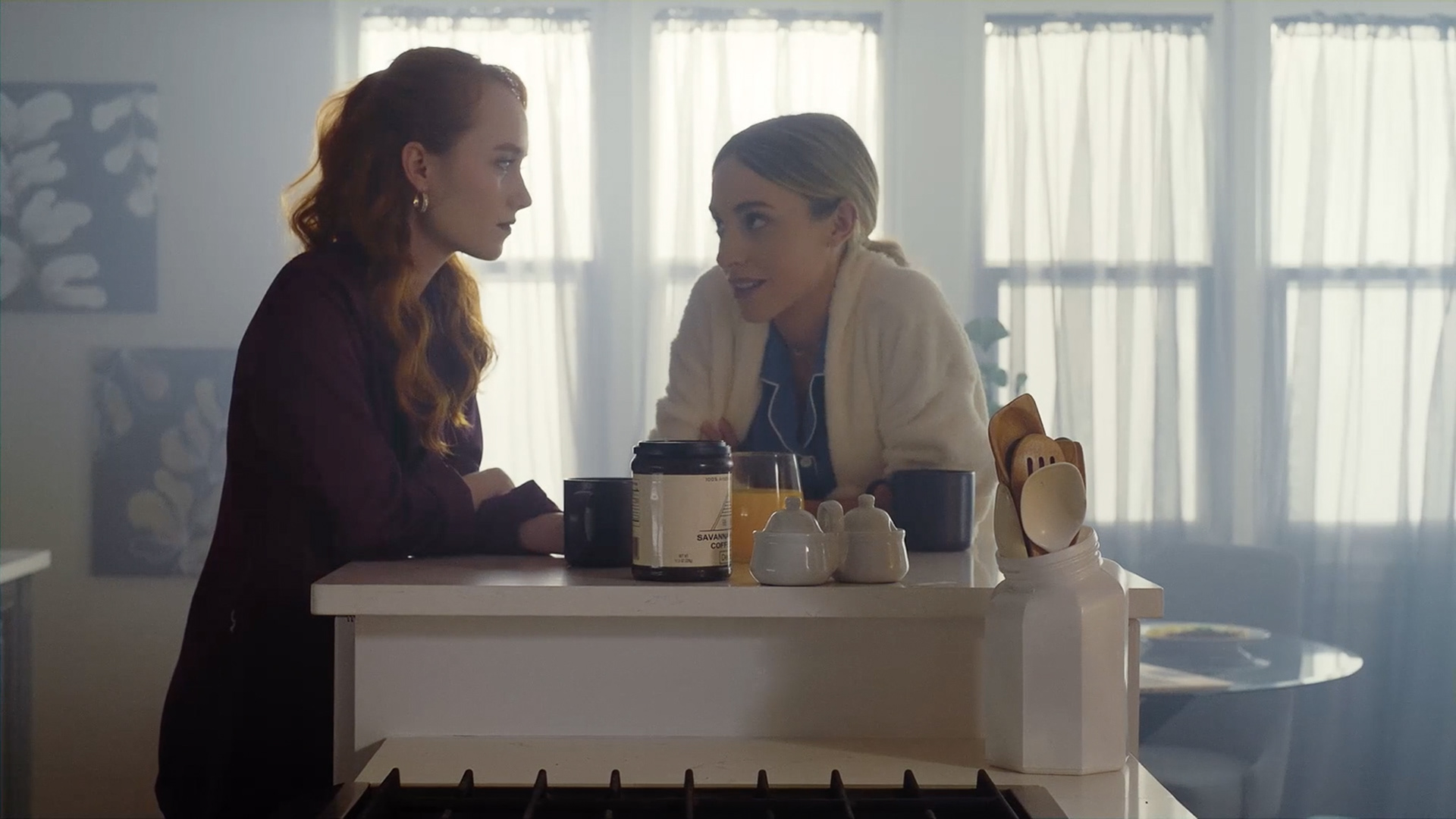
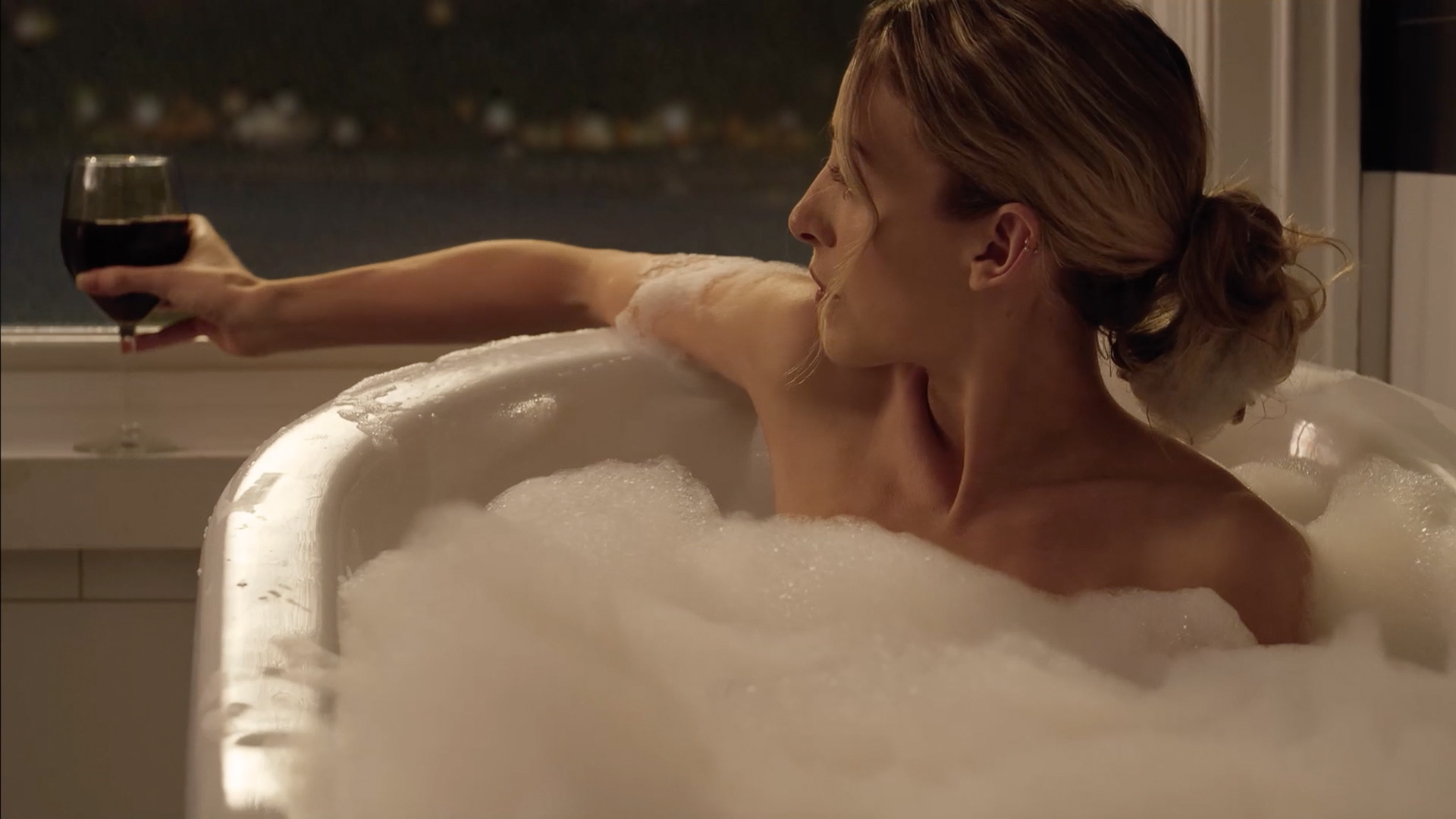
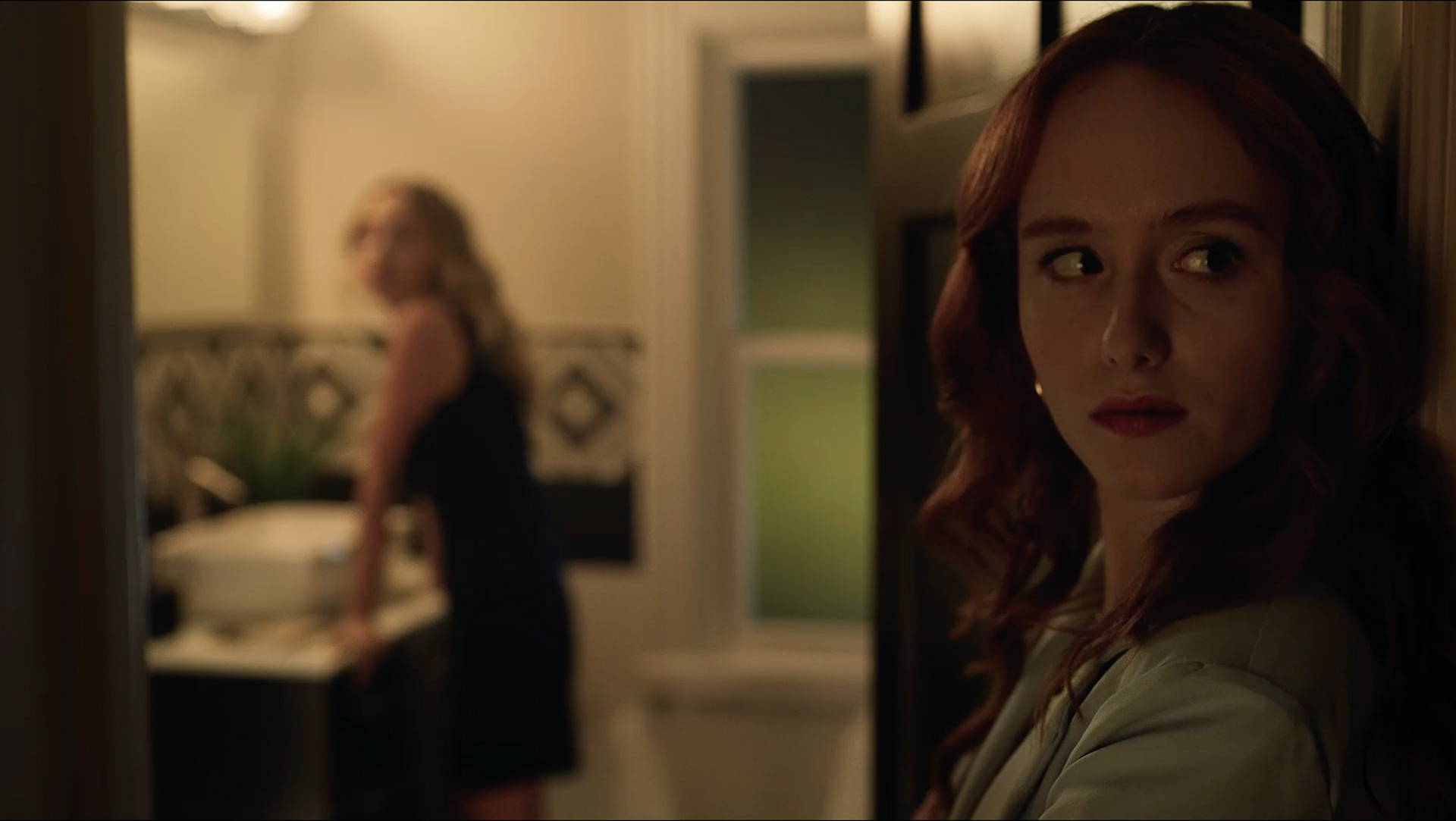
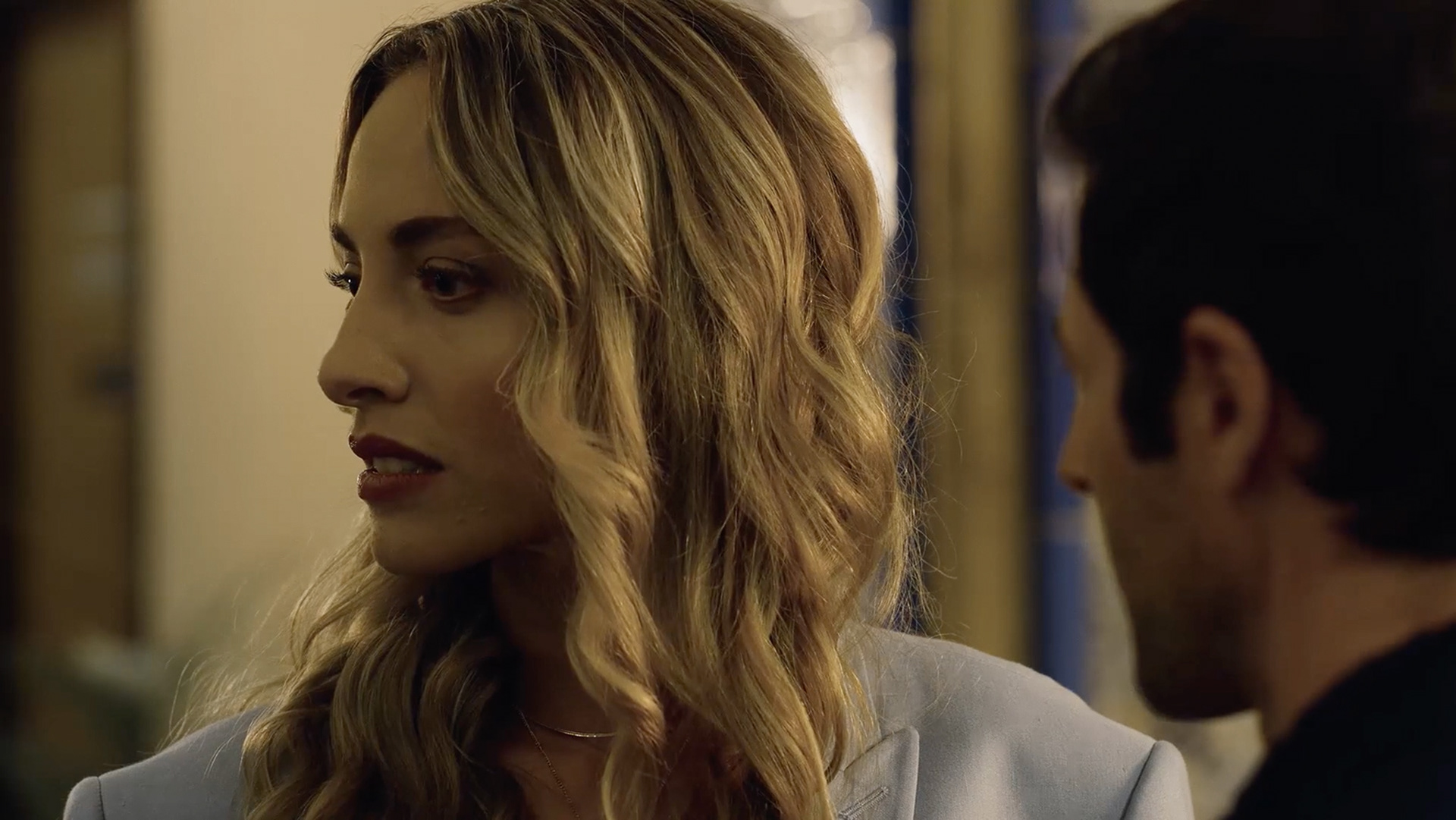
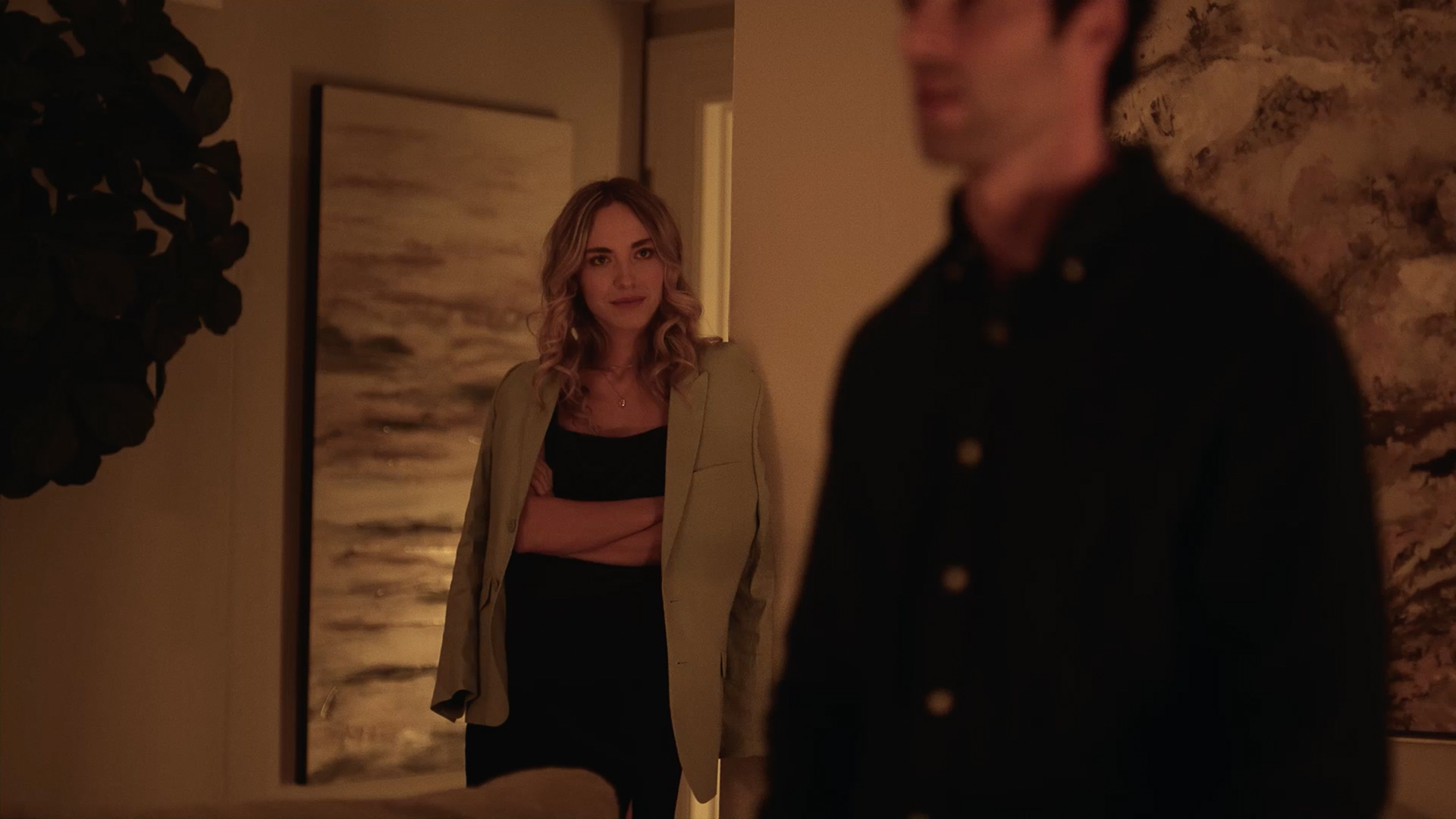
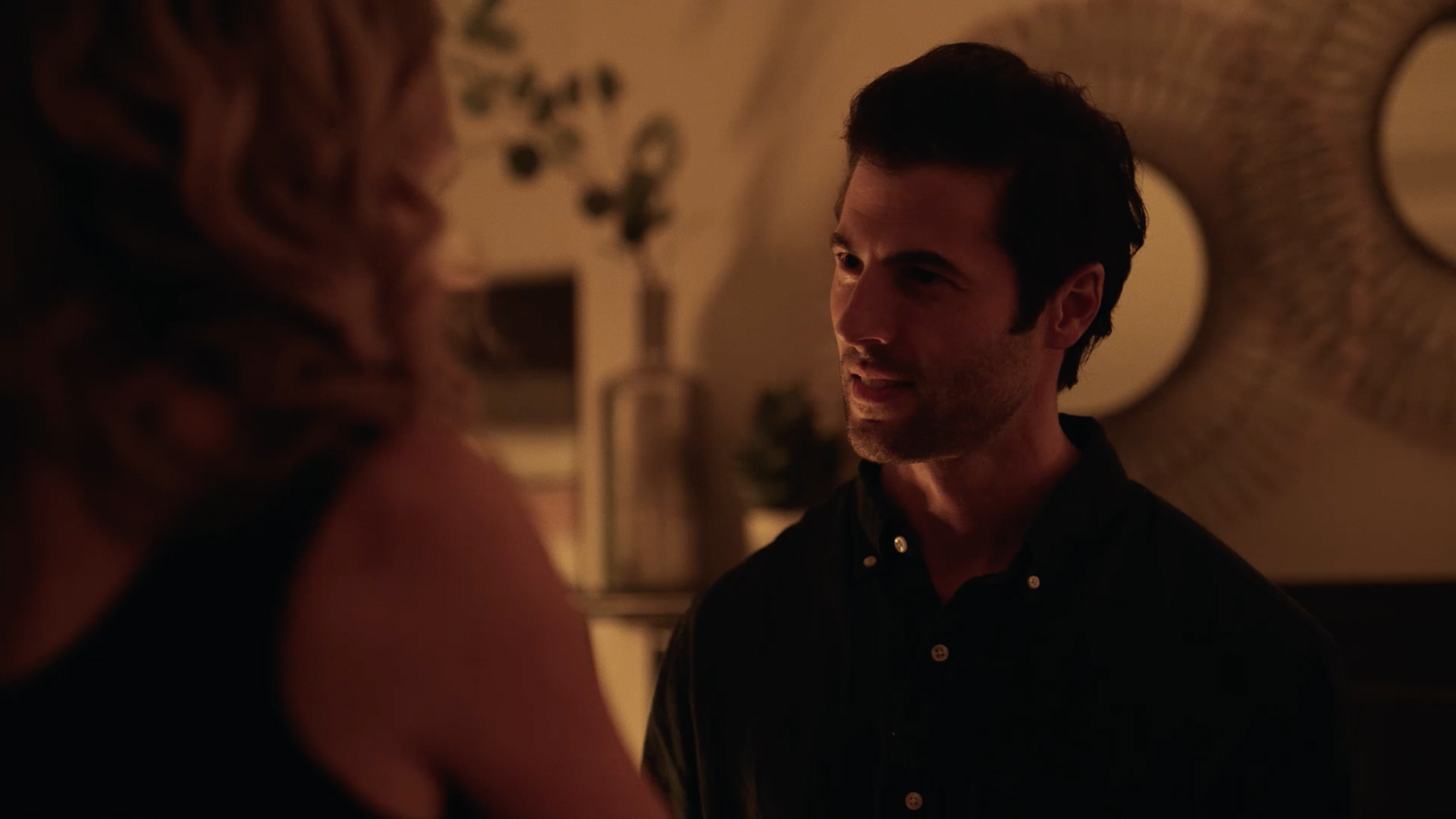
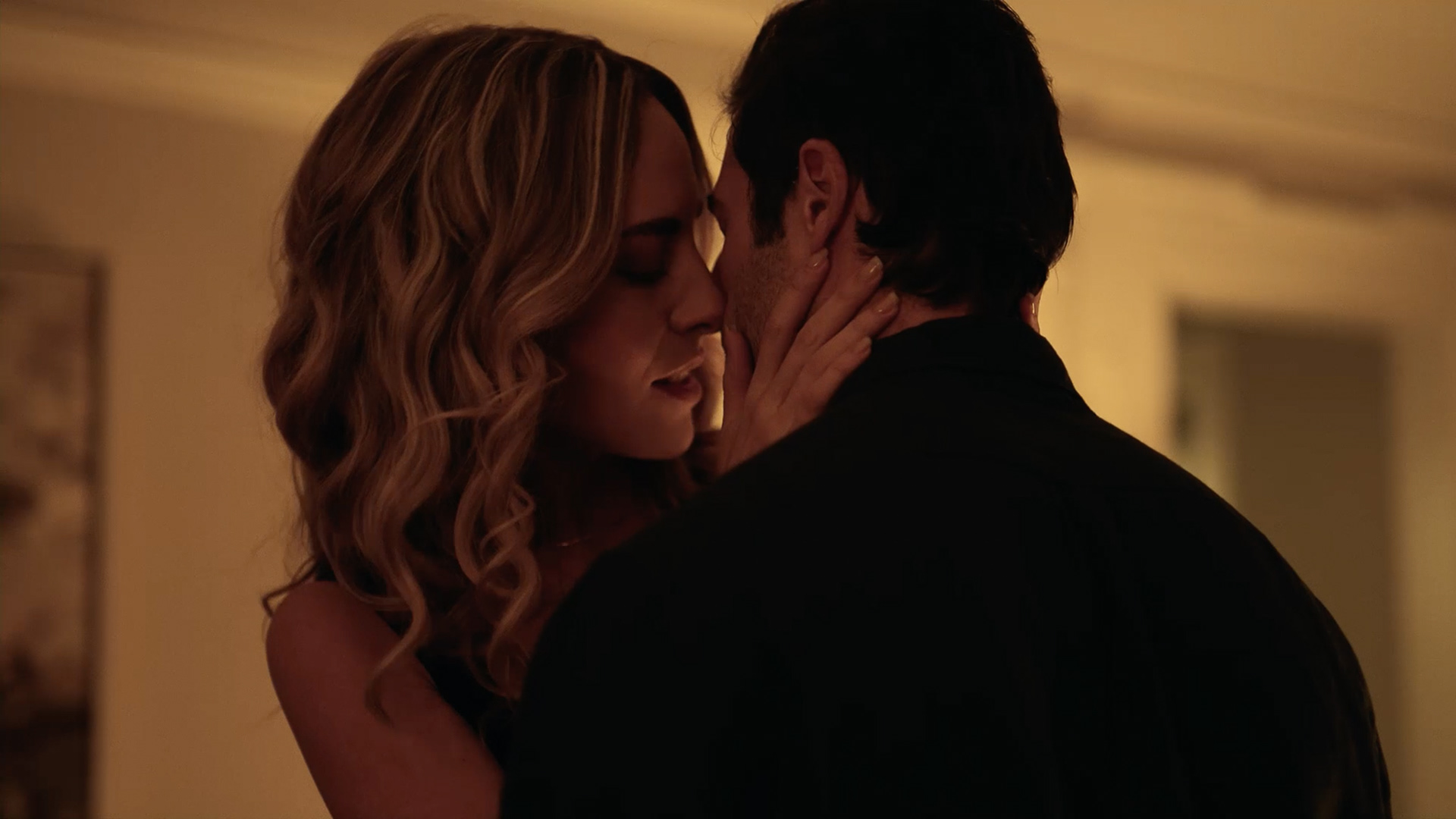
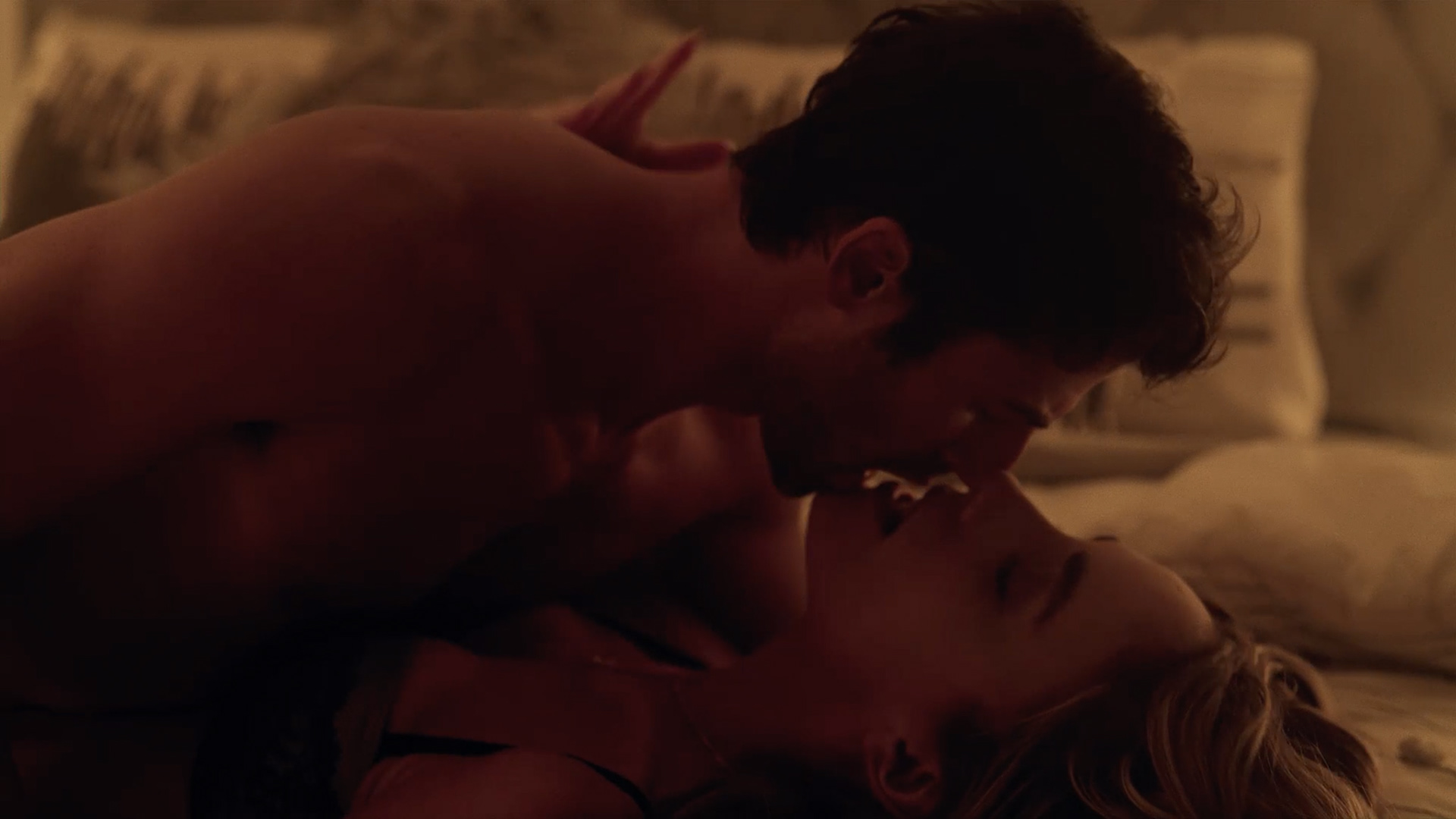
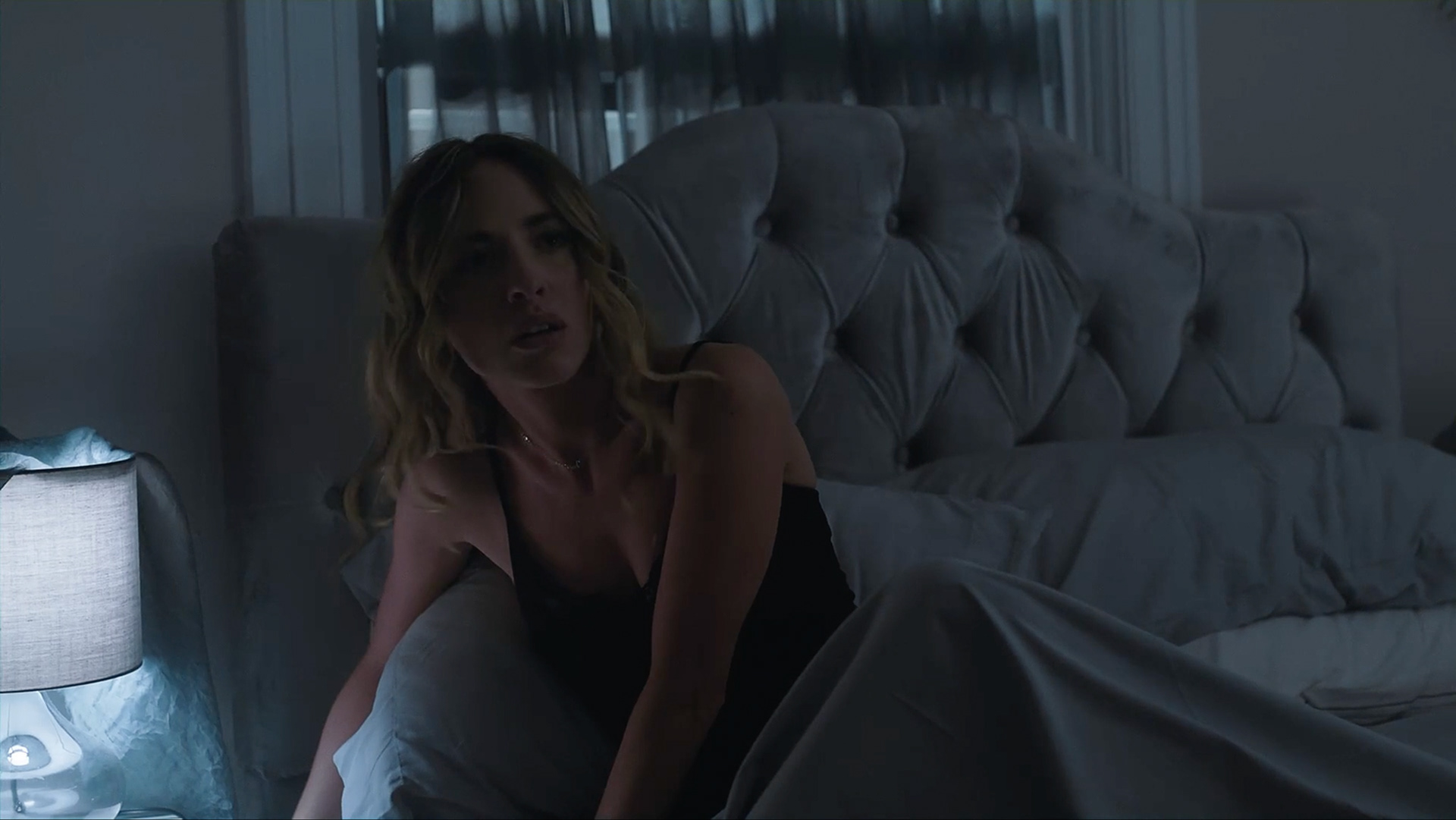
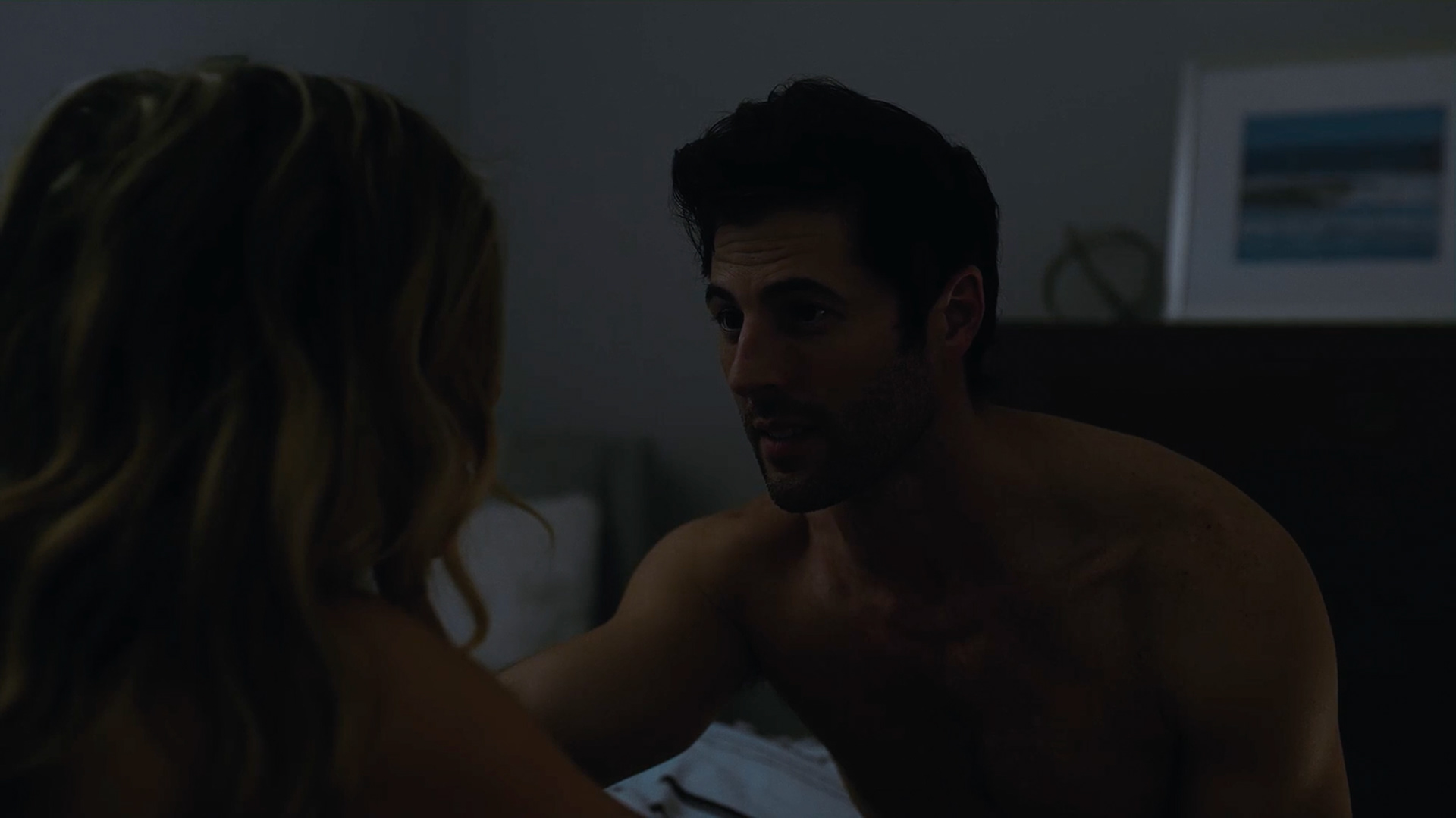
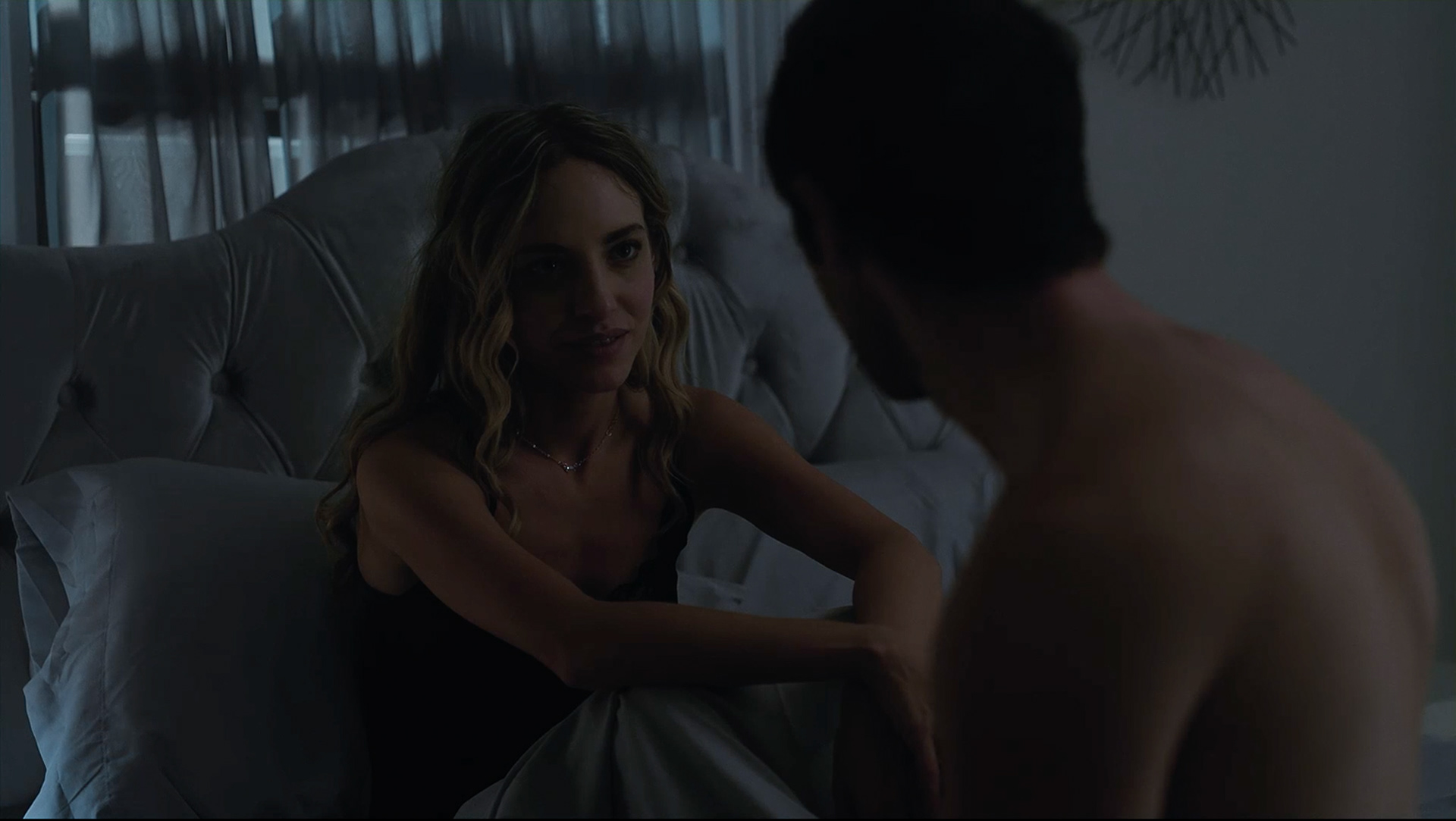
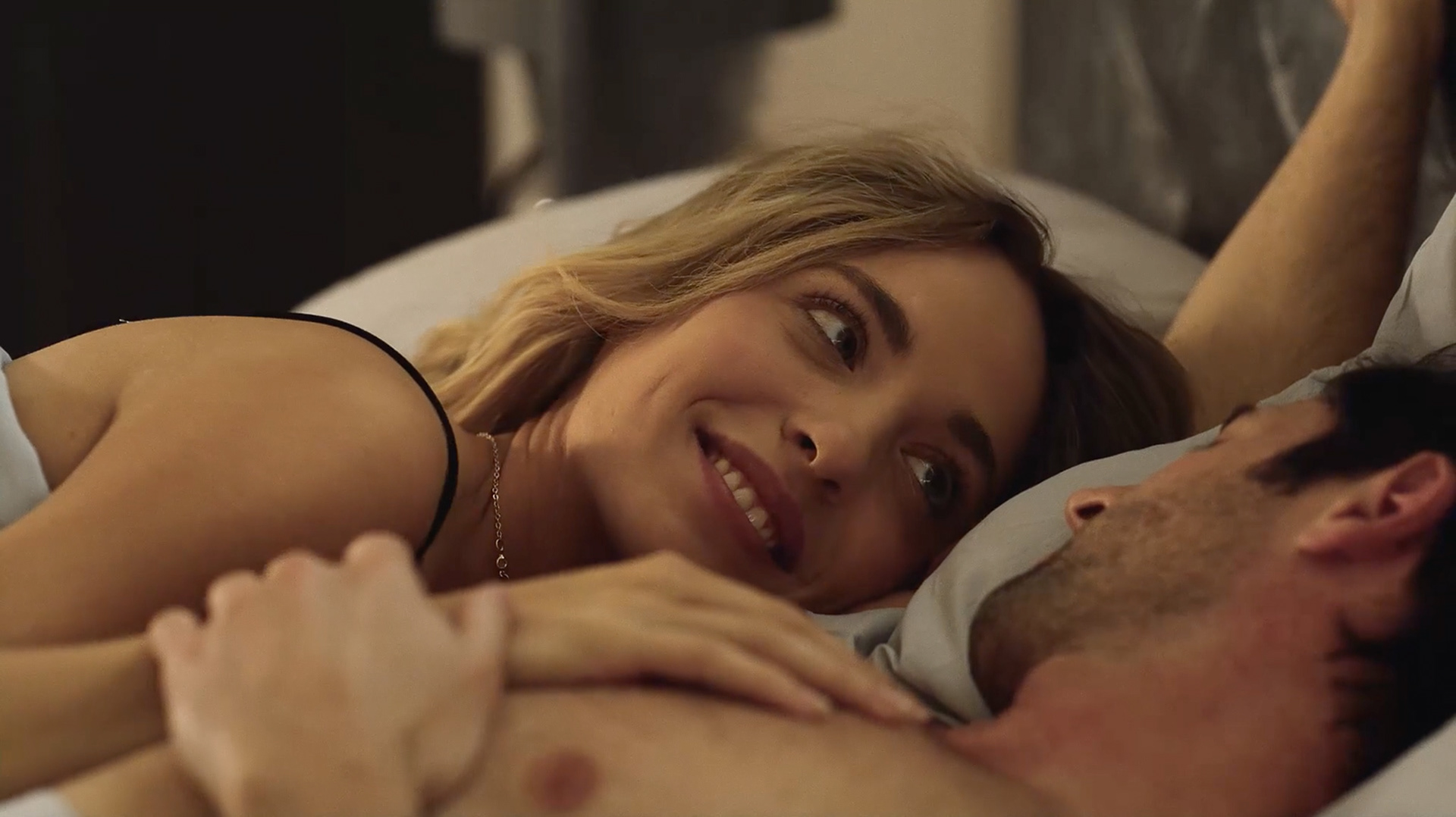
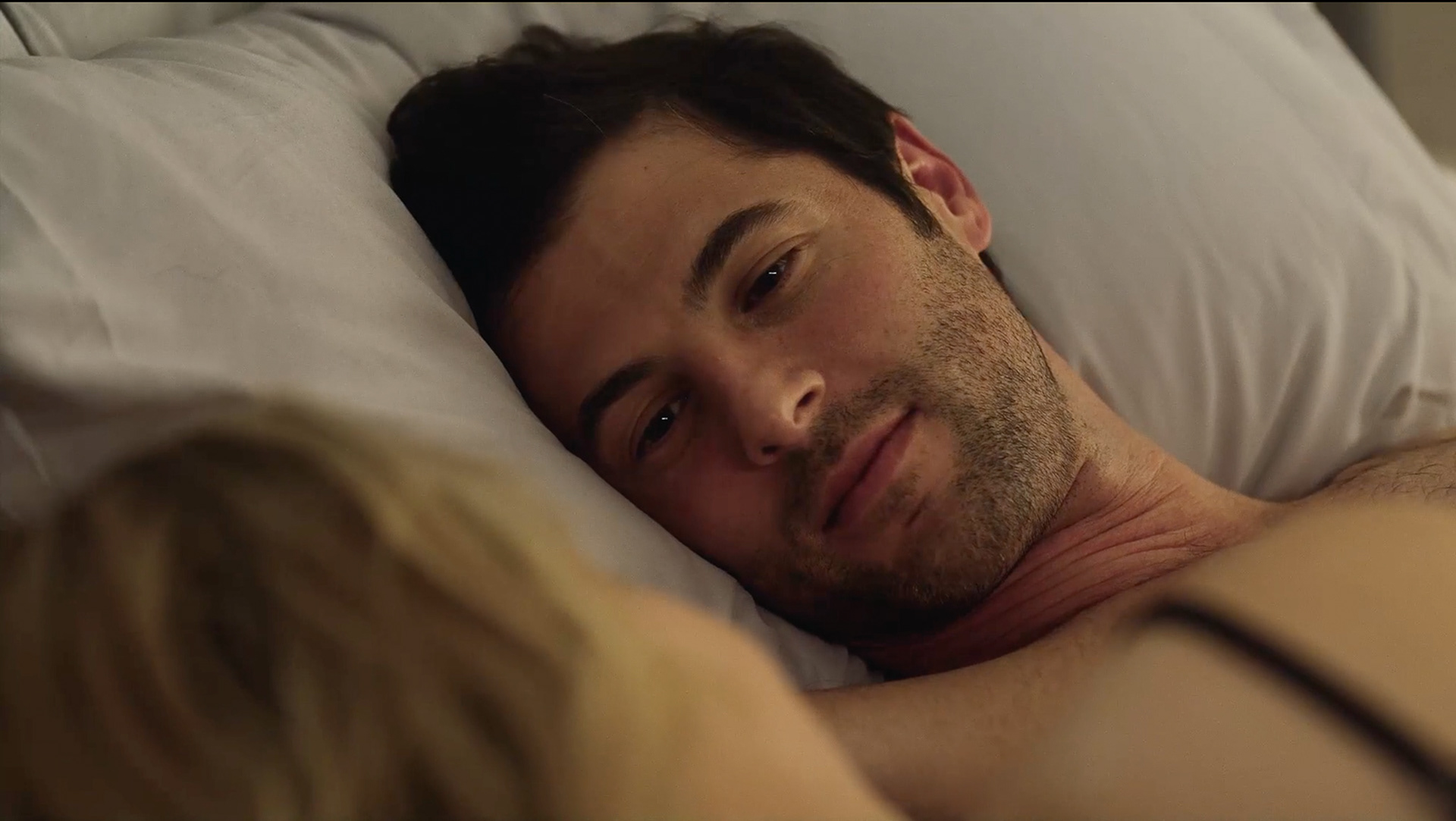
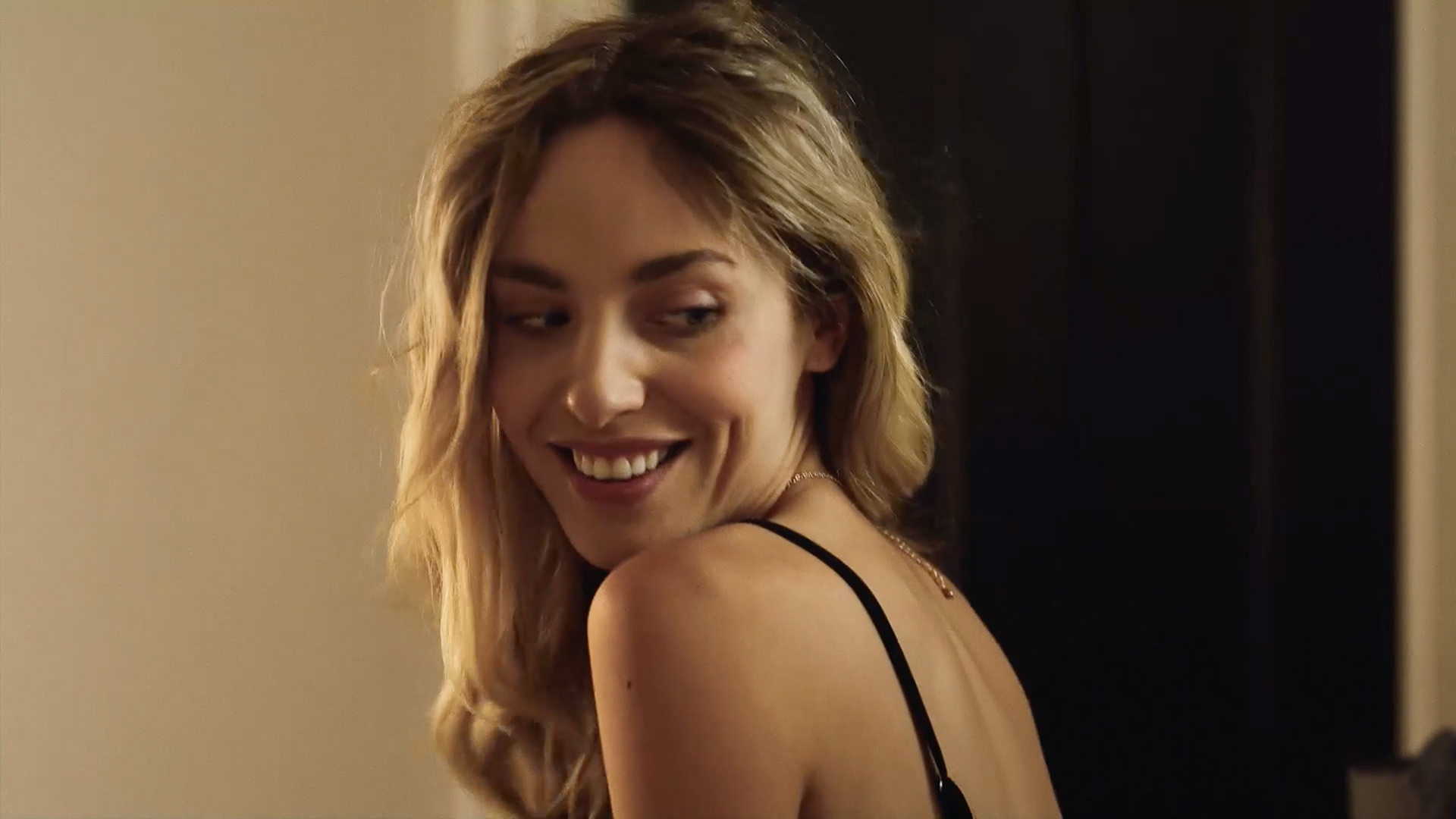
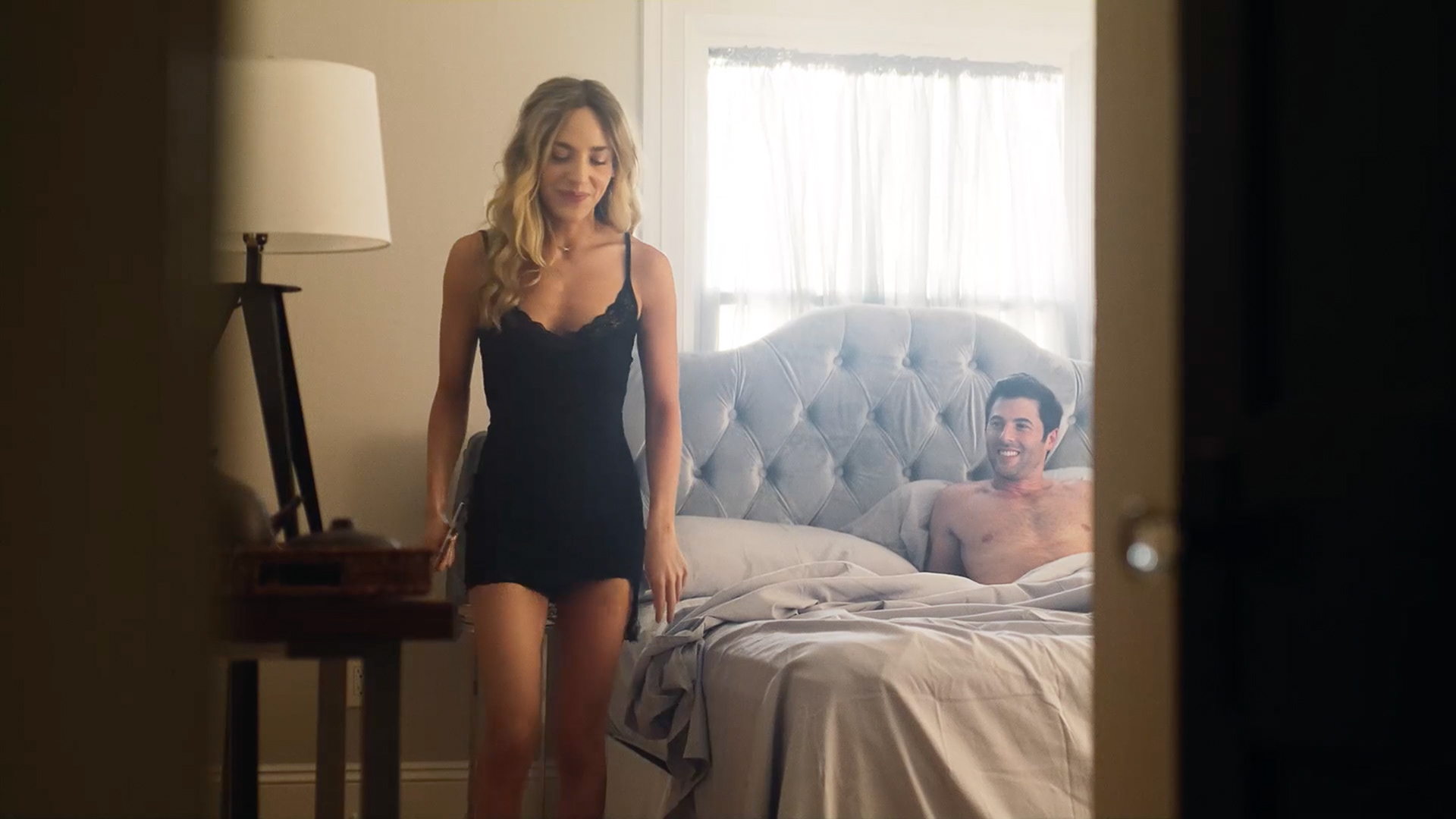
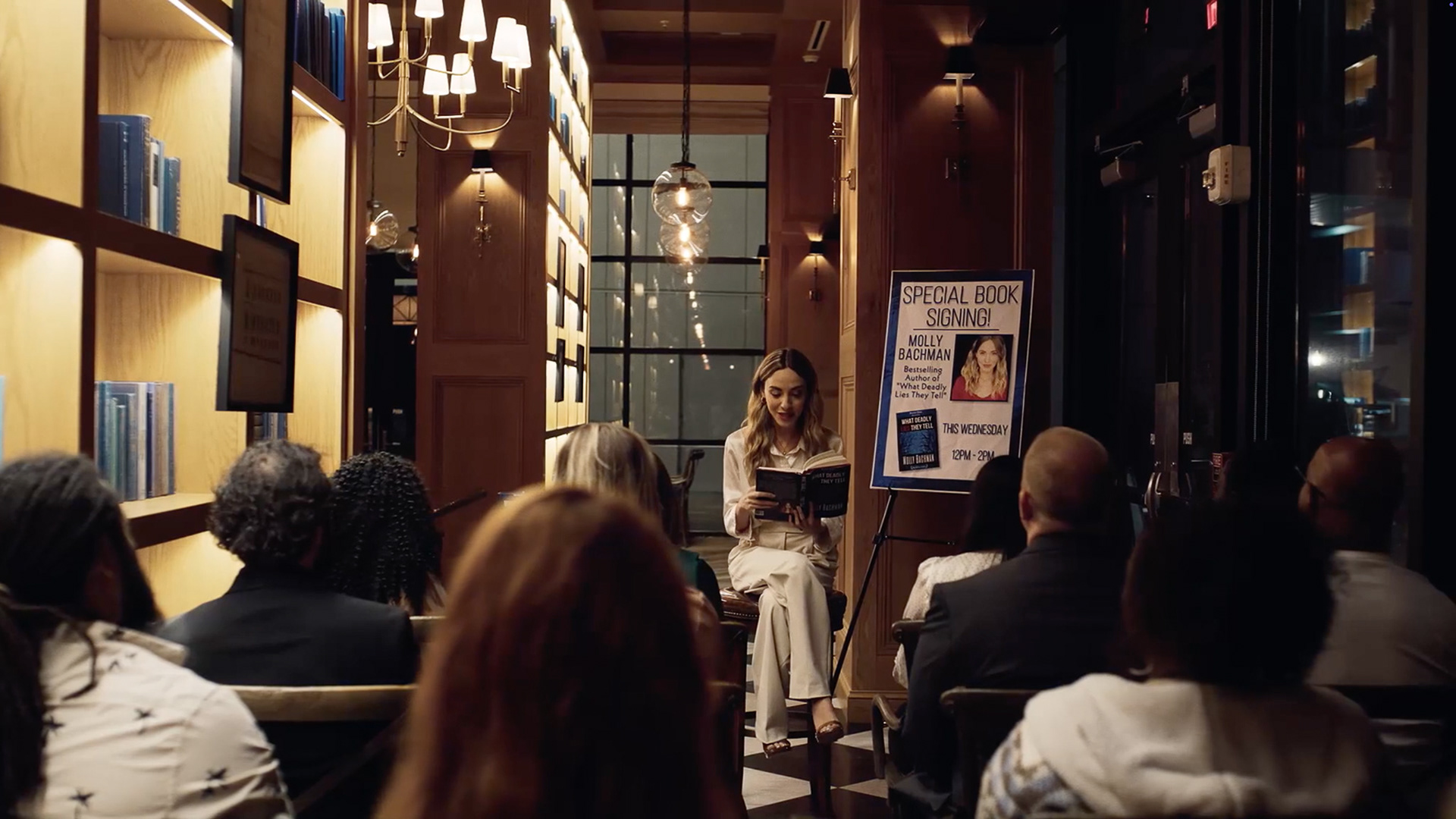
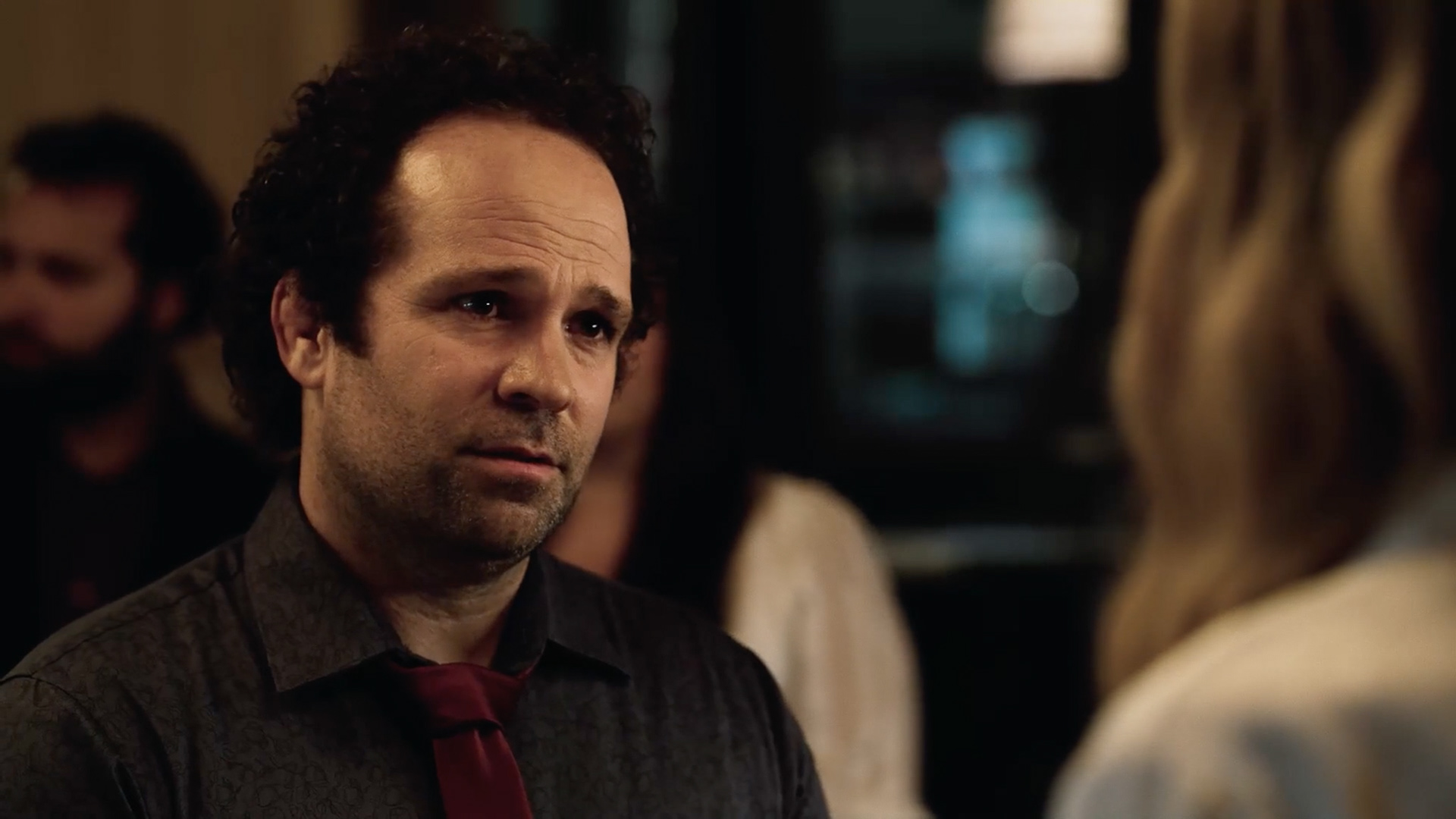
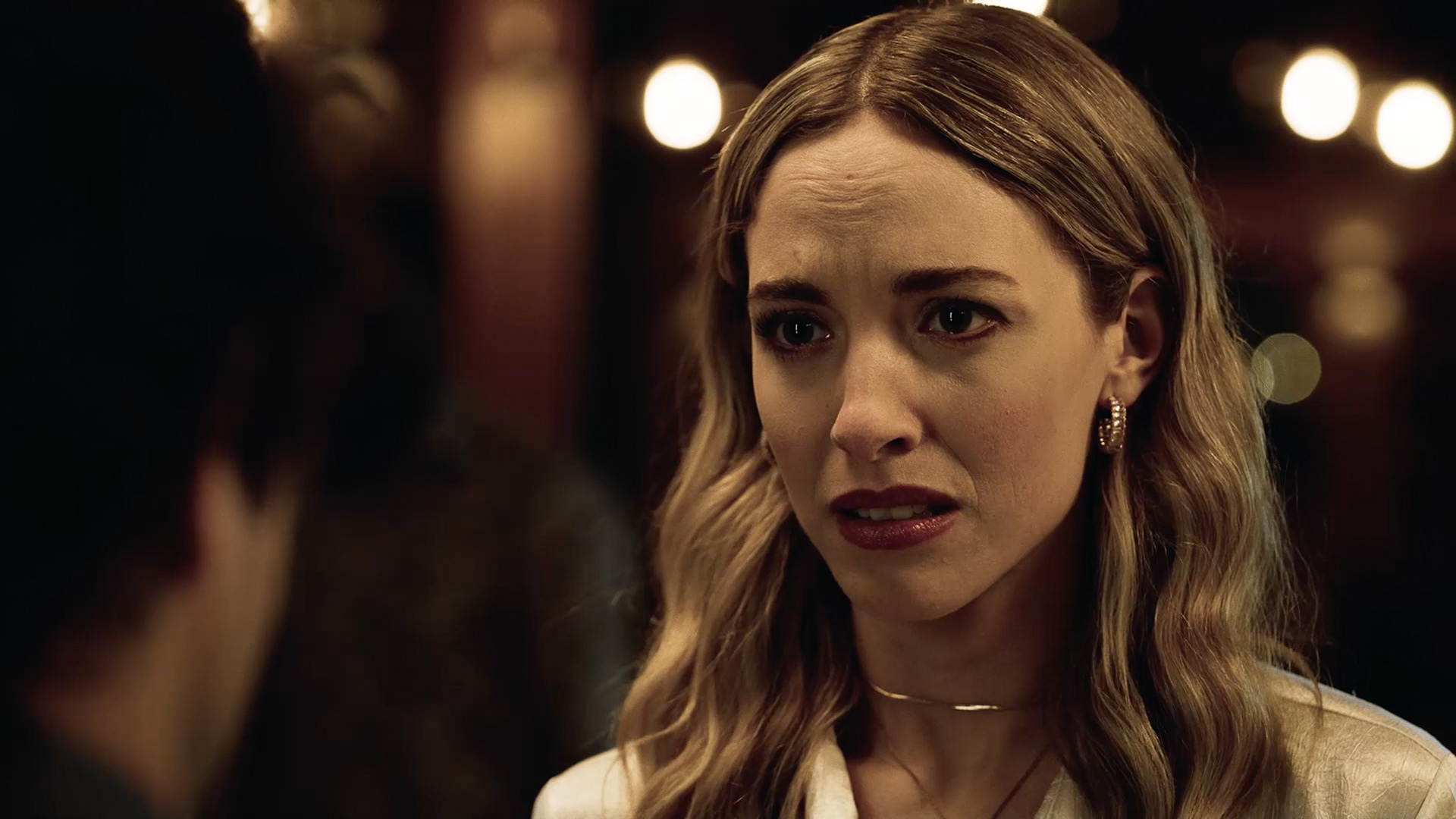
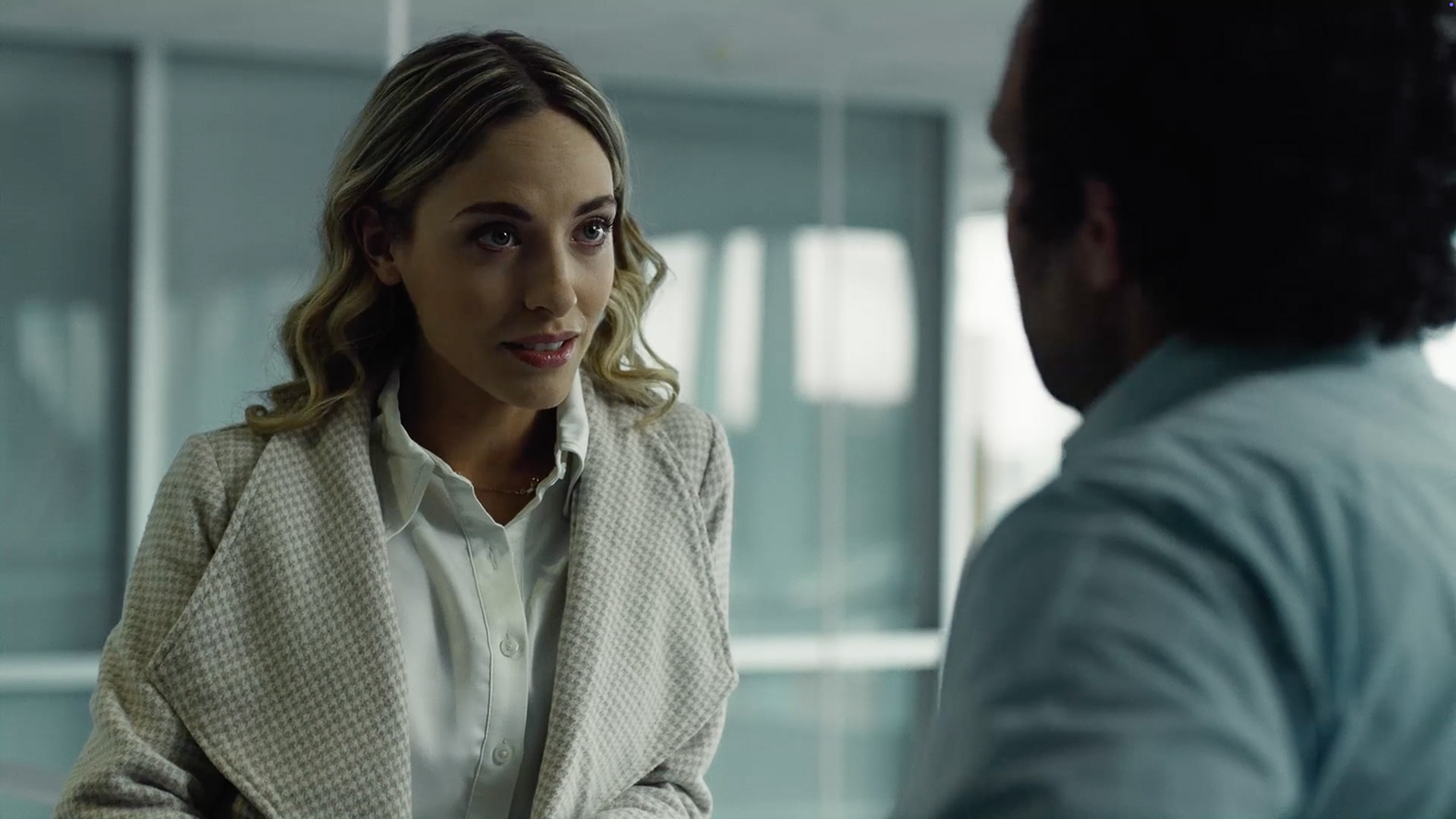
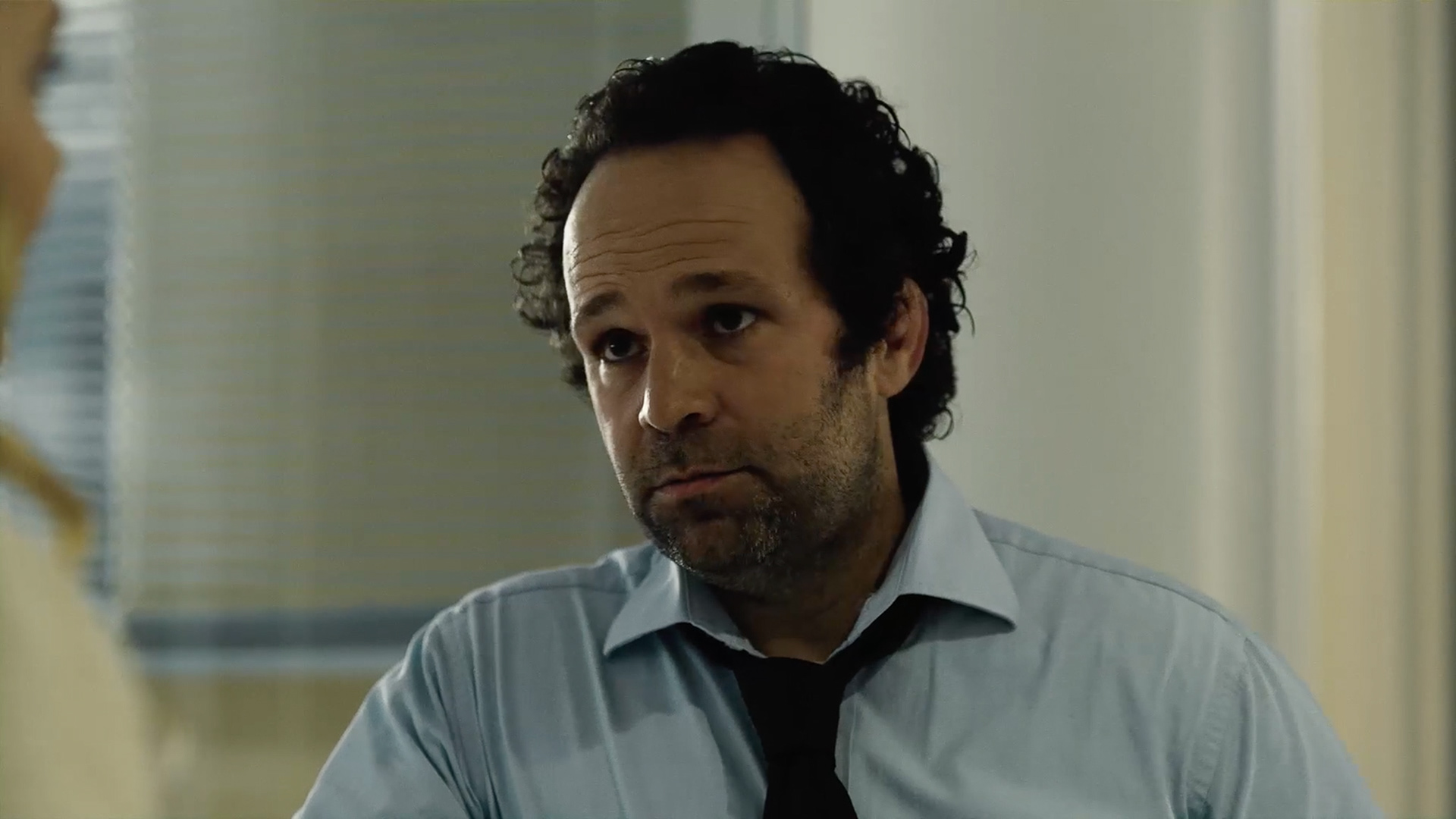
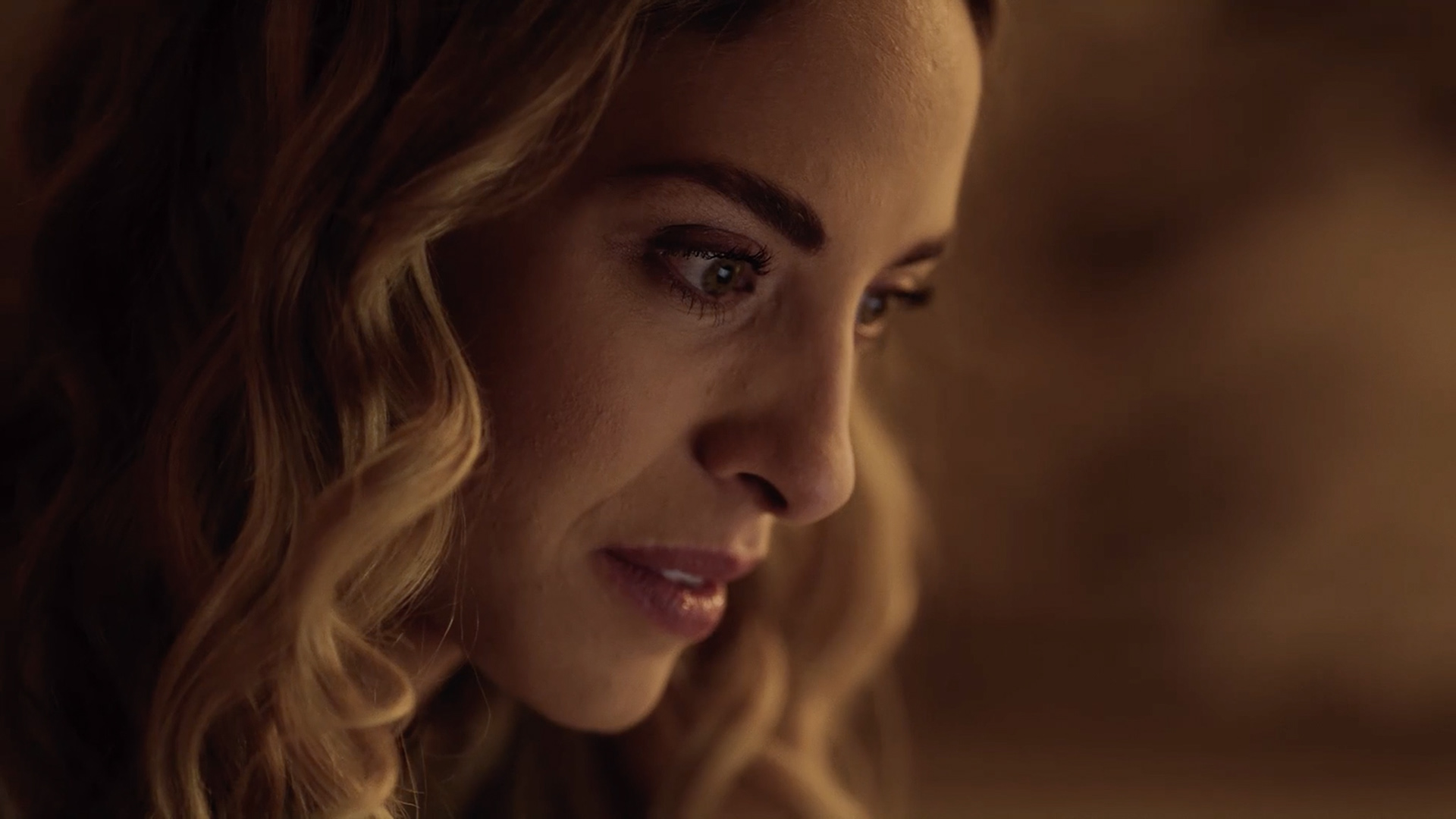
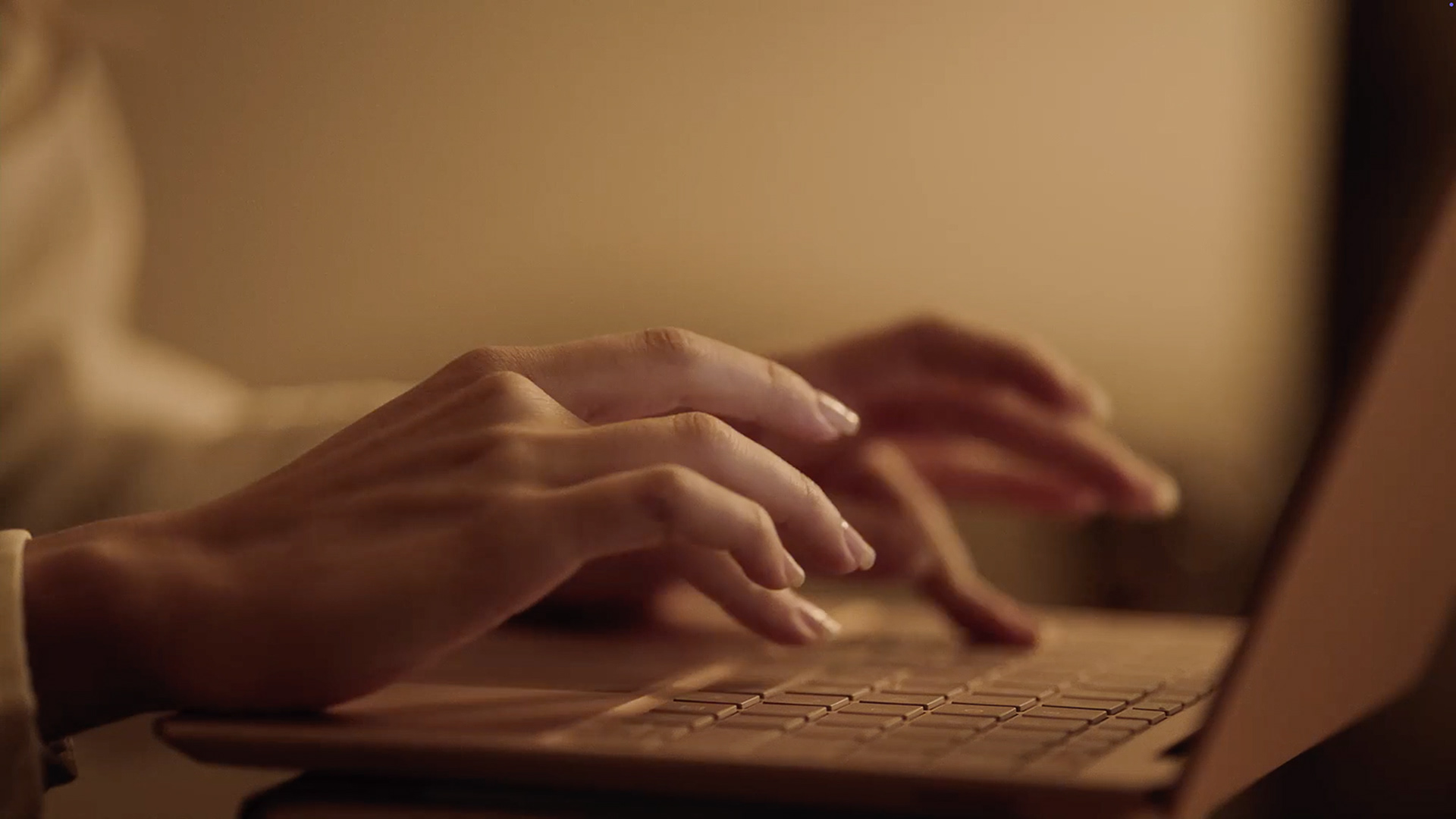
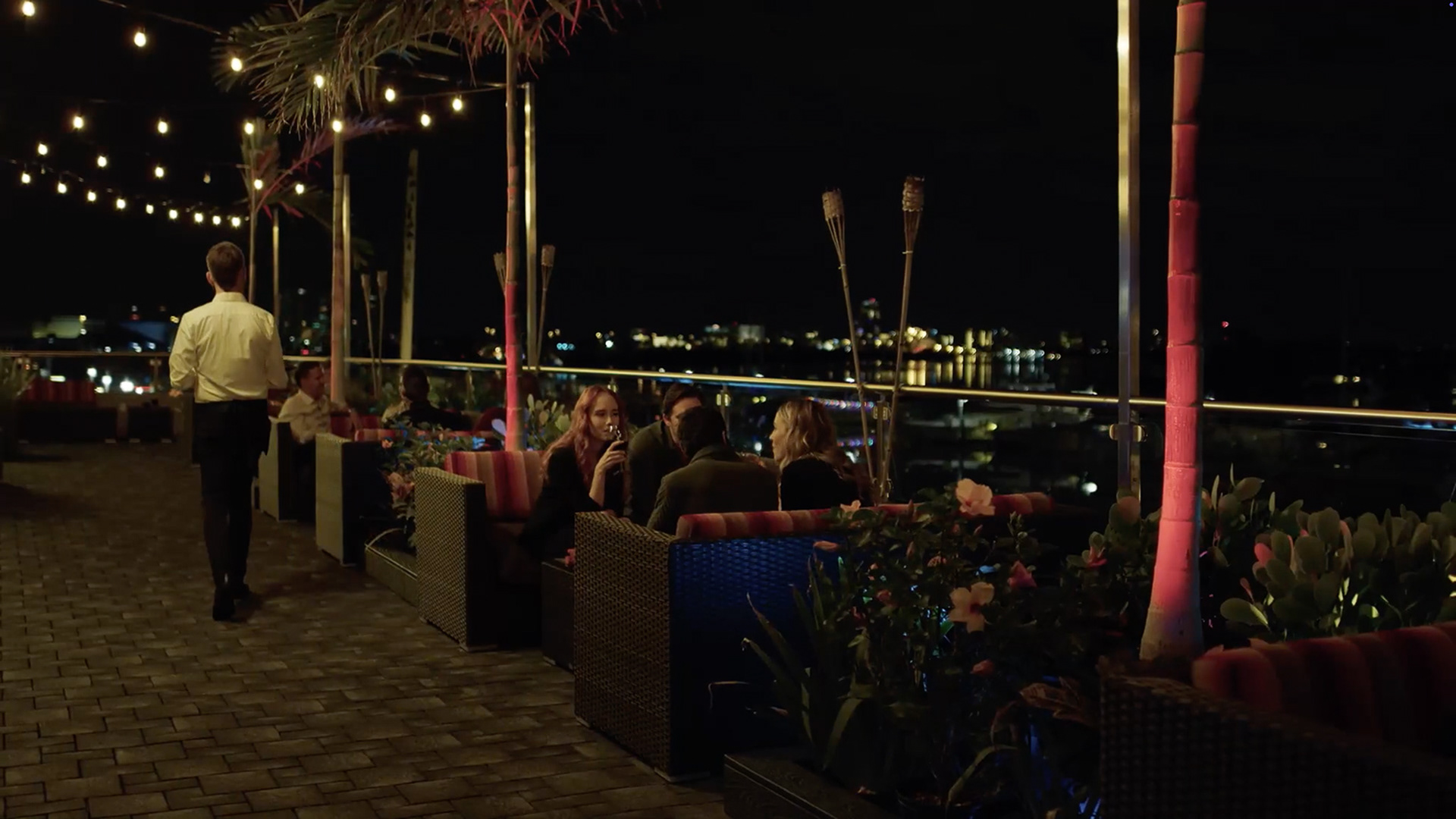
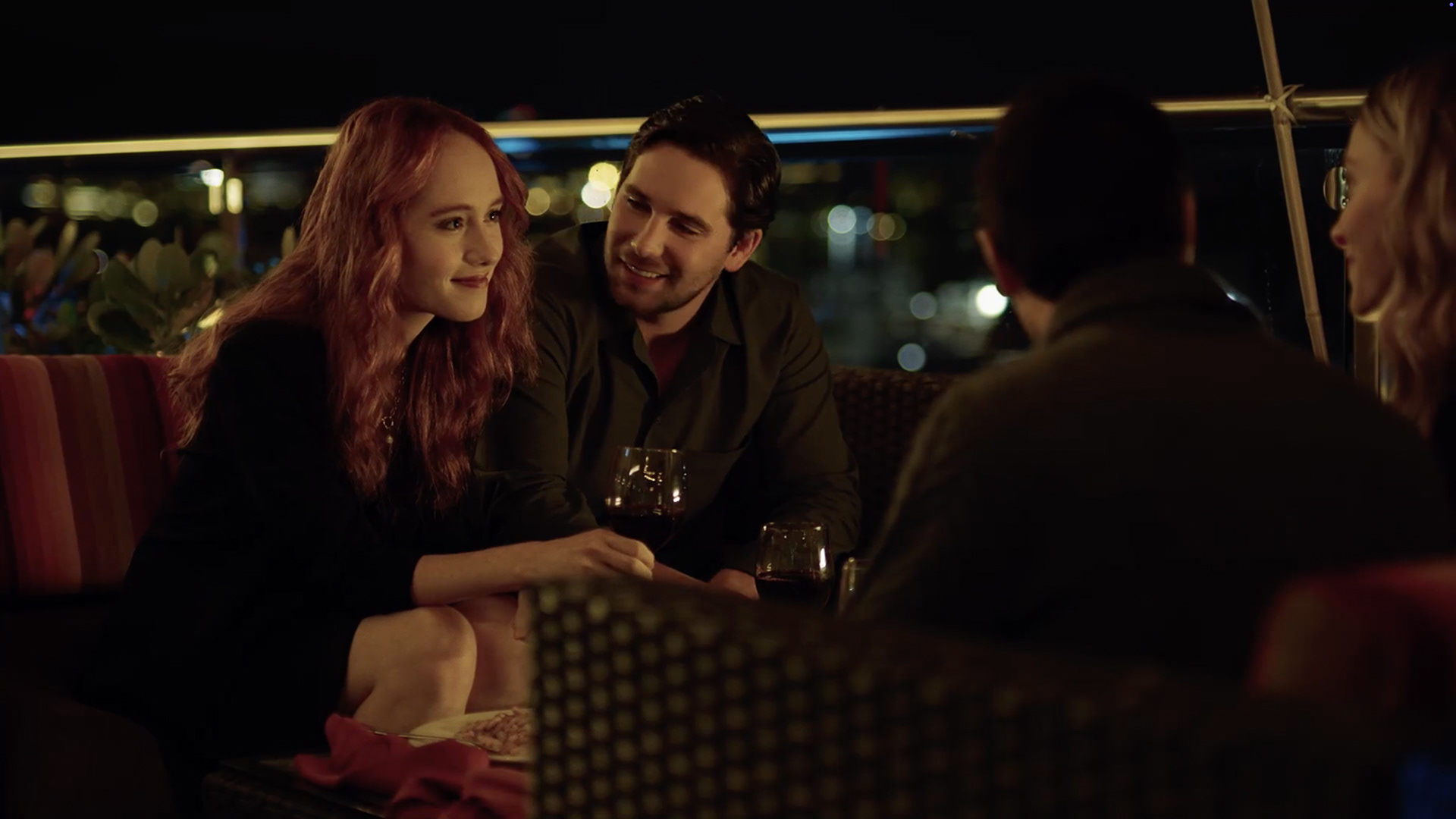
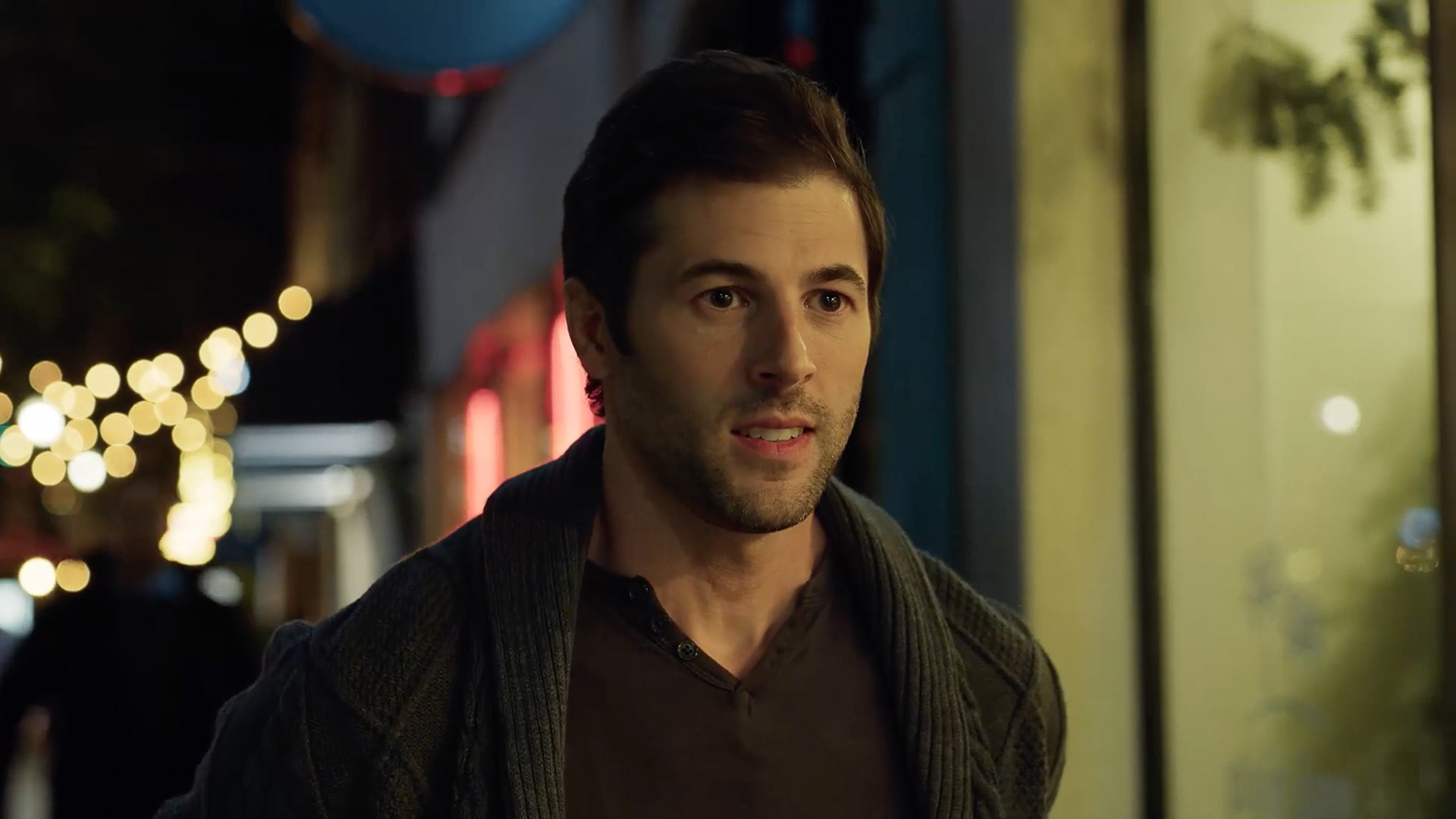
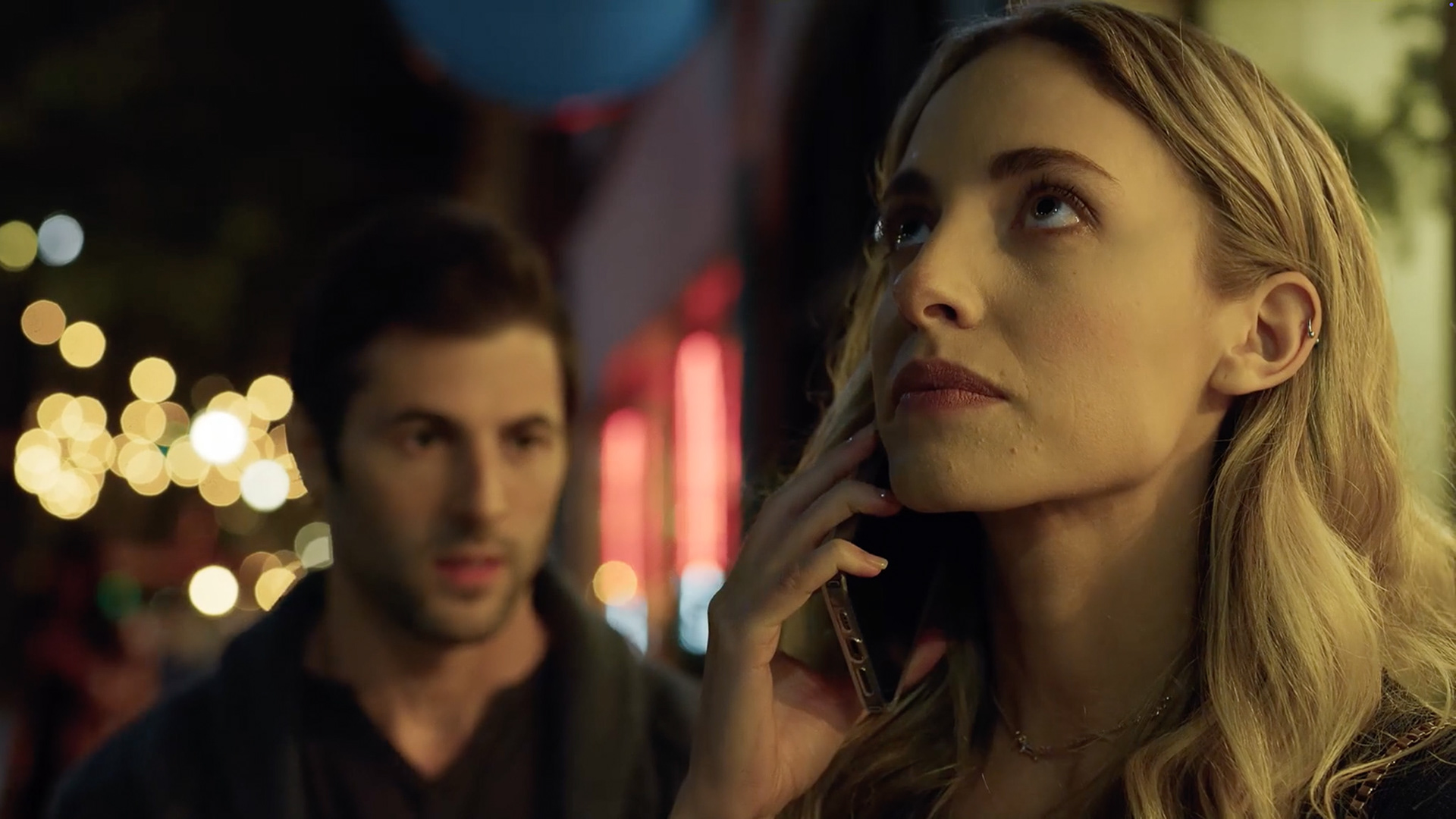
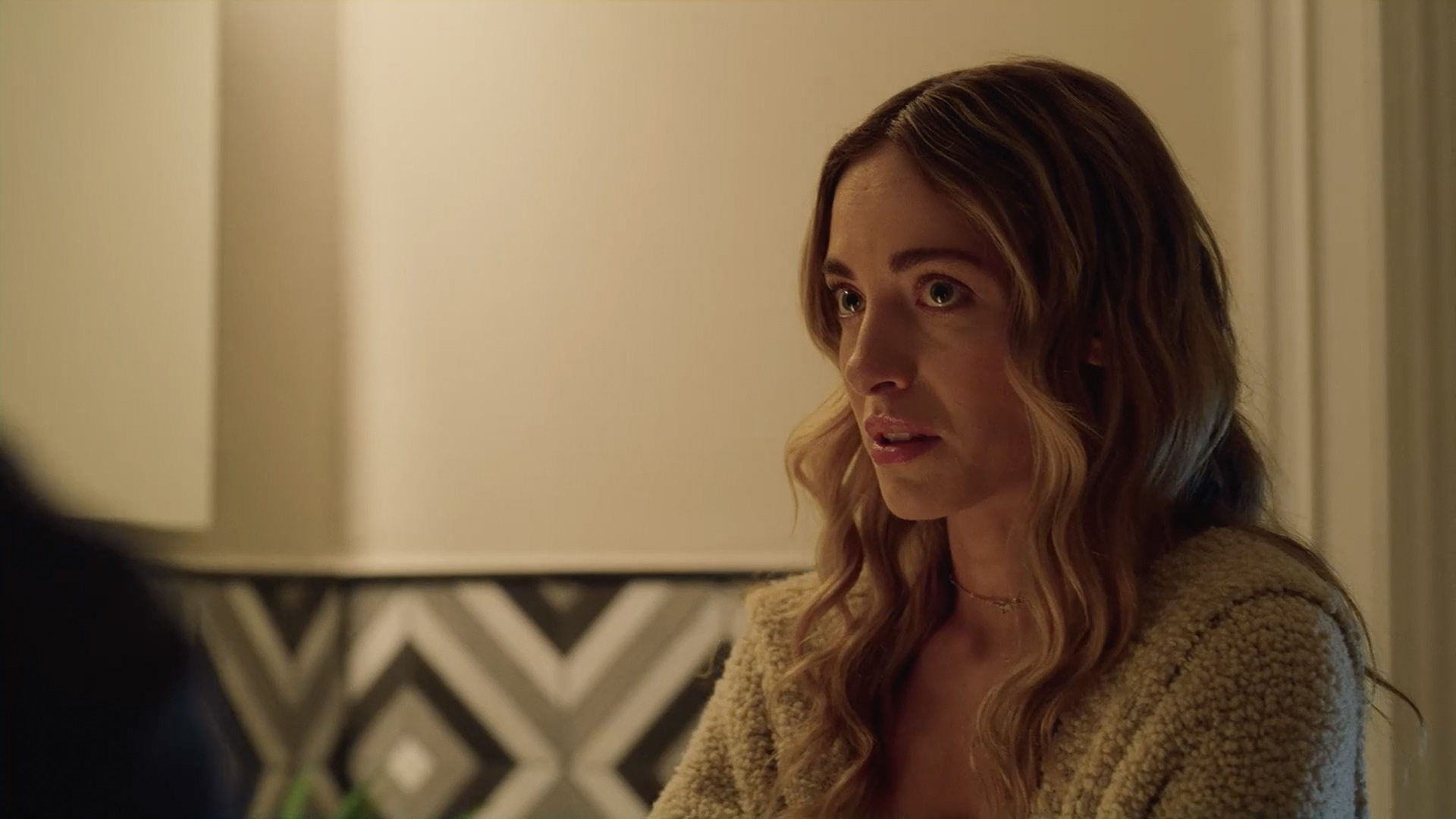
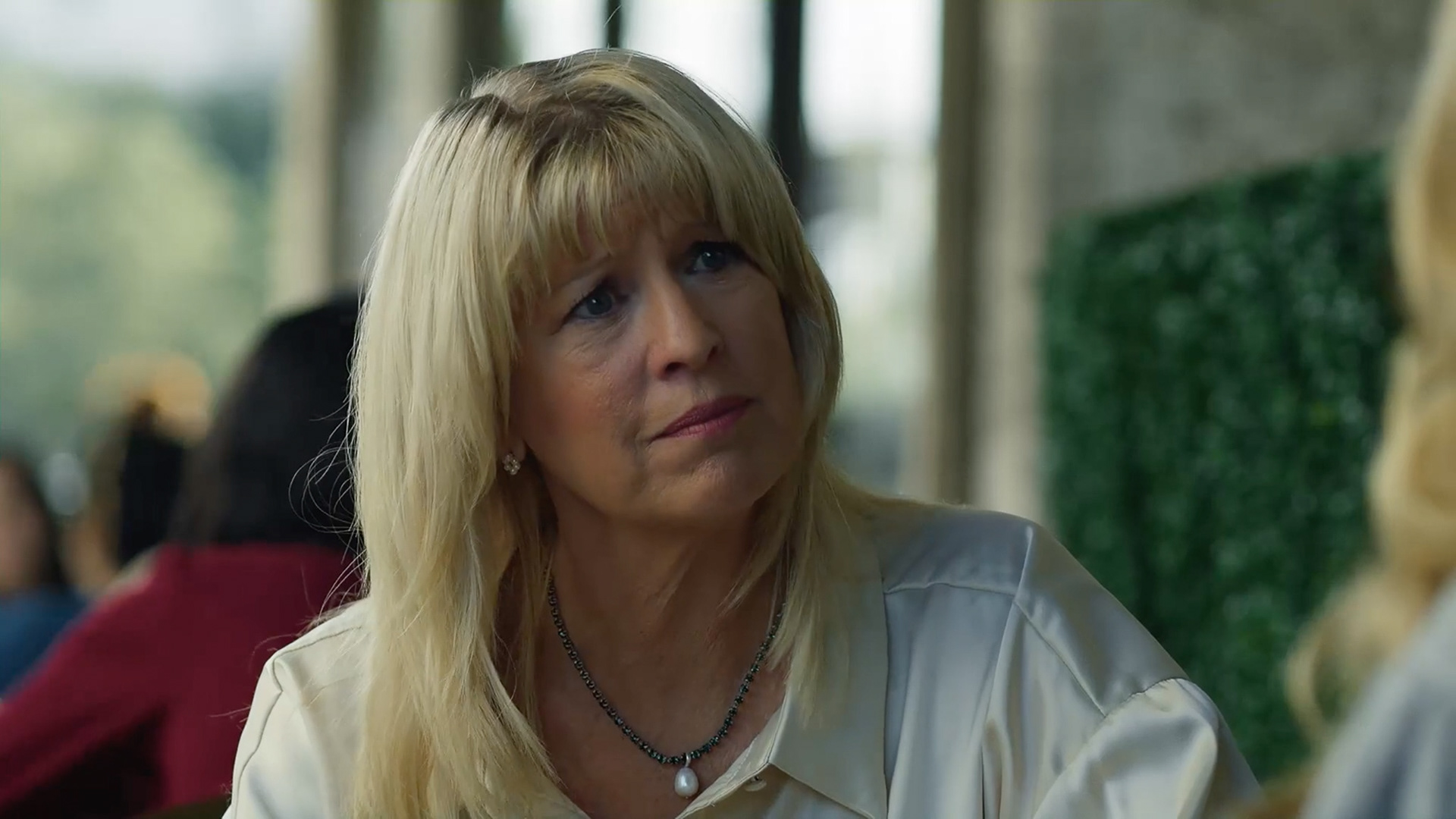
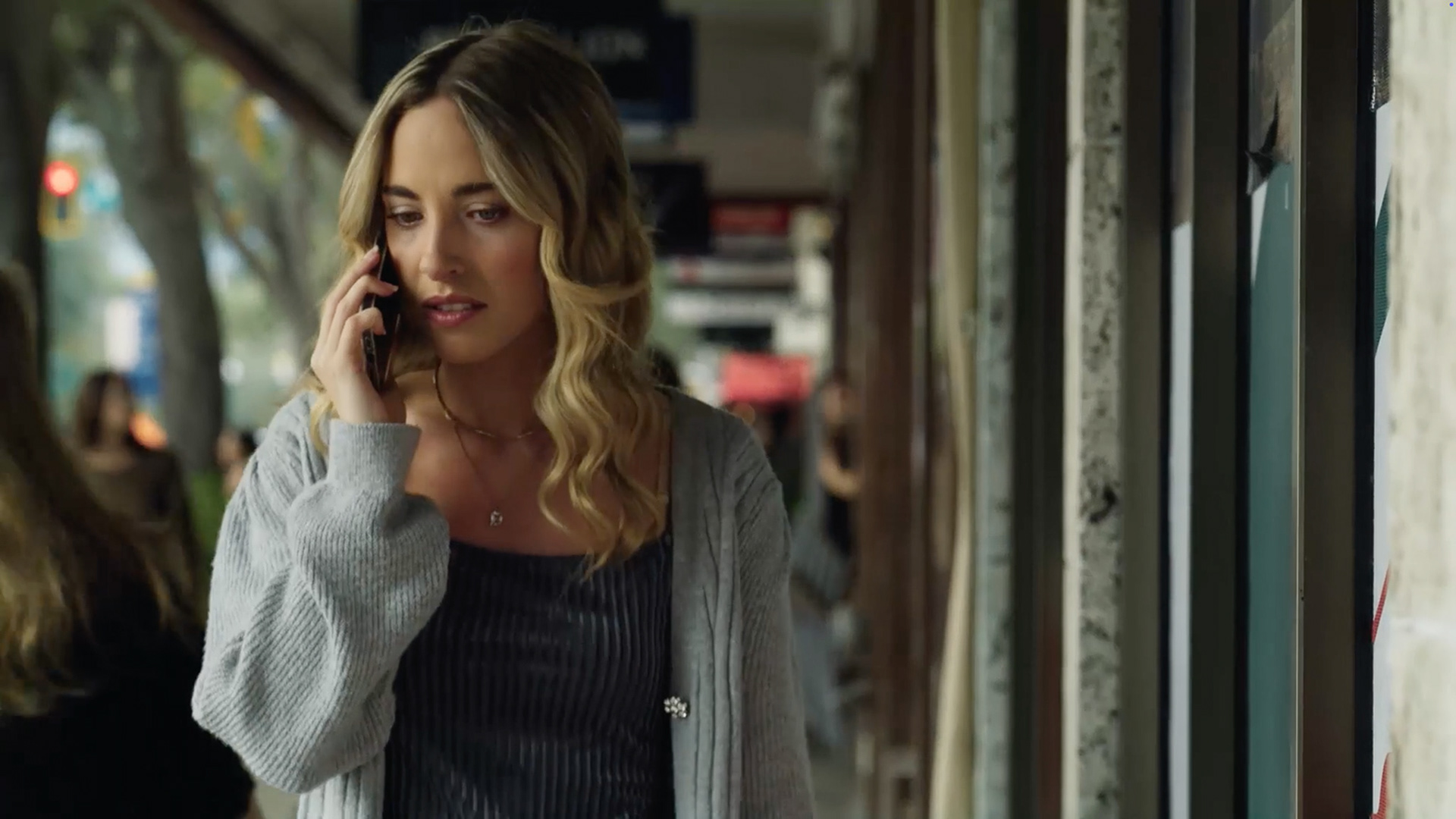
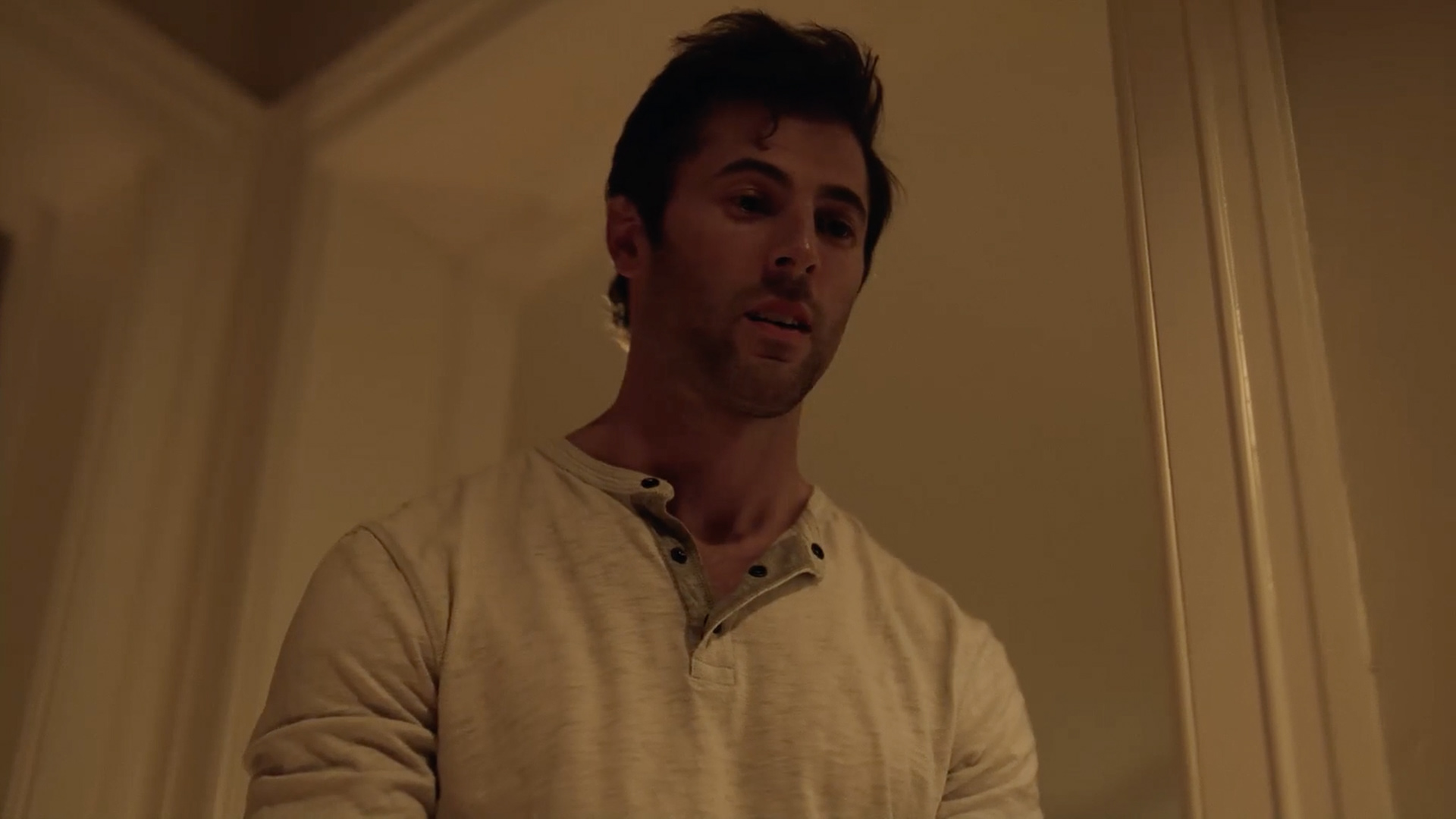
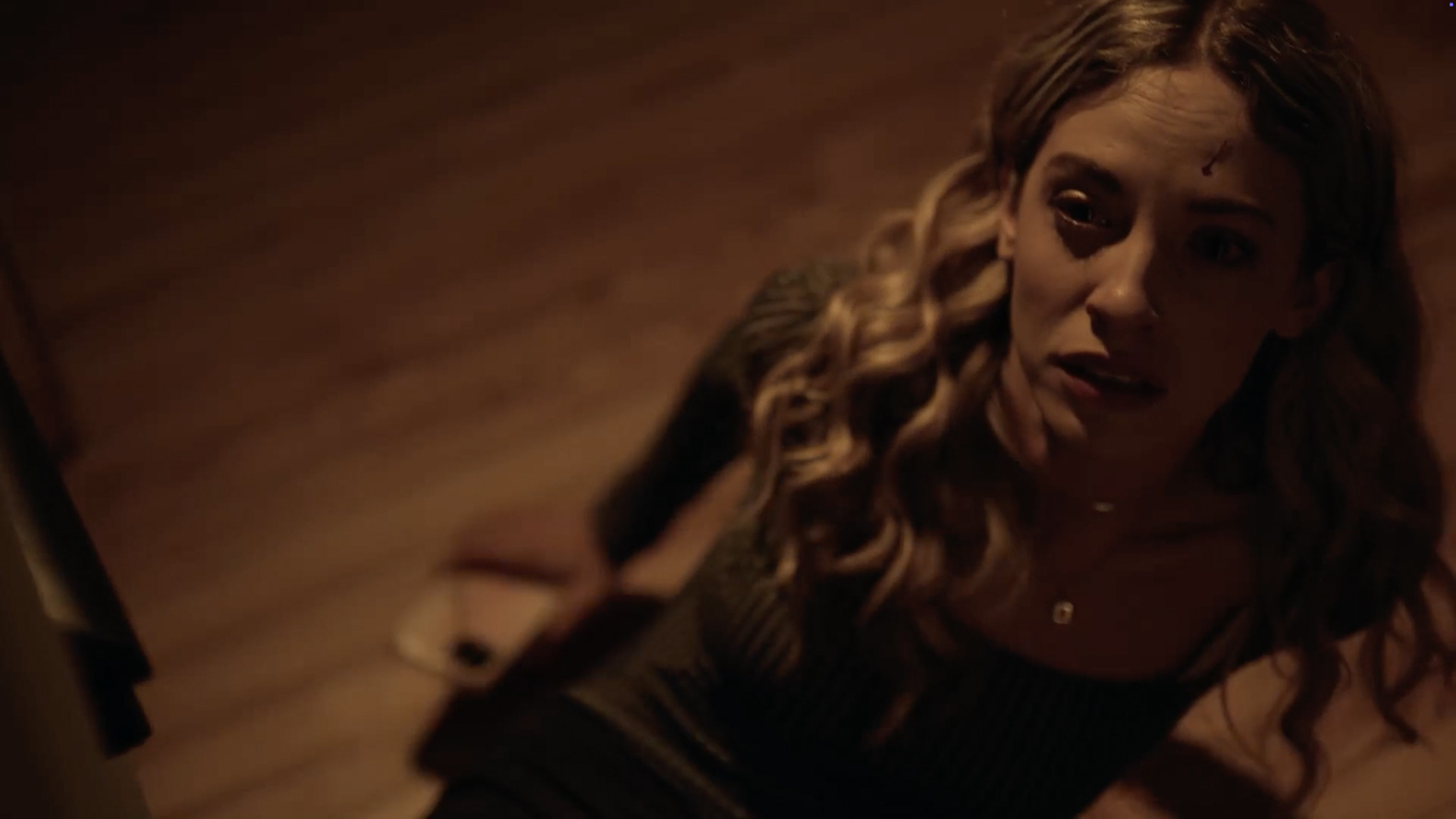
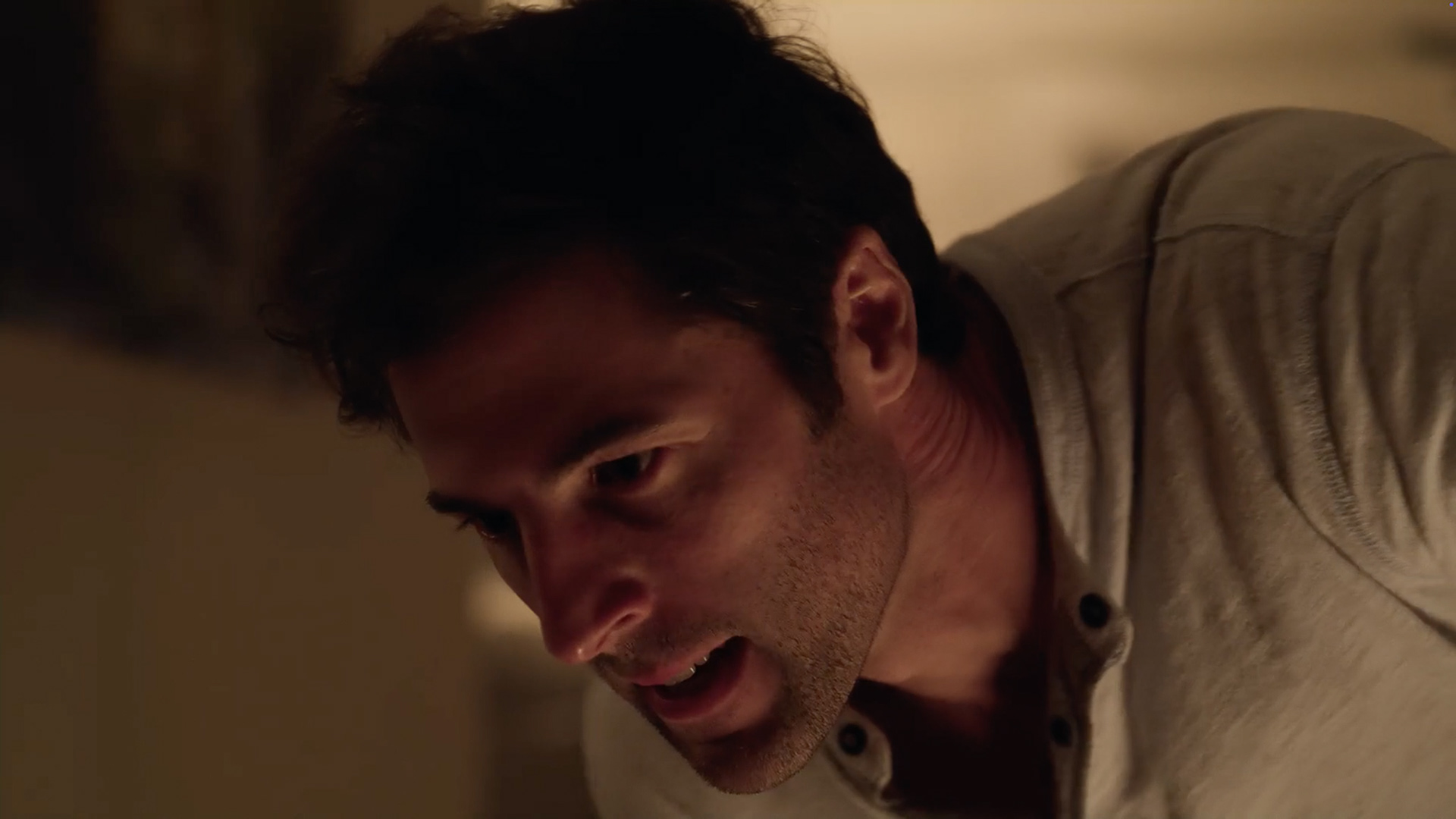
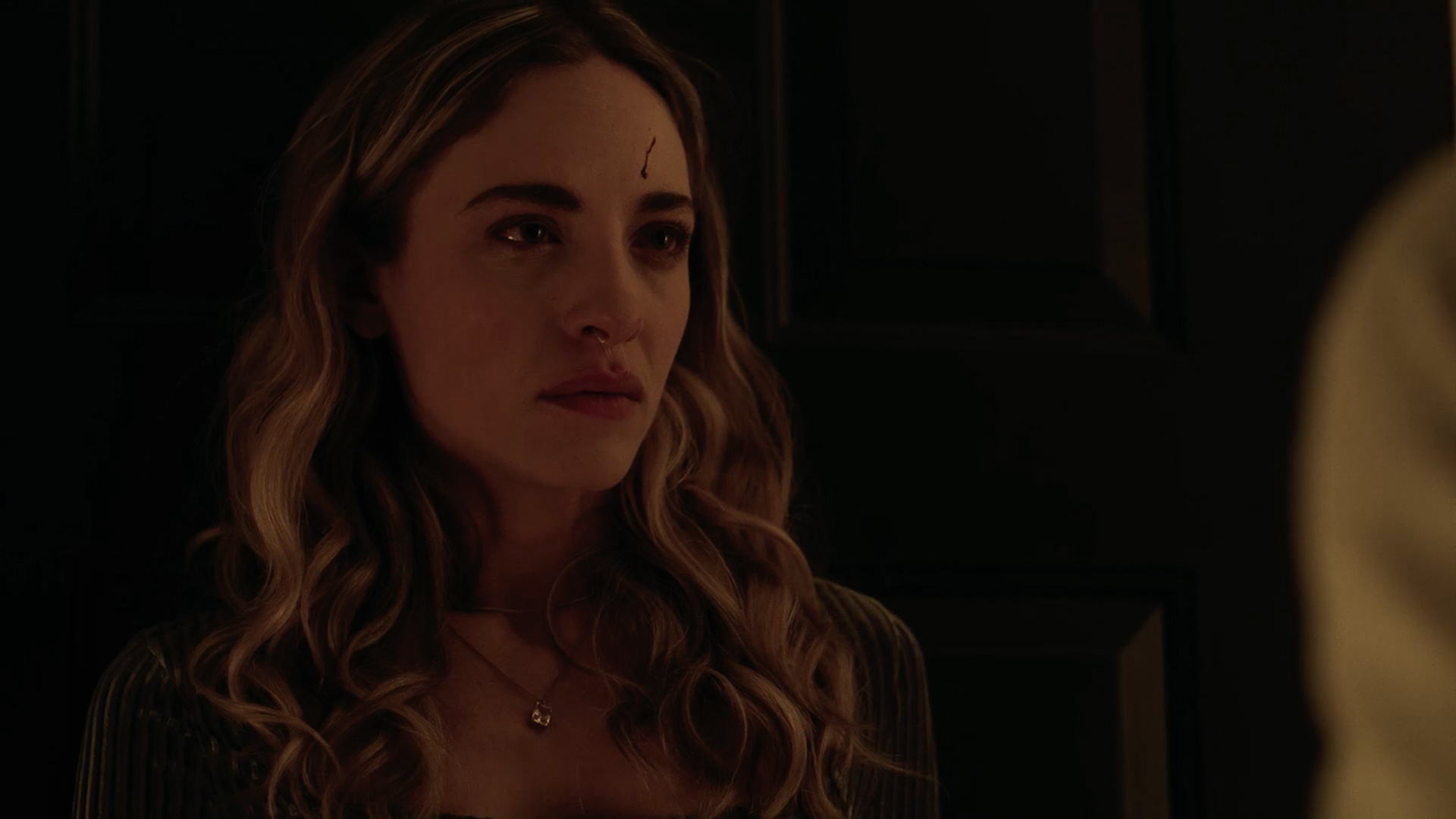
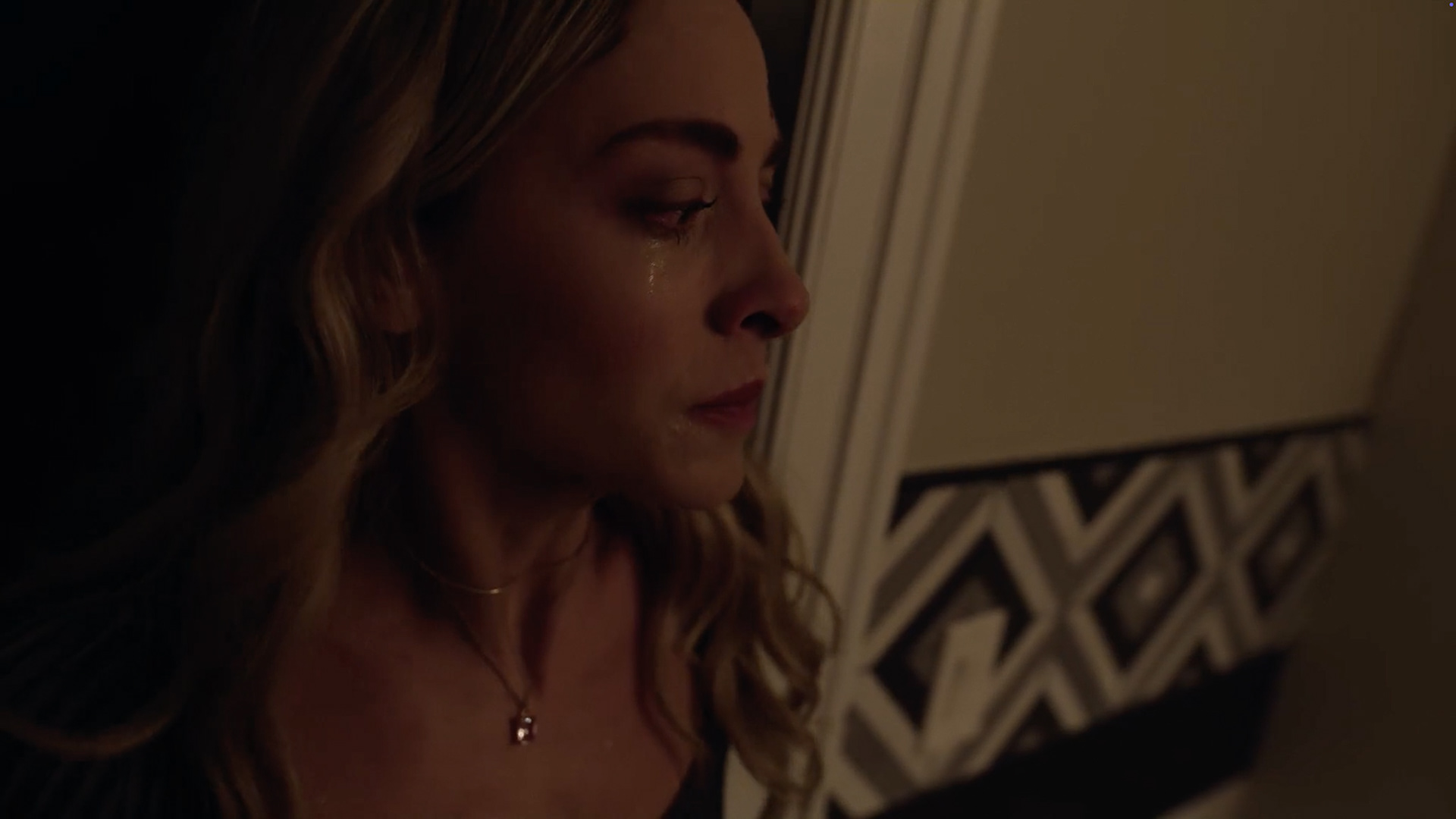
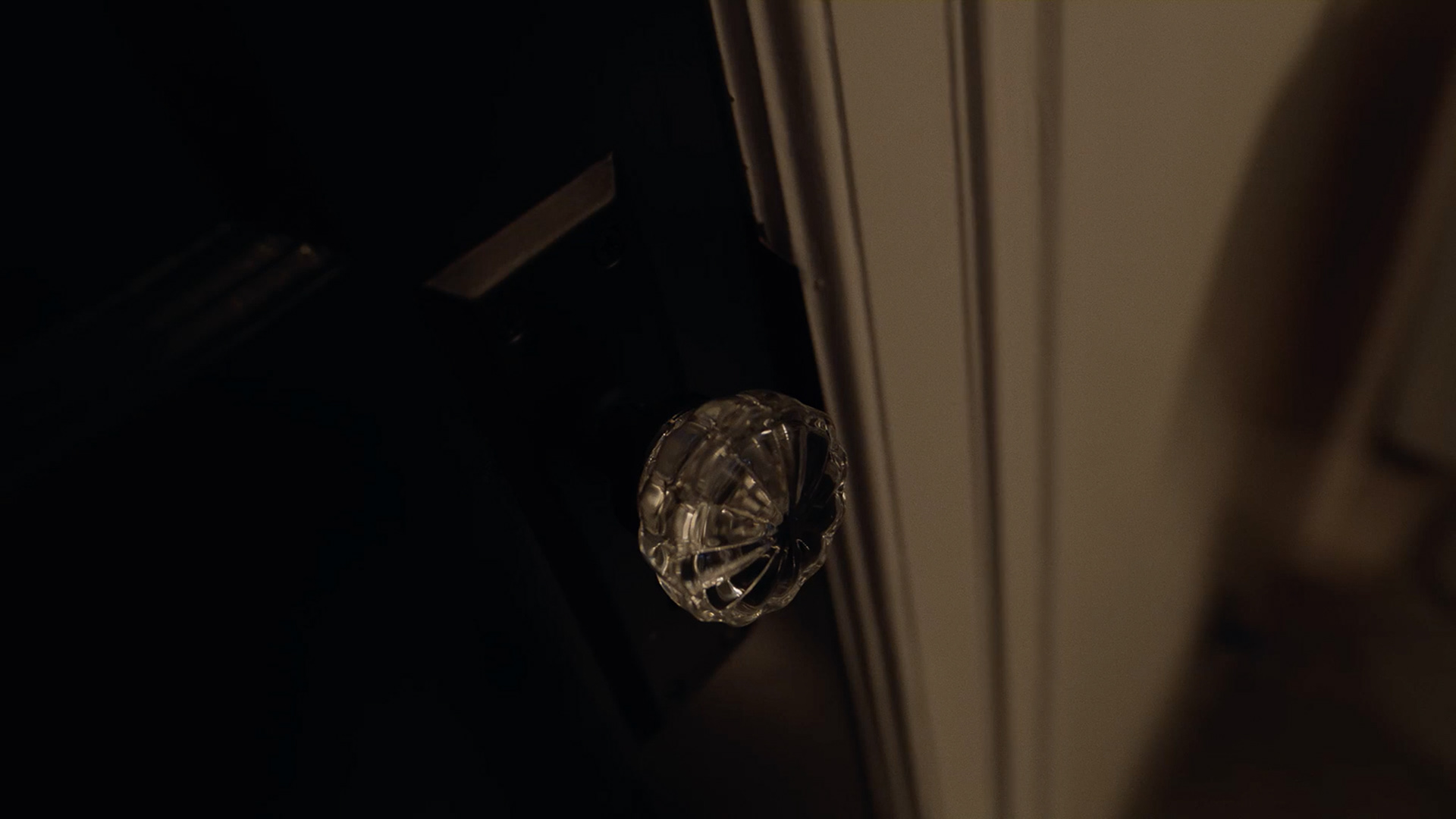
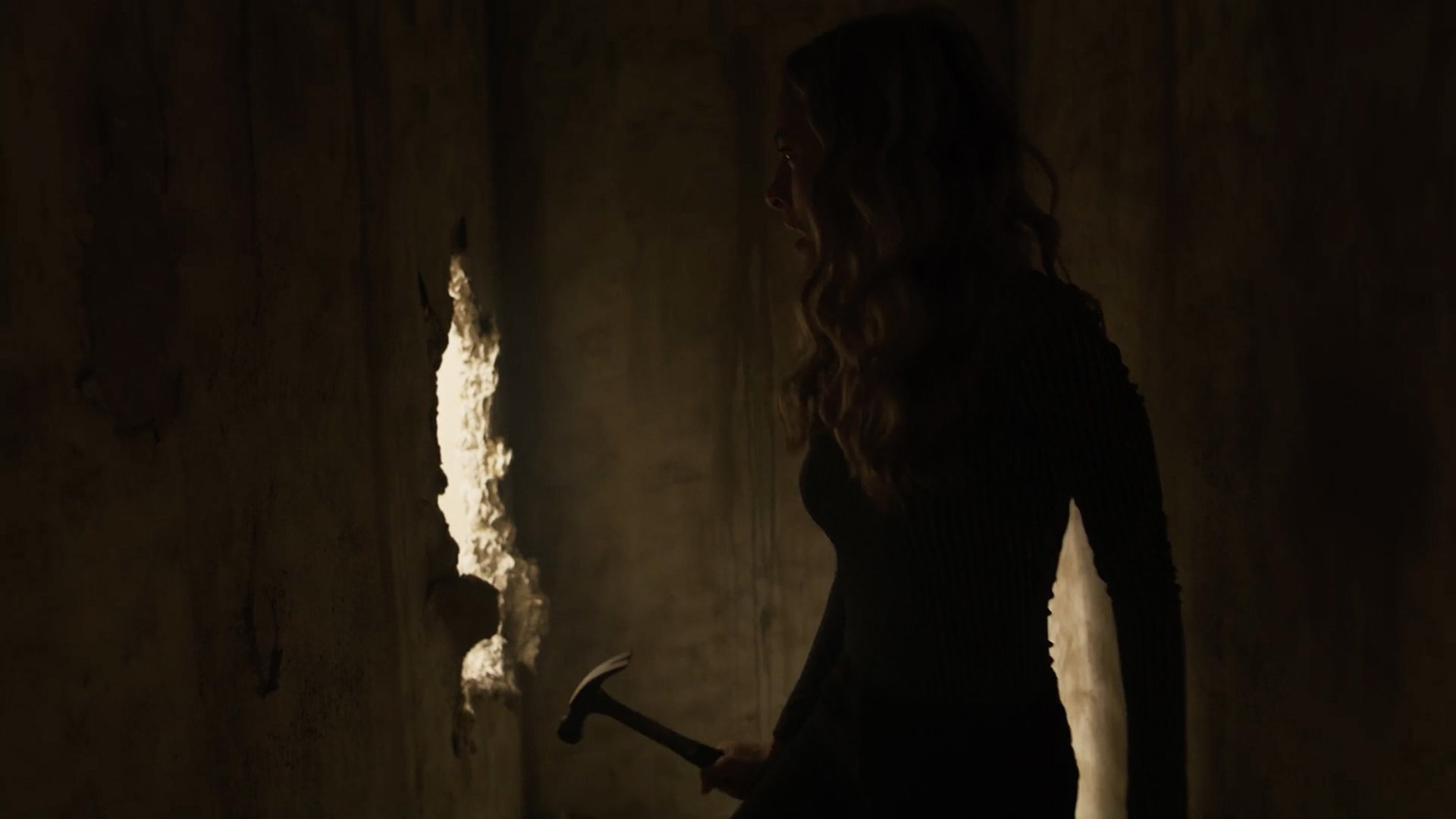
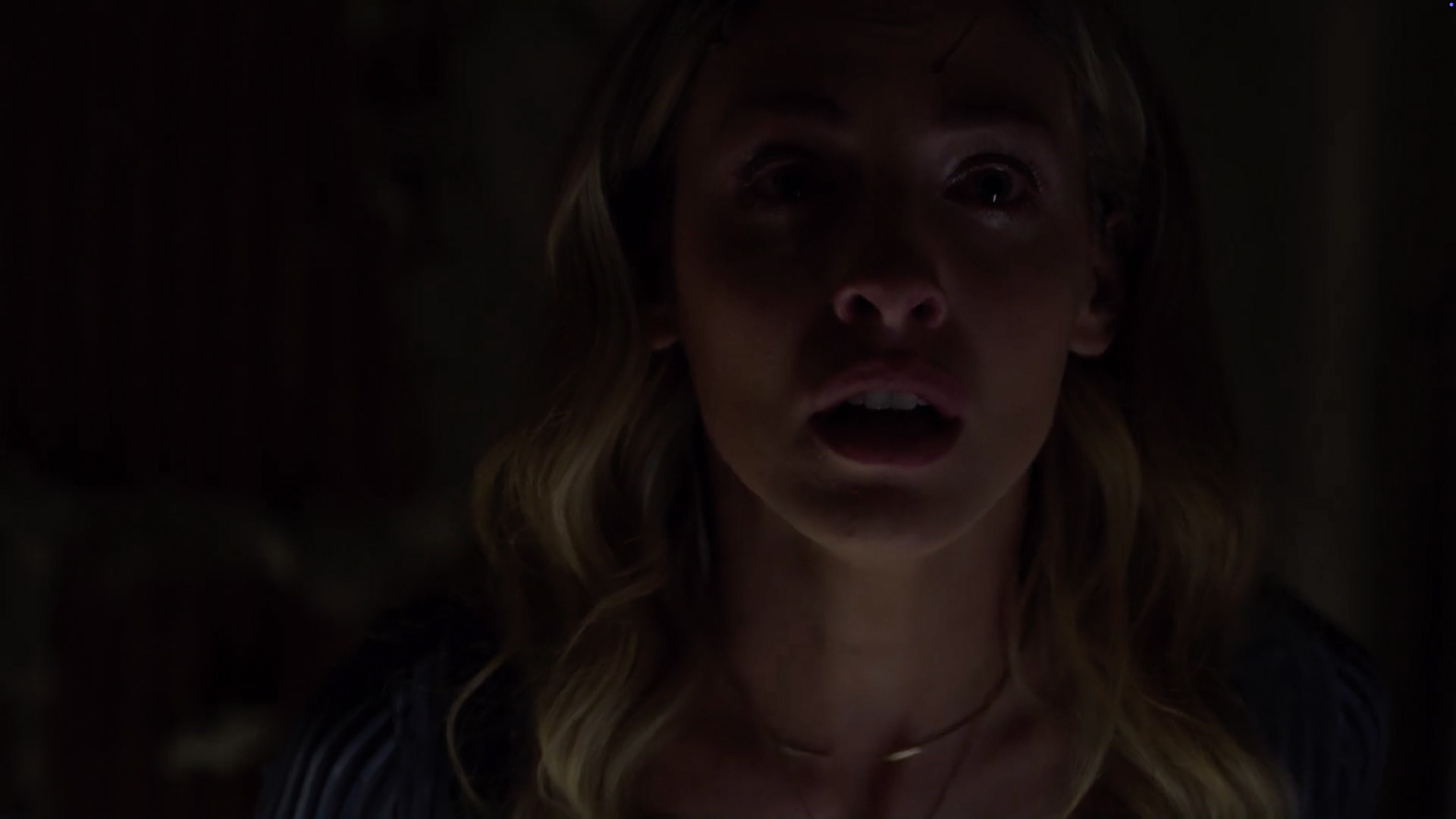
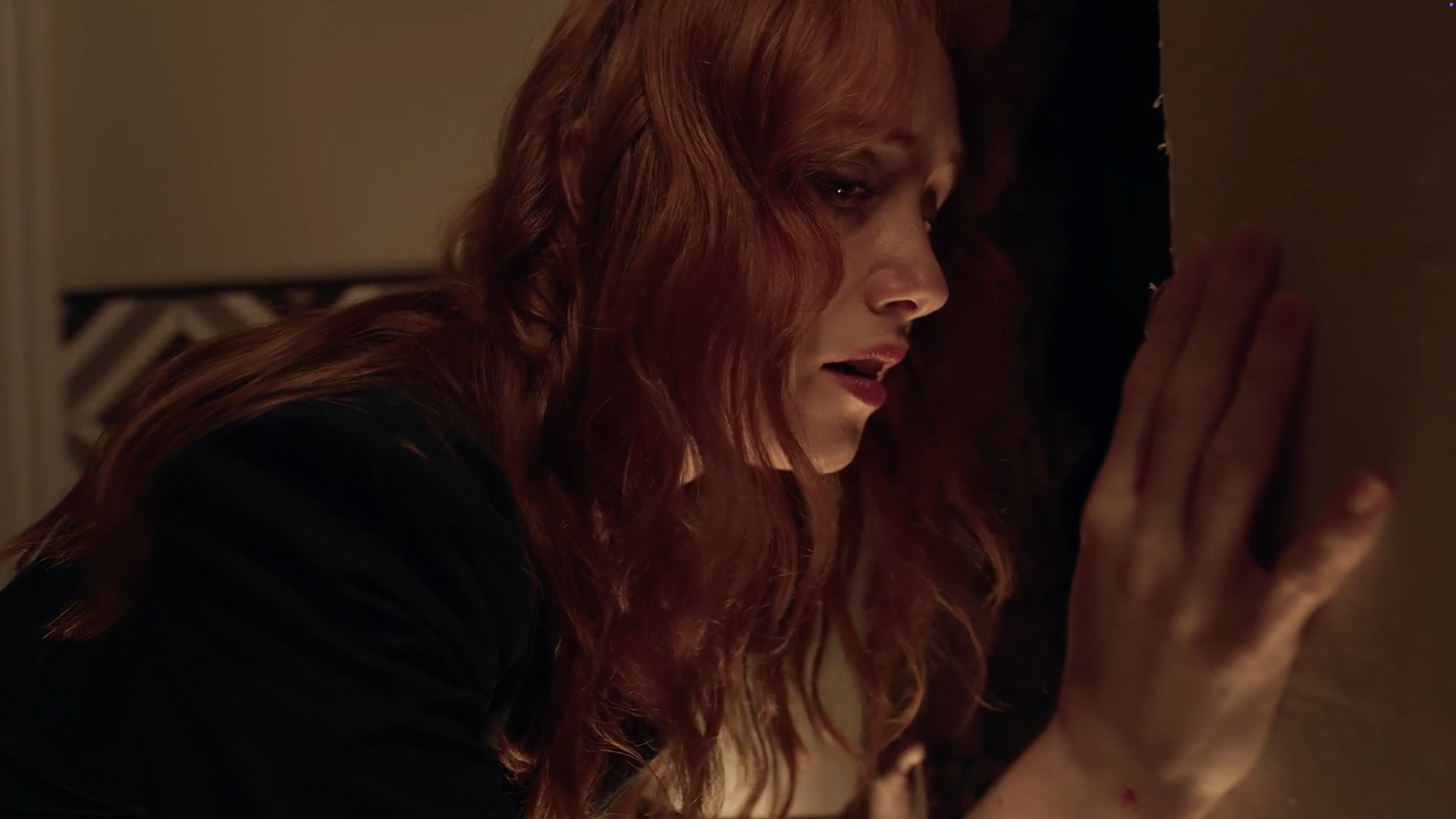
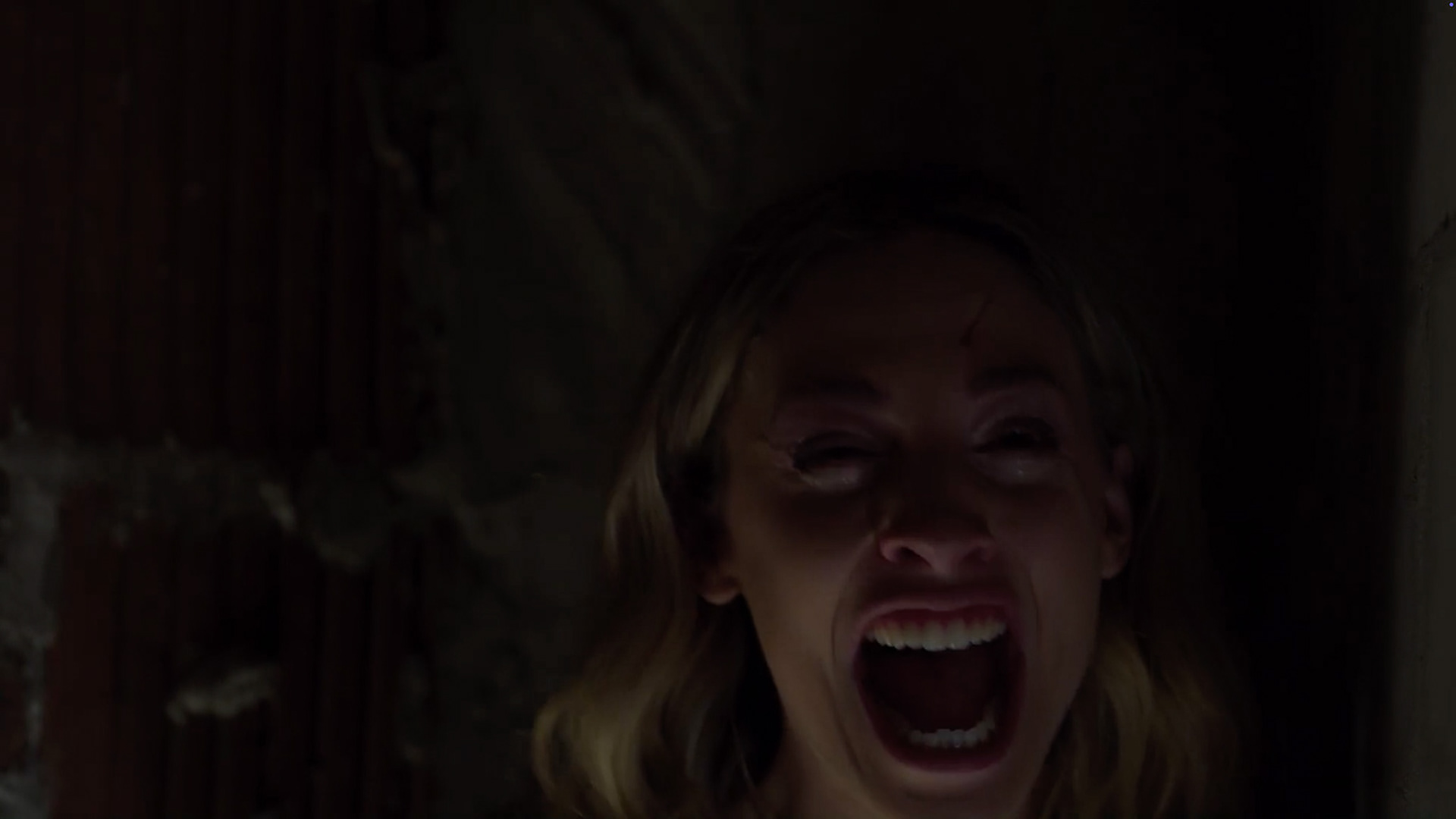
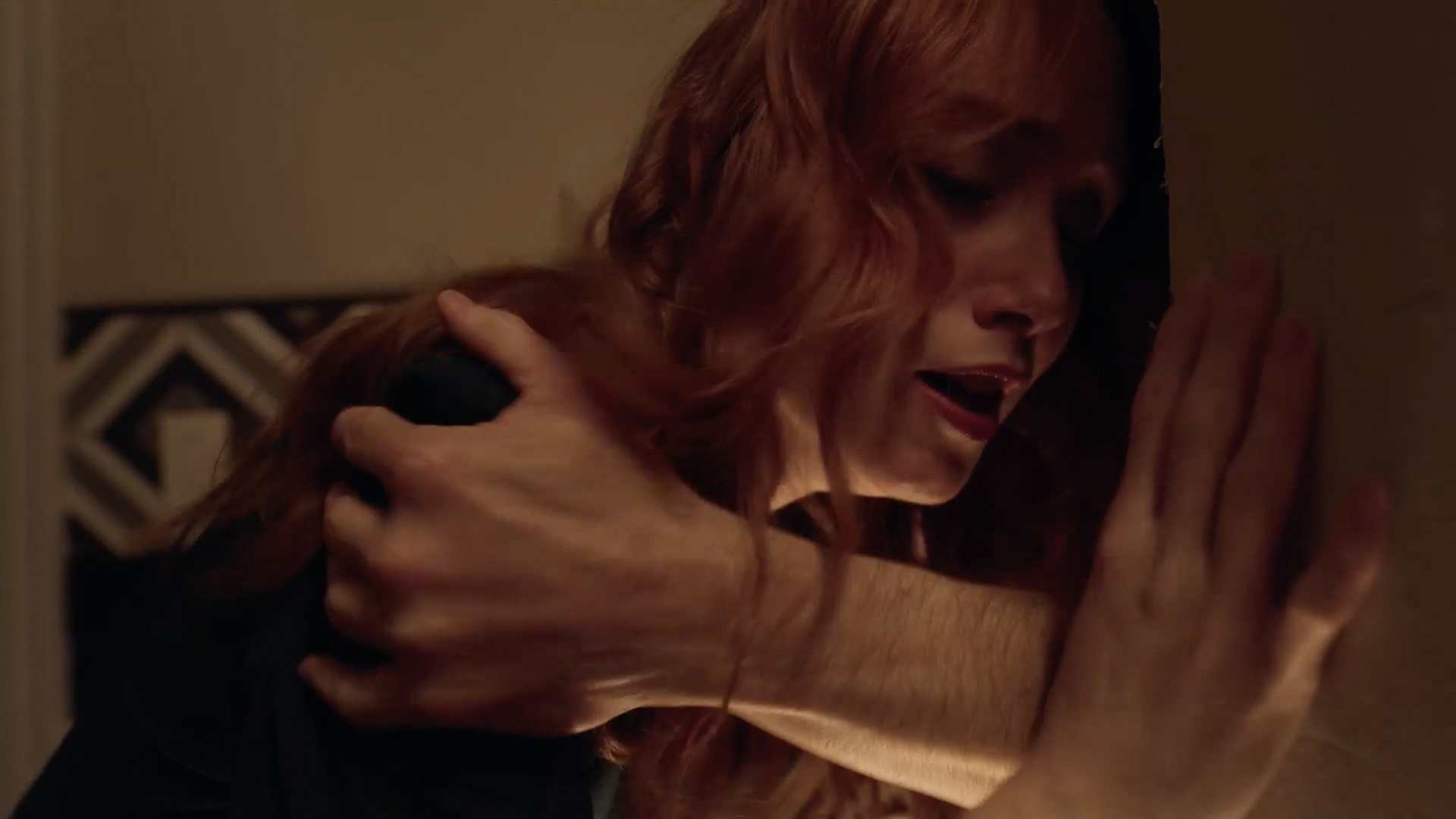
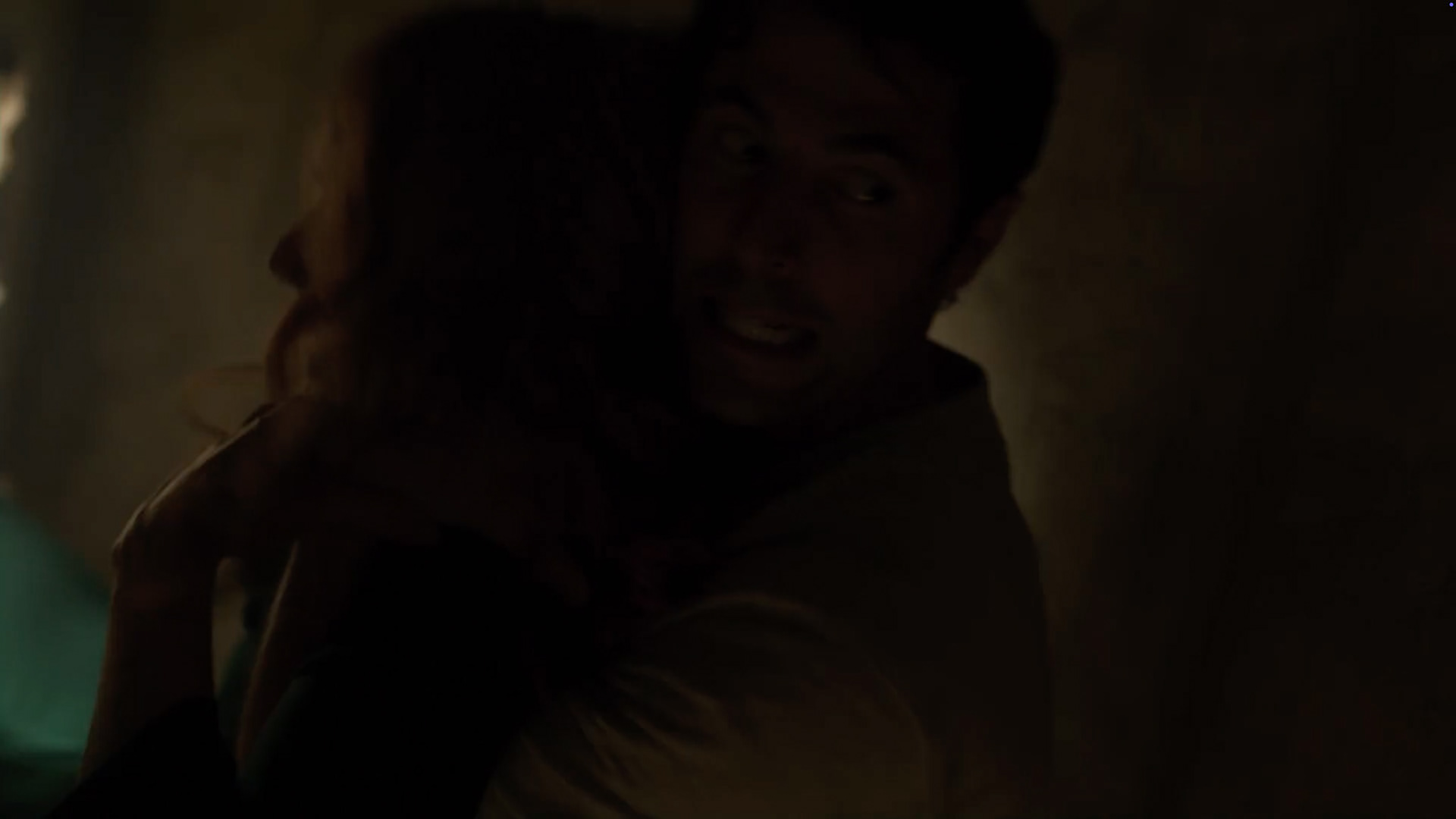
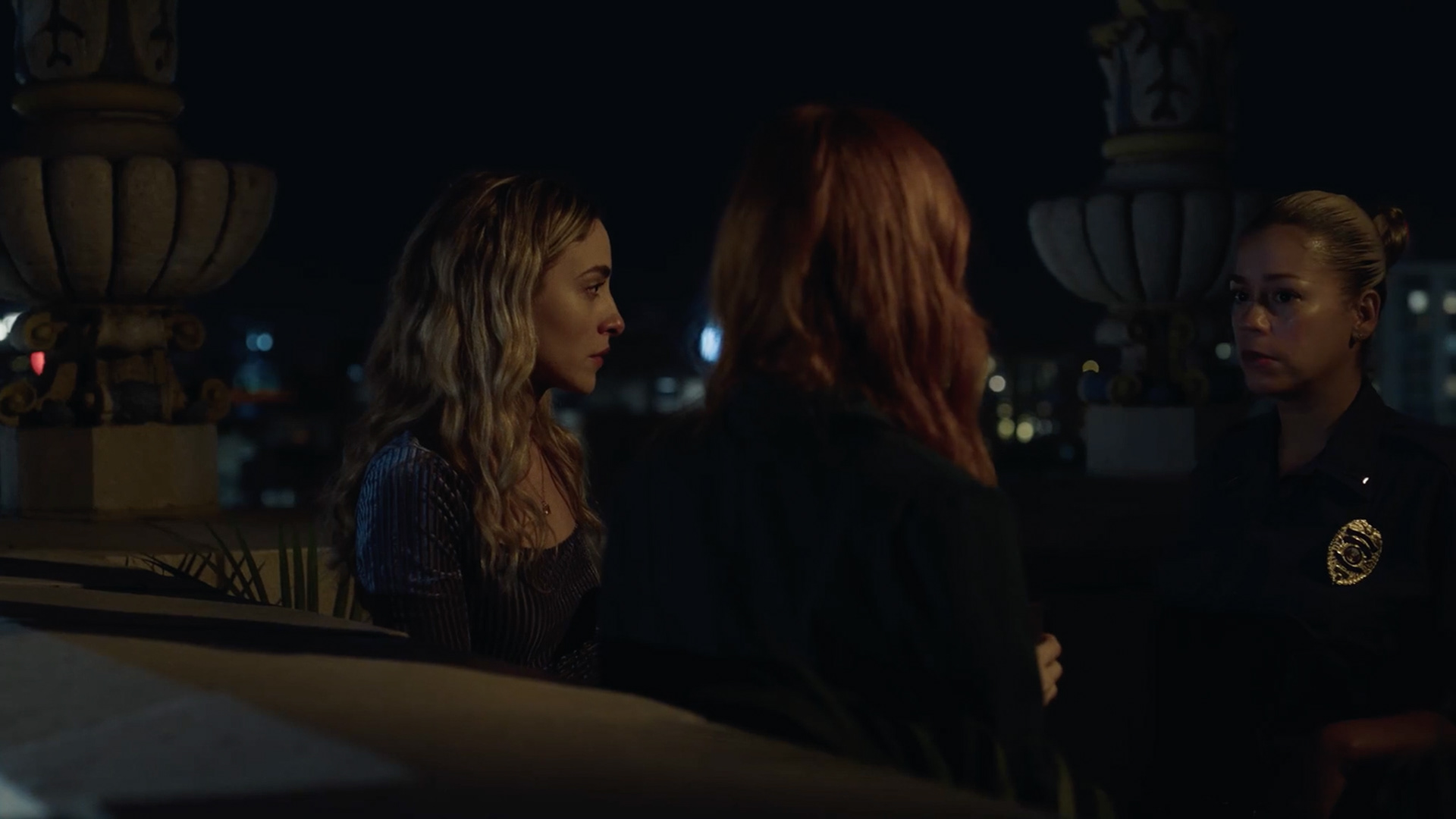
HIDER IN MY HOUSE | FILM STILLS