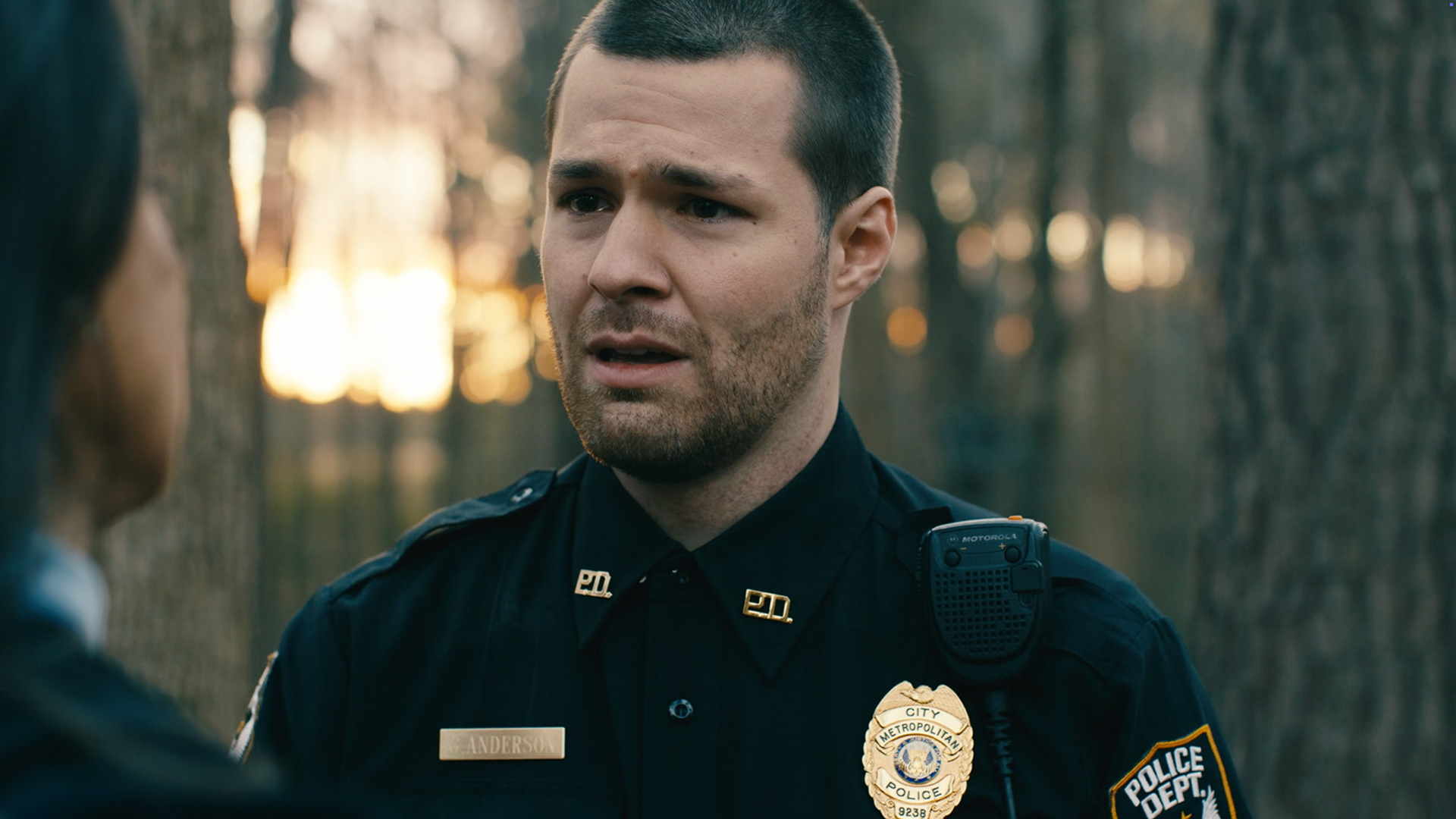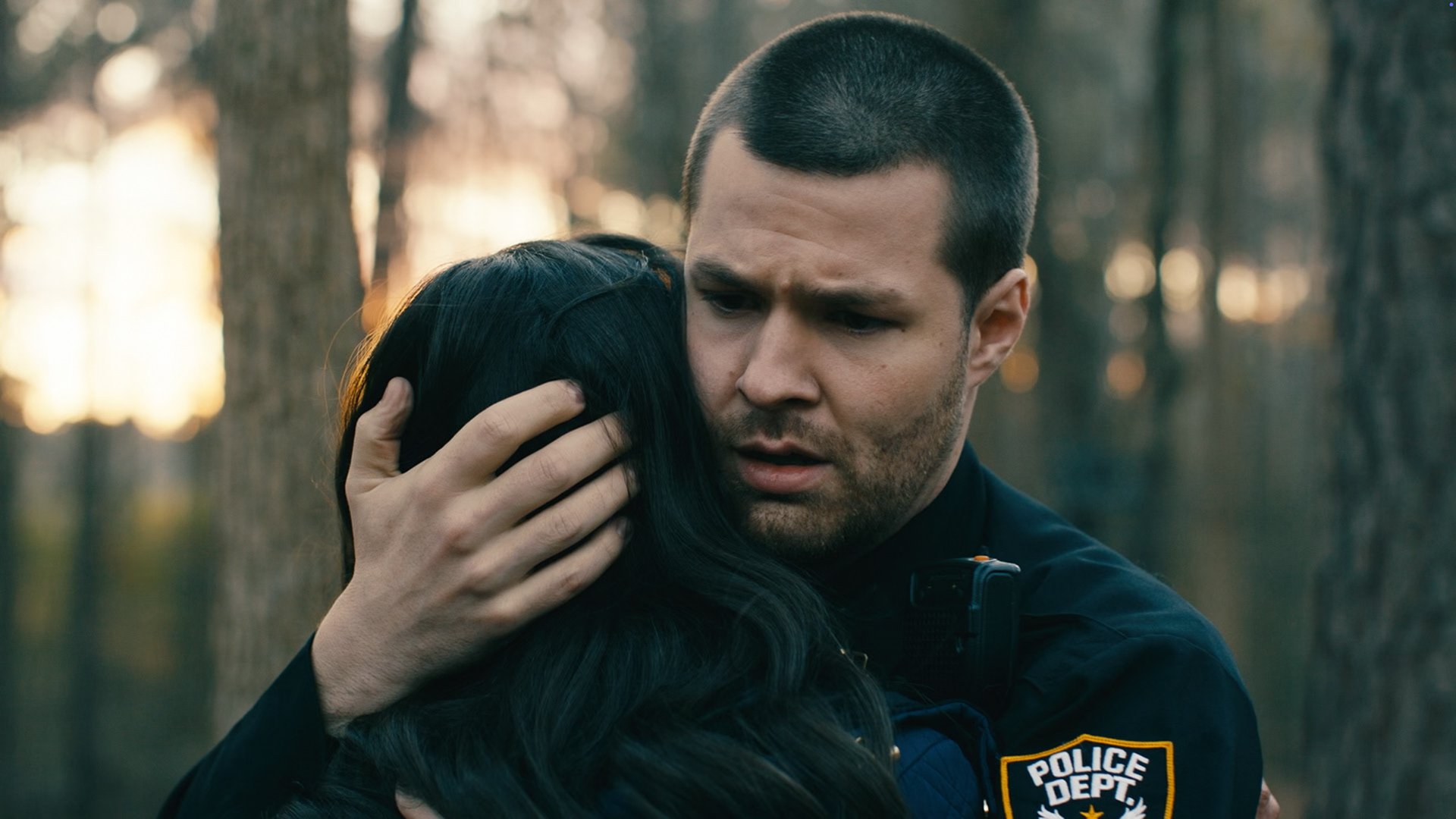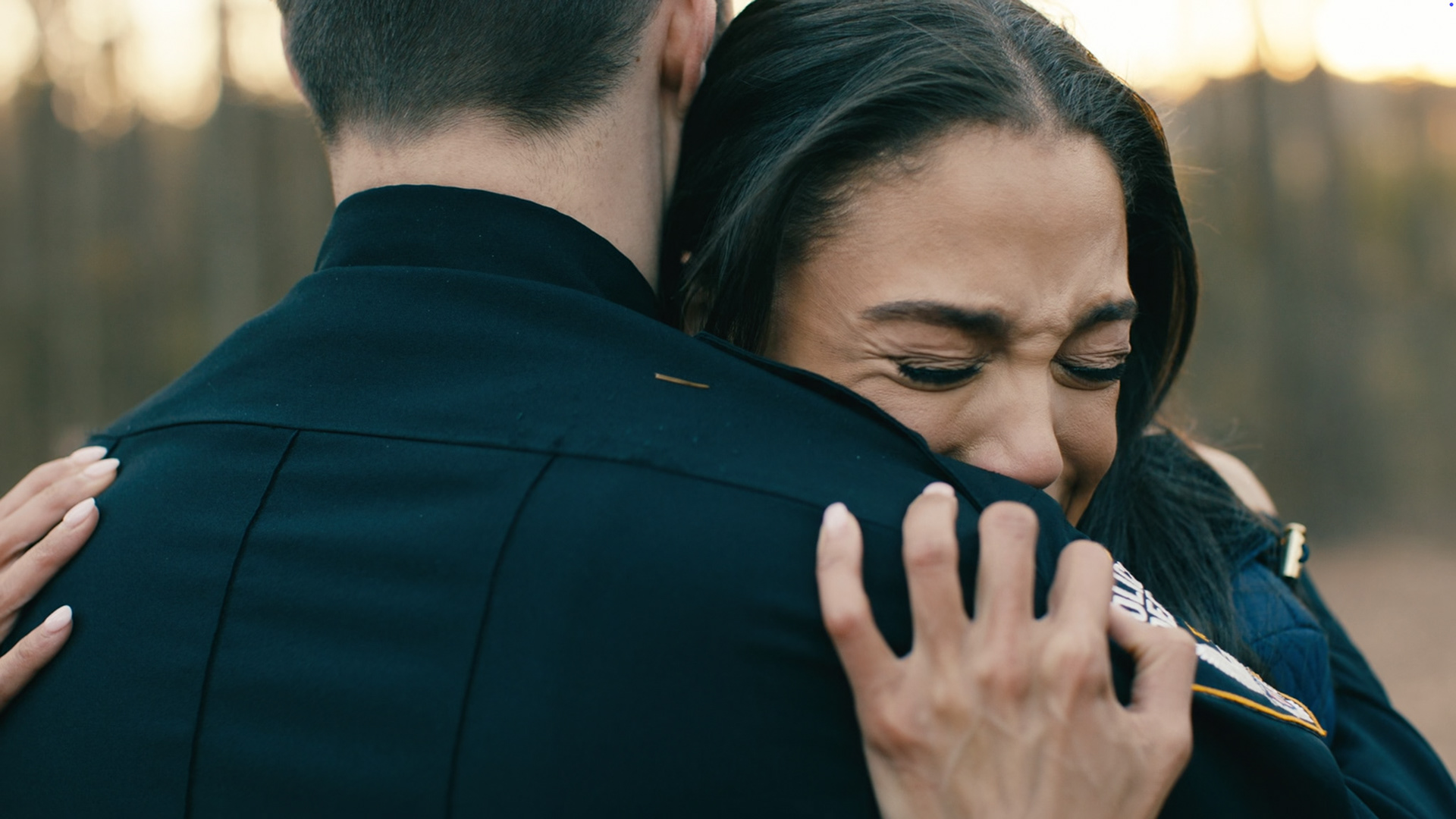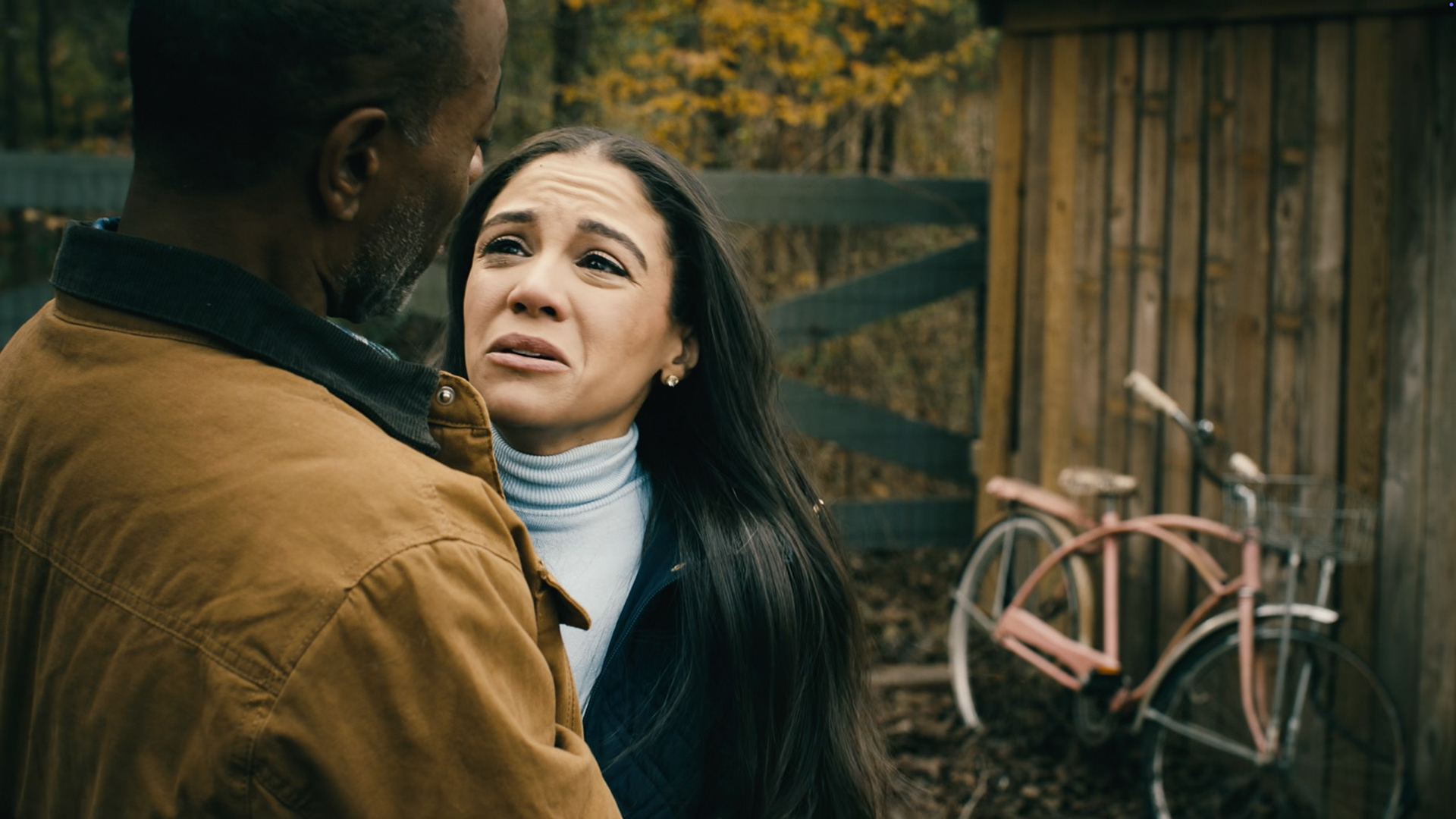
At its core, Secrets to Kill For is a story about guilt, friendship, and the emotional cost of leaving parts of yourself behind.
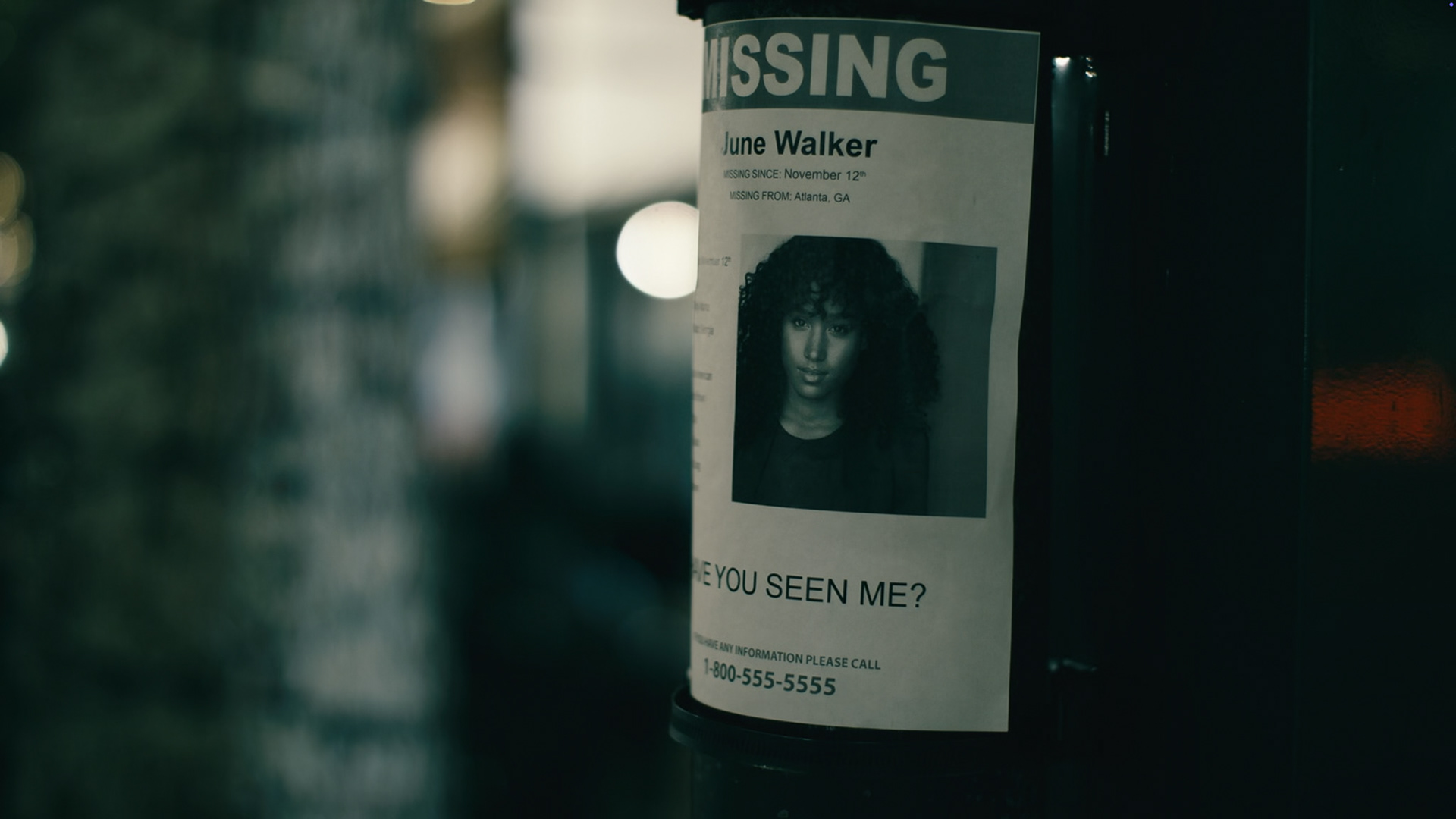
What interested me most was the irony at the center of the film: a woman who builds a successful life and career around the idea of friendship only to realize she has lost touch with the relationships that once defined her. When her childhood best friend disappears and is later discovered murdered, she’s forced to confront the possibility that her own distance kept her from seeing the warning signs beneath the surface.
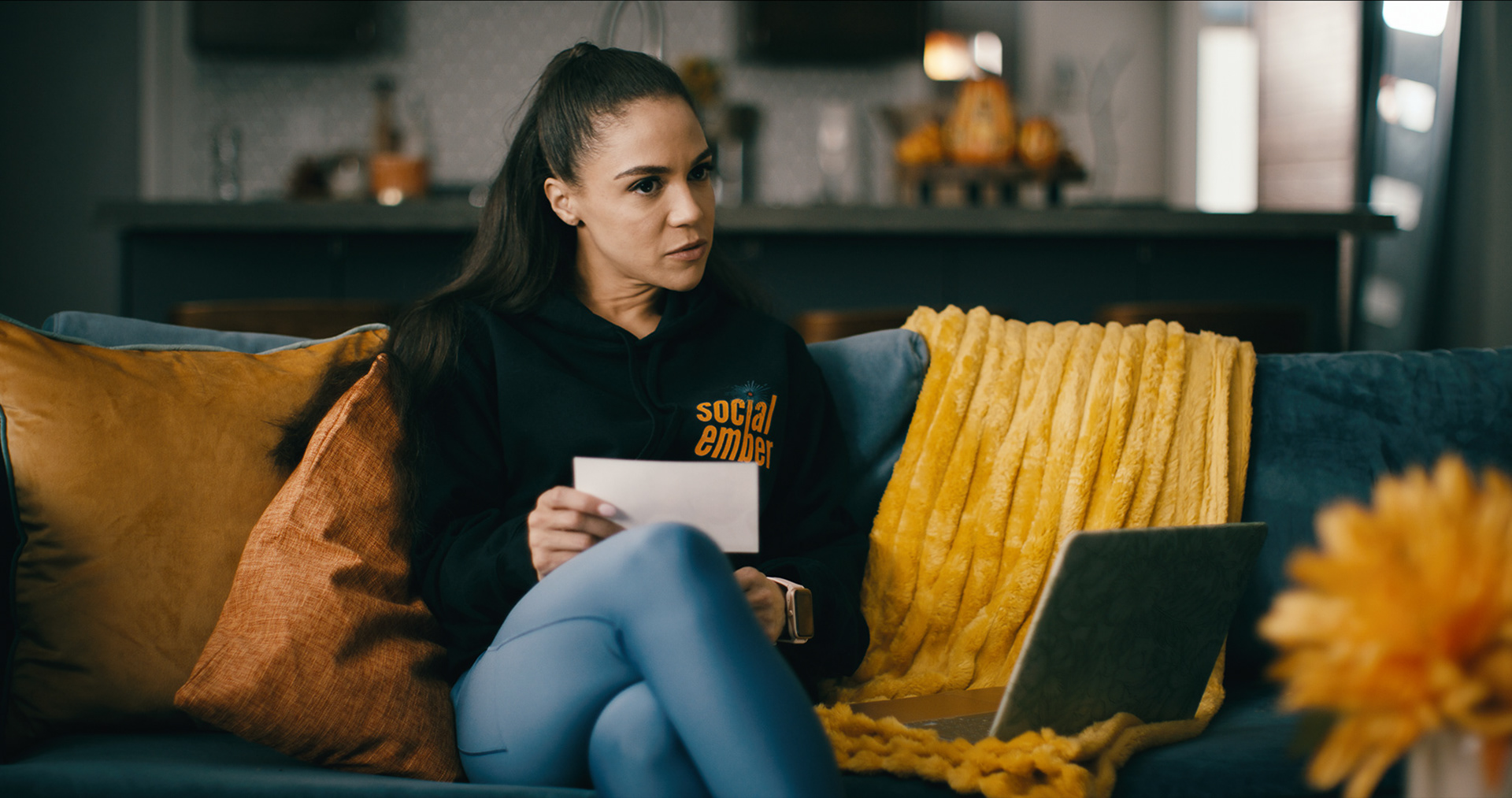
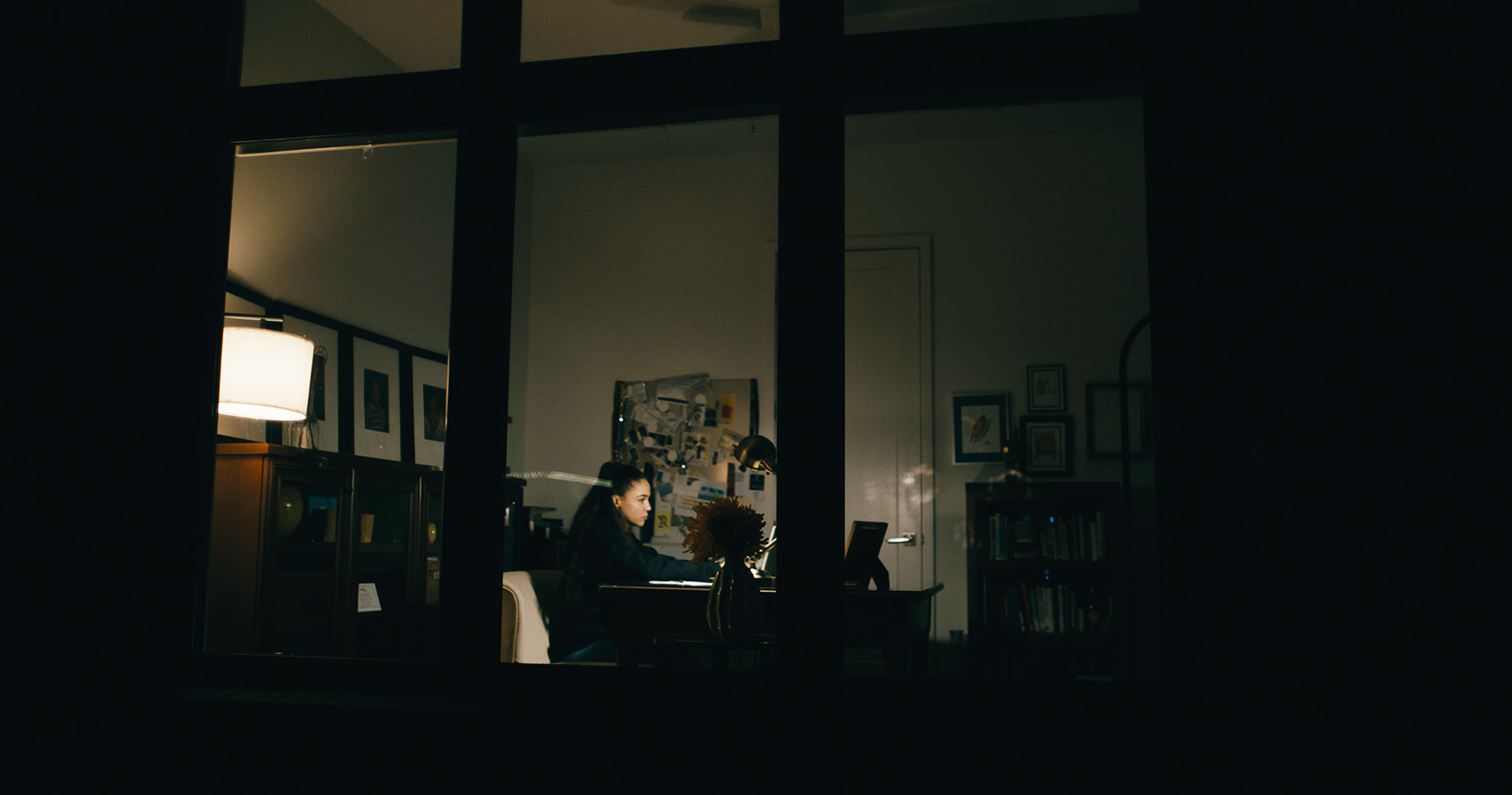
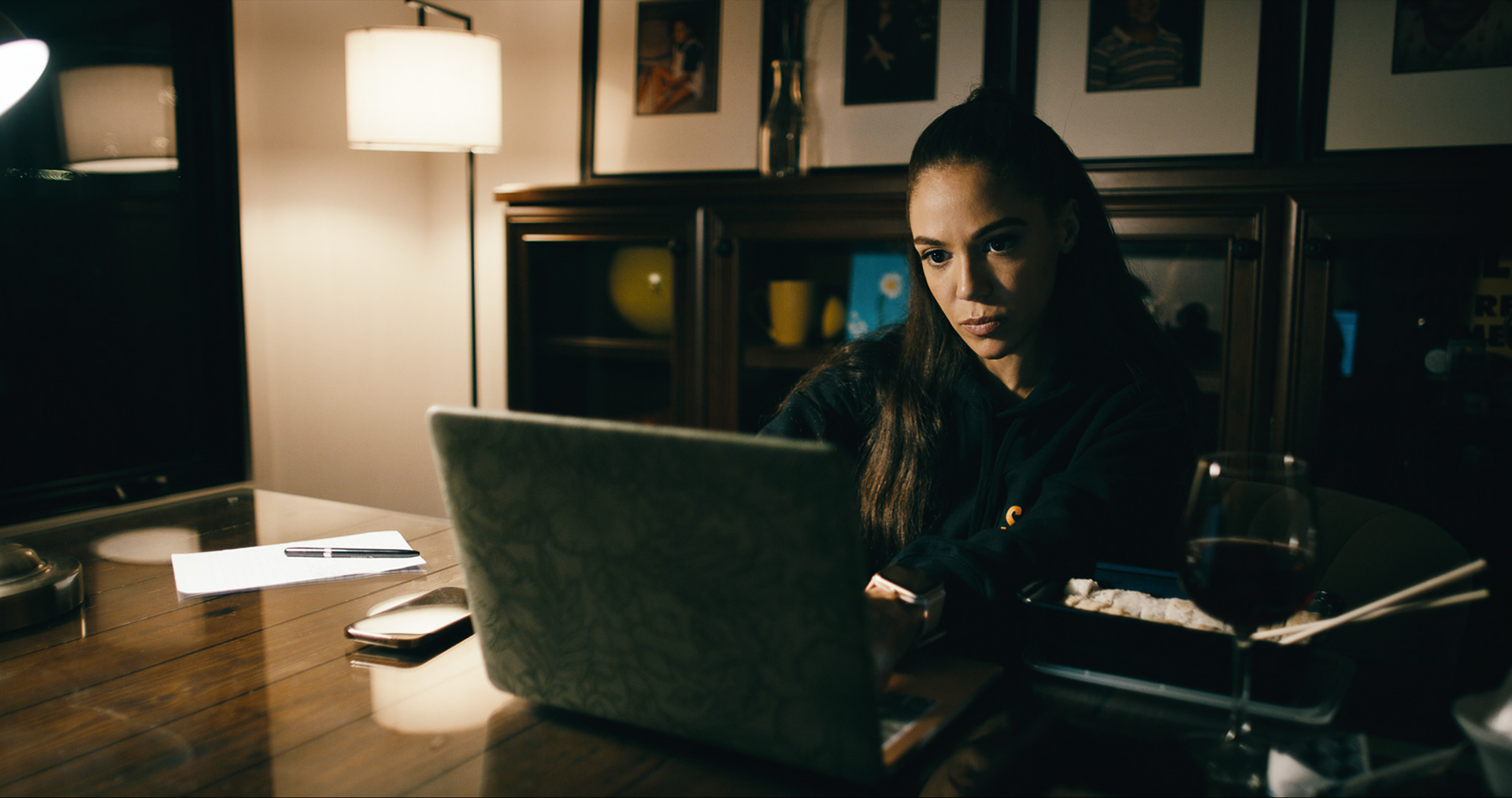
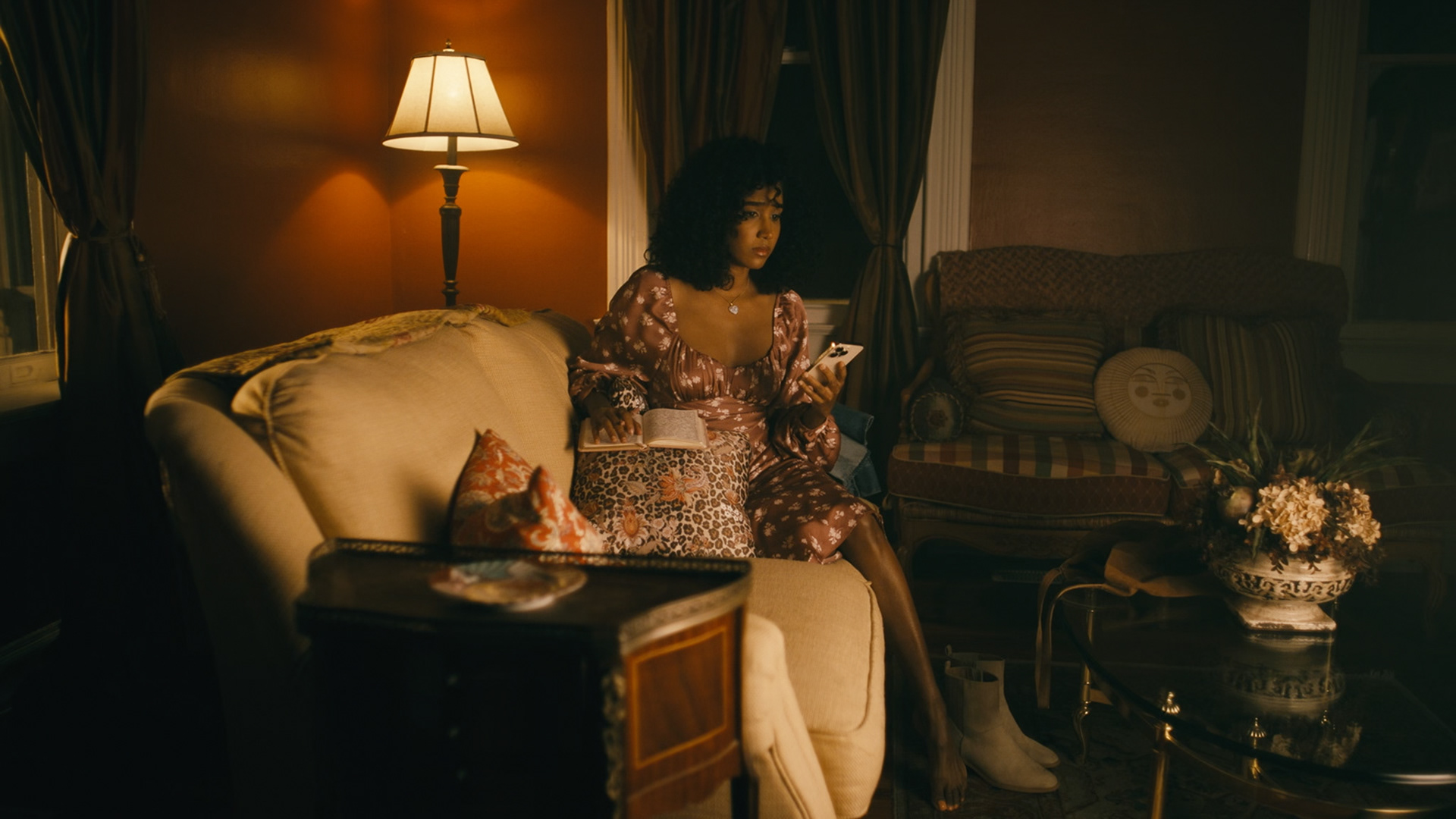
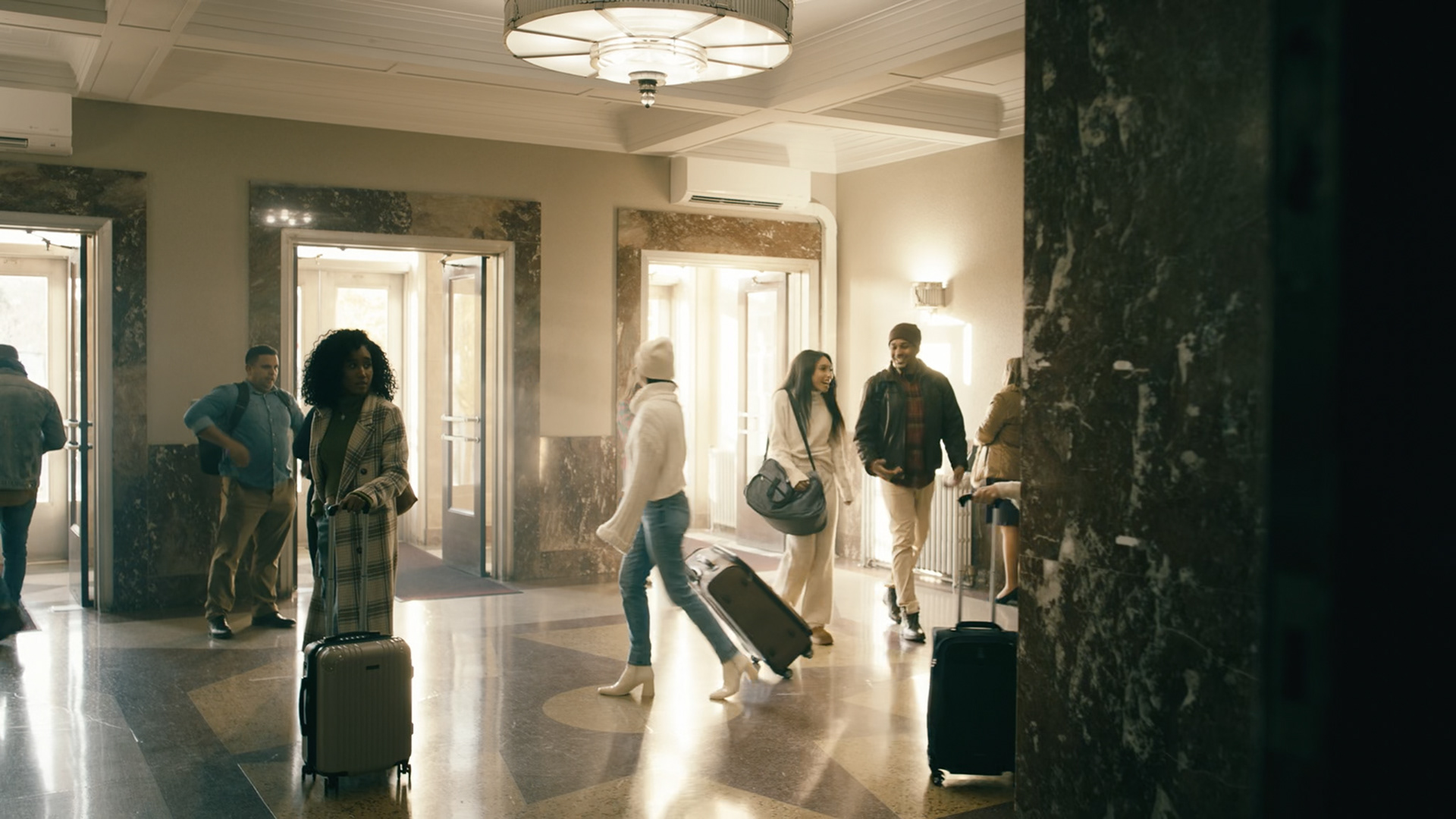
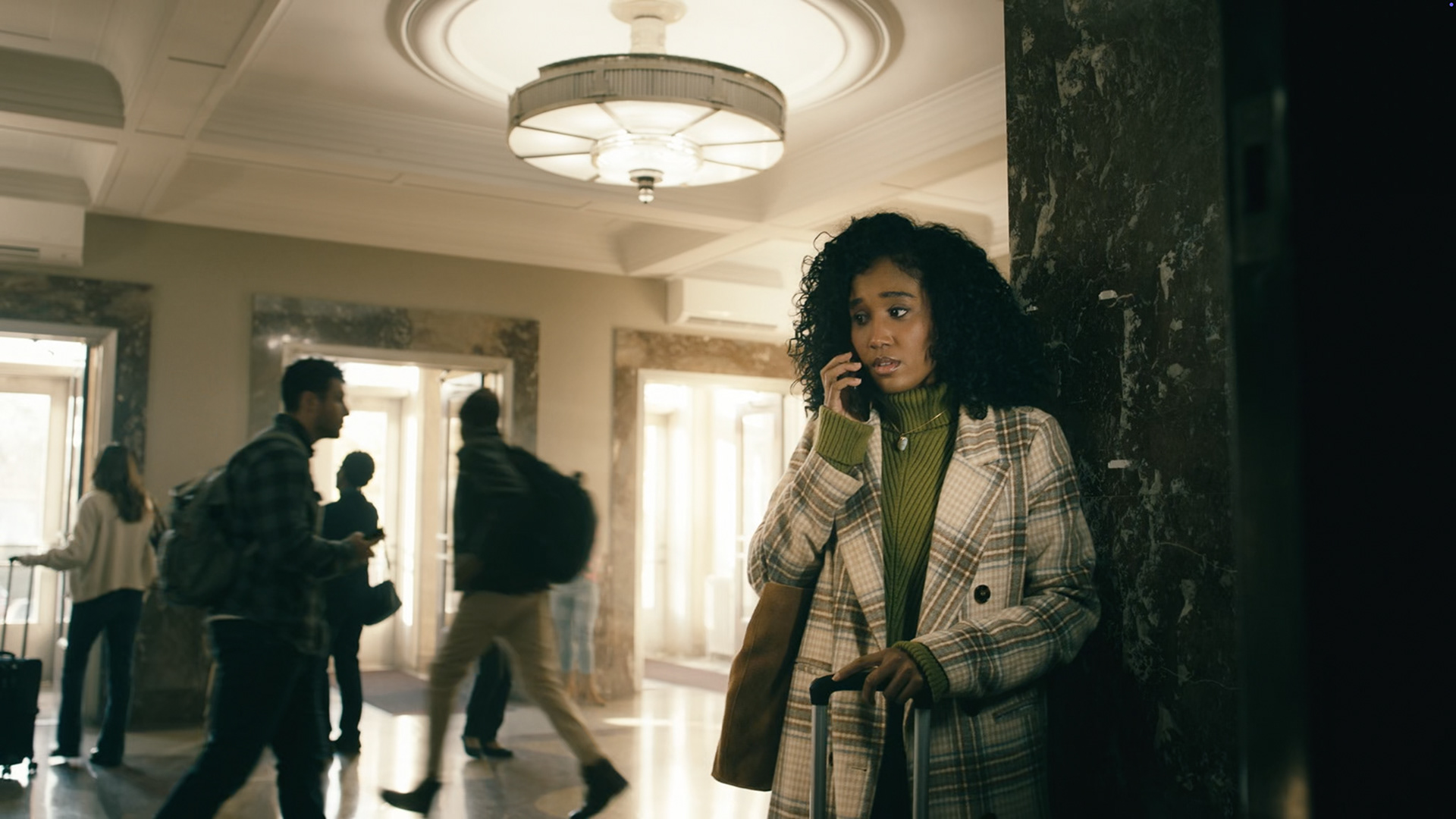
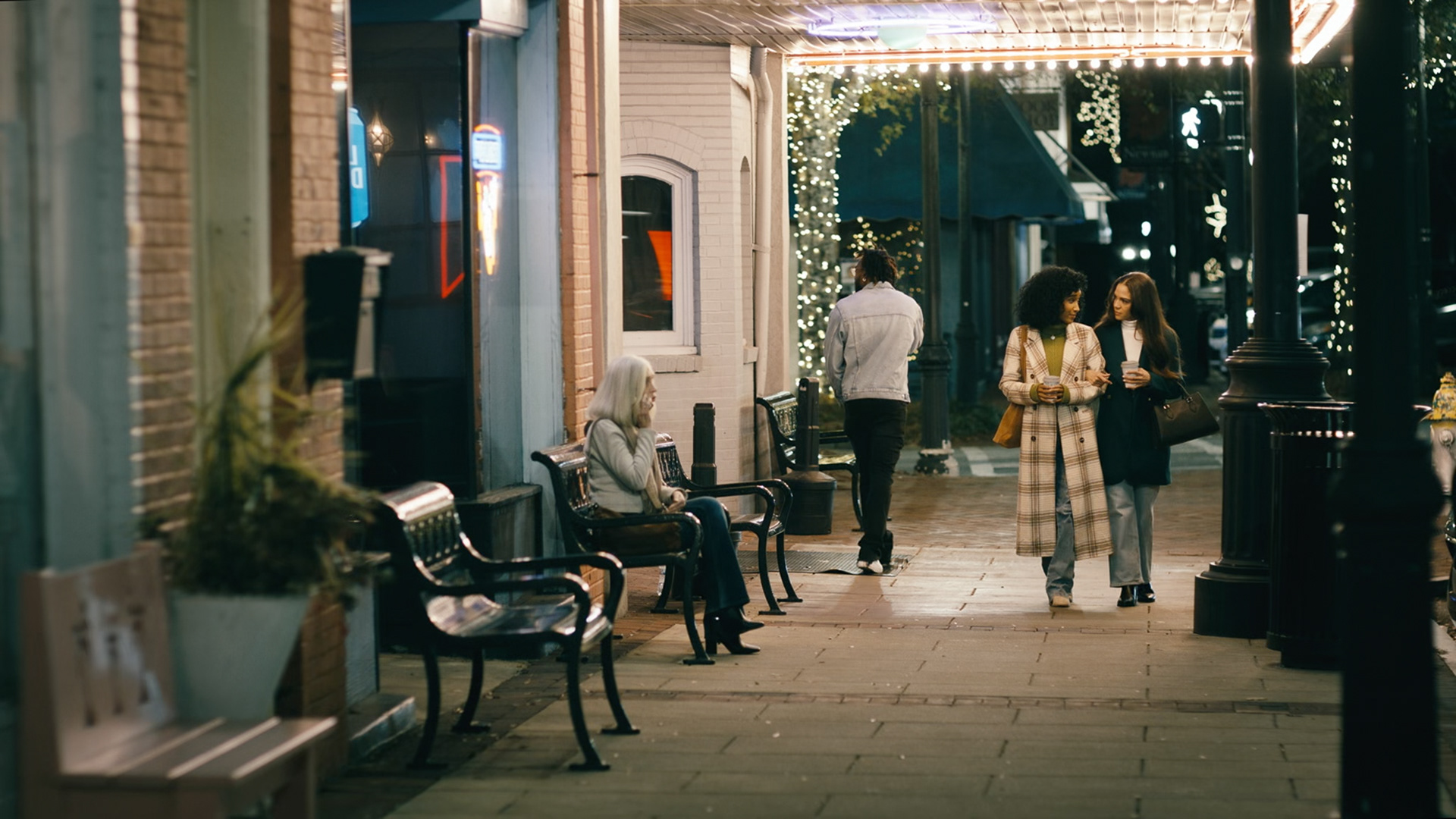
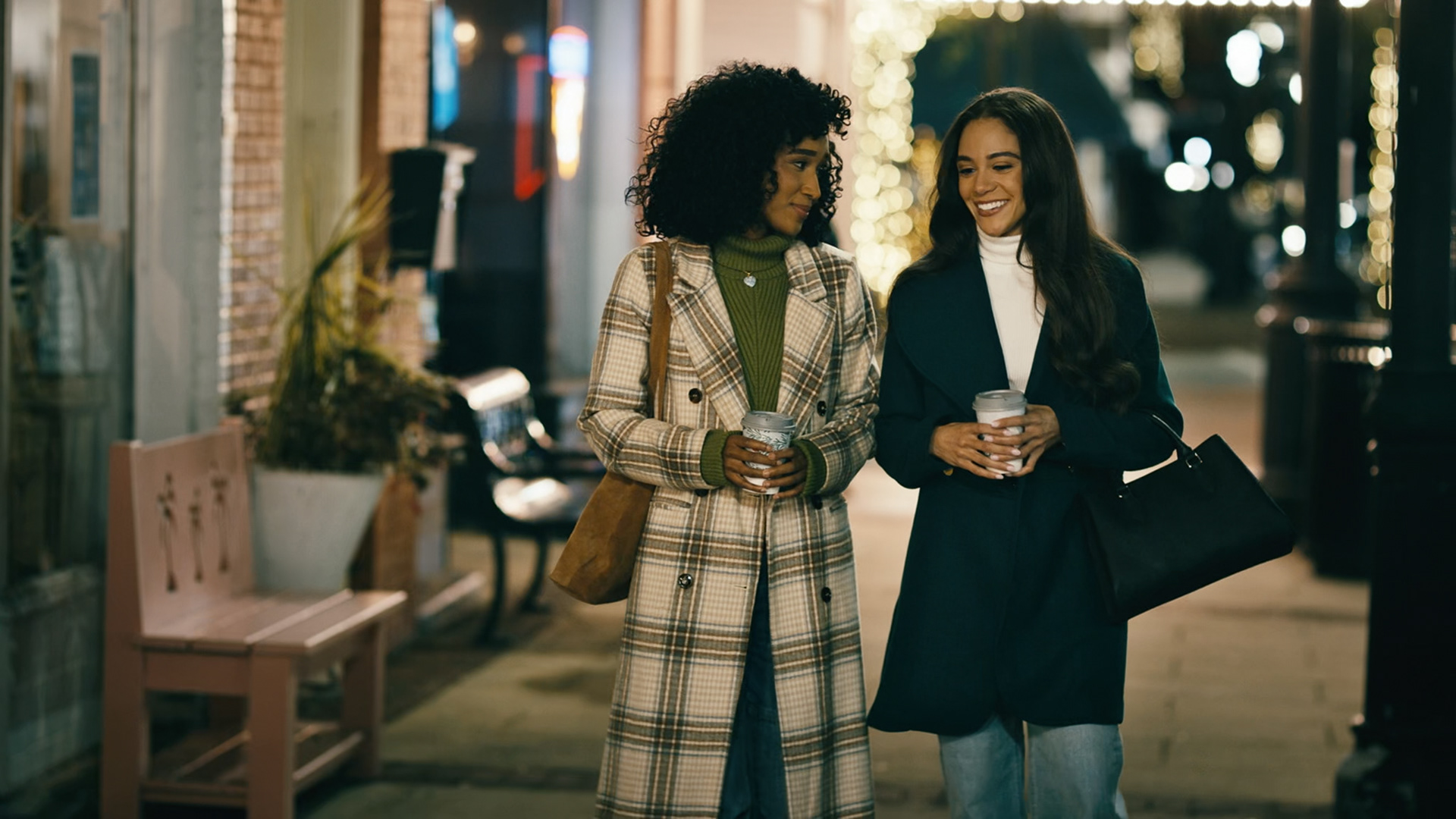
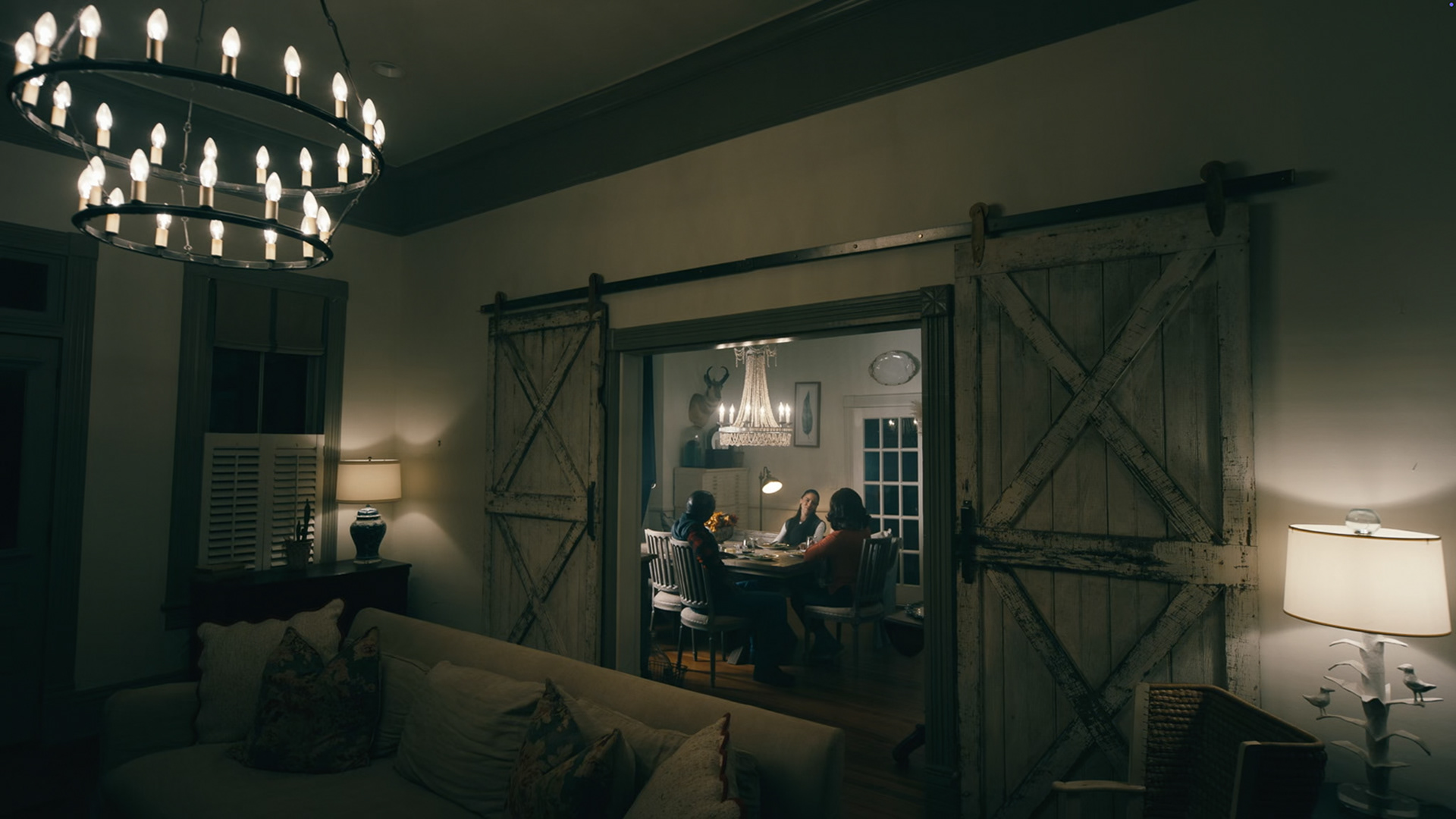
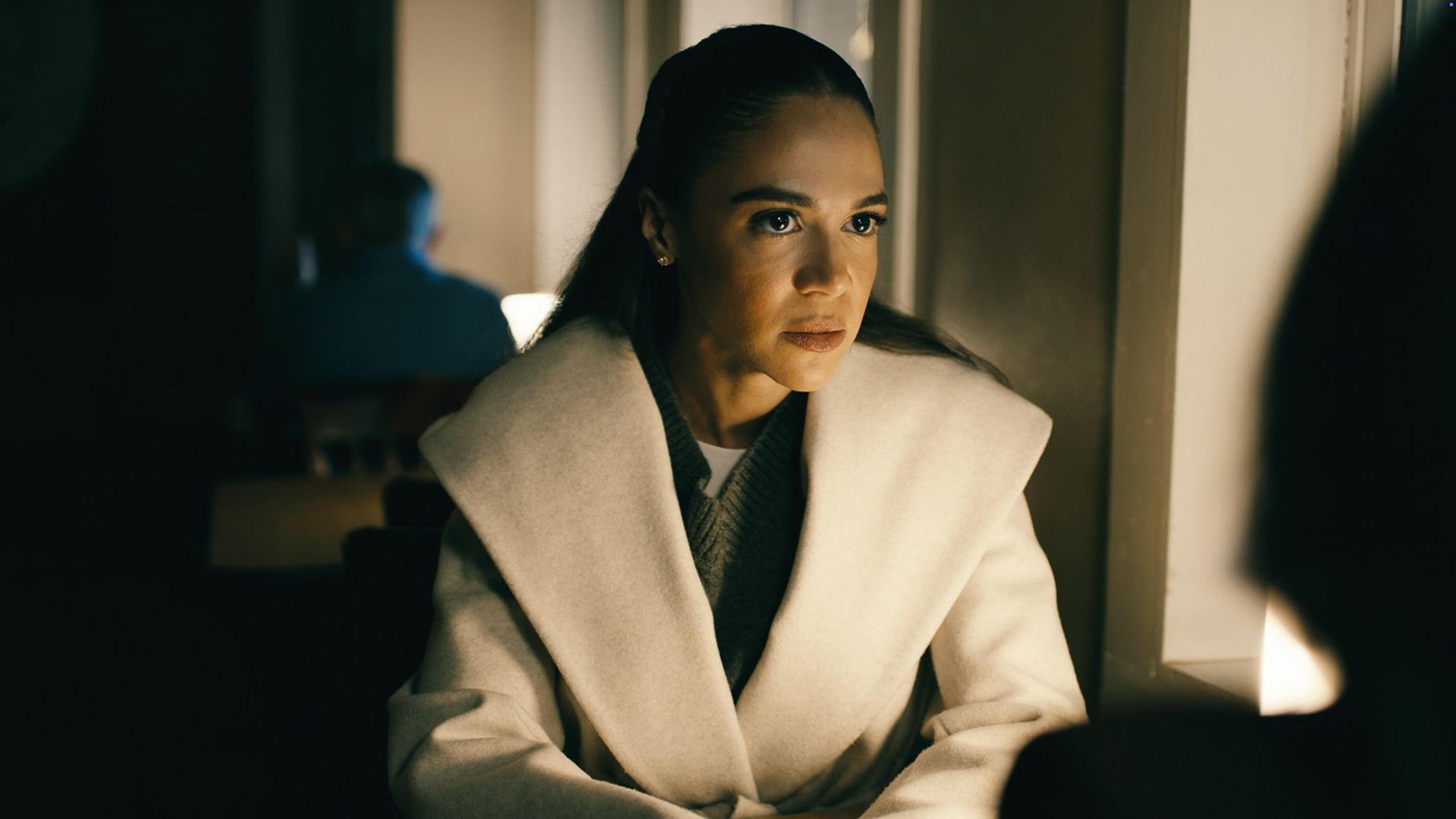
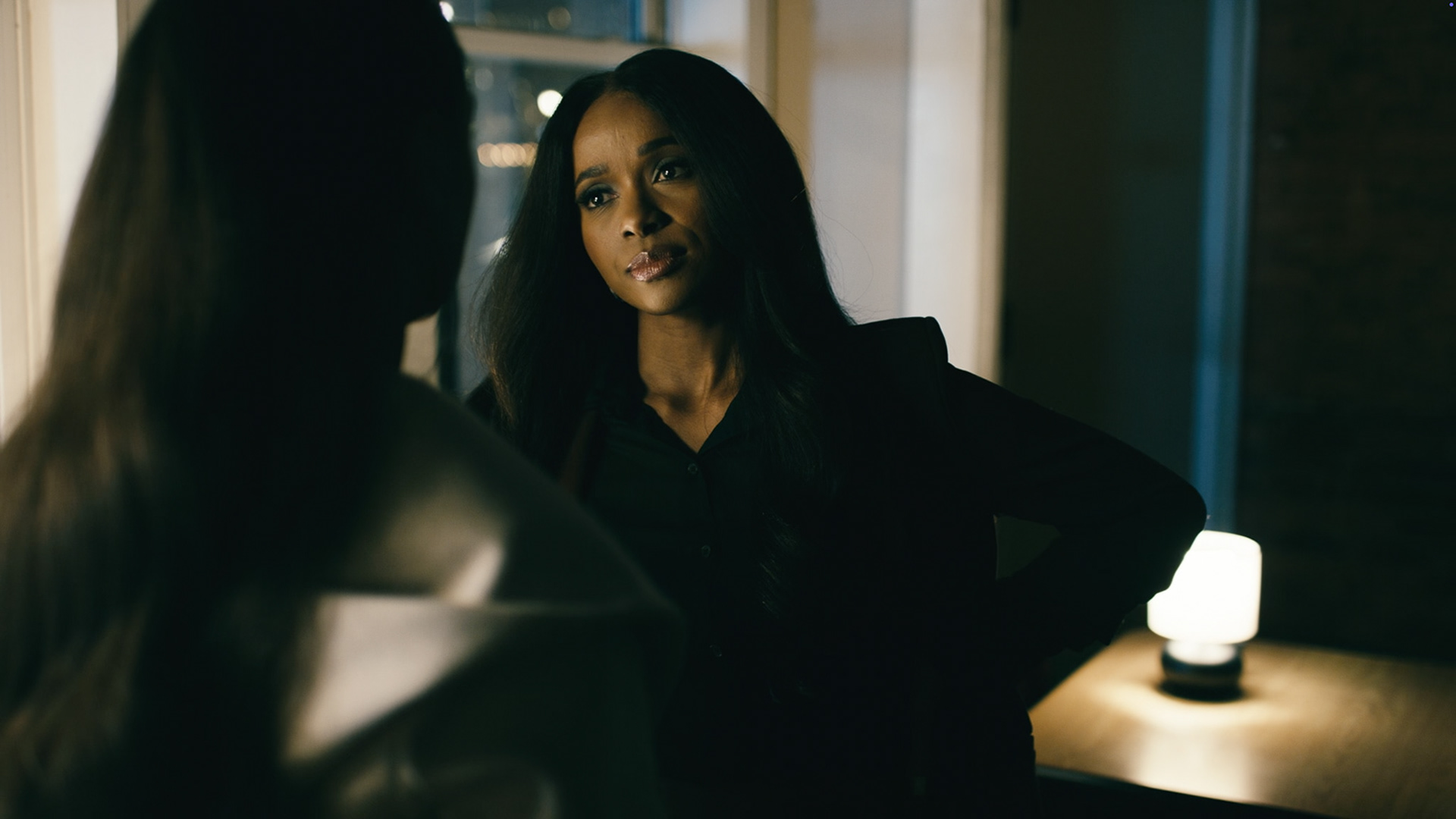
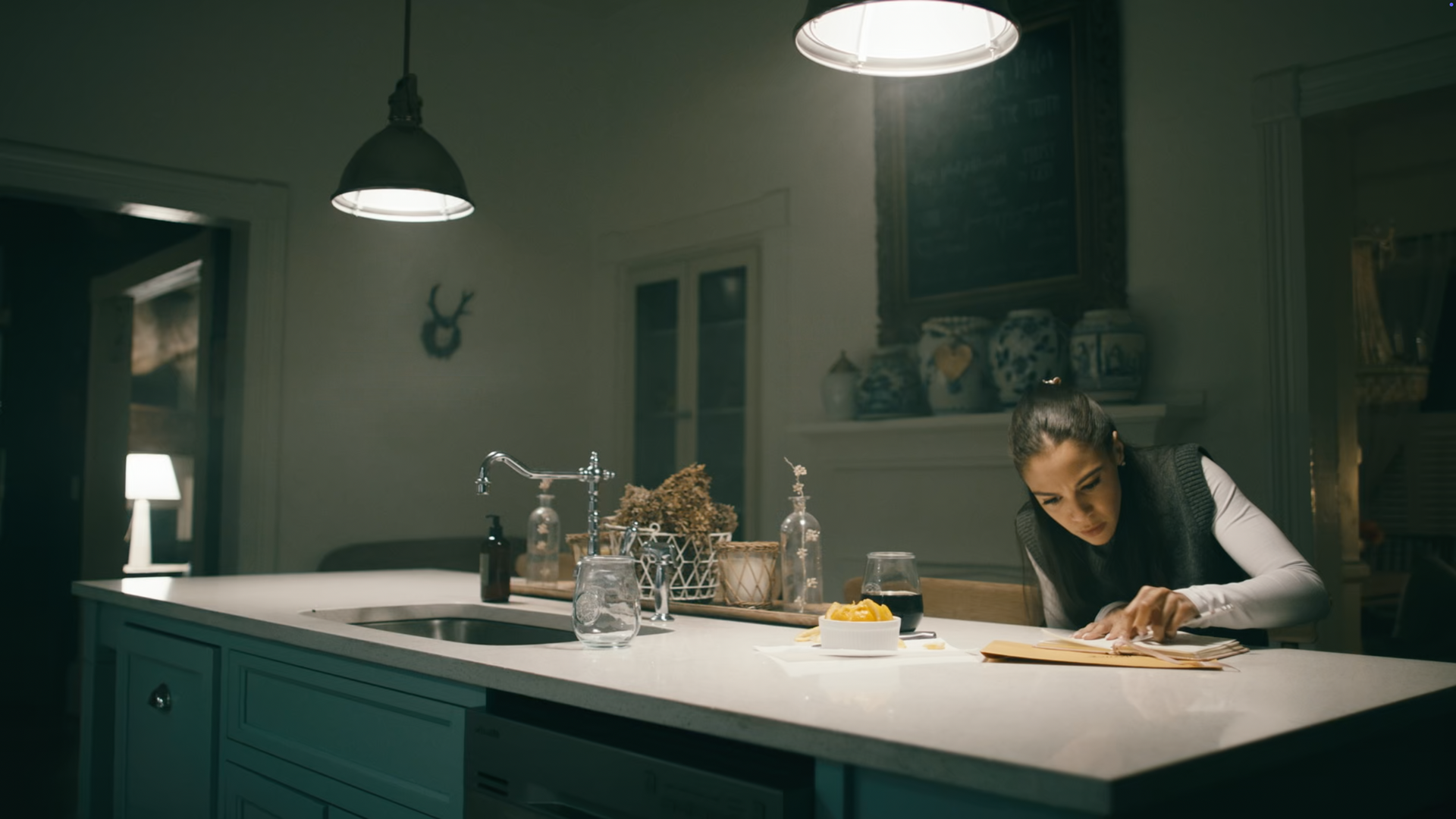
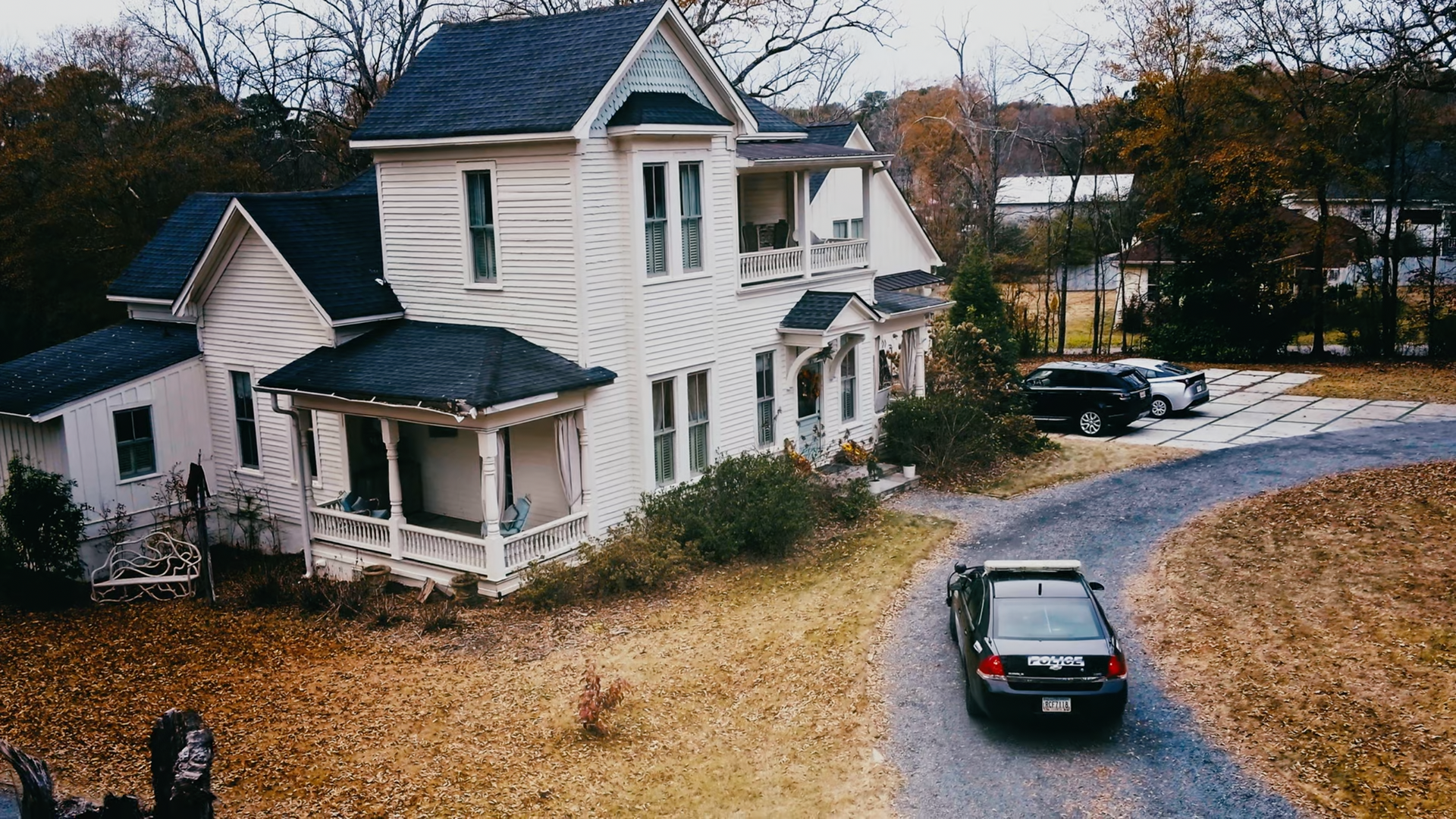
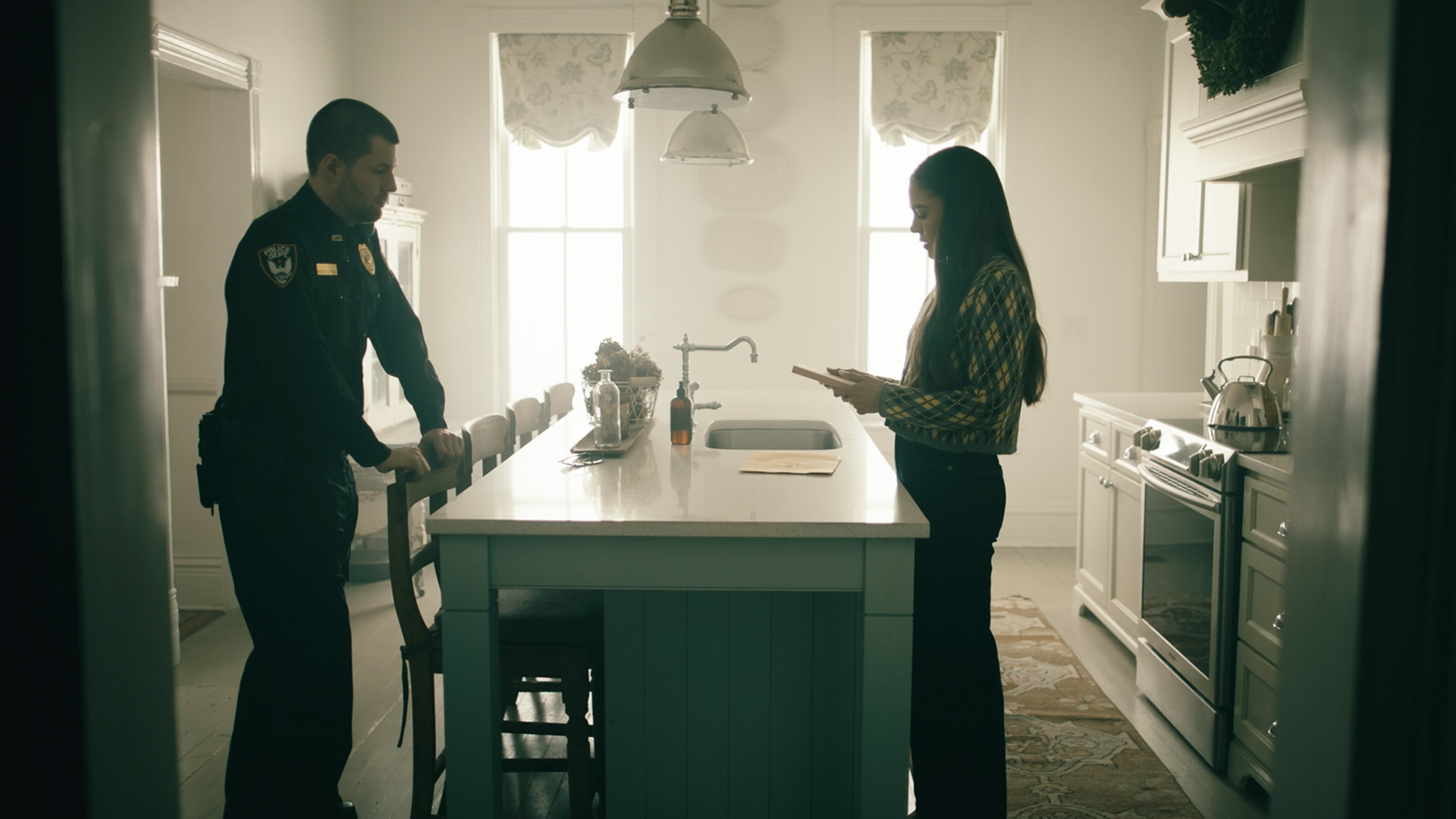
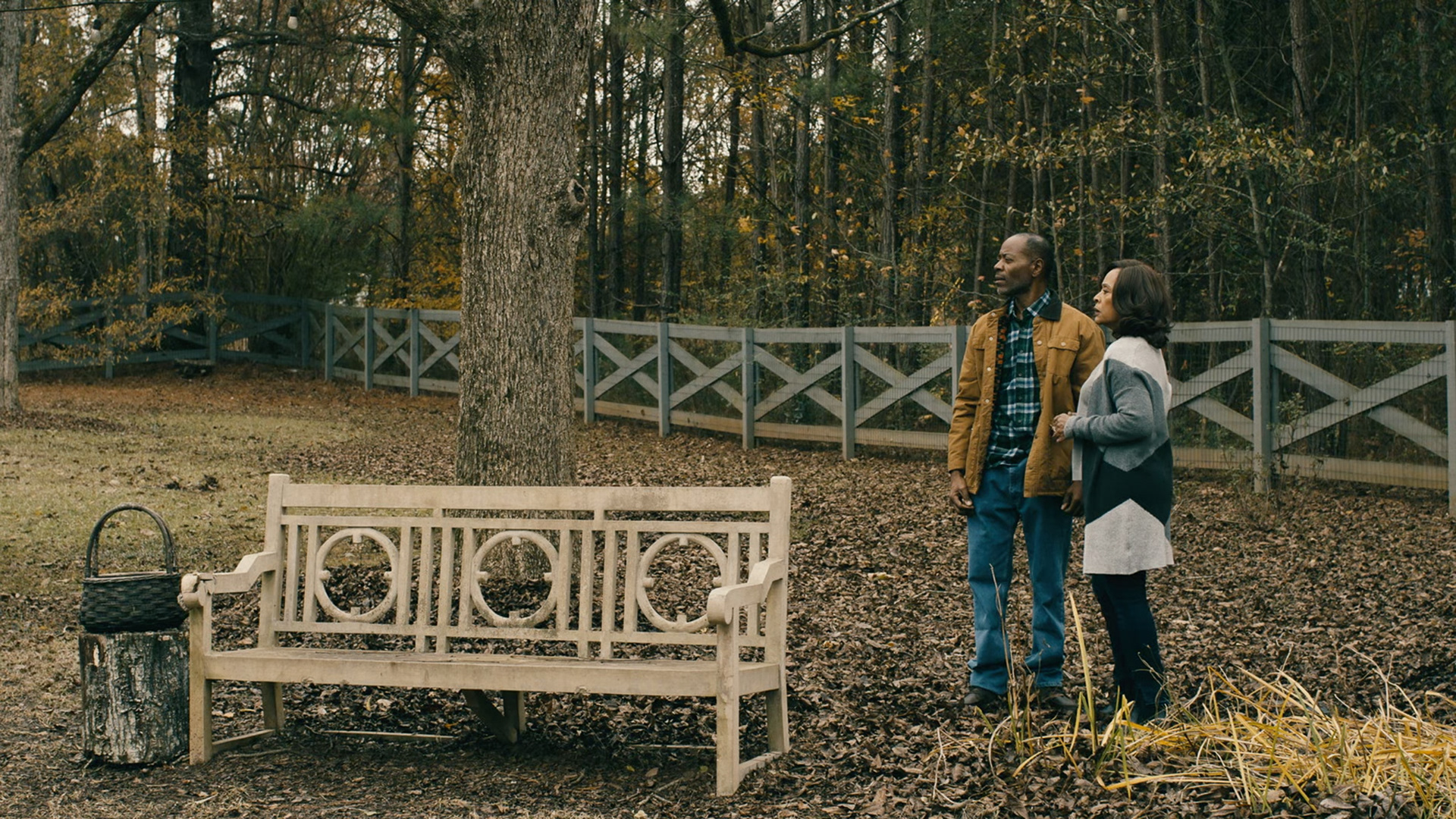
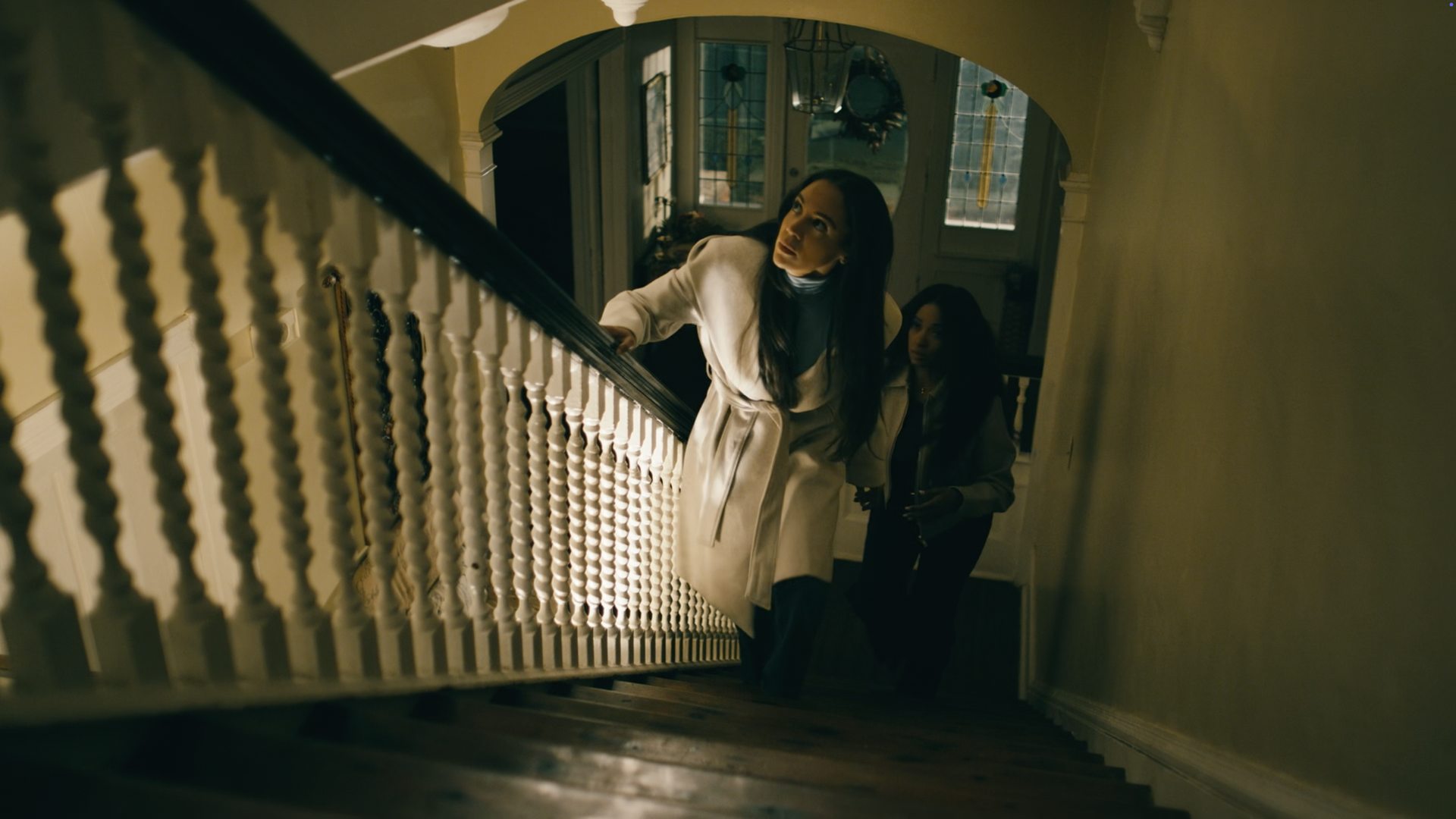
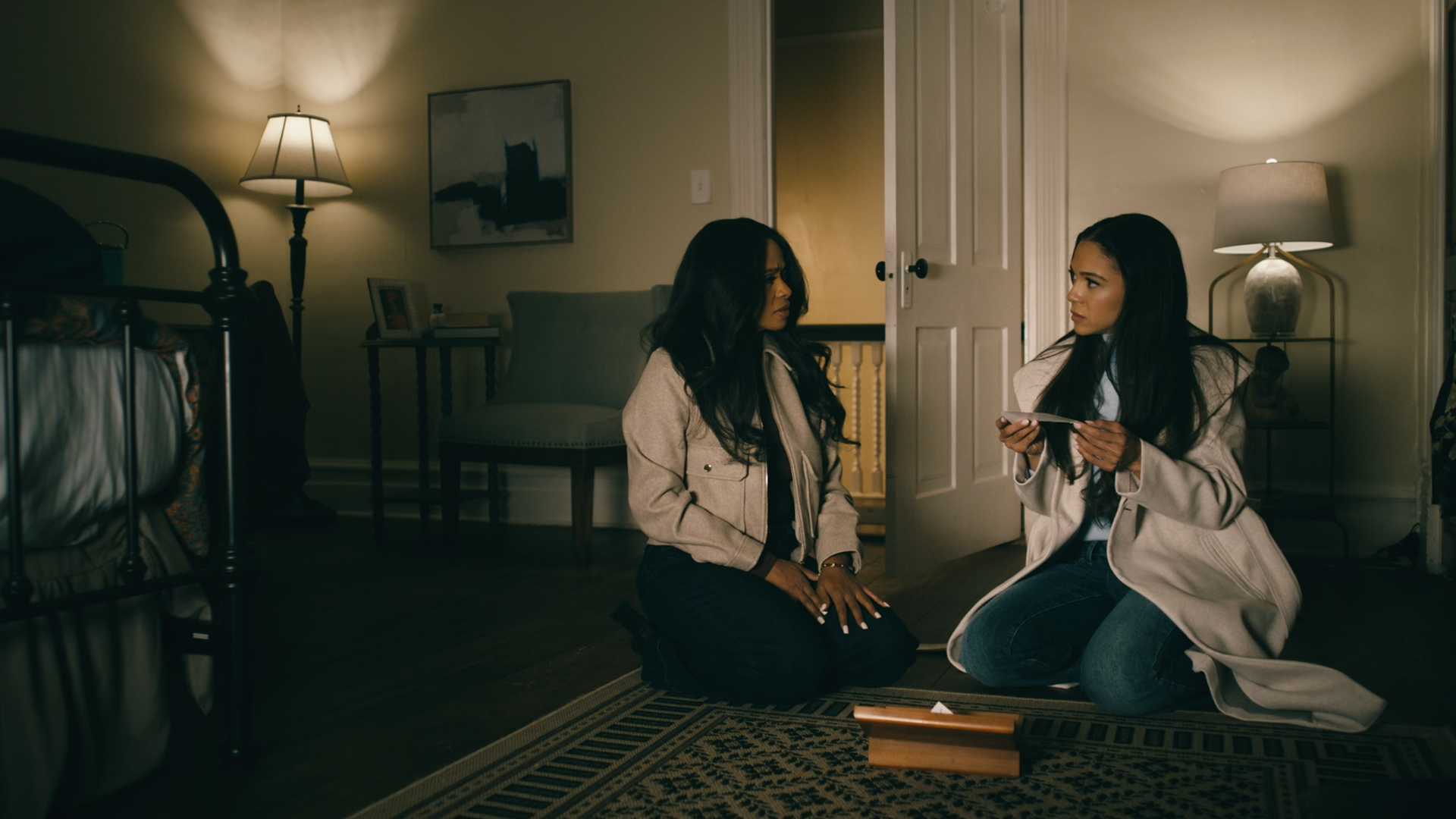
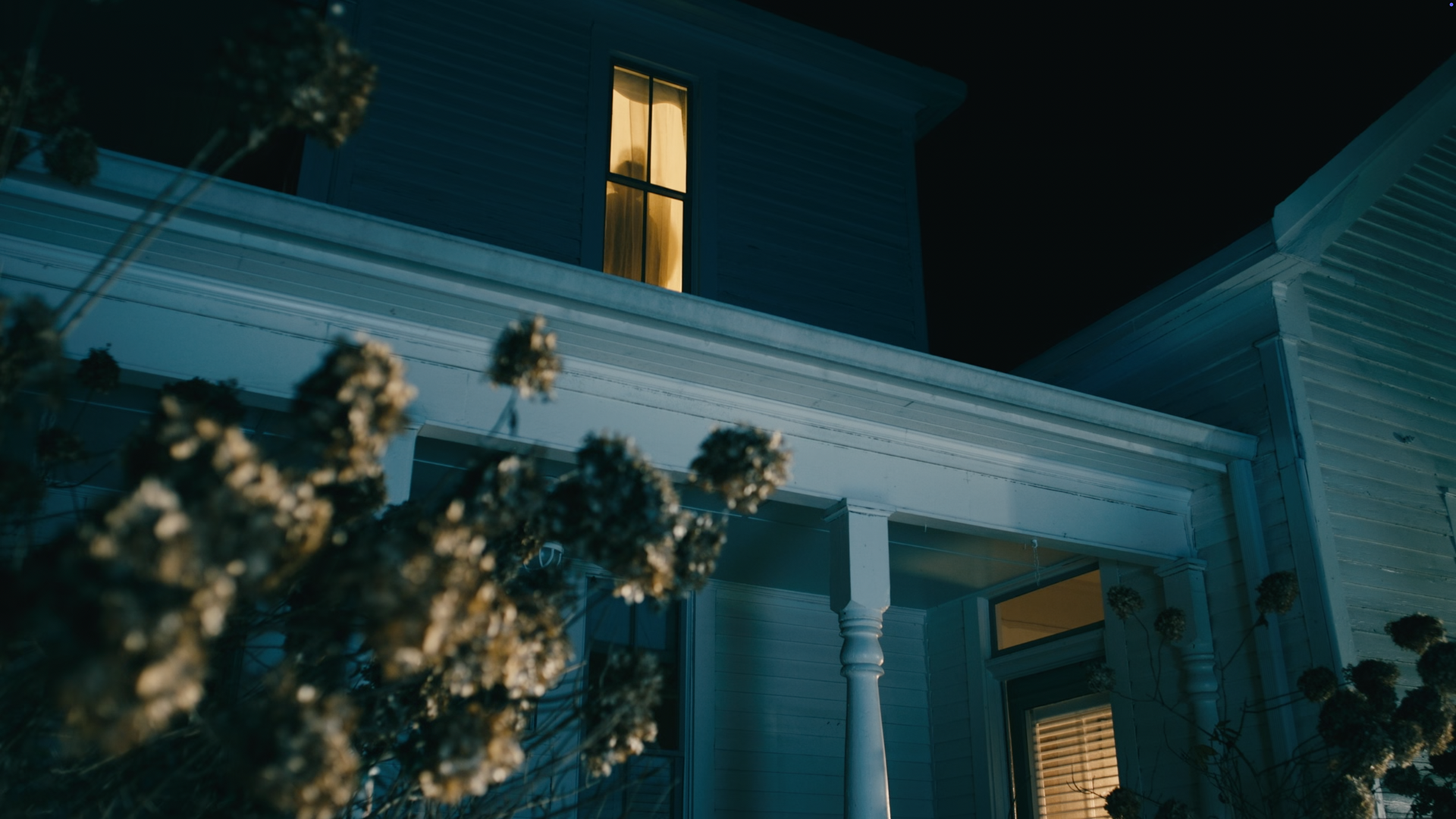
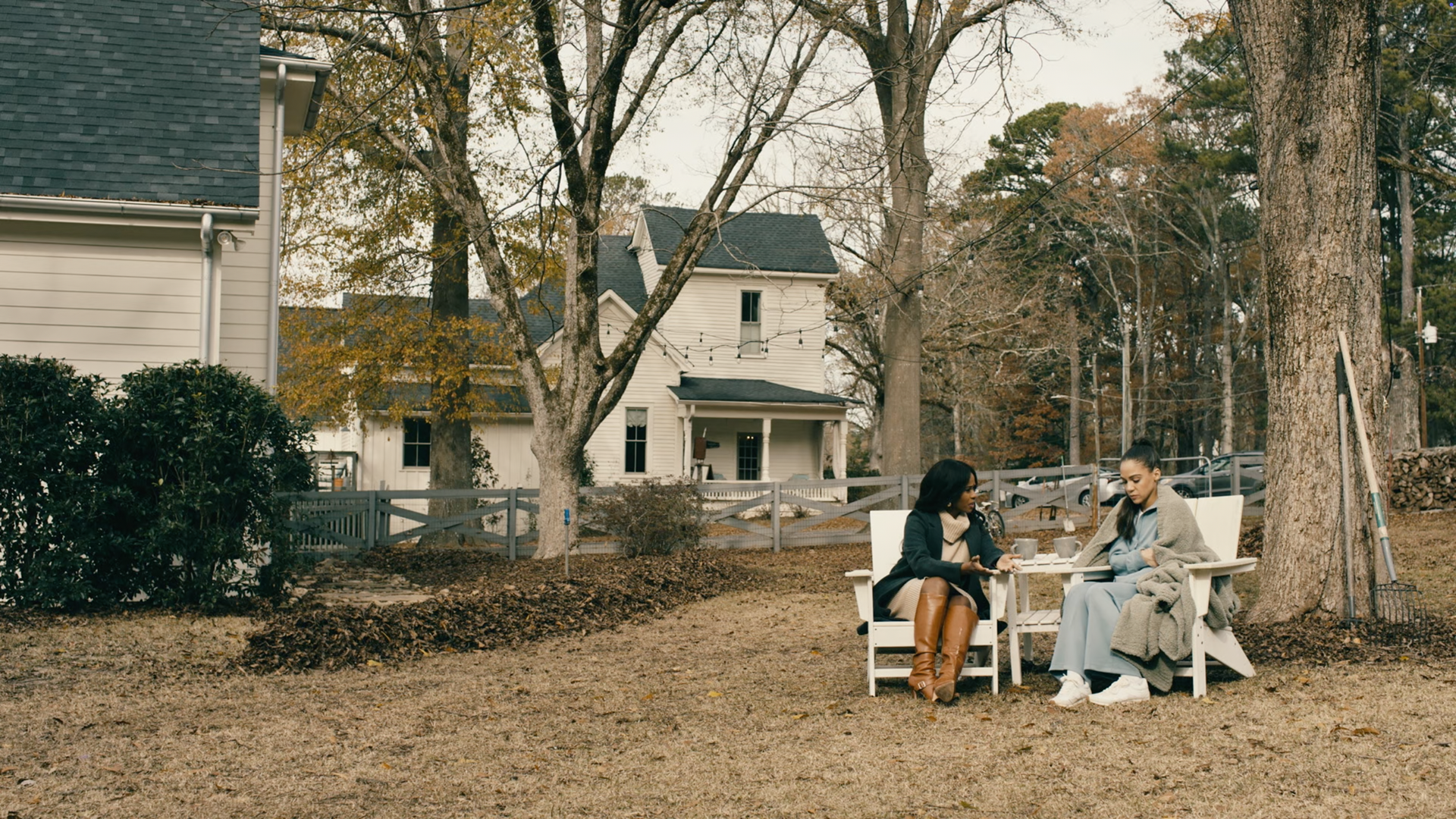
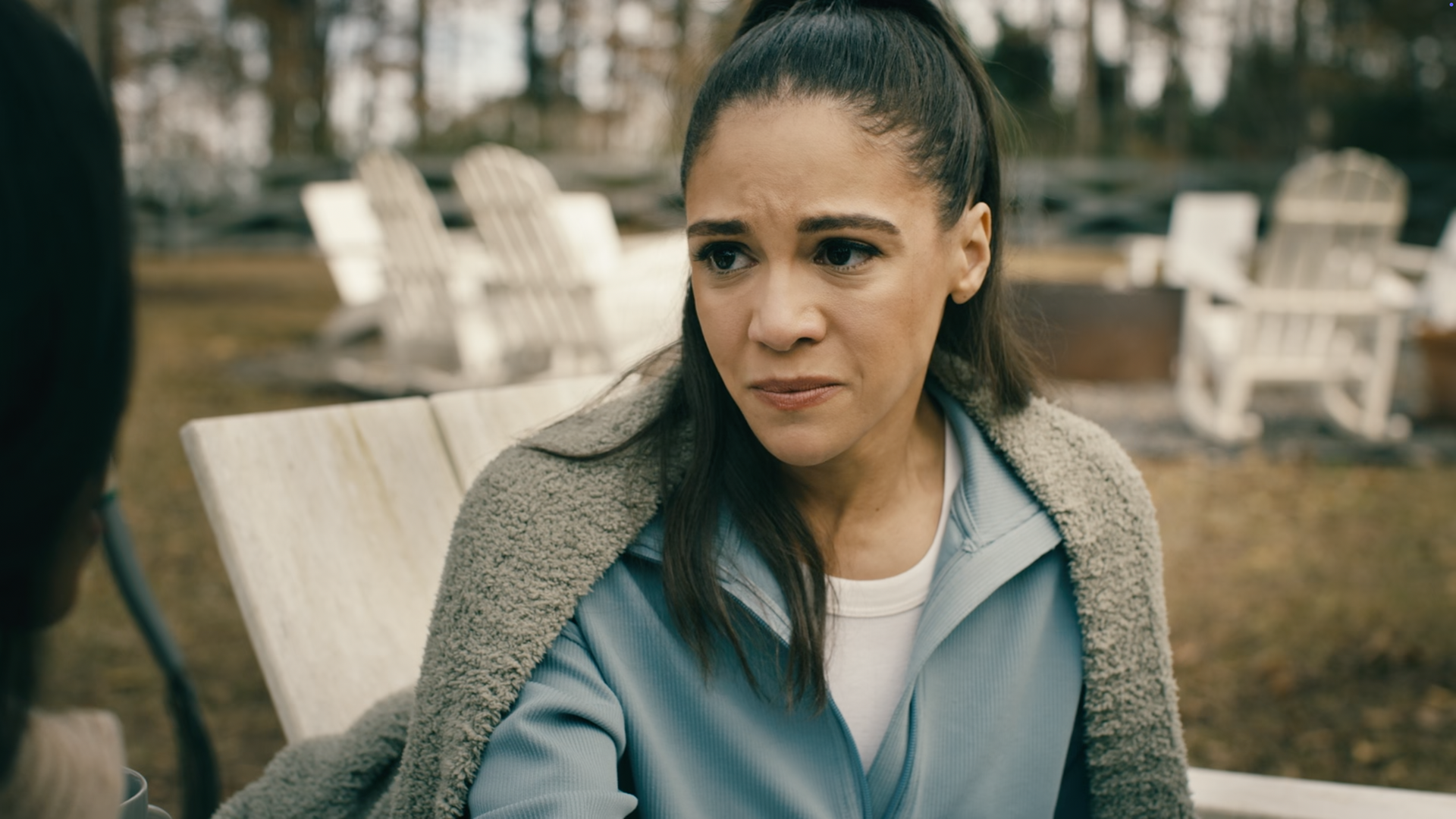
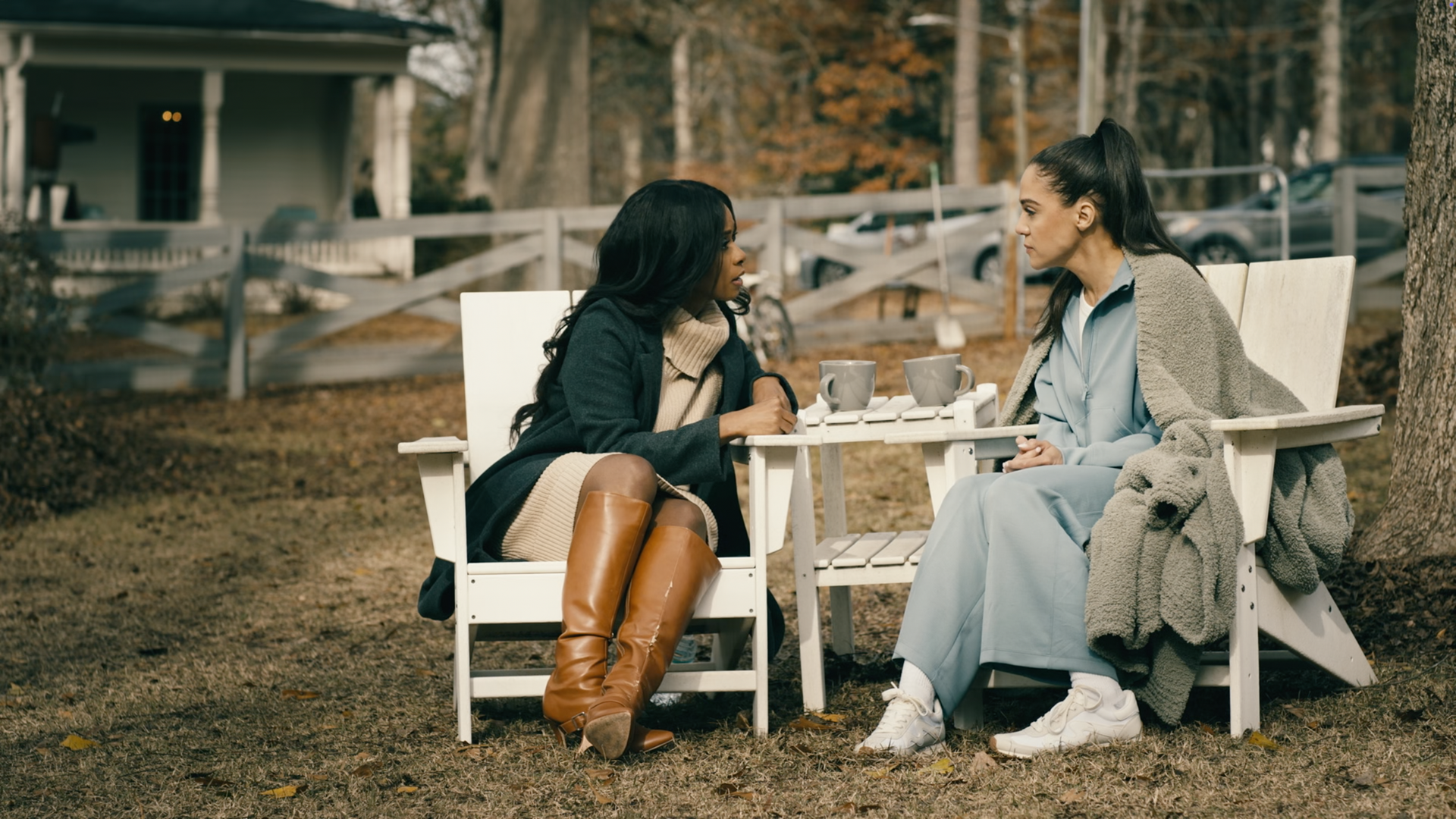
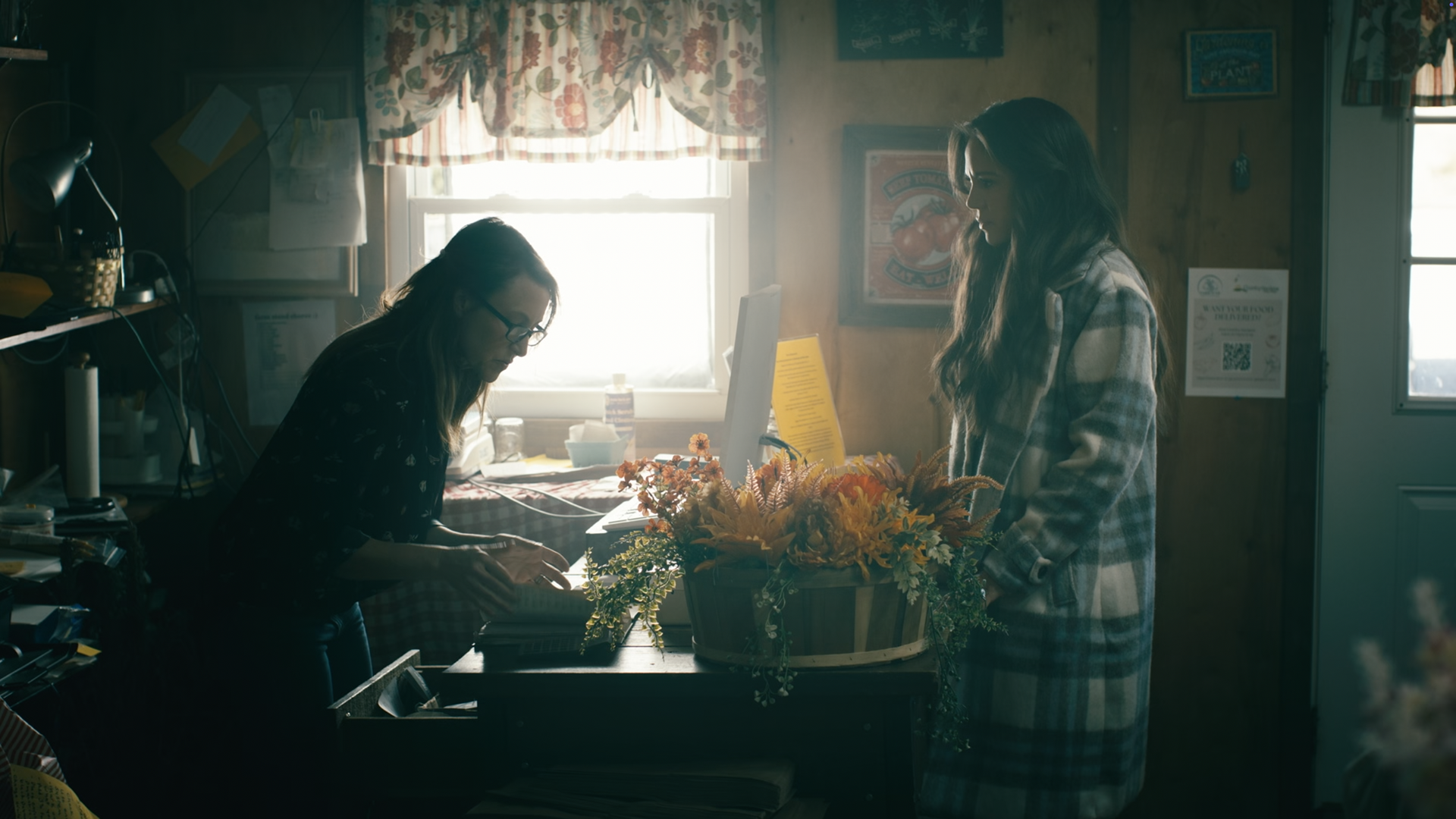
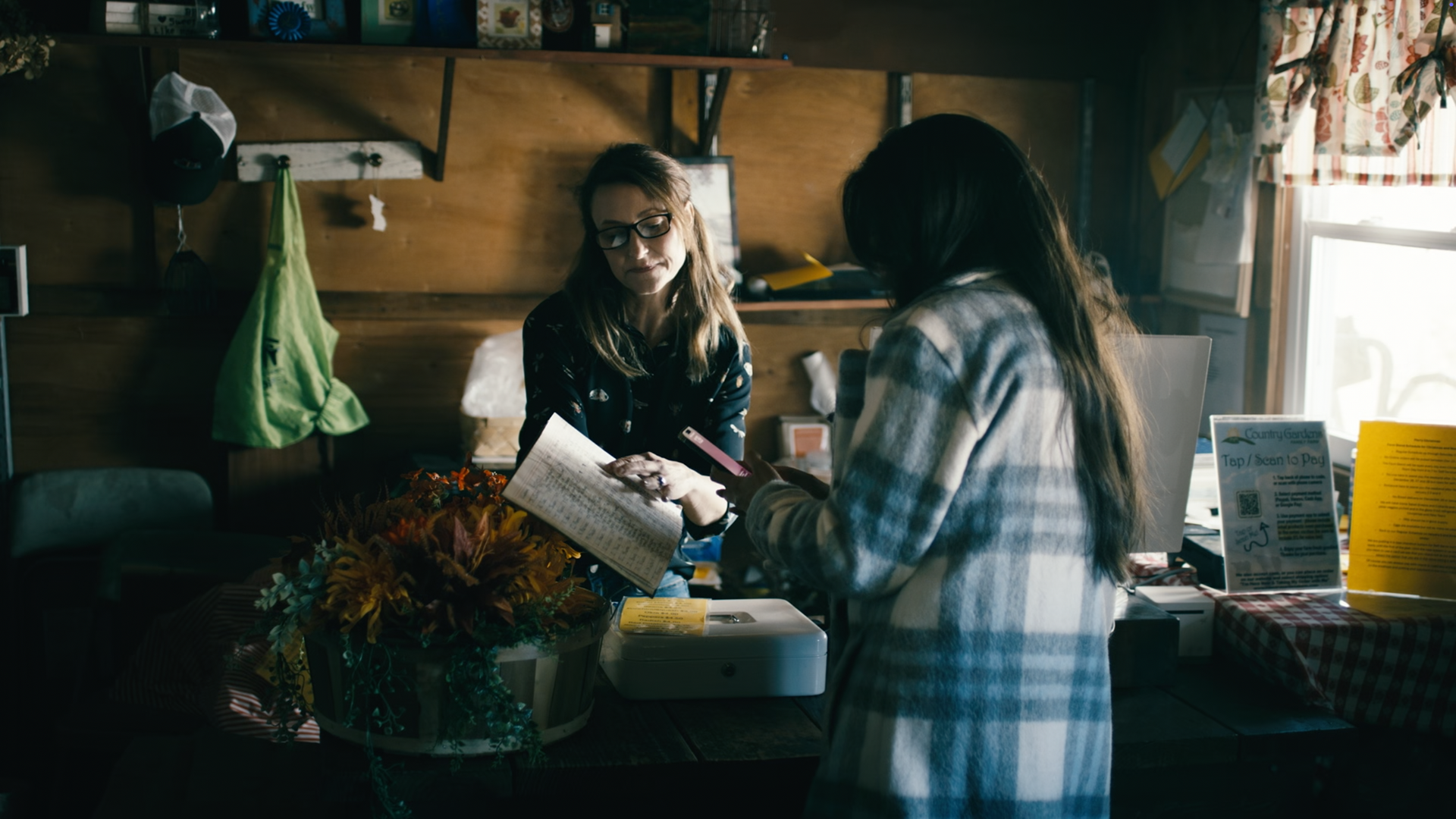
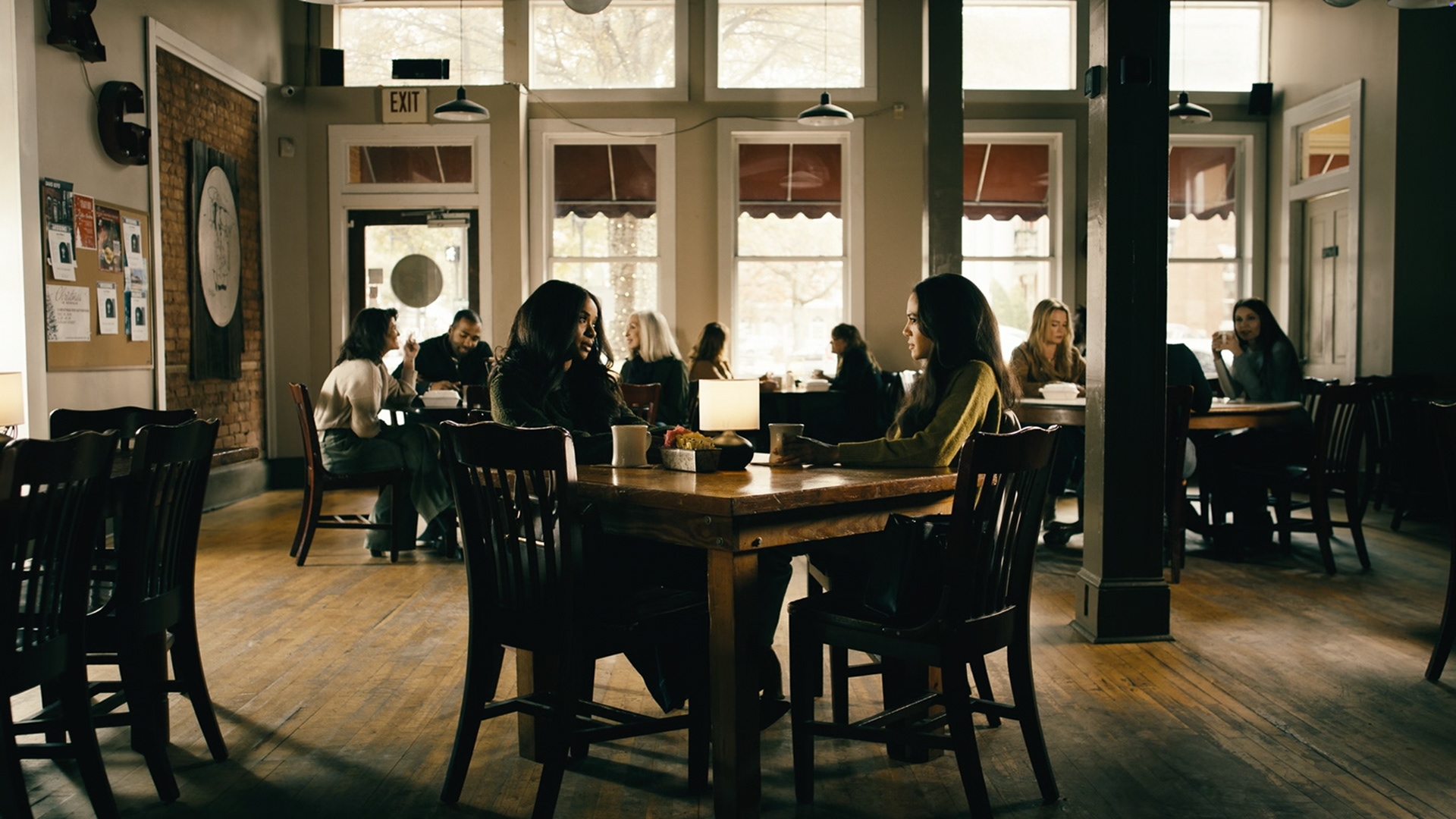
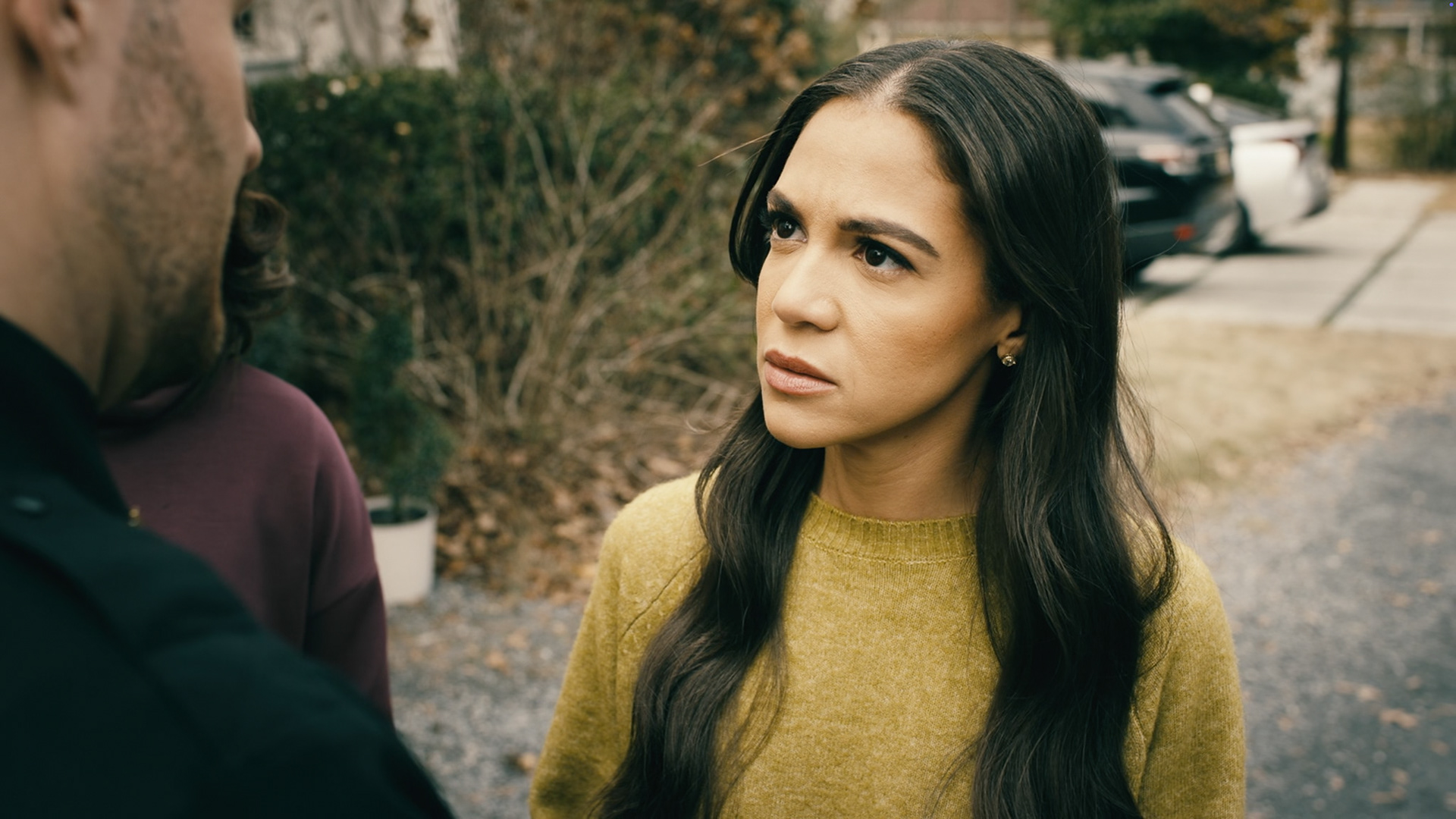
Visually, I wanted the world of the film to reflect that emotional divide. The protagonist’s carefully controlled city life contrasts sharply with the more emotionally layered environment of her hometown—warmth versus polish, history versus reinvention, emotional complexity versus emotional control. Architecture, locations, seasonal atmosphere, and color palette all became part of reinforcing those opposing worlds.
I was also especially interested in maintaining a strong sense of connective flow throughout the storytelling. Transitional imagery, movement, and tonal continuity were carefully designed to keep the film emotionally alive and constantly moving forward rather than feeling segmented scene-to-scene.
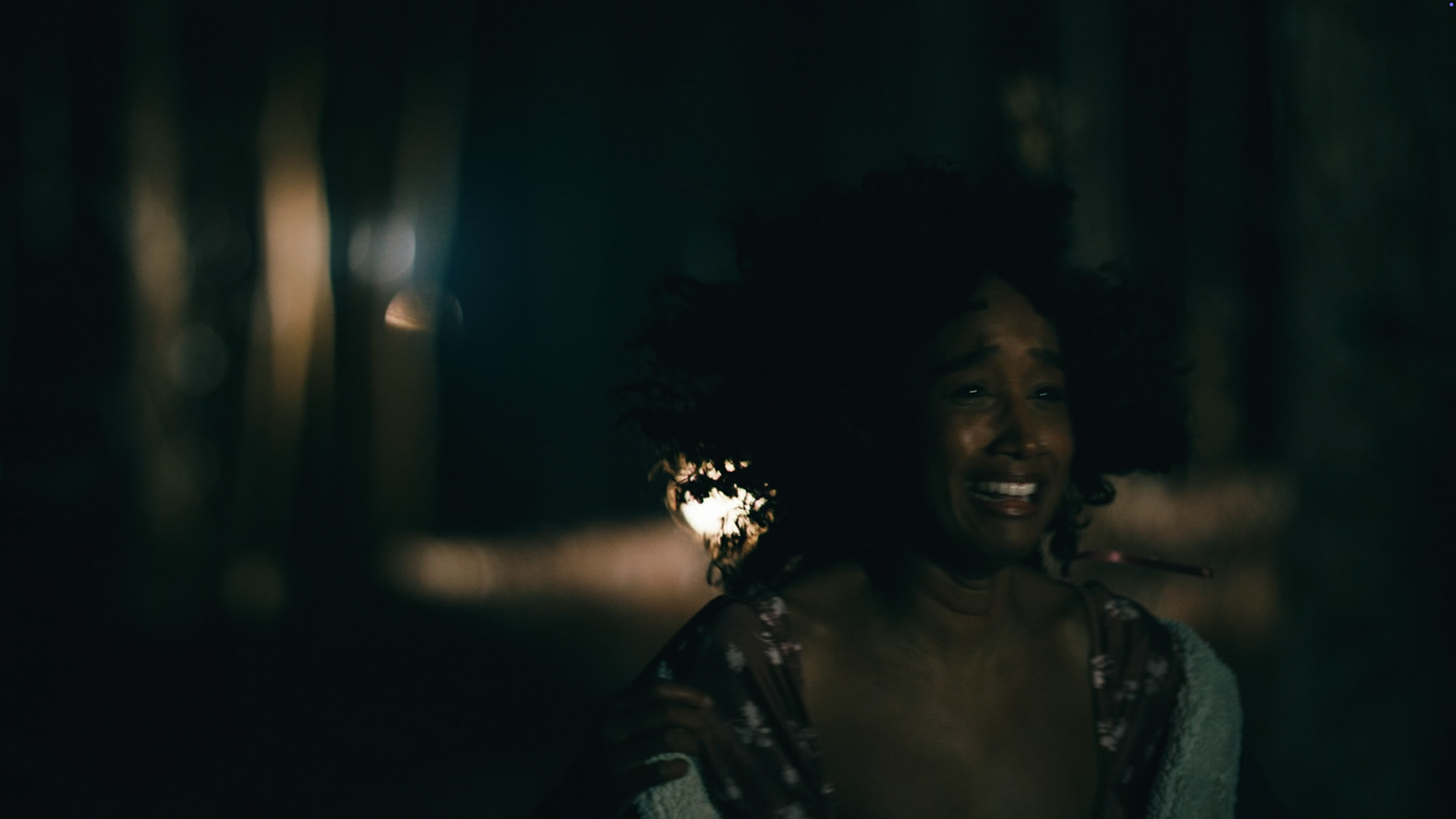
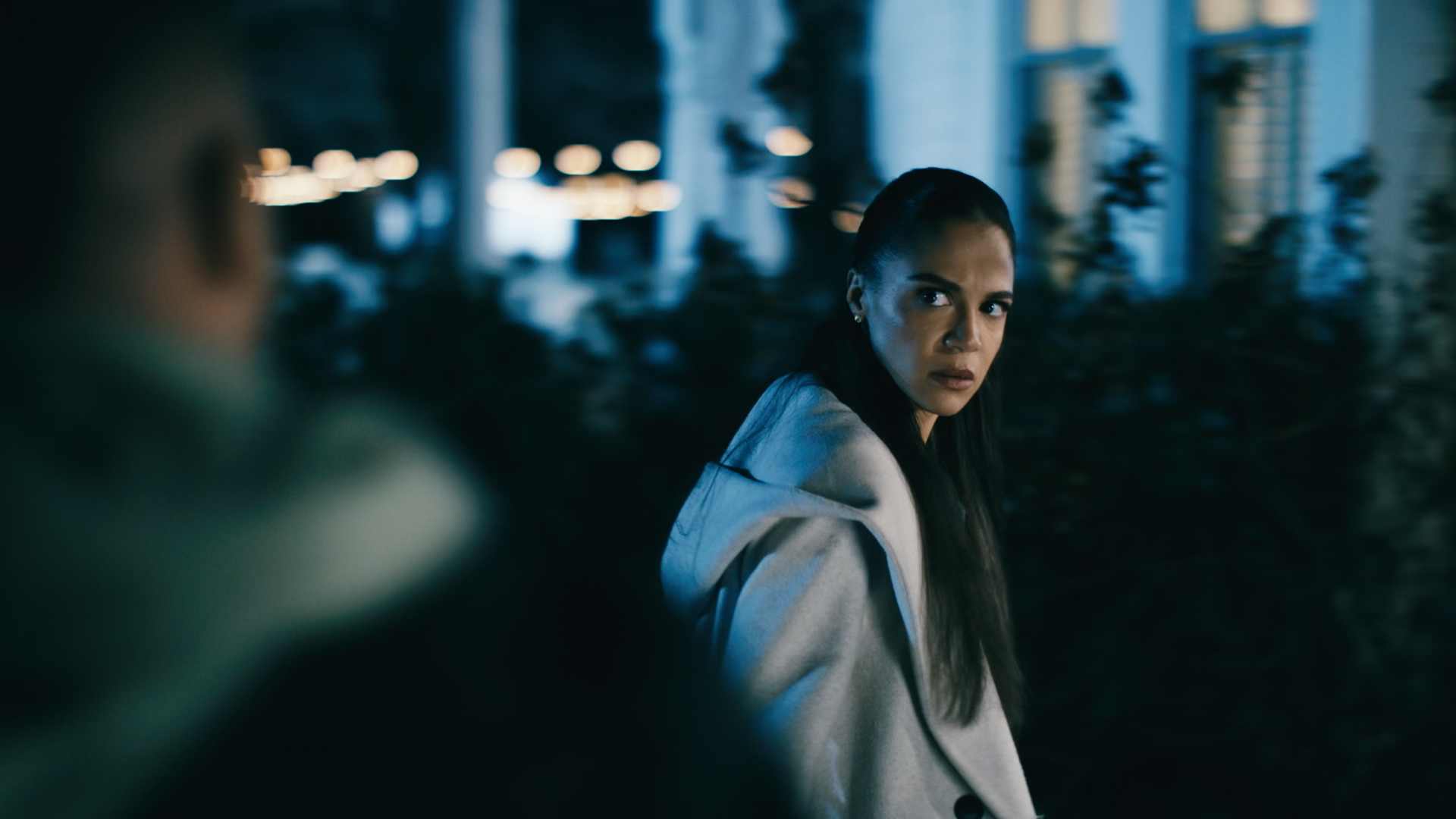
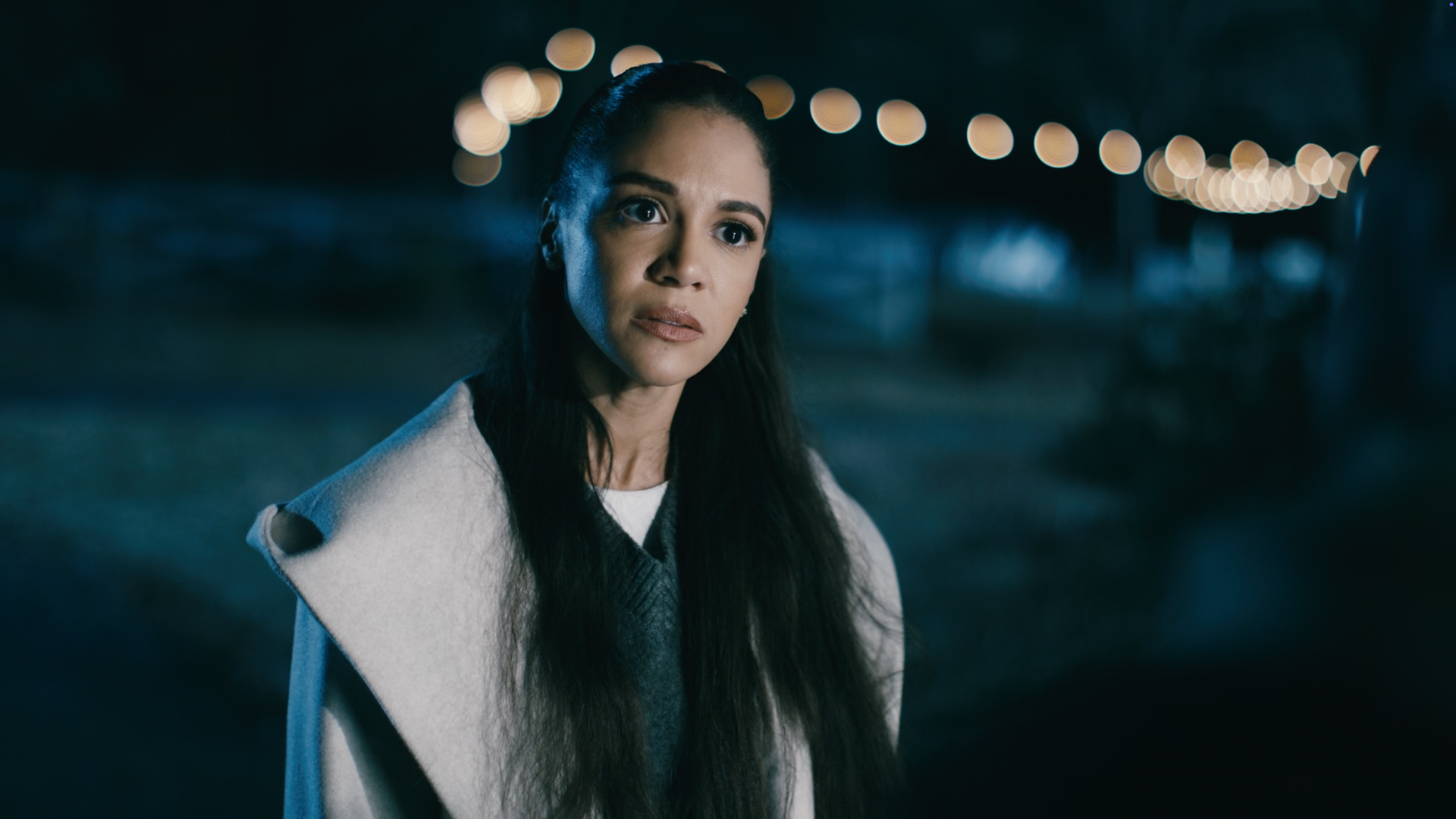
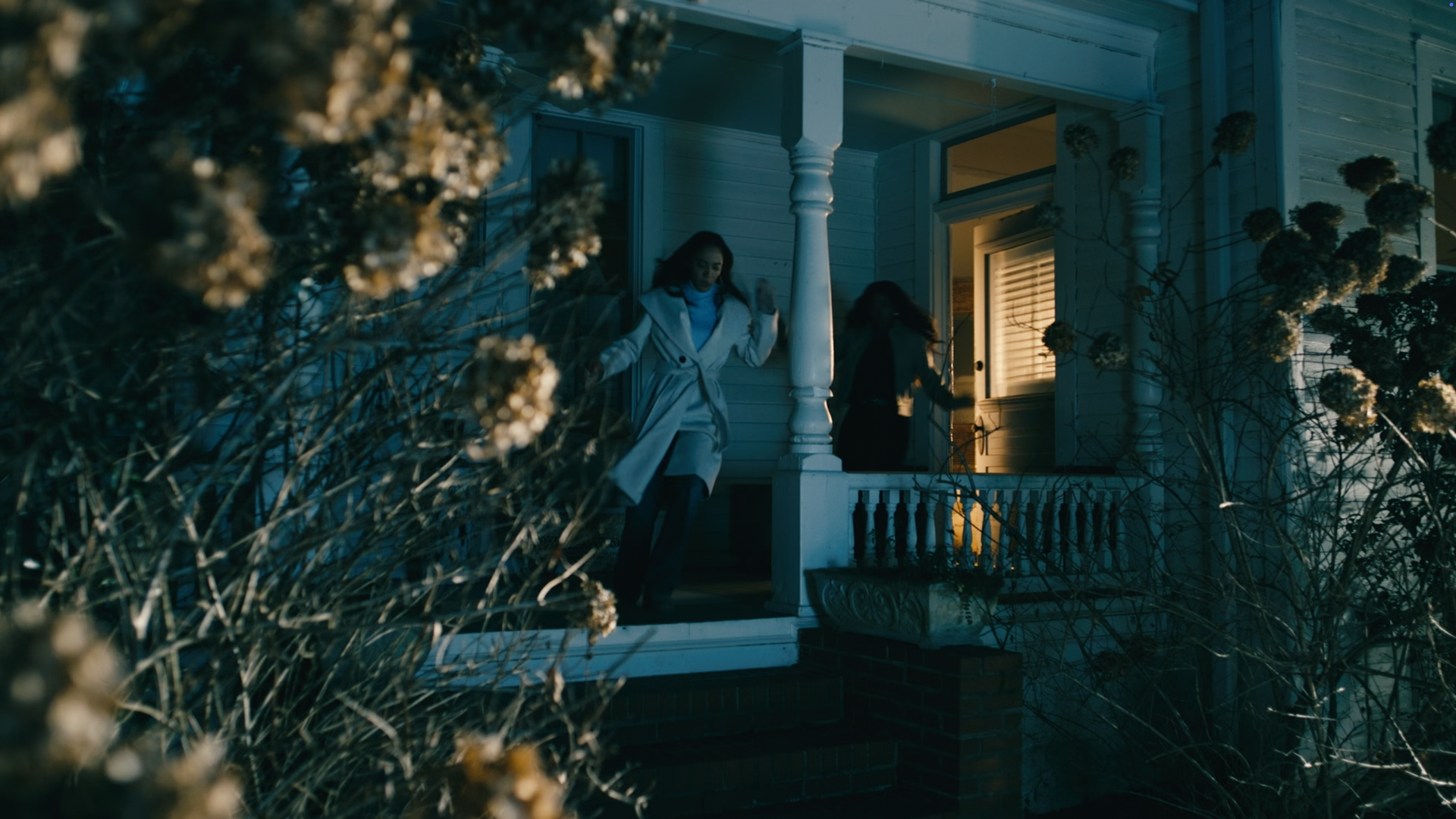
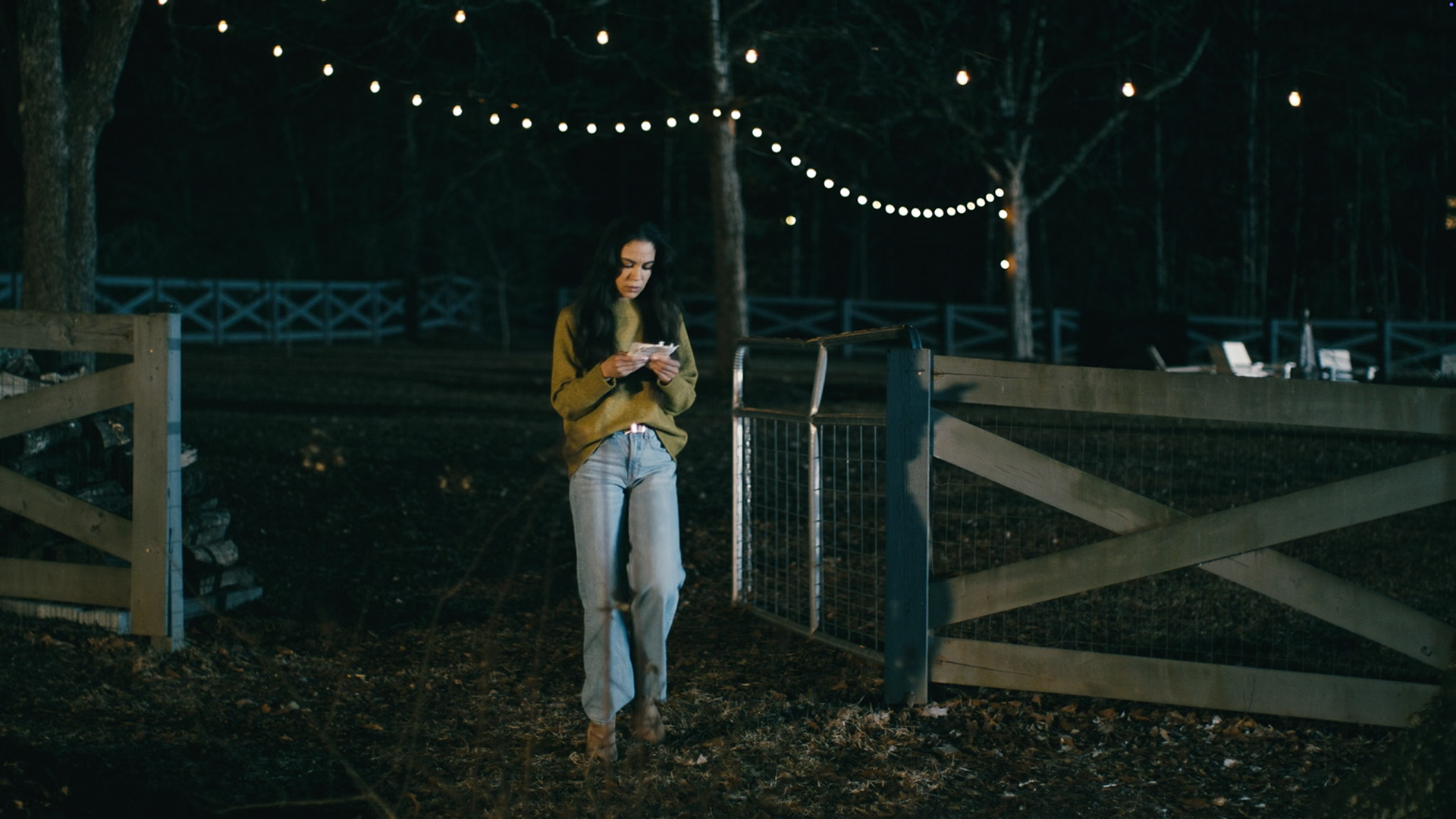
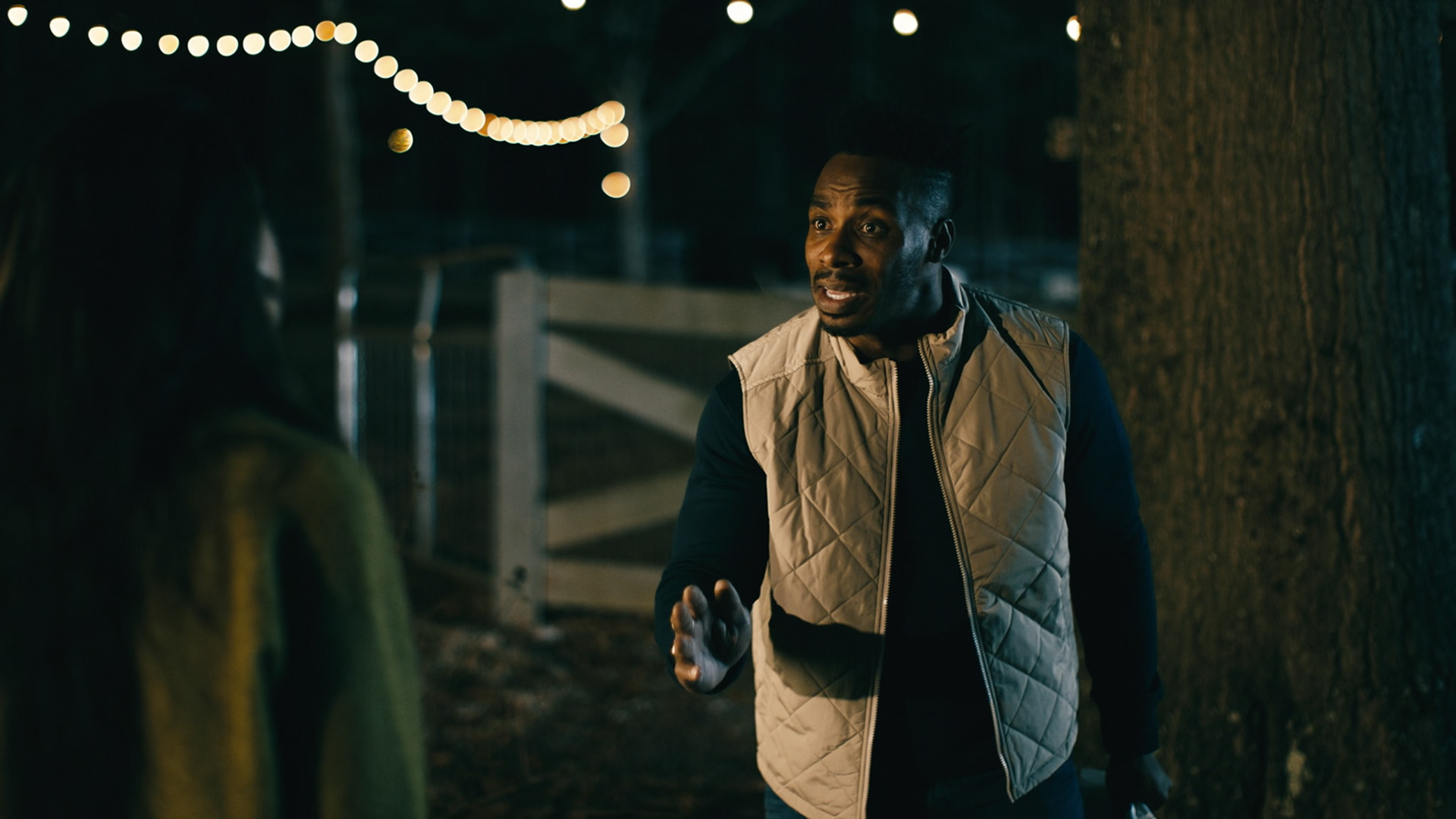
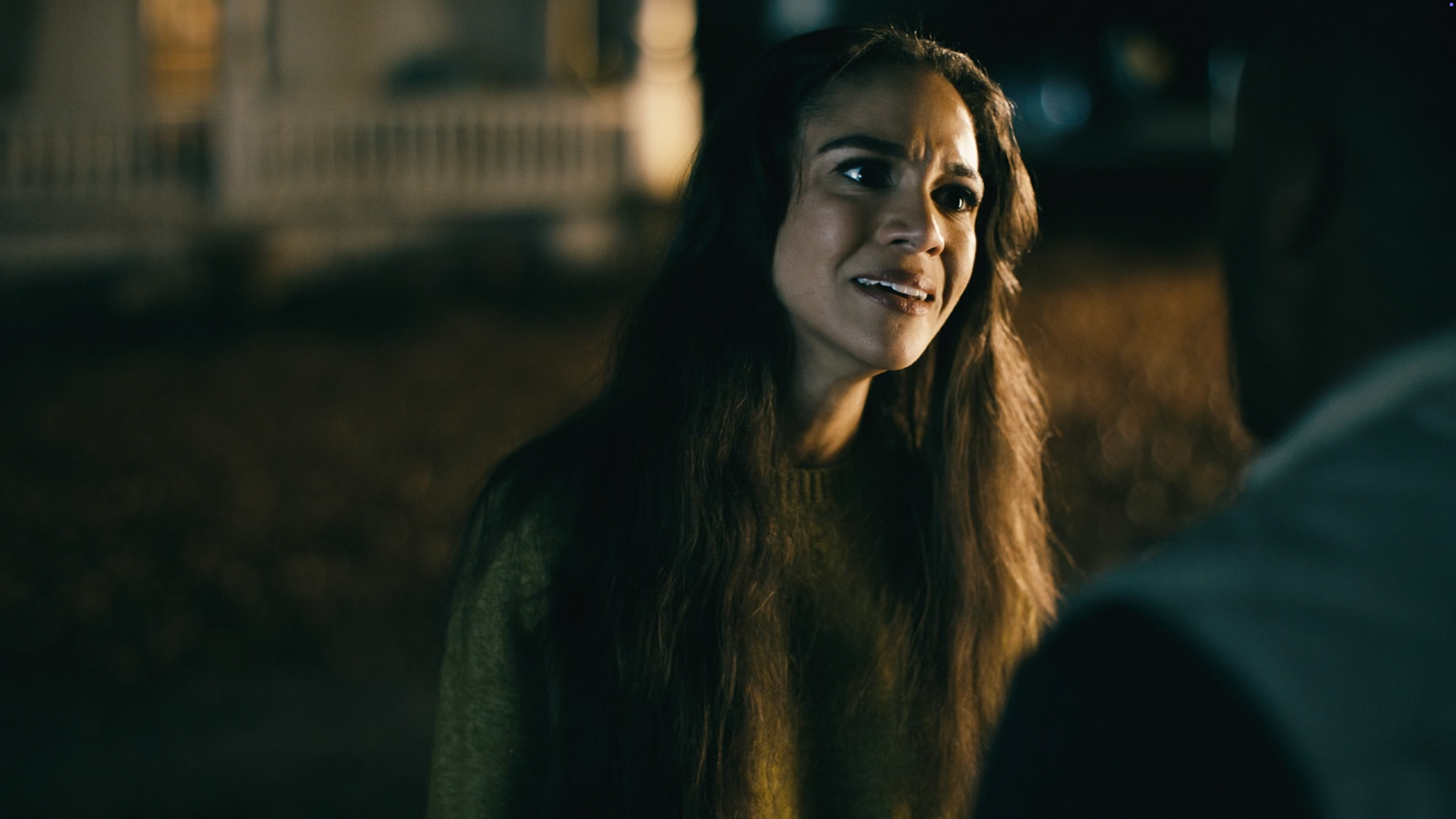
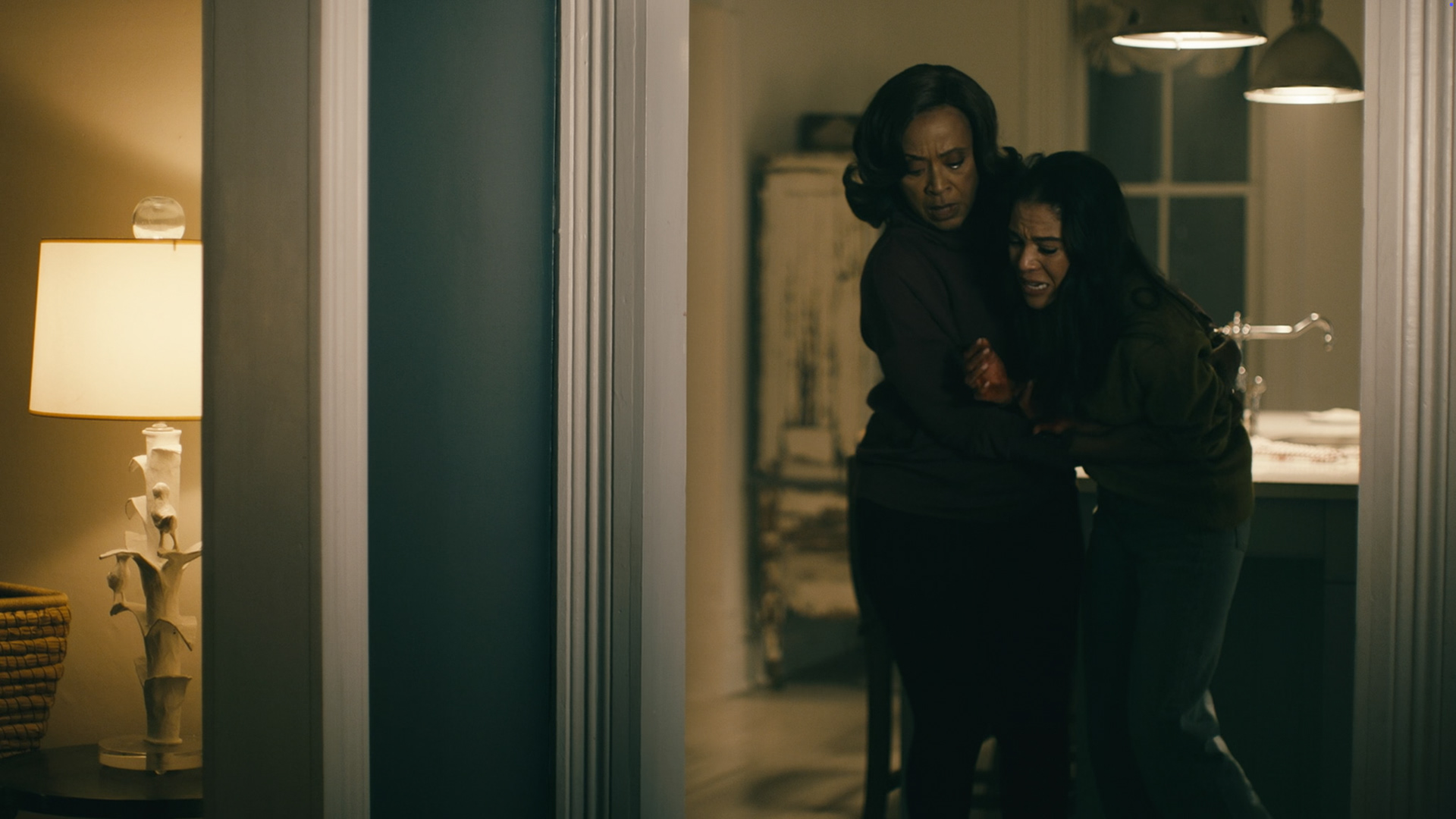
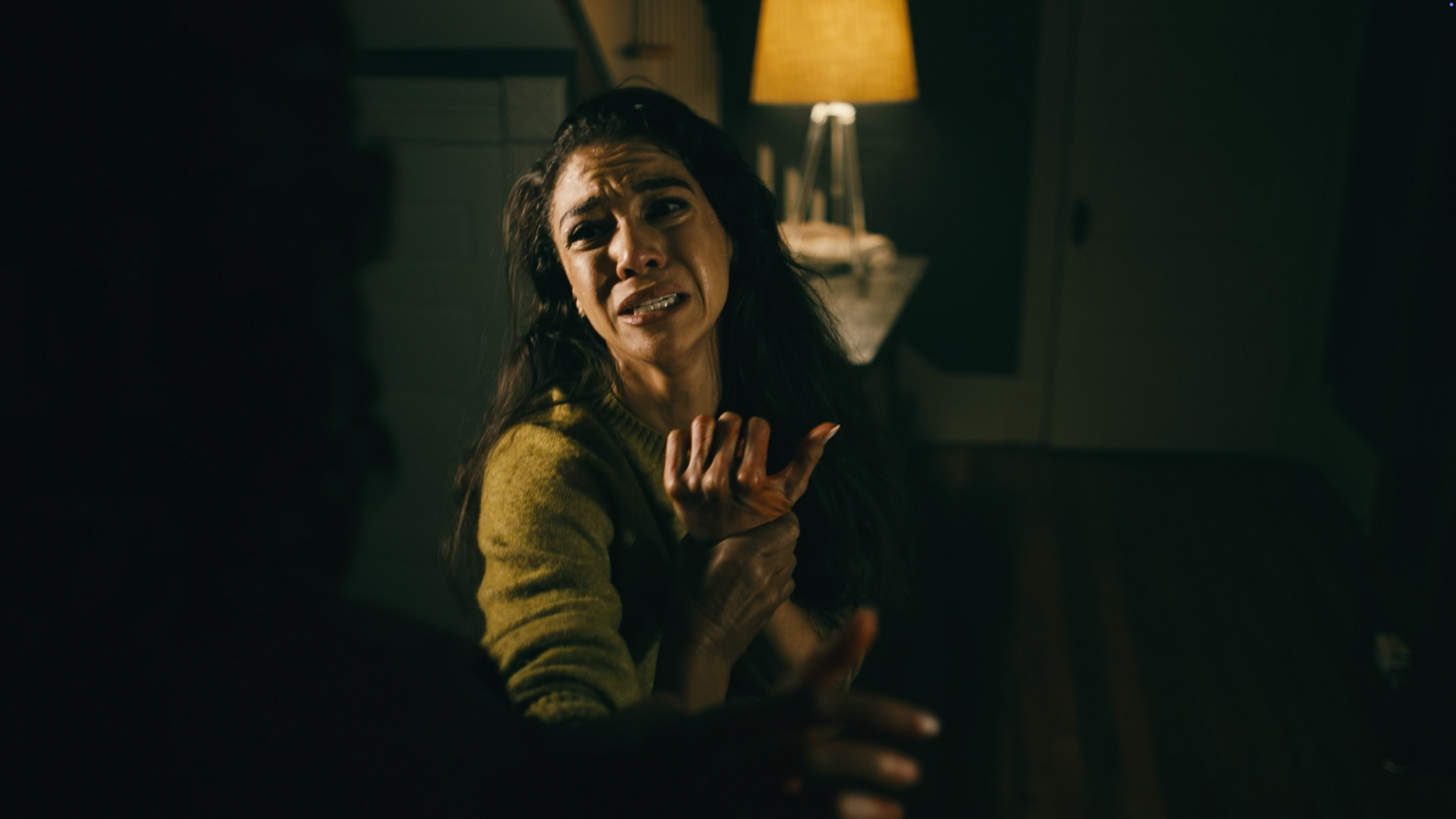
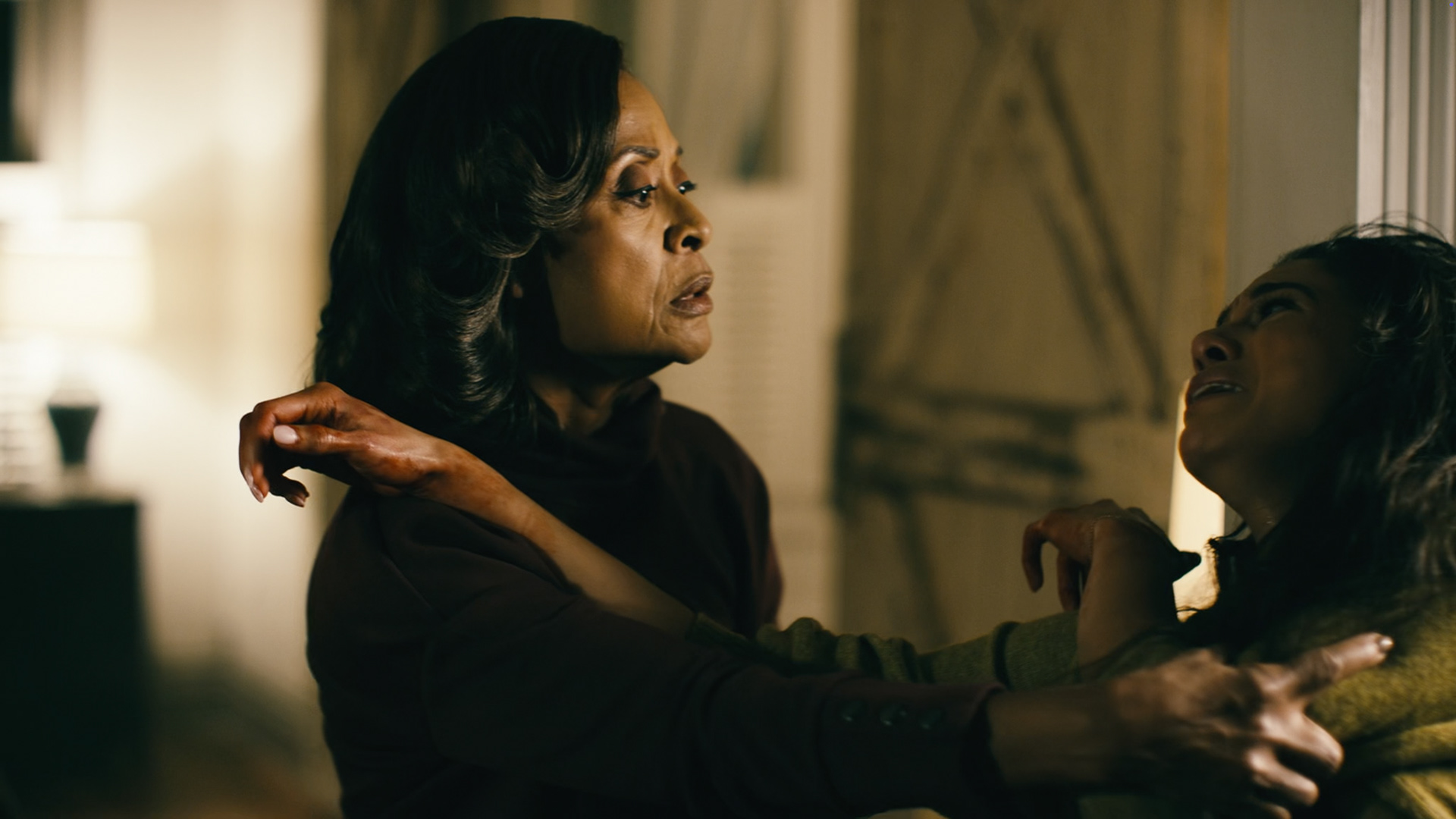
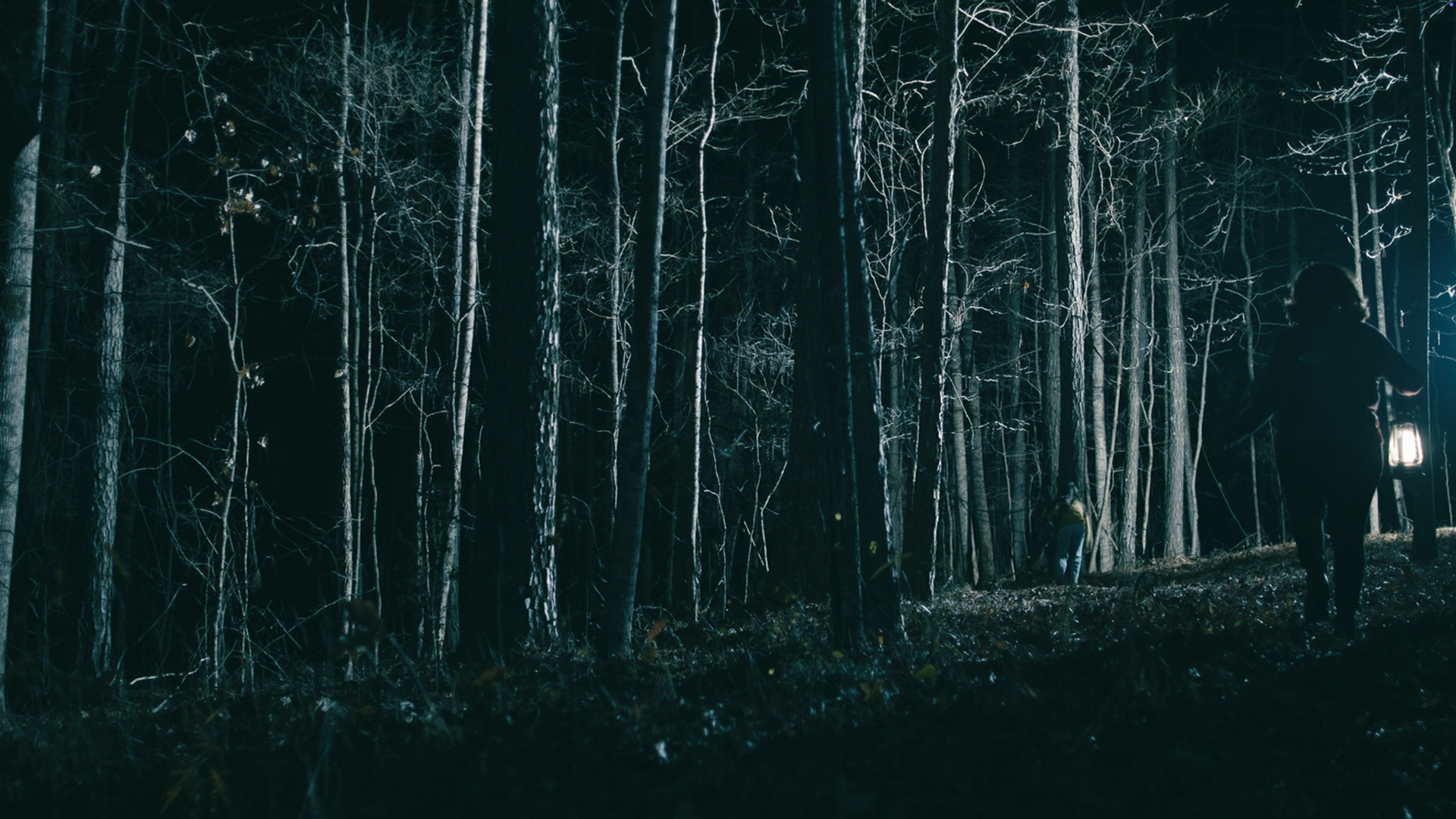
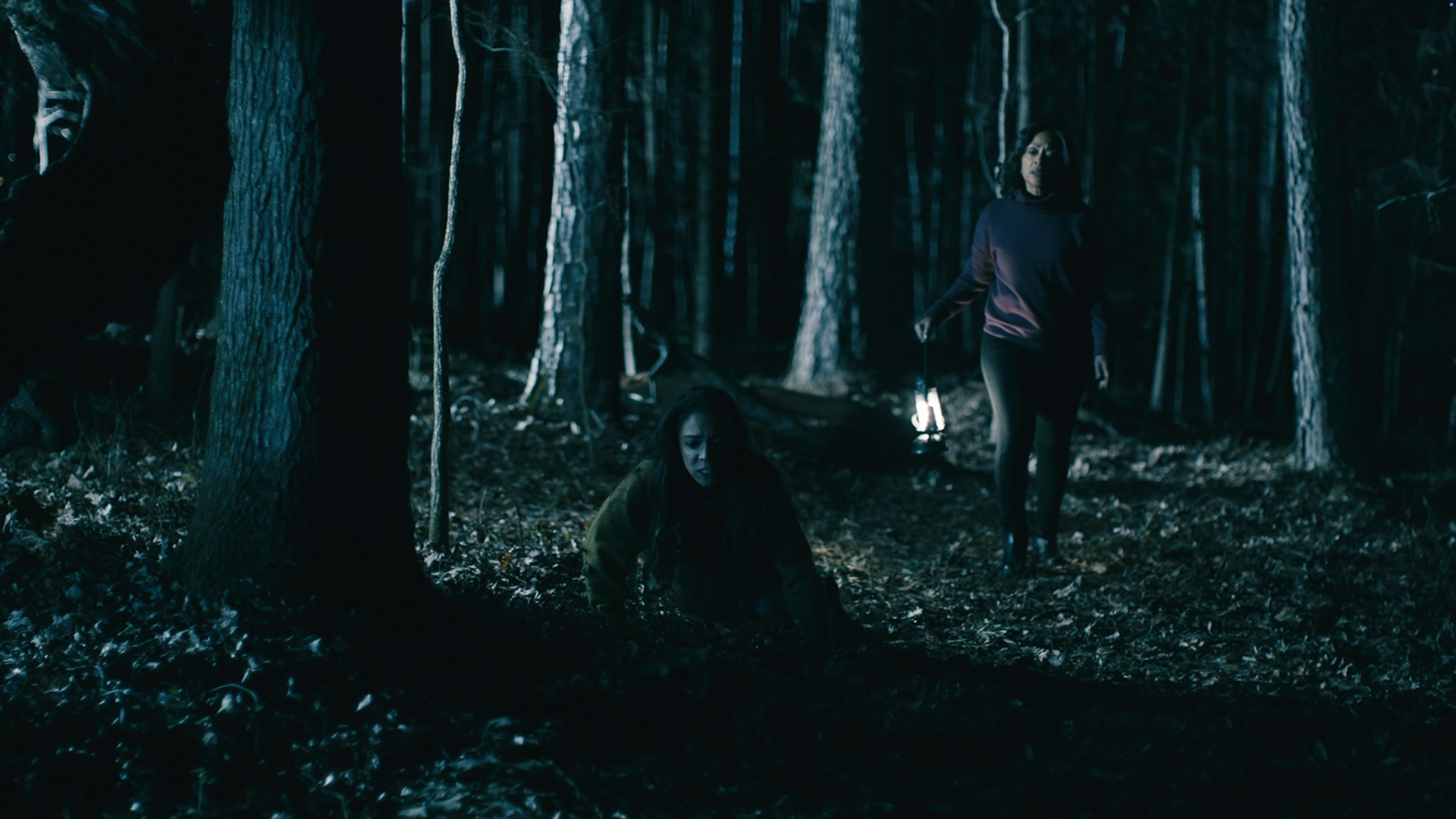
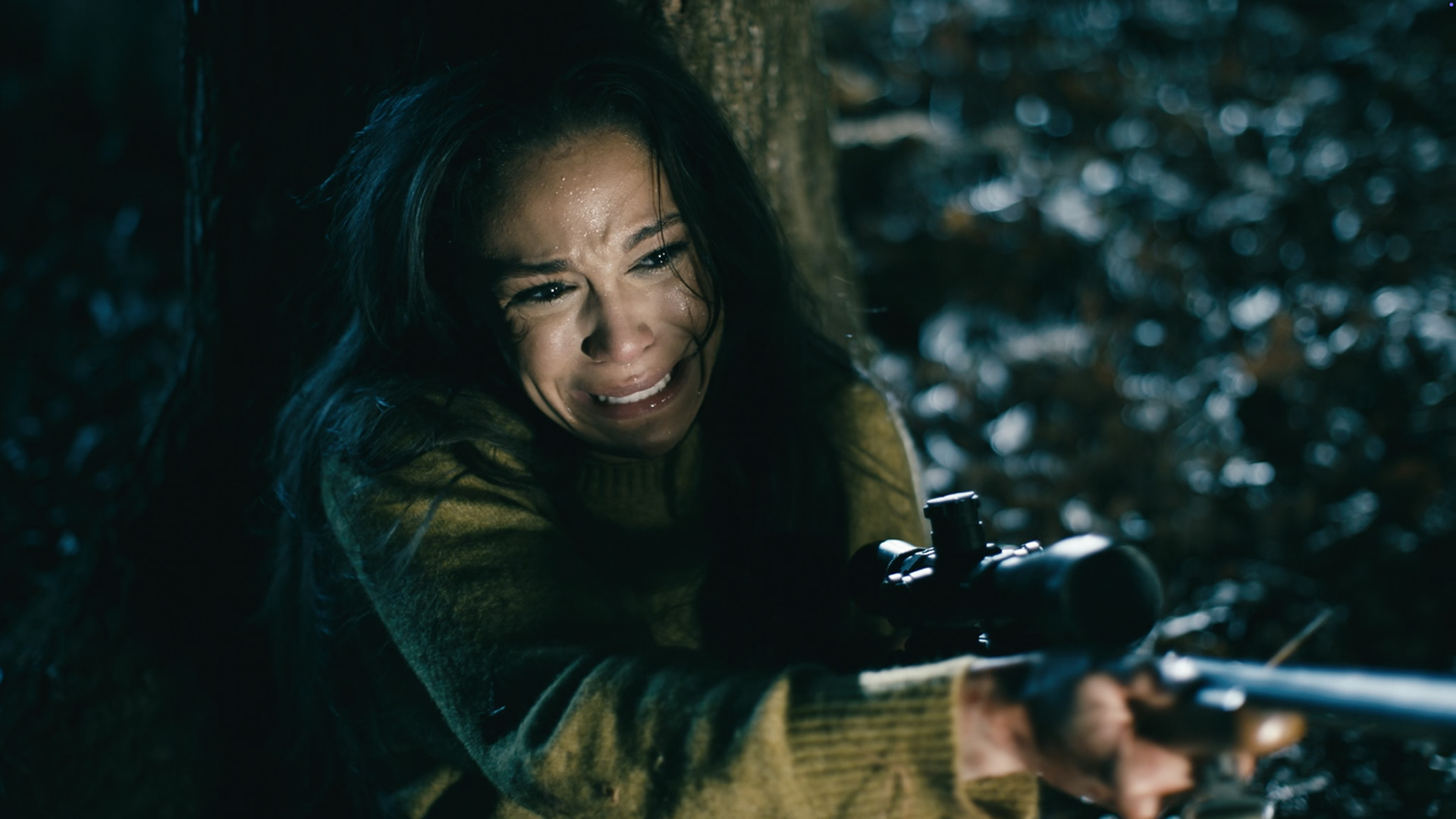
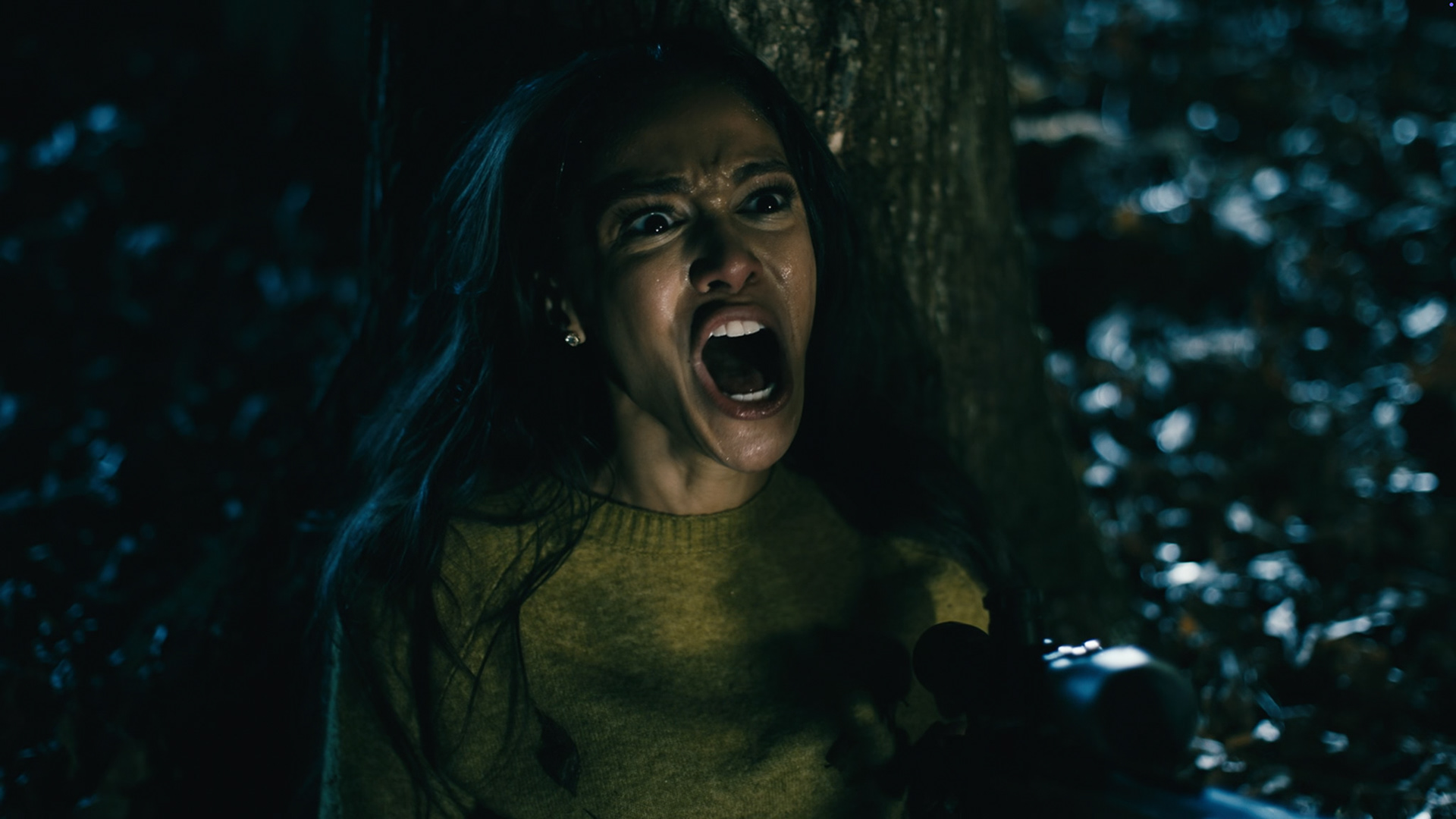
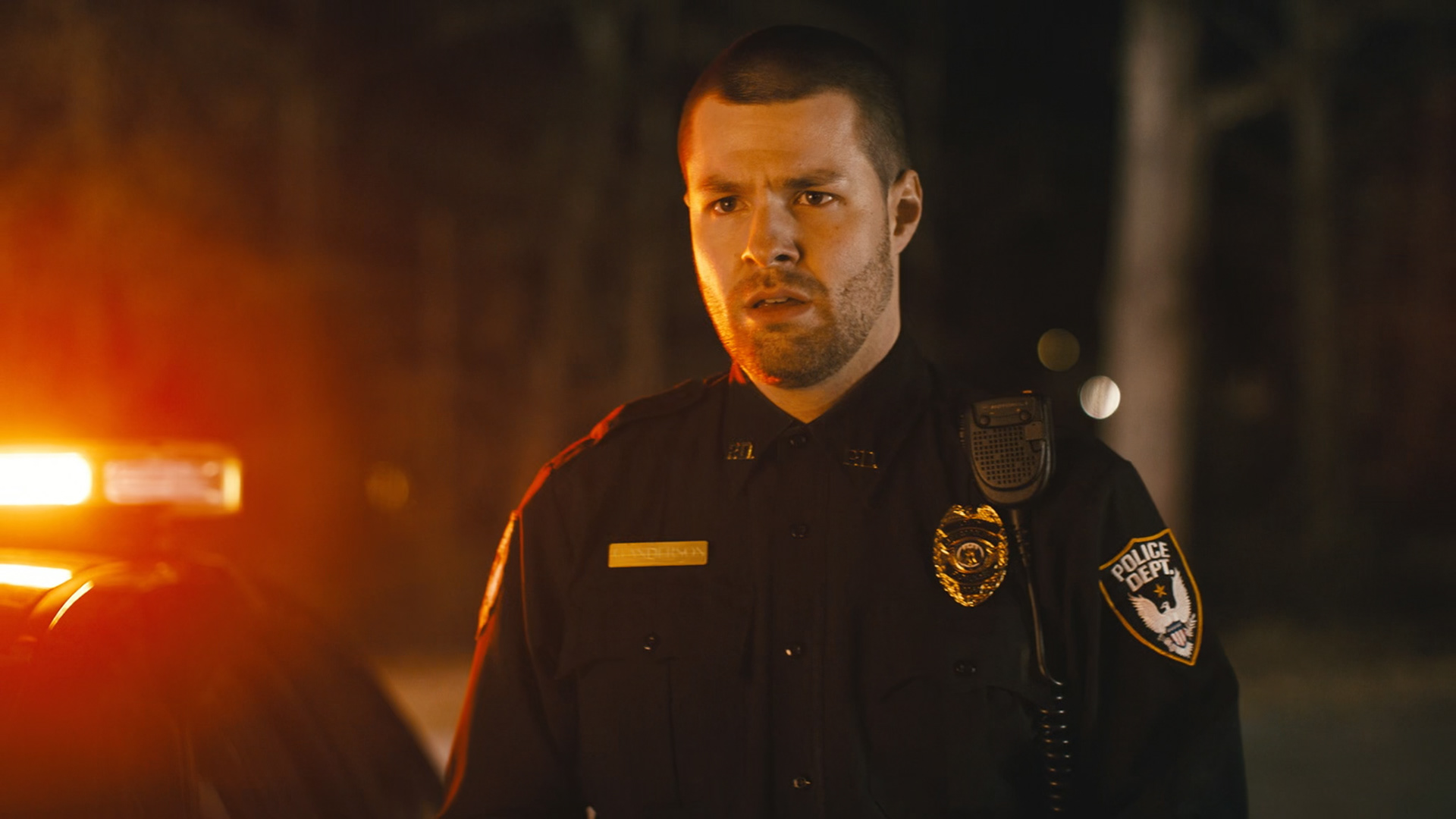
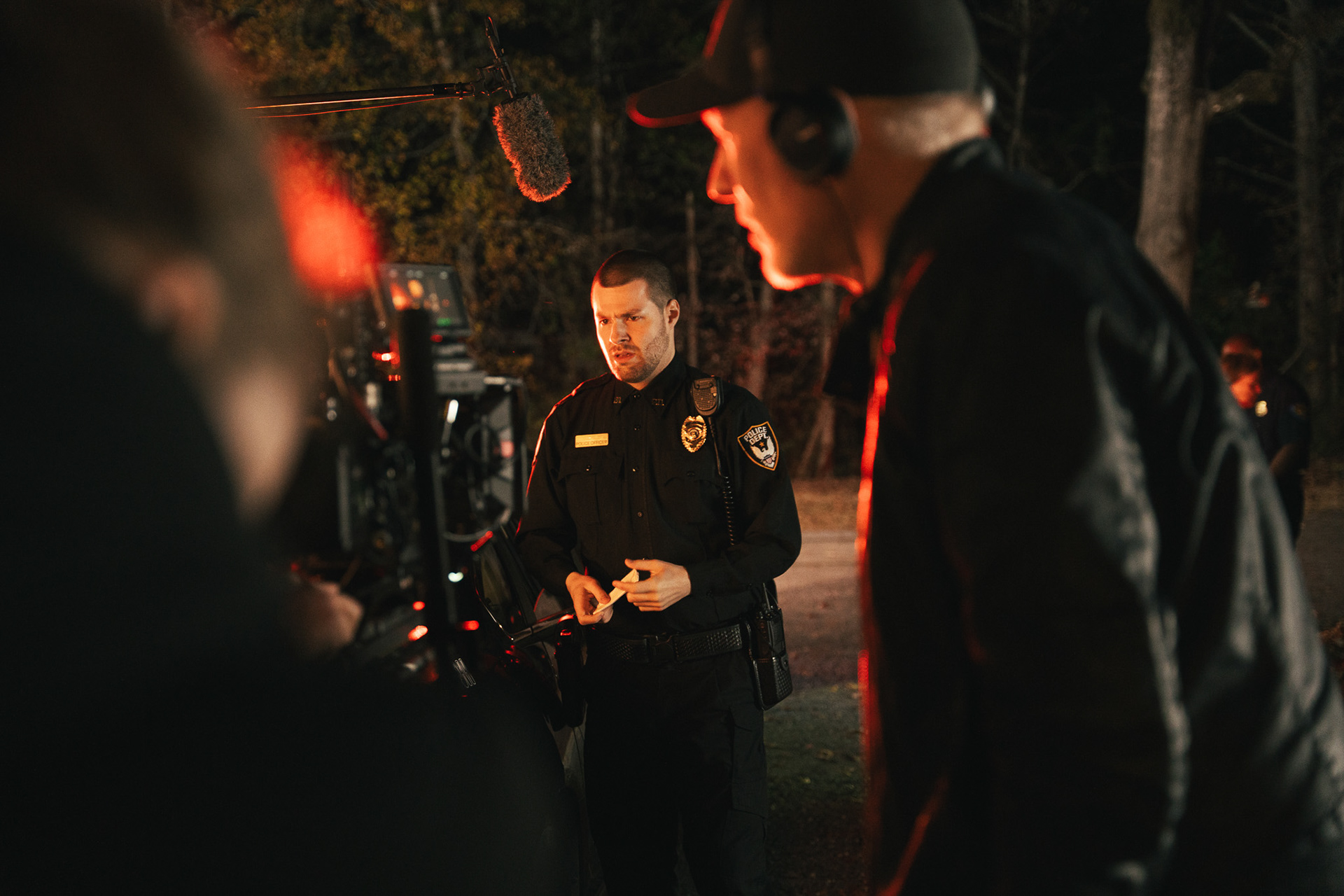
The climax presented its own major challenge: an extended nighttime sequence involving multiple characters, weapons, shifting alliances, and physically difficult winter shooting conditions. Sustaining tension, geography, and emotional clarity through that sequence became one of the film’s most demanding aspects.
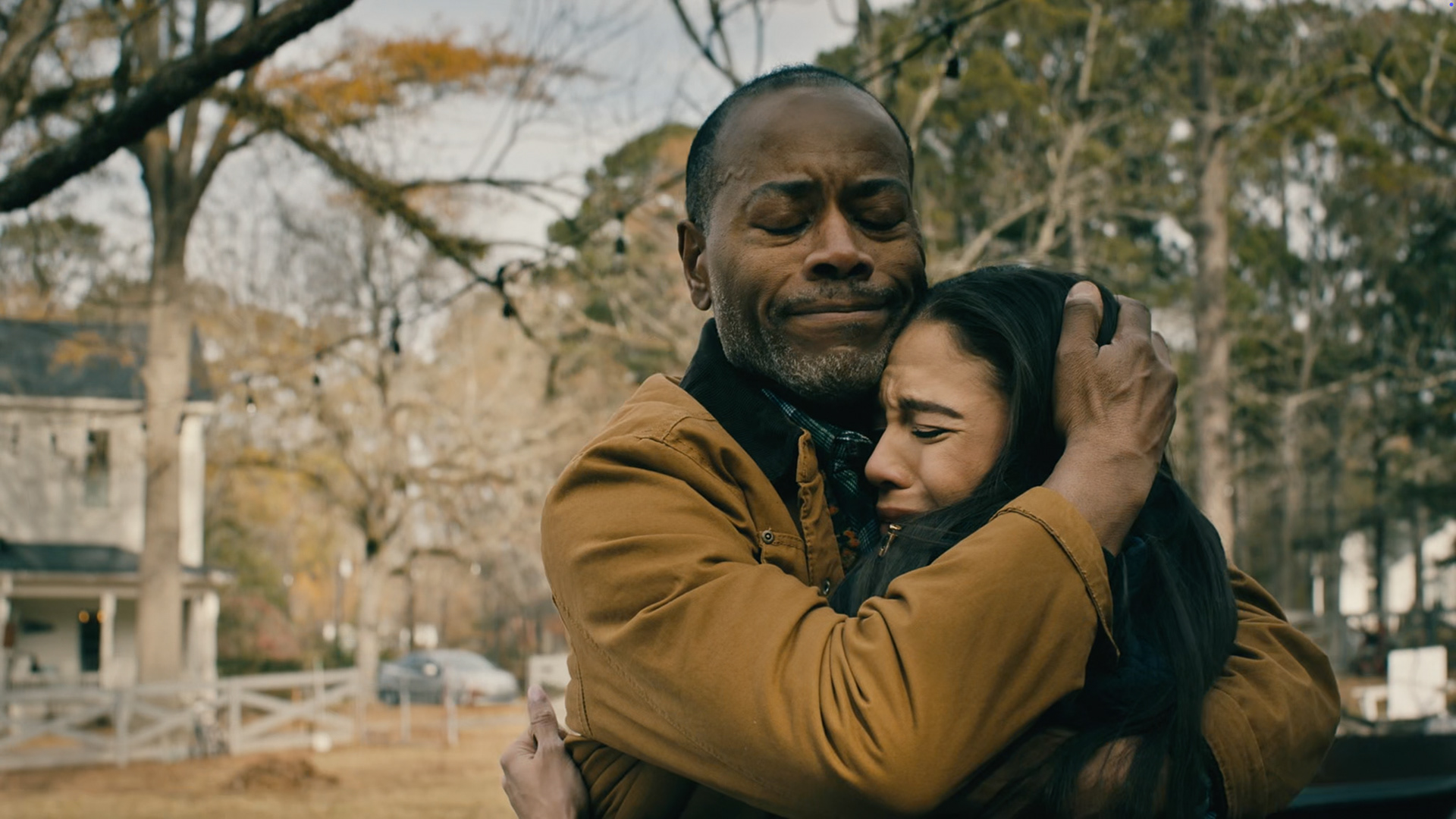
What I remain most proud of is the emotional weight underneath the thriller structure—the feeling that beneath the mystery and suspense, the film is ultimately about grief, fractured relationships, and the people we realize mattered most only after we’ve drifted too far away.
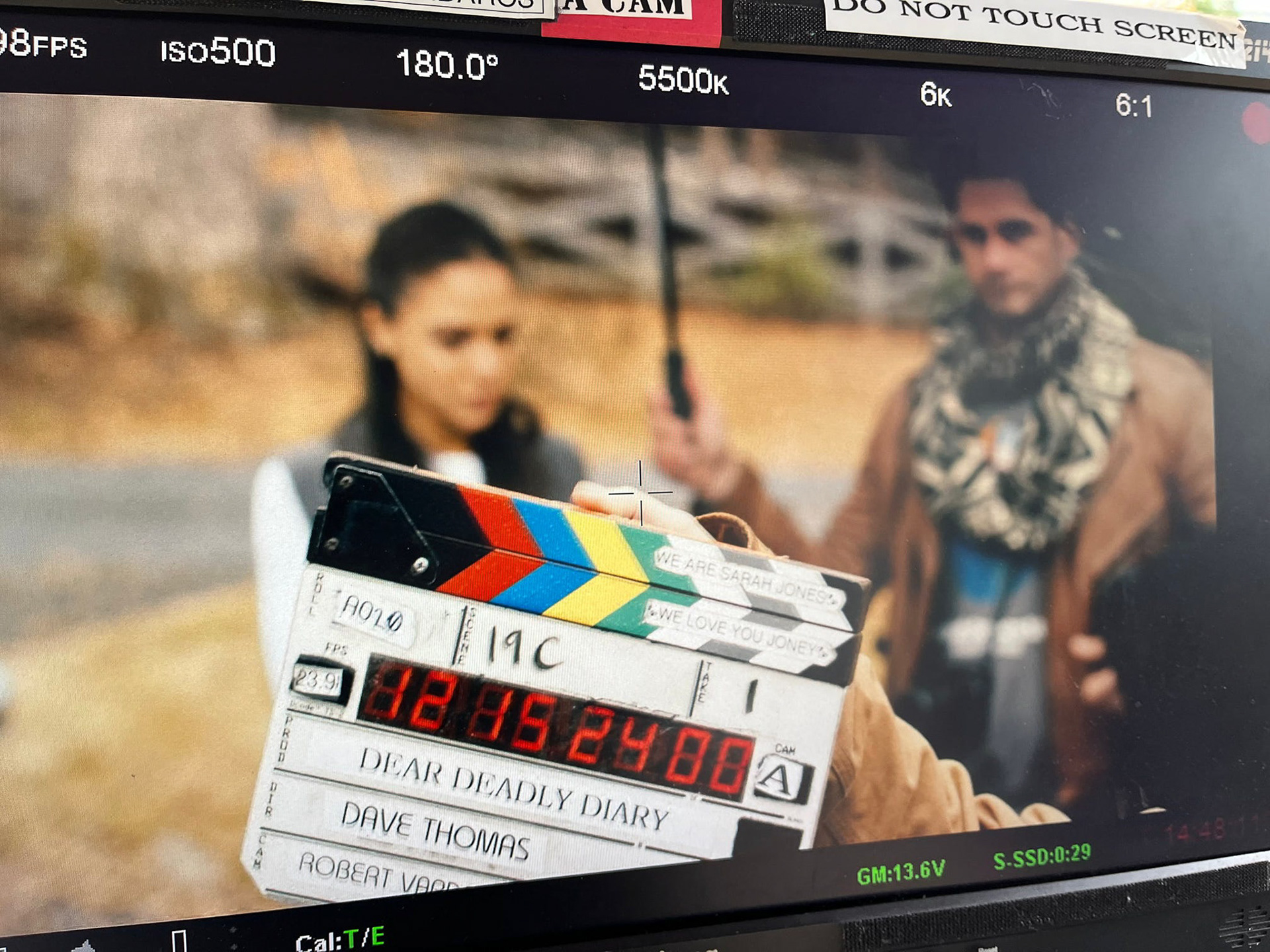
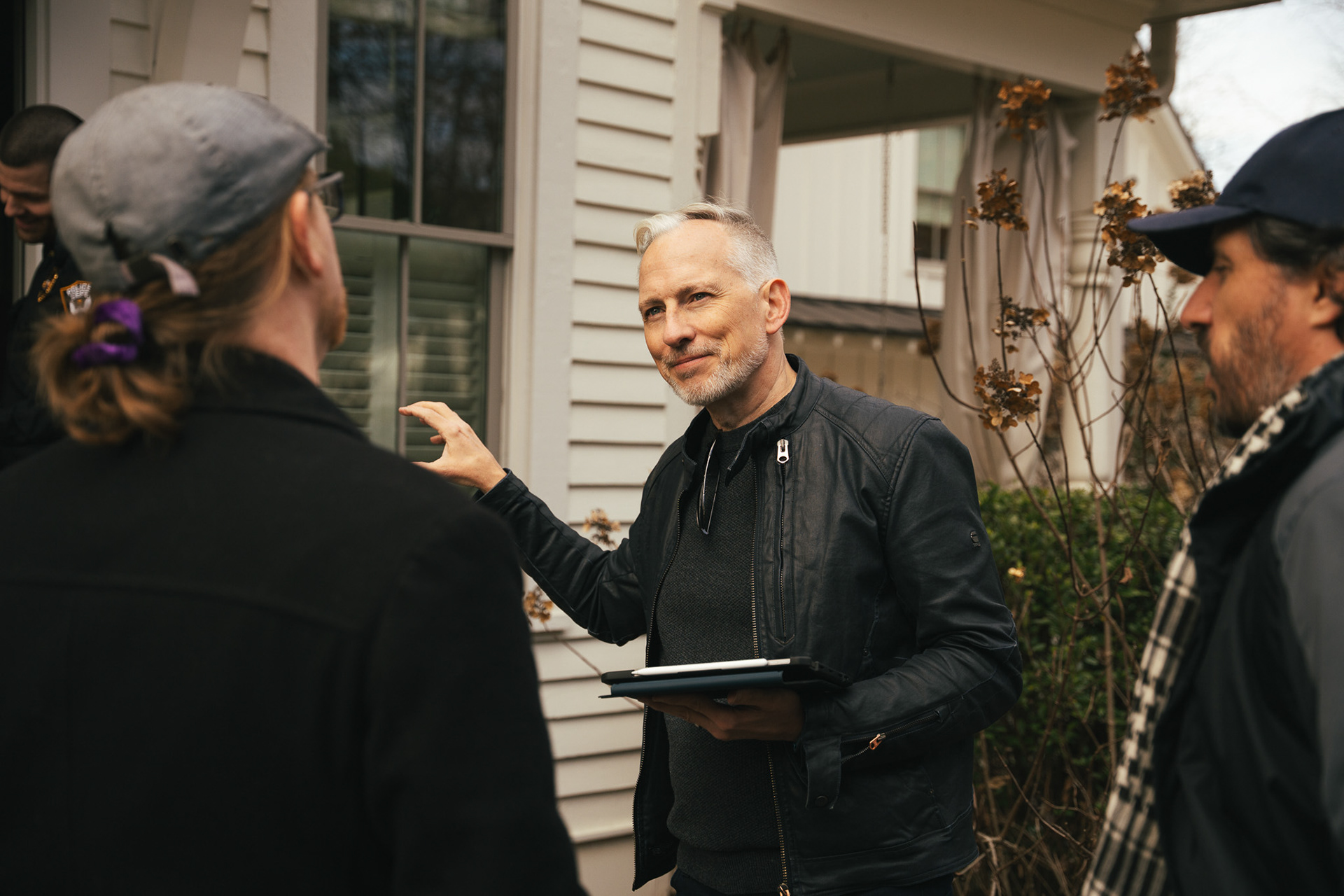
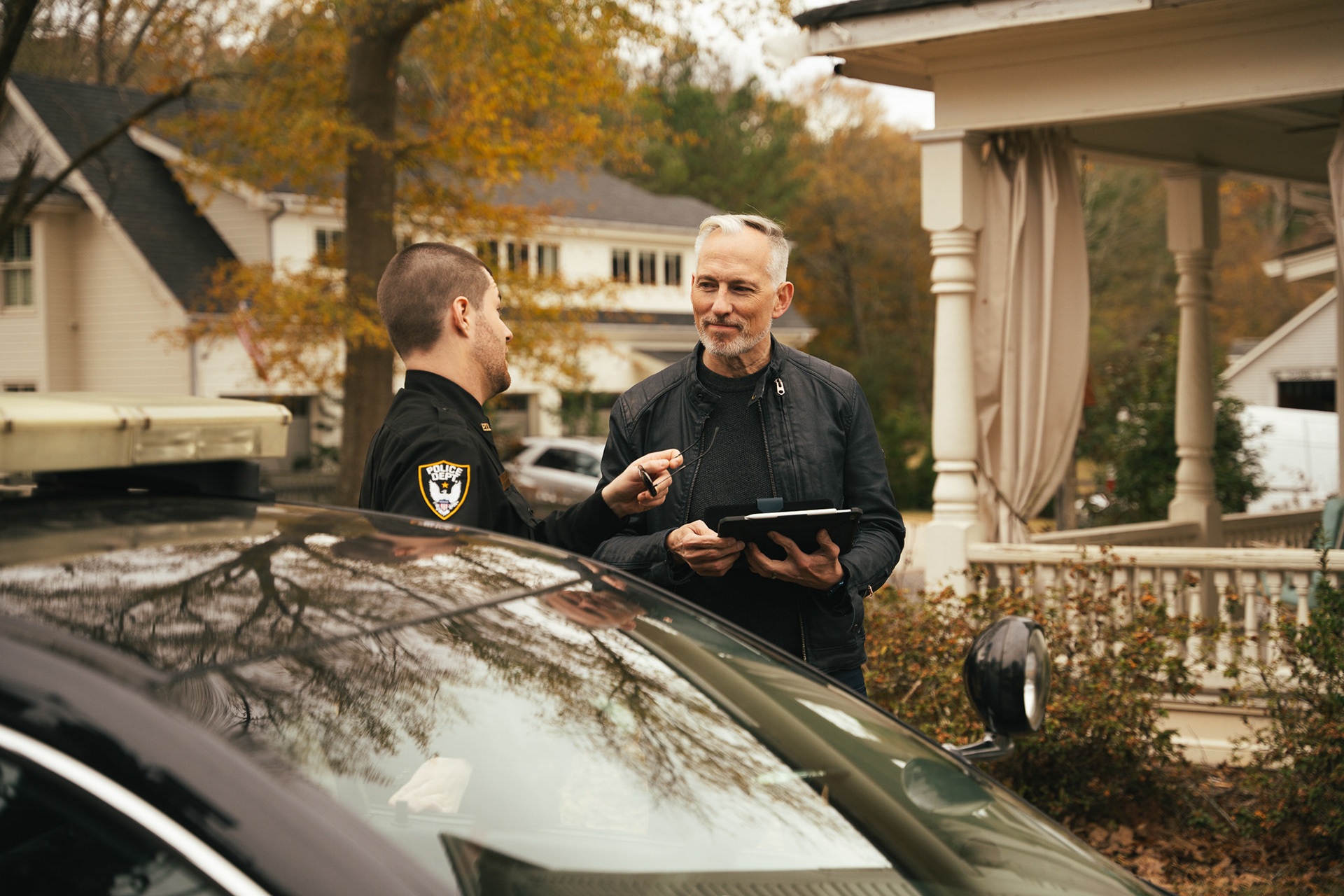
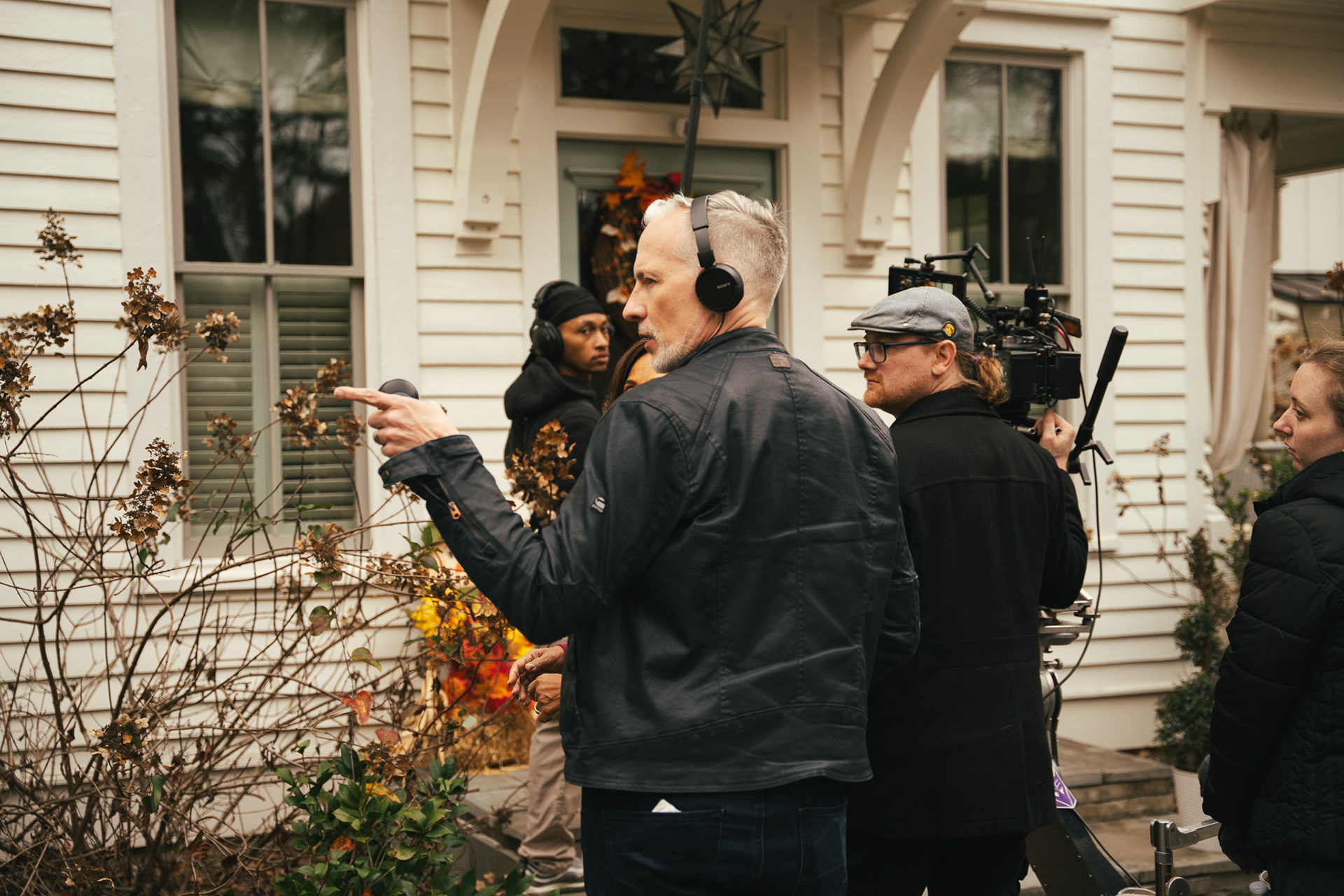
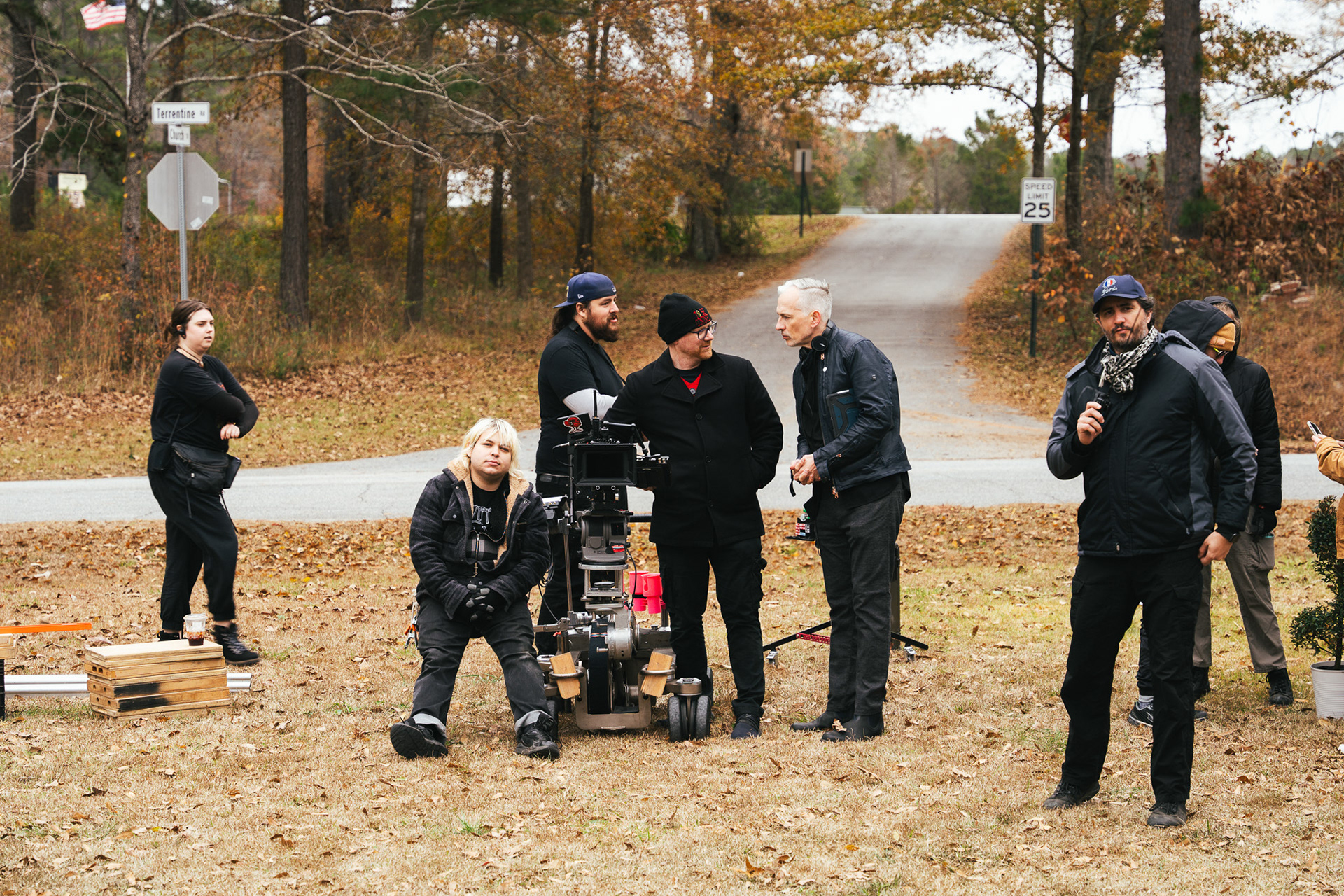
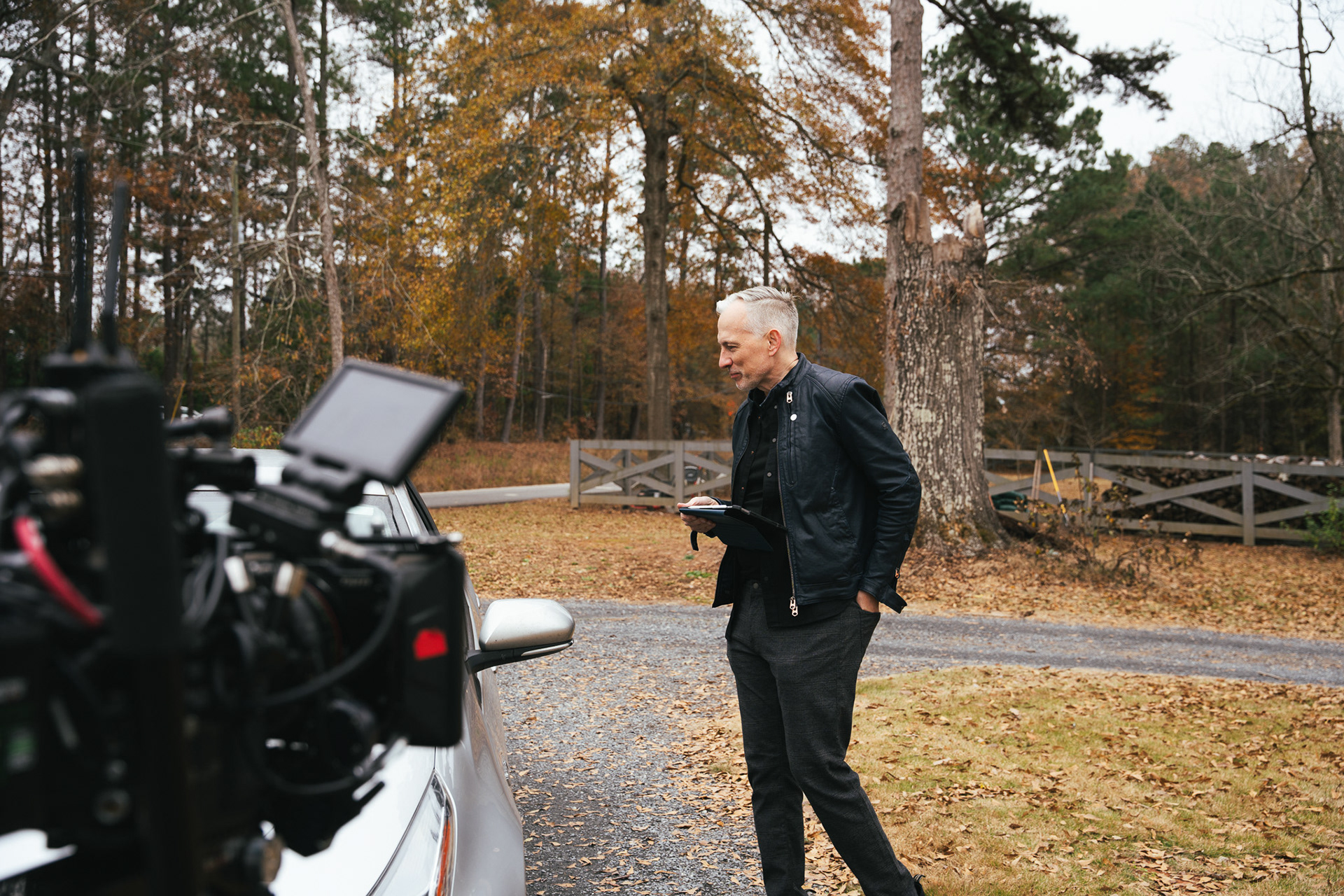
SECRETS TO KILL FOR | BTS IMAGES
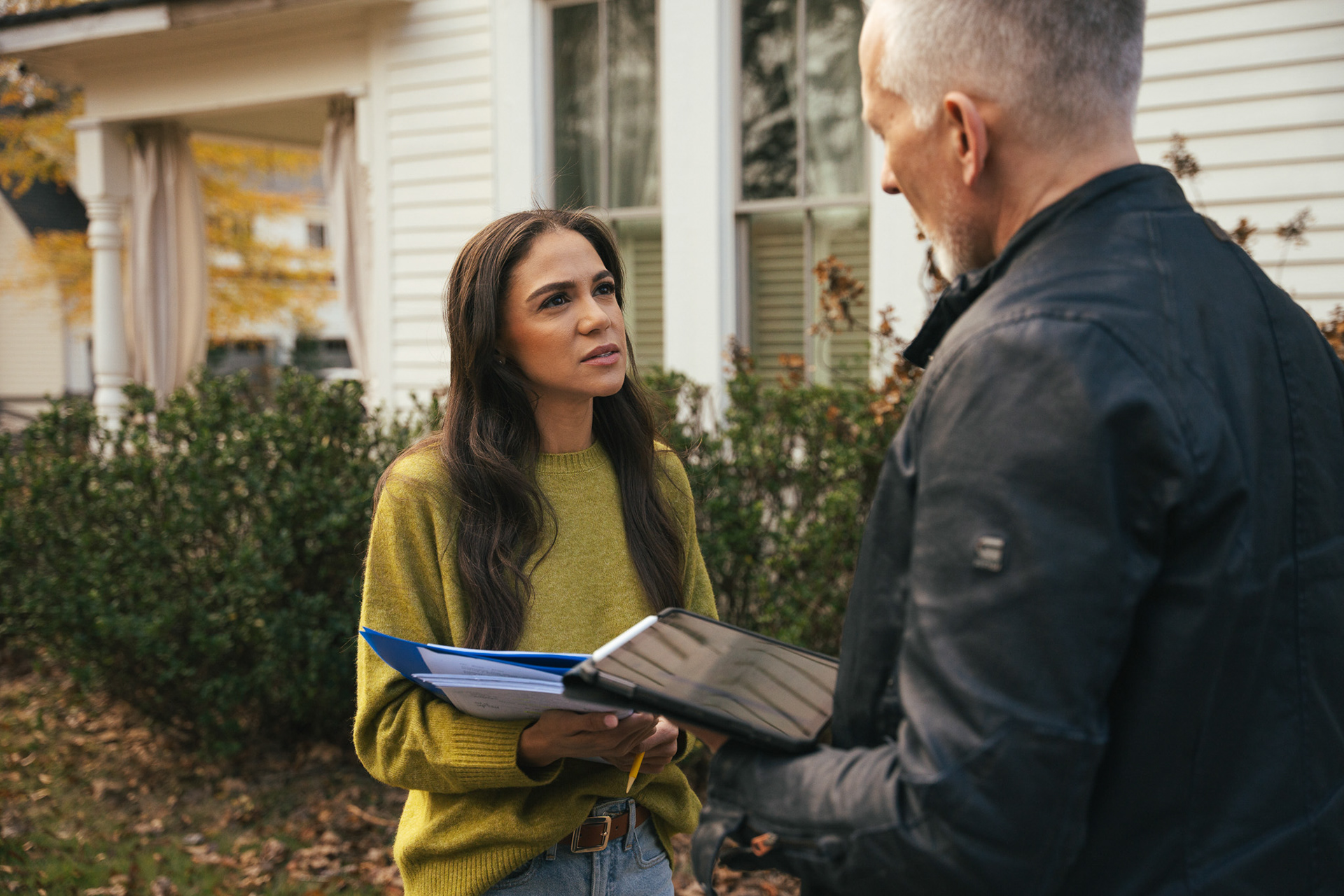
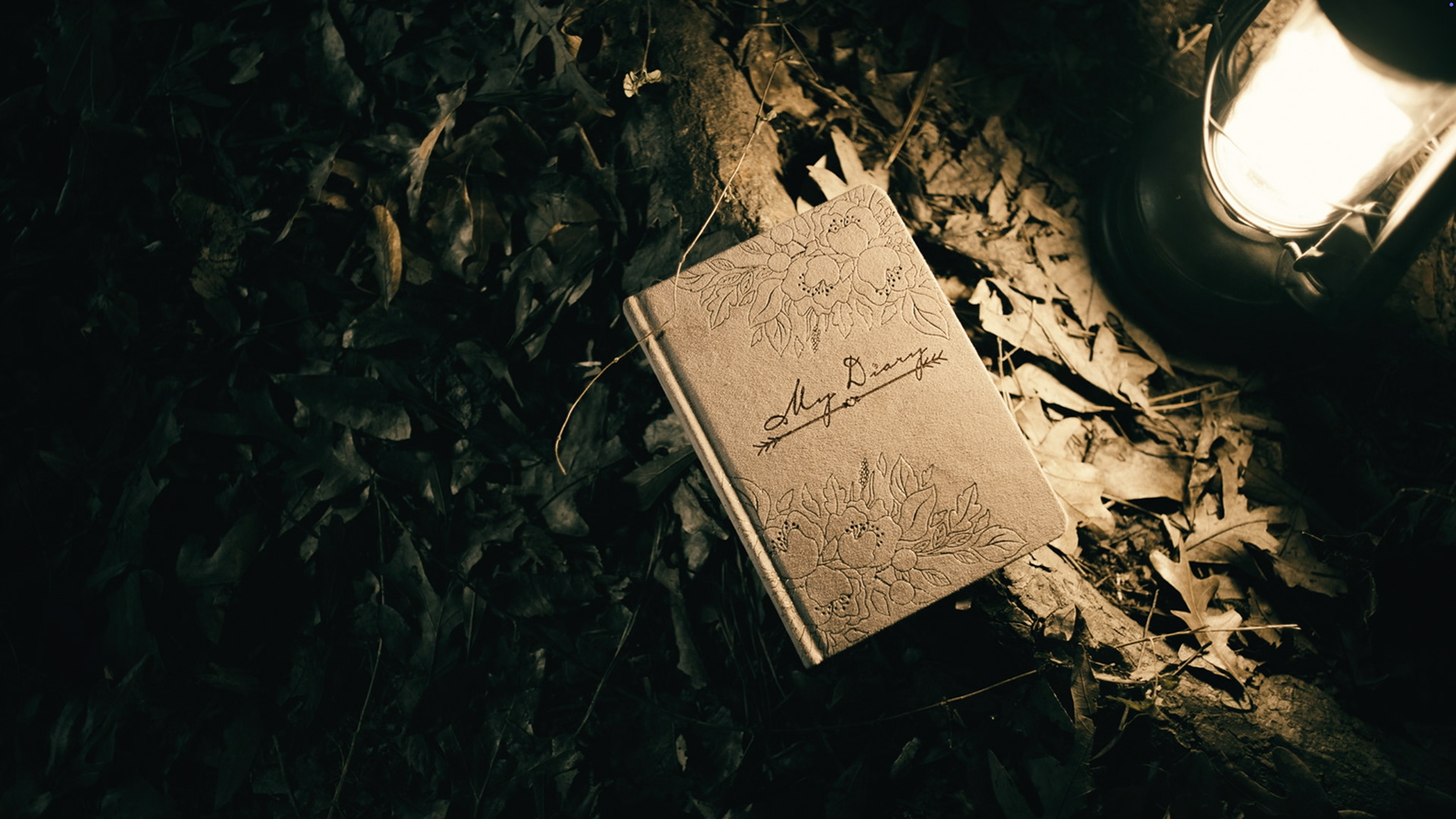
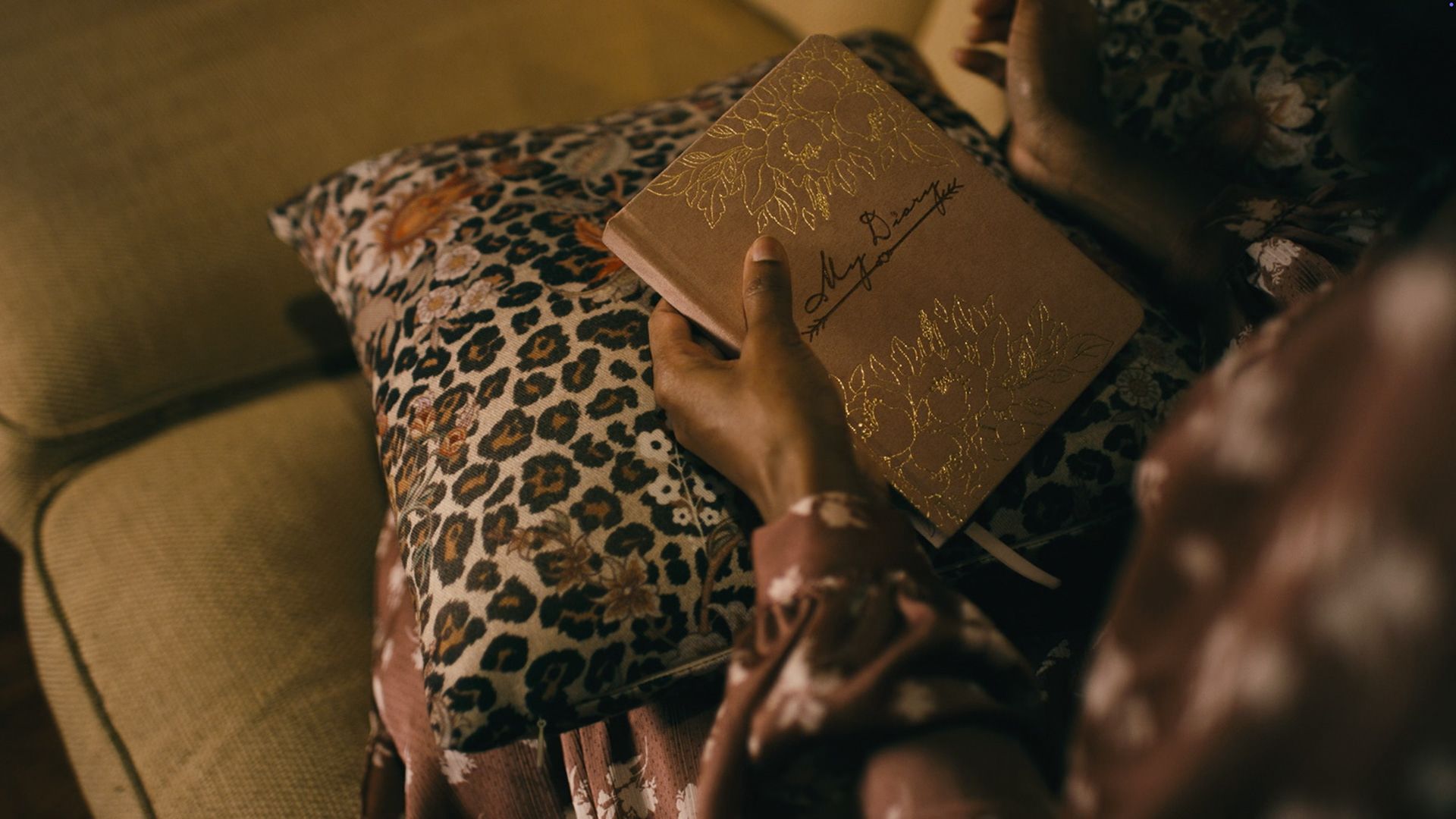
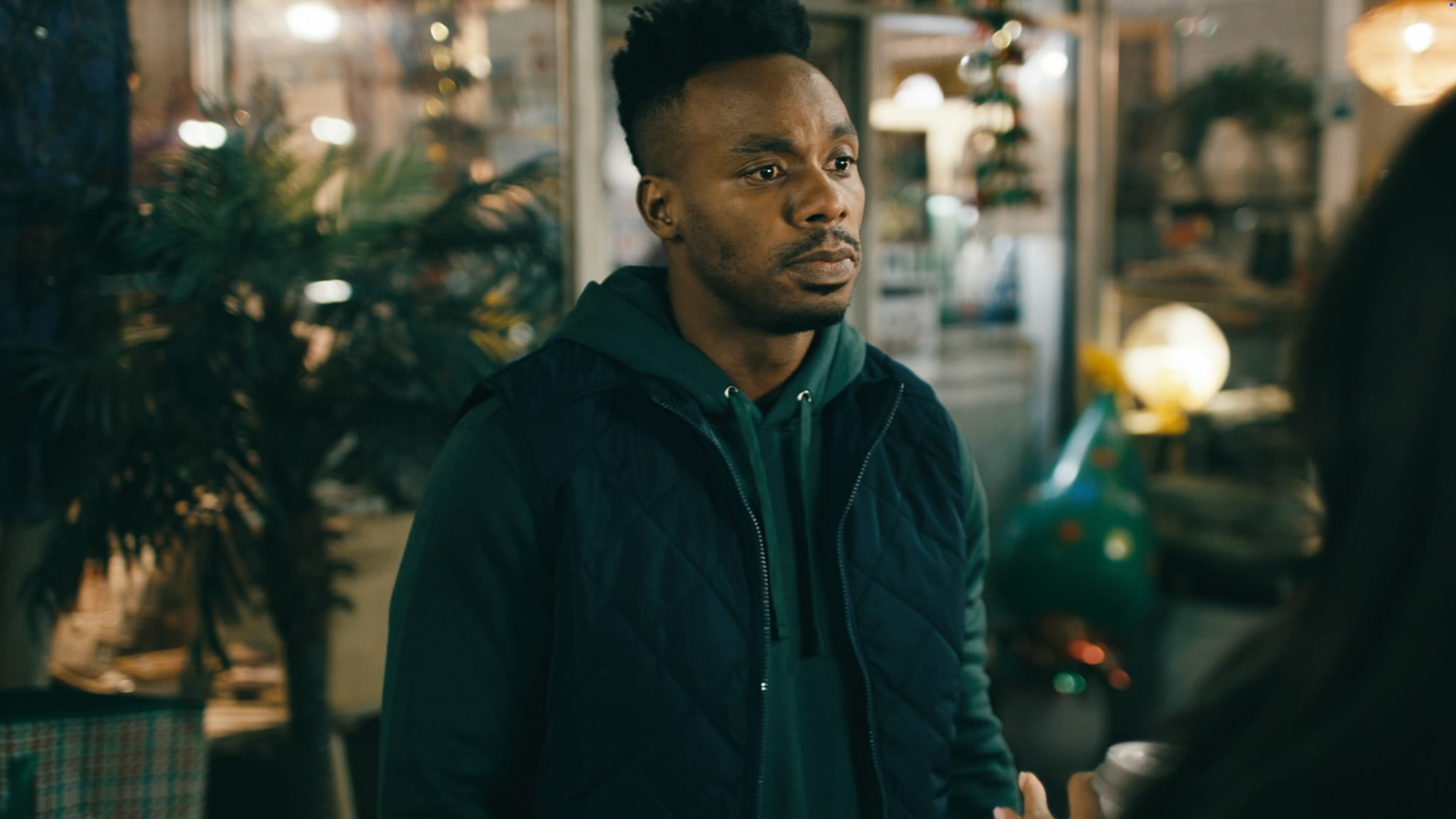
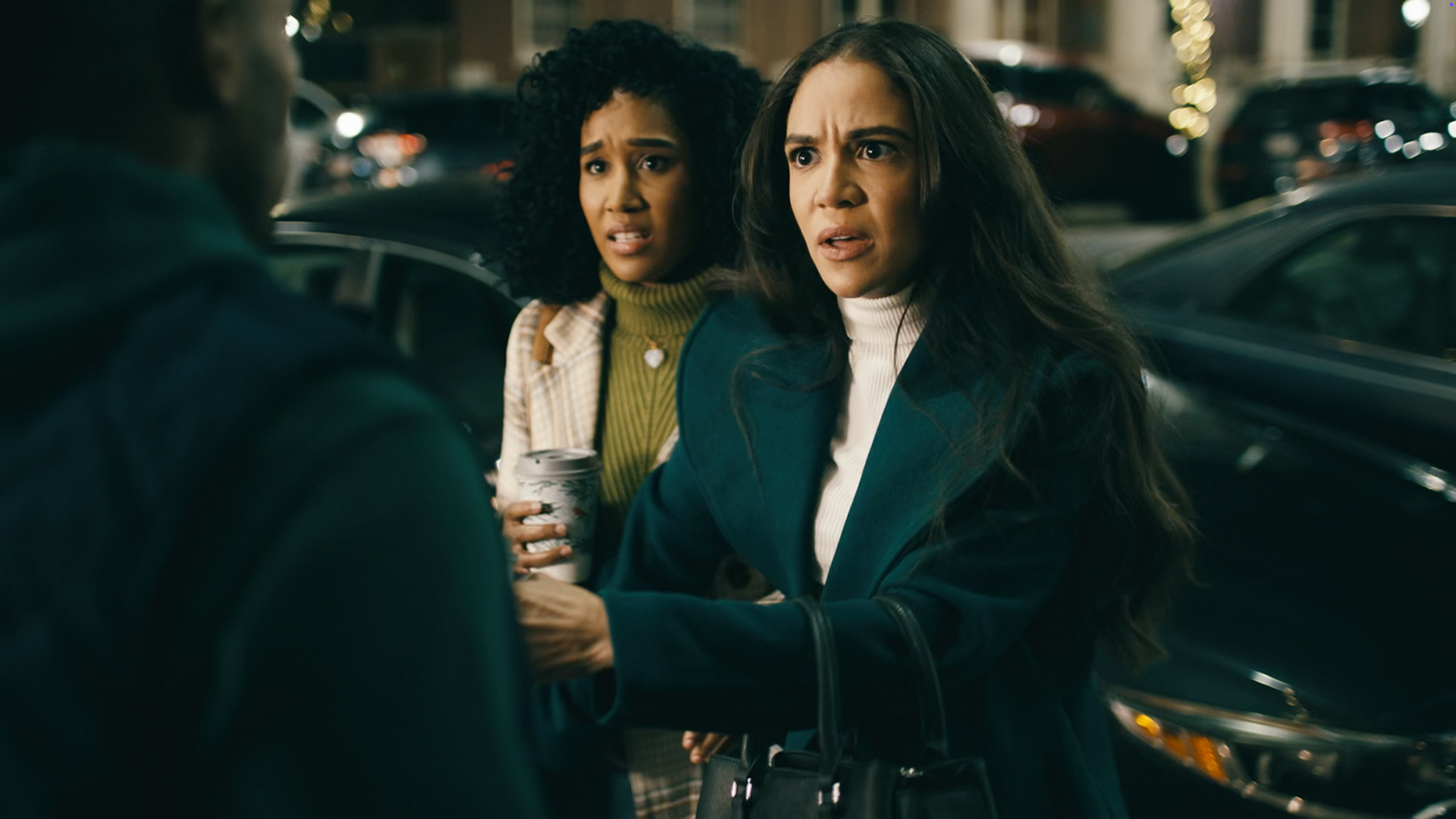
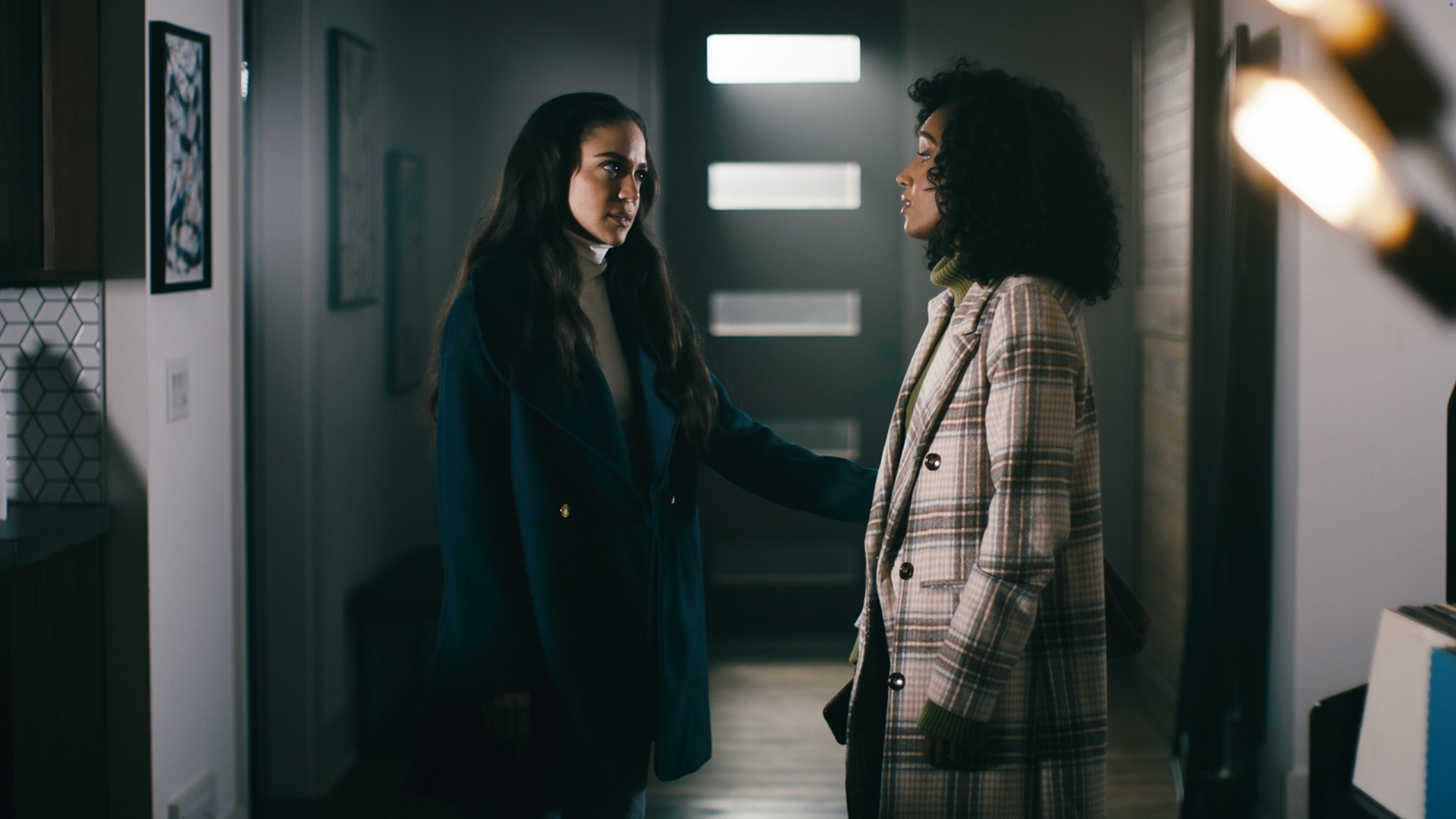
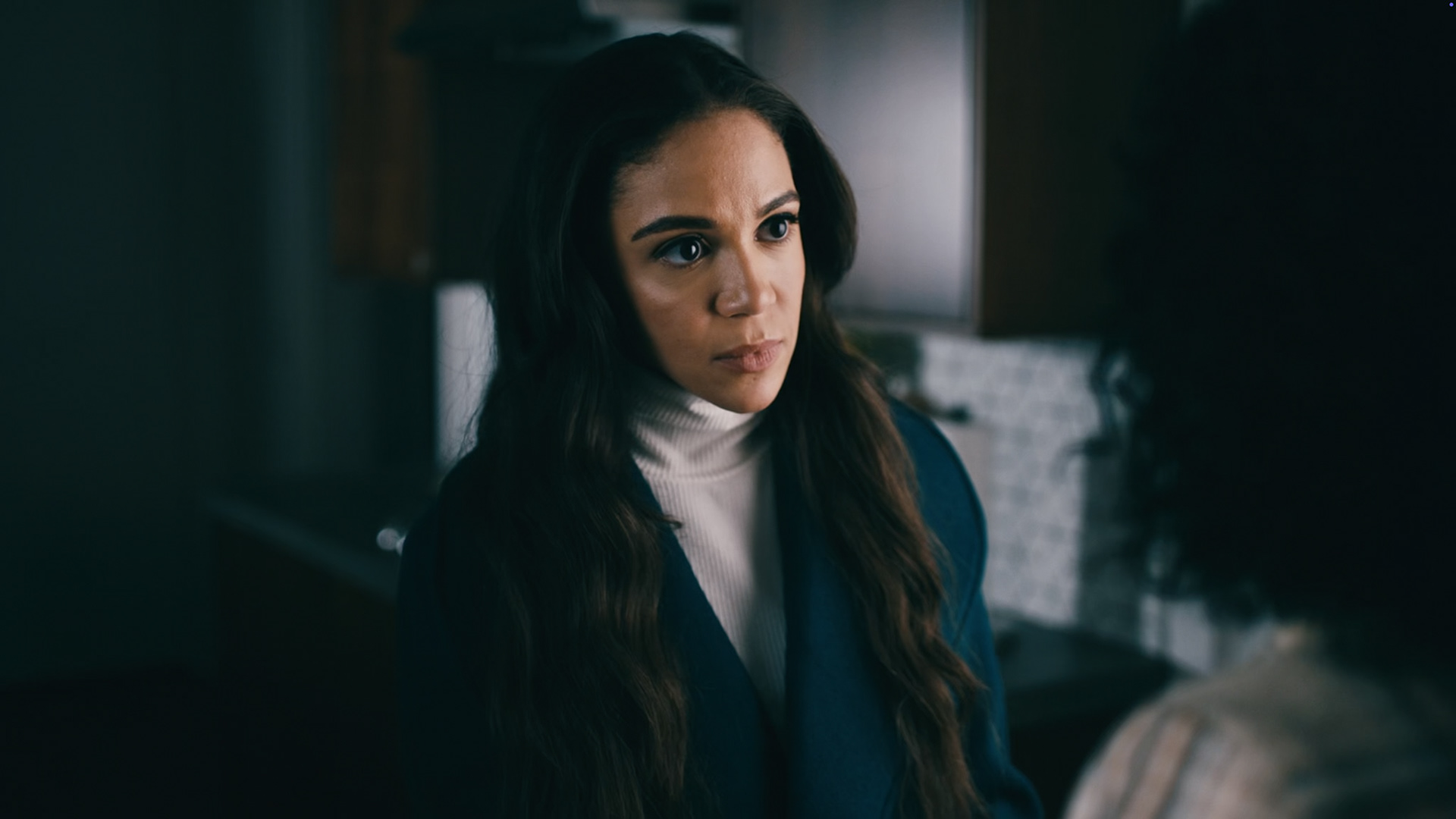
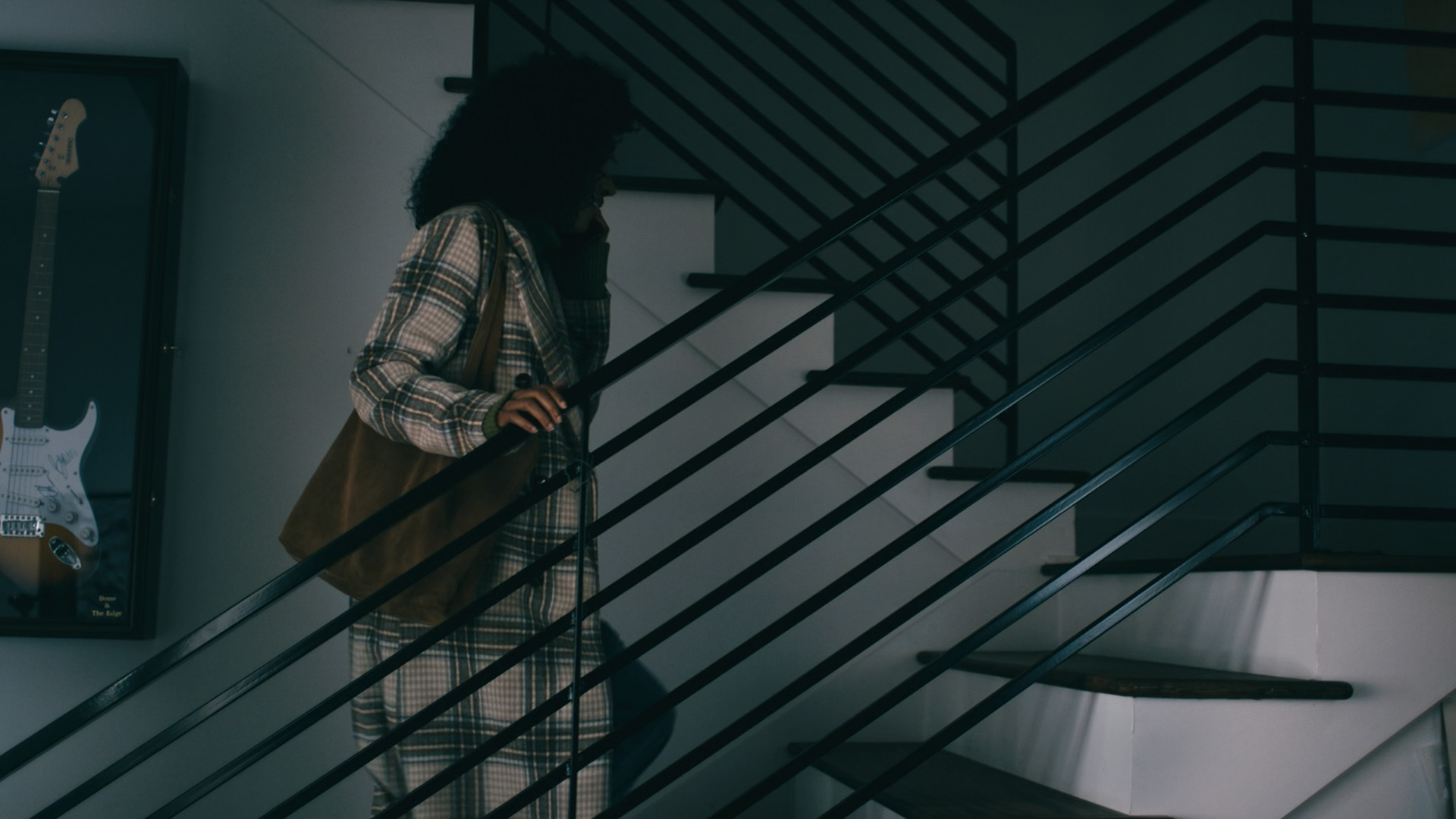
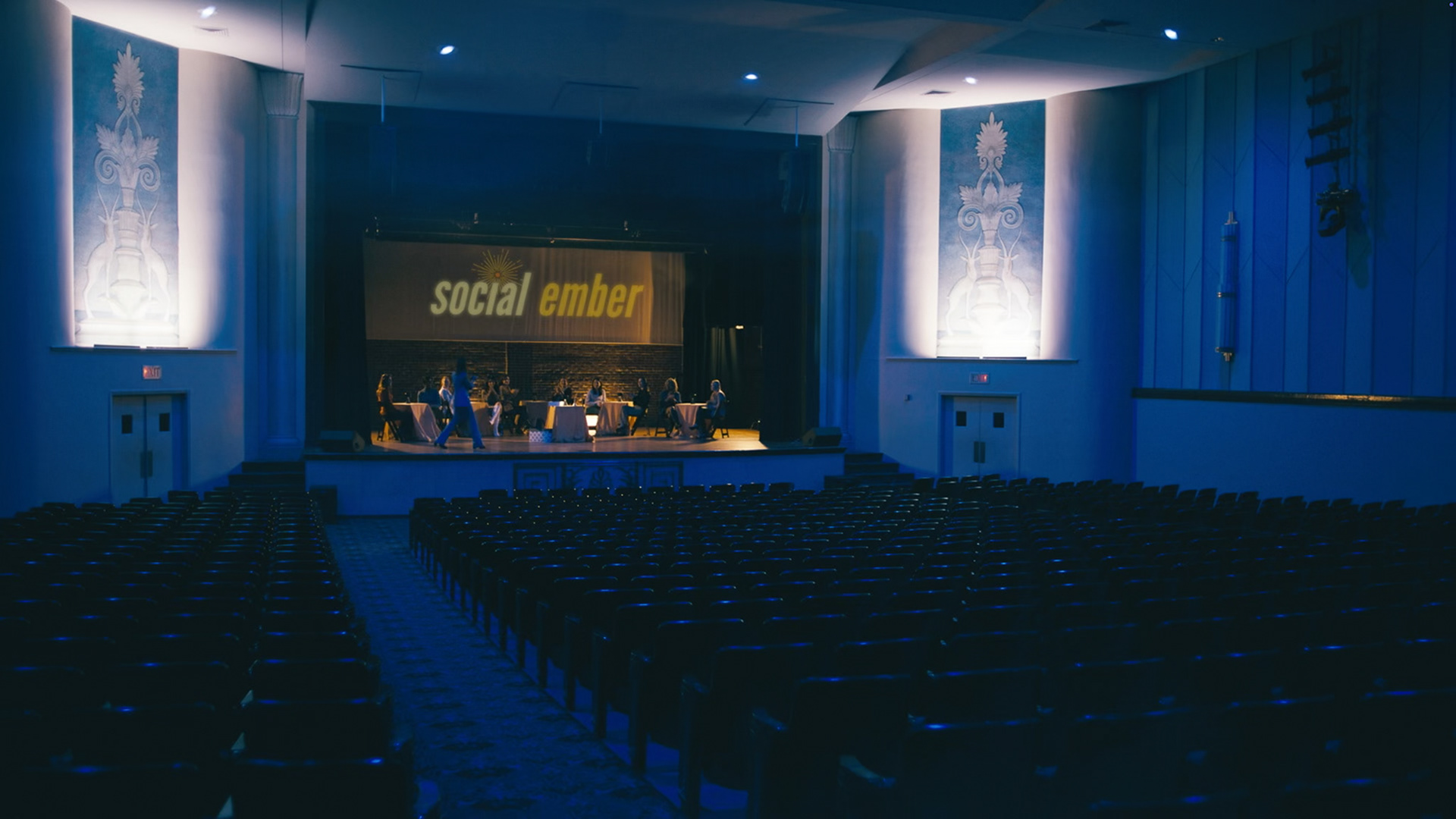
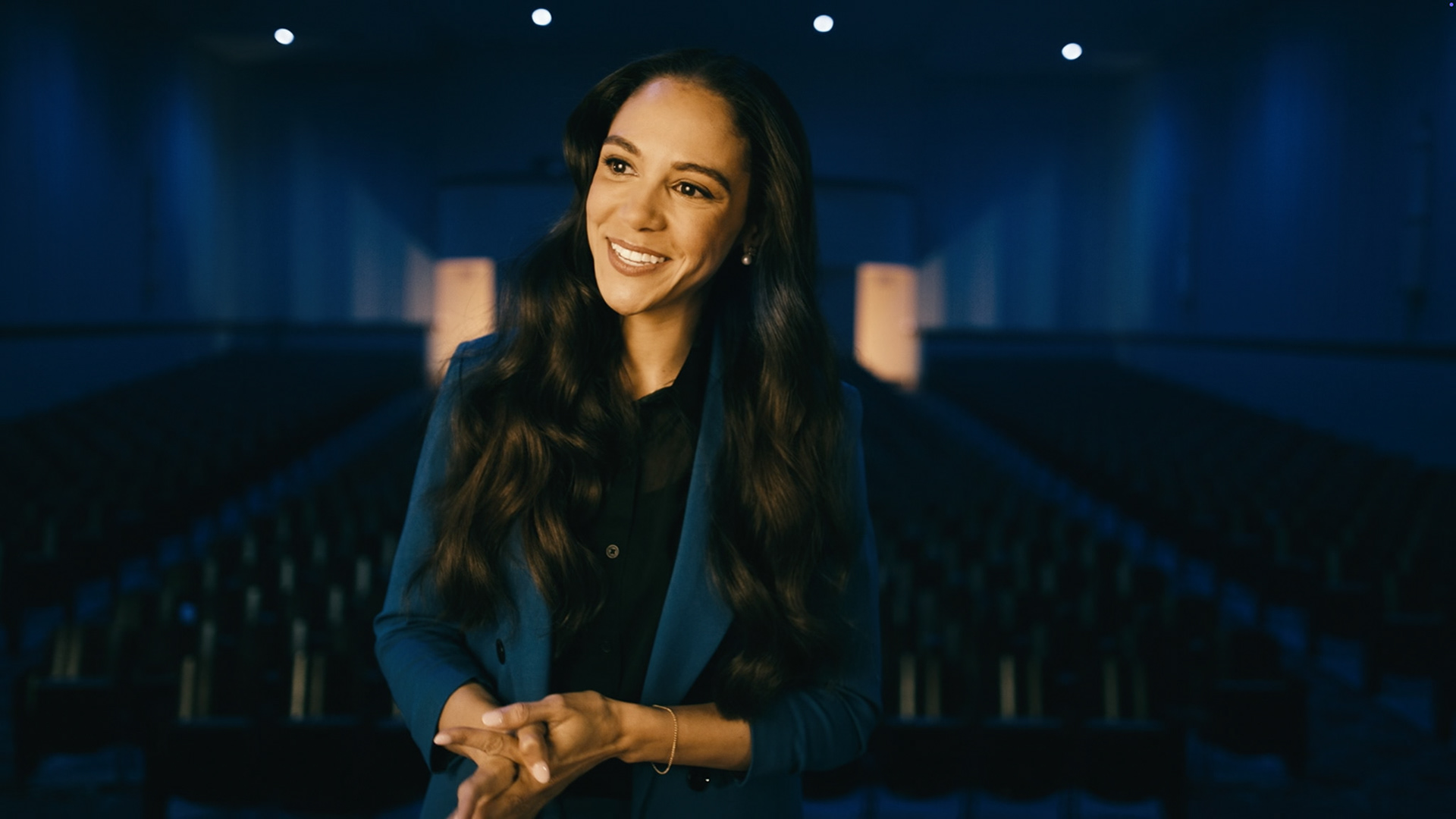
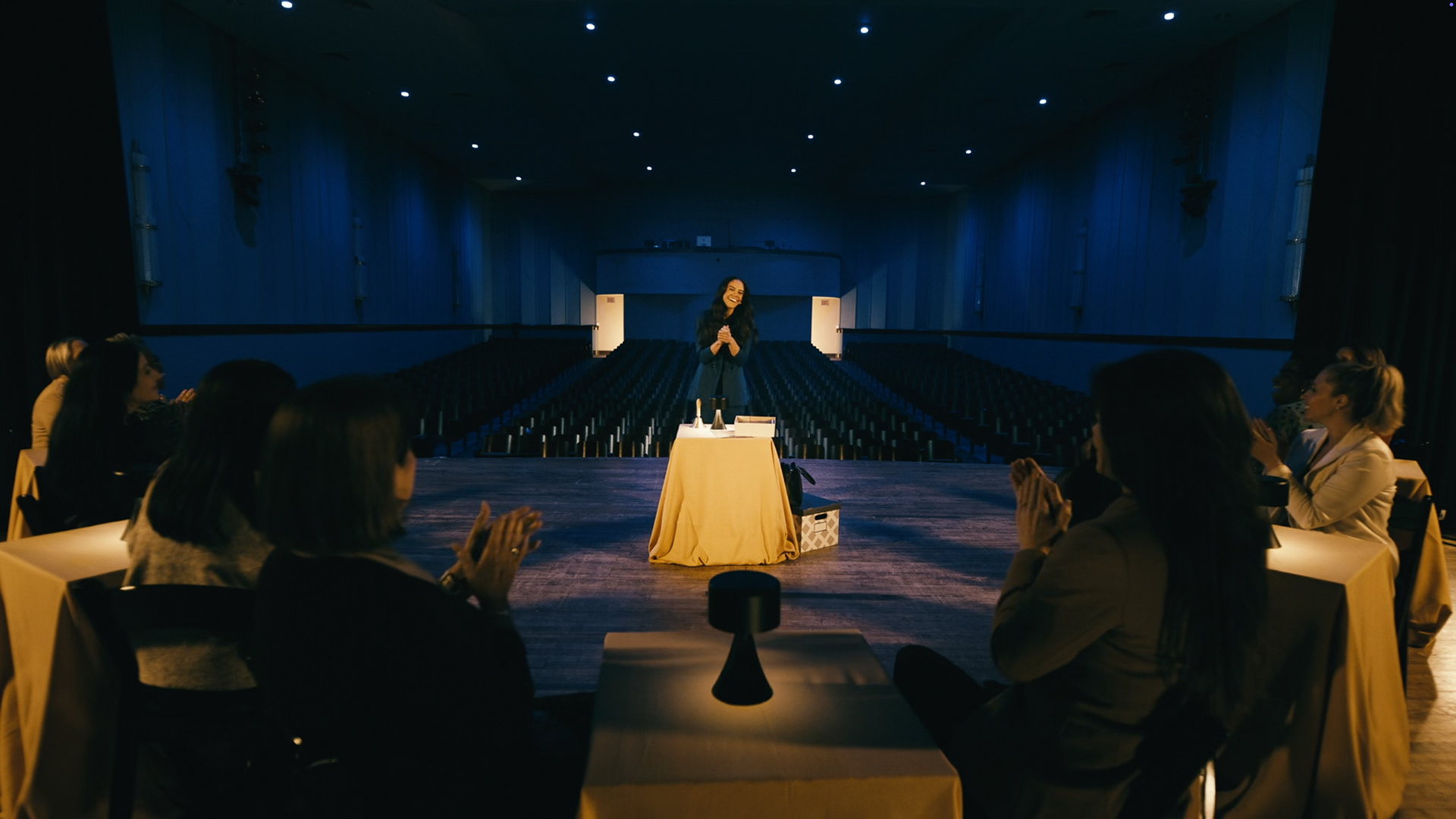
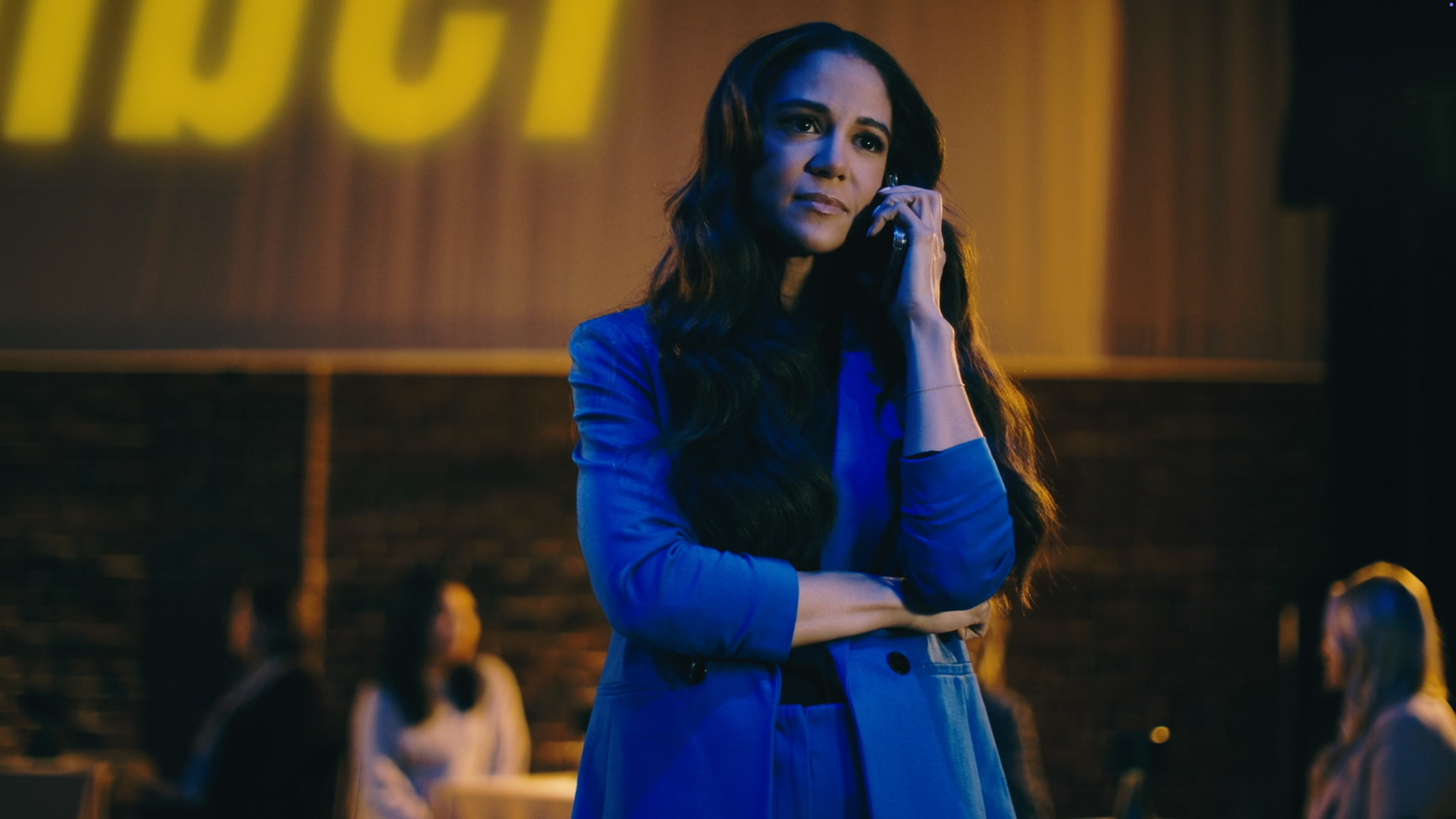
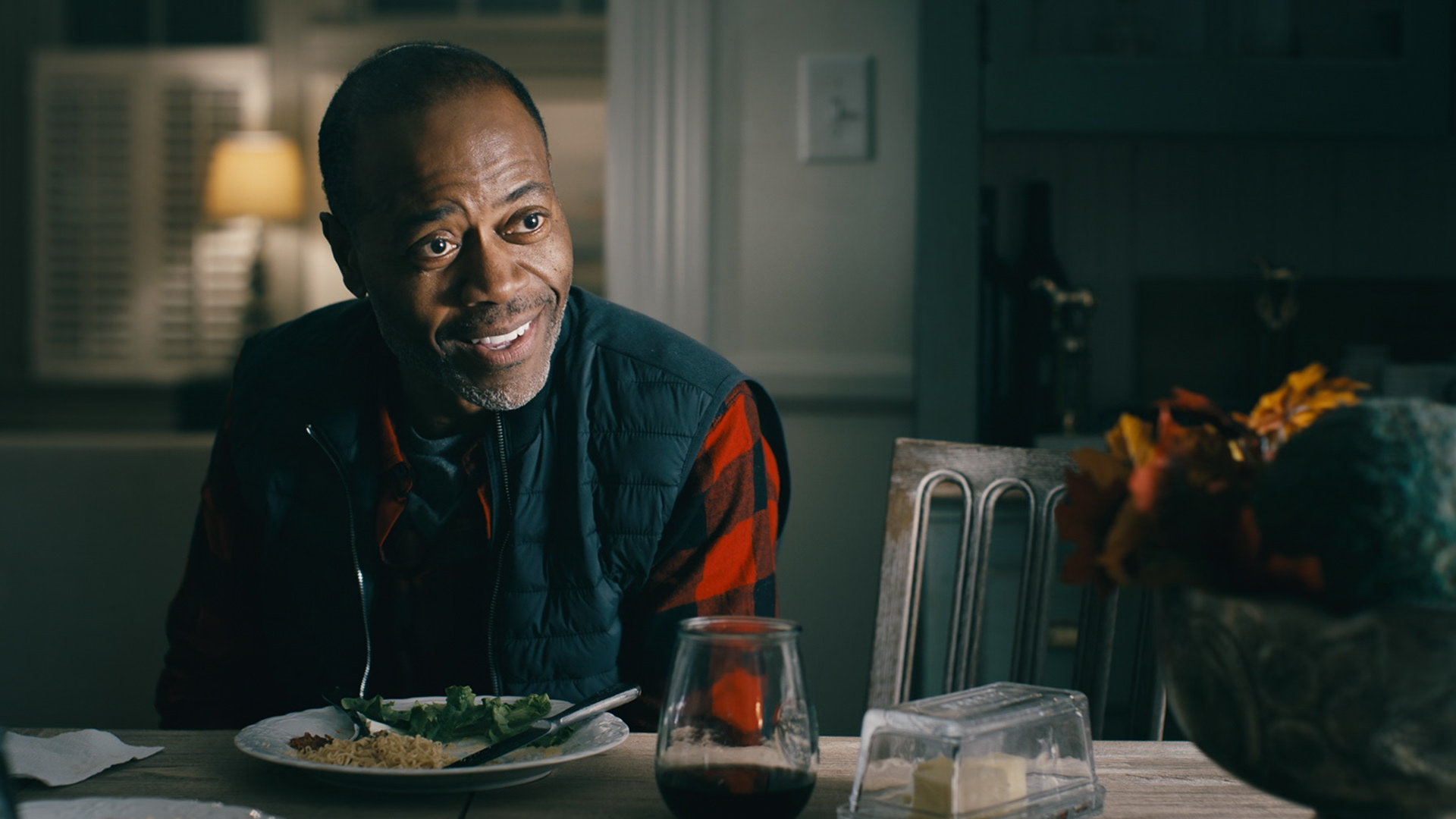
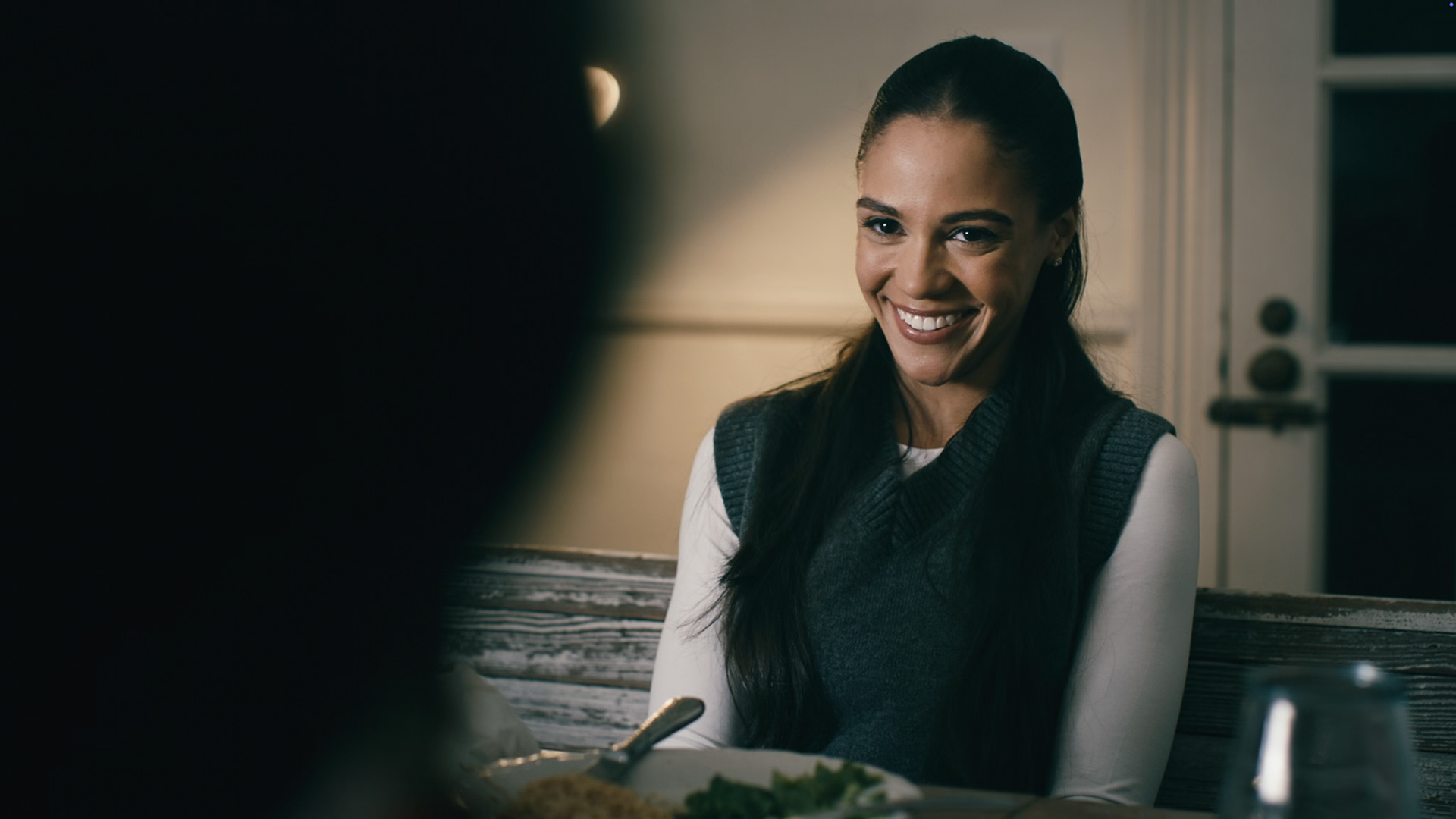
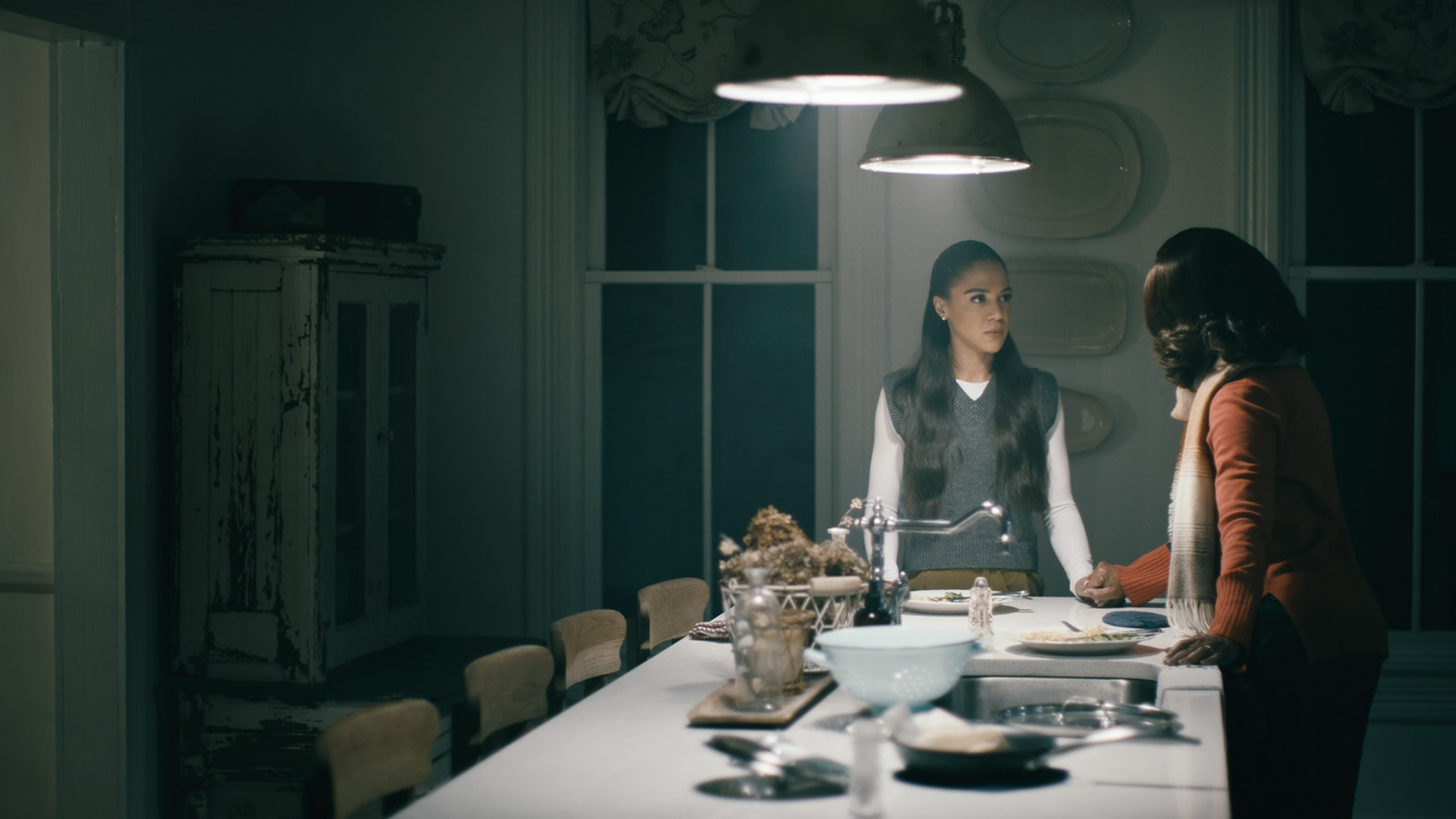
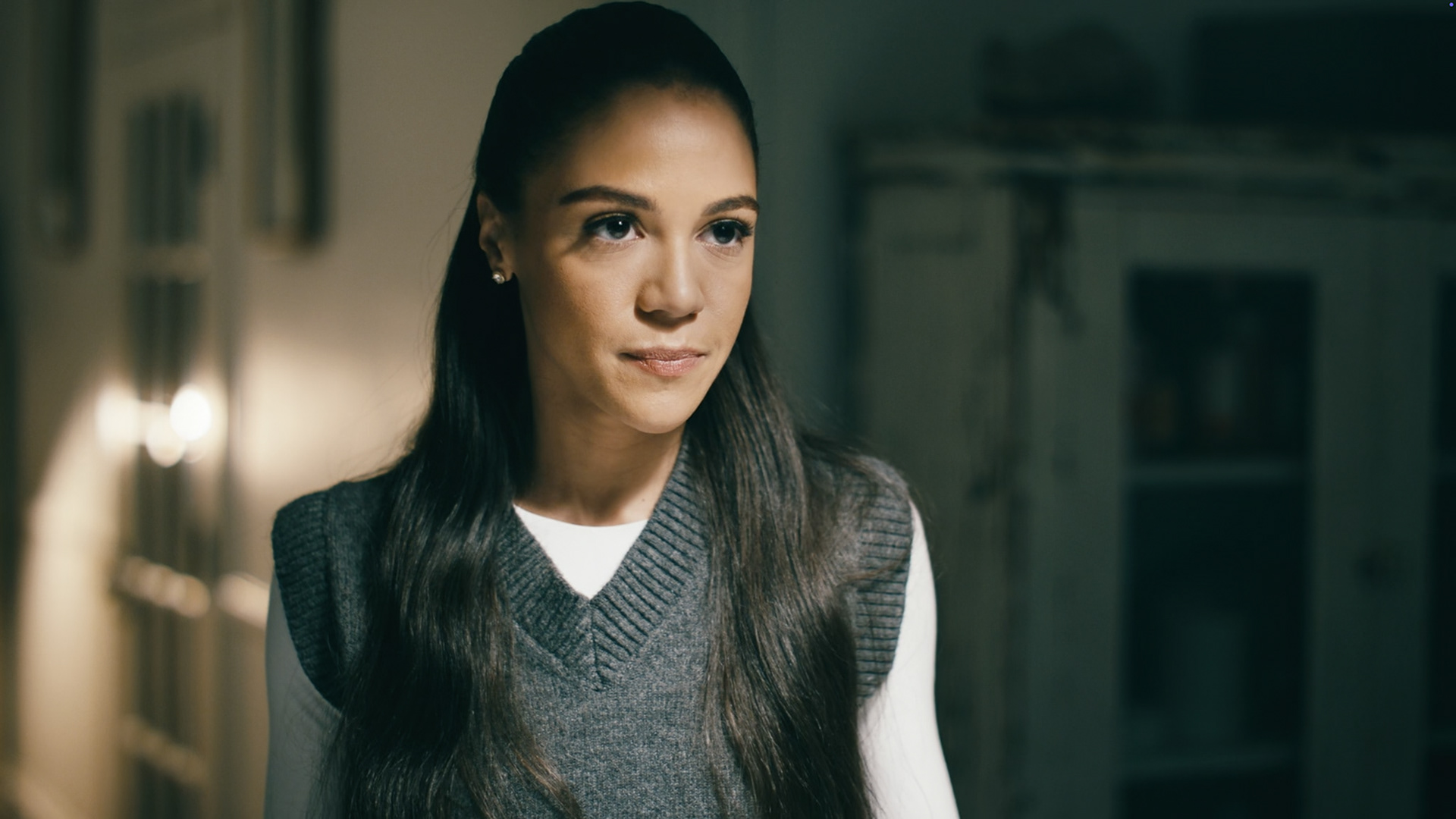
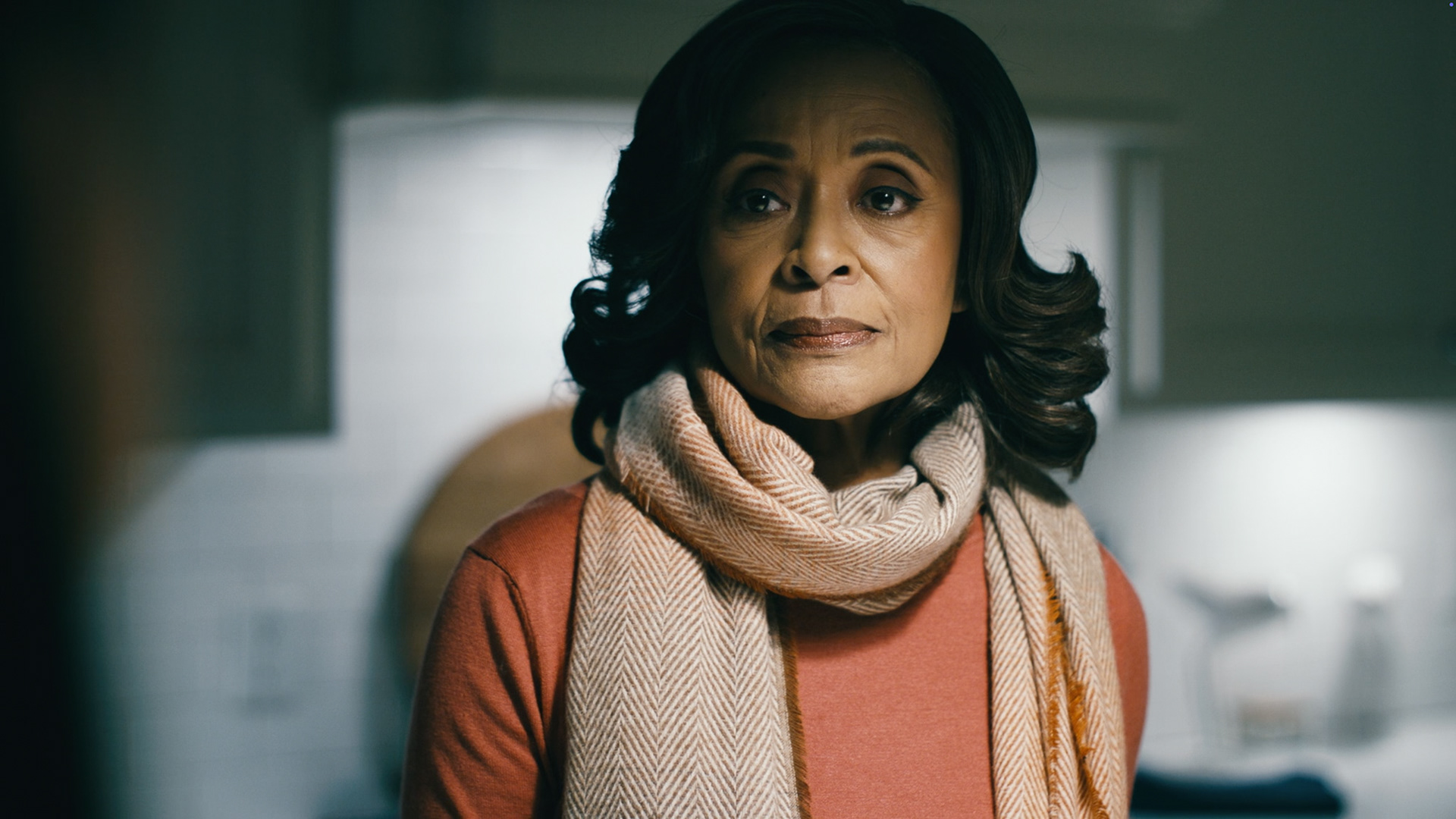
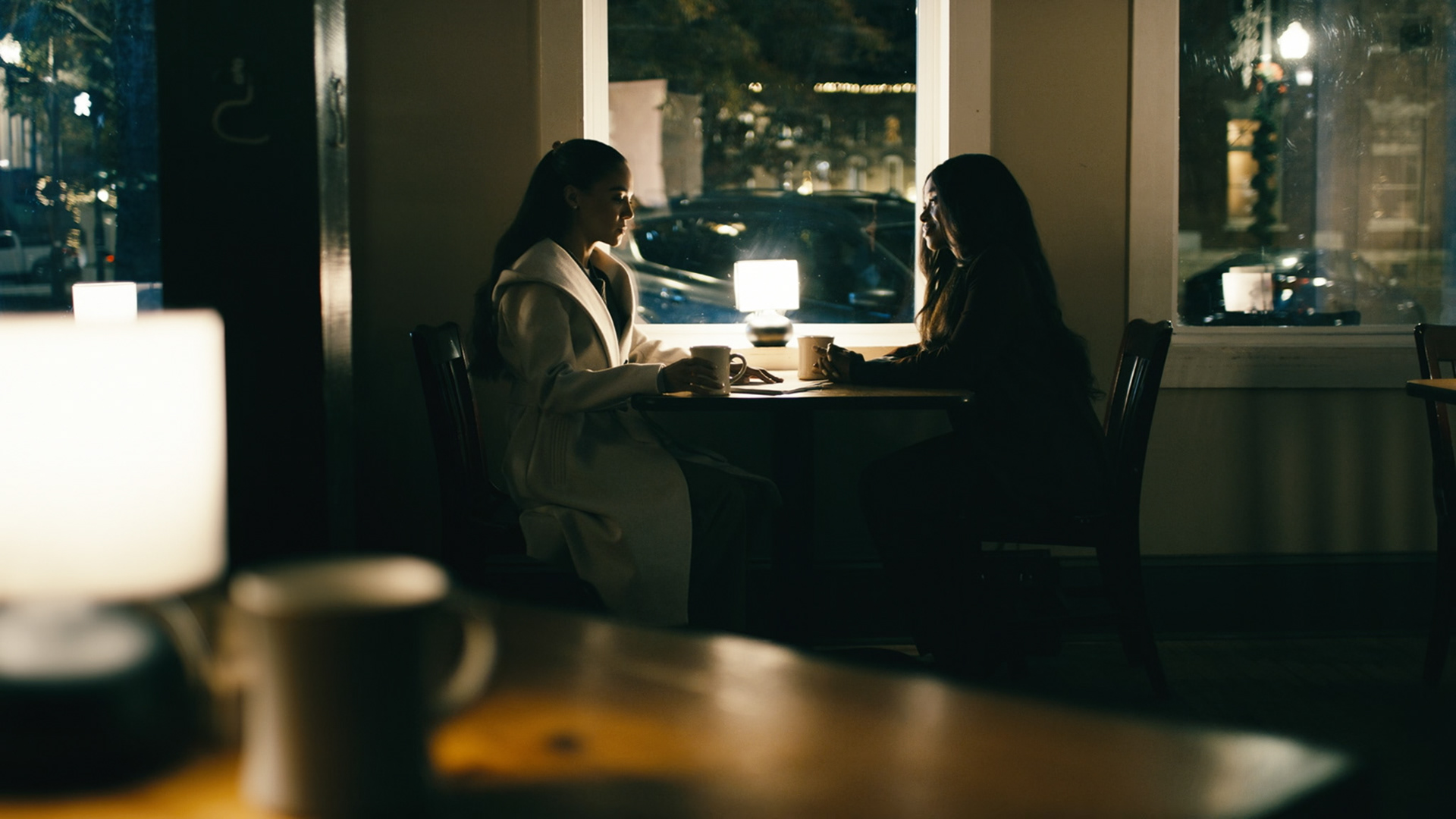
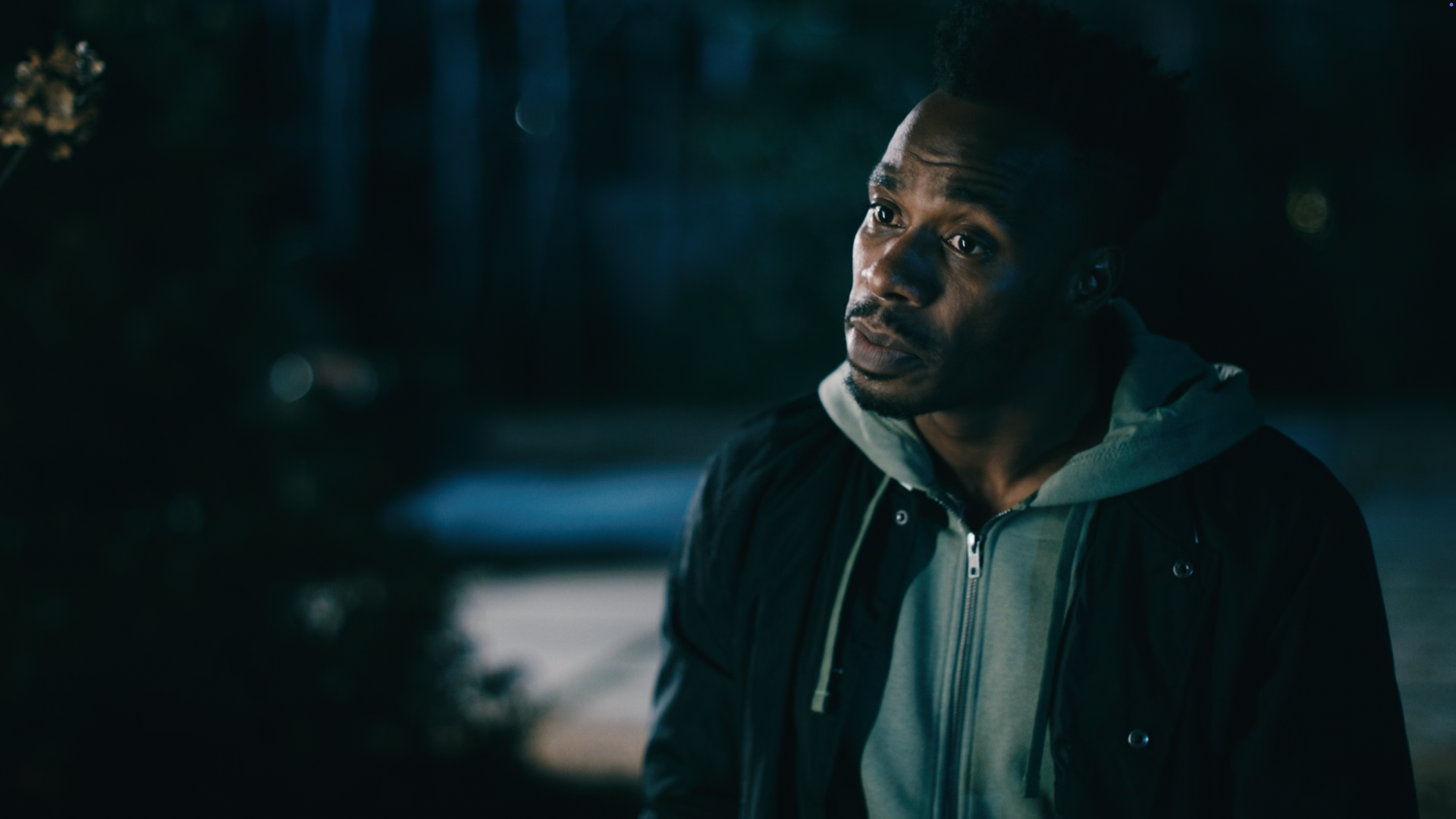
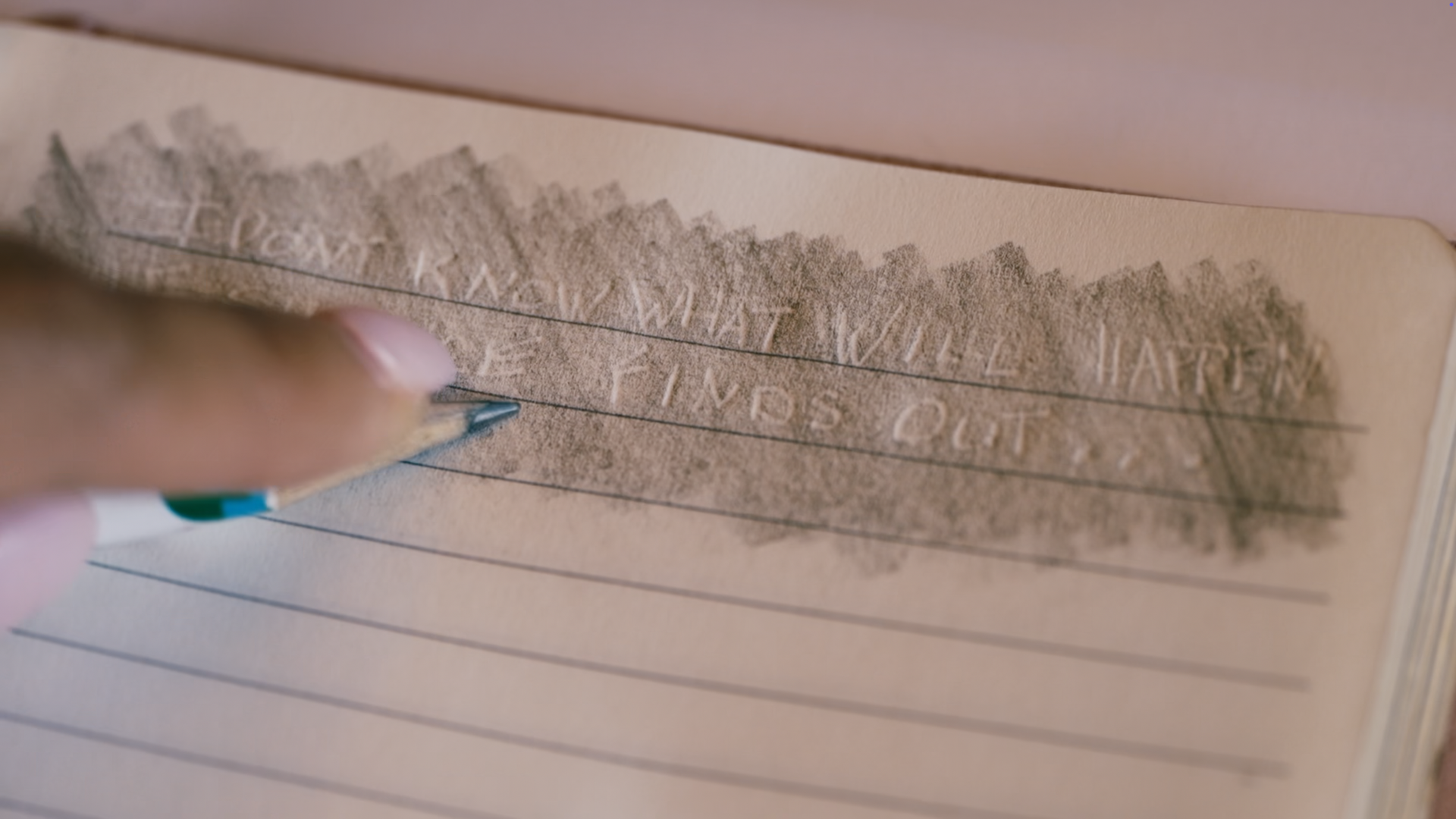
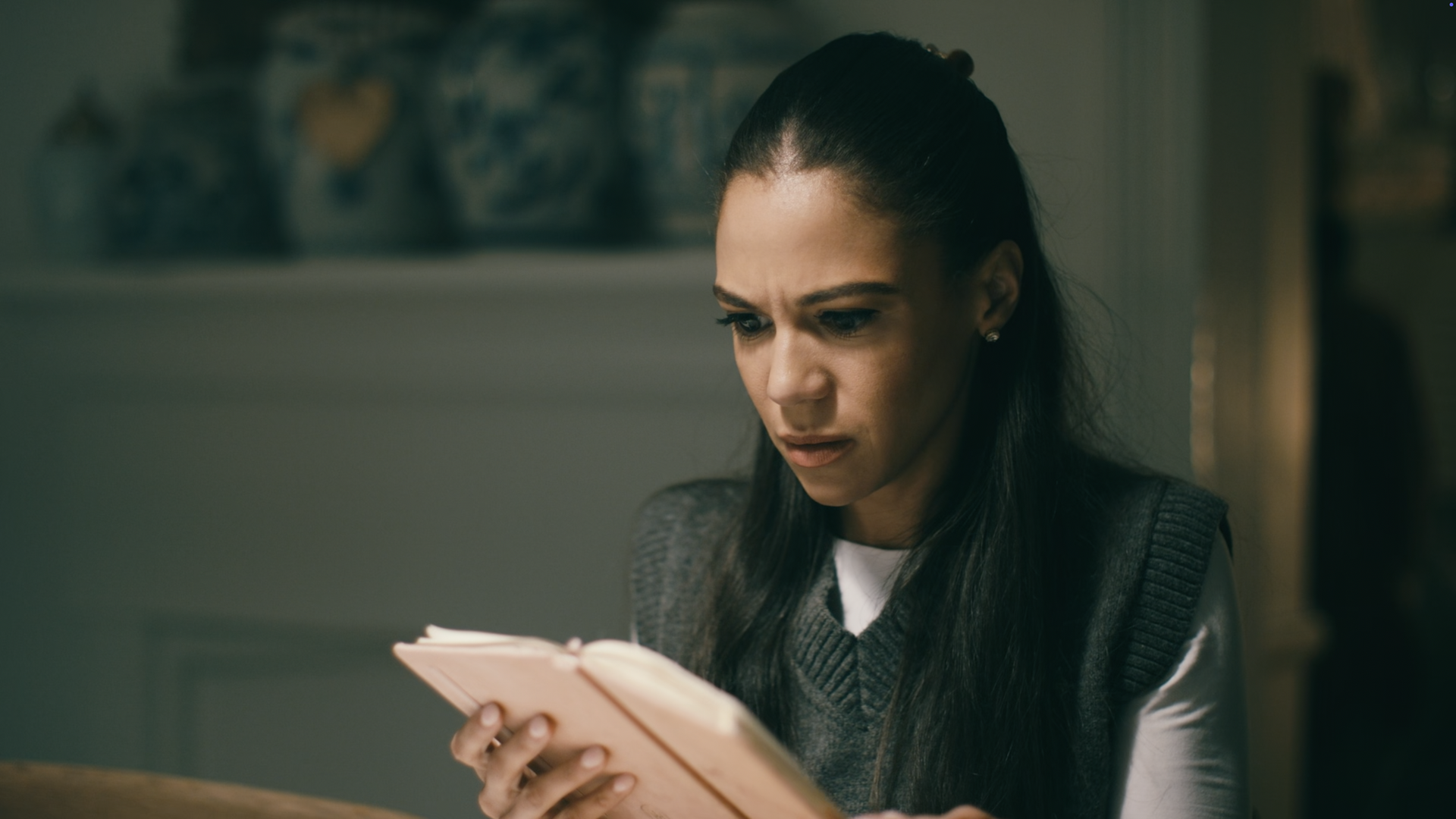
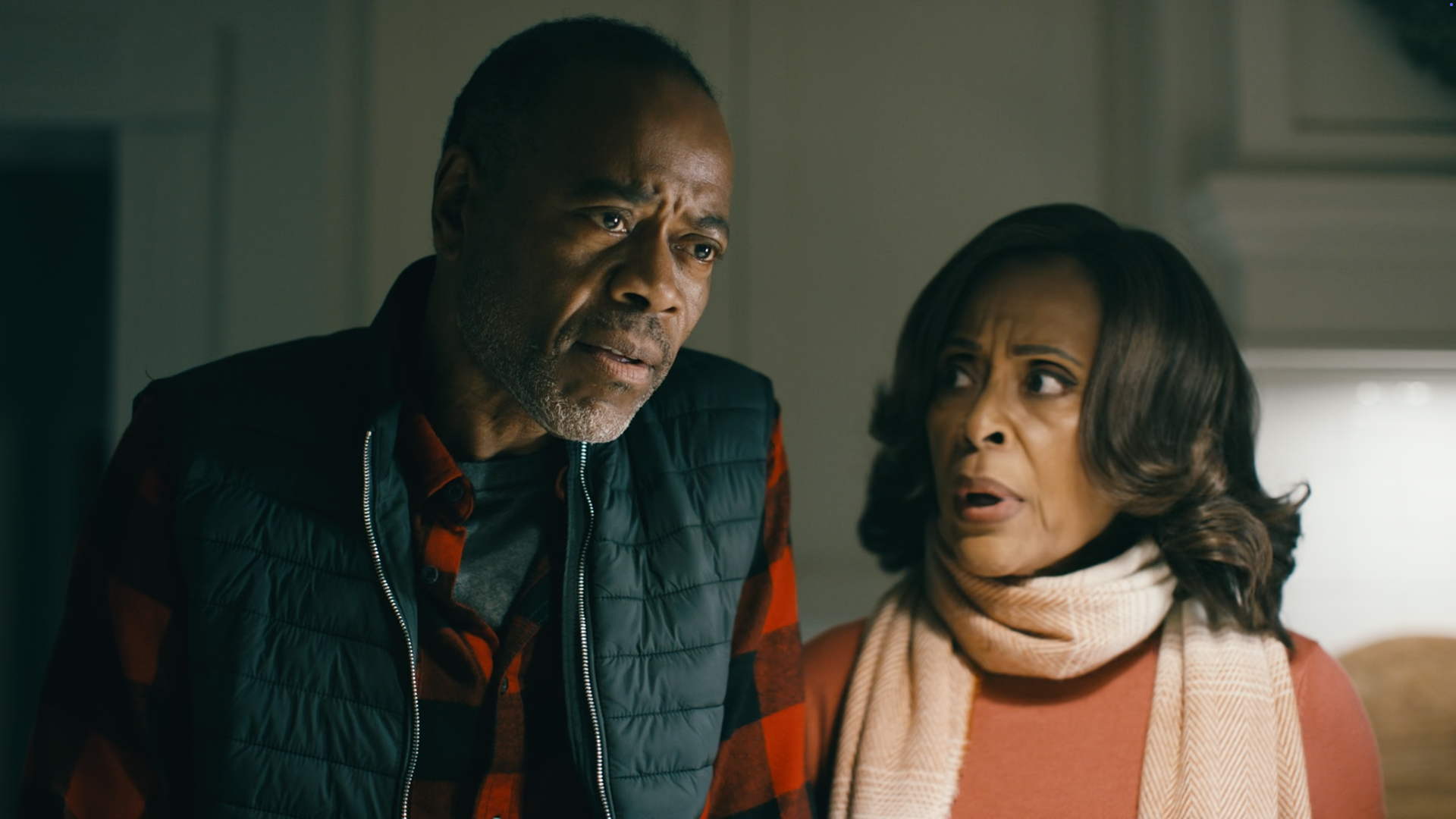
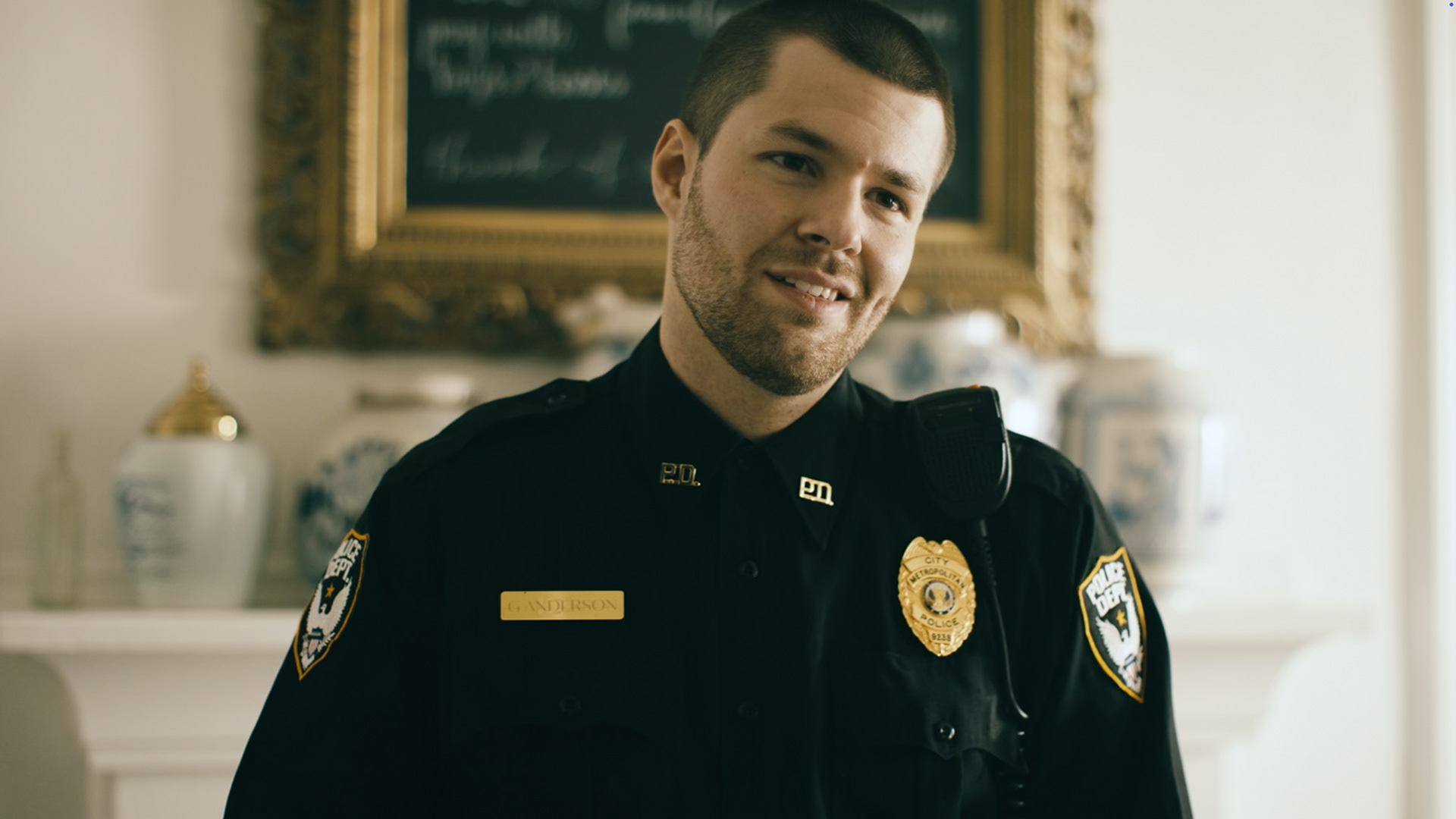
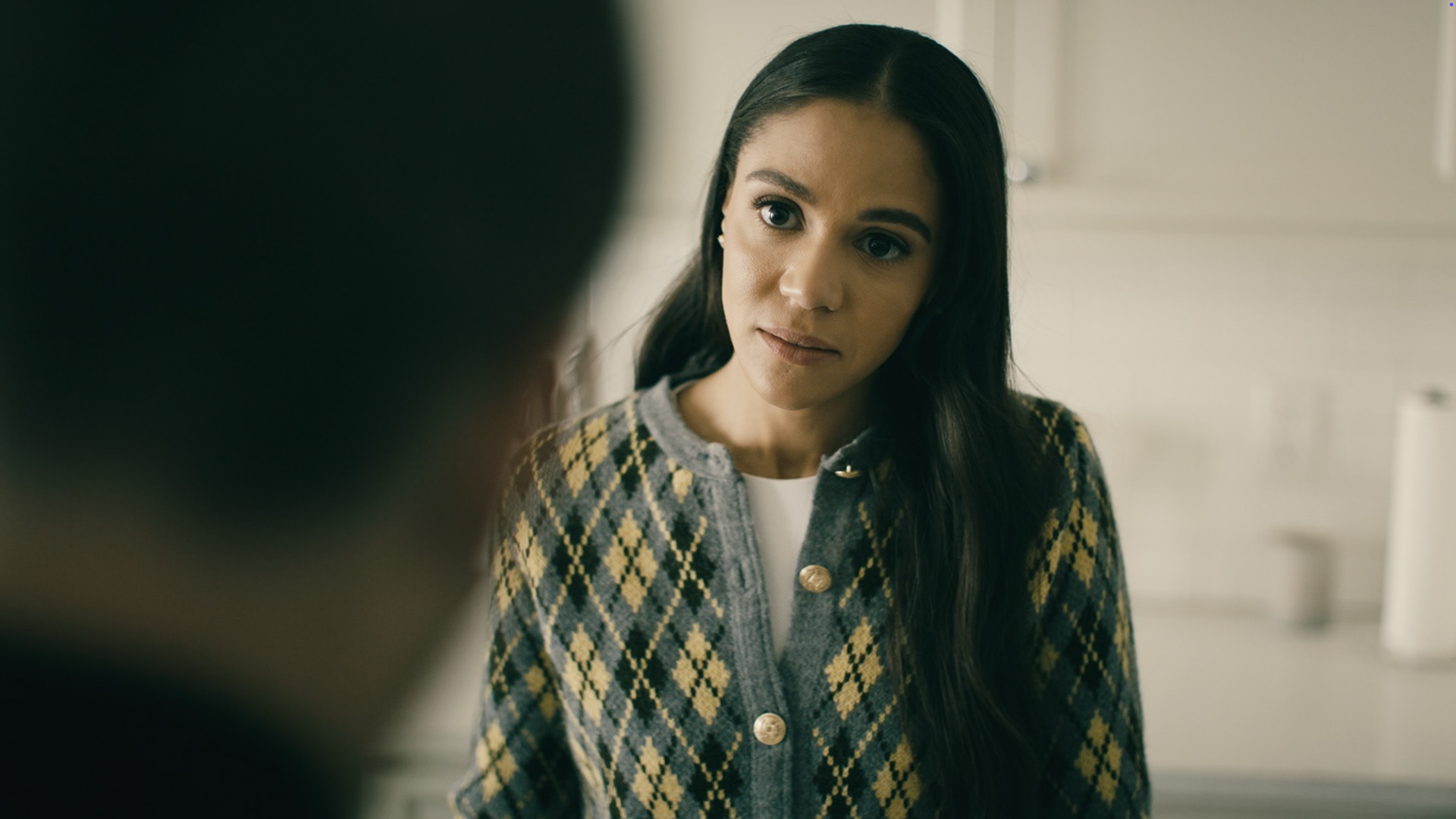
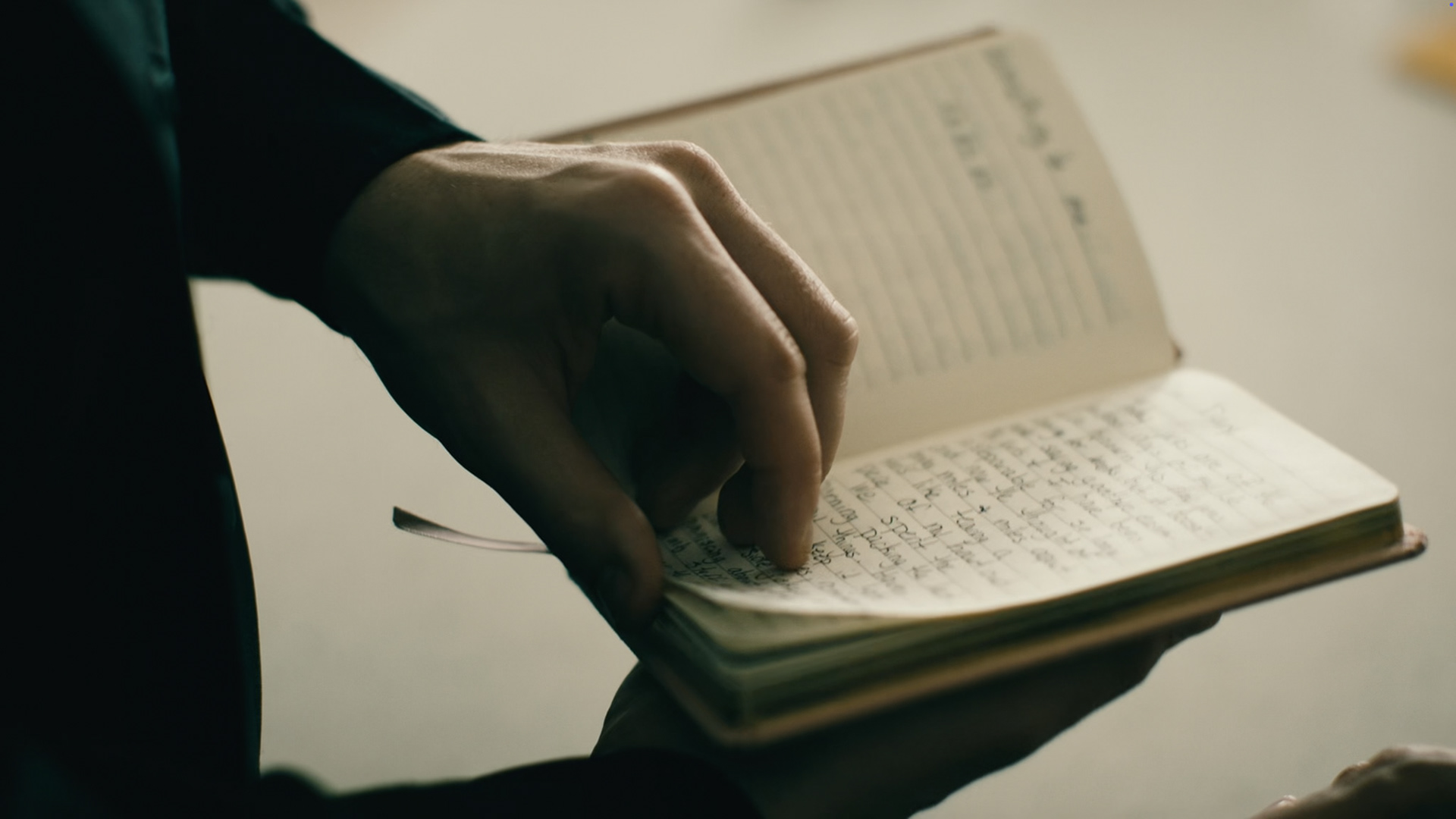
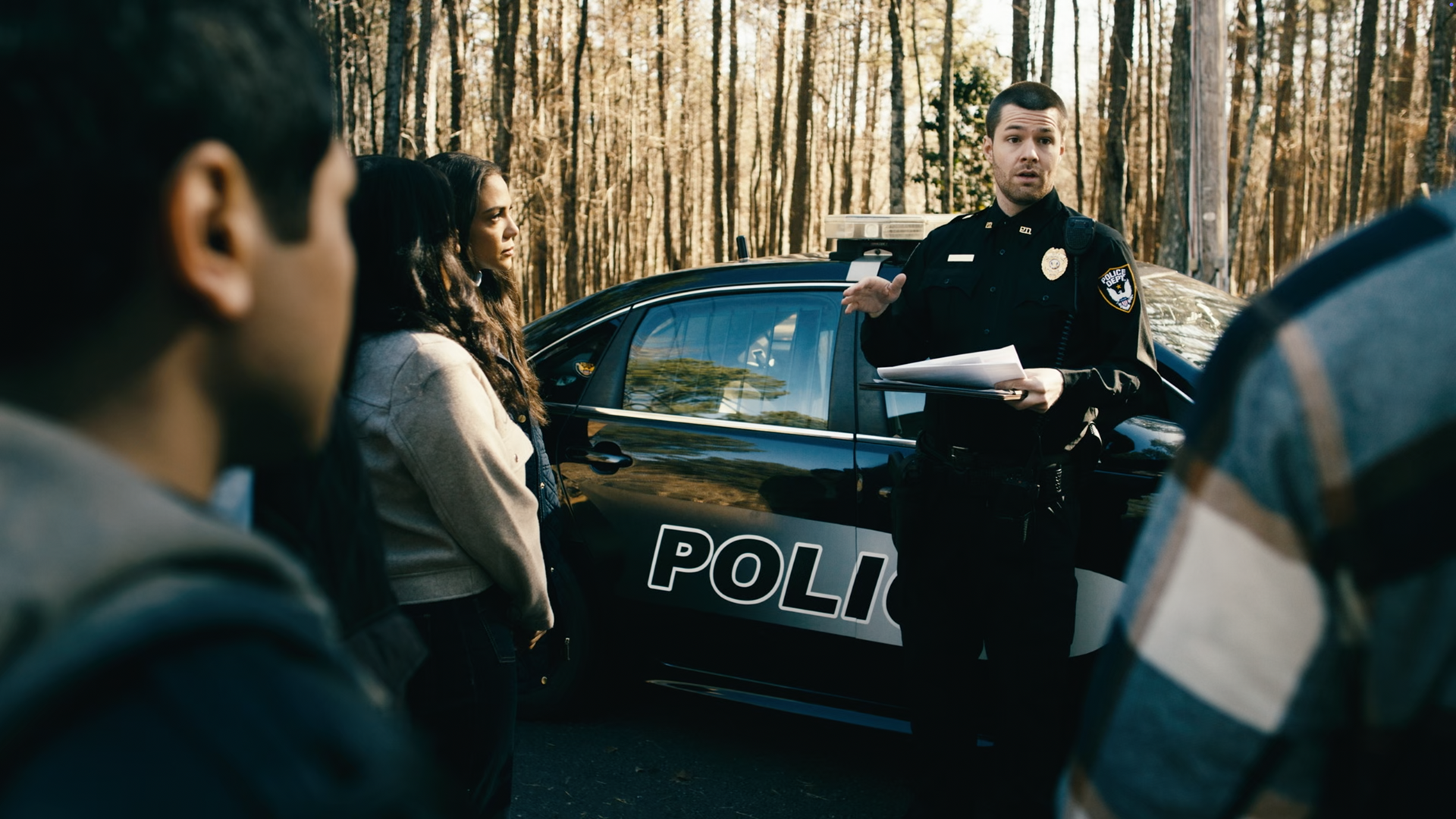
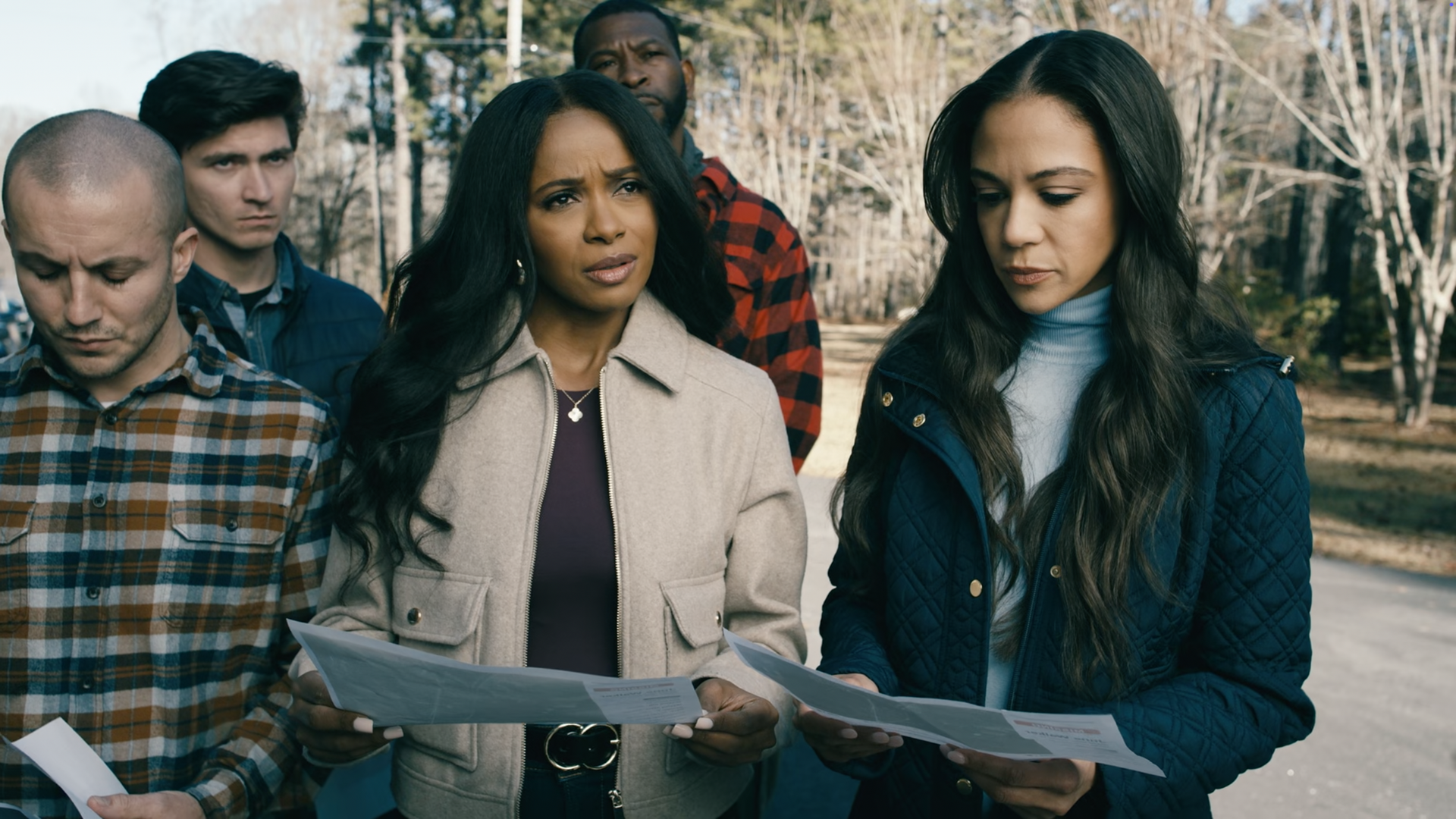
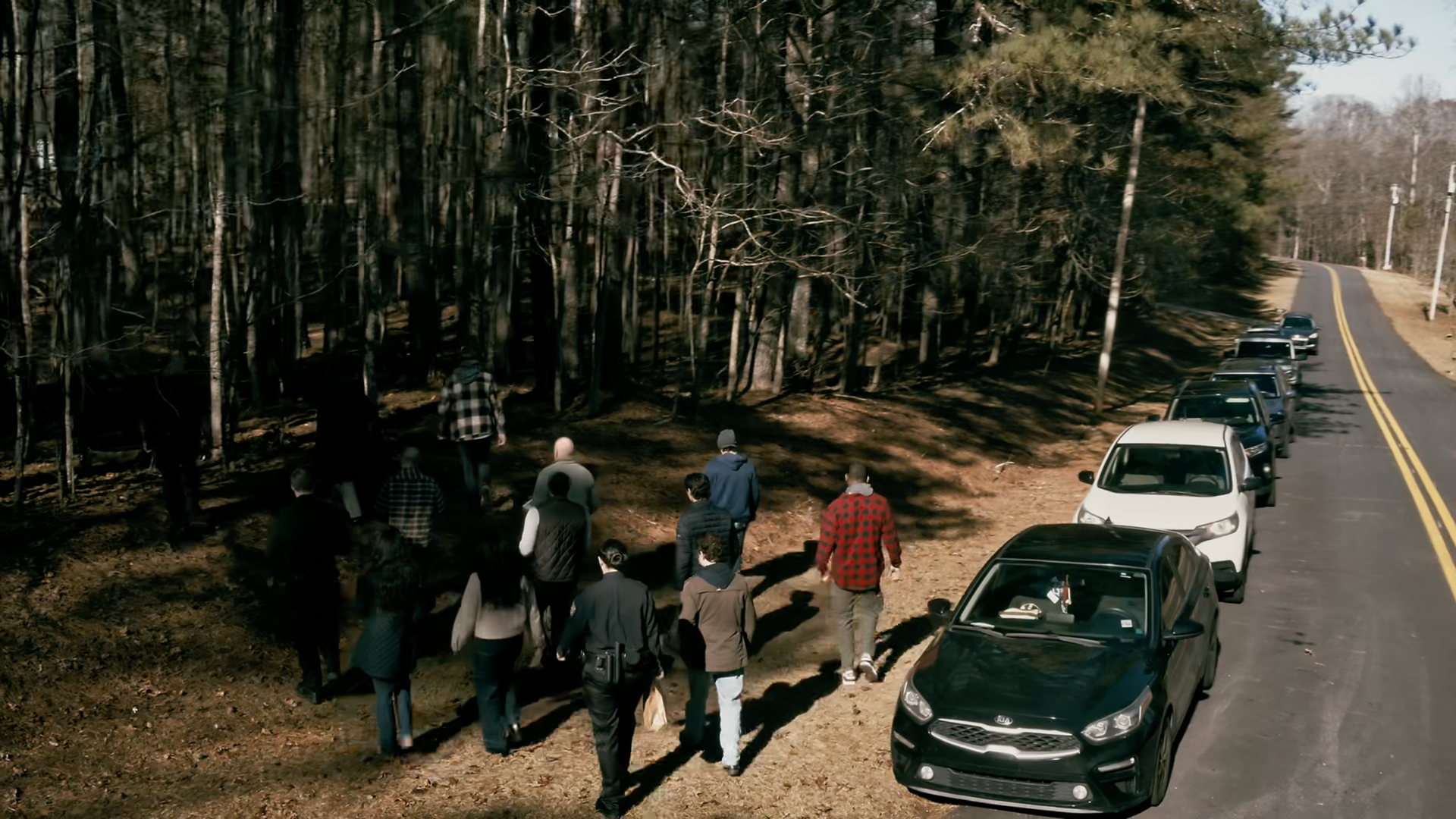
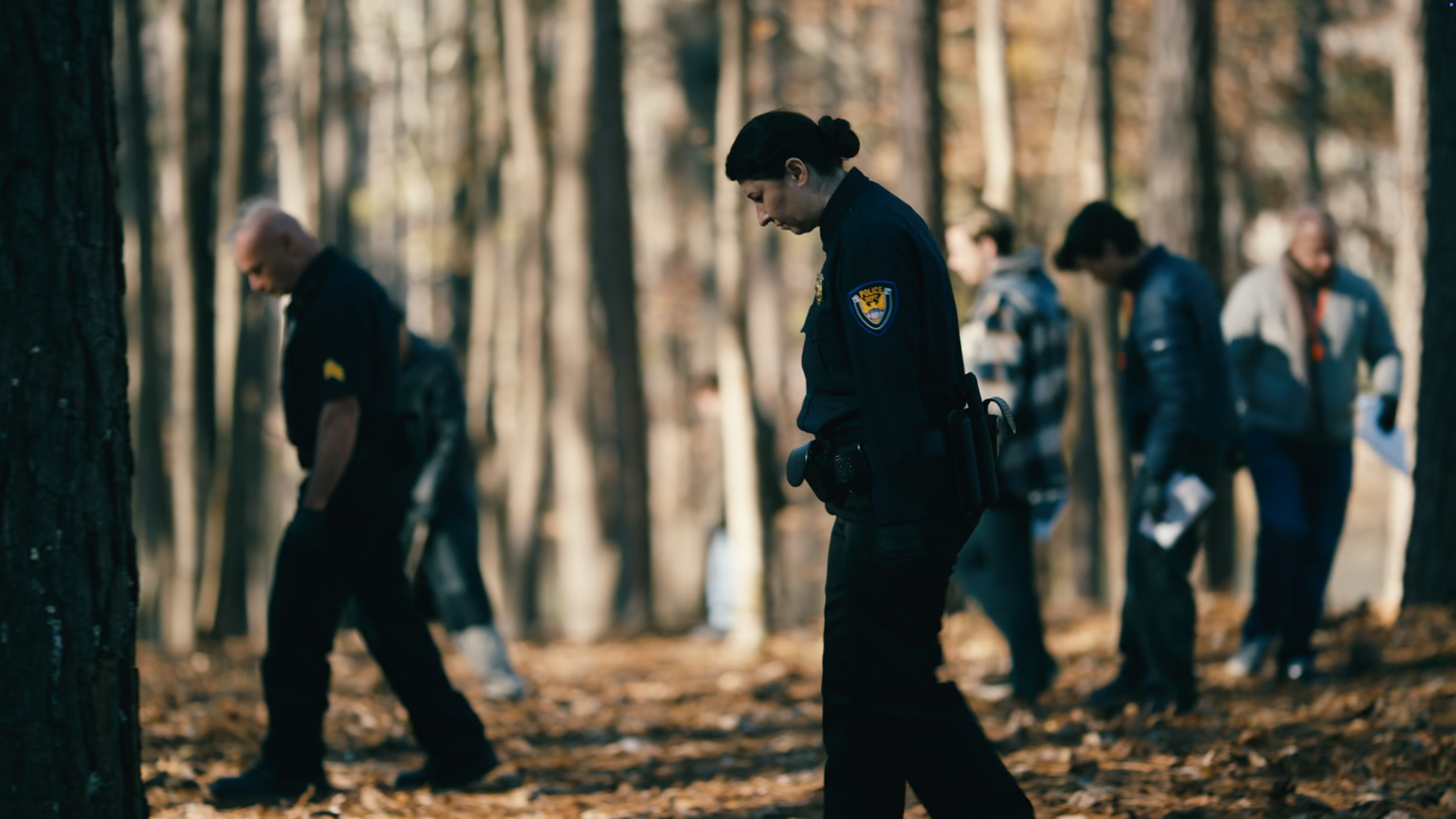
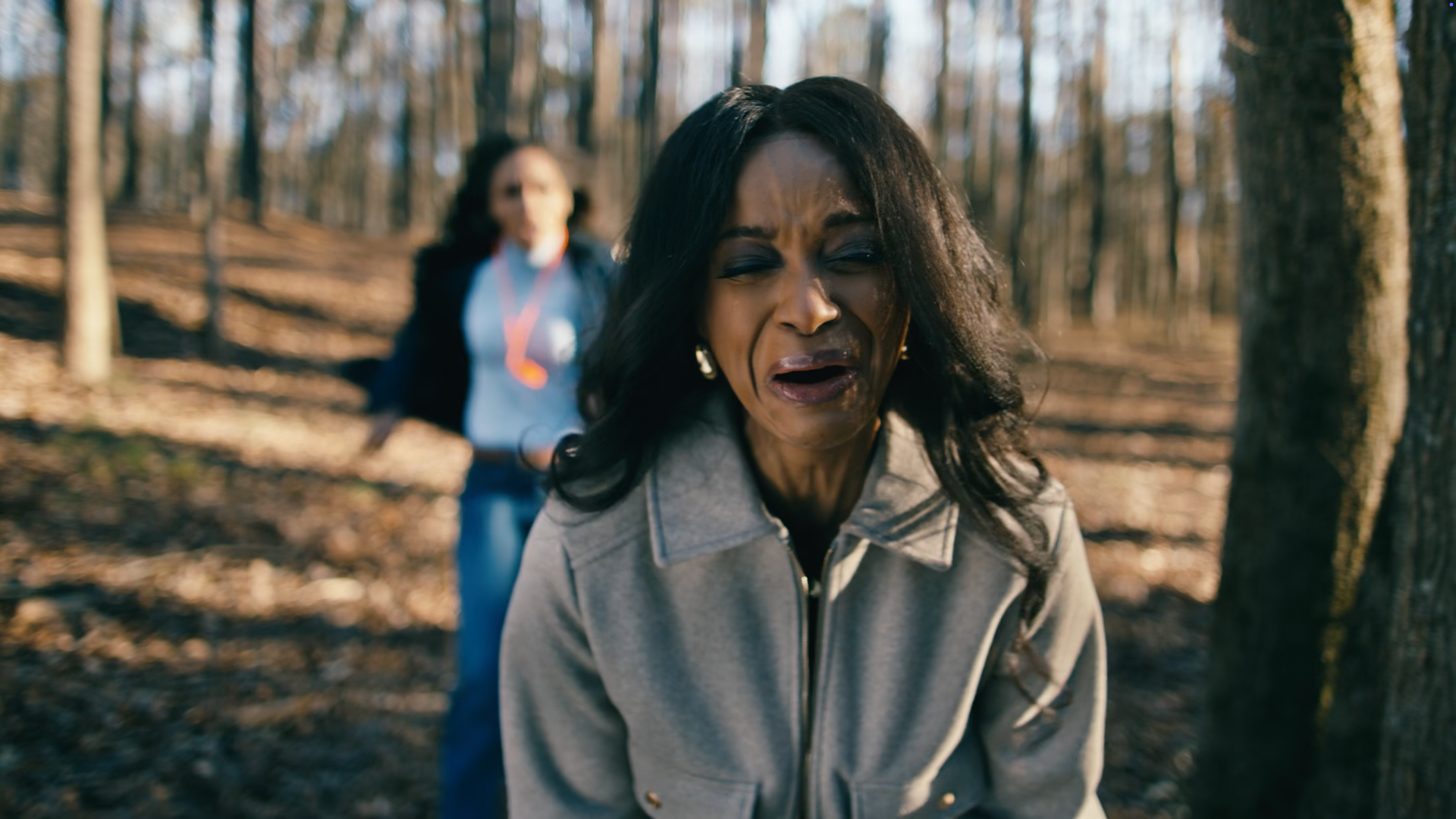
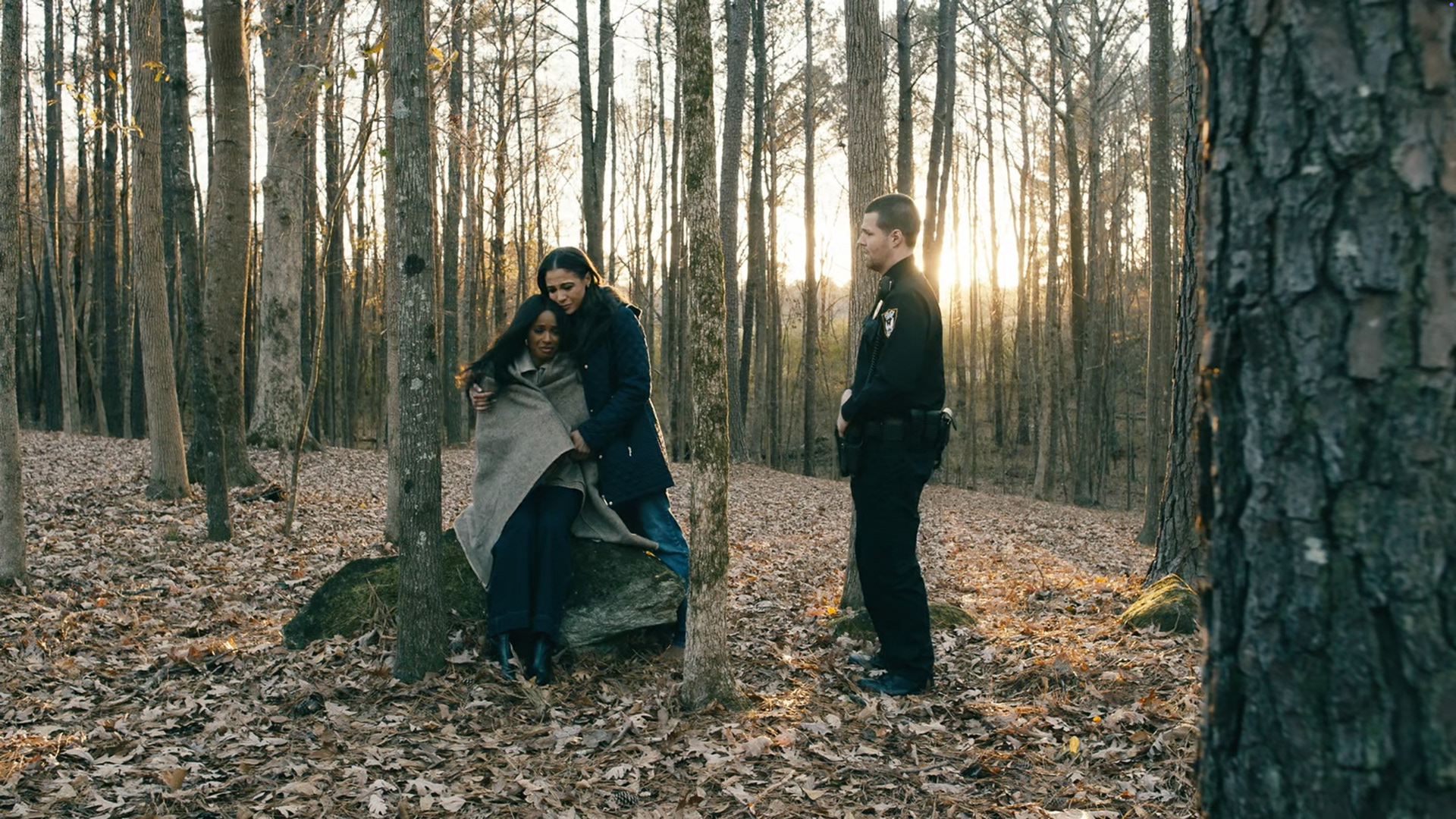
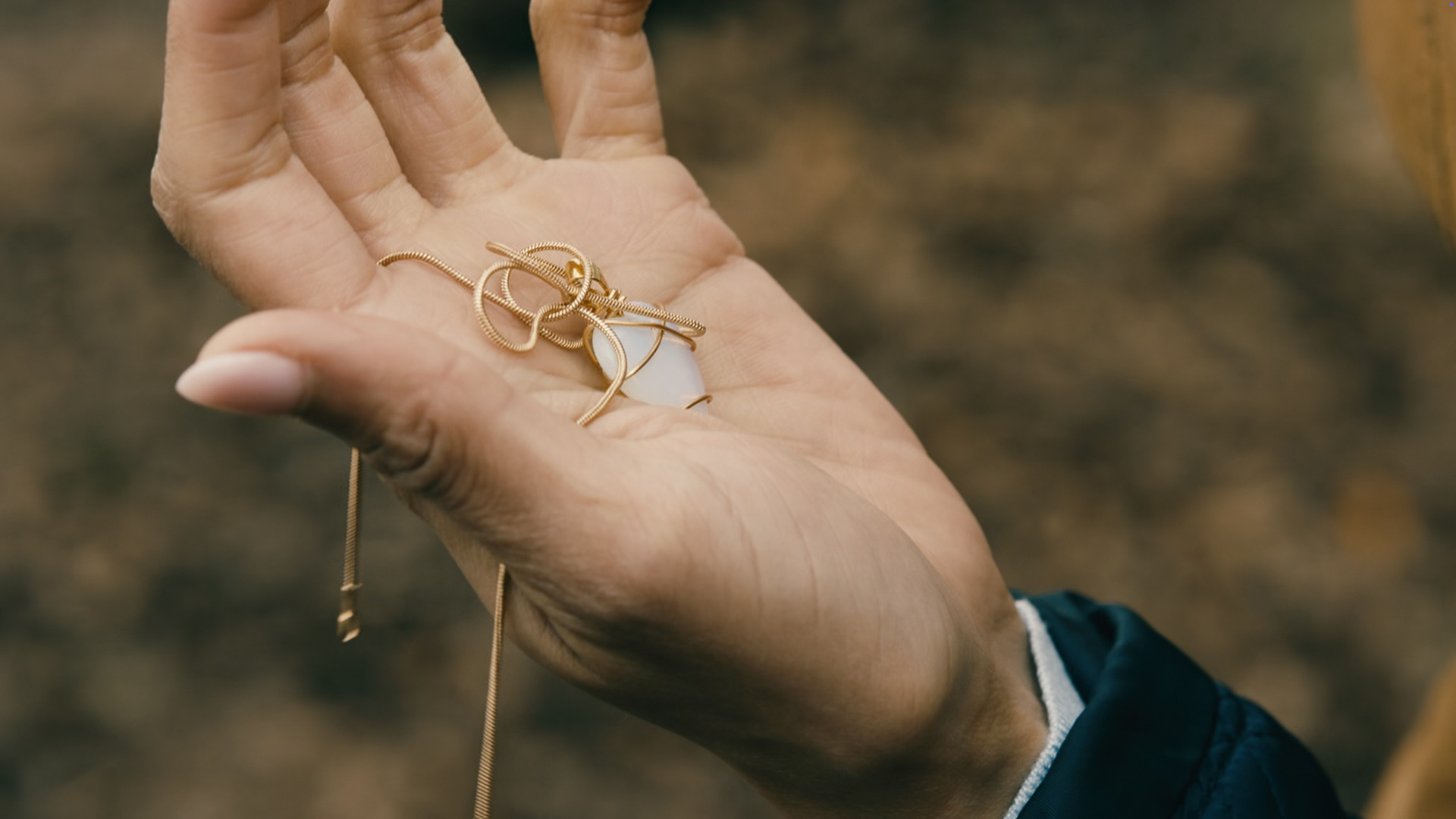
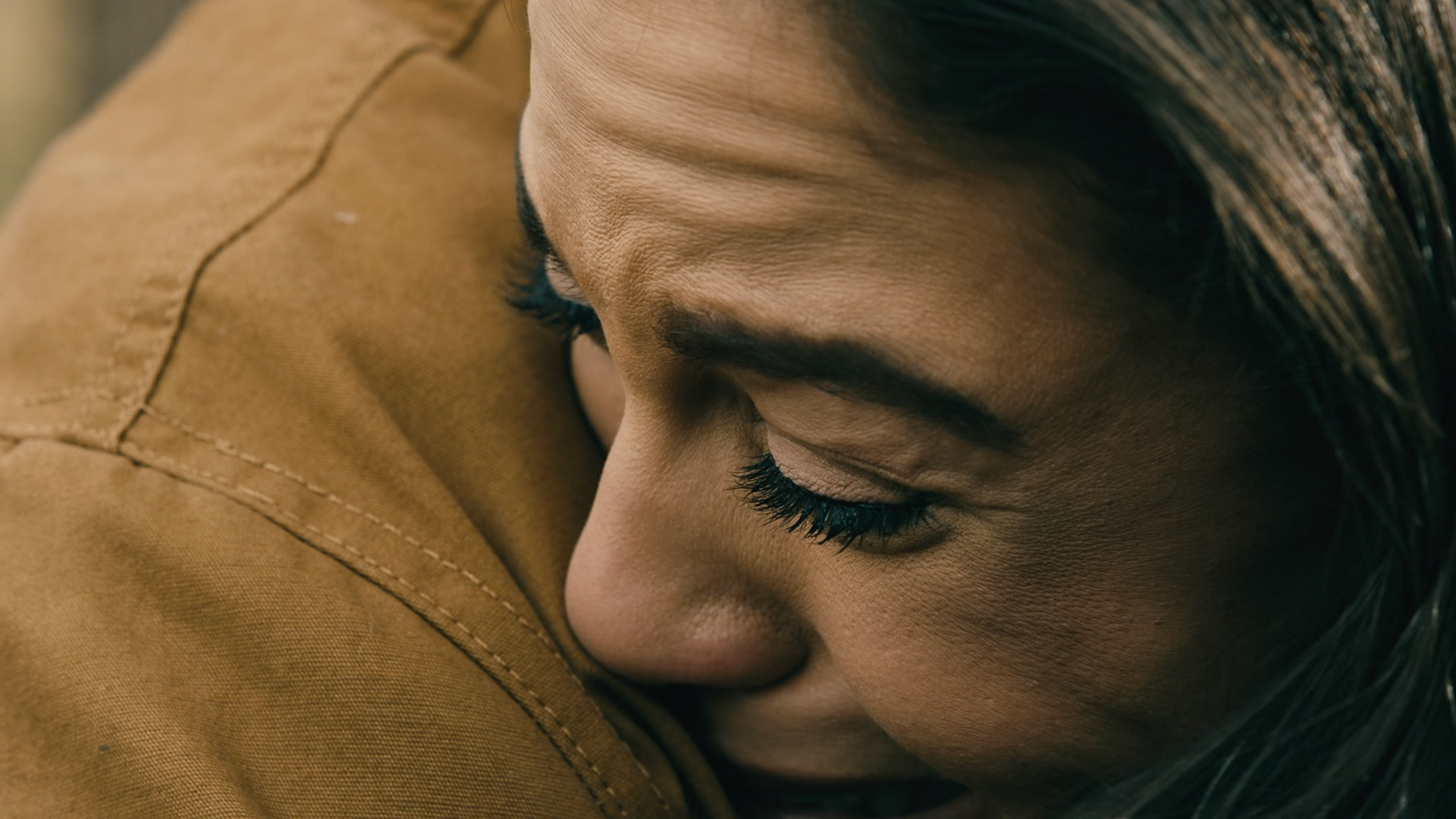
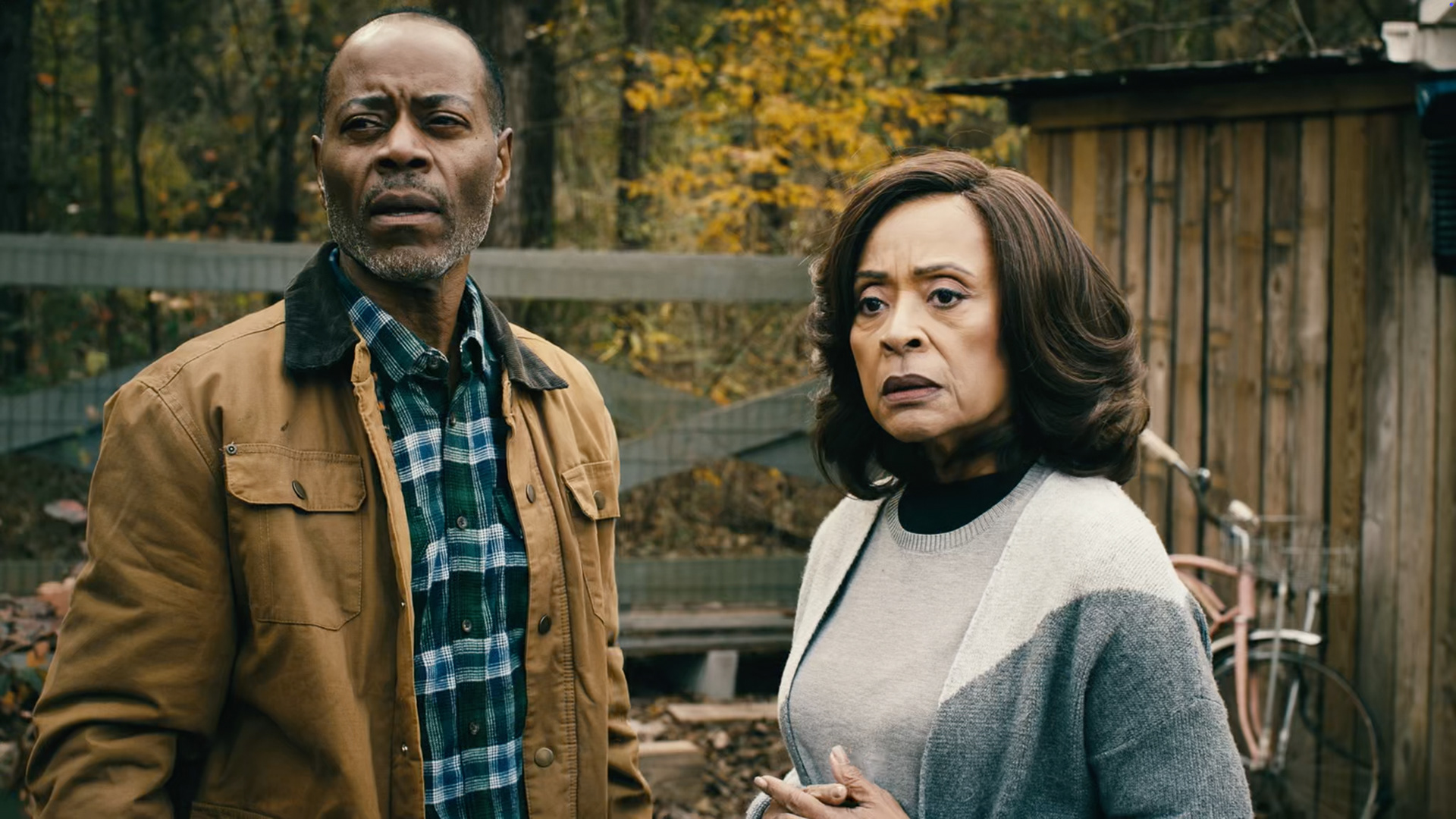
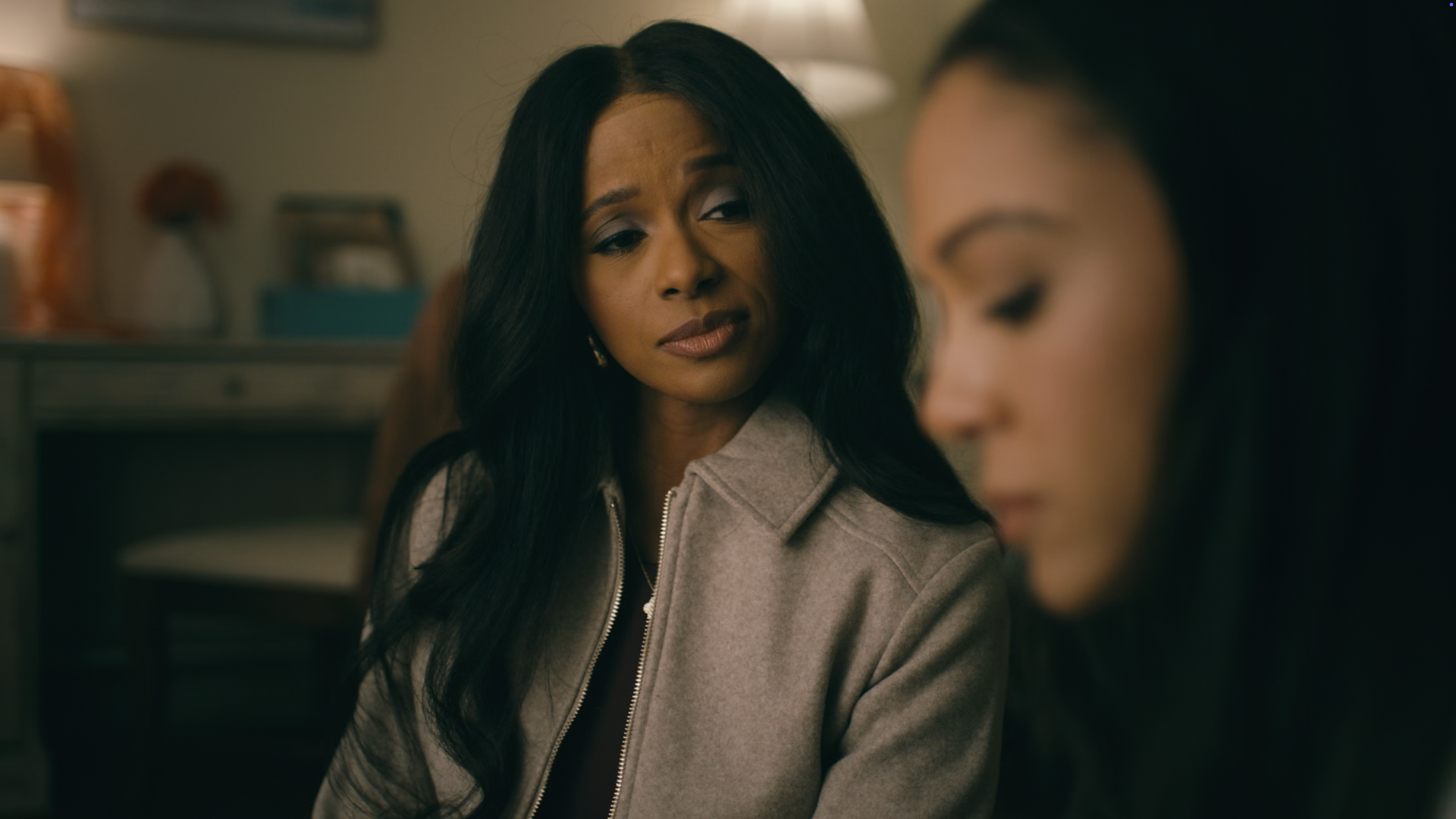
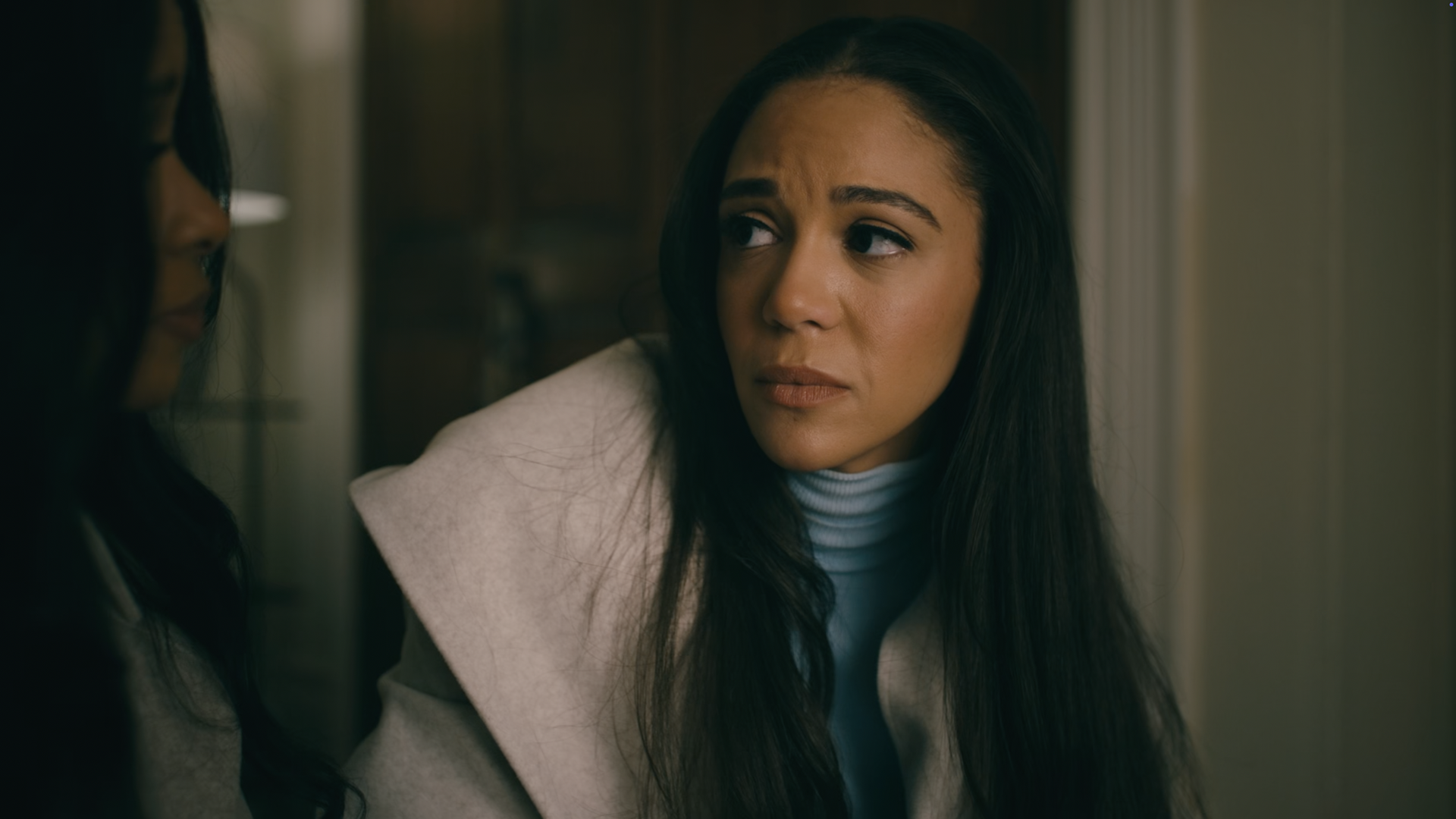
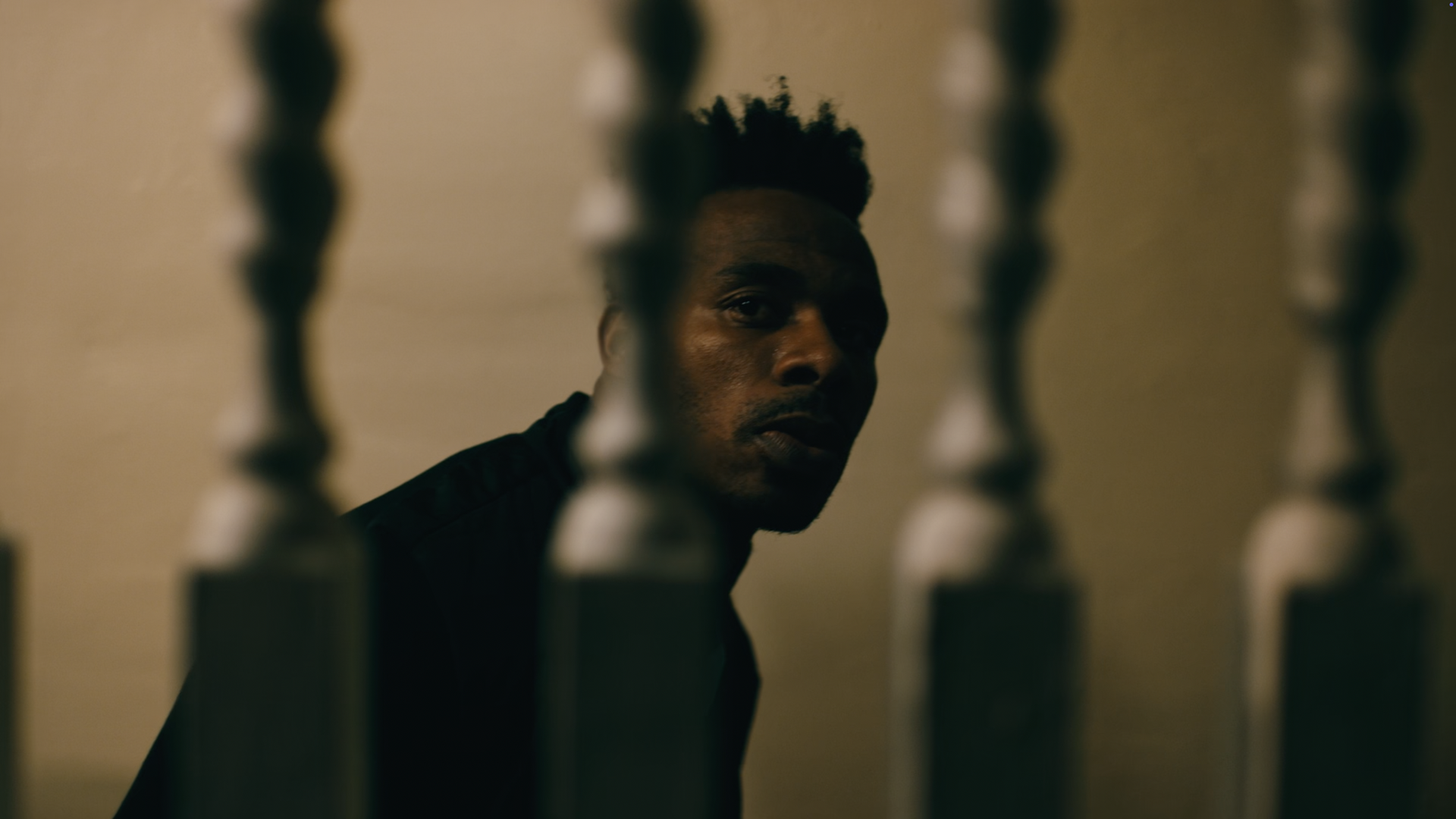
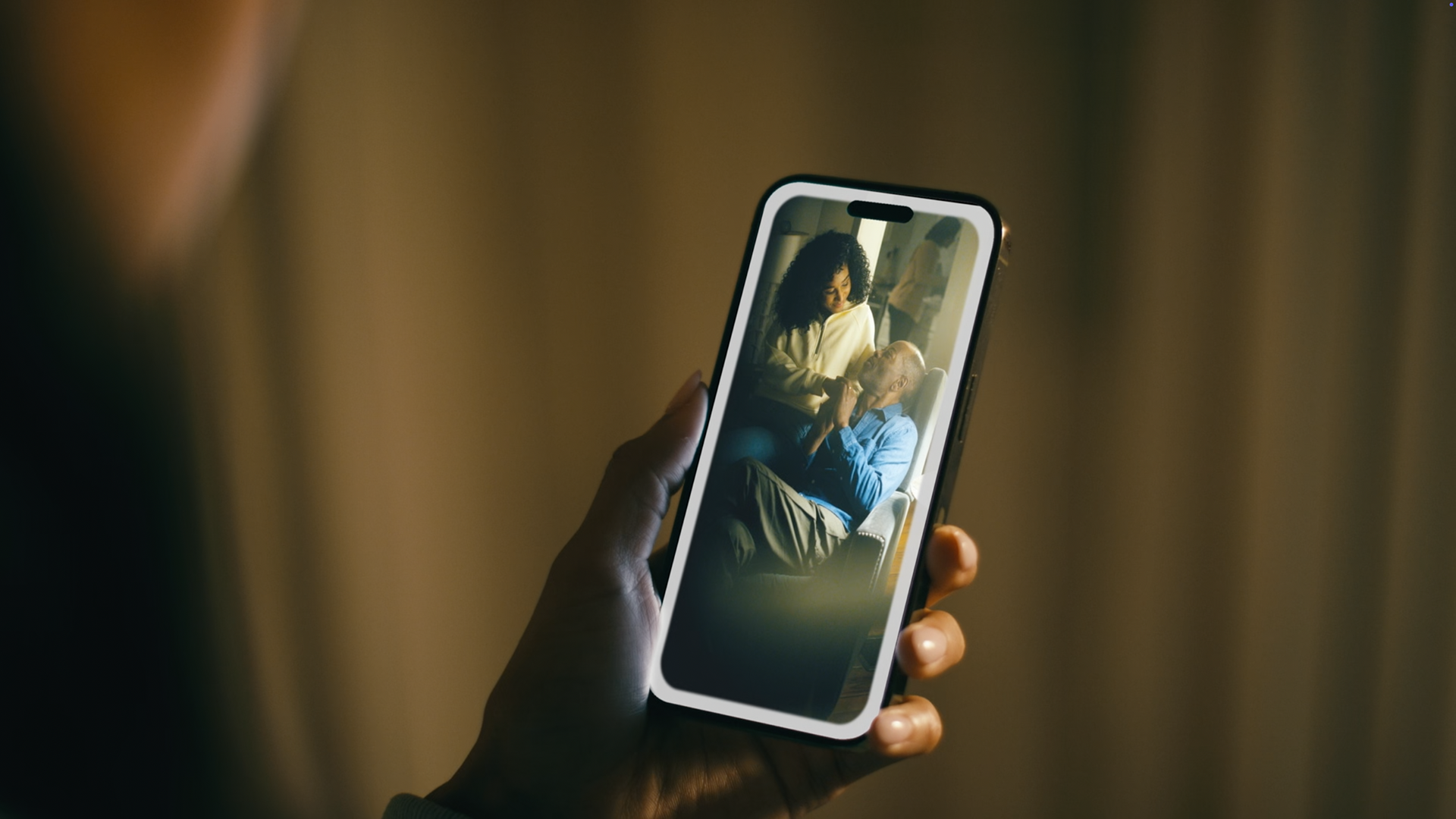
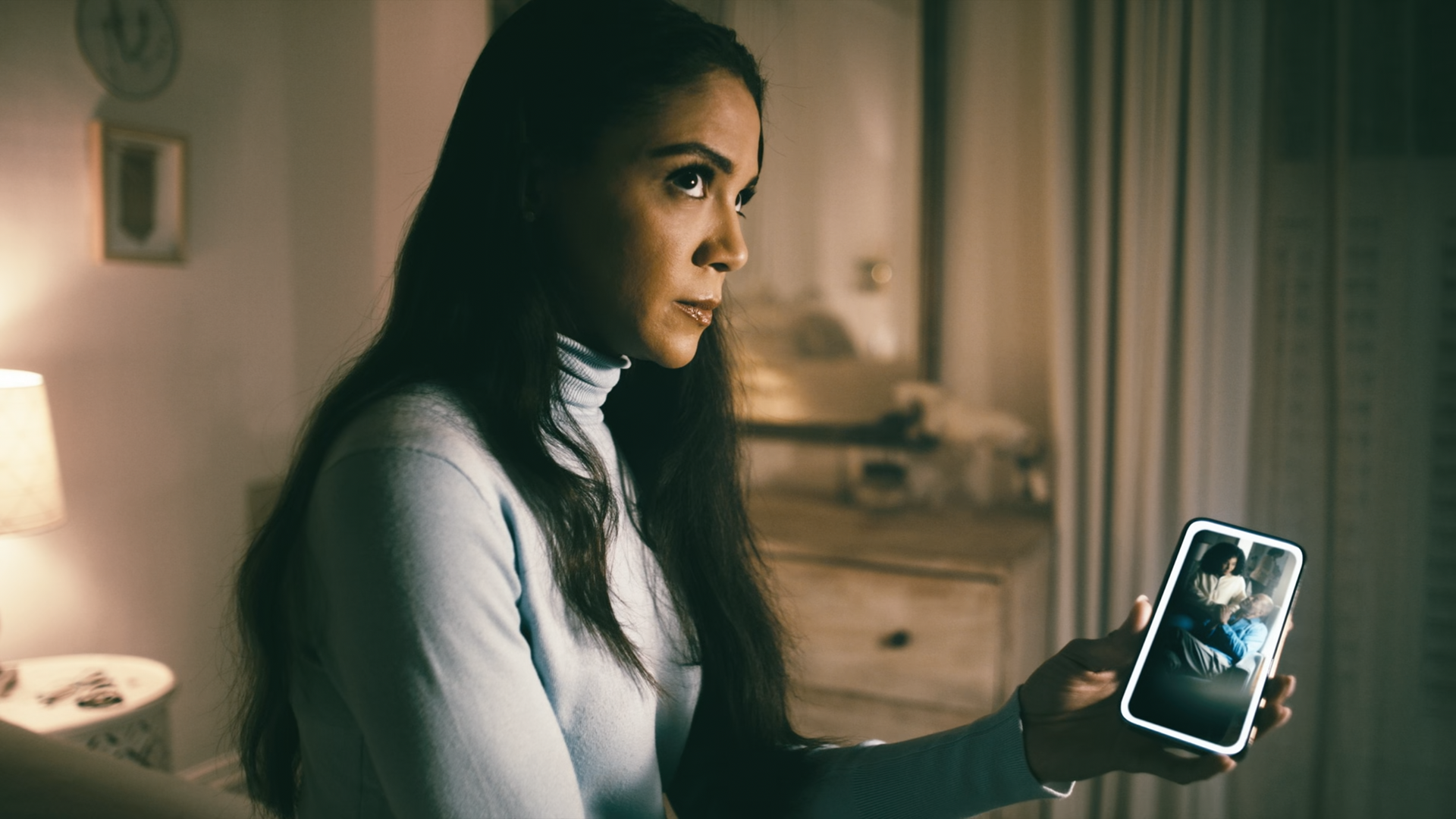
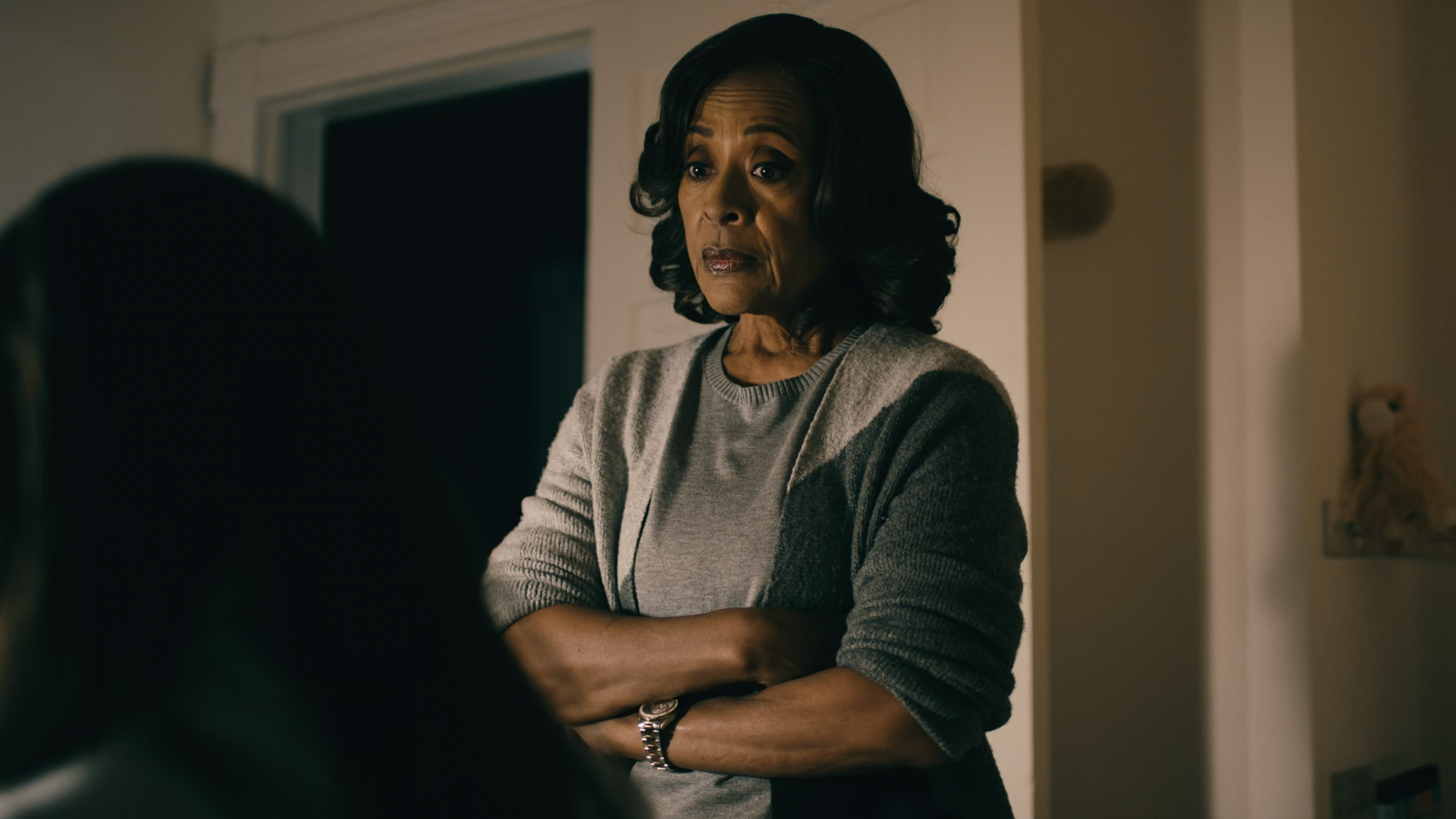
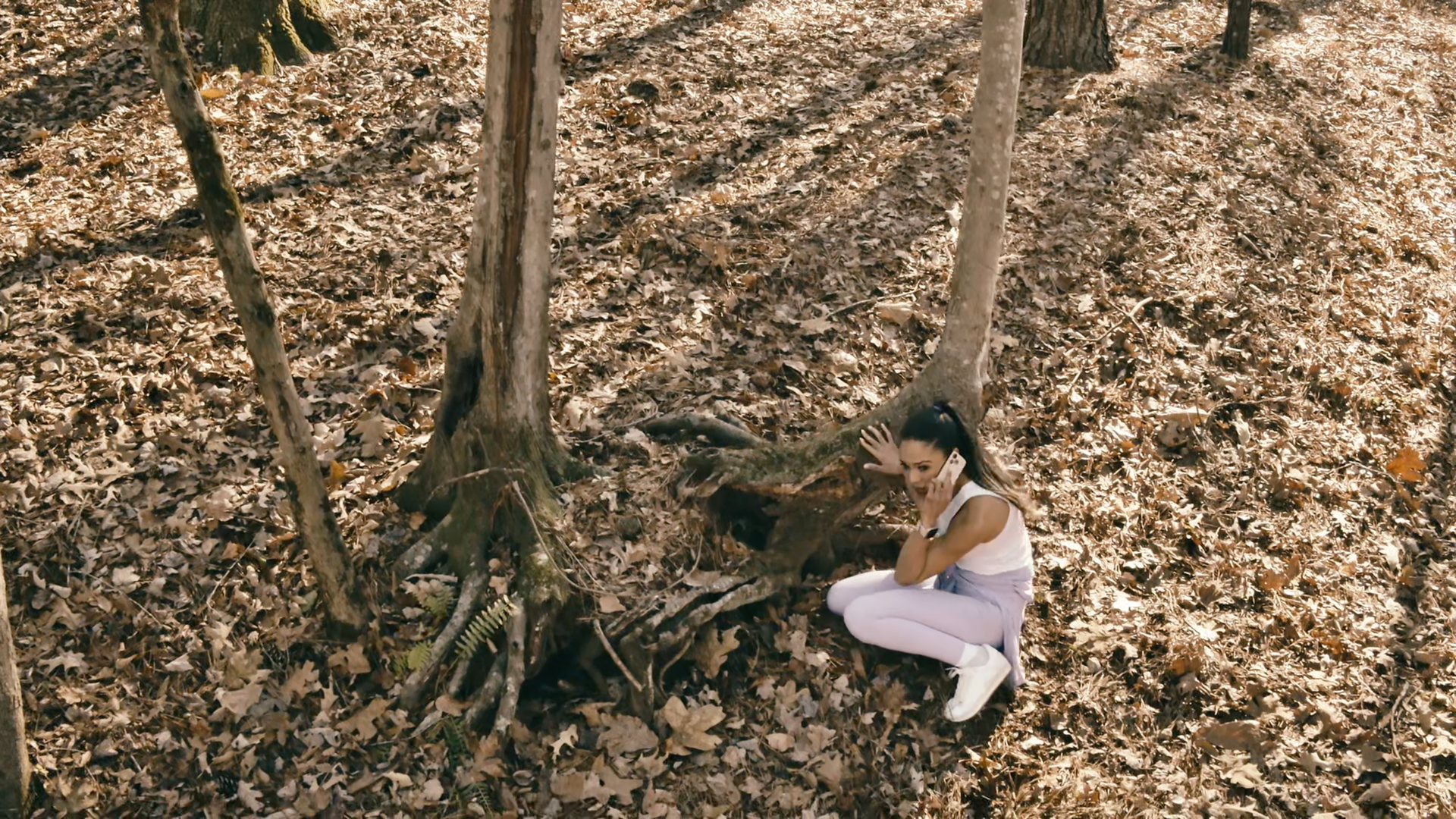
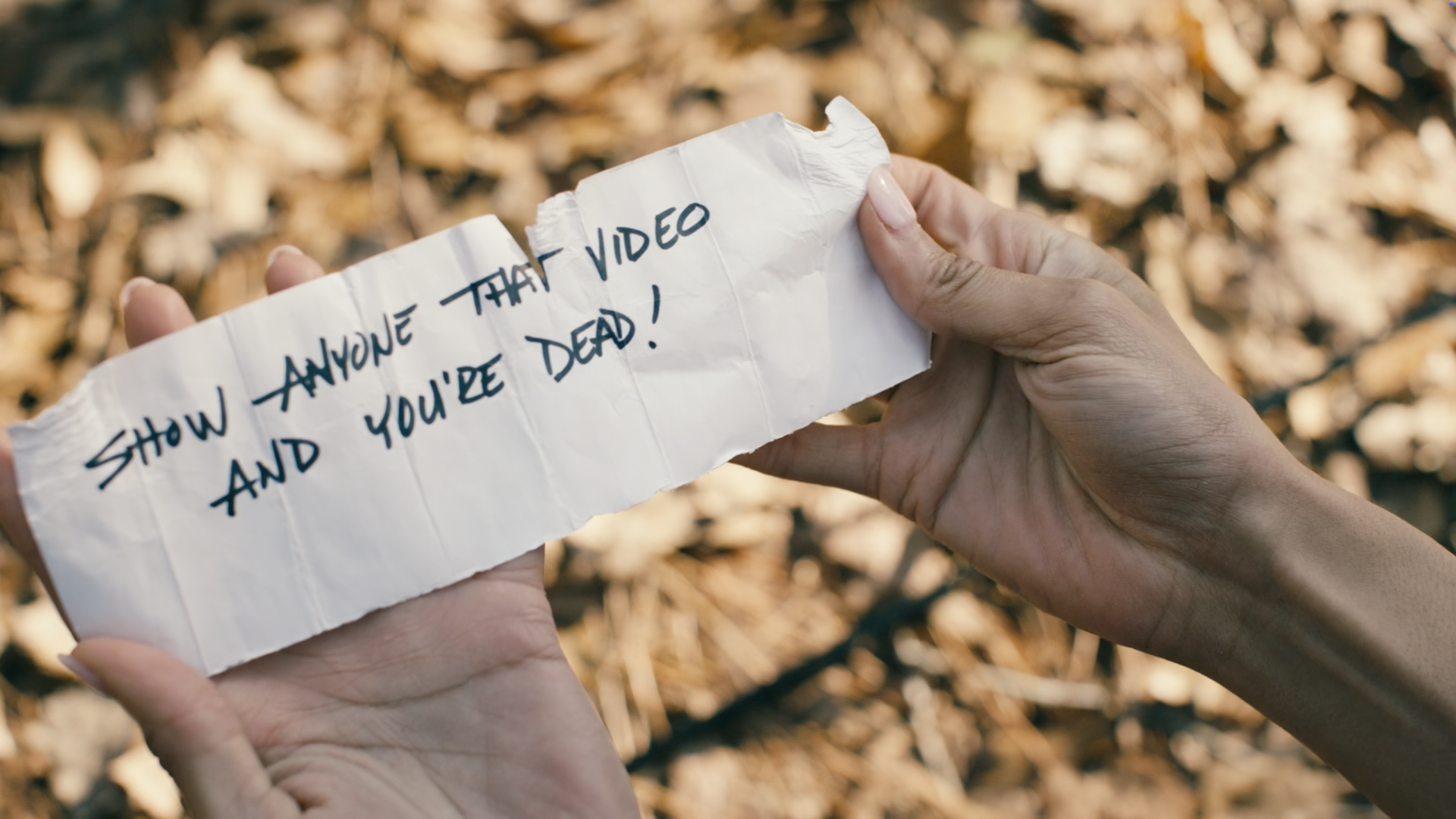
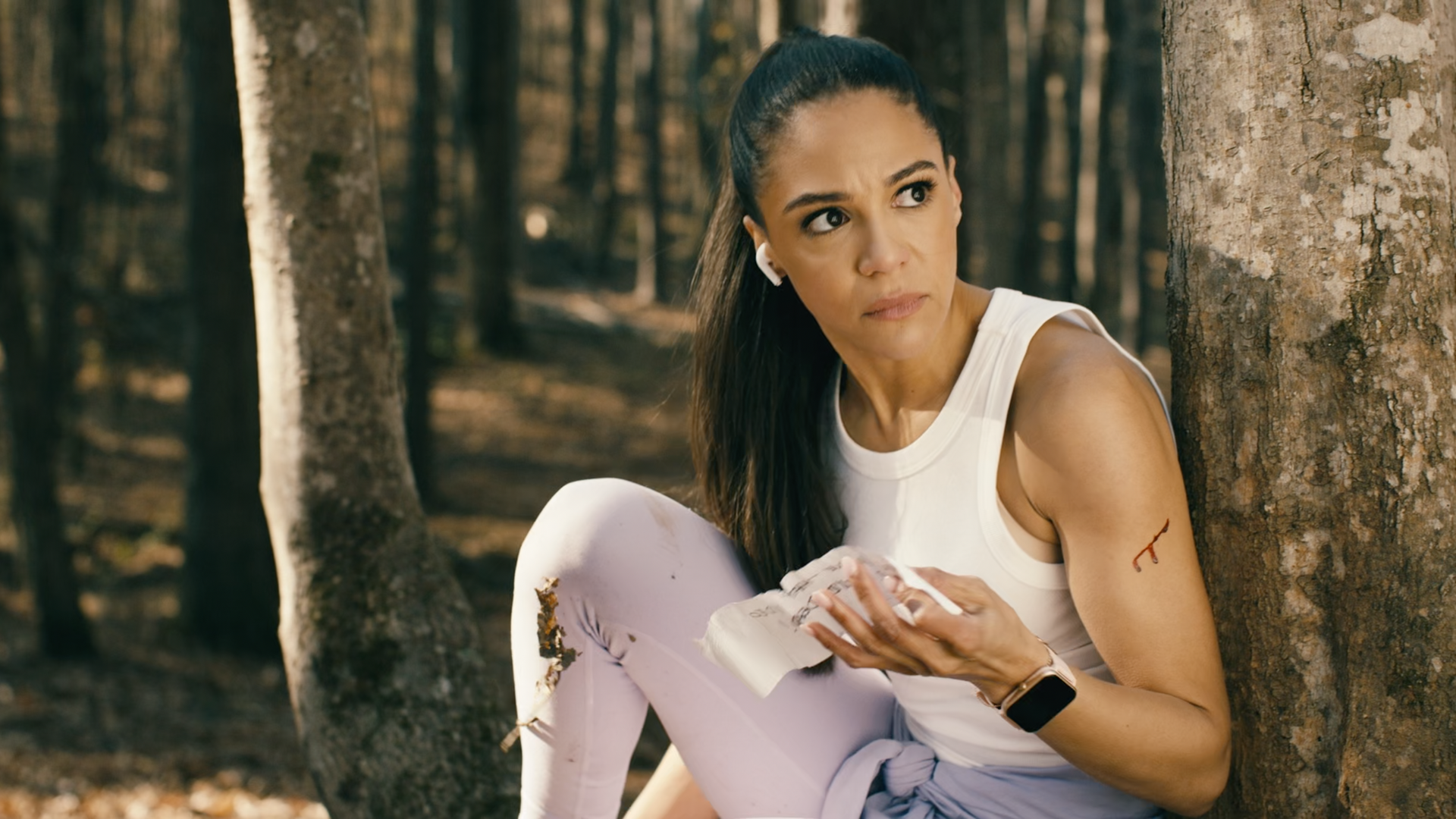
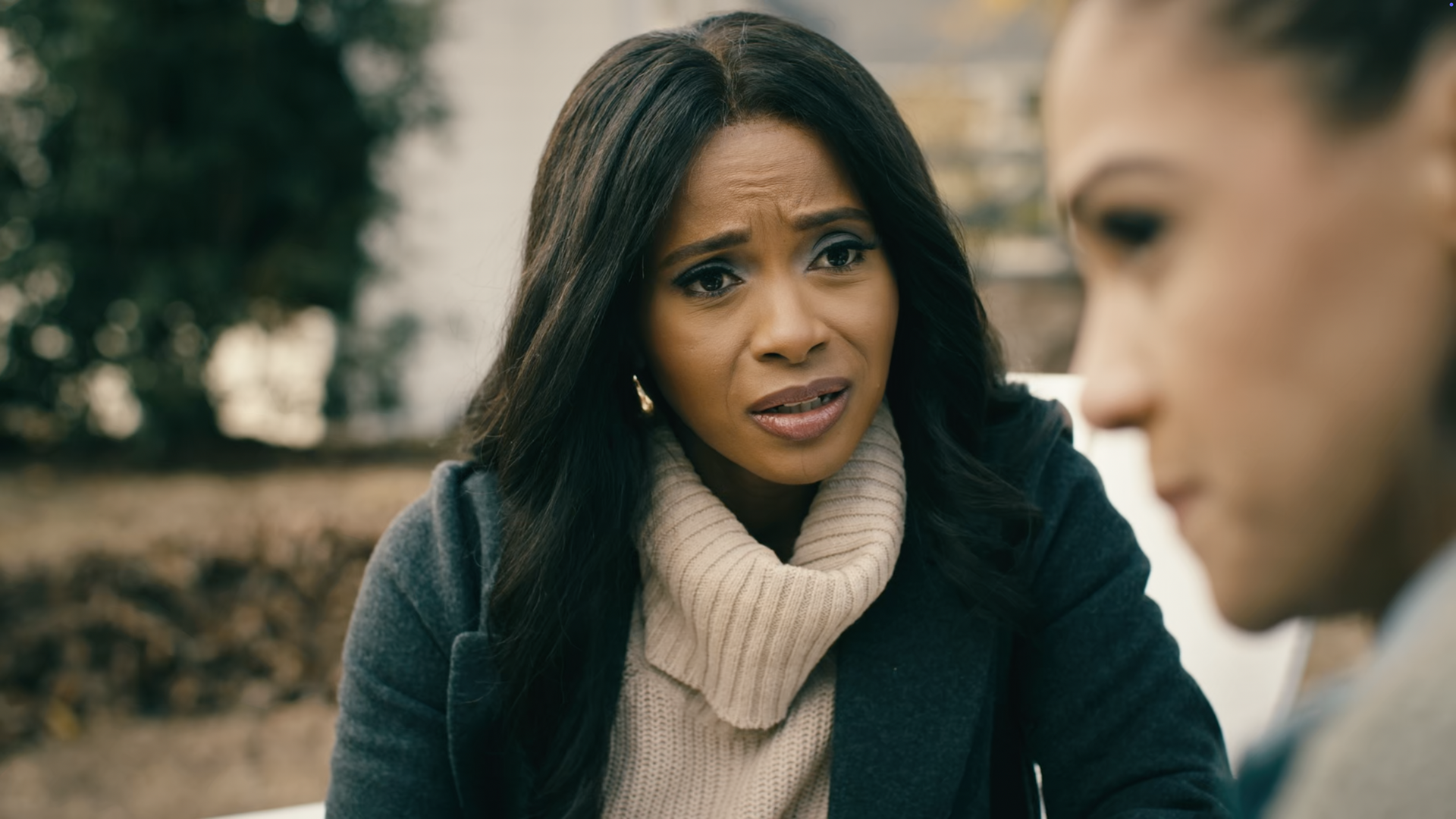
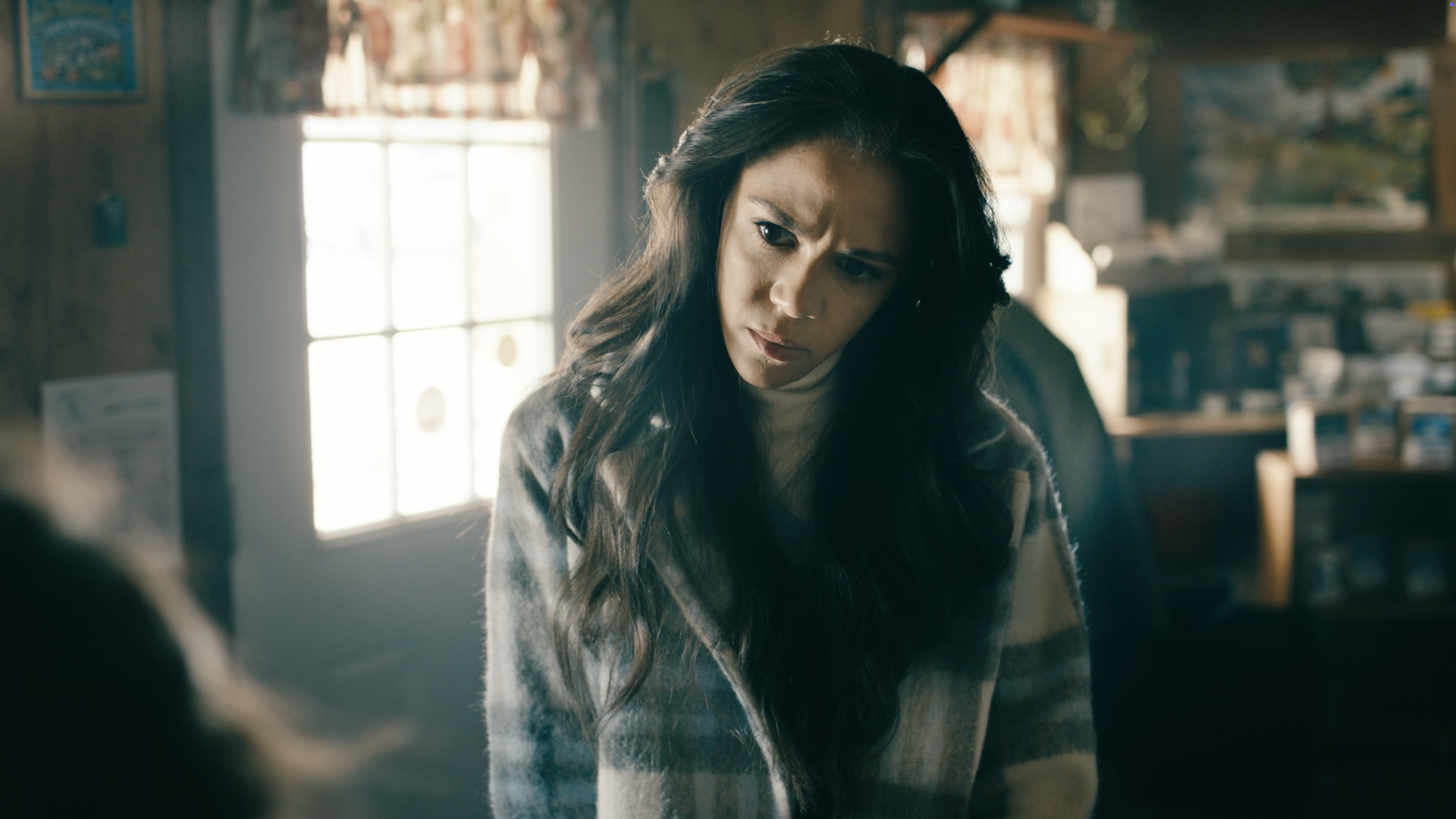
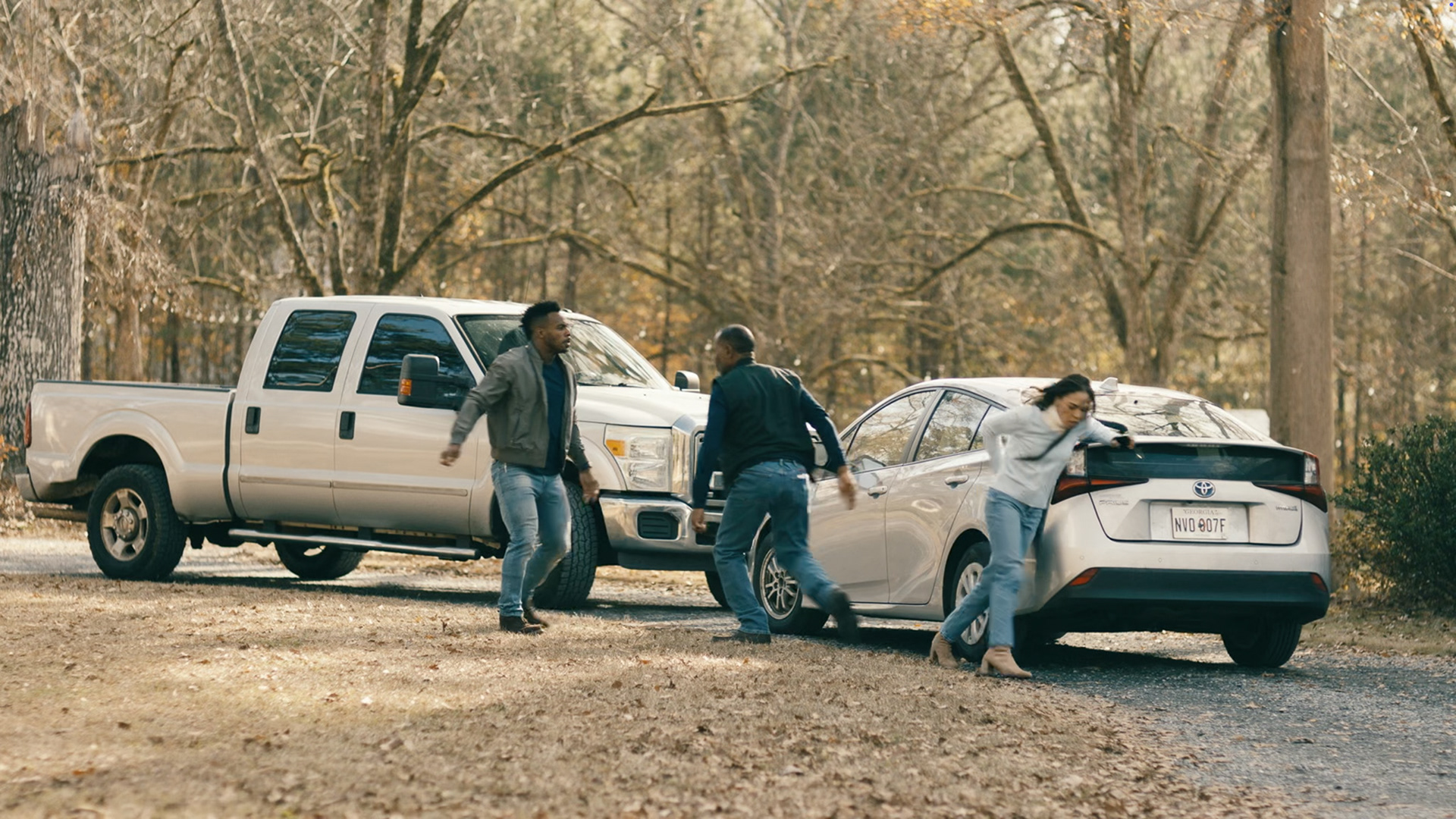
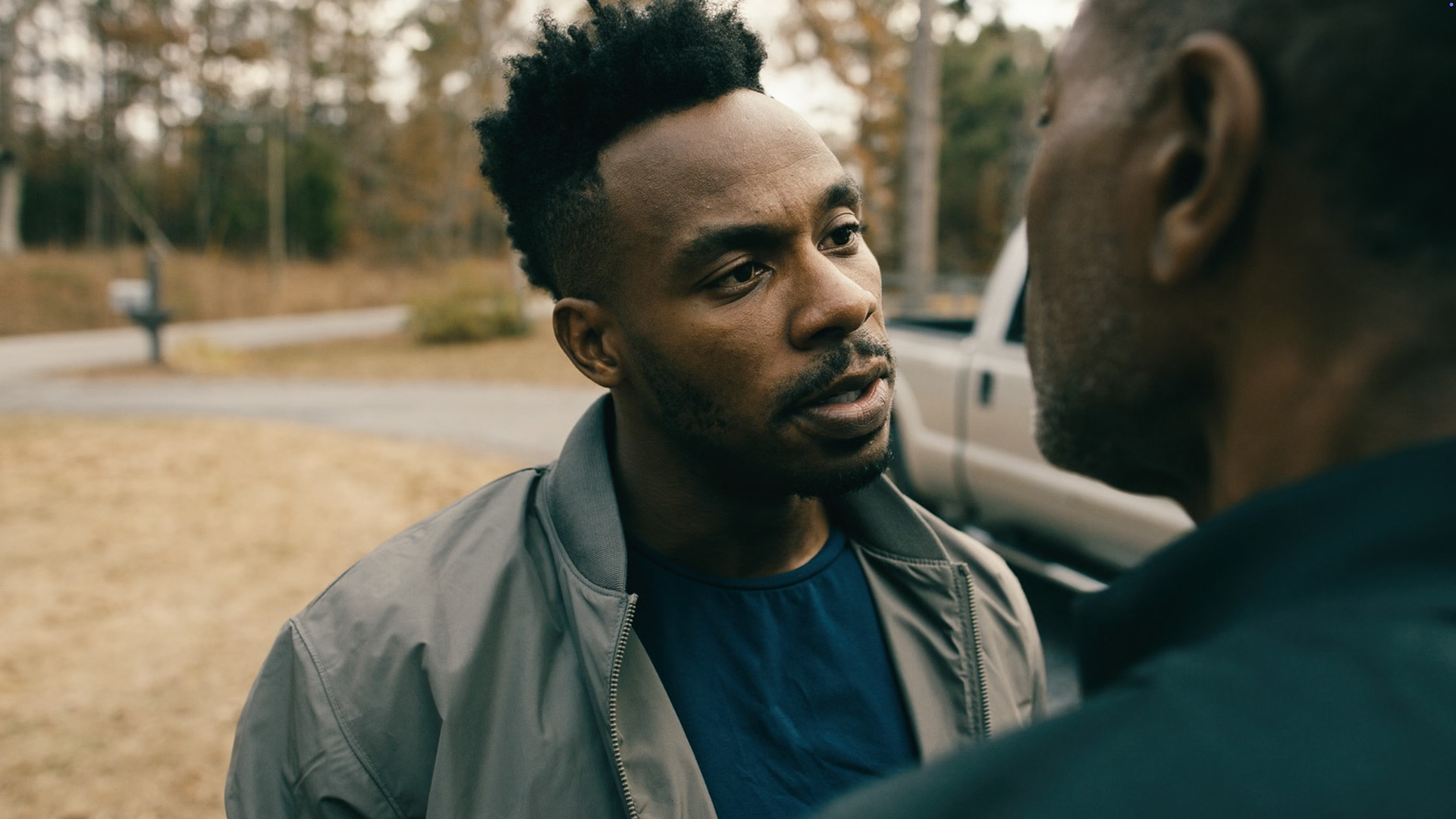
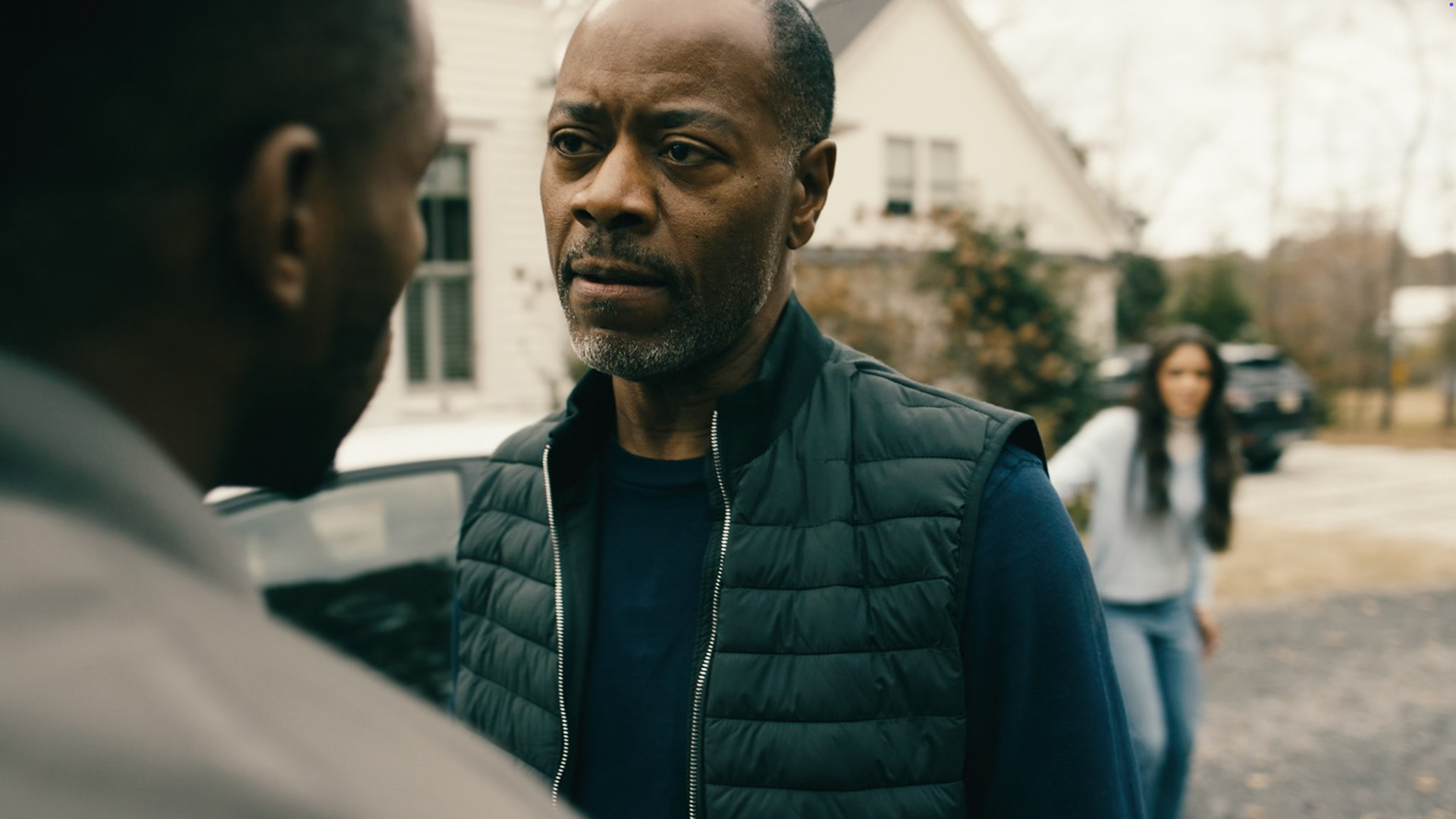
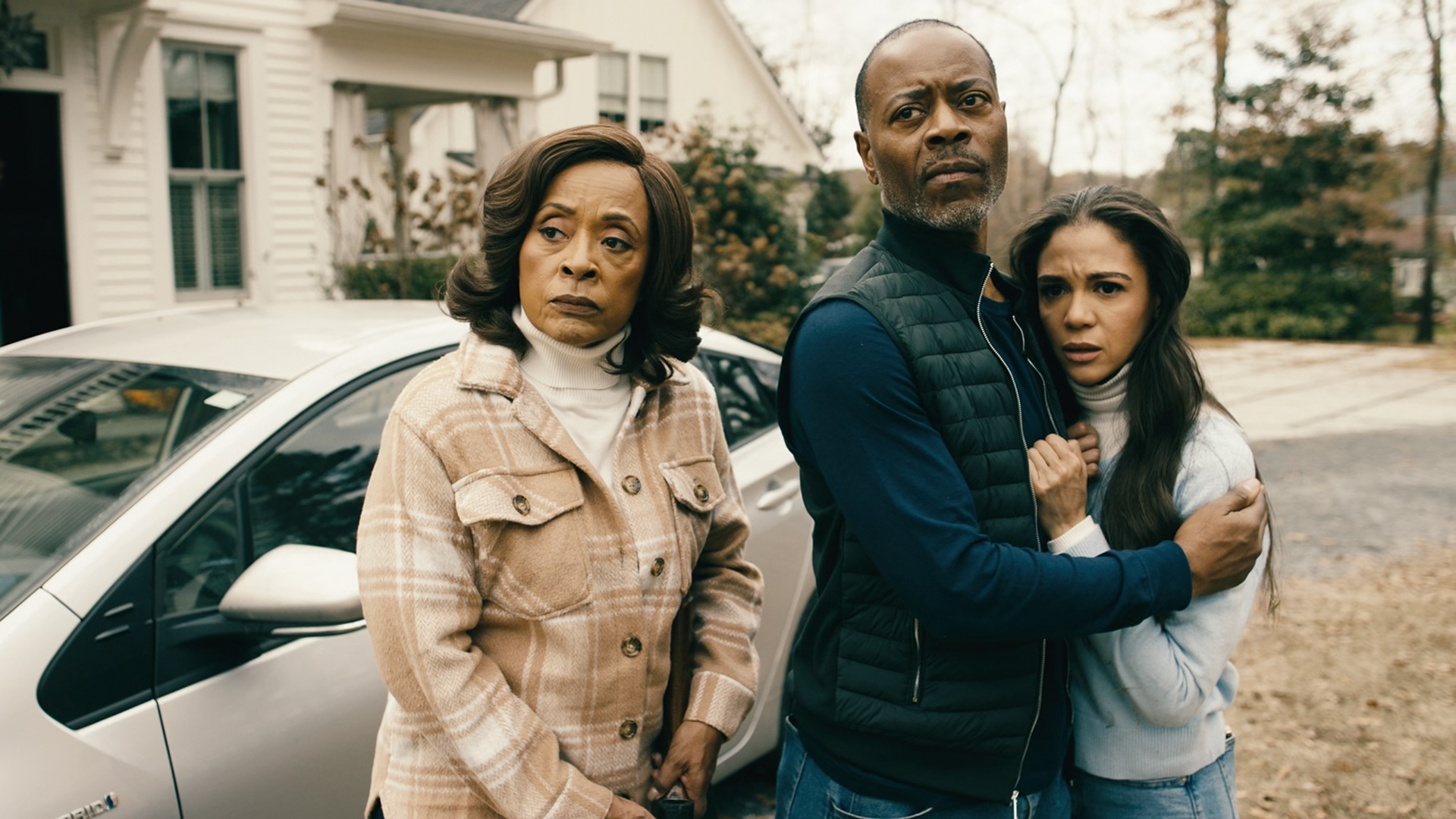
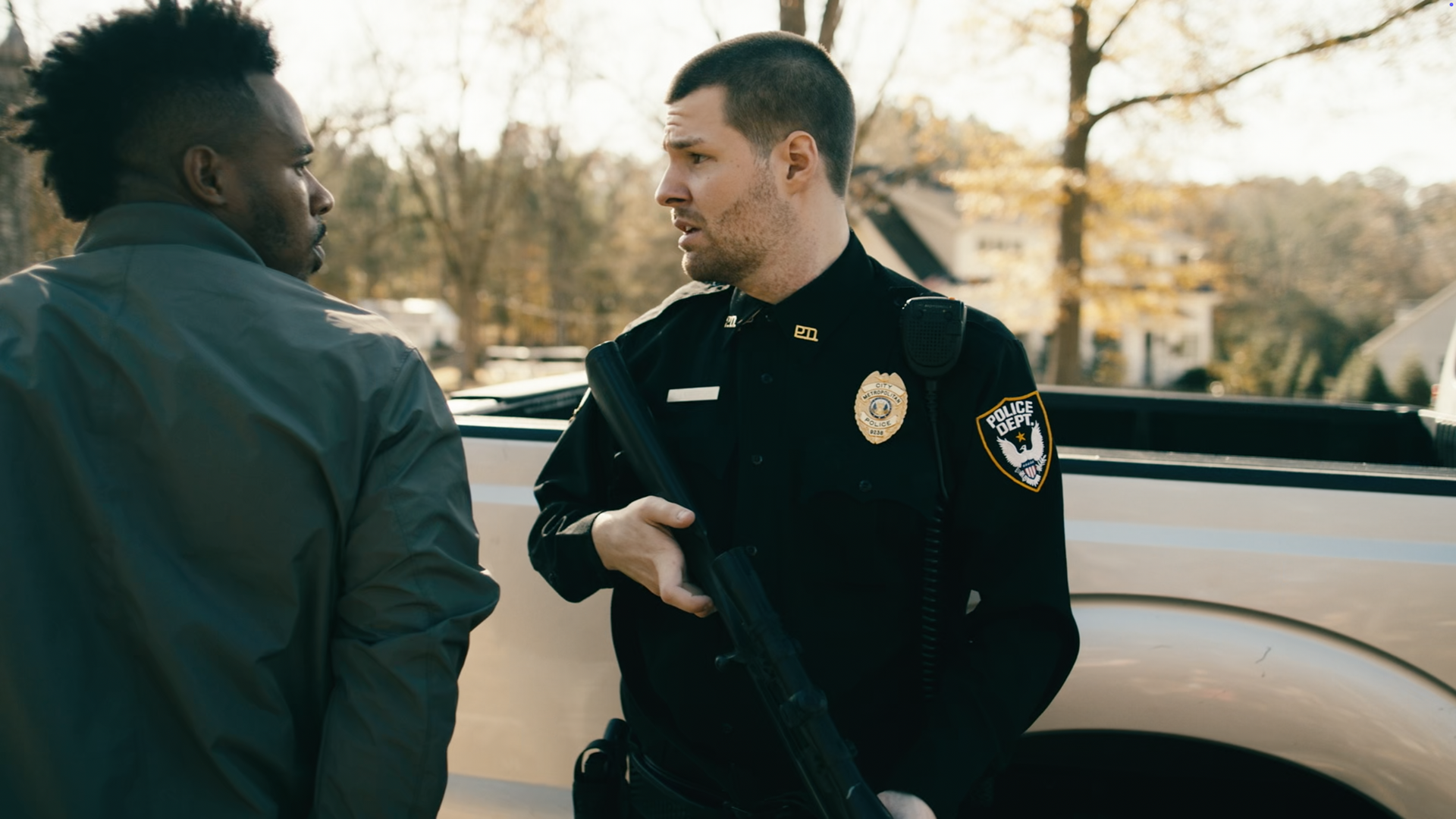
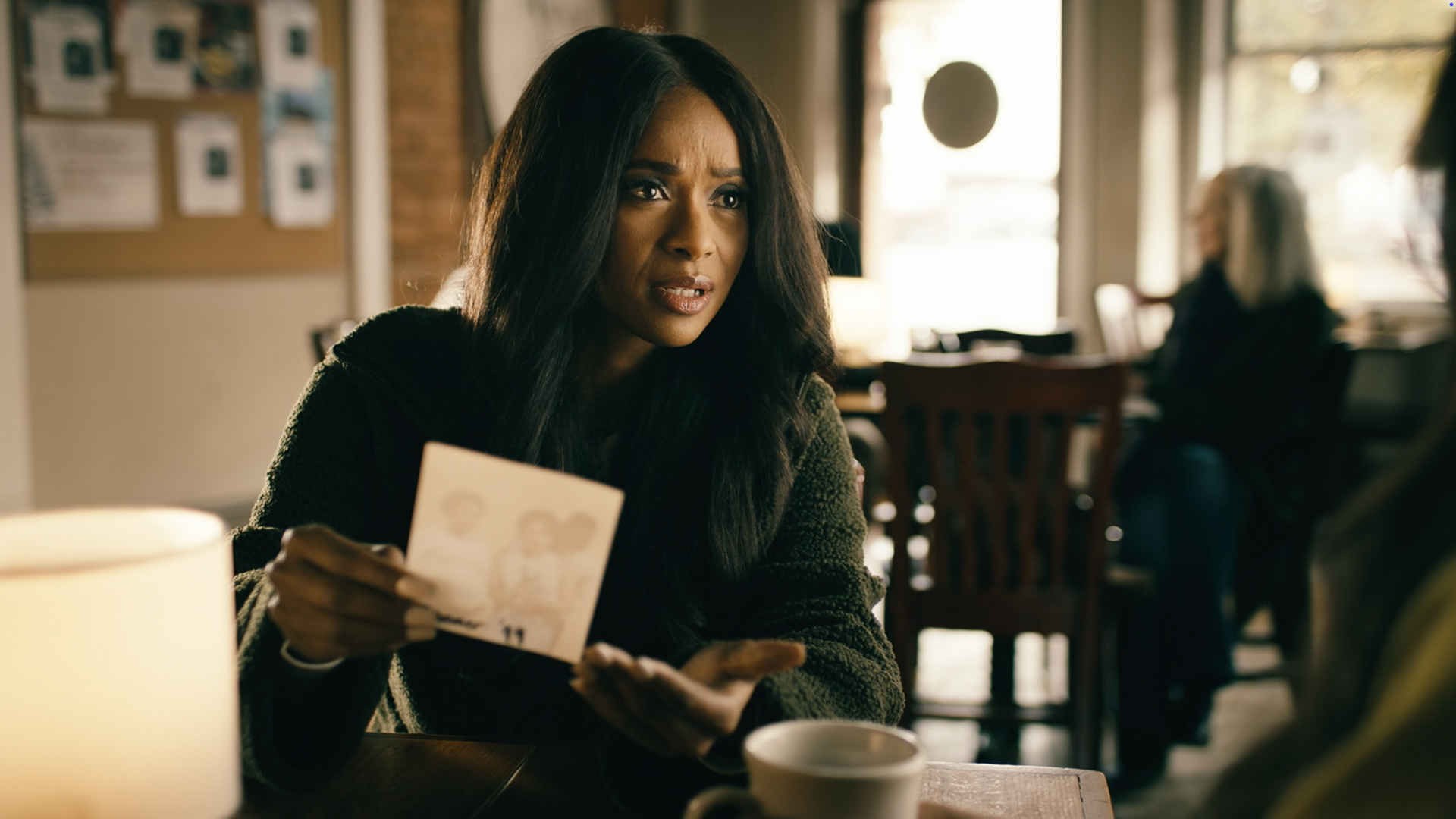
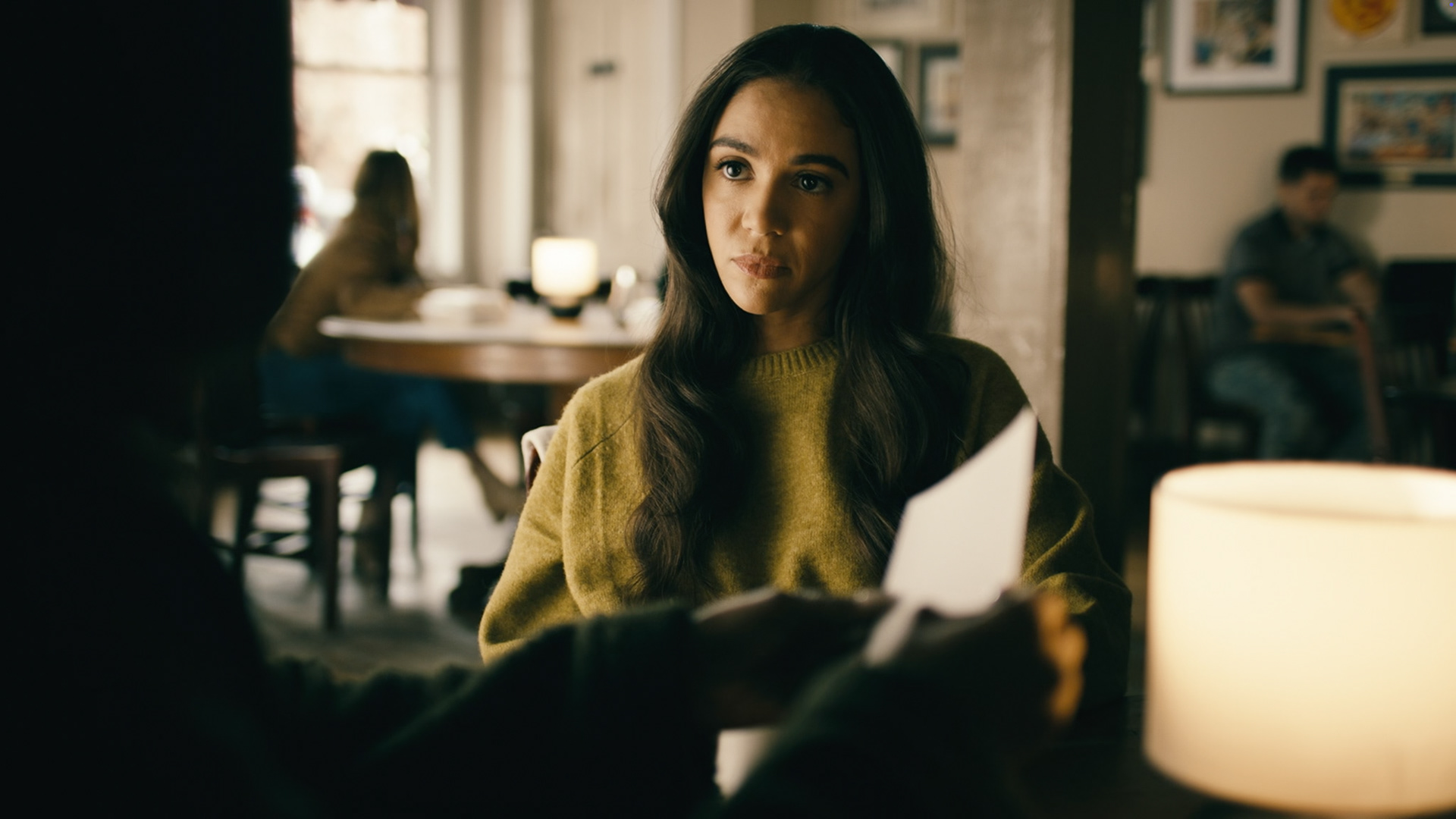
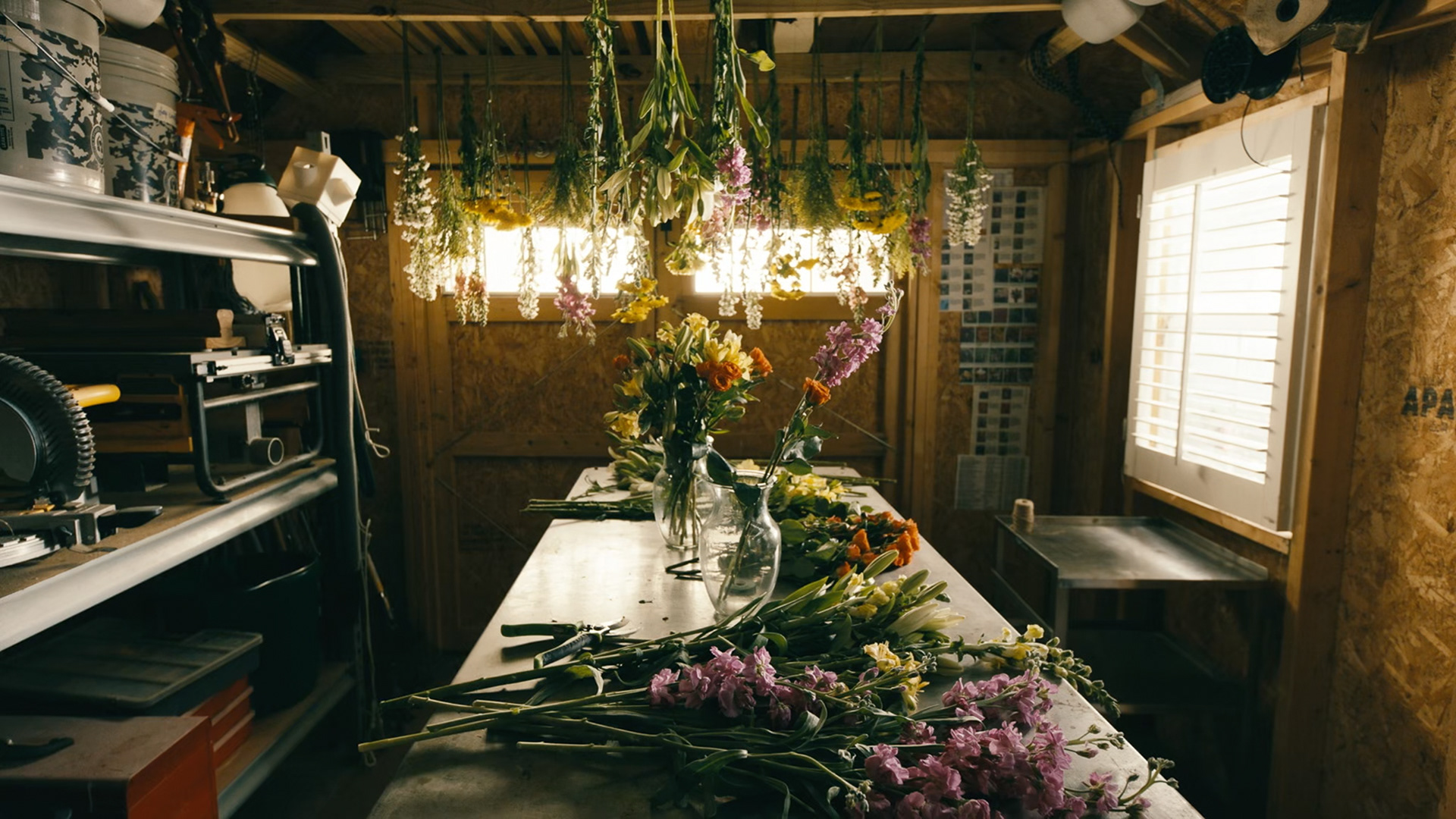
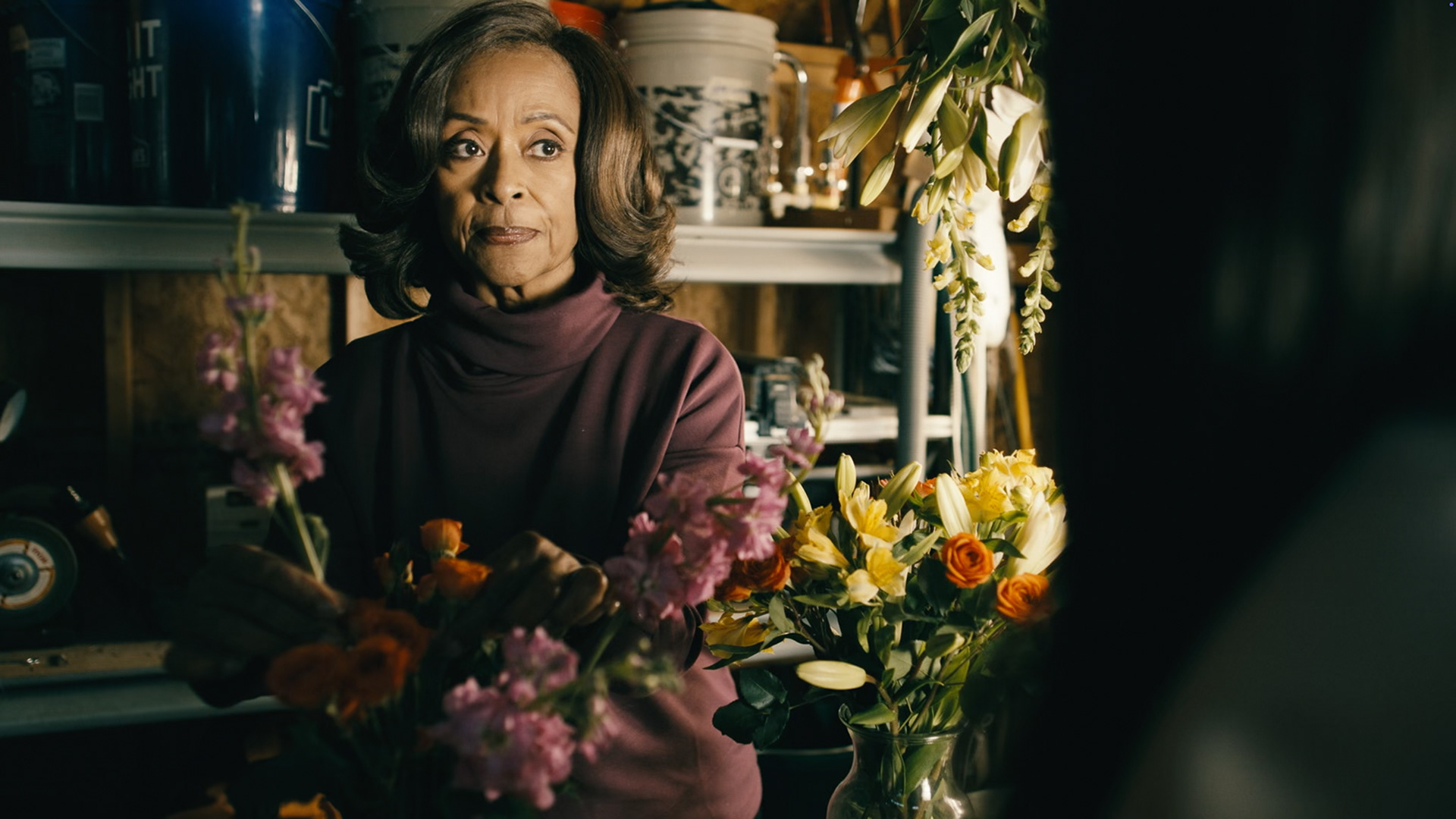
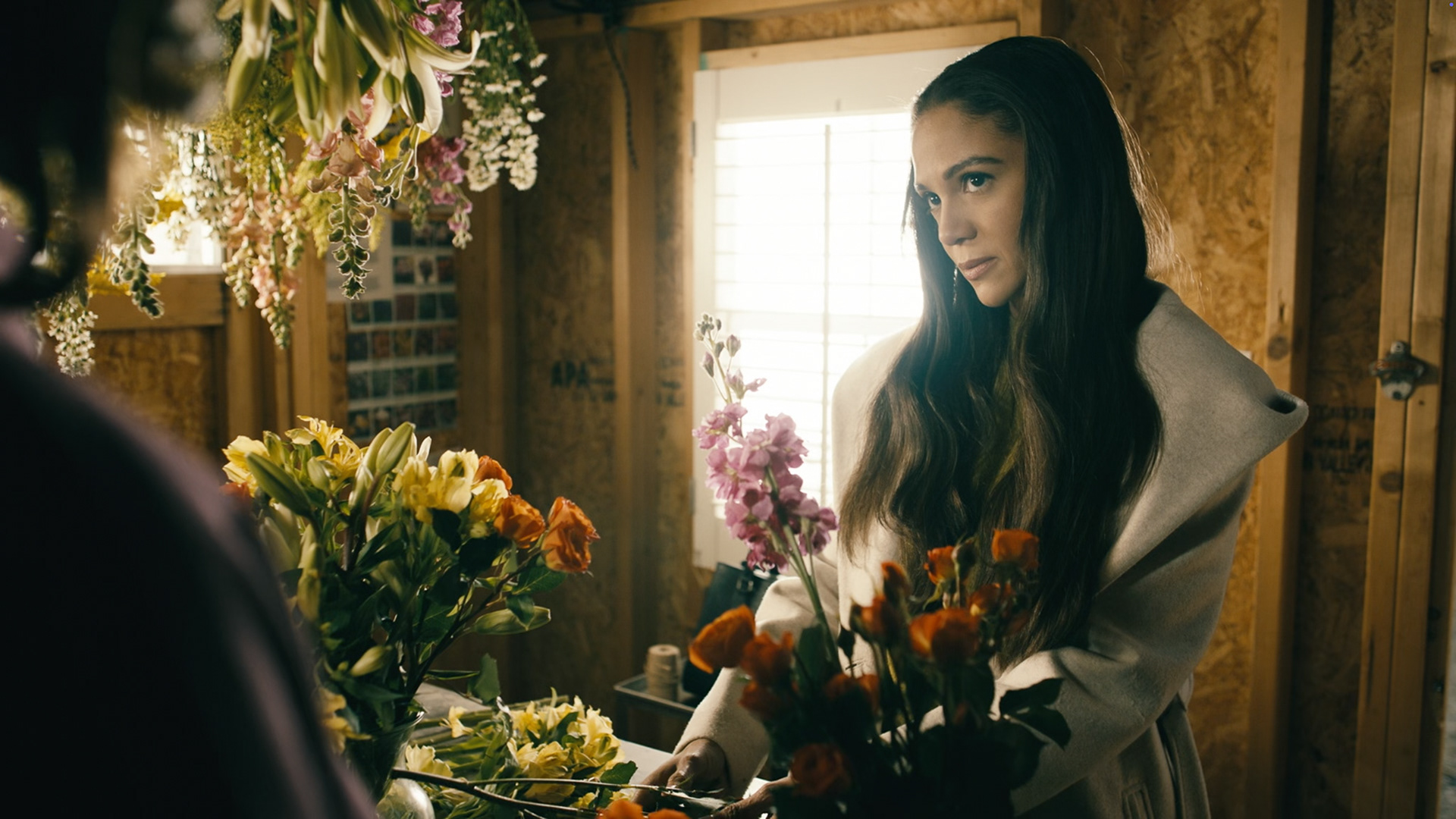
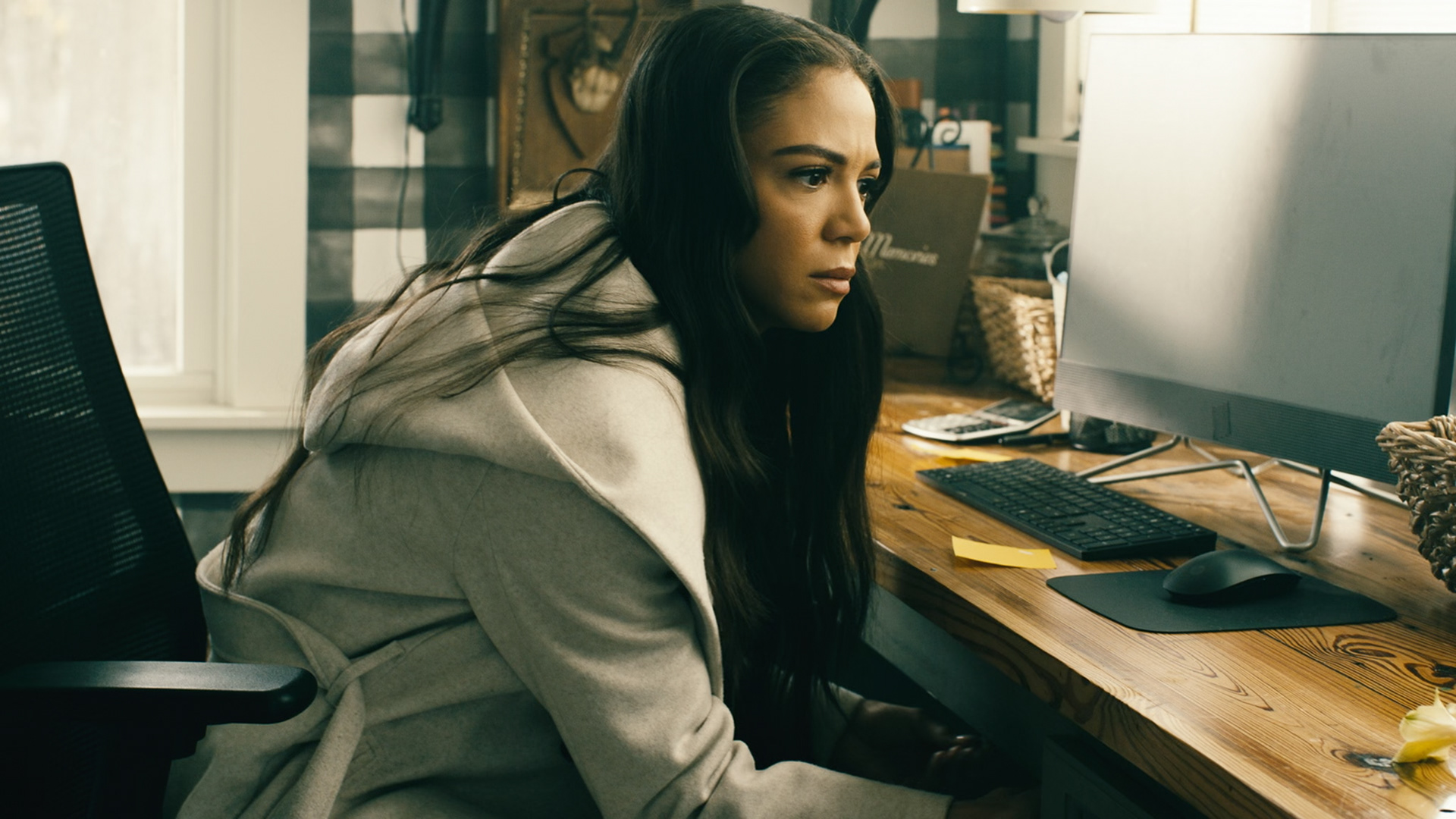
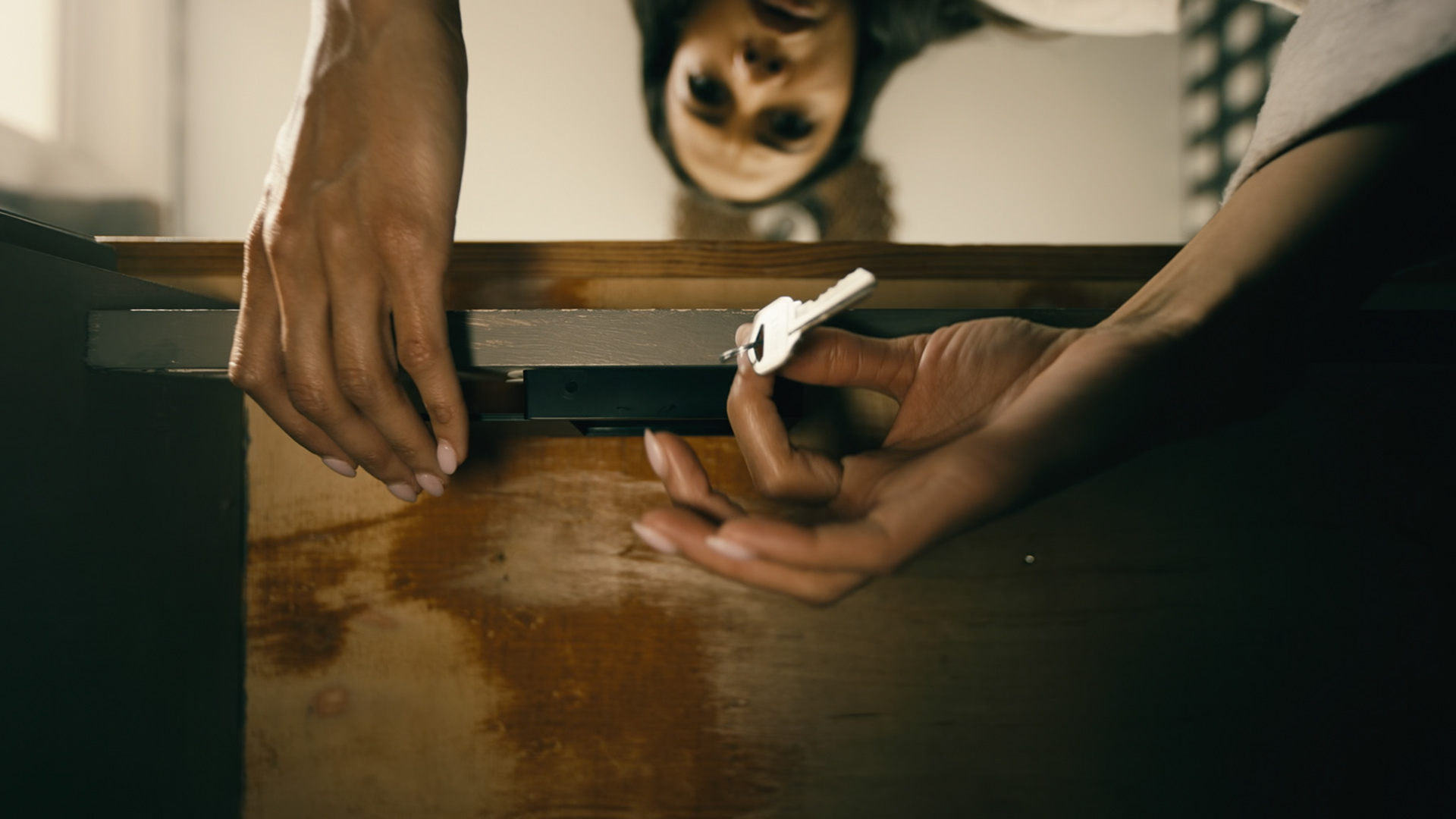
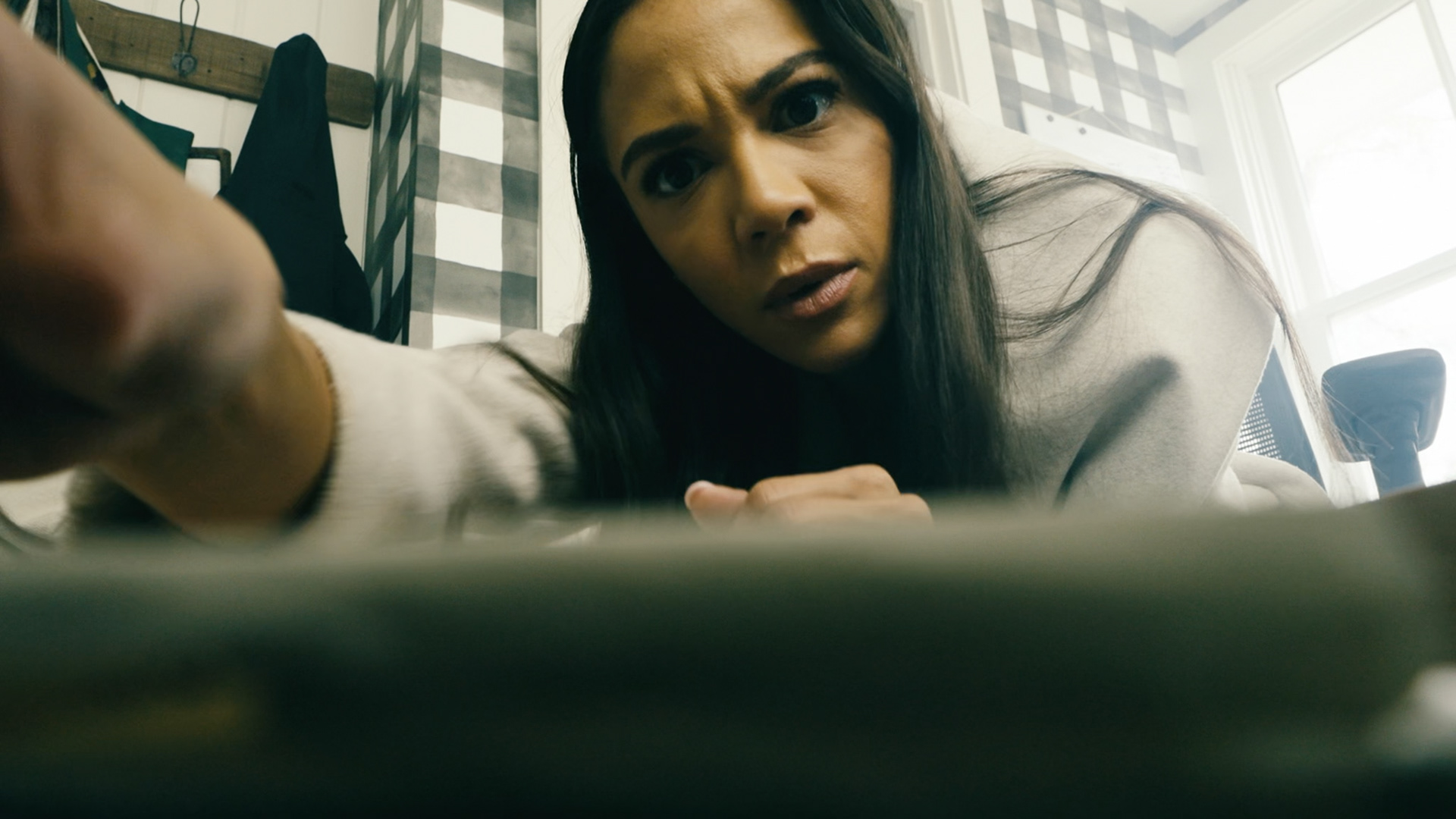
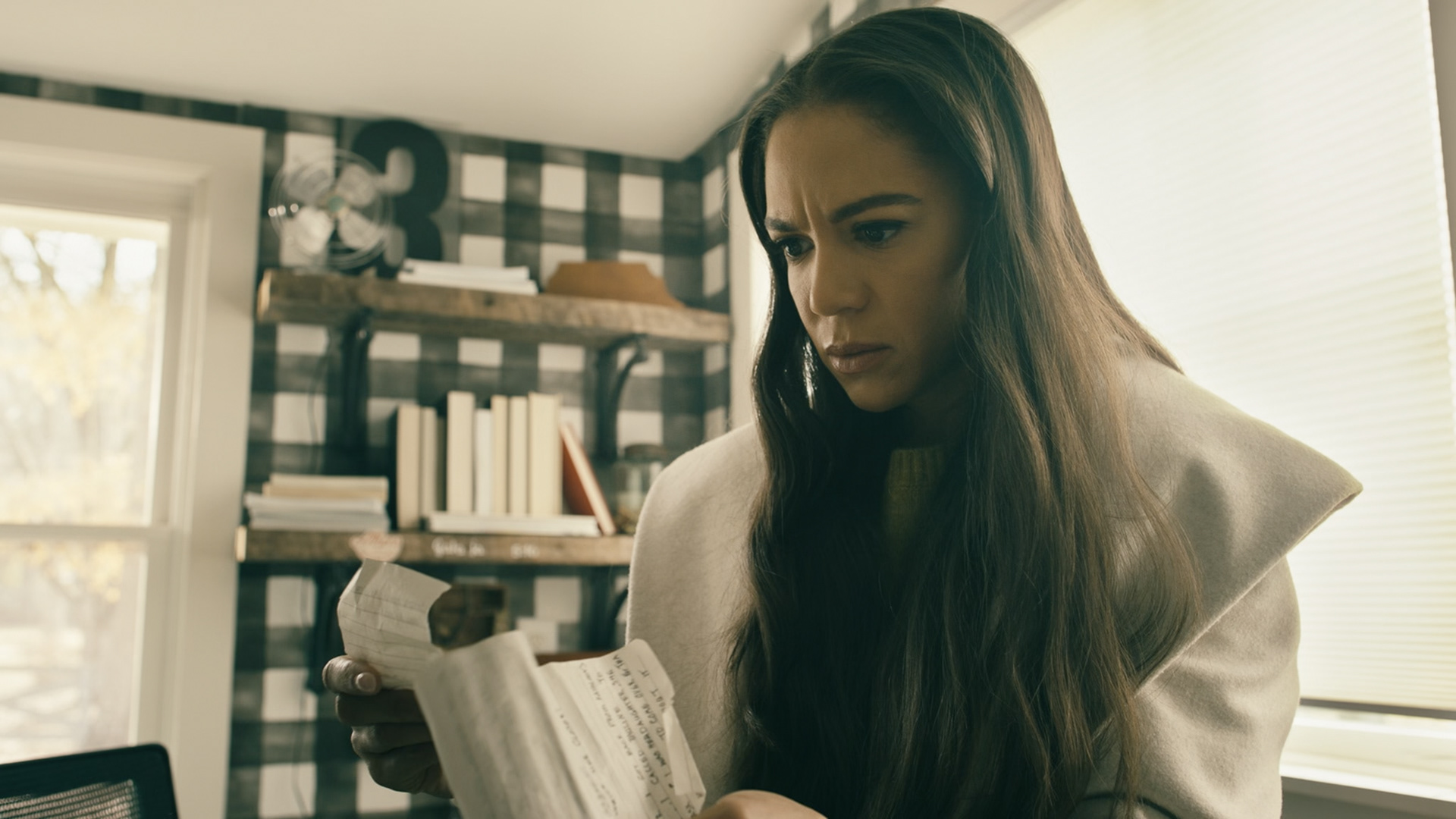
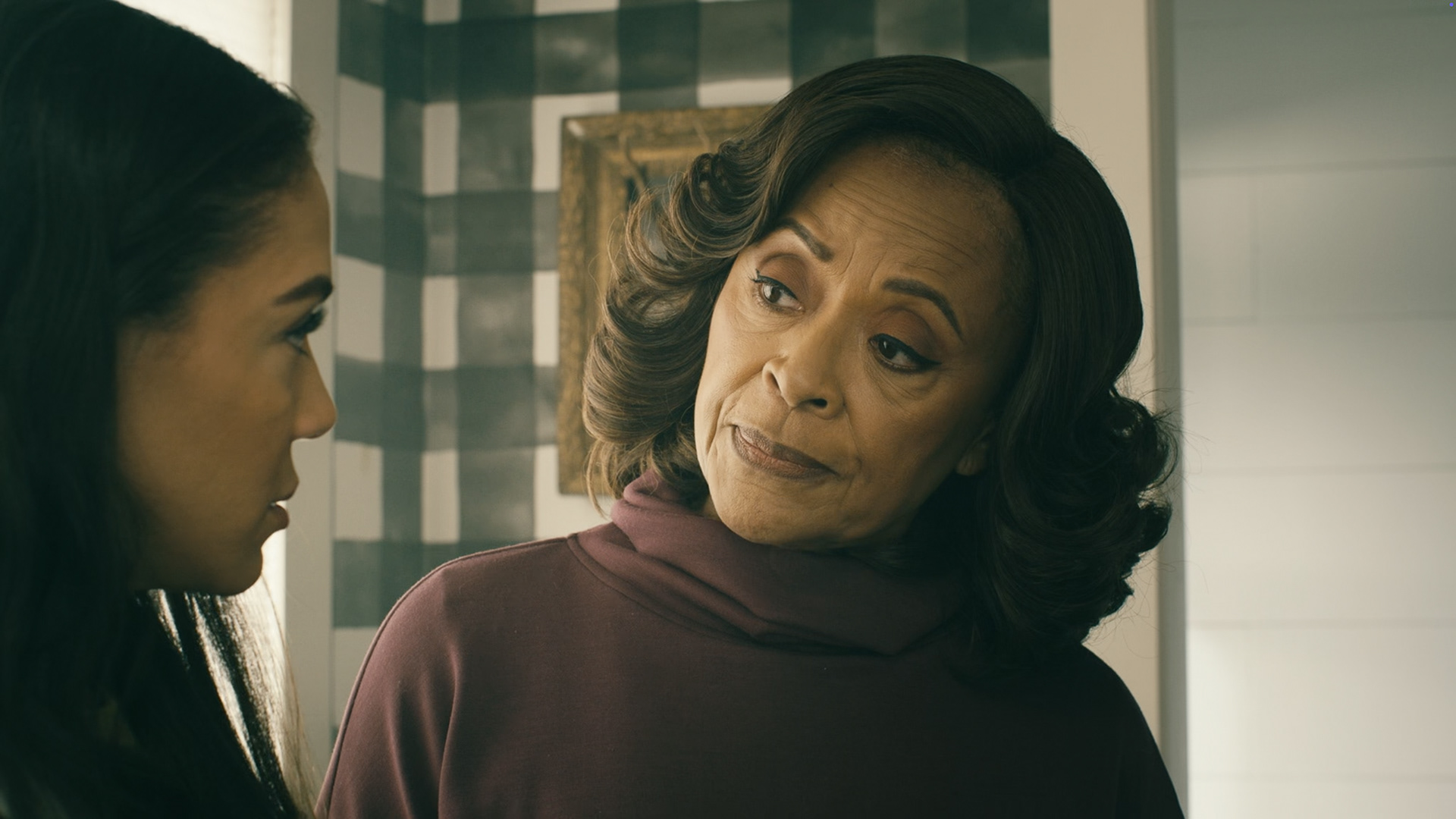
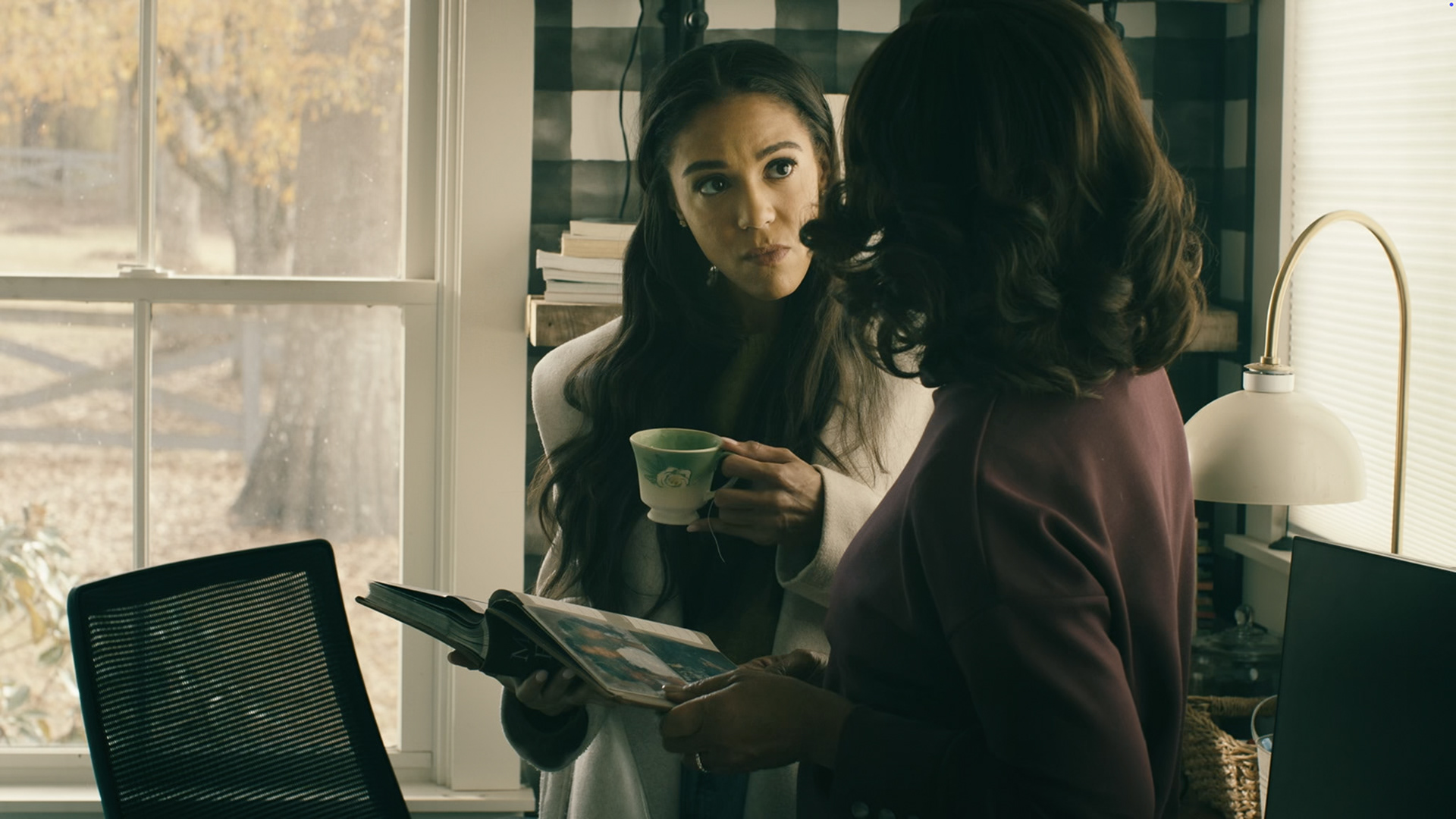
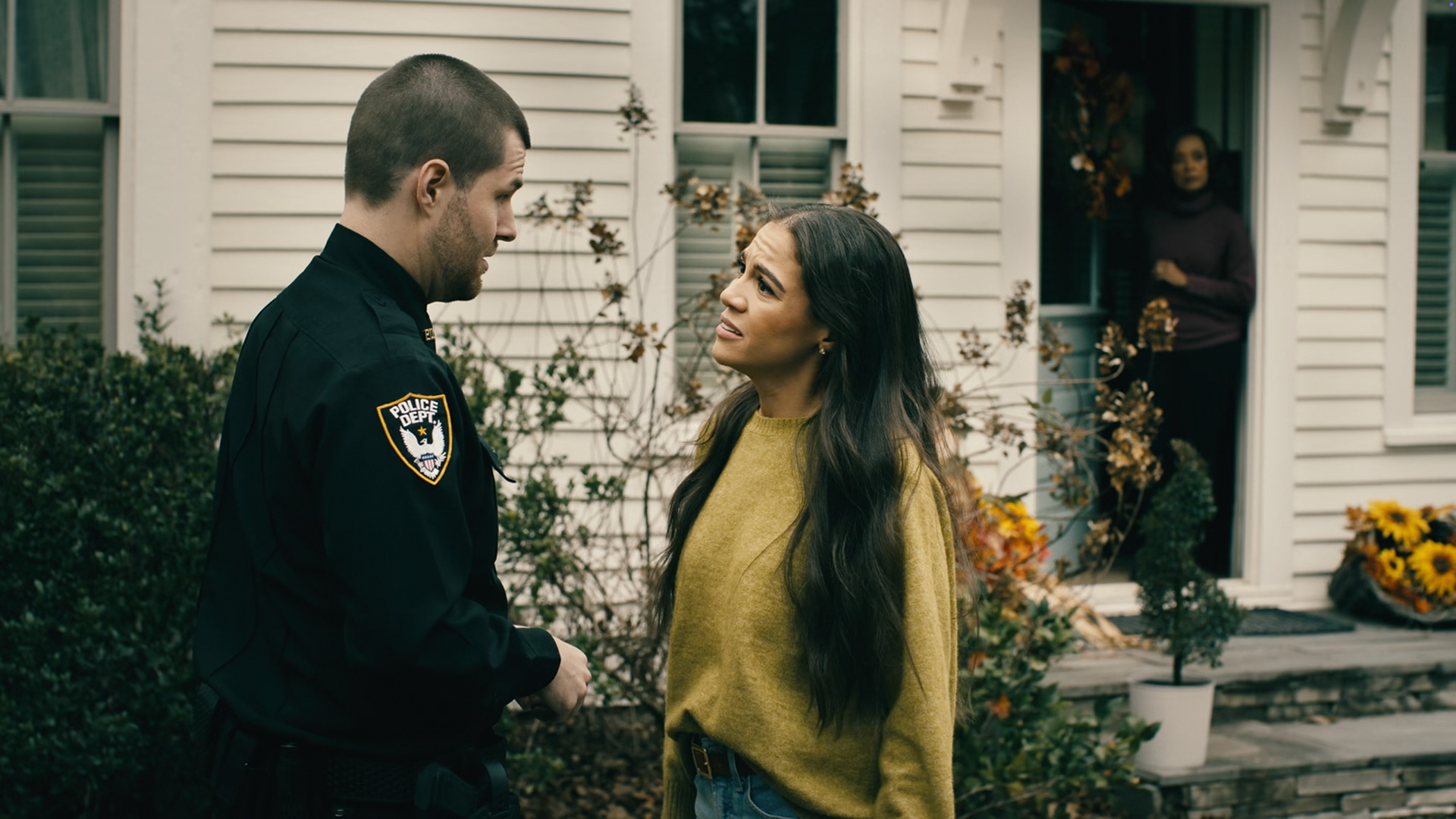
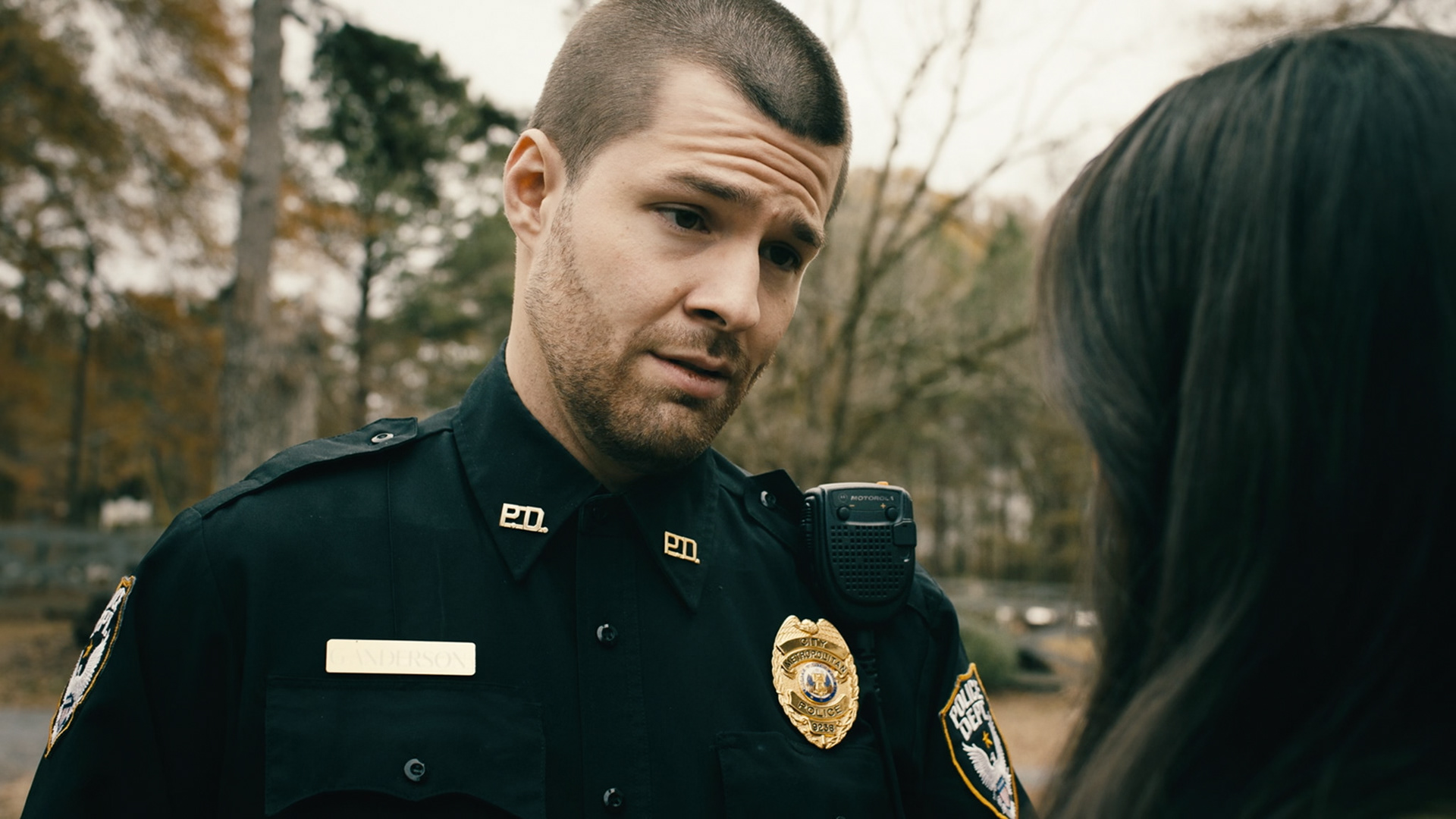
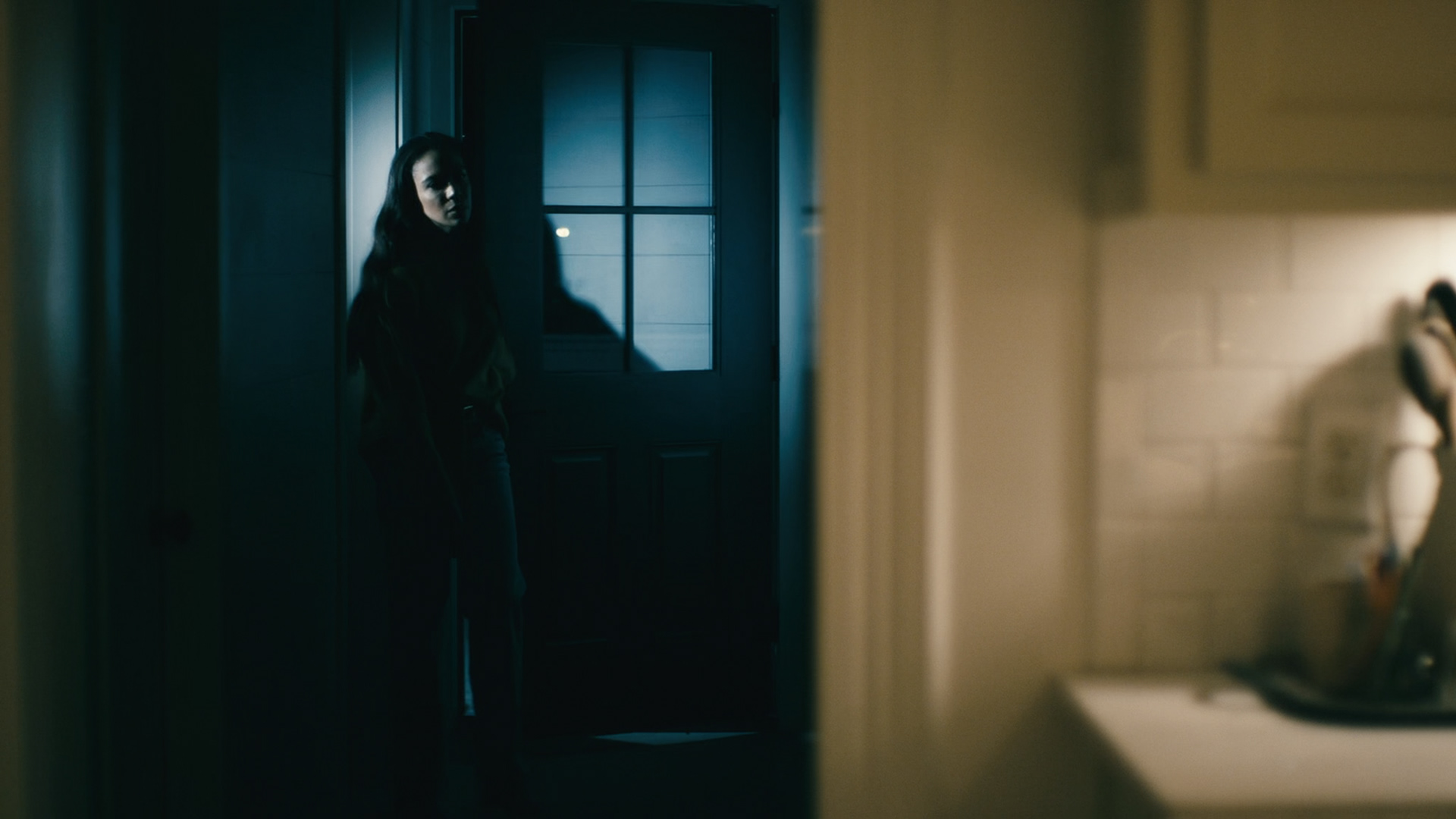
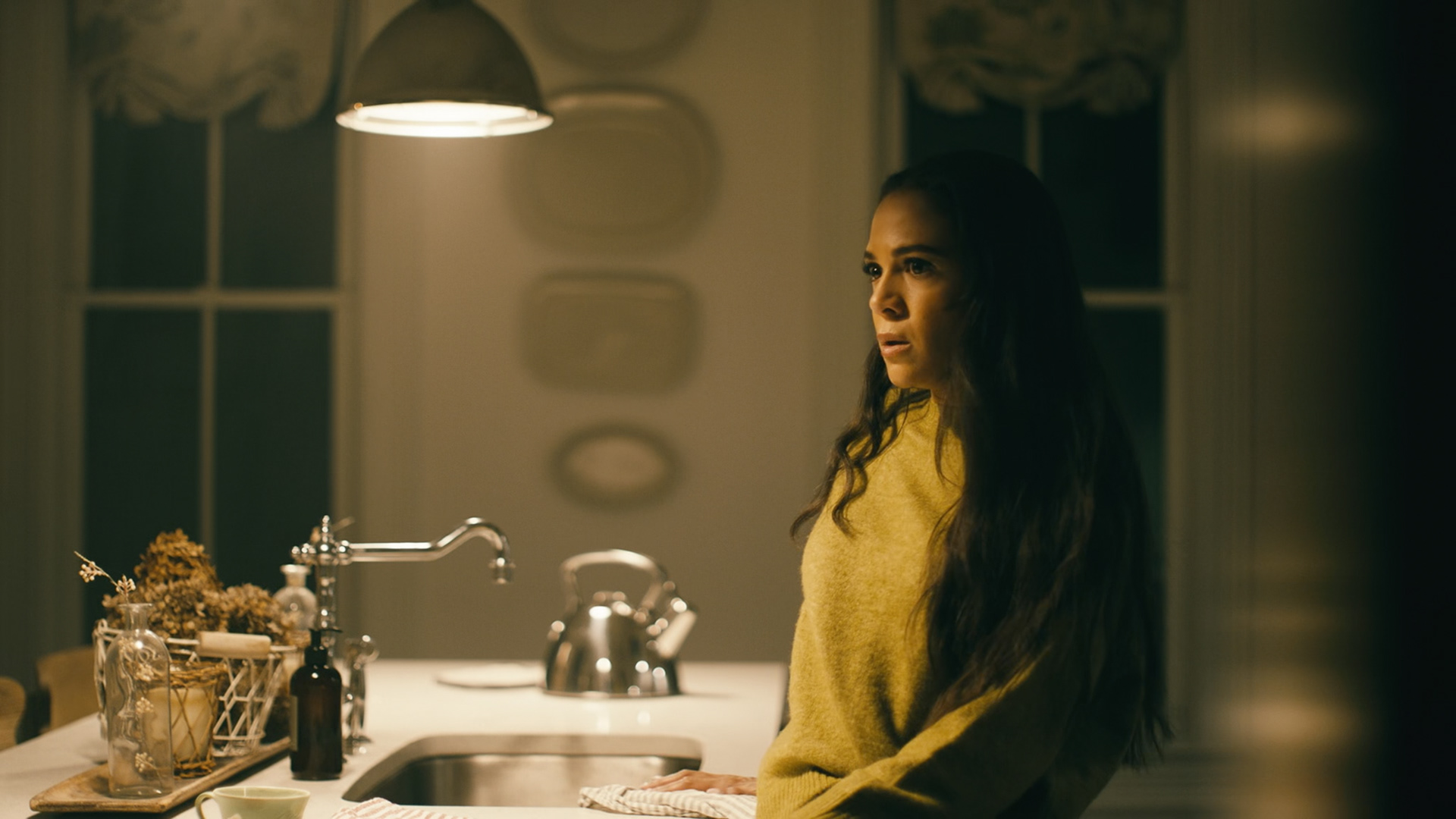
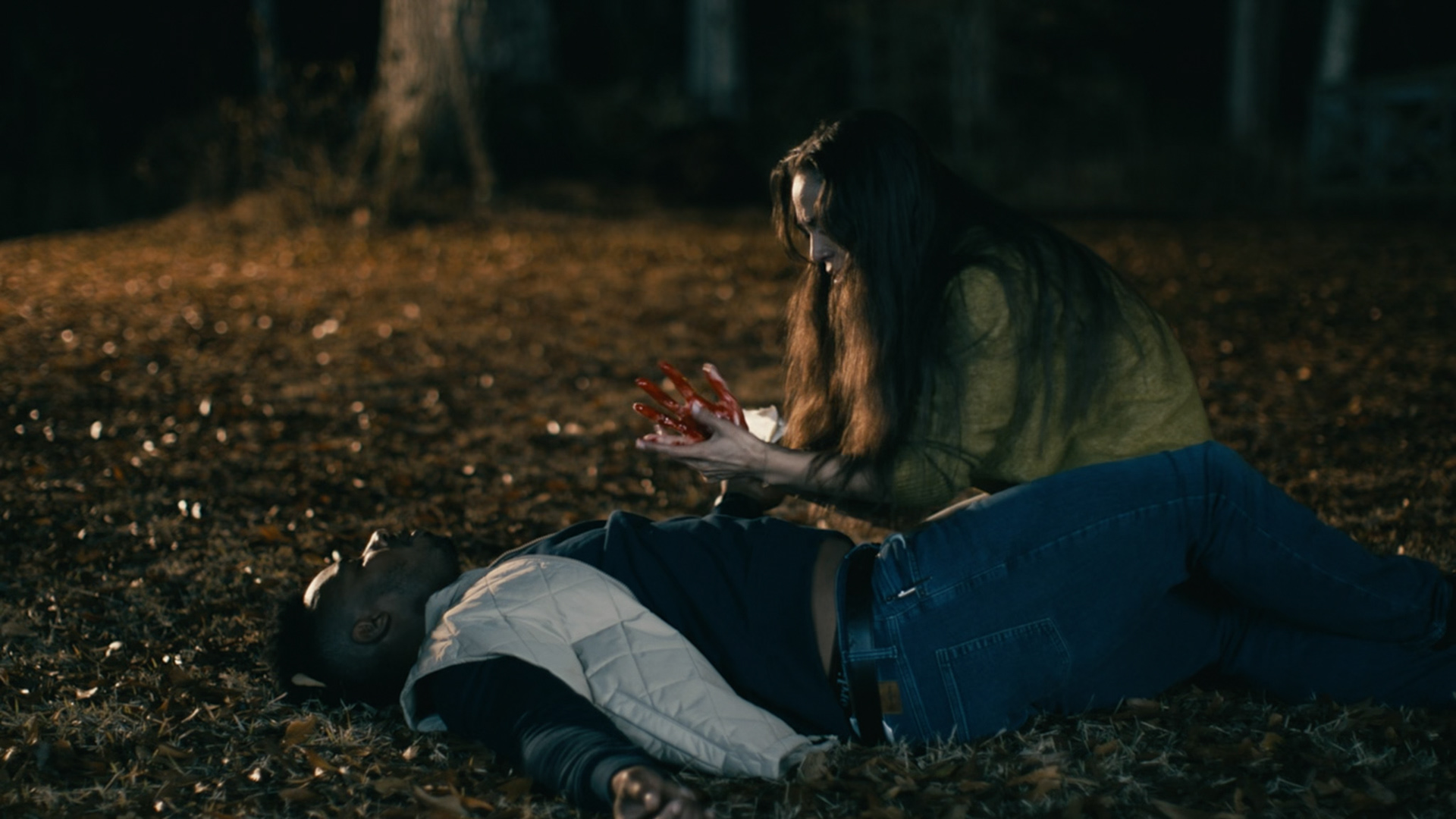
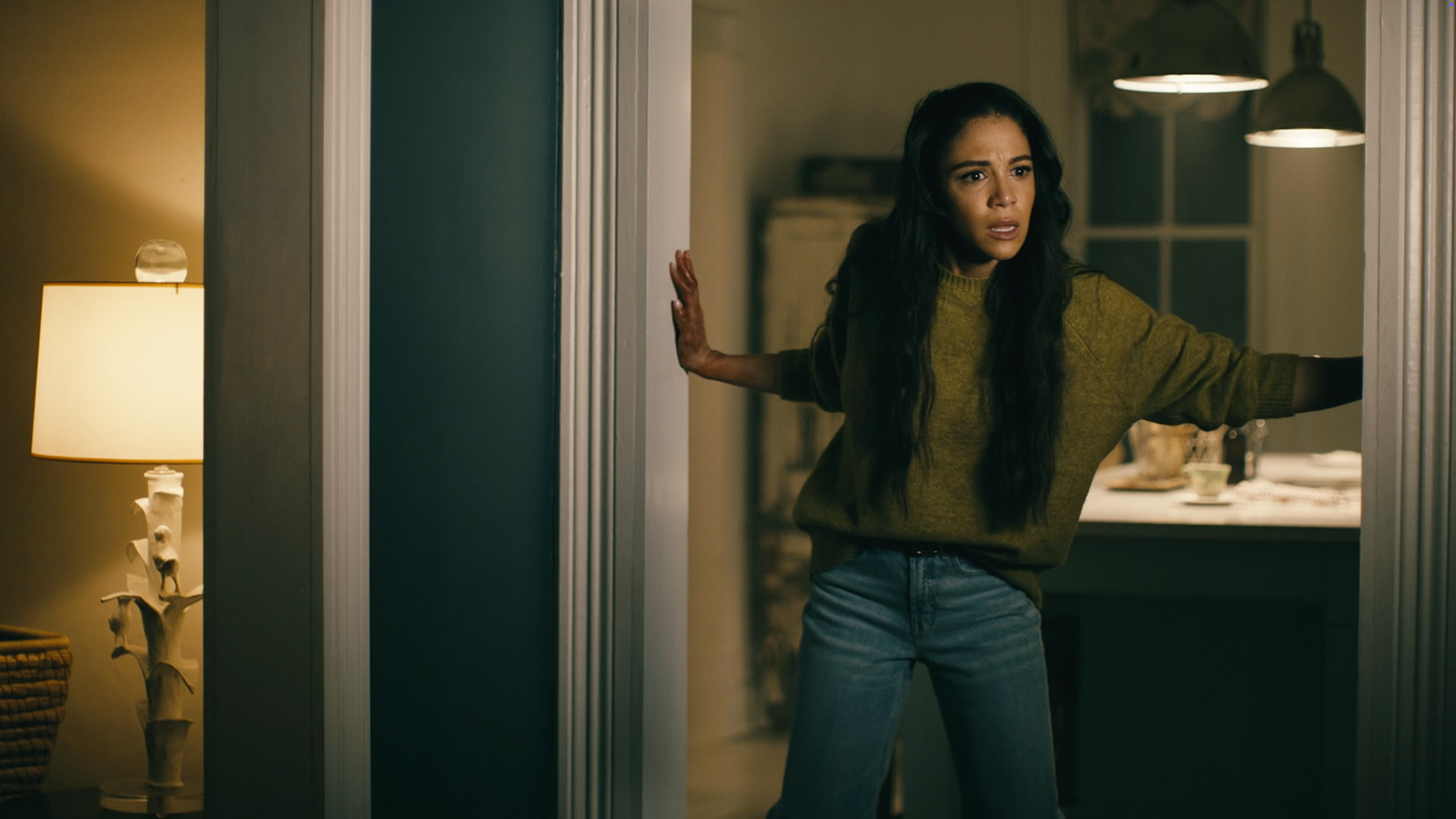
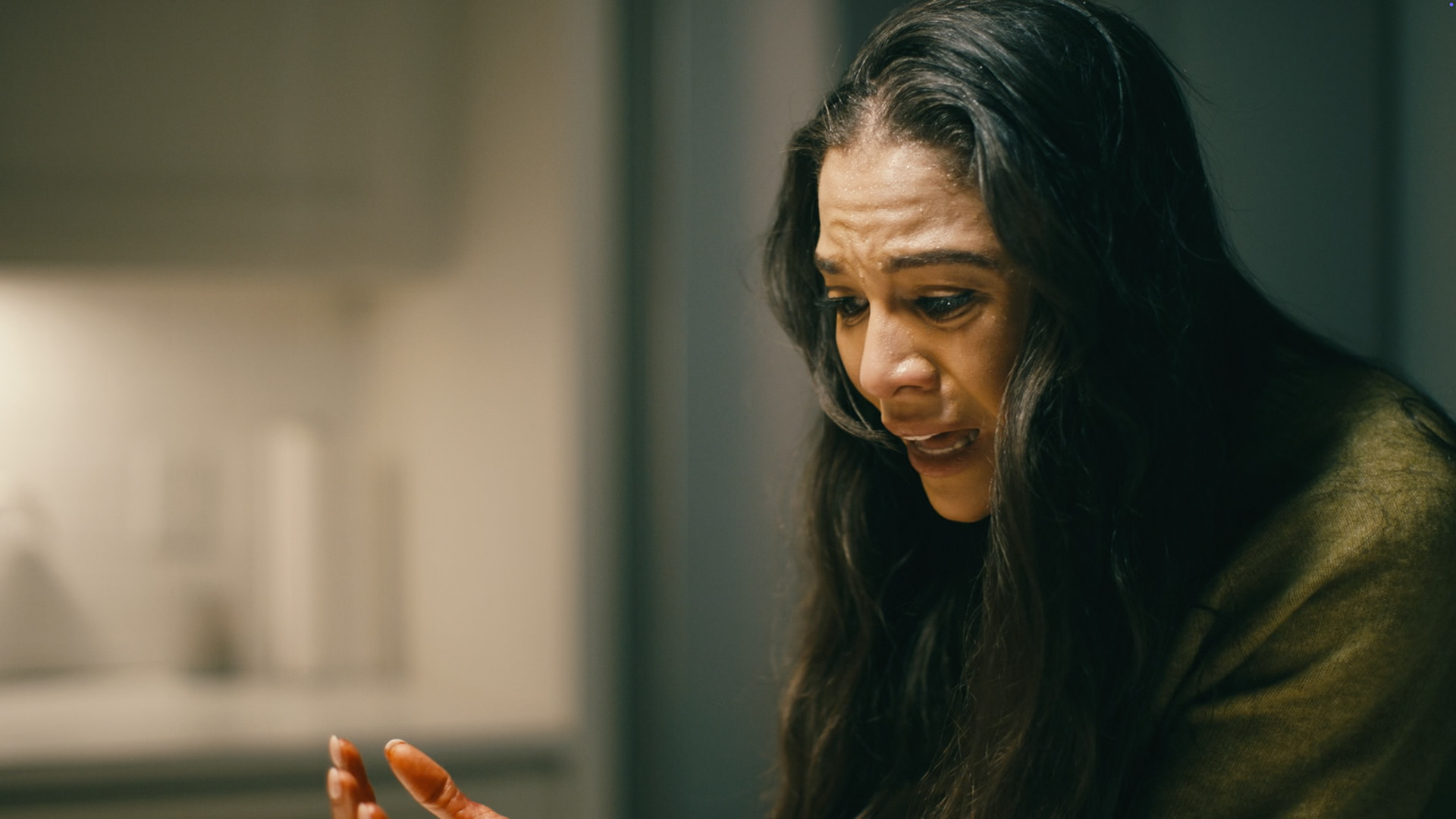
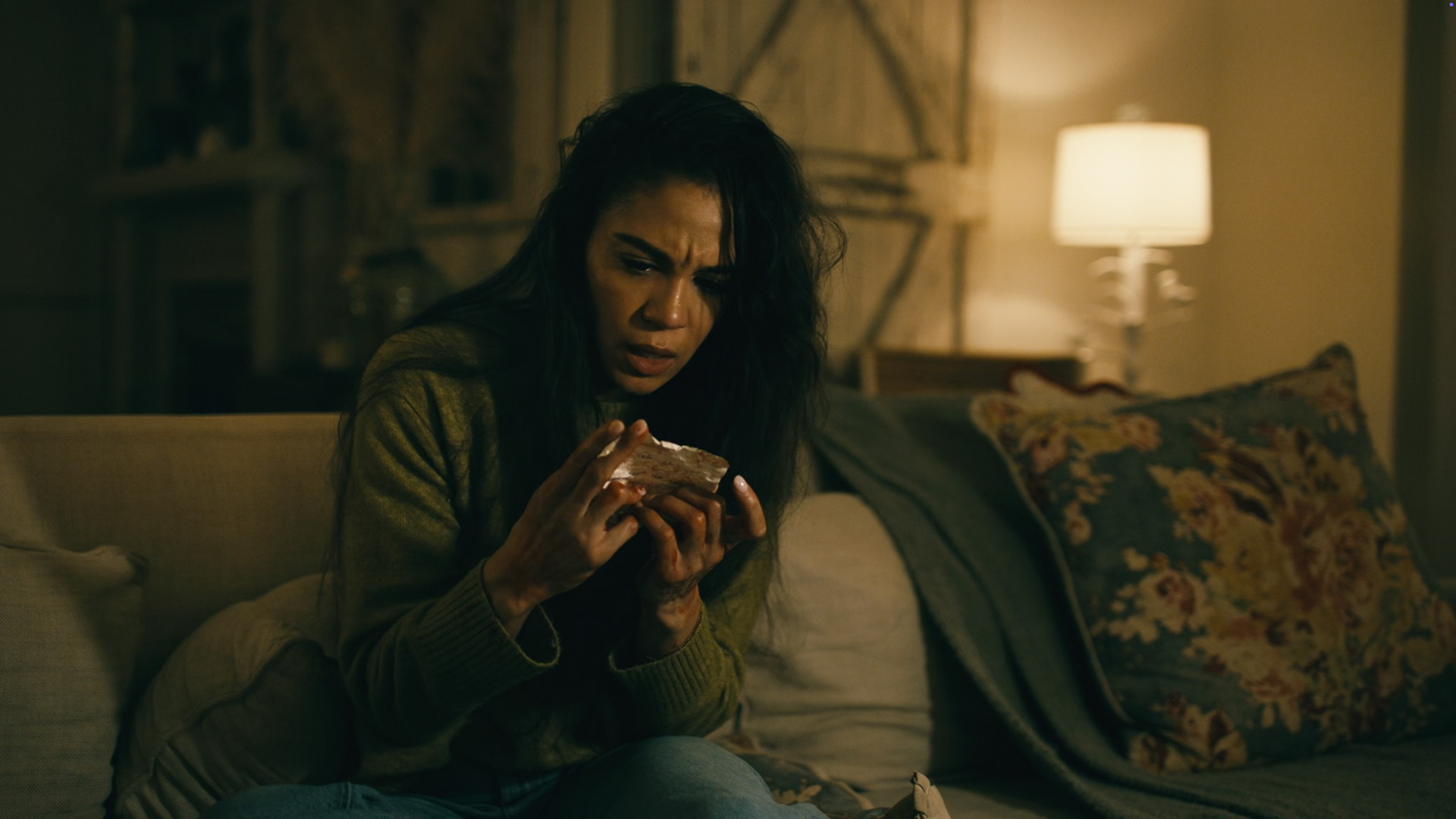
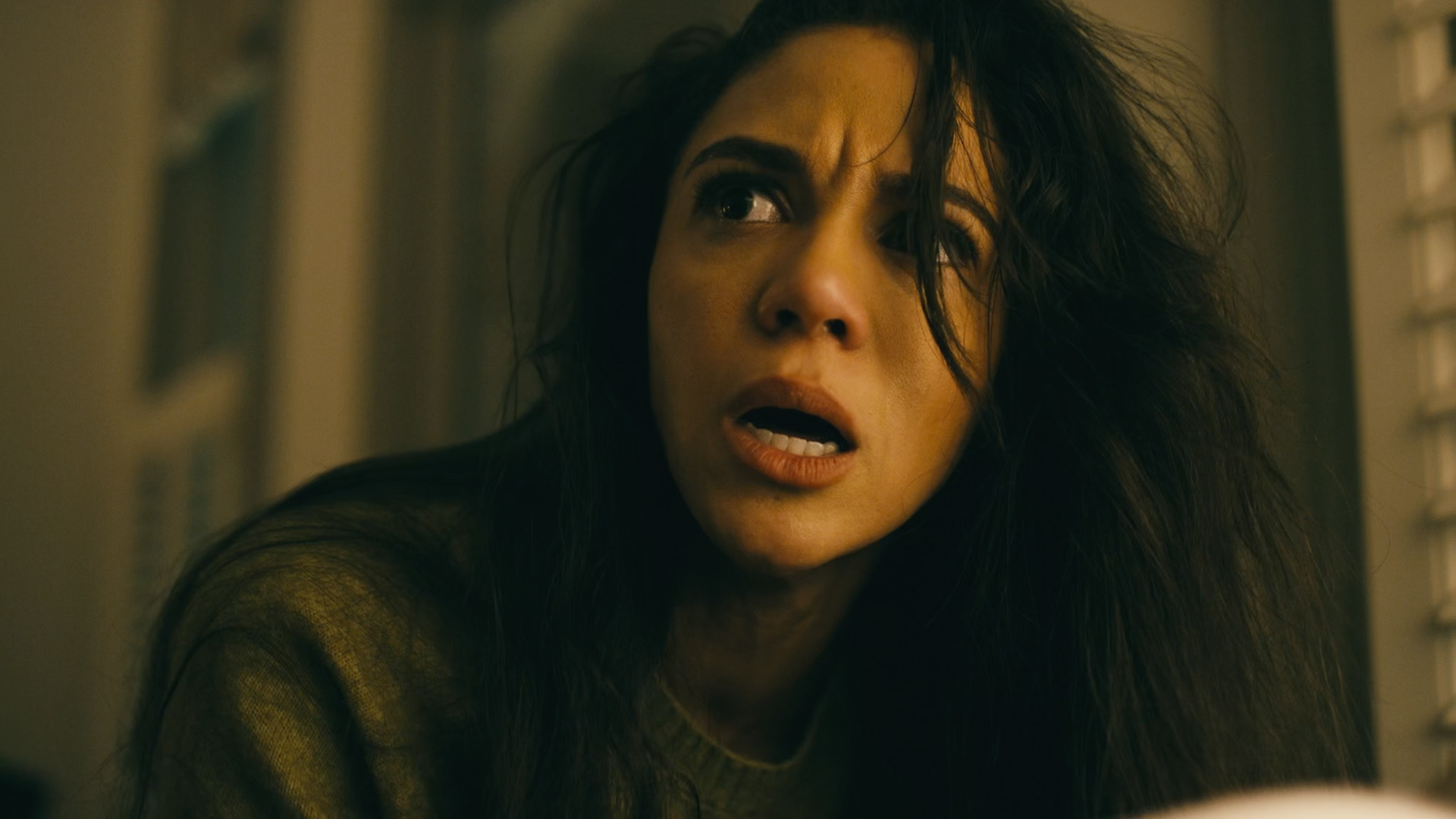
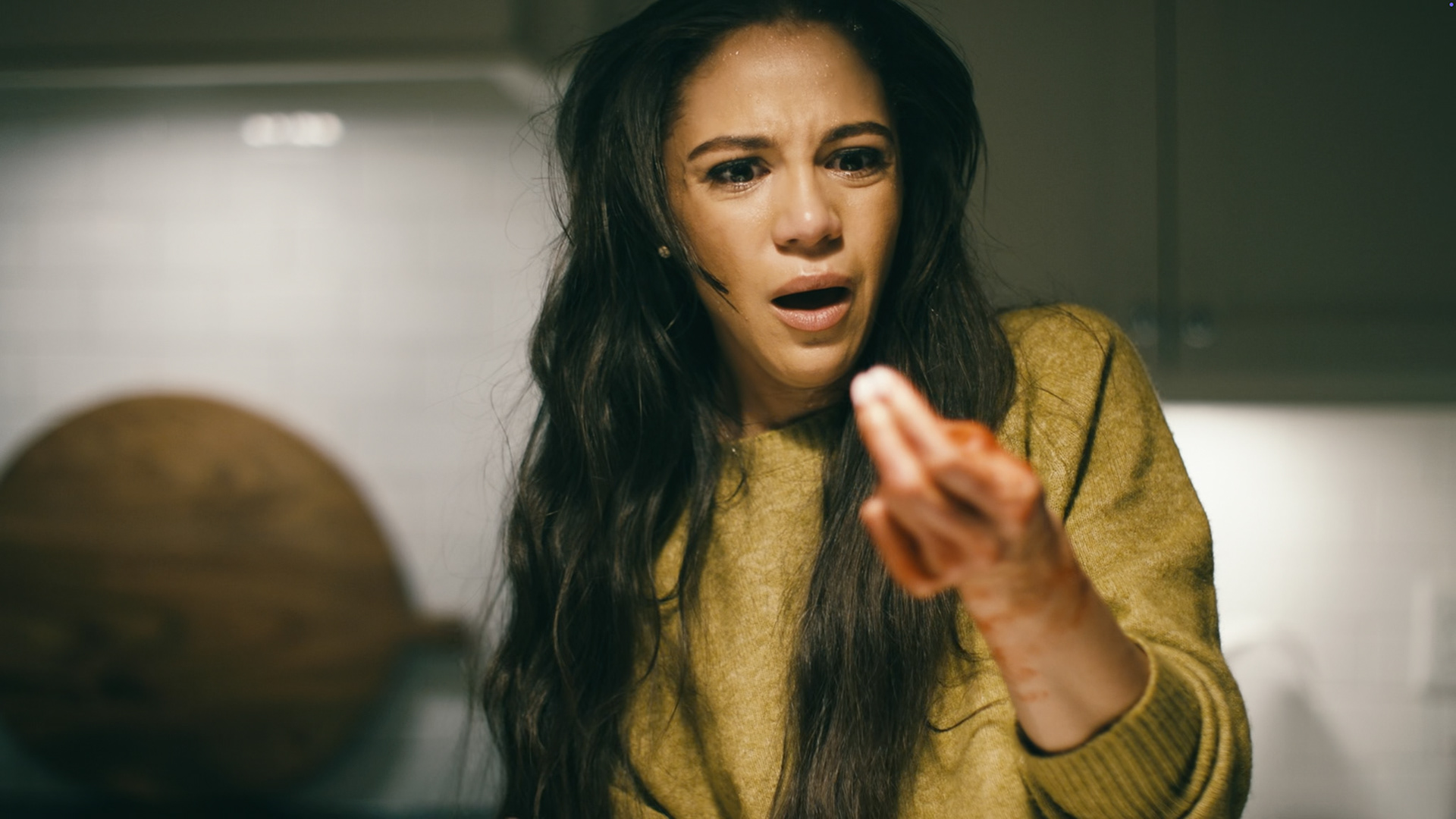
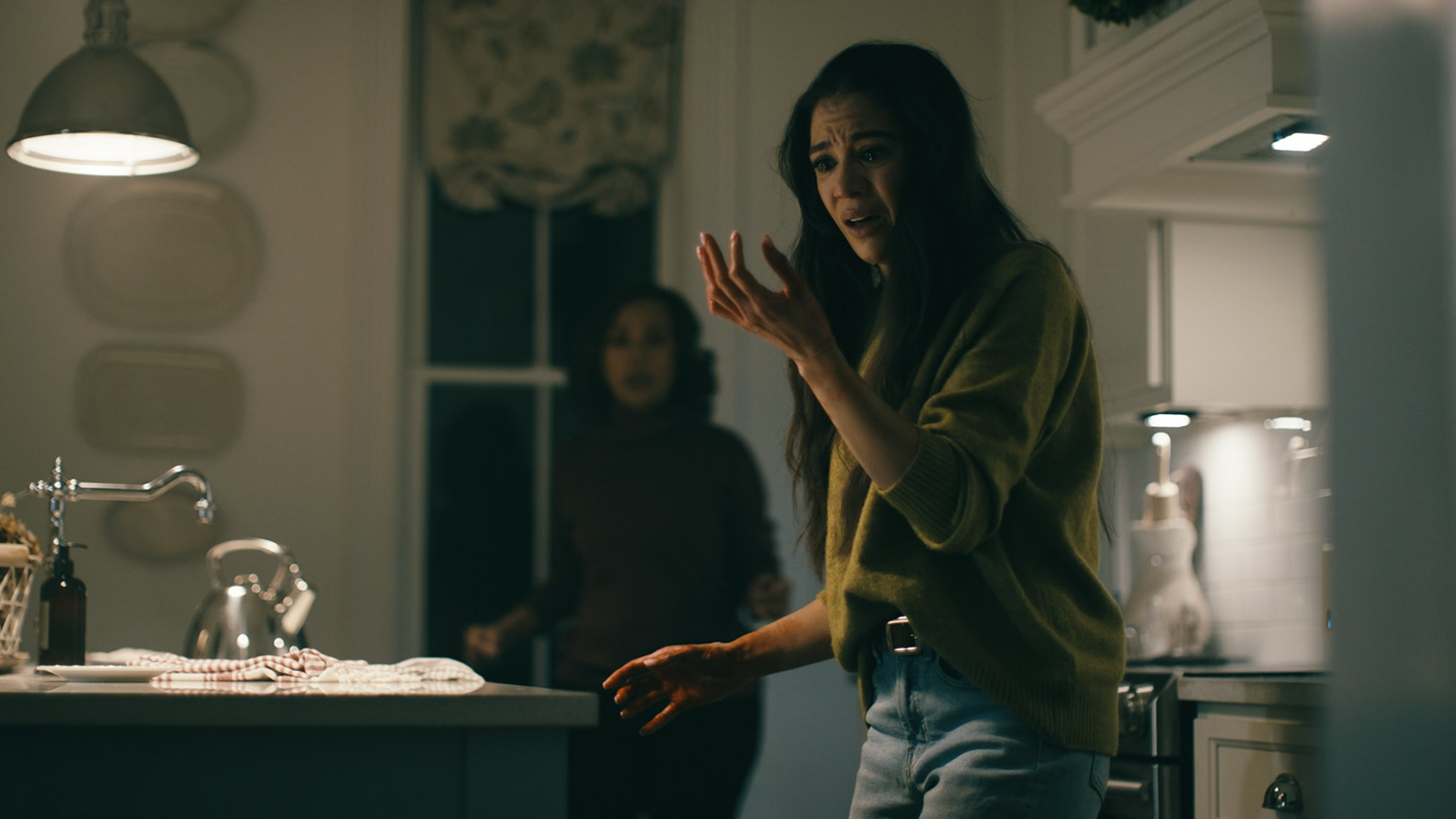
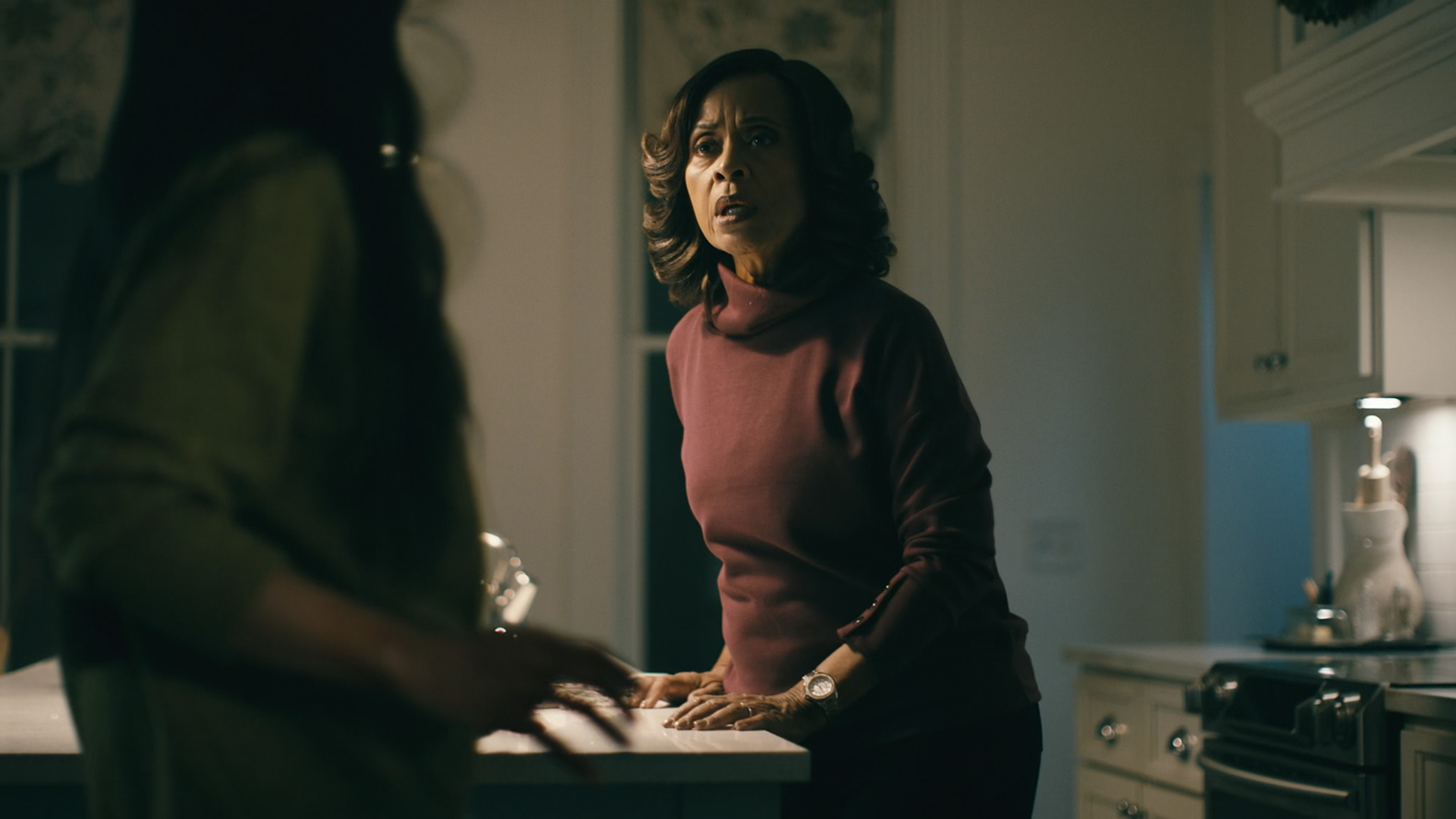
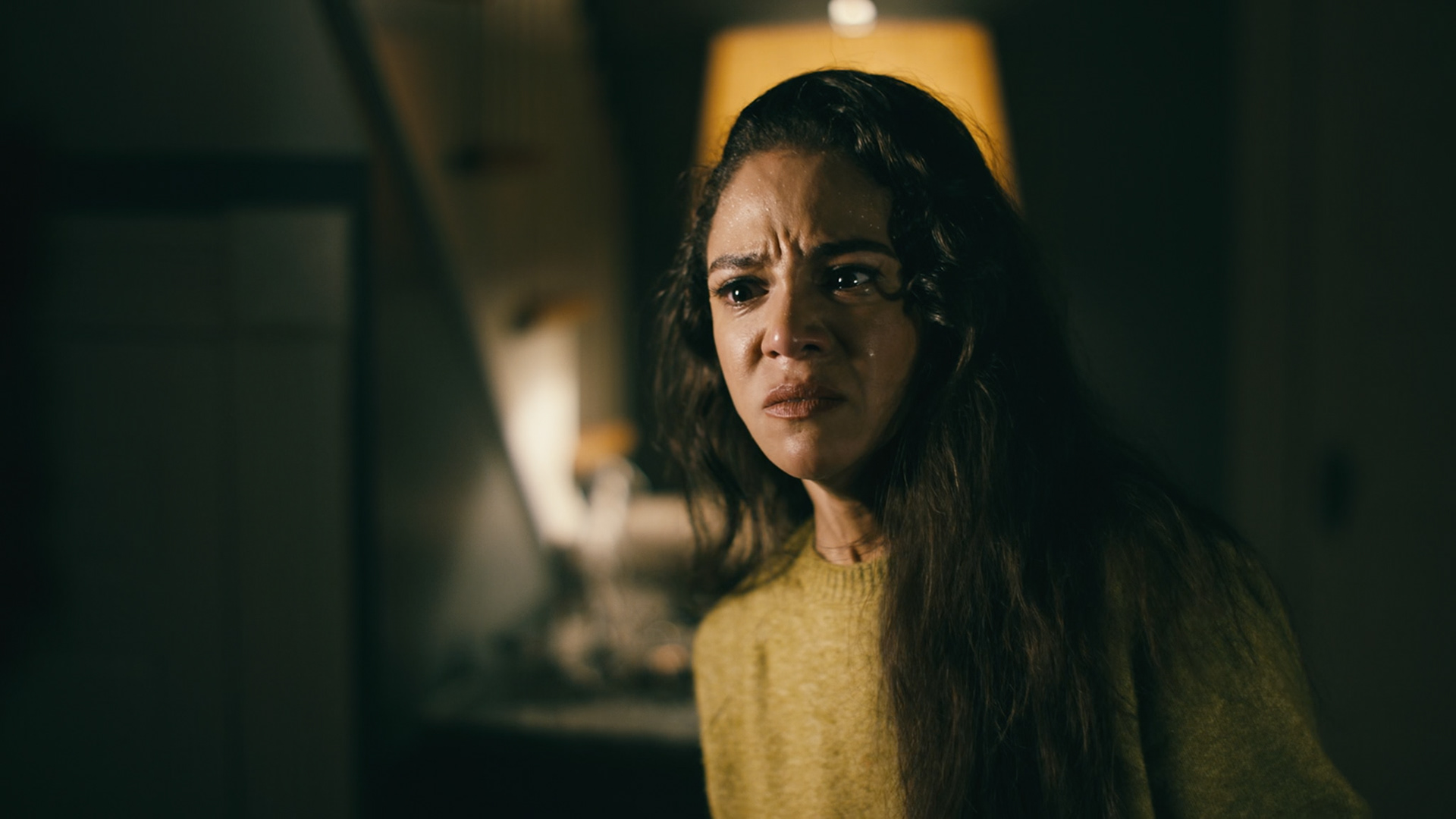
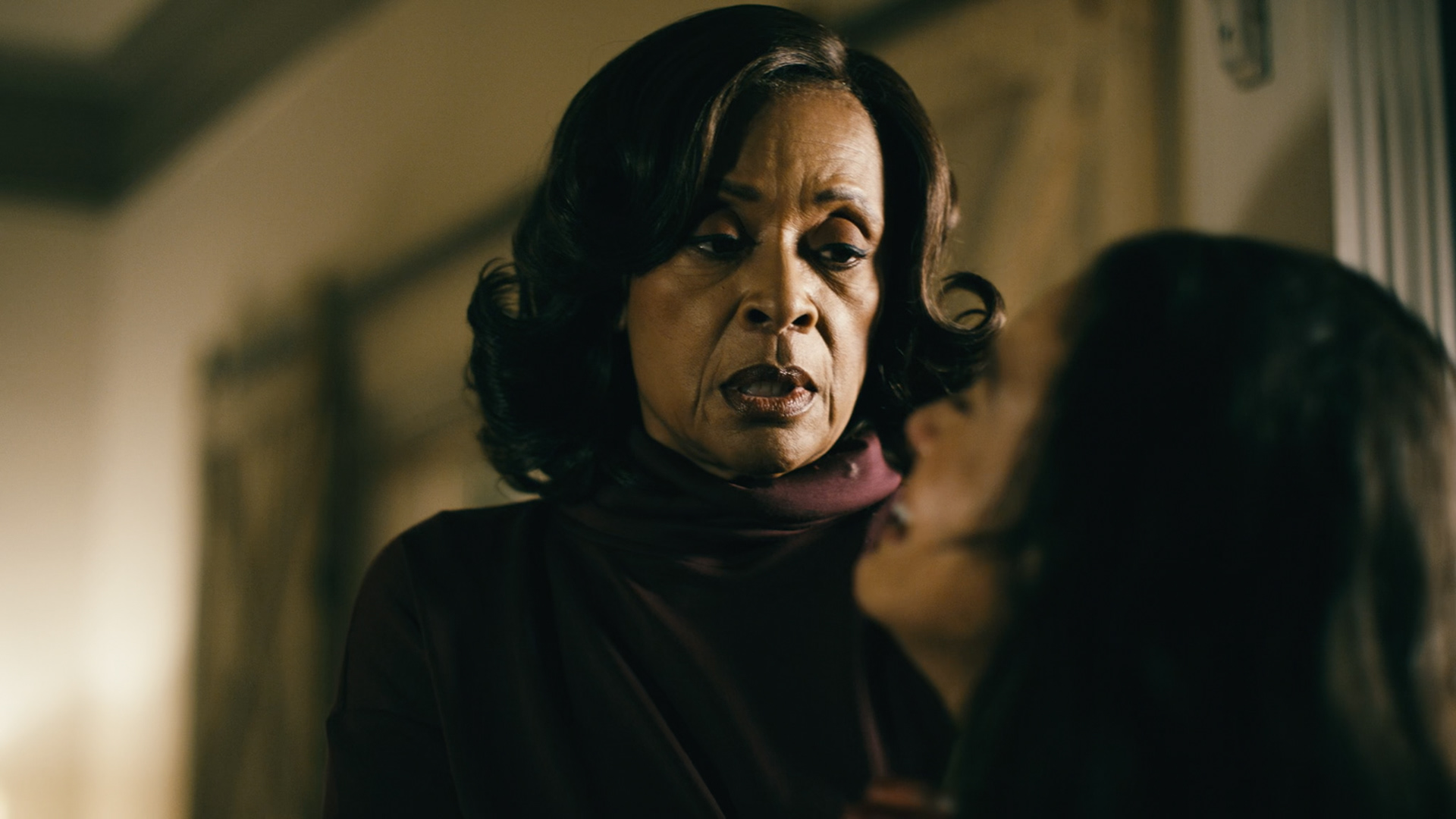
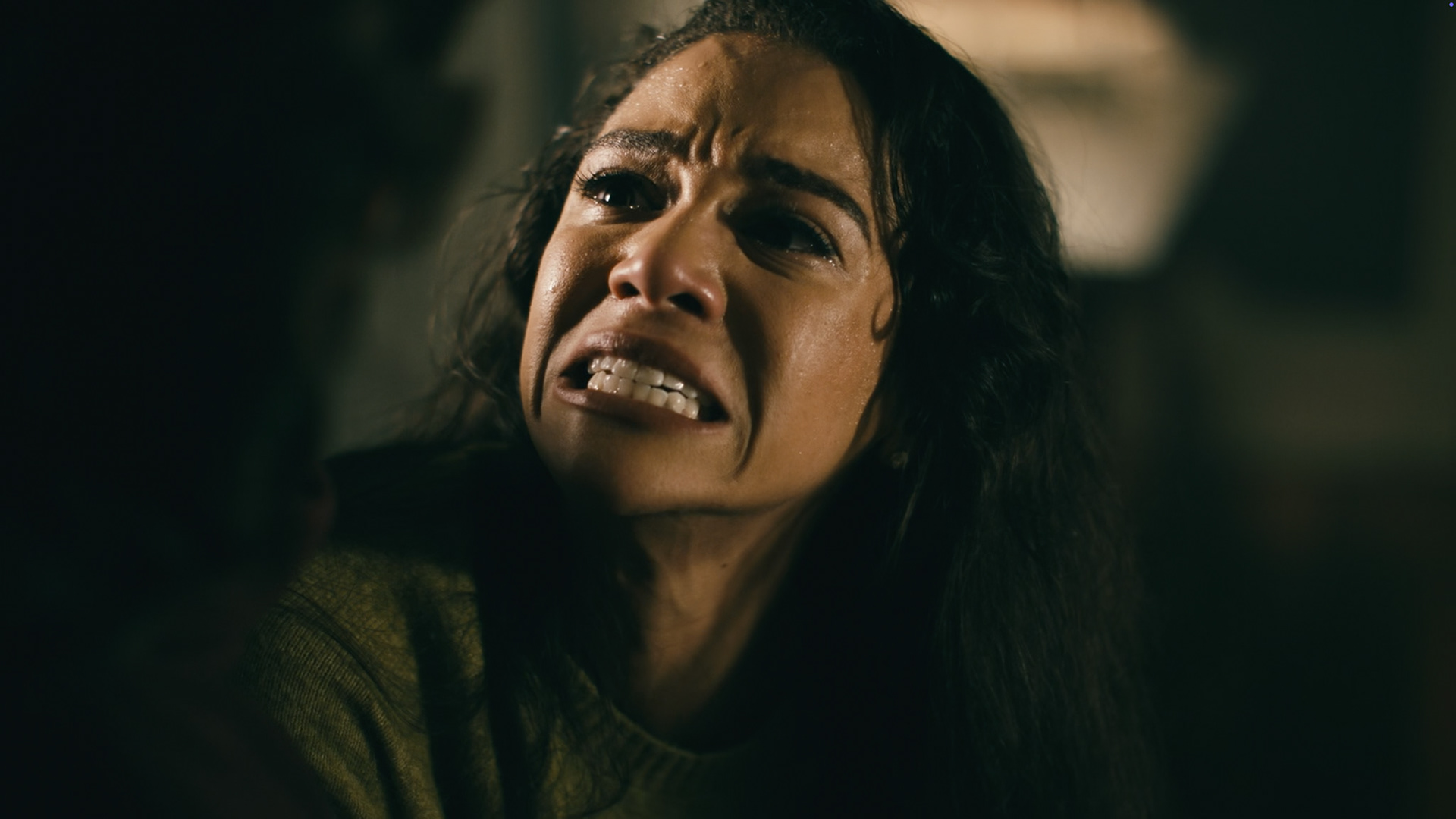
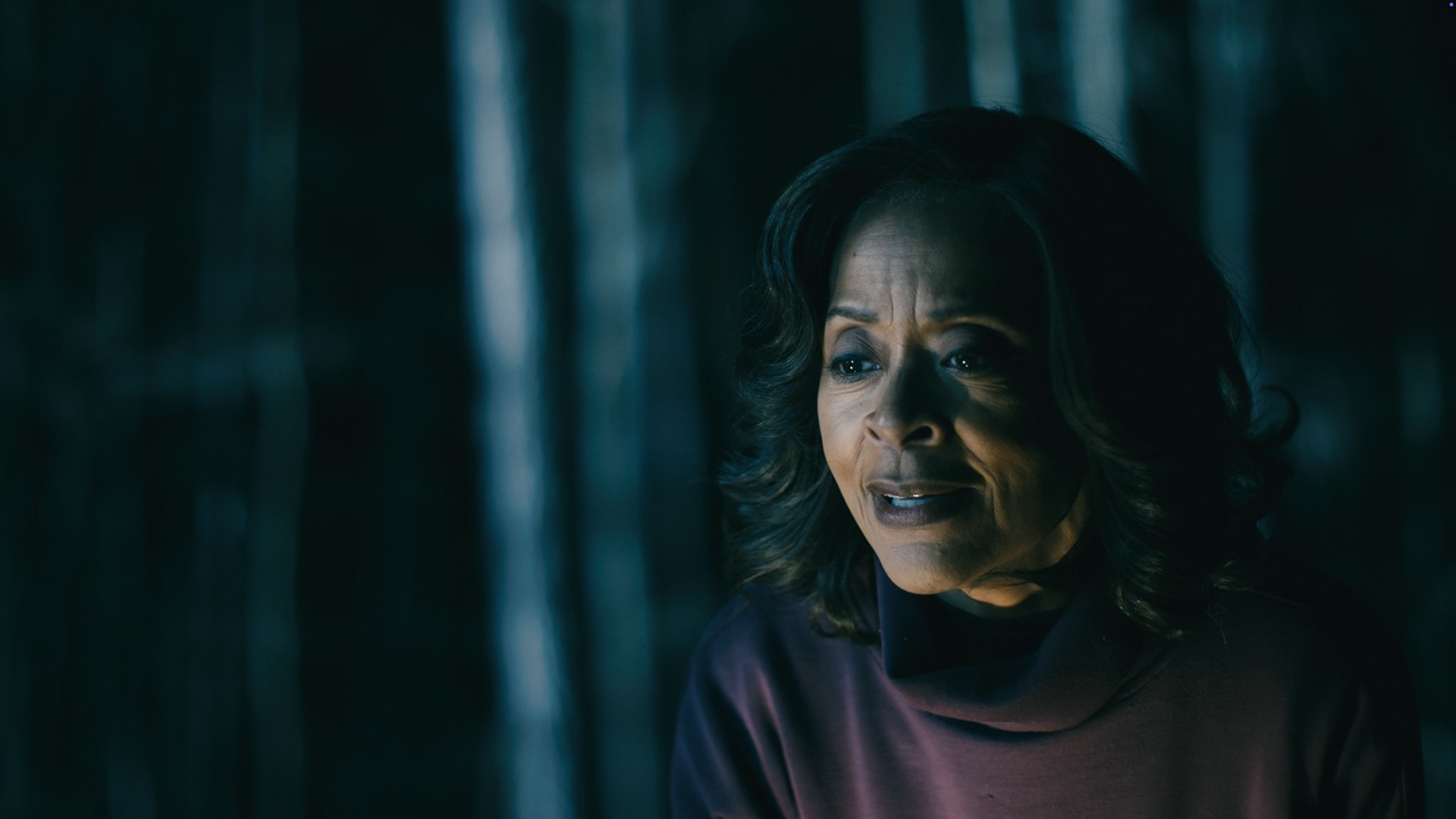
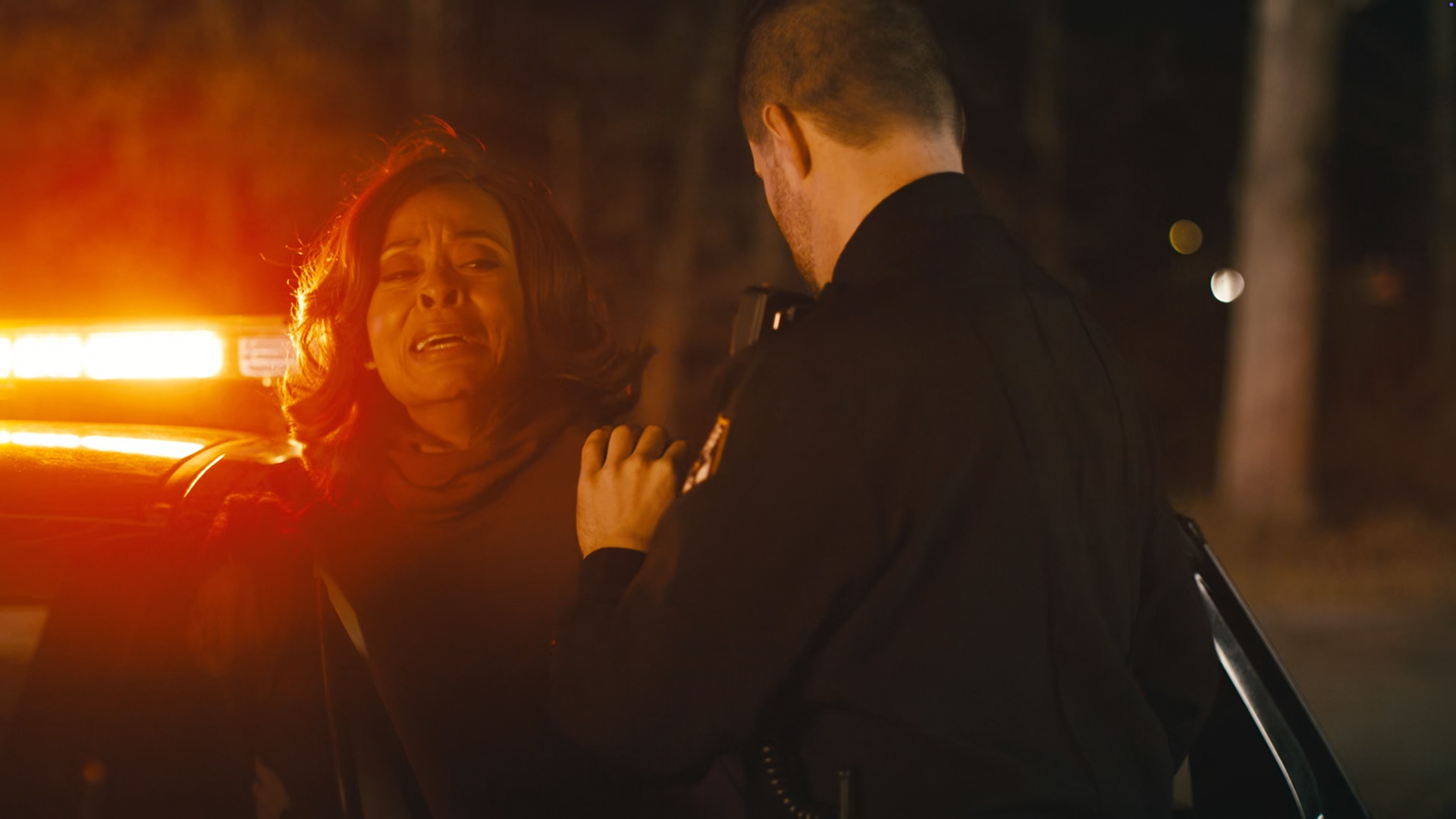
SECRETS TO KILL FOR | FILM STILLS