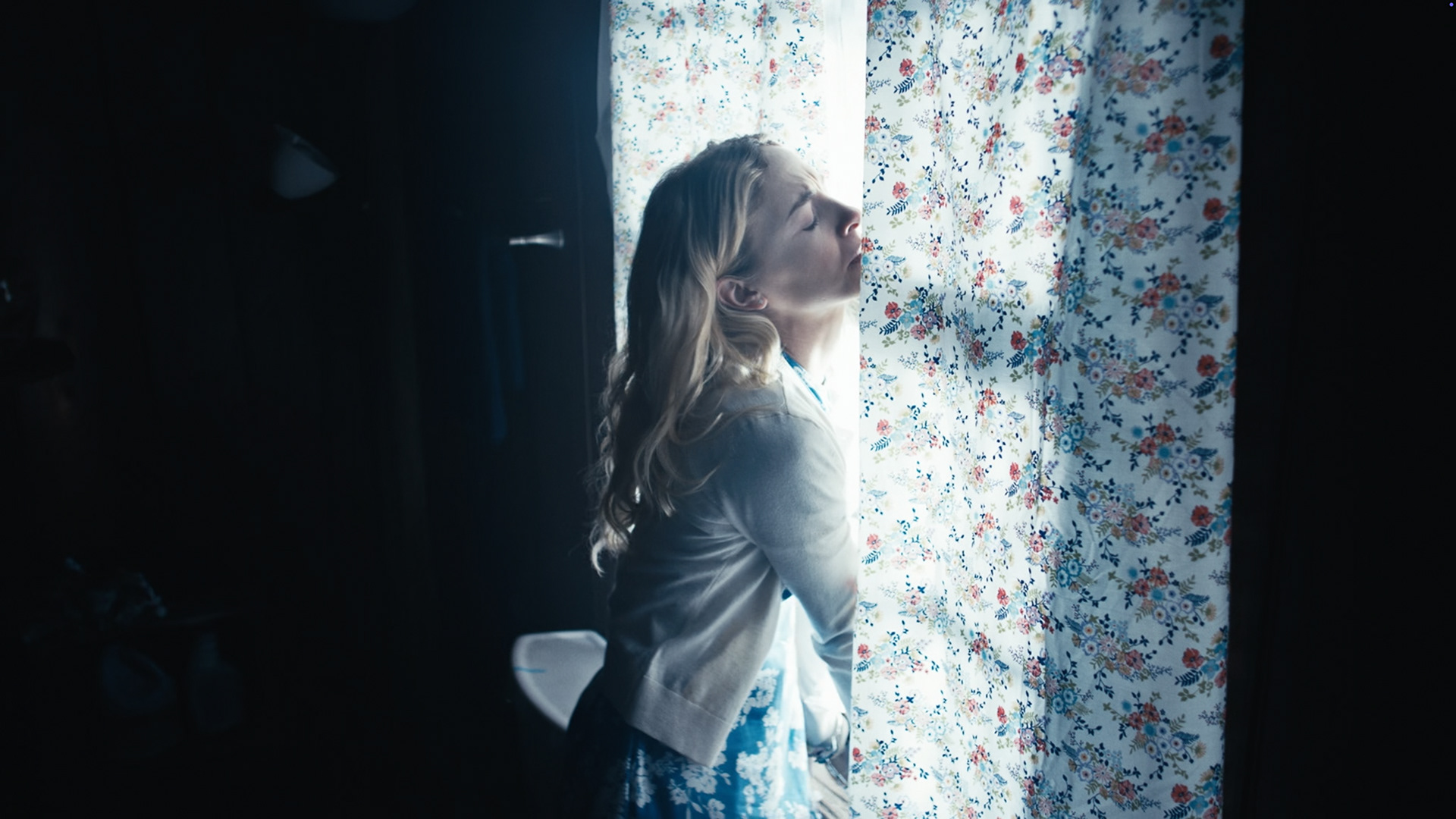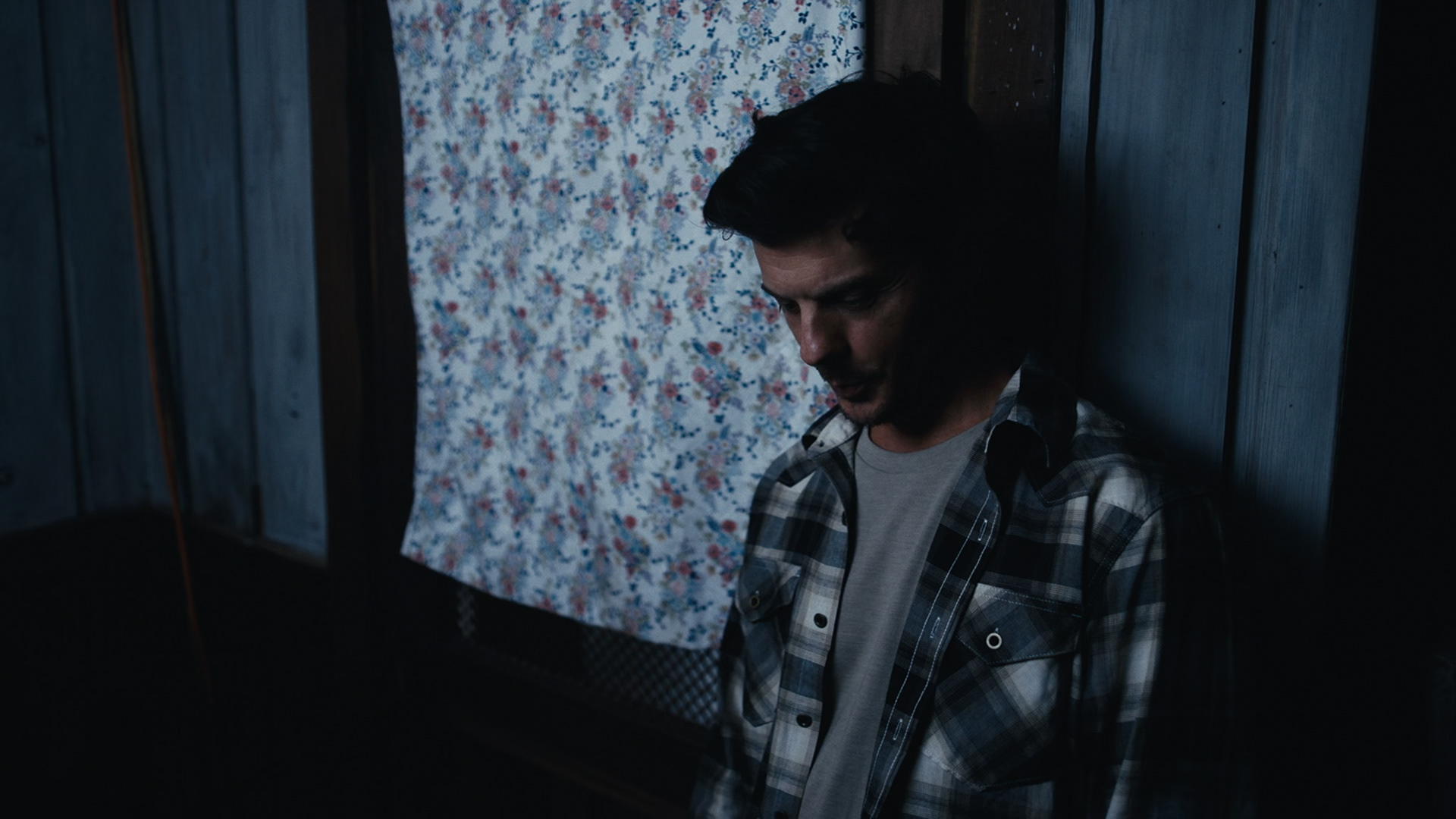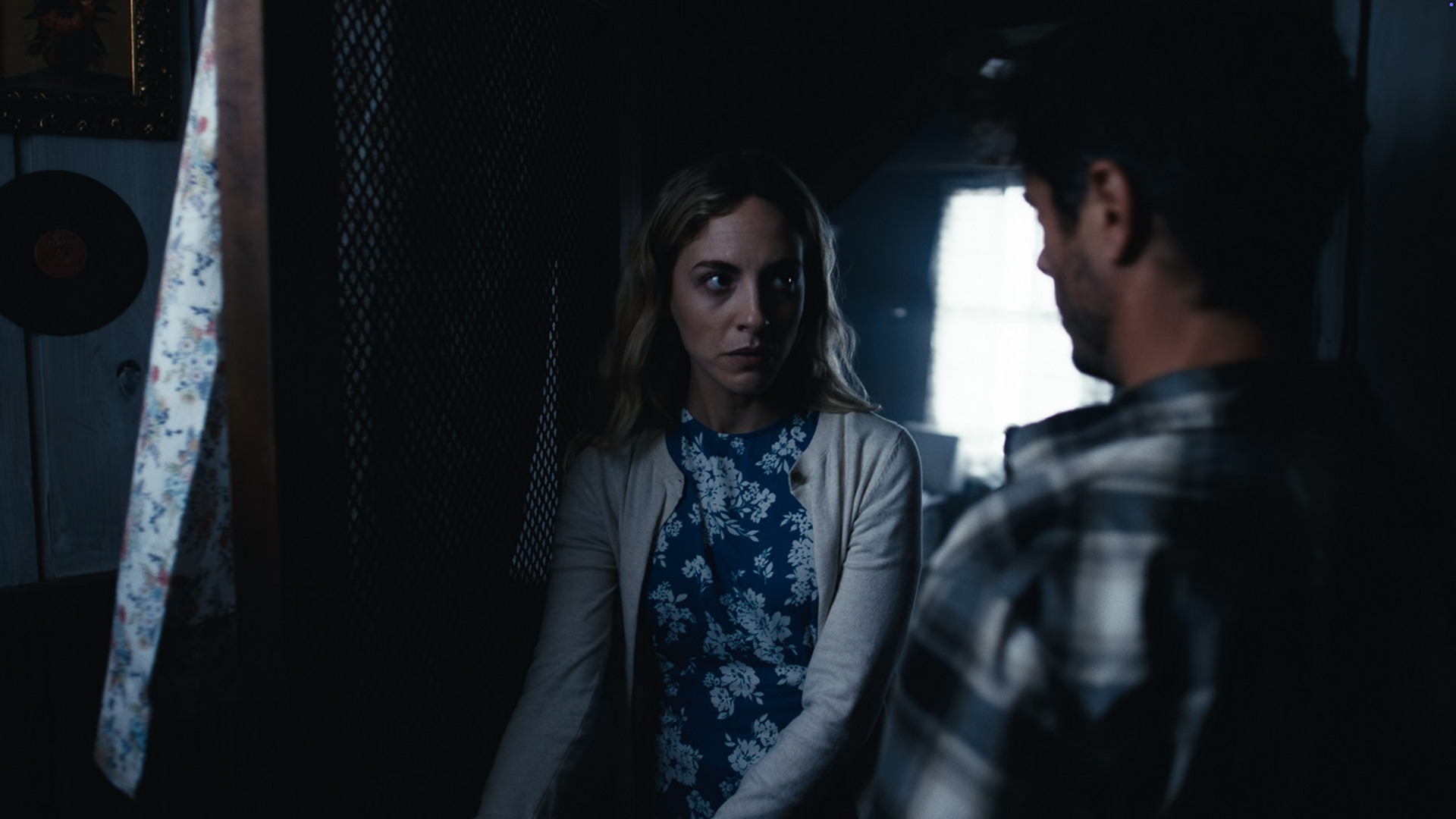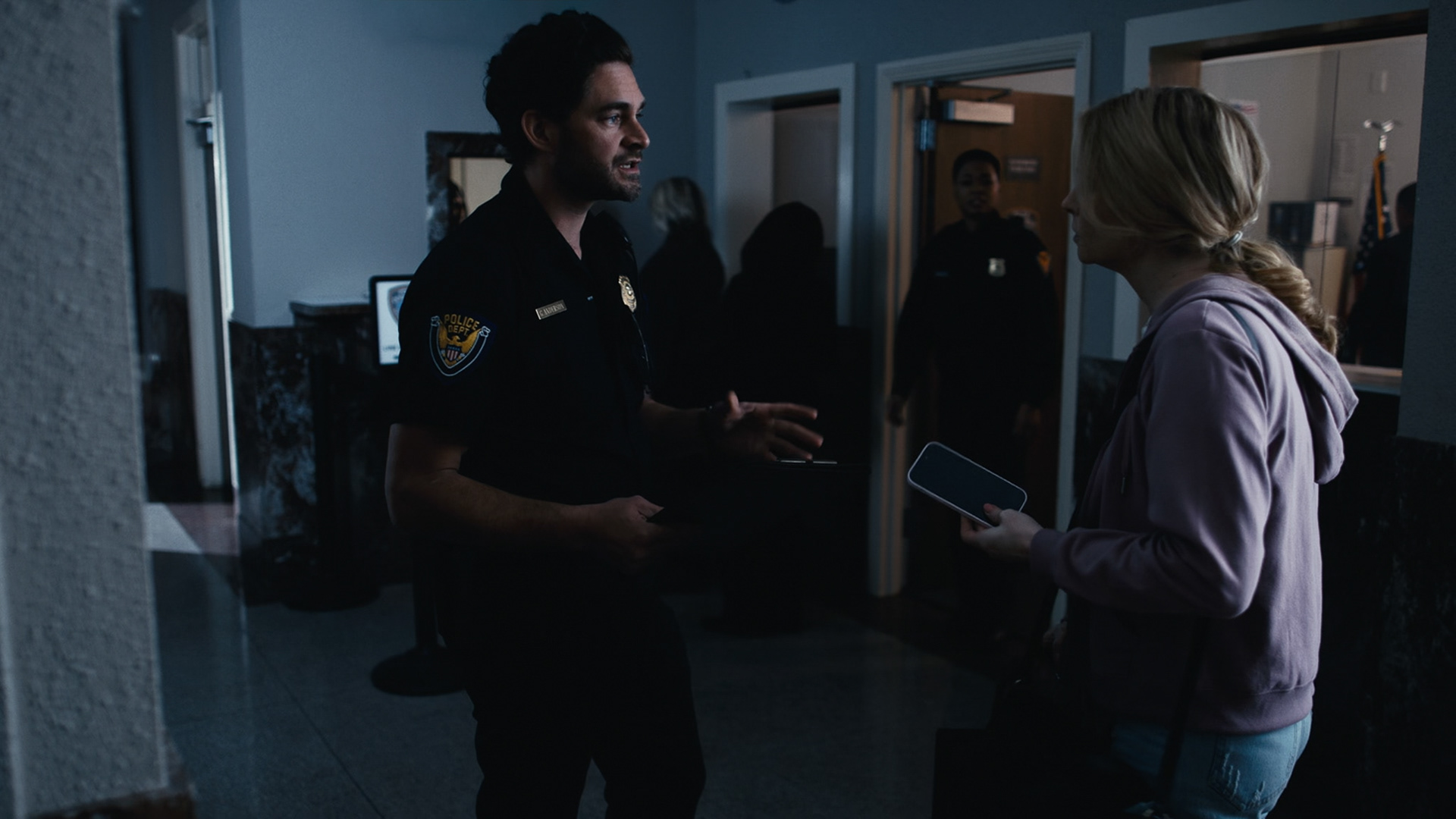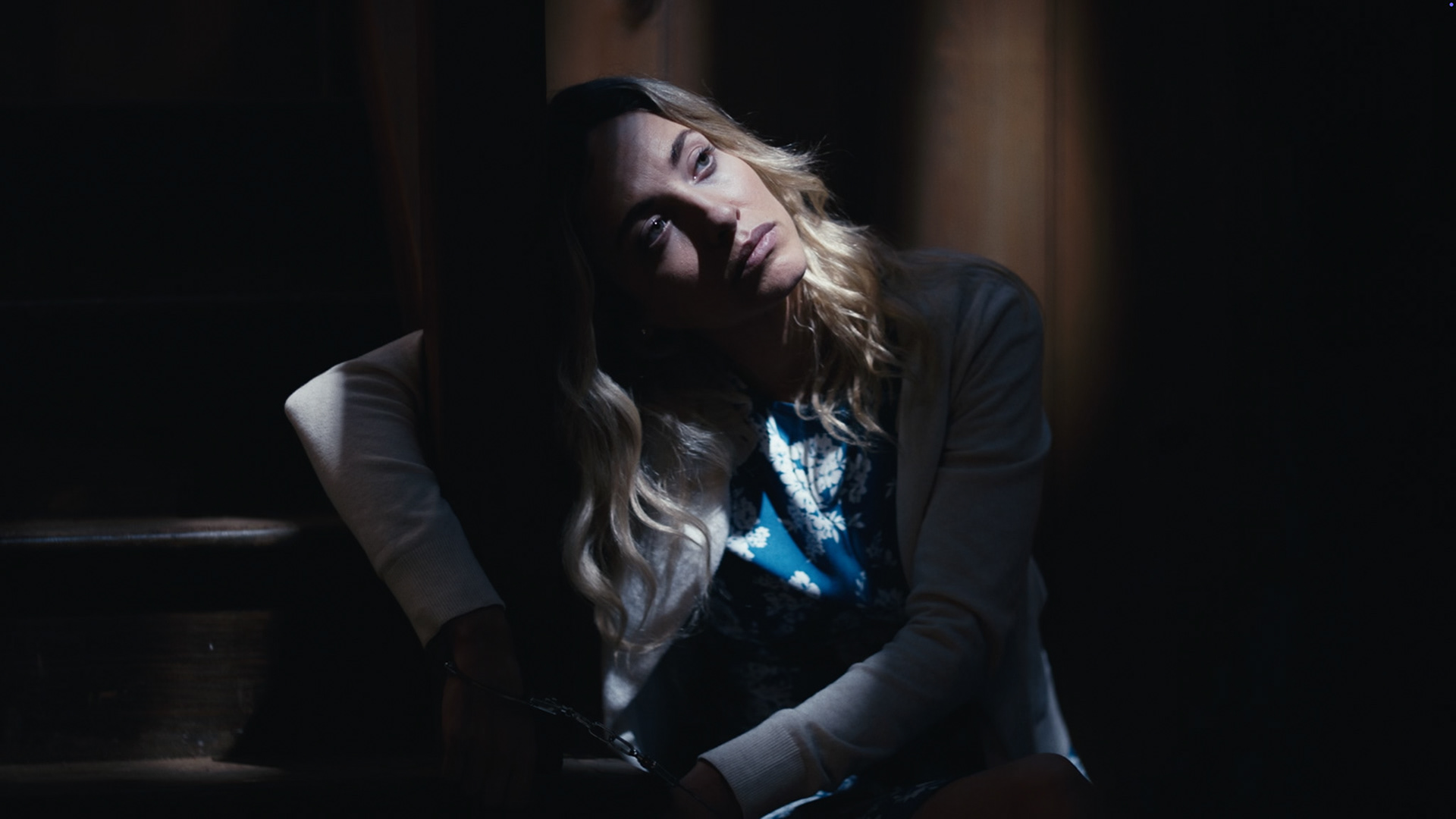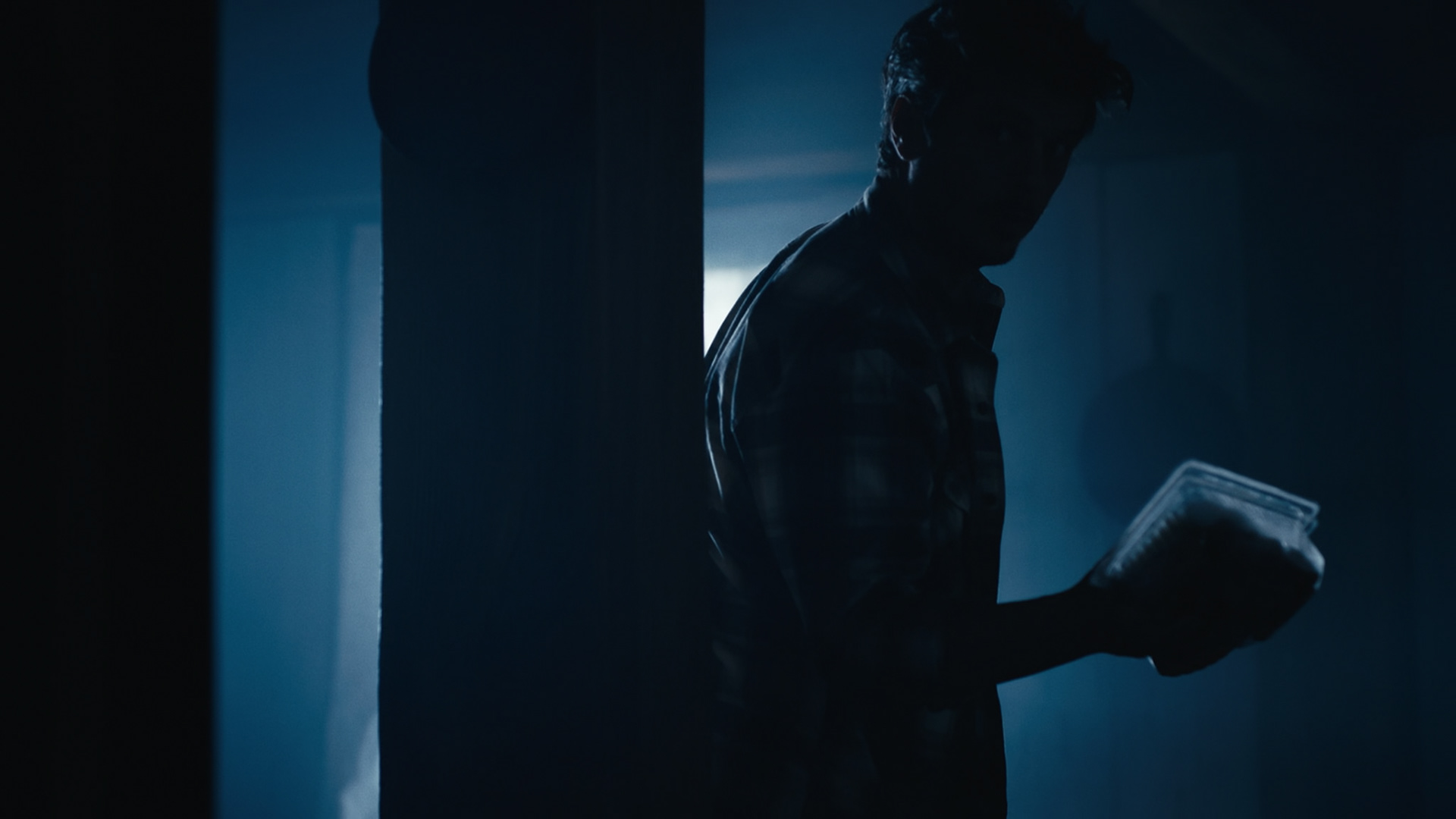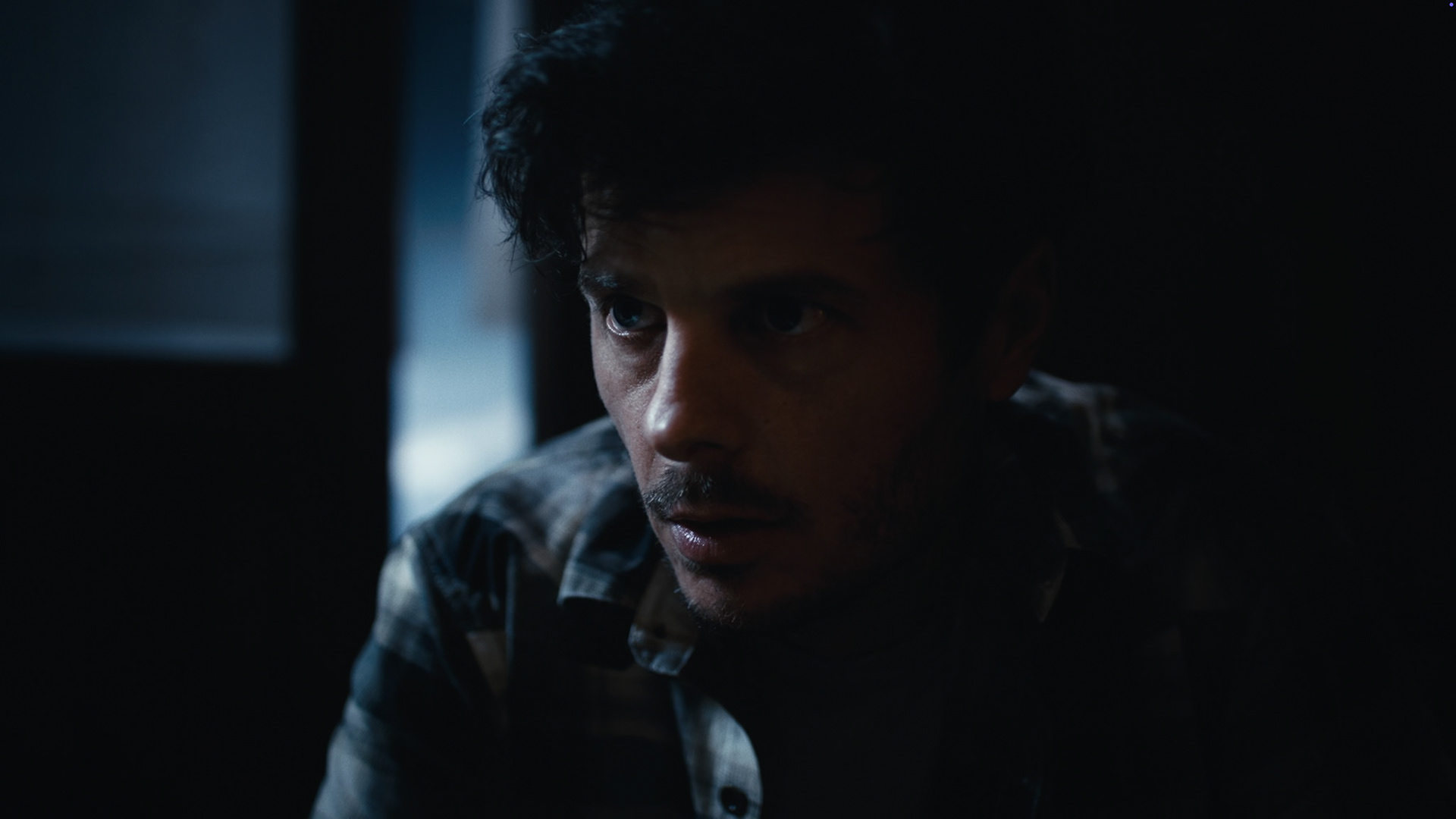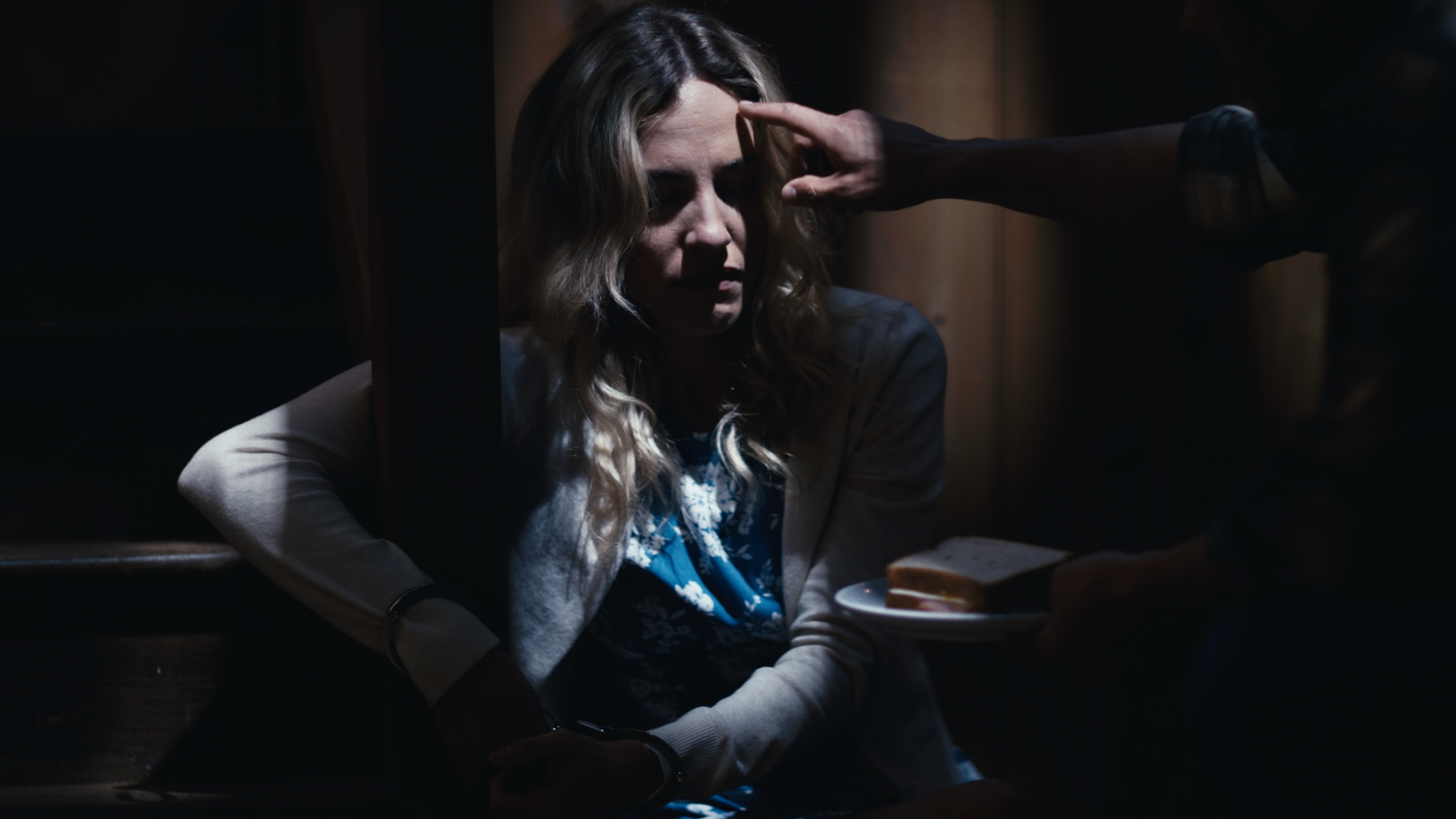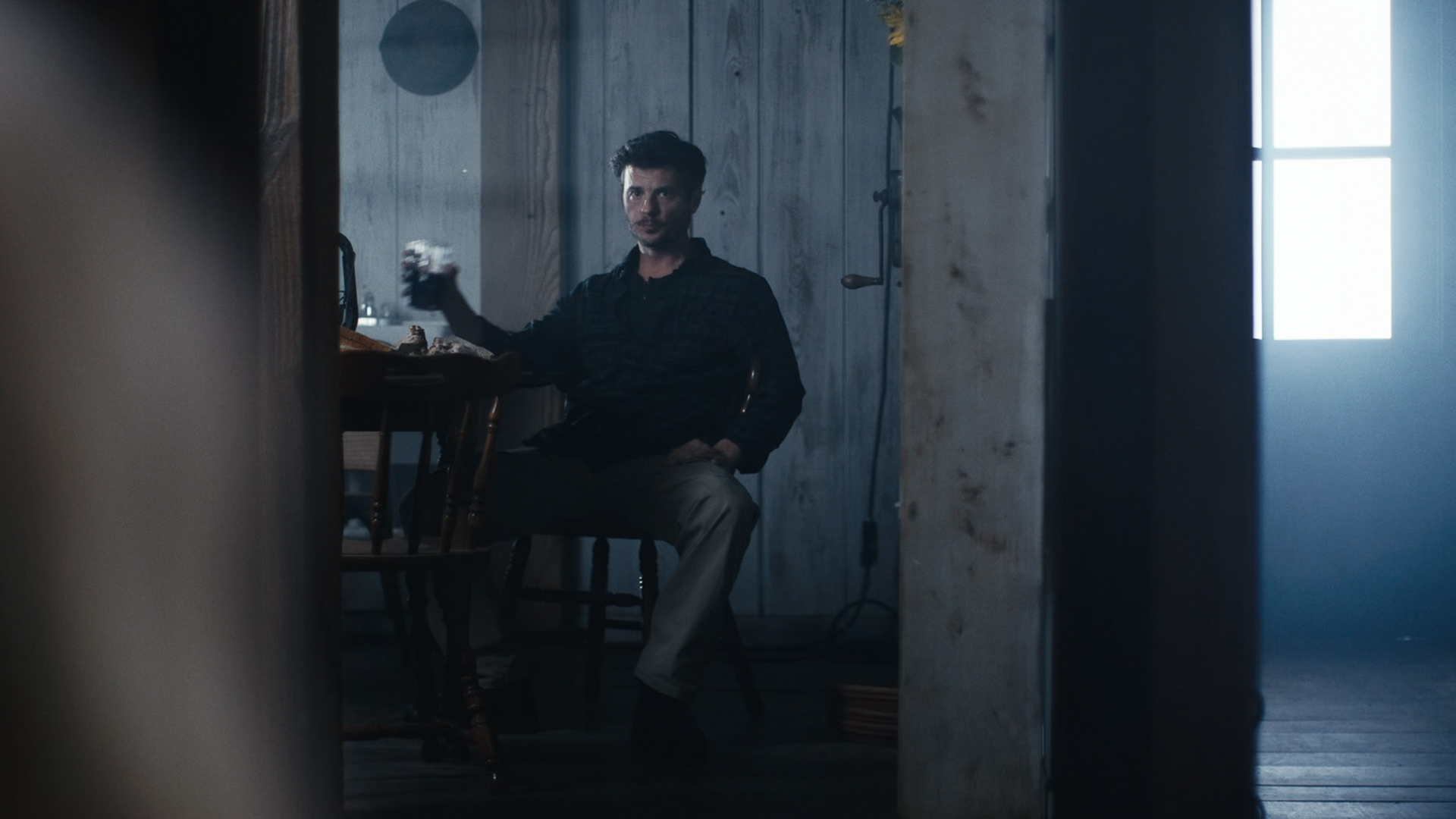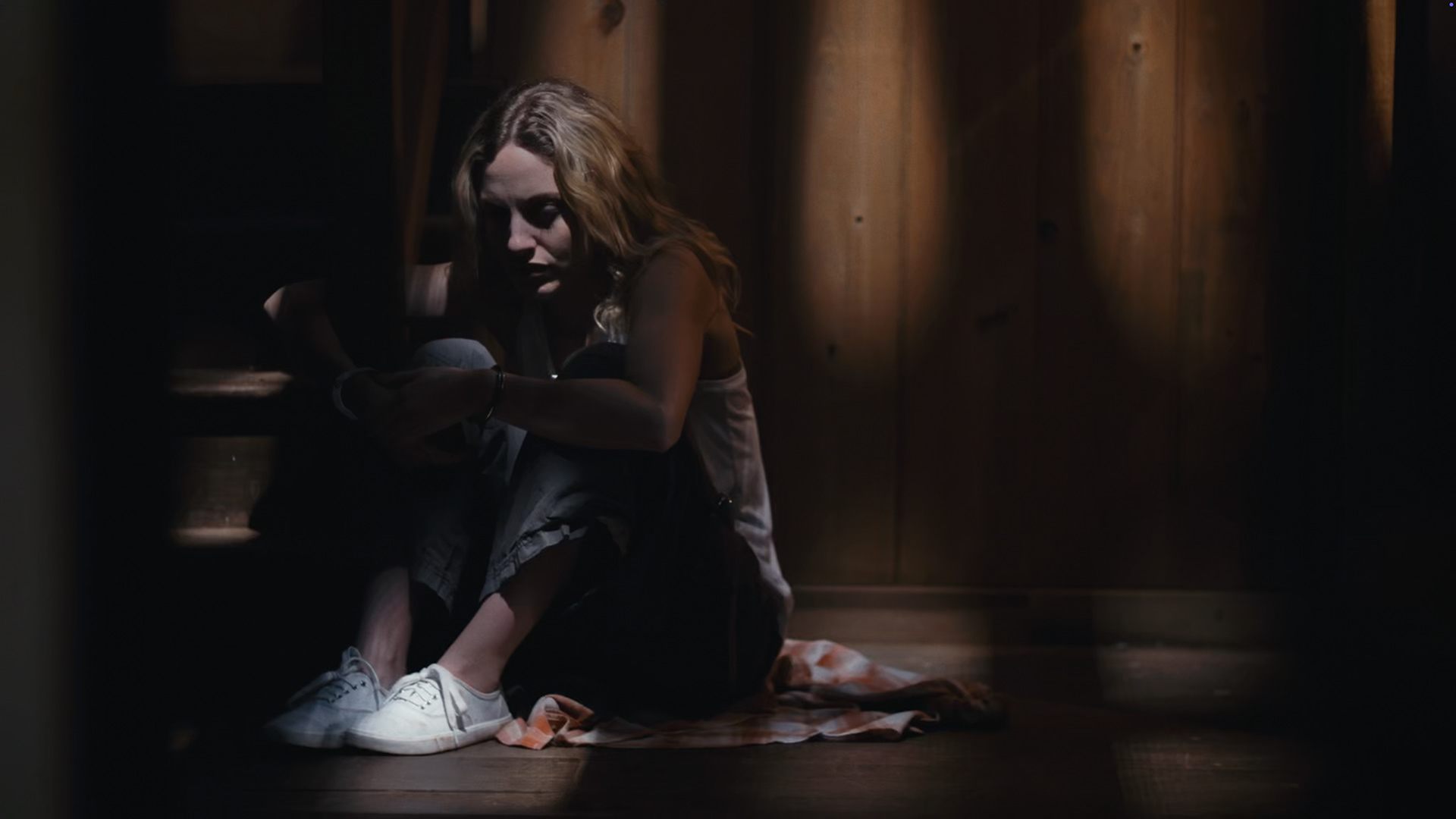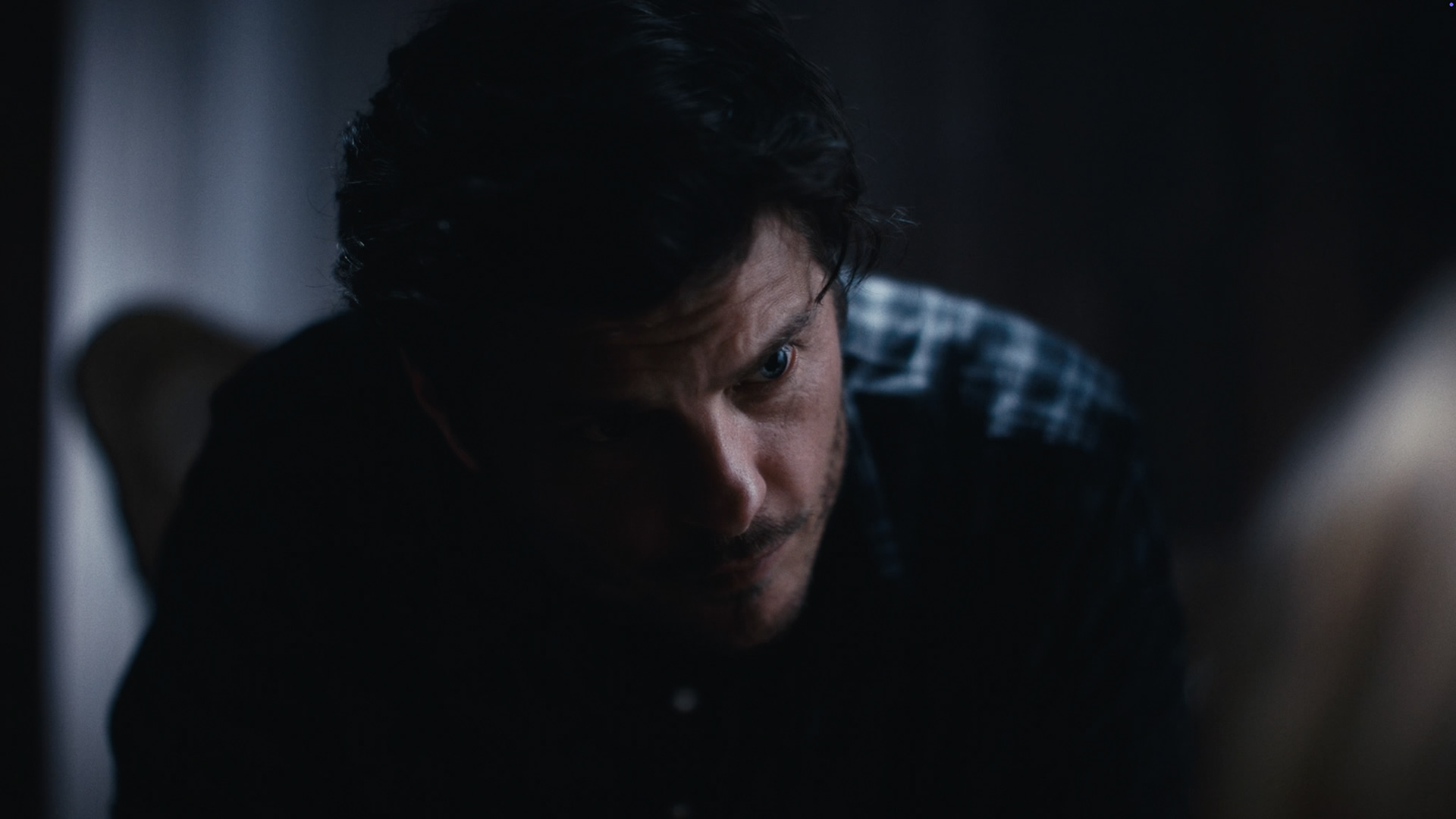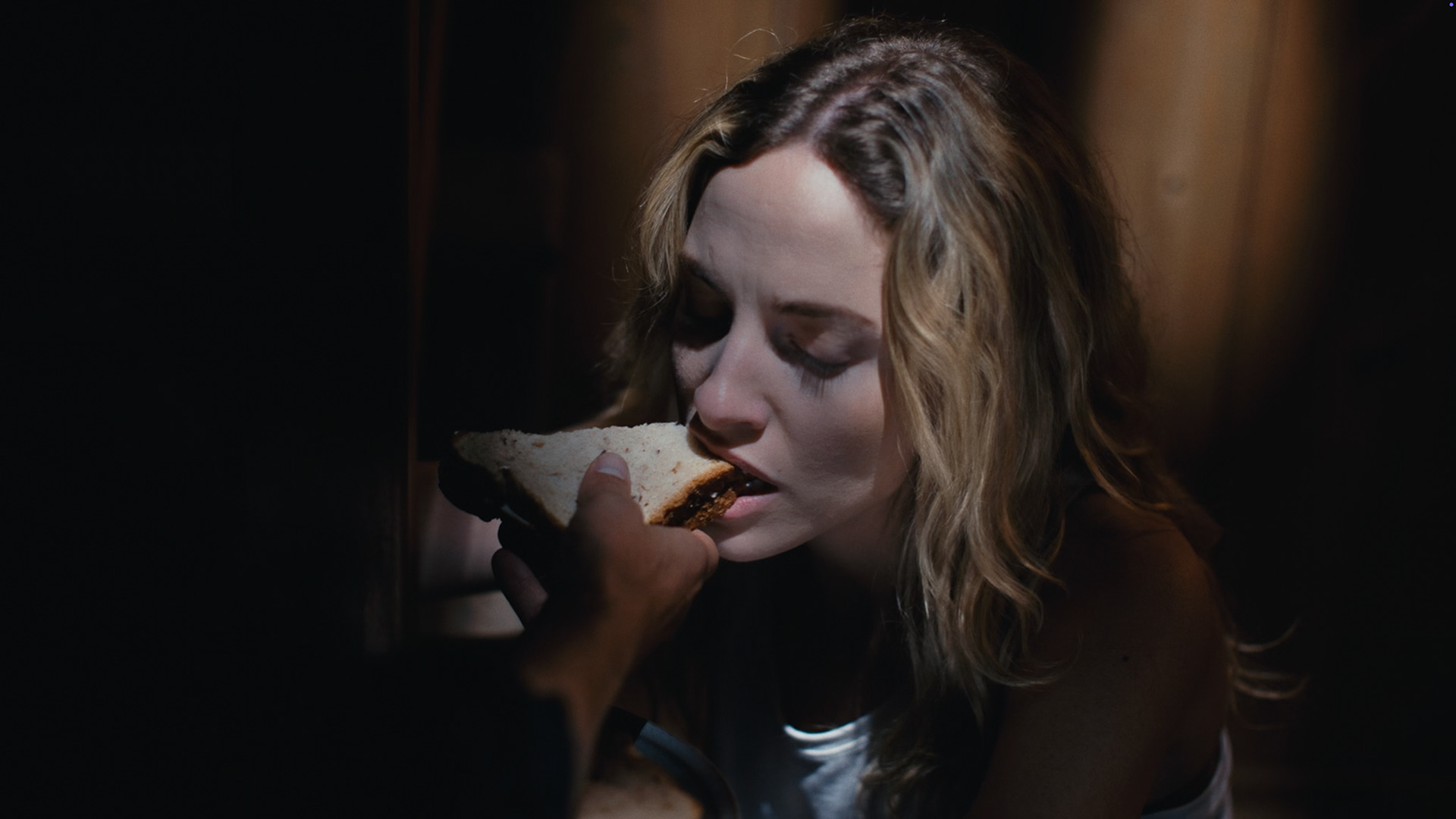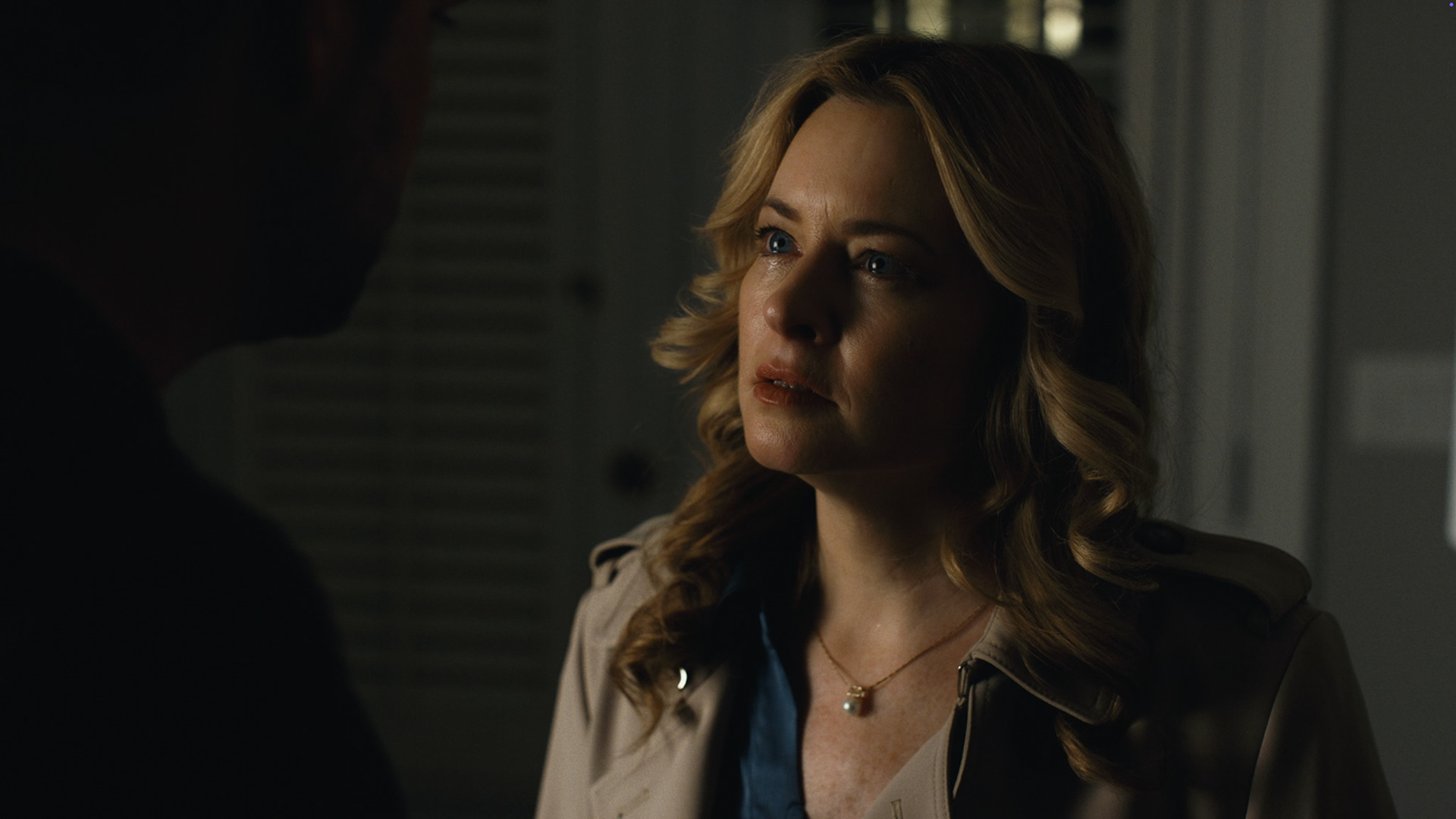
The challenge of No One Believed Me was portraying the psychological complexity of Stockholm Syndrome in a way that felt emotionally truthful without ever simplifying its moral contradictions. The story required the audience to understand the emotional pull between the characters while still recognizing the deeply disturbing reality underneath it.
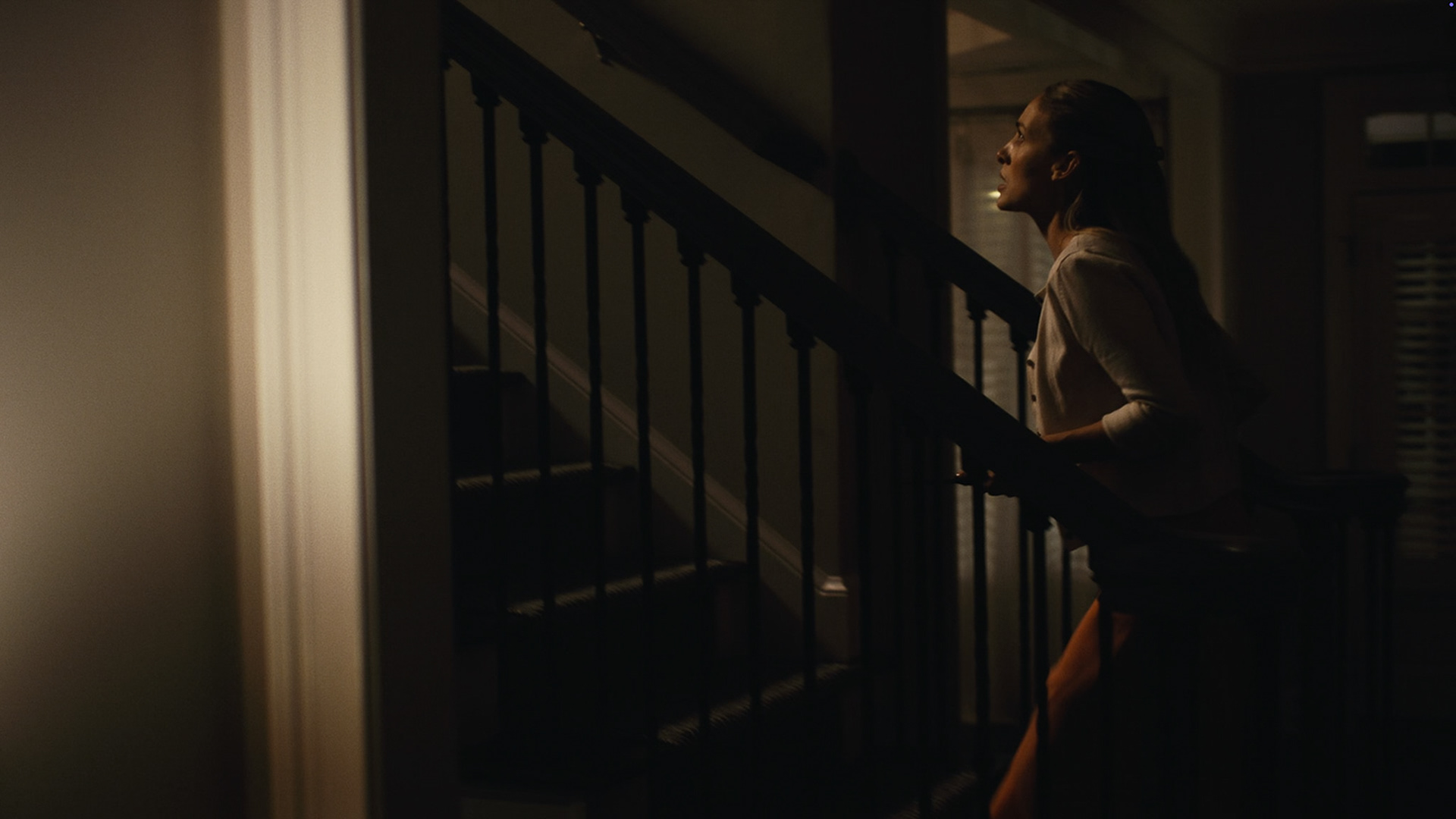
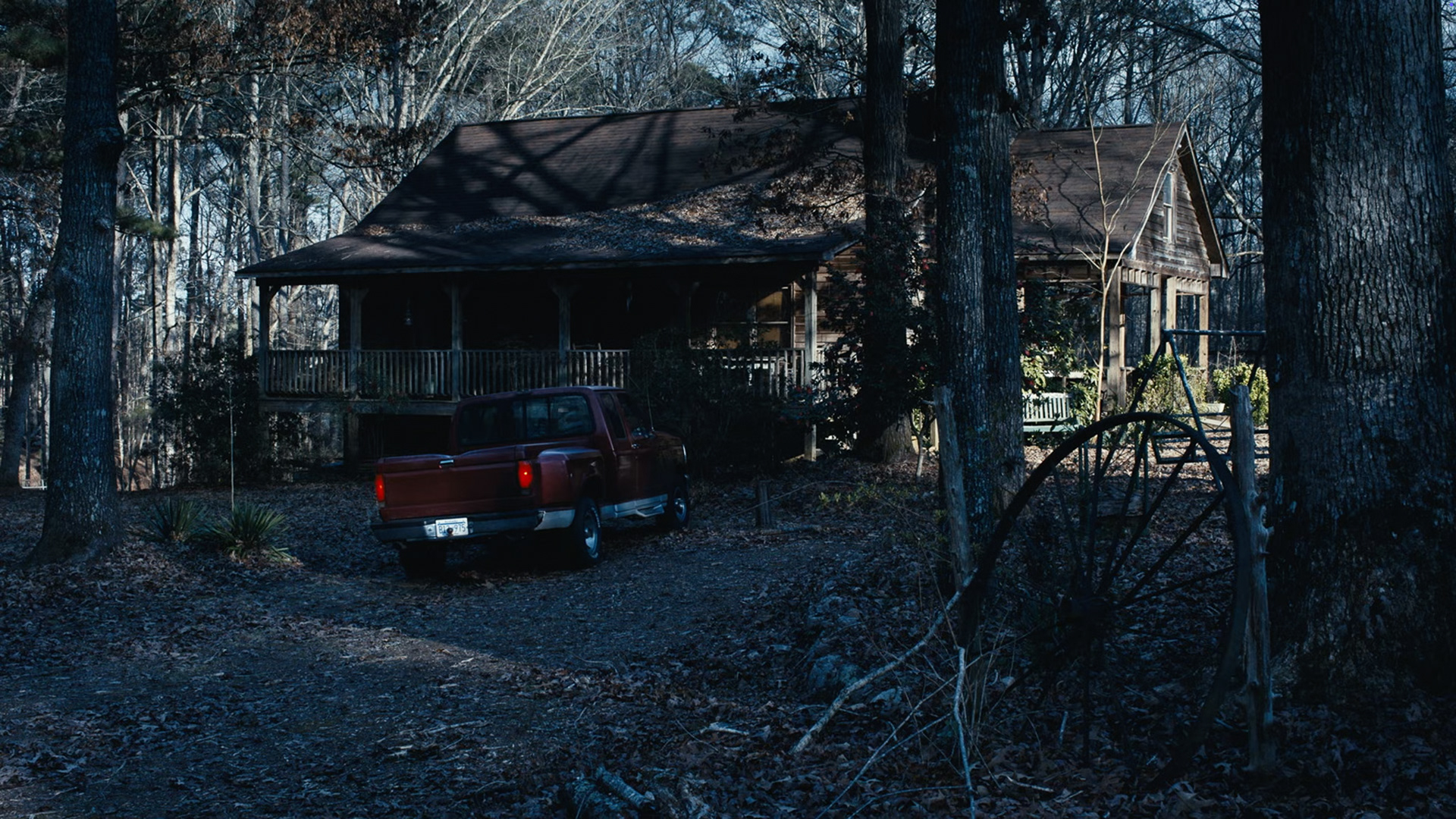
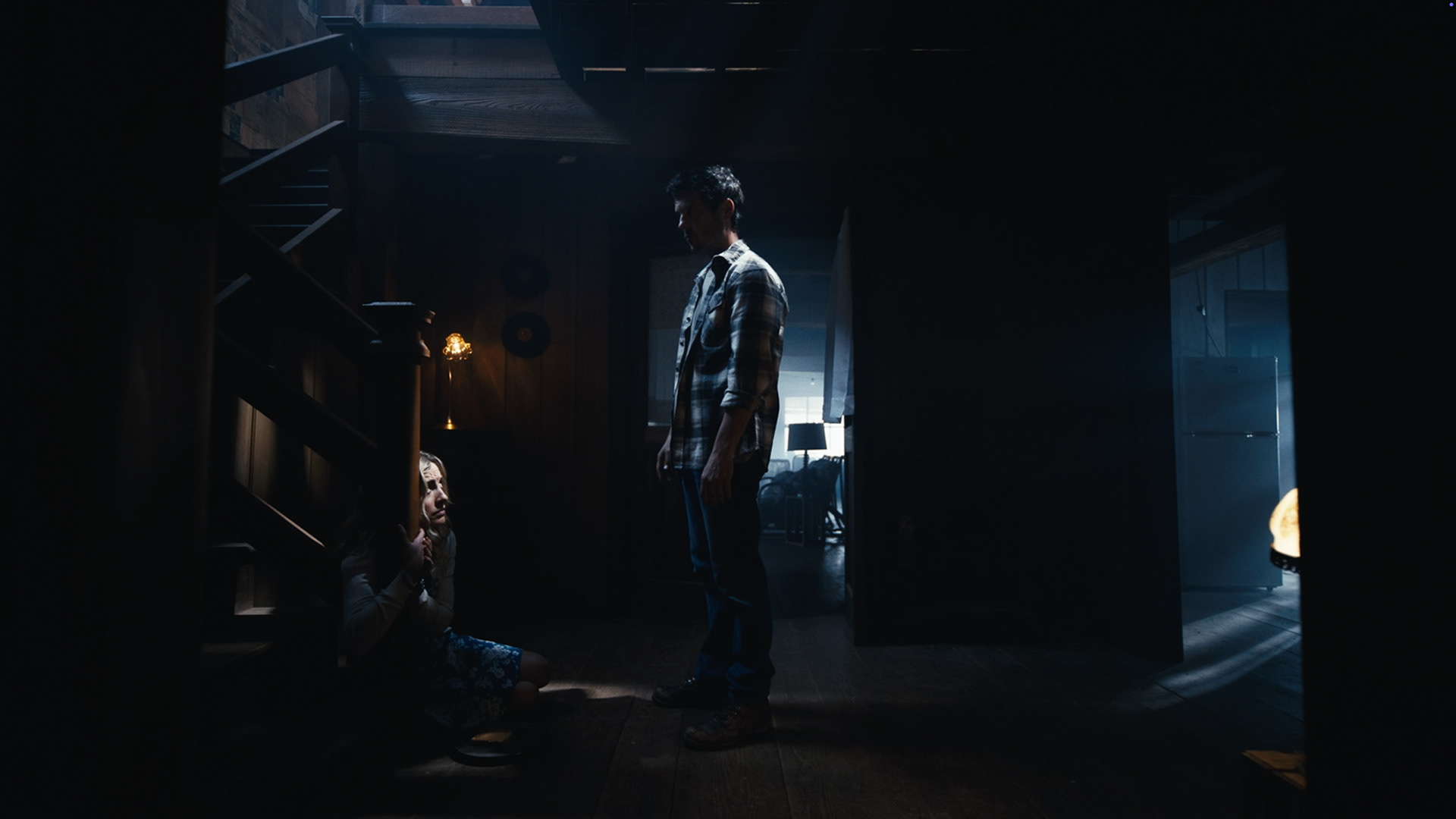
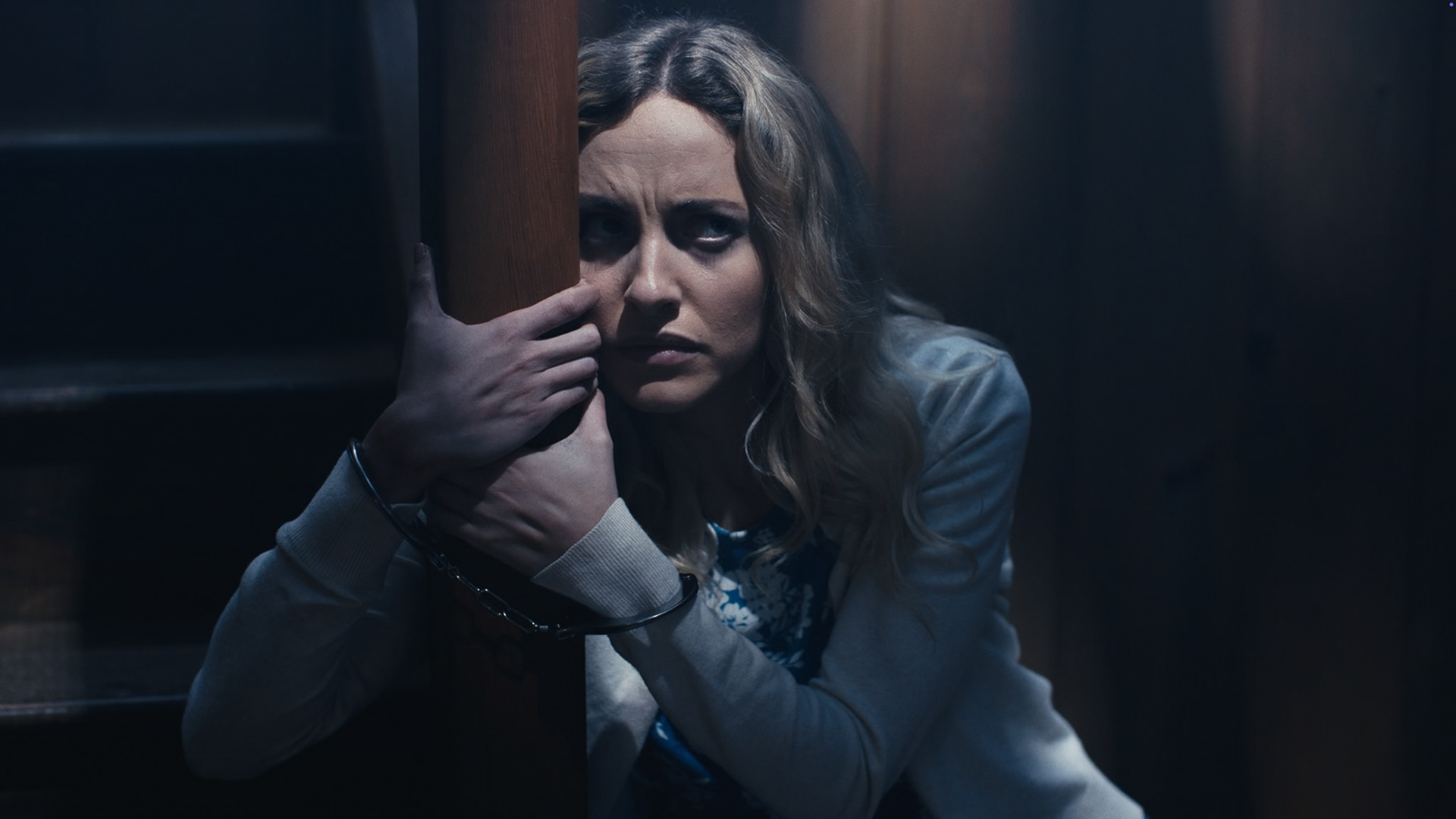
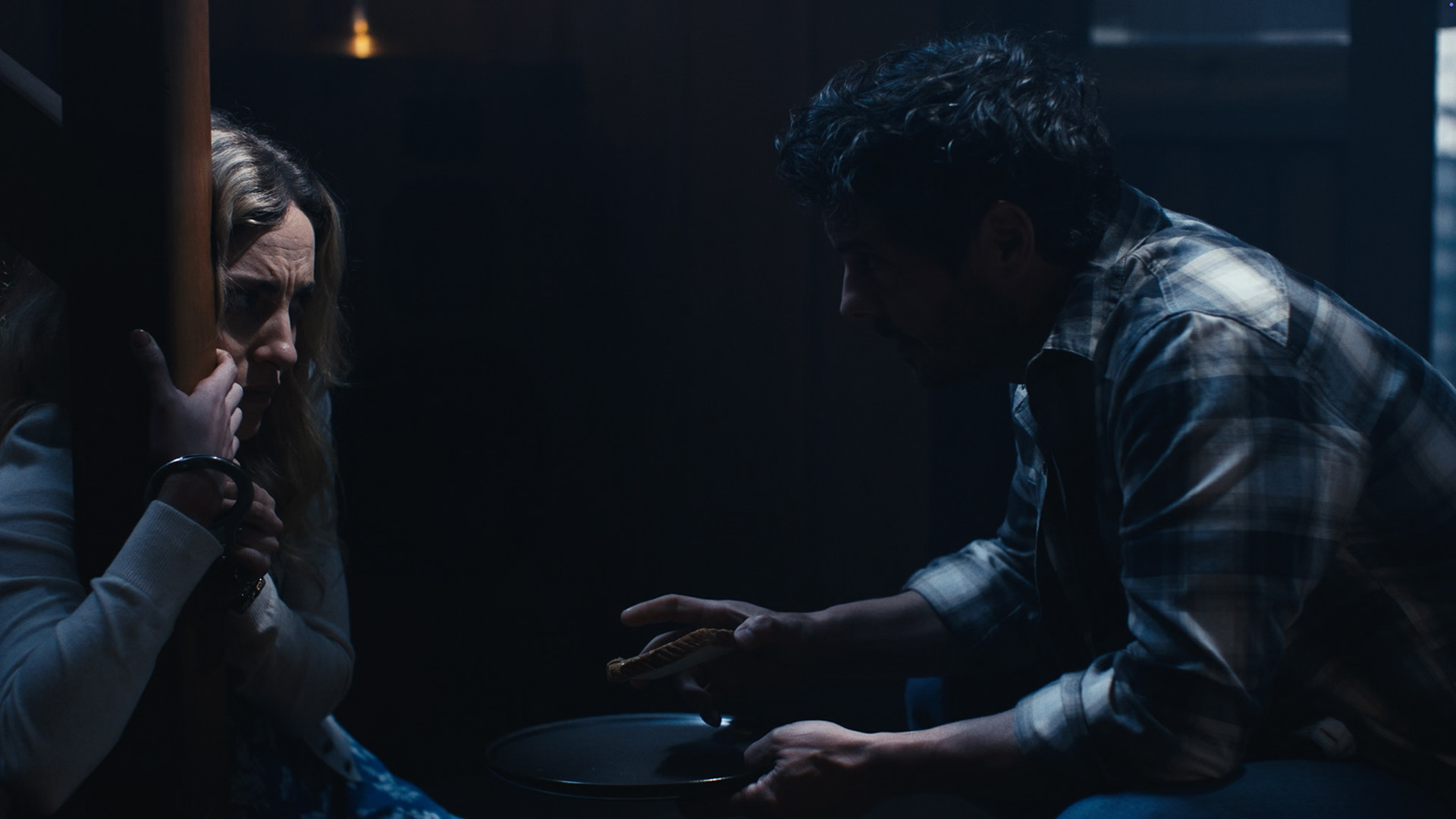
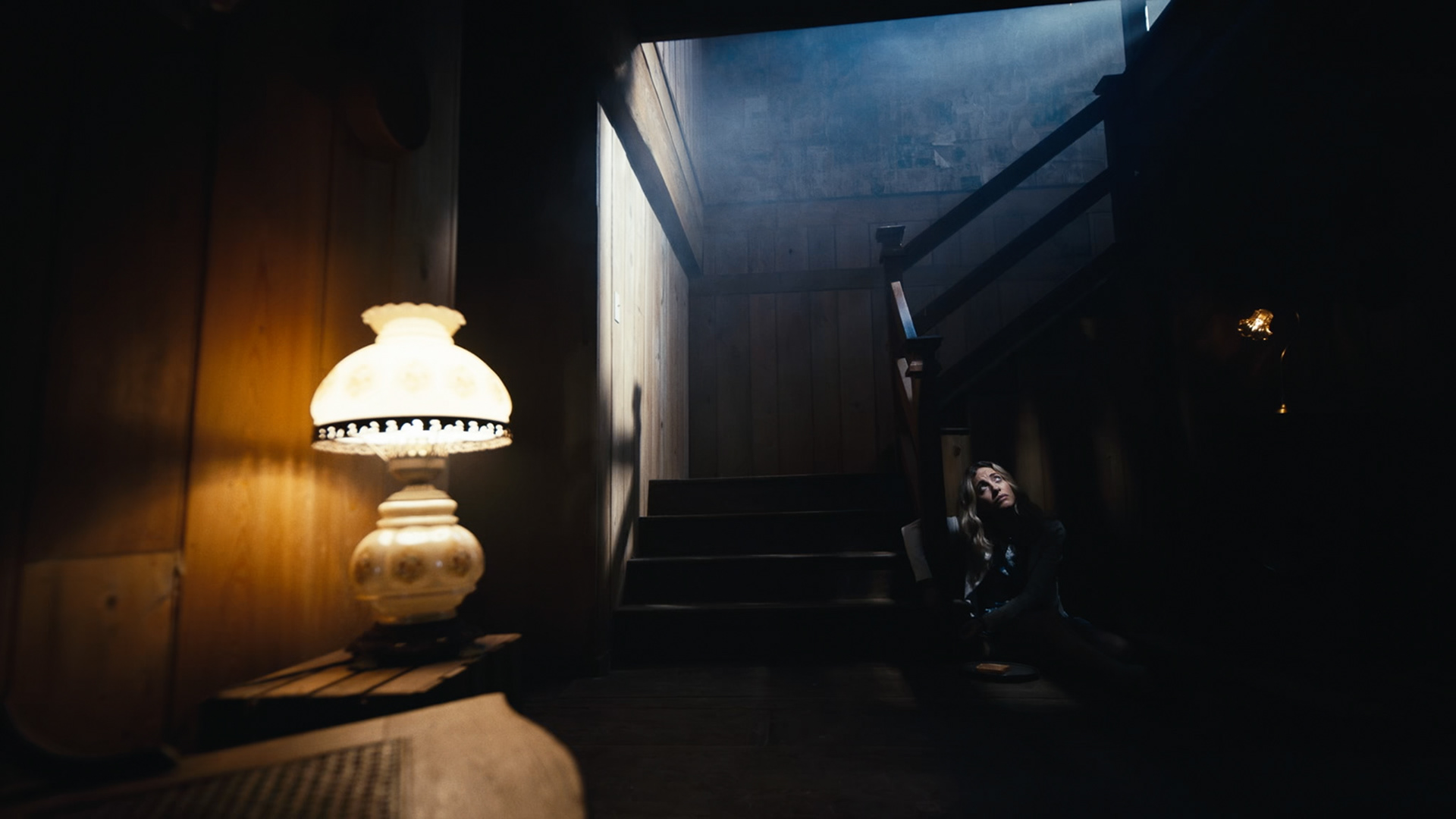
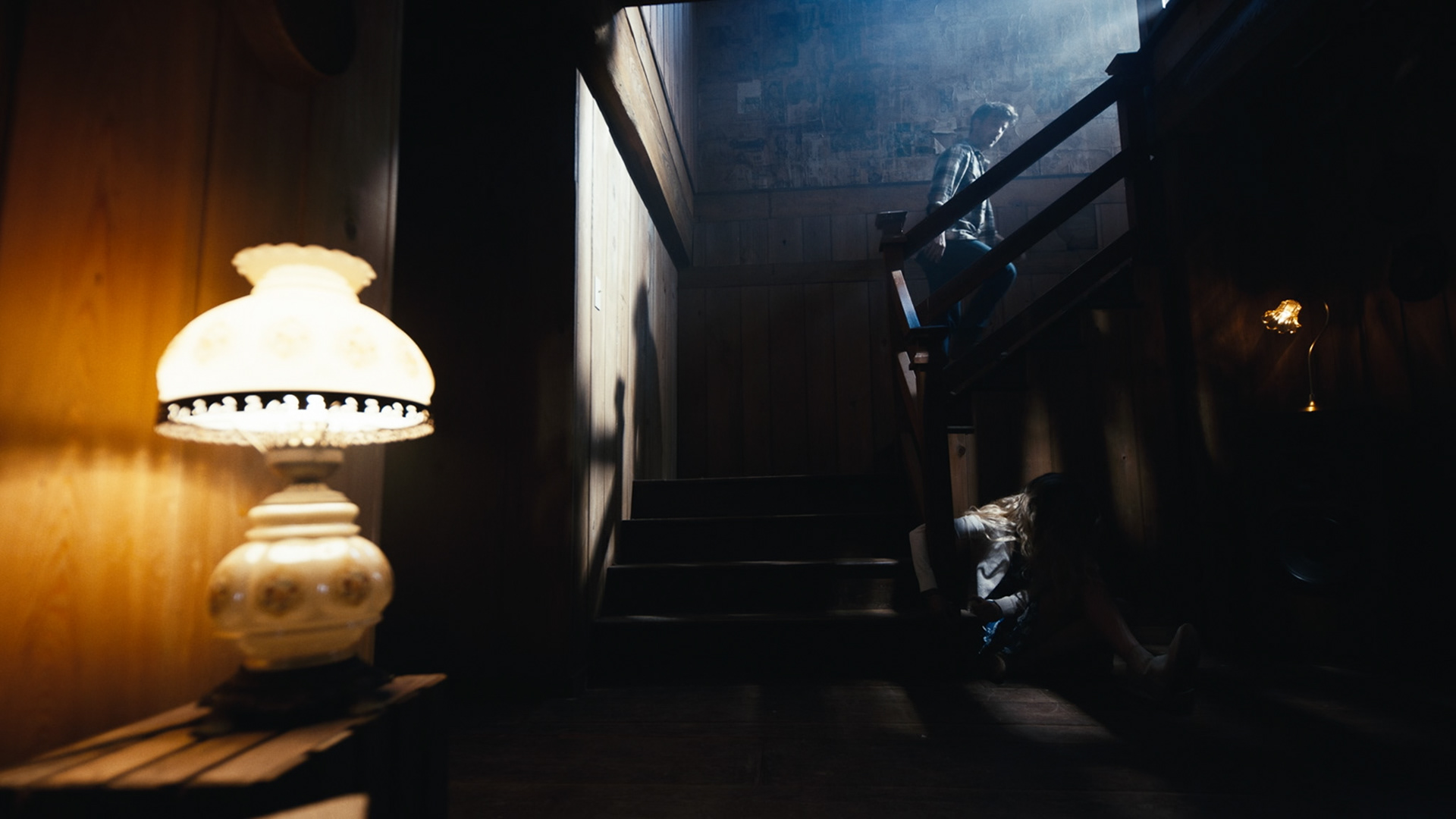
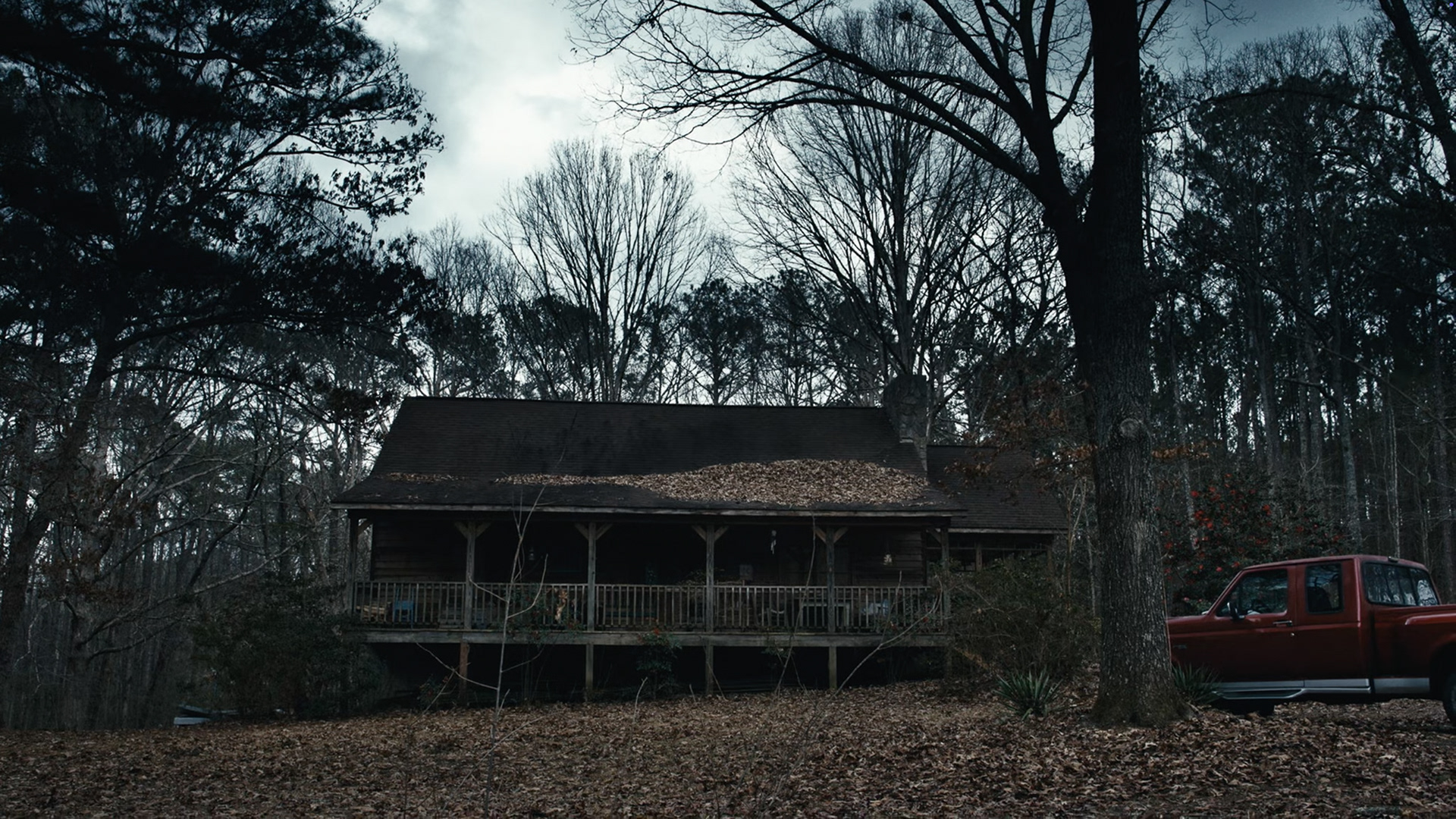
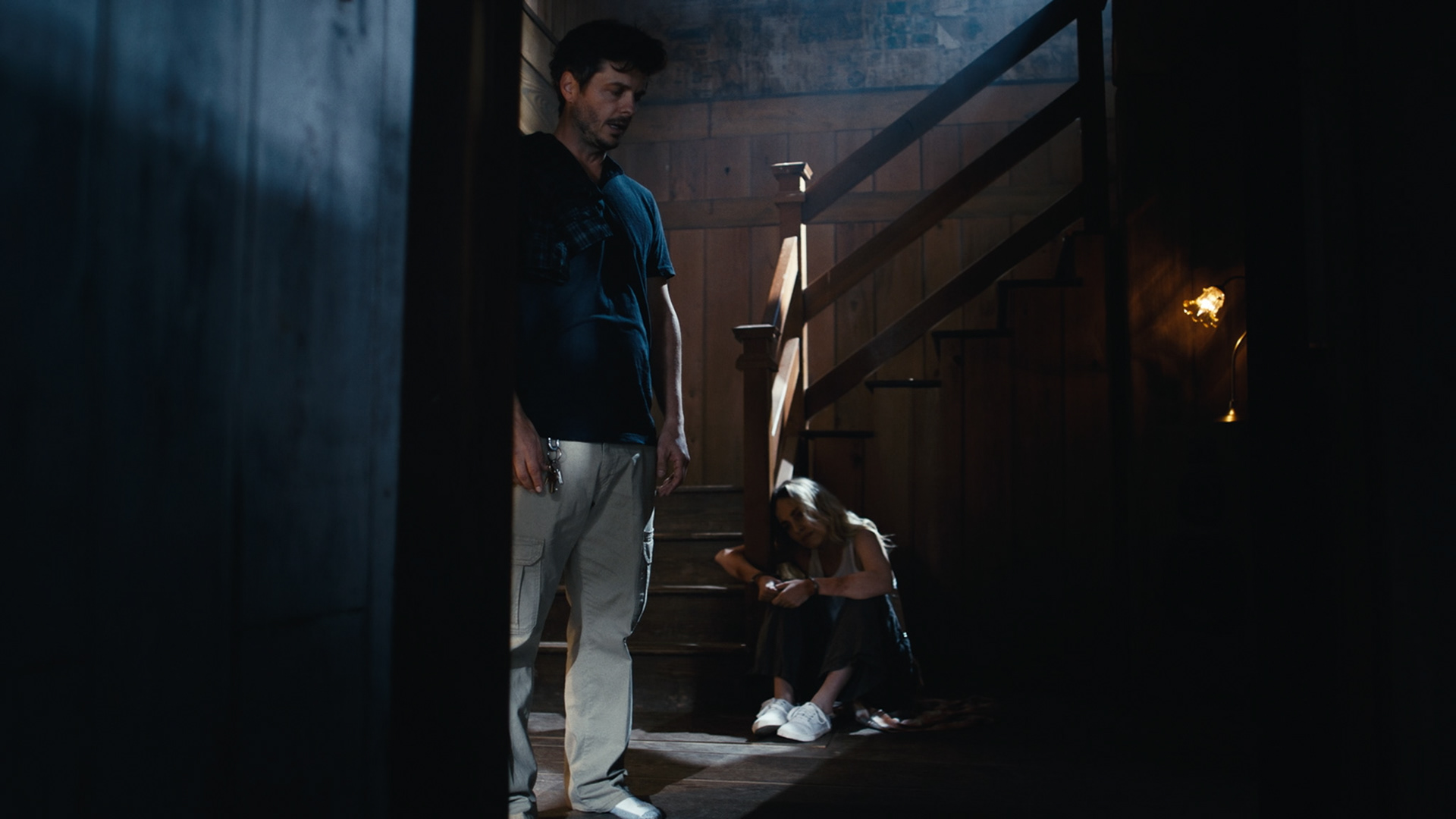
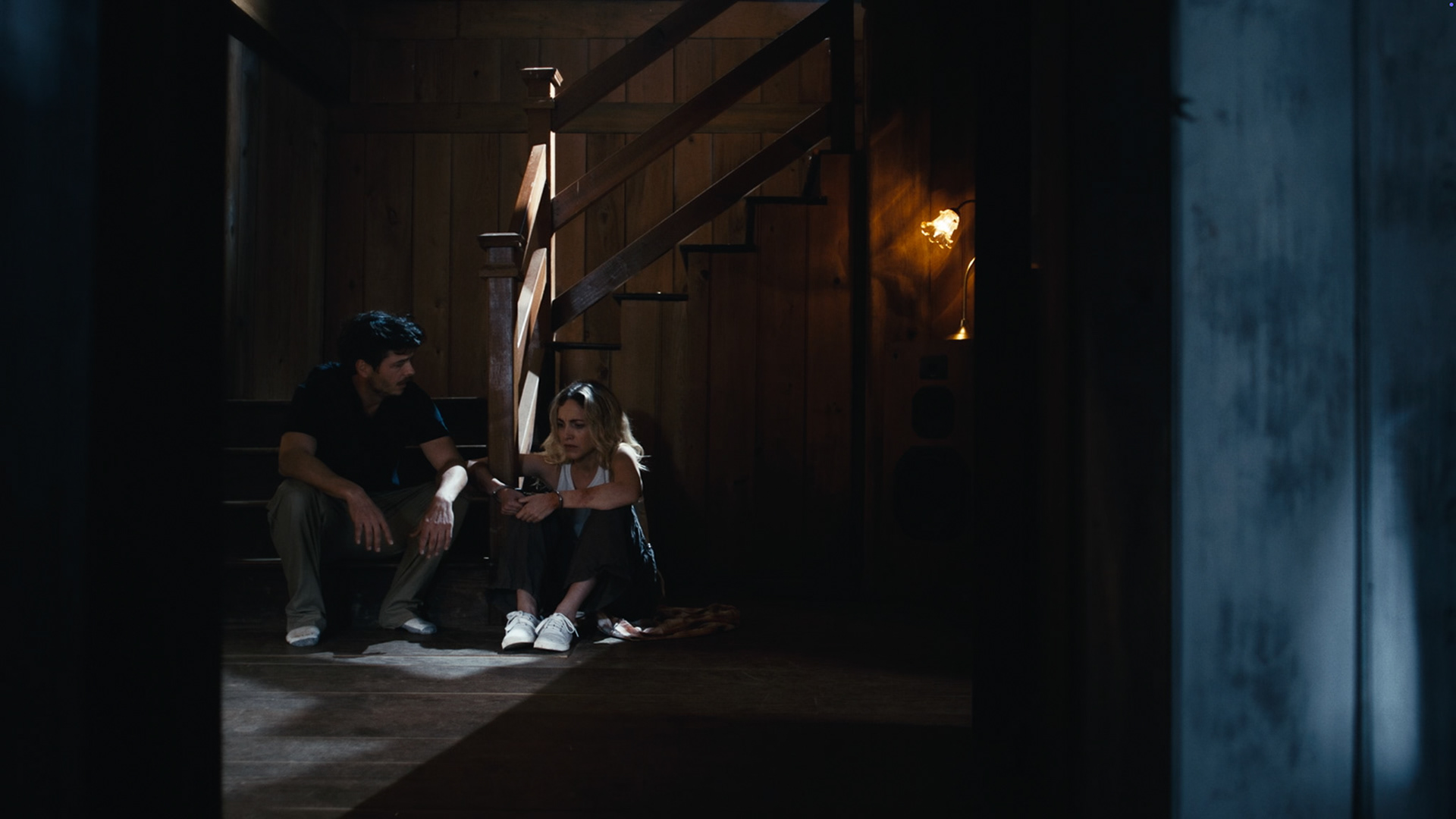
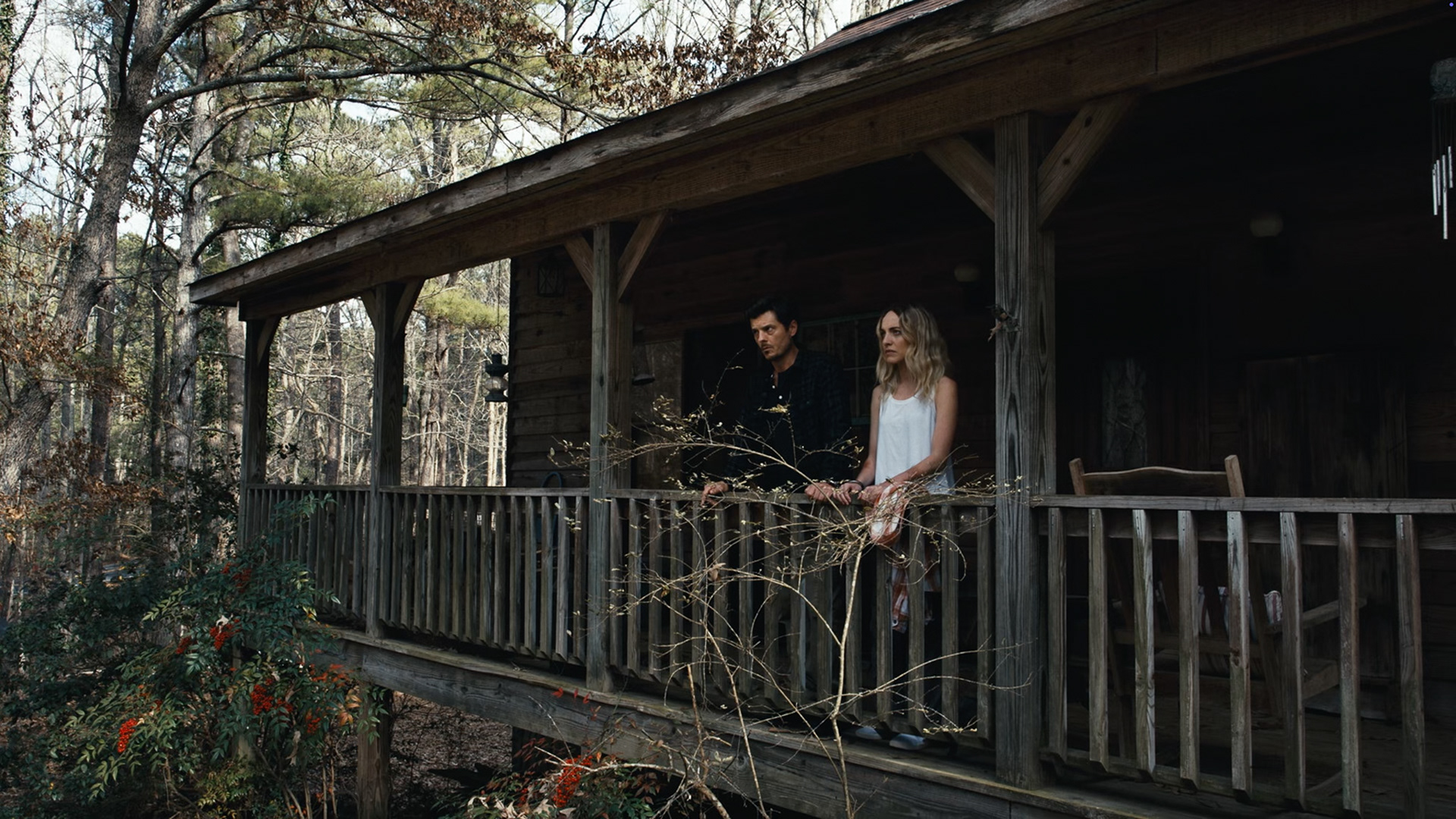
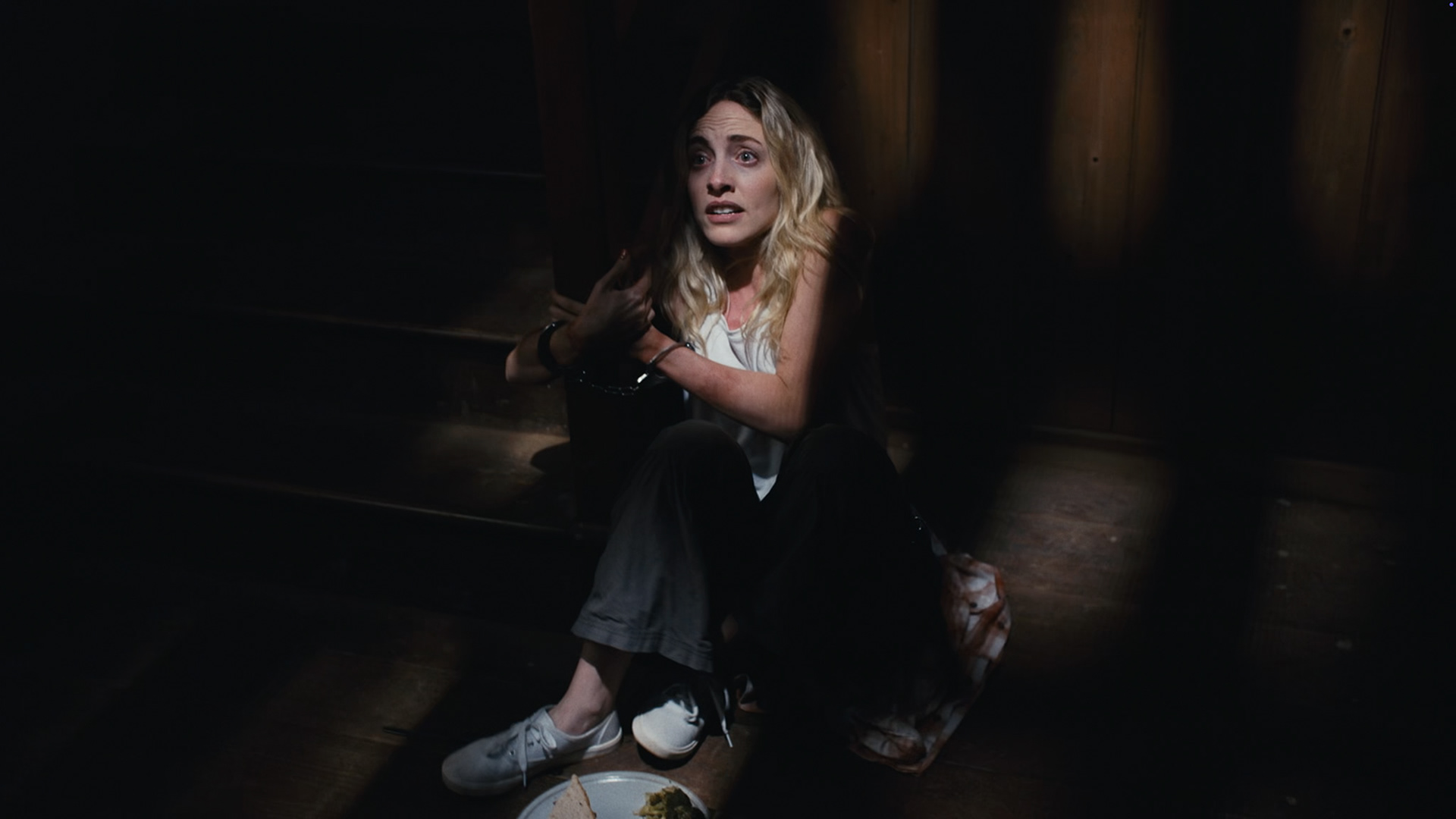
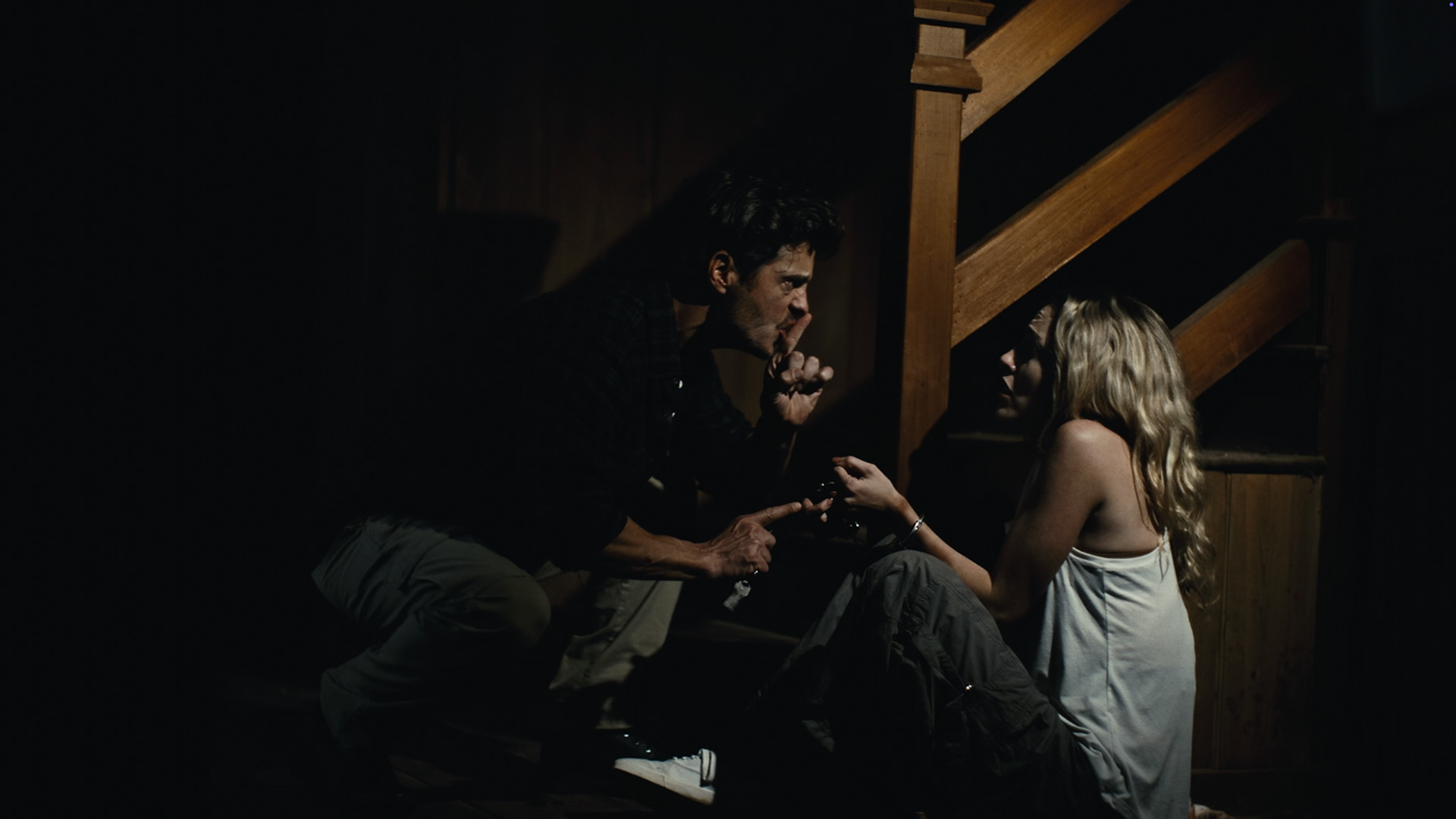
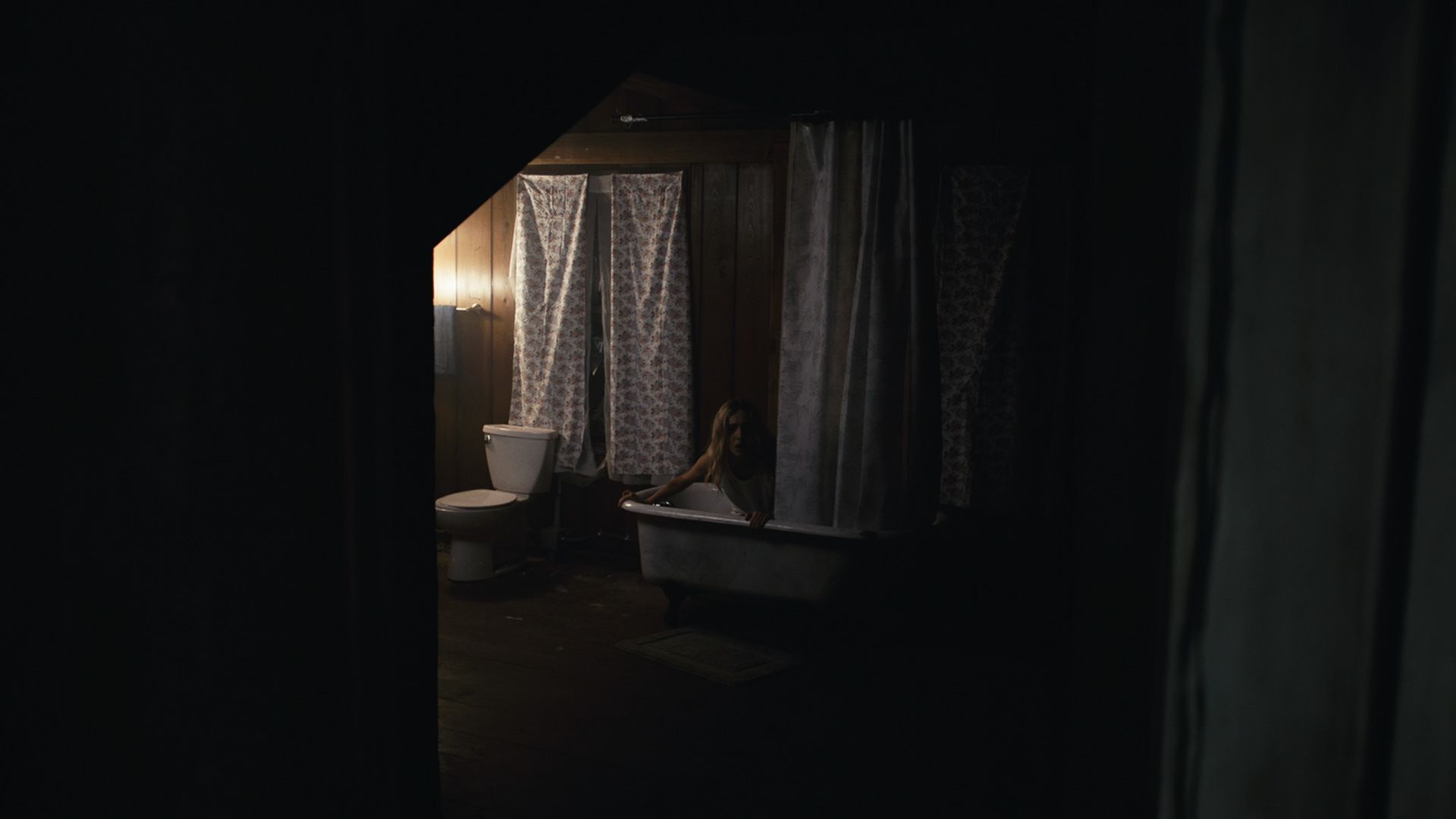
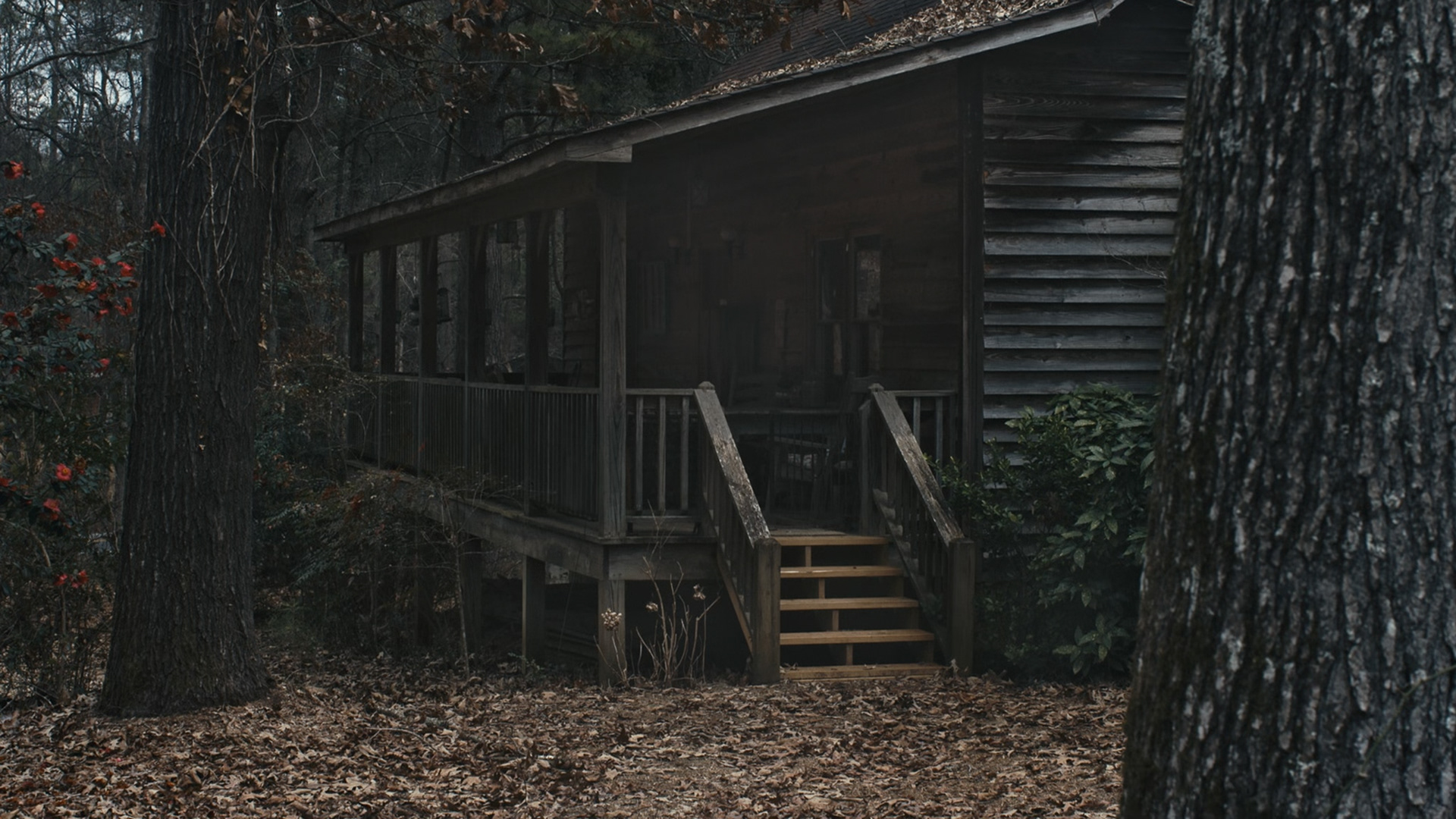
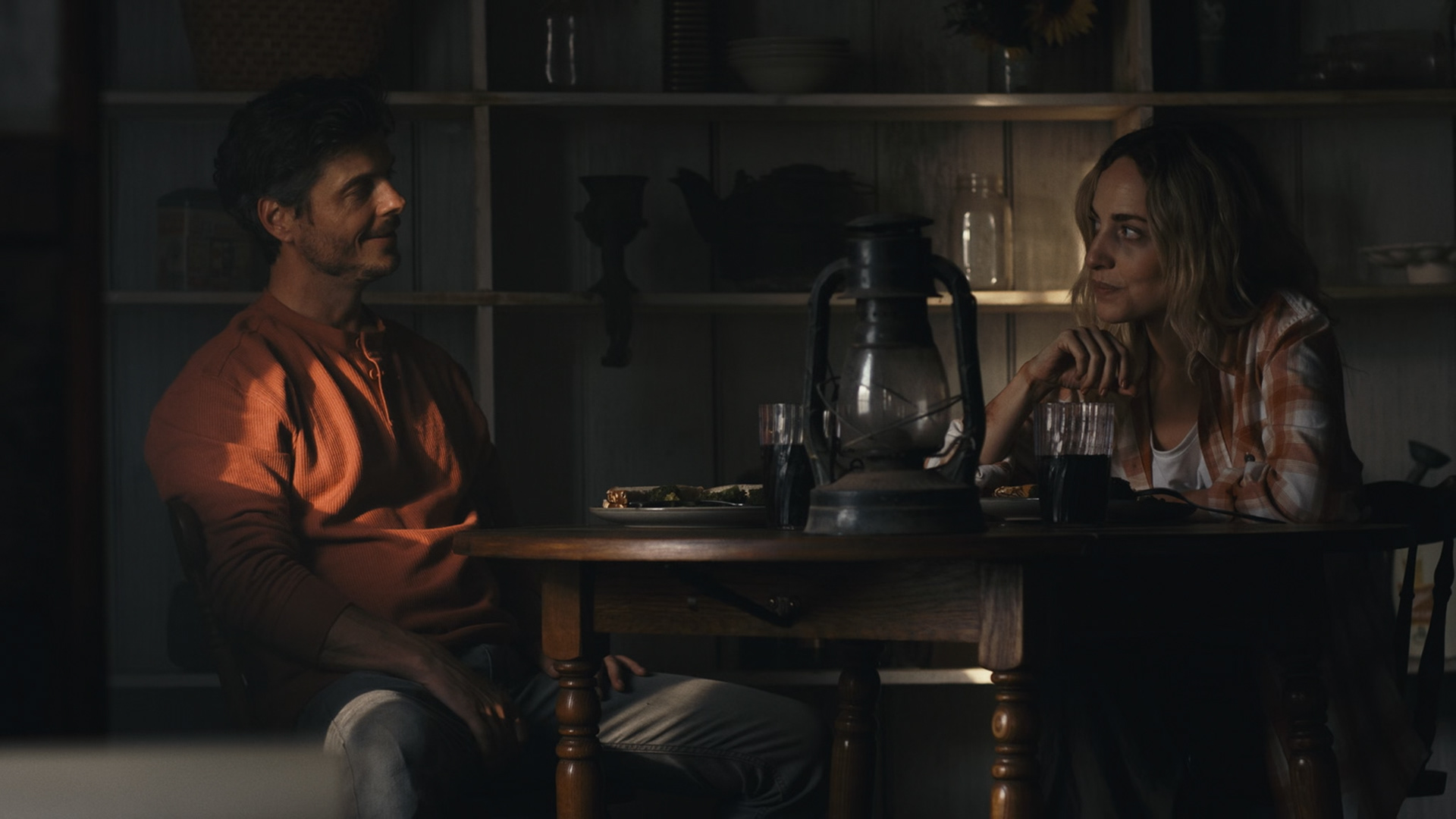
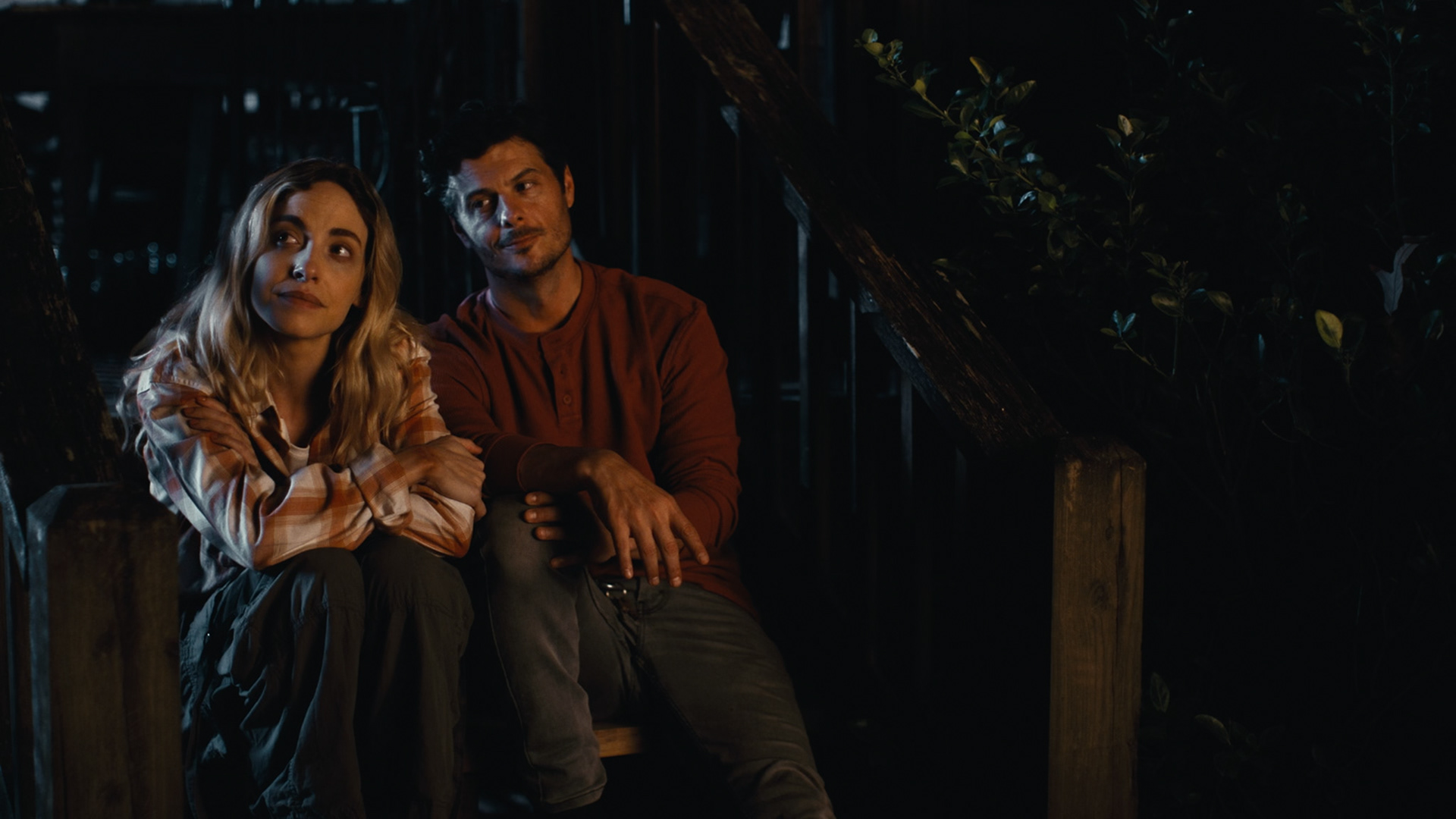
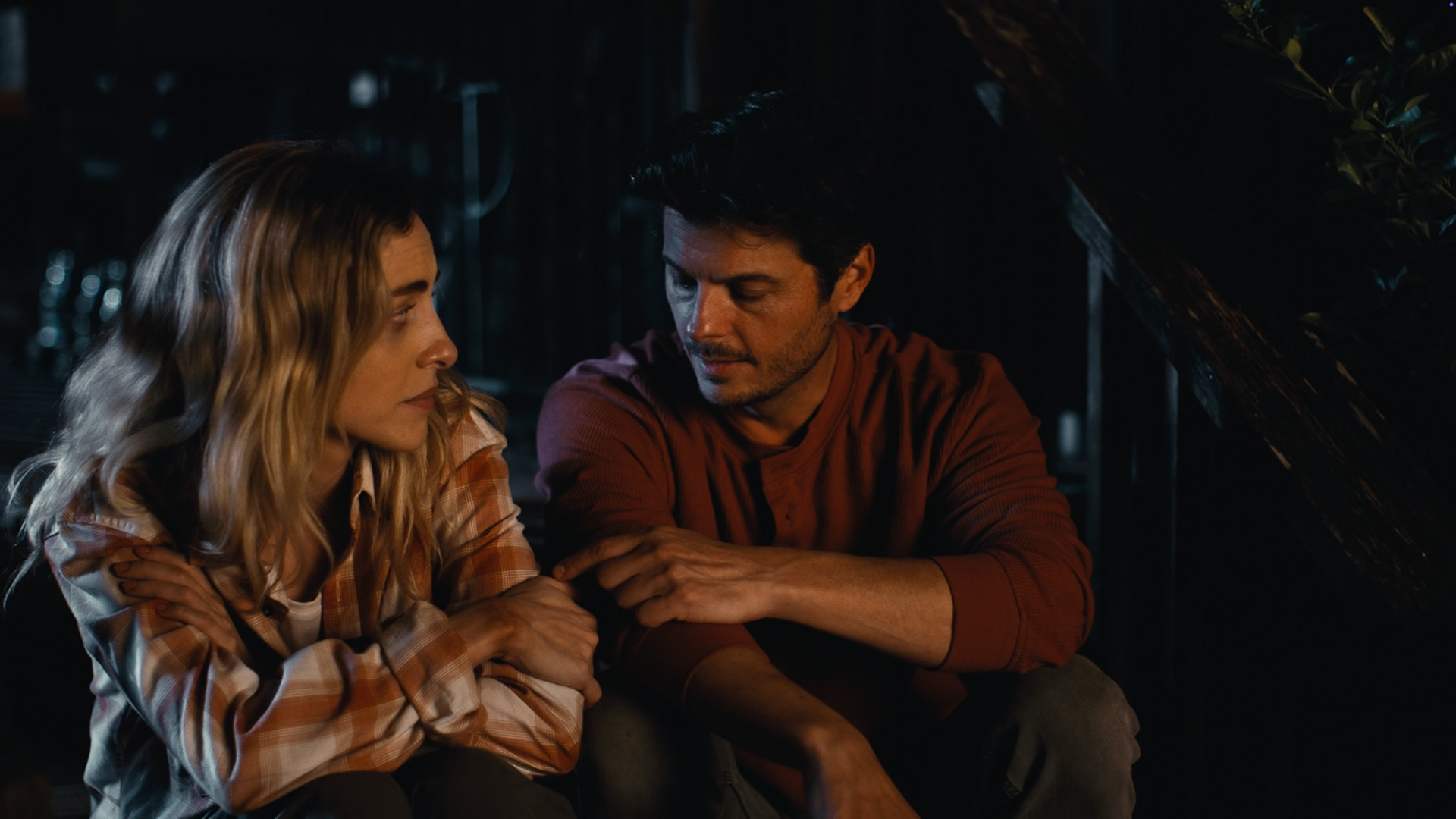
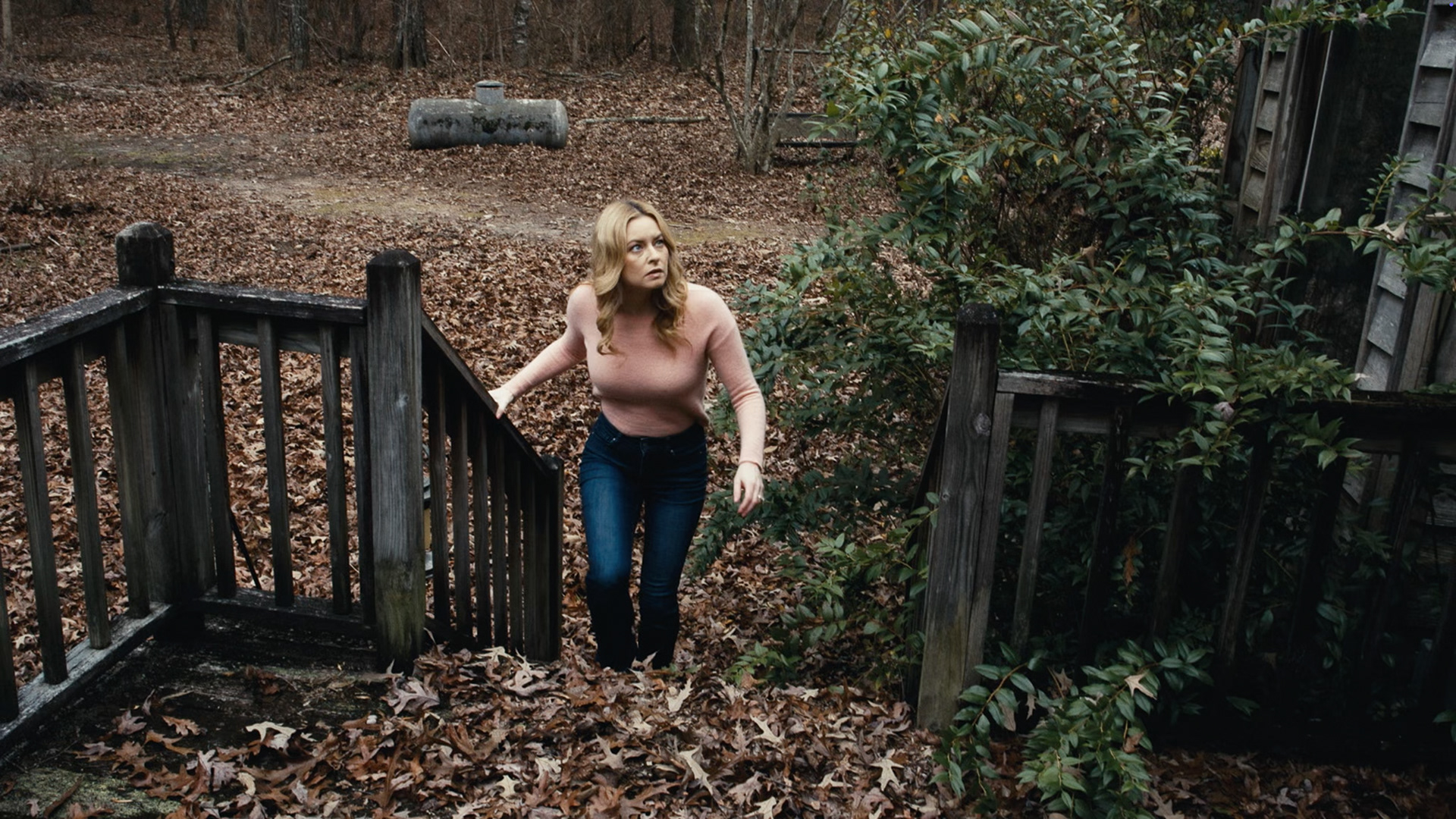
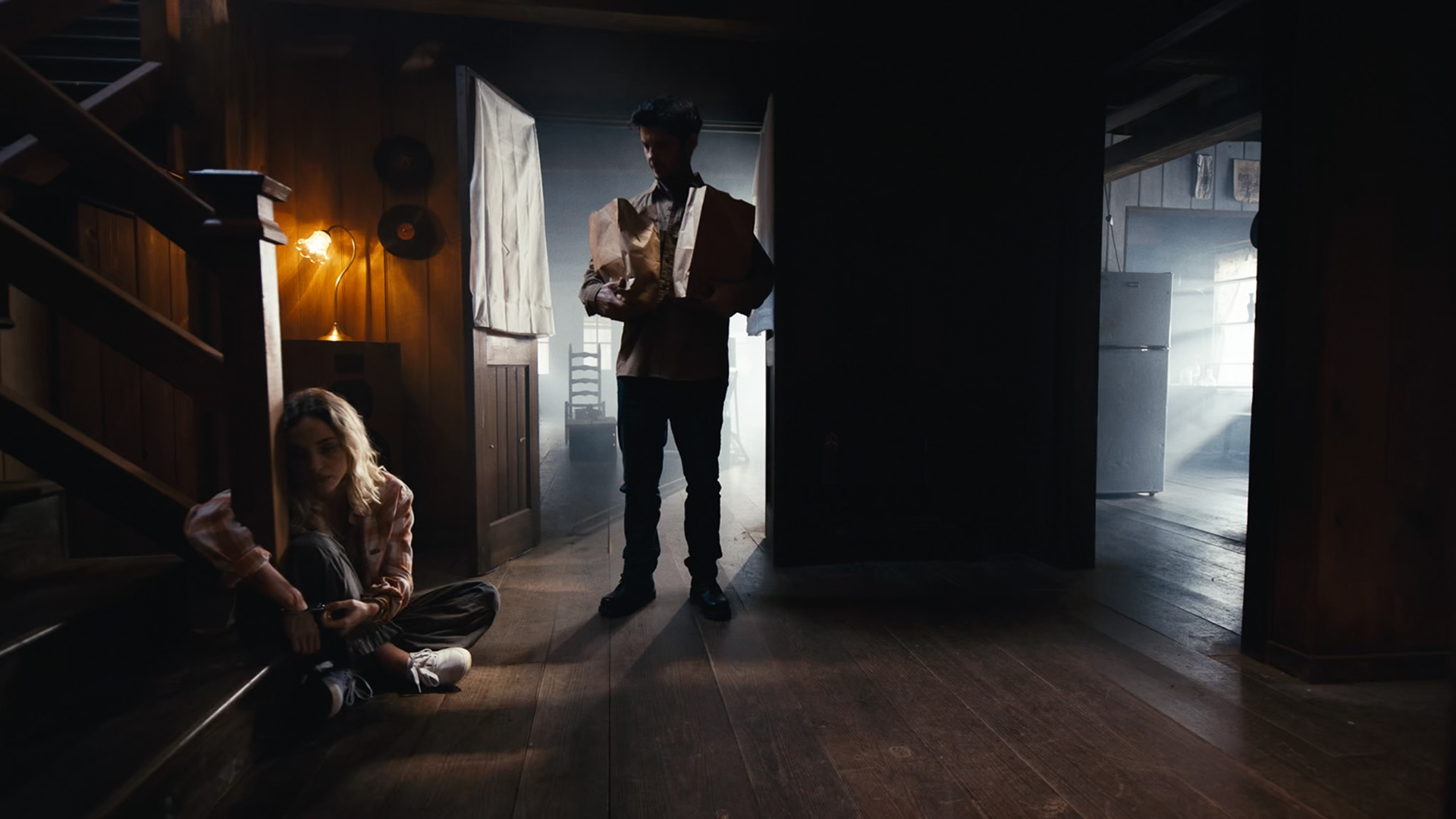
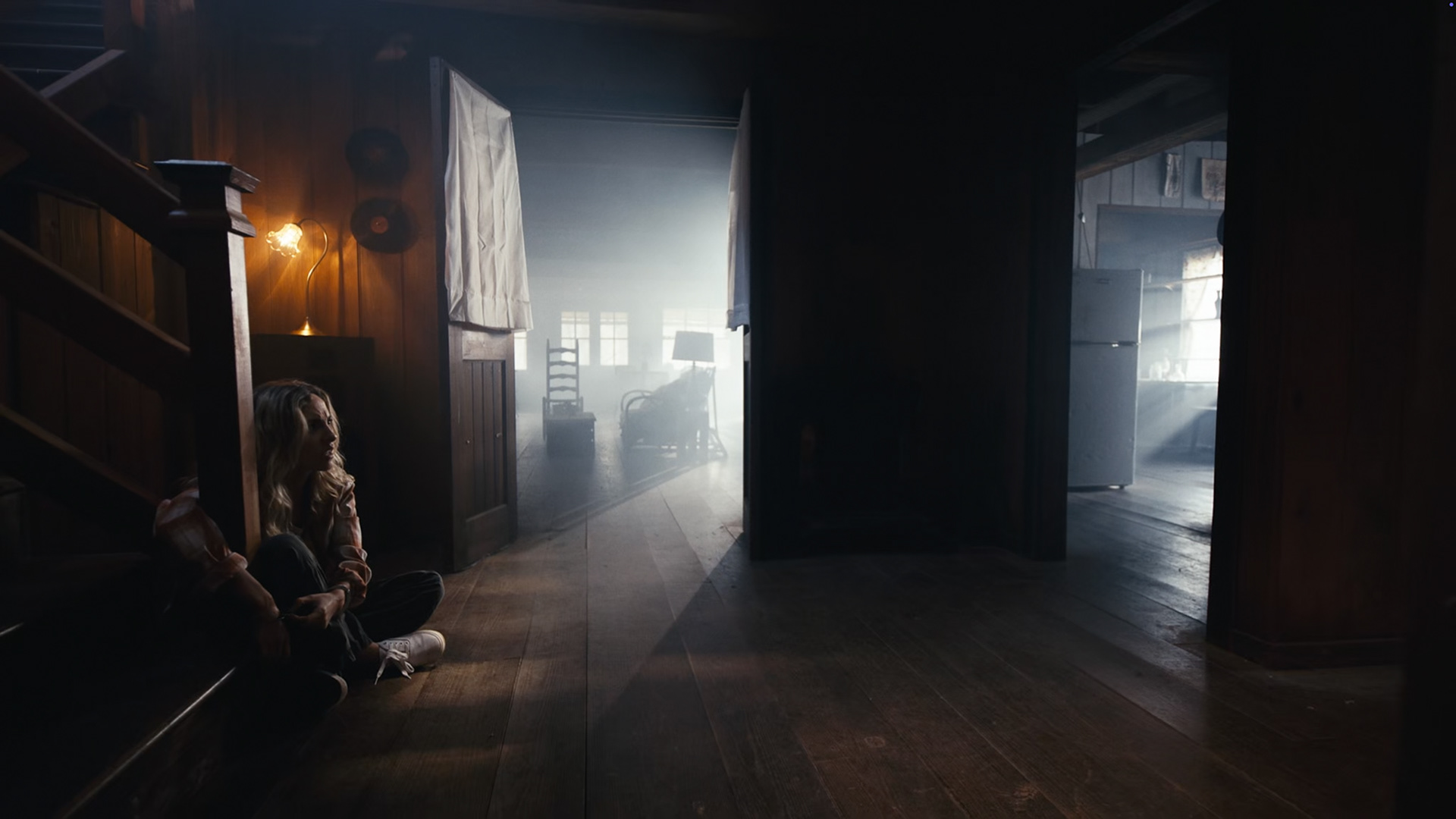
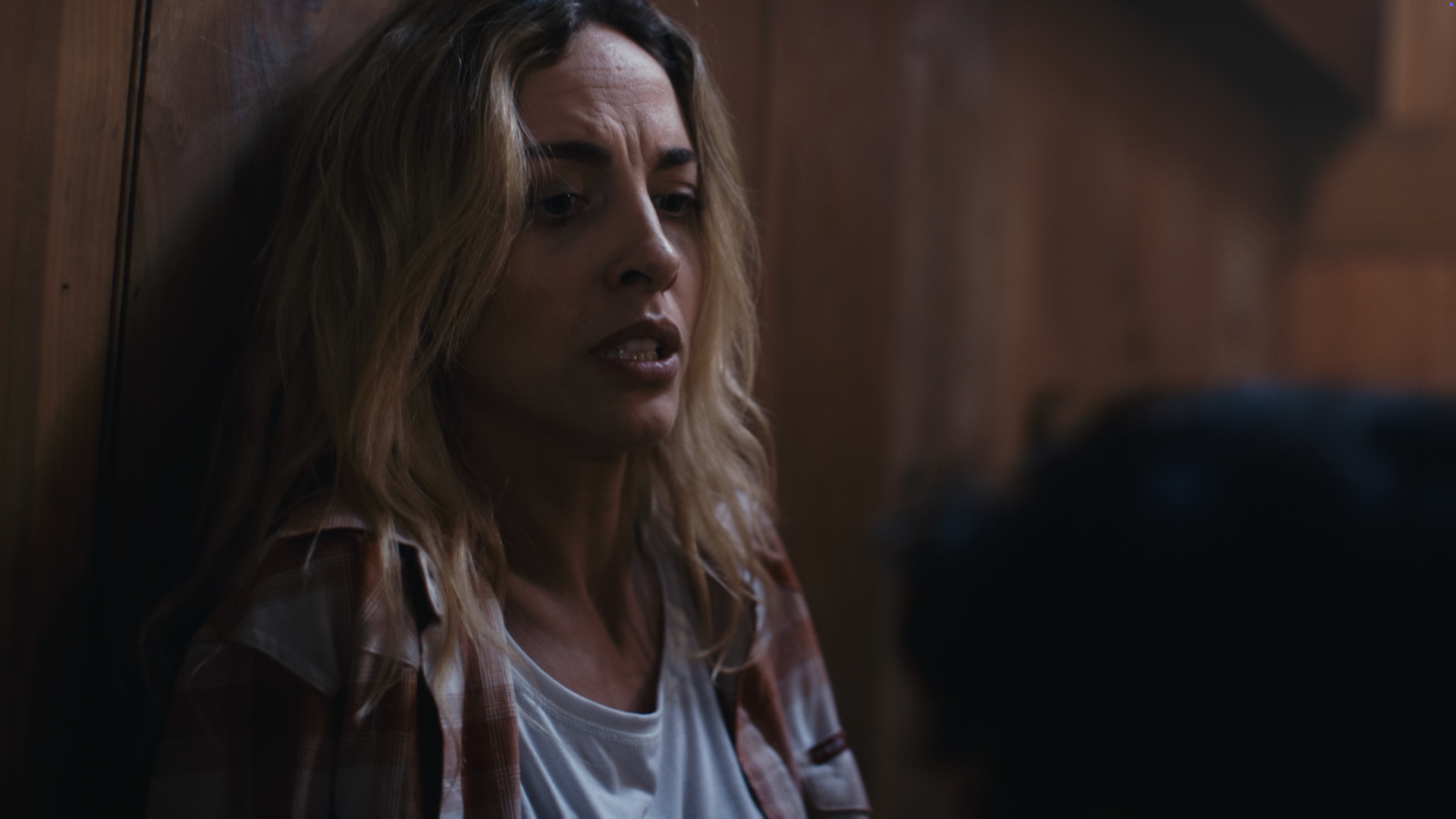
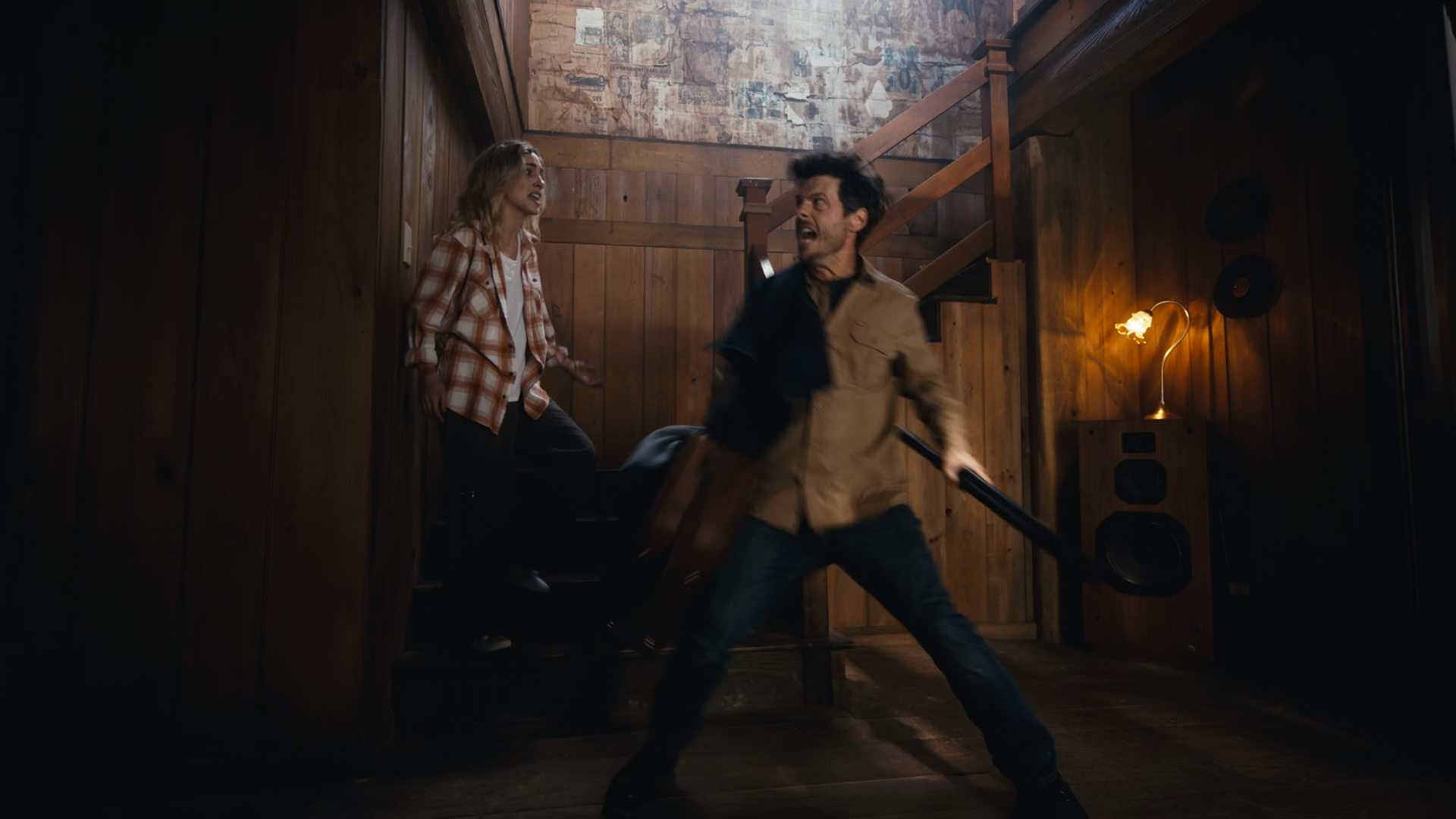
Much of the film takes place with the lead character physically restrained in a single location, which made blocking and visual staging especially important. I approached the cabin almost like a psychological arena—using staircases, levels, lighting, and shifting physical dominance within the frame to create constant tension and movement despite the character’s limited mobility.
I also expanded several story elements to deepen the emotional ambiguity of the relationship, introducing moments and visual motifs that complicated the audience’s understanding of both characters and reinforced the idea that trauma, attachment, fear, and affection rarely exist in clean emotional lines.
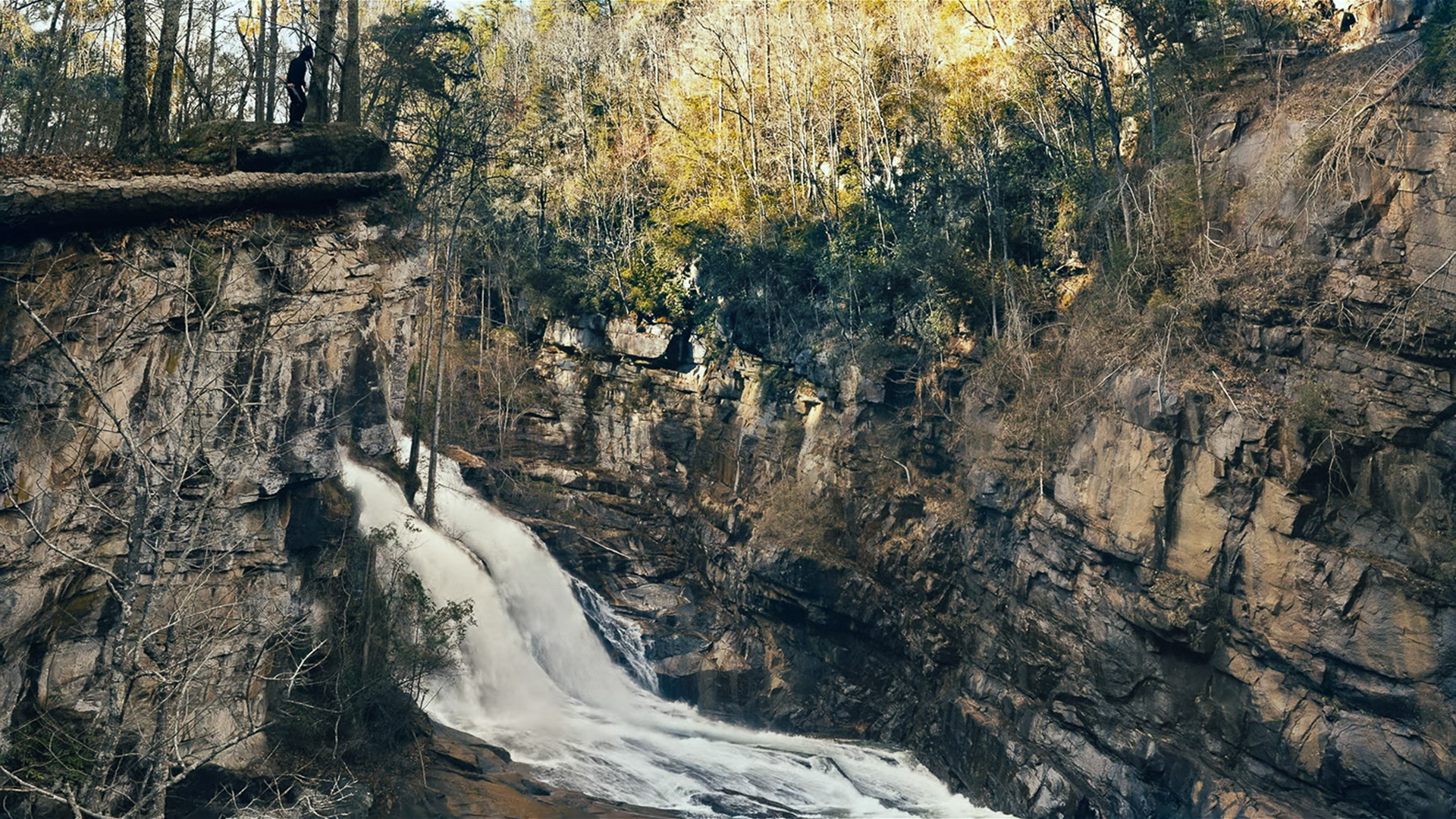
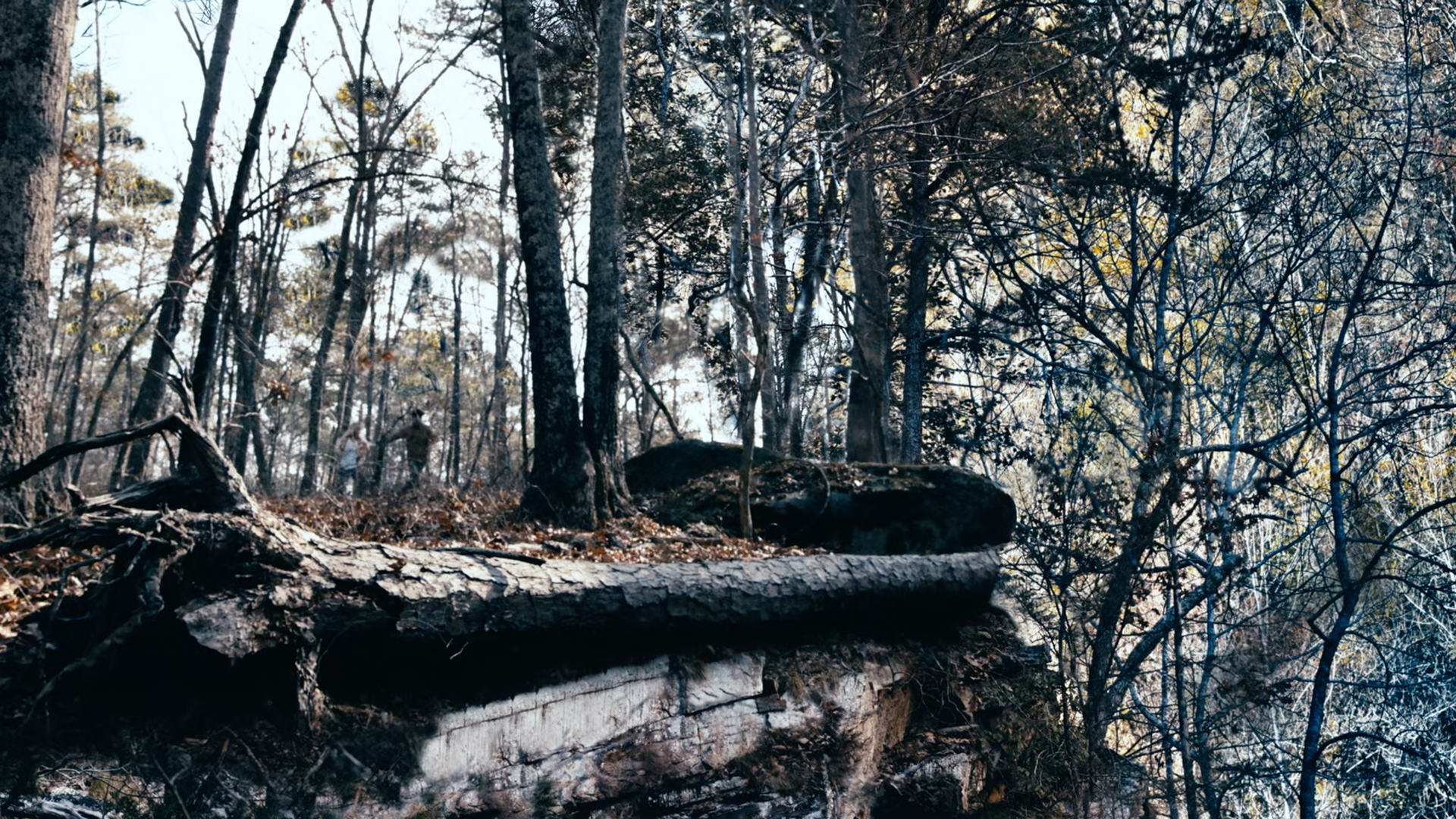
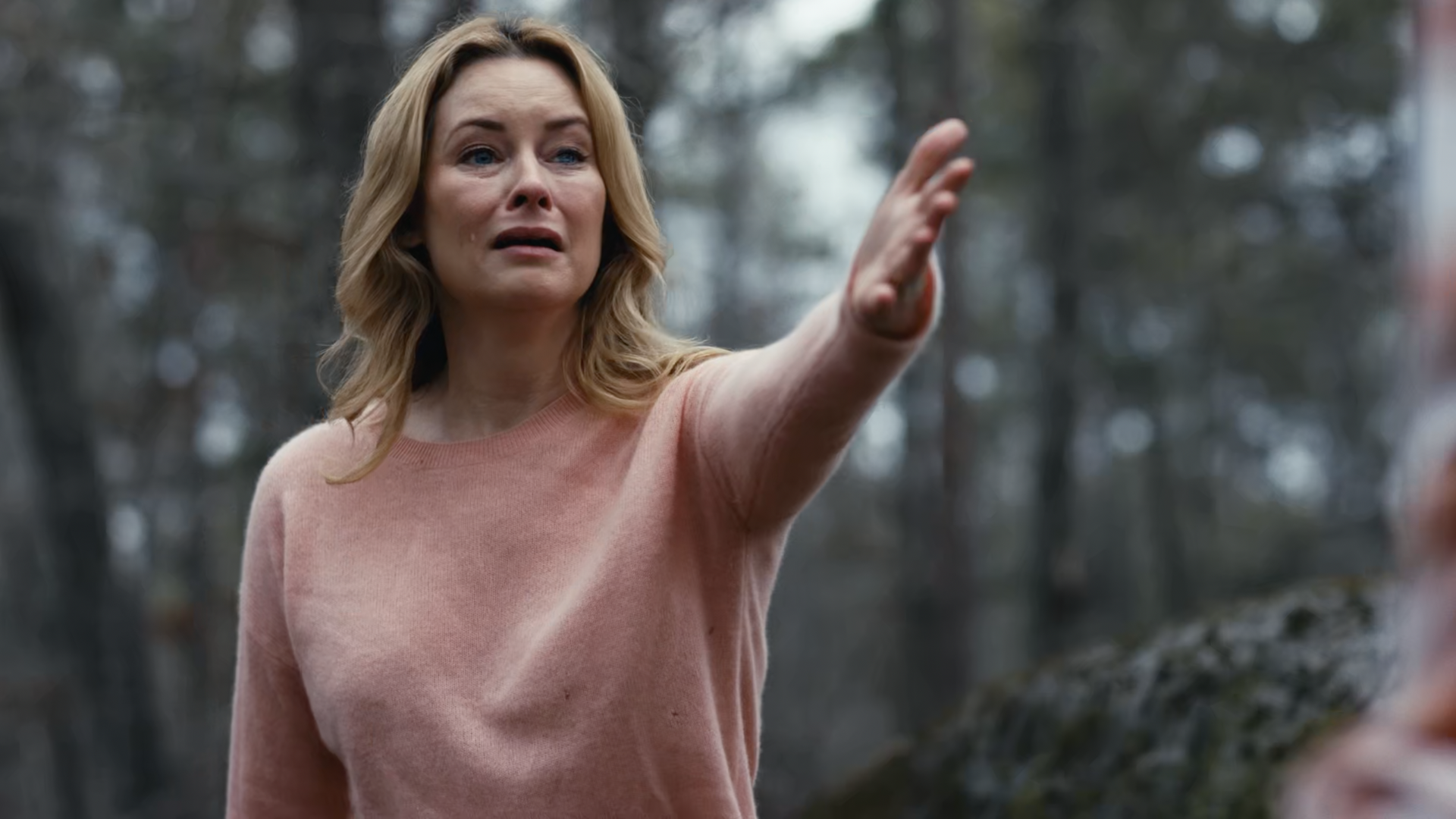
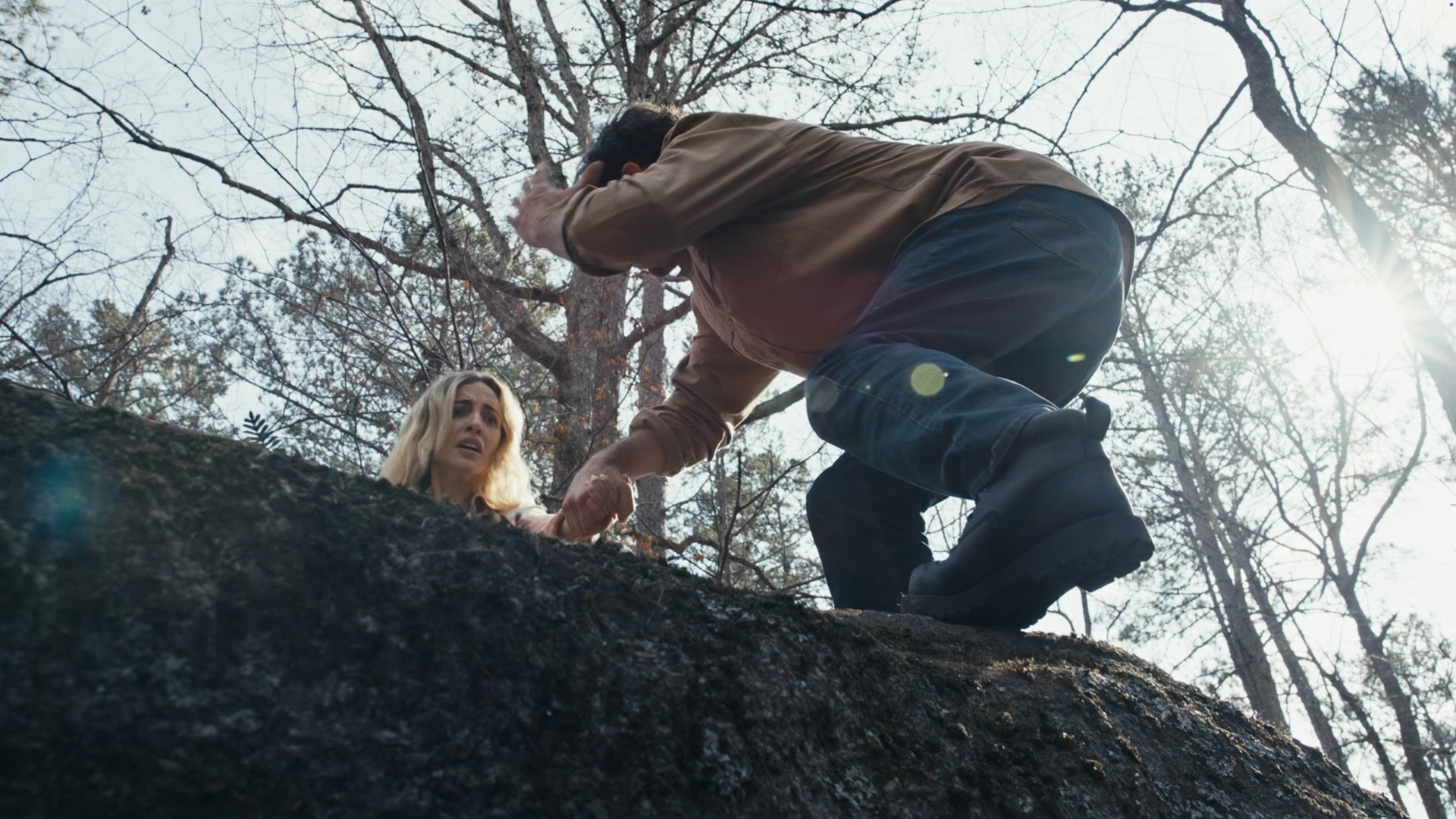
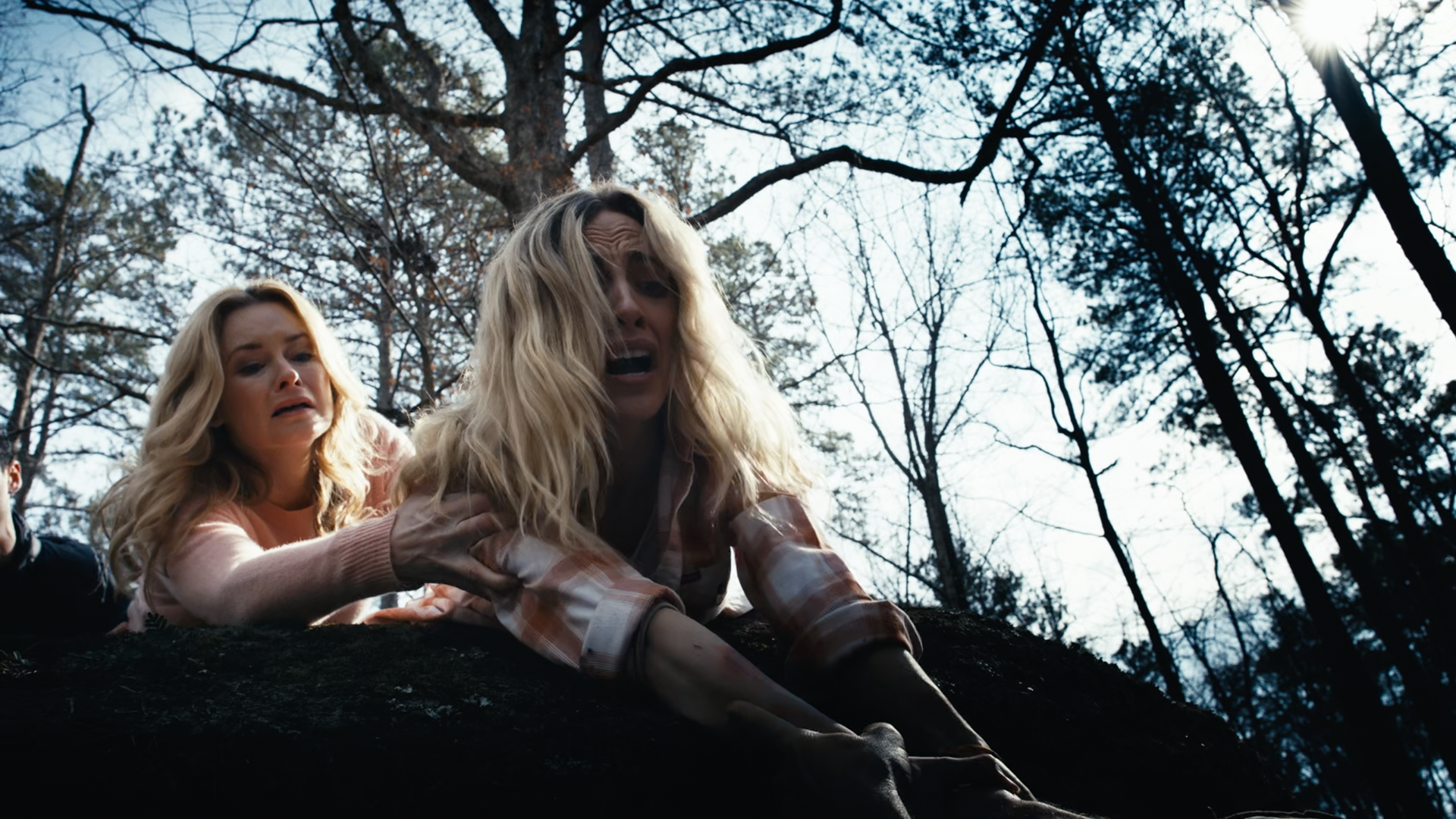
One of the most ambitious aspects of the production involved creating large-scale cliffside sequences that far exceeded the film’s practical budget. By combining strategic locations, VFX plates, controlled green screen work, and careful shot design, we were able to create a much larger cinematic world while remaining within the realities of production.
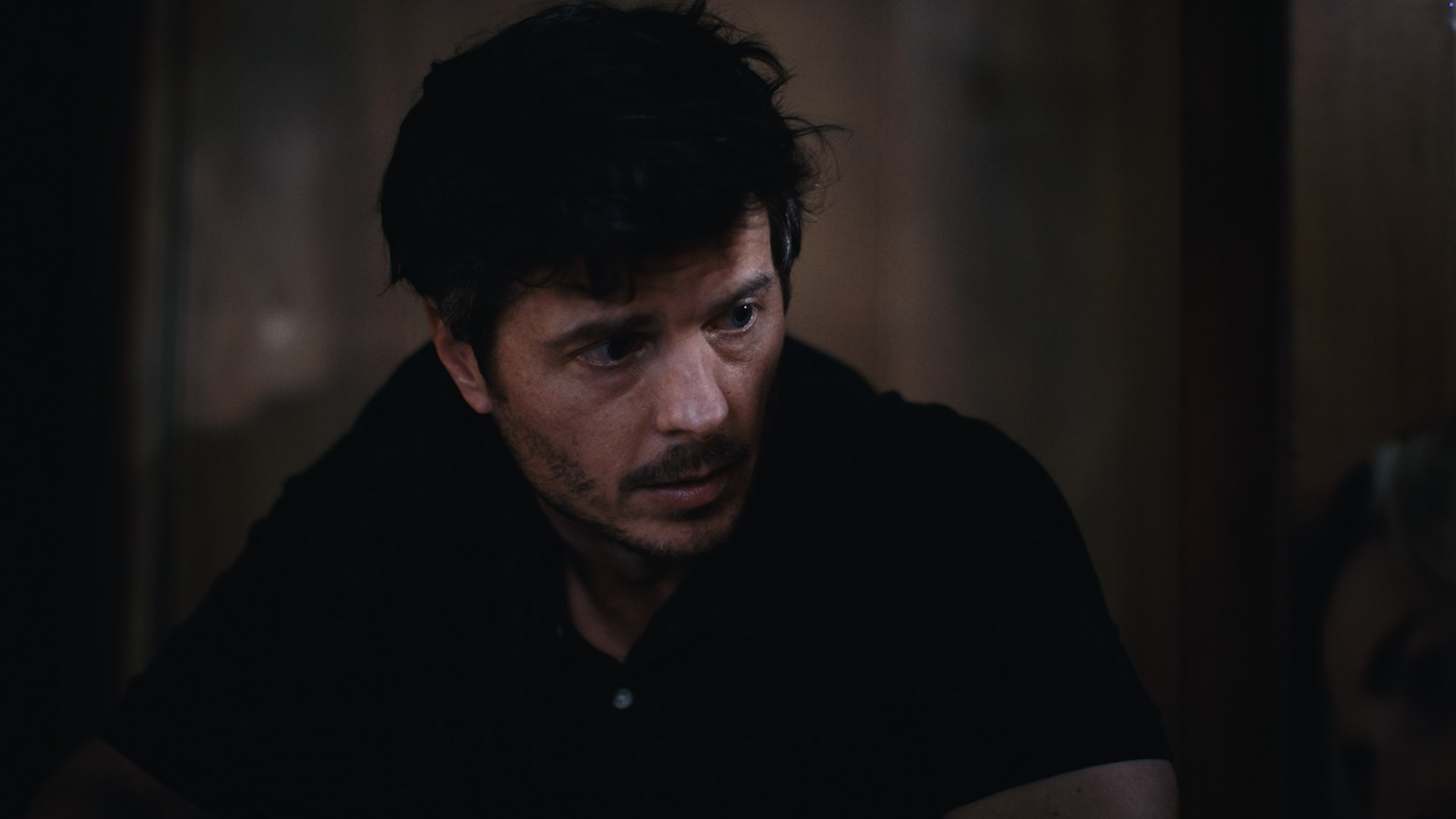
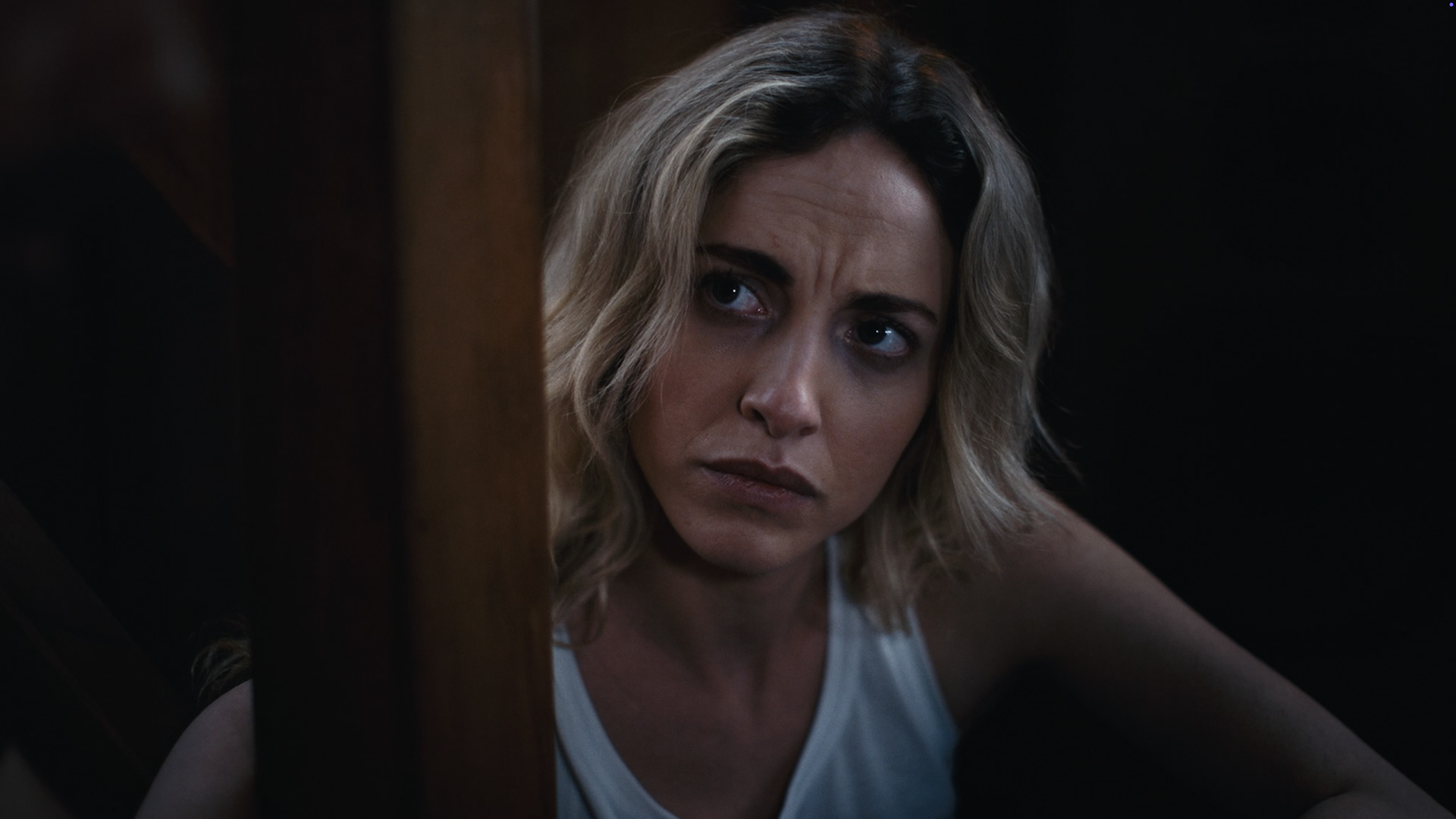
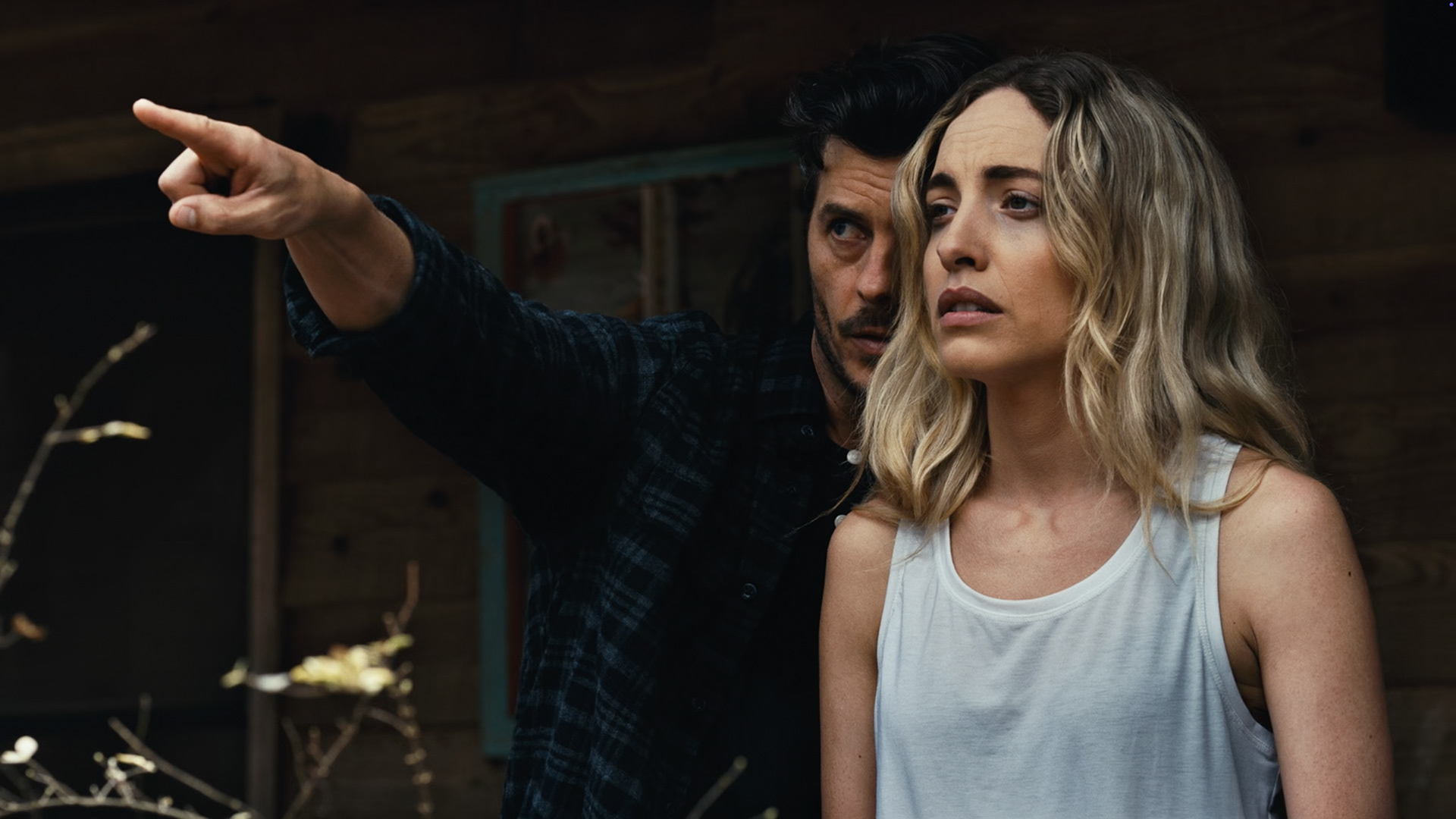
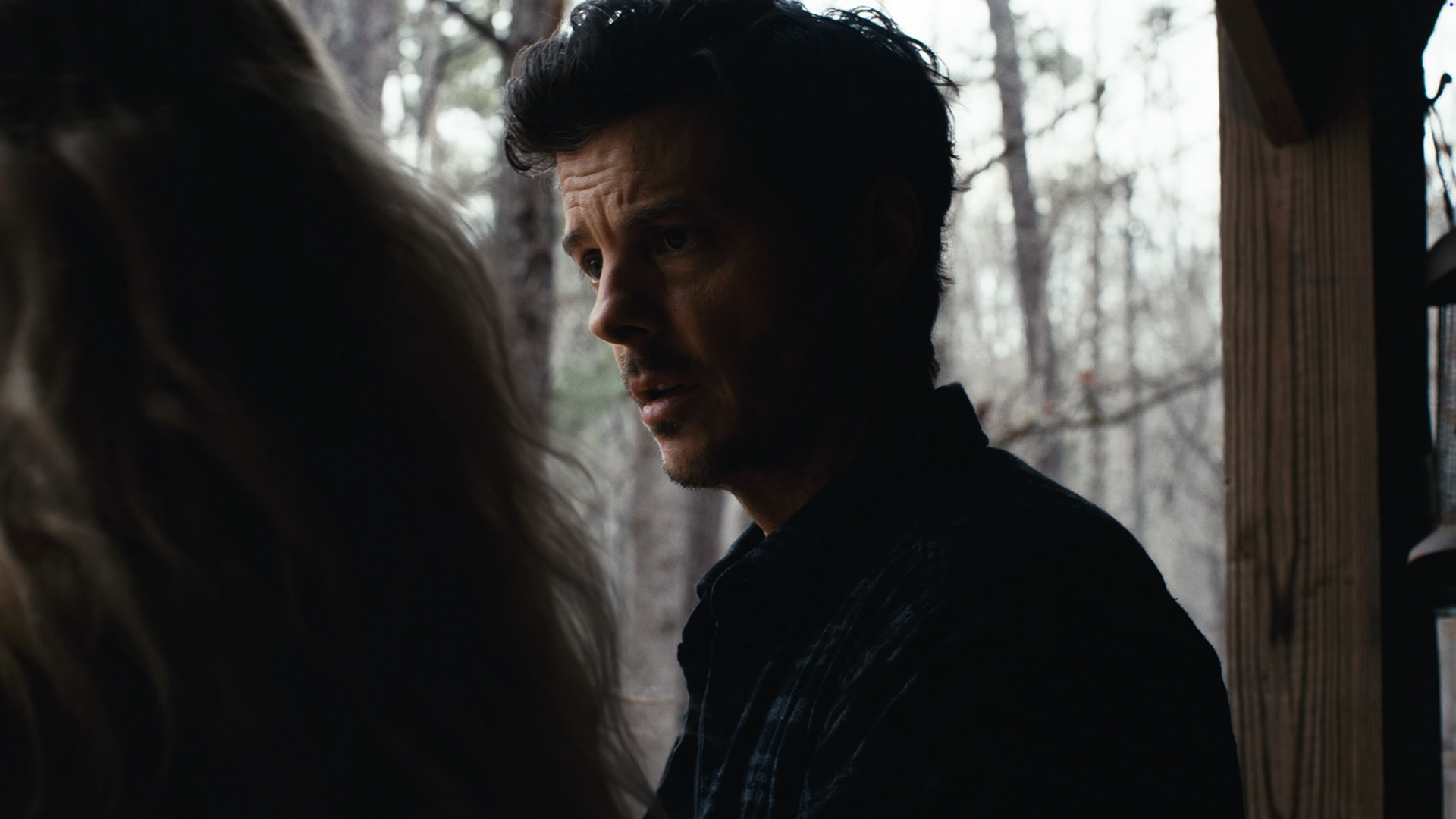
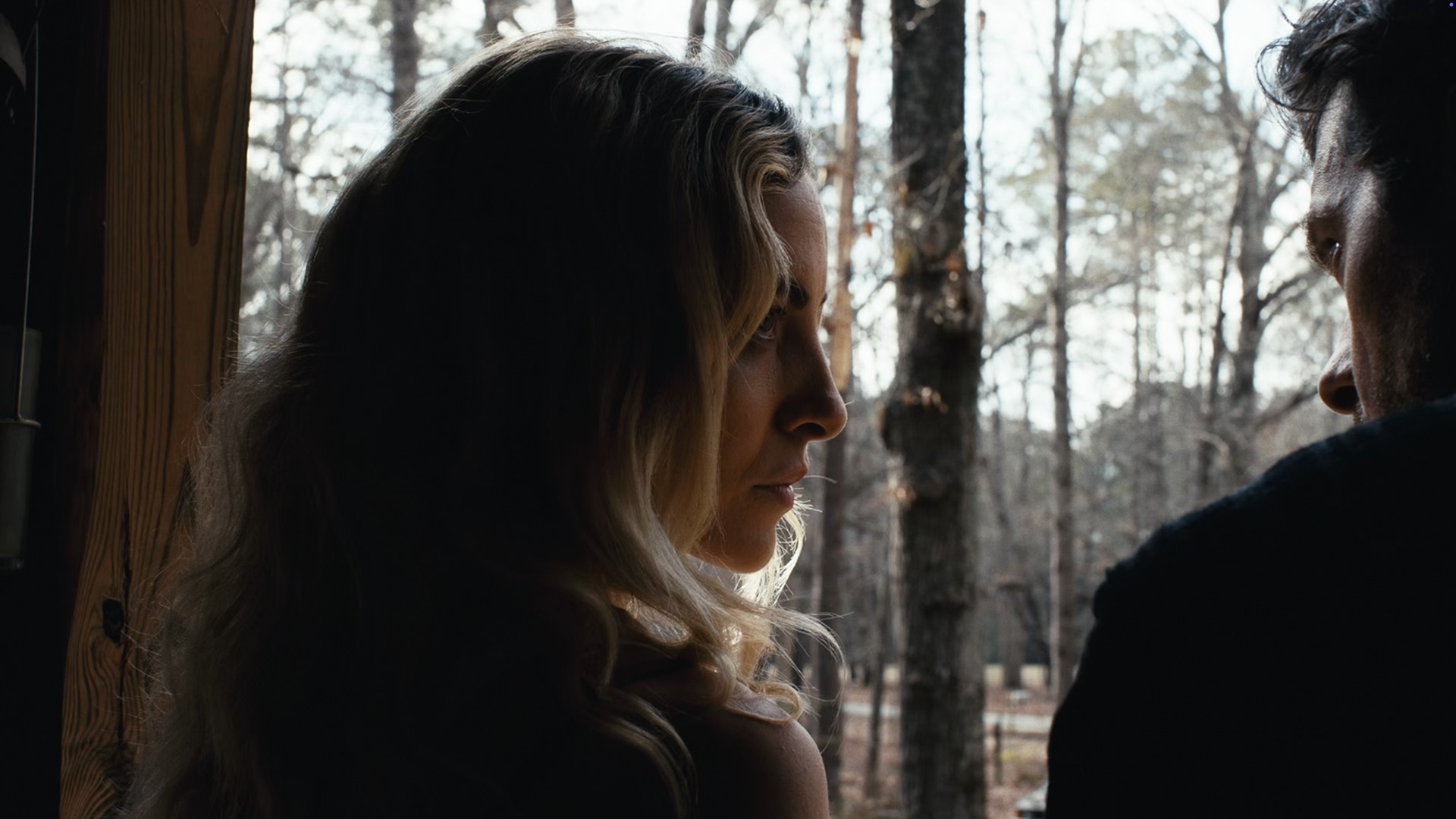
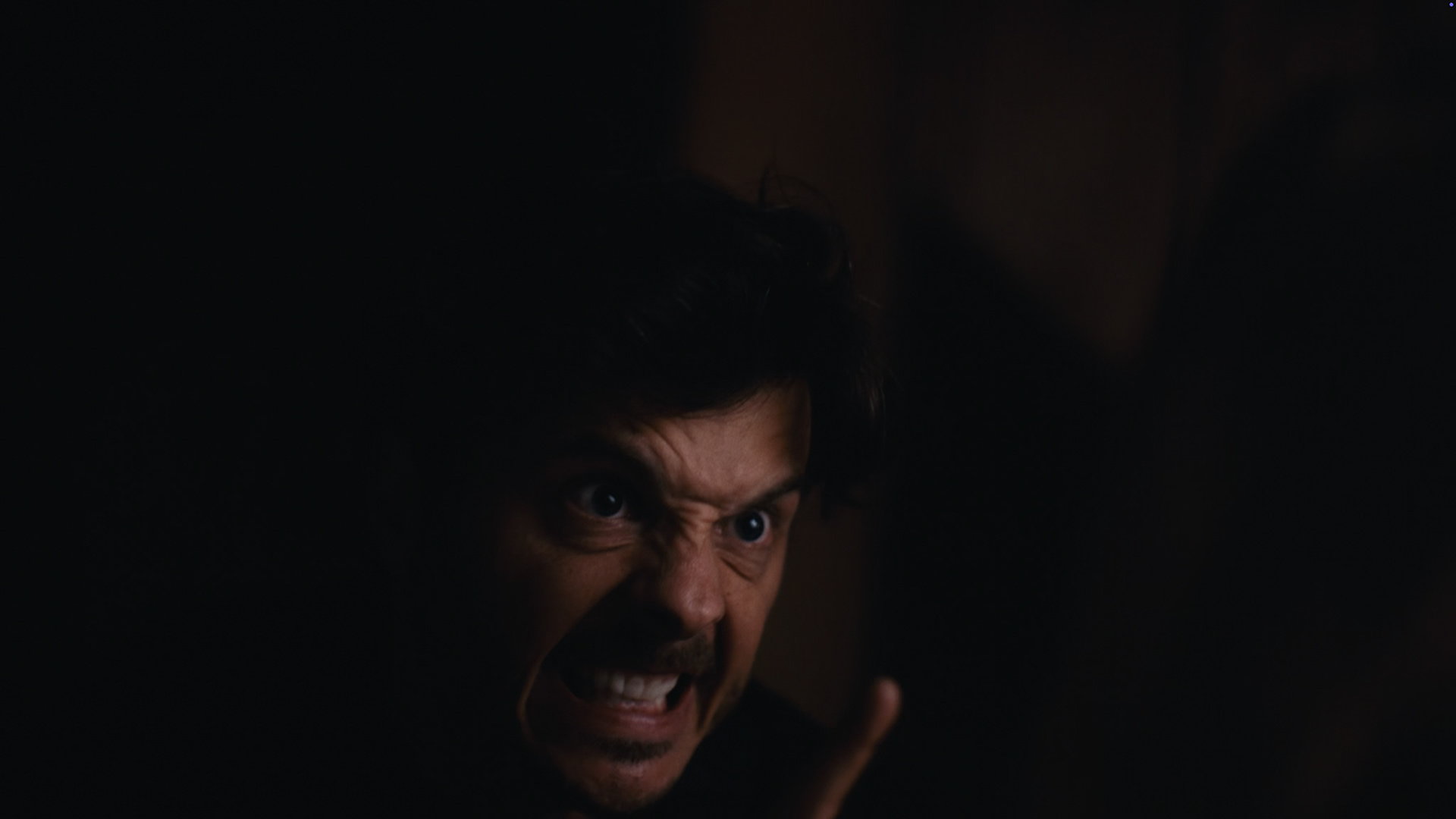
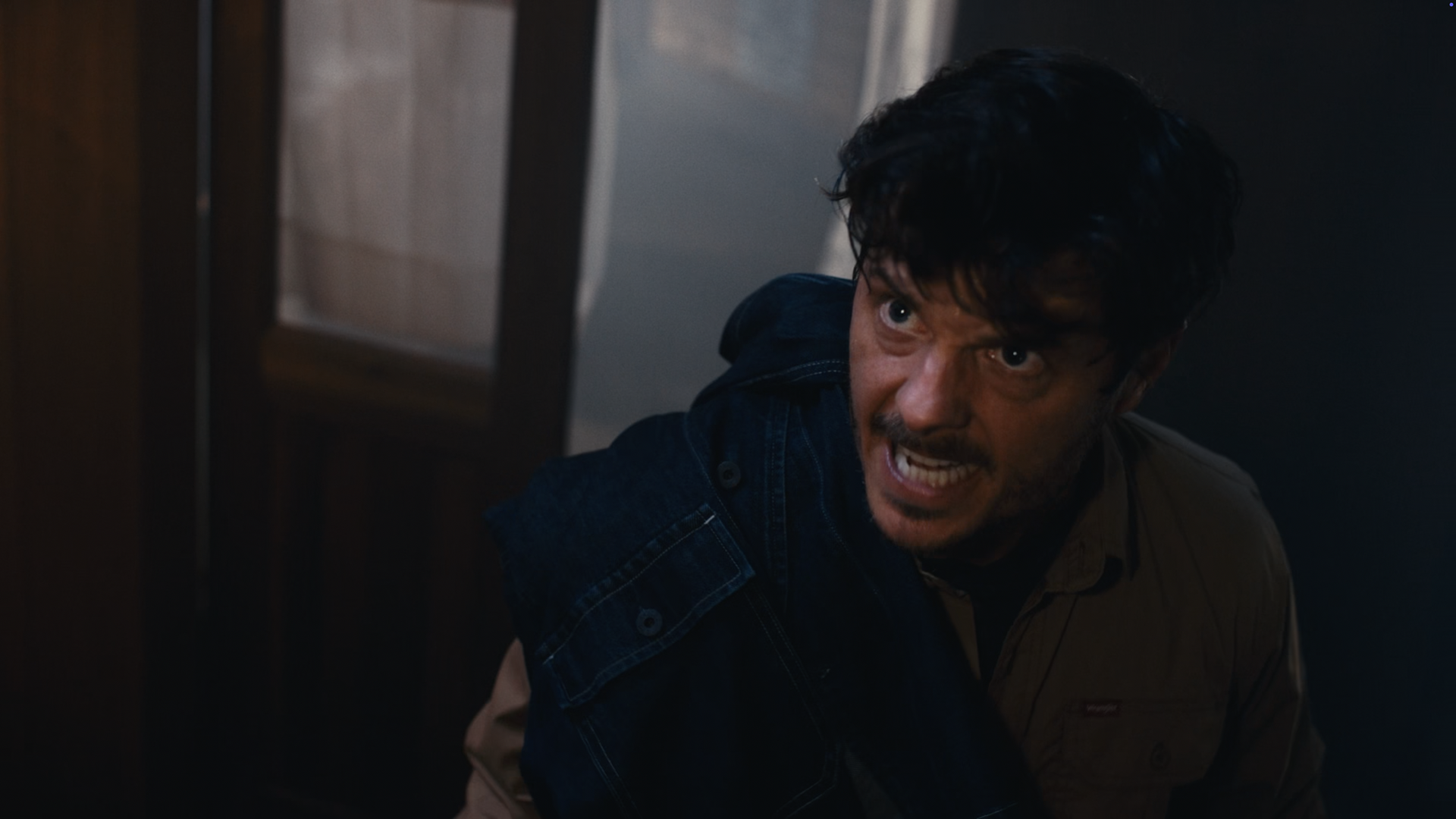
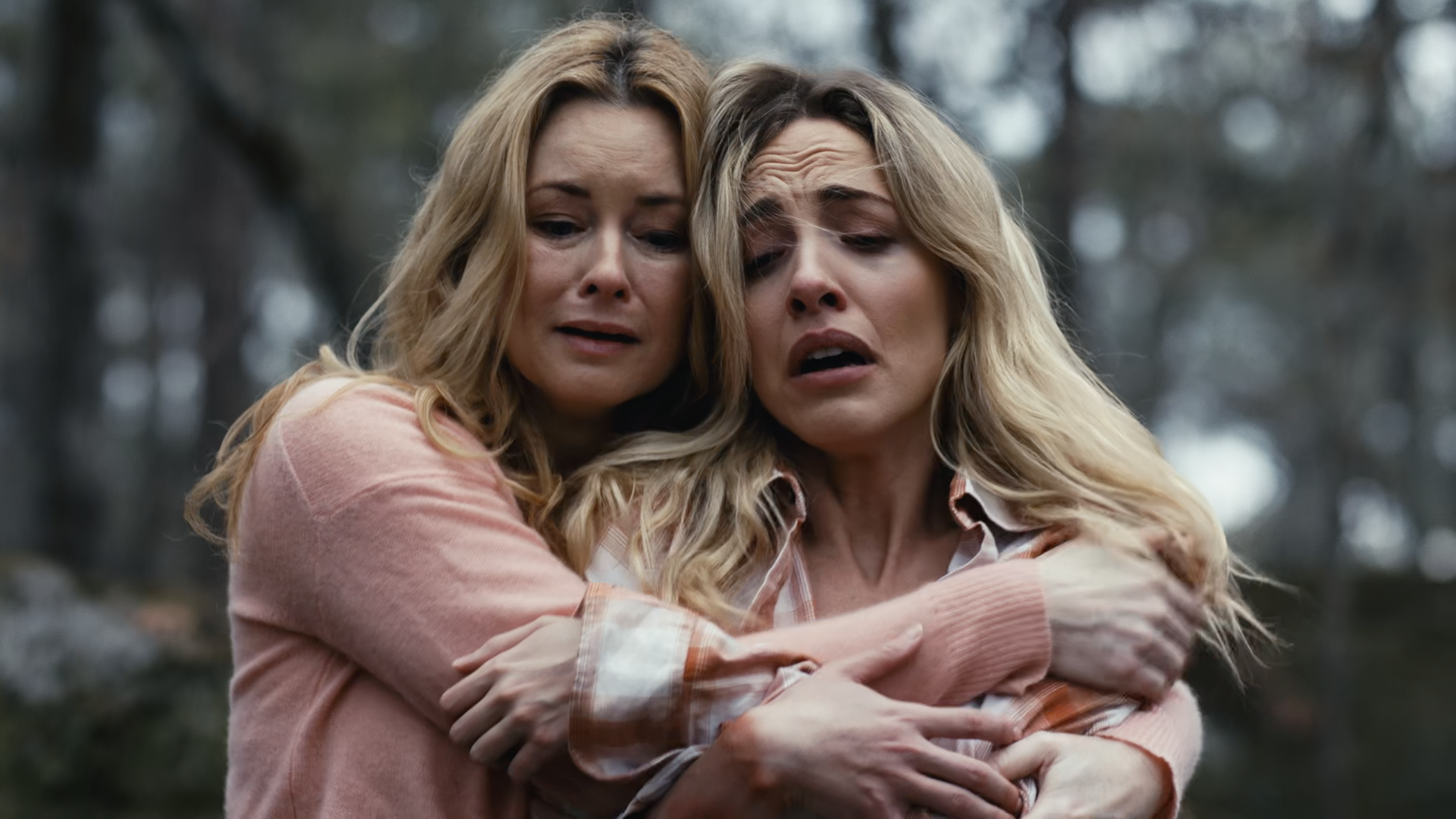
The performances required an especially delicate balance. The audience needed to believe the vulnerability and emotional damage within both characters without ever losing sight of the danger at the center of the relationship. That emotional calibration became the core of the film.
What I’m most proud of is the emotional nuance we were able to bring to material that could easily have become simplistic, along with the sense of scale and atmosphere we achieved within a highly contained production.
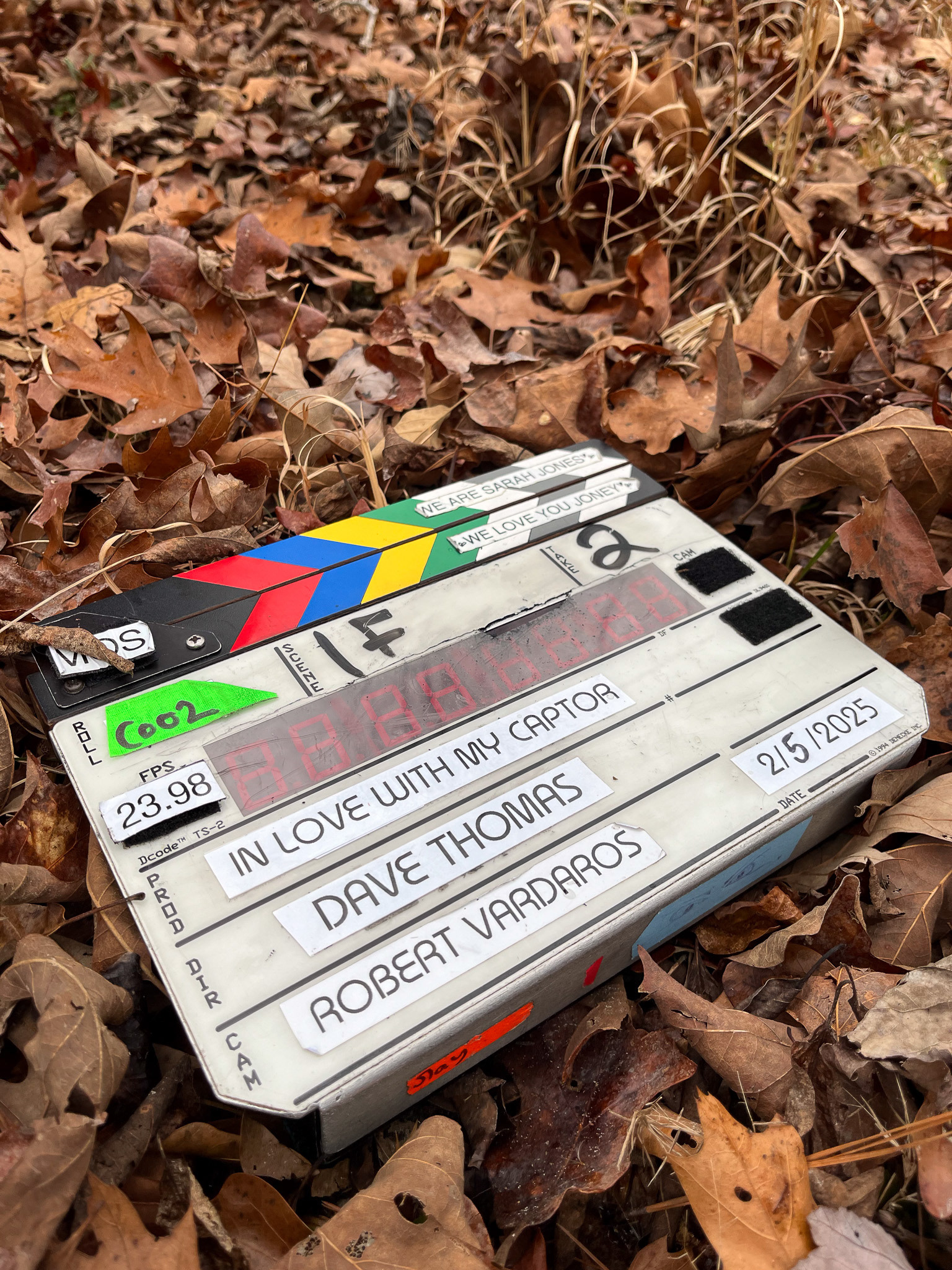
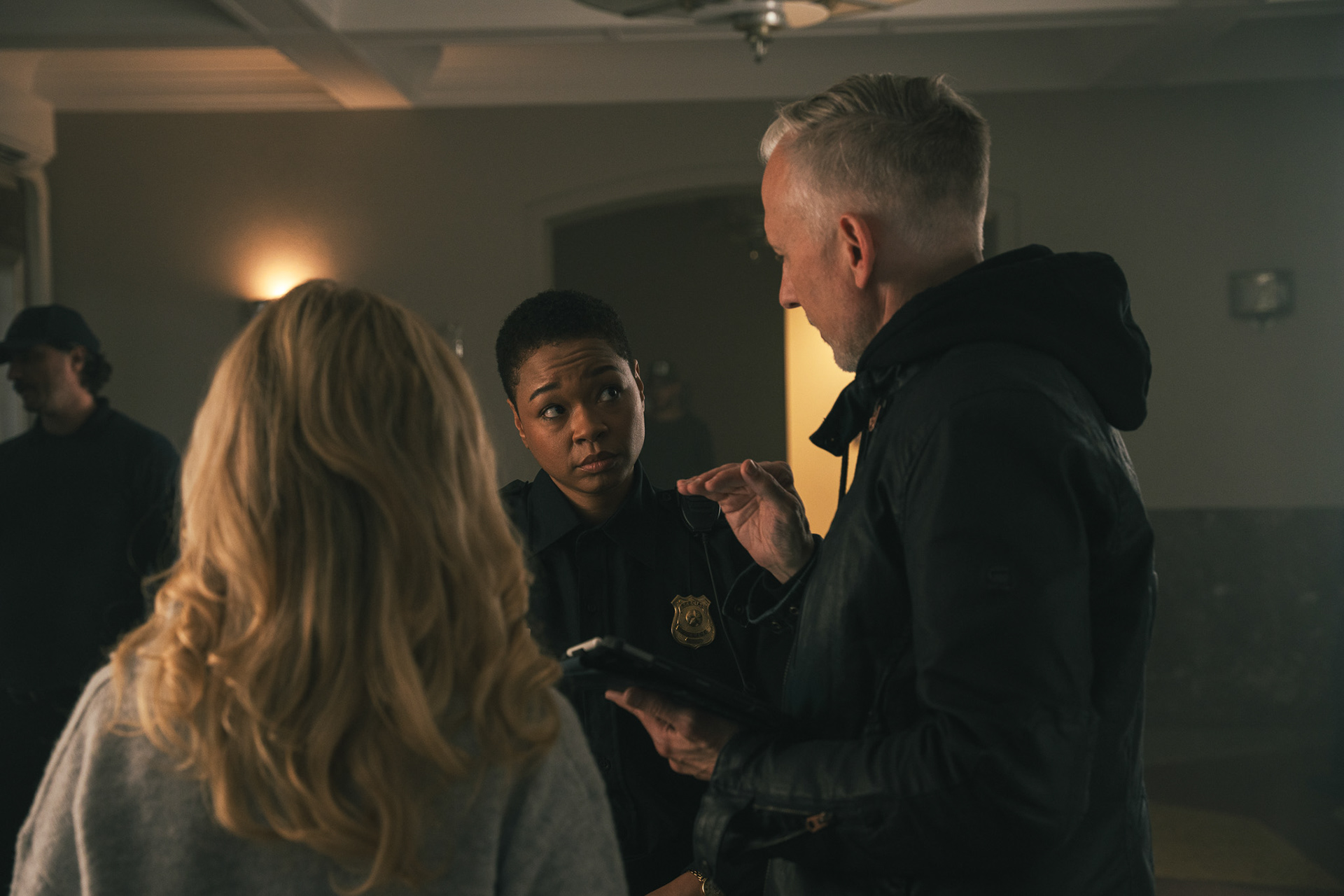
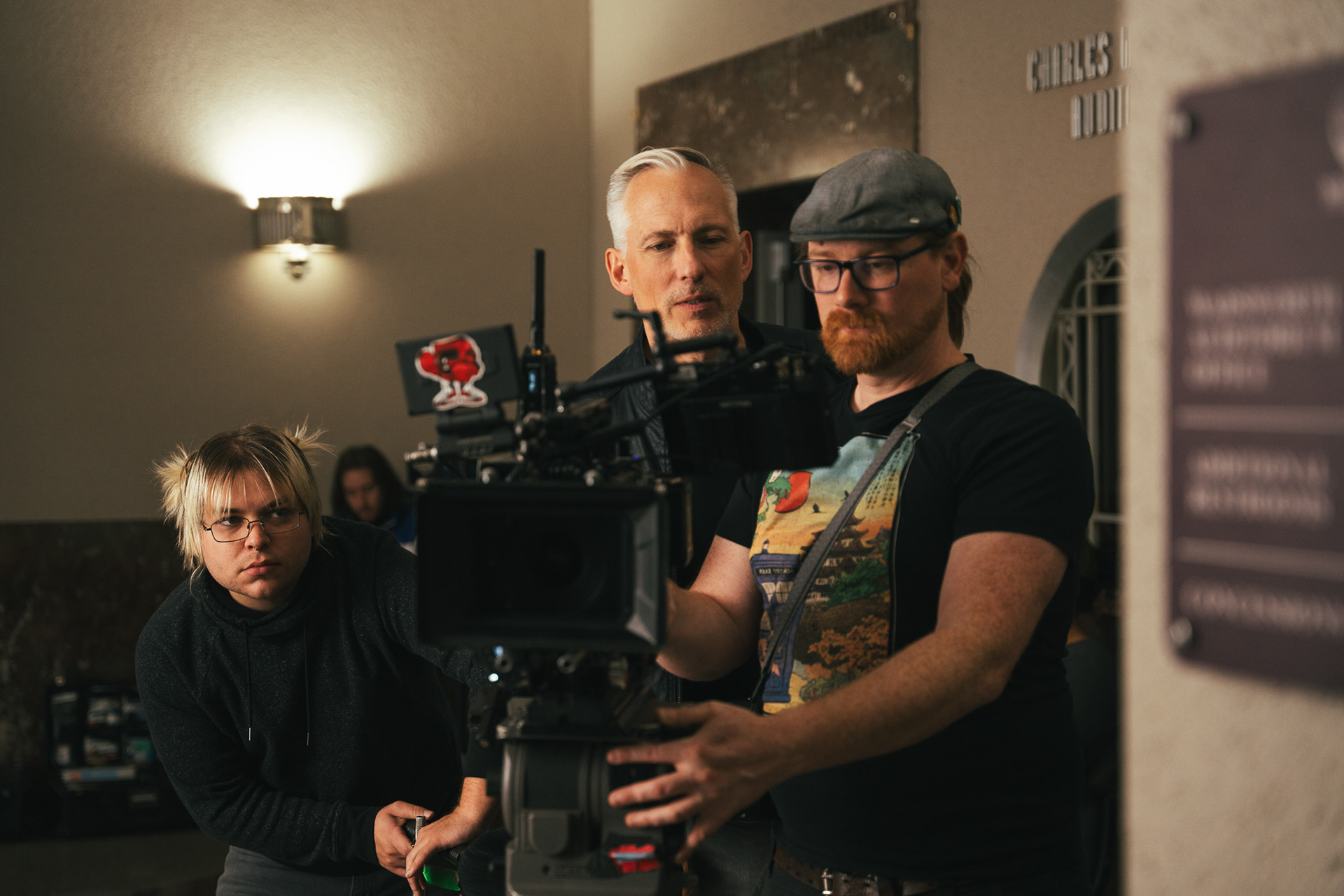
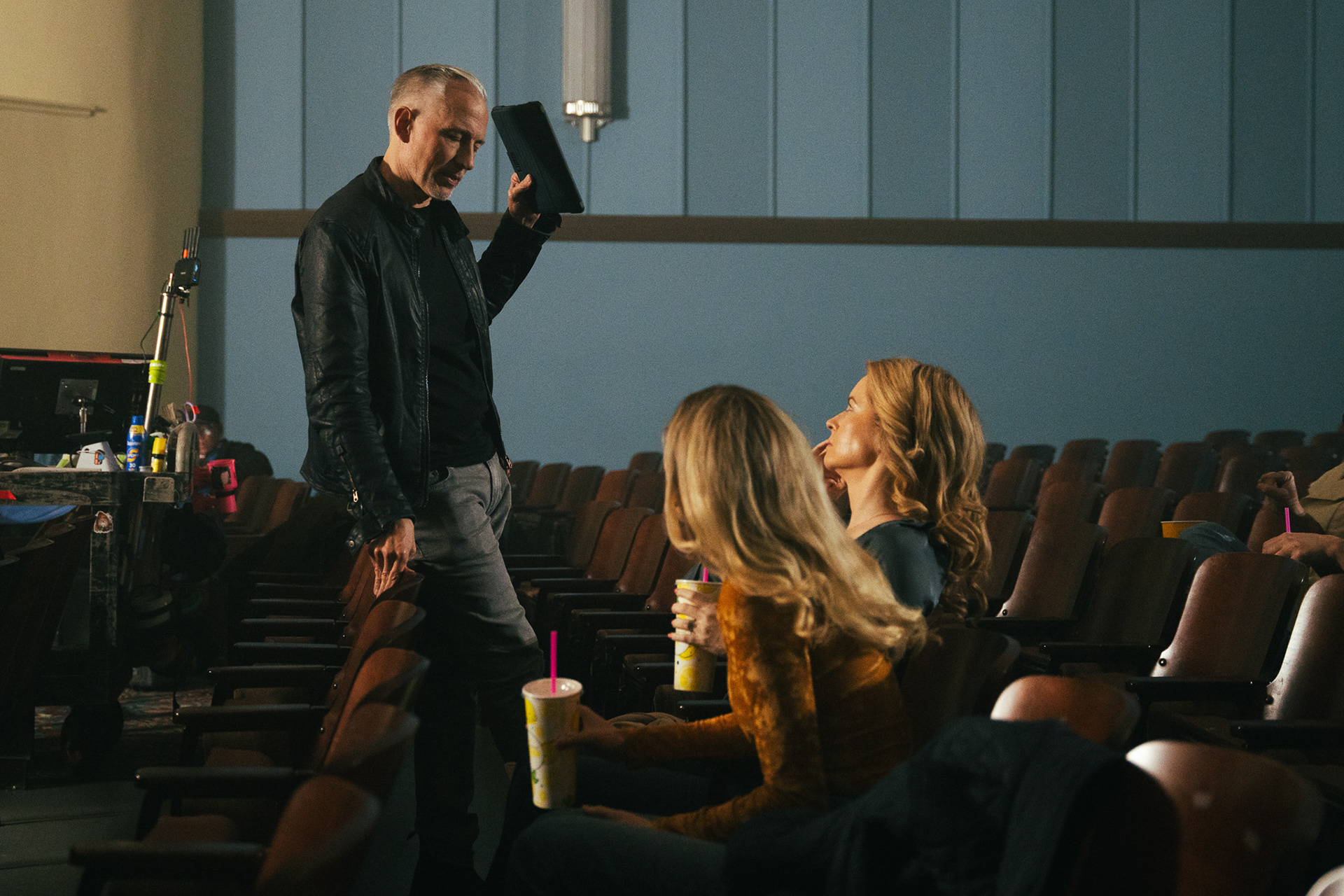
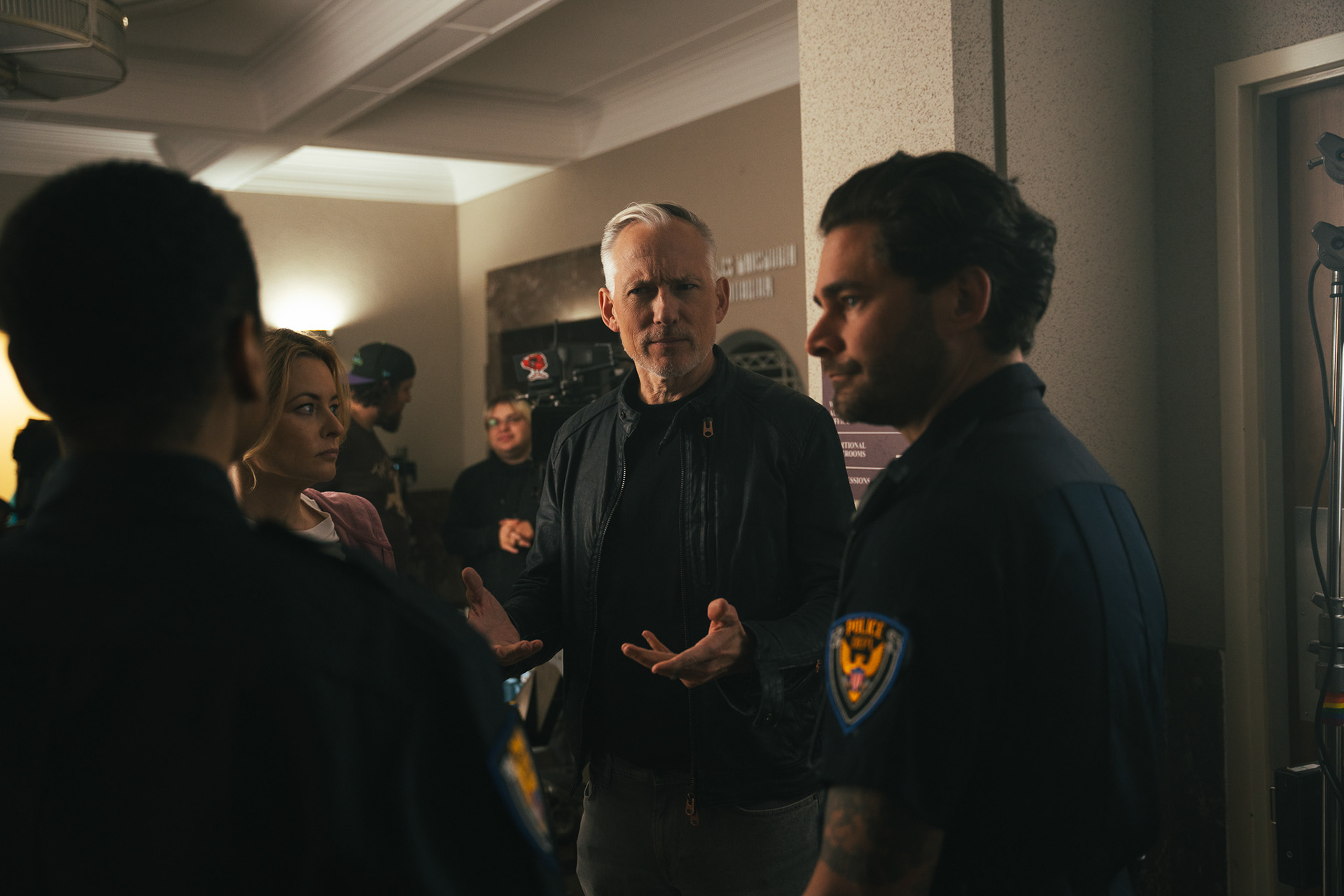
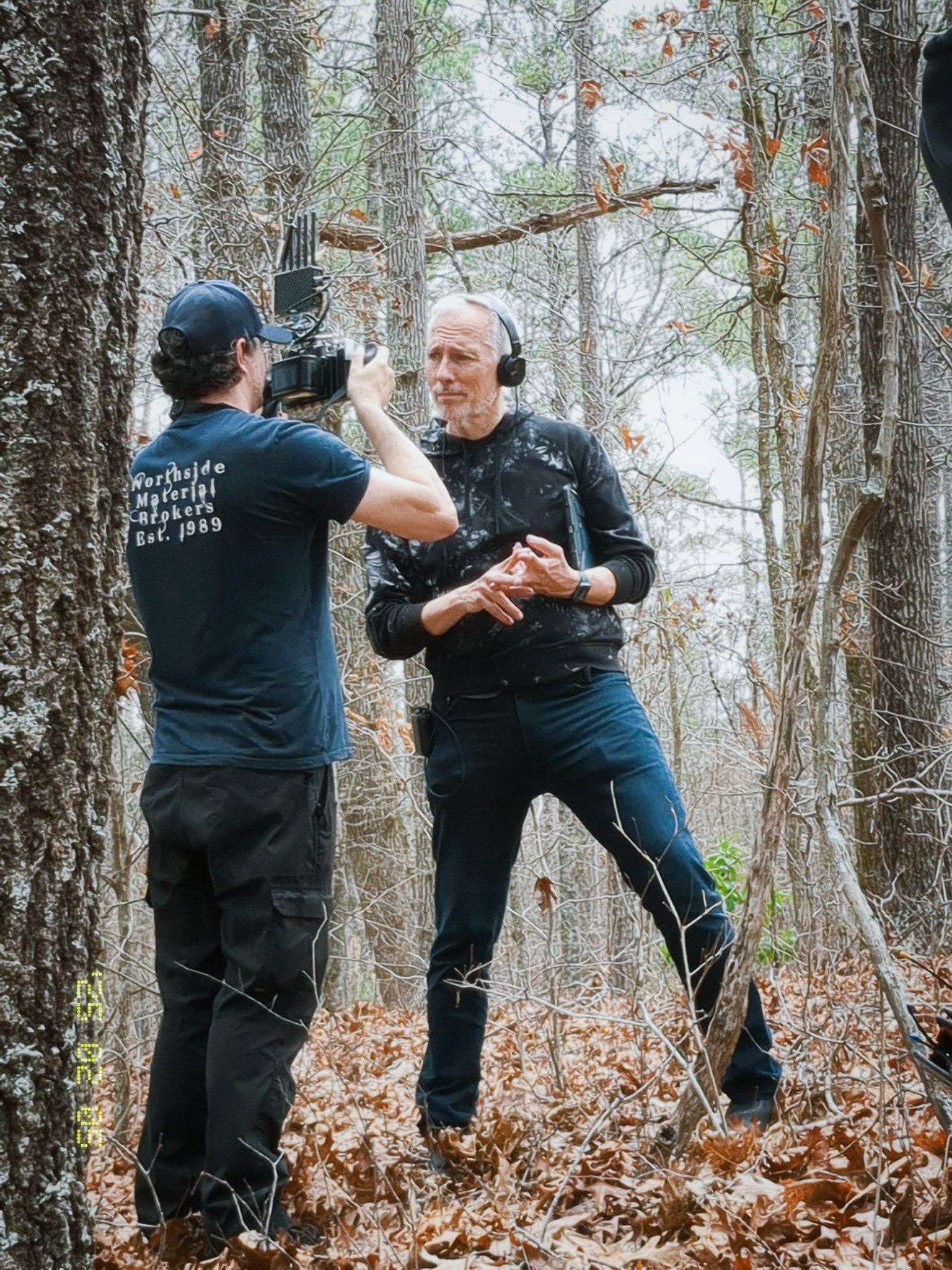
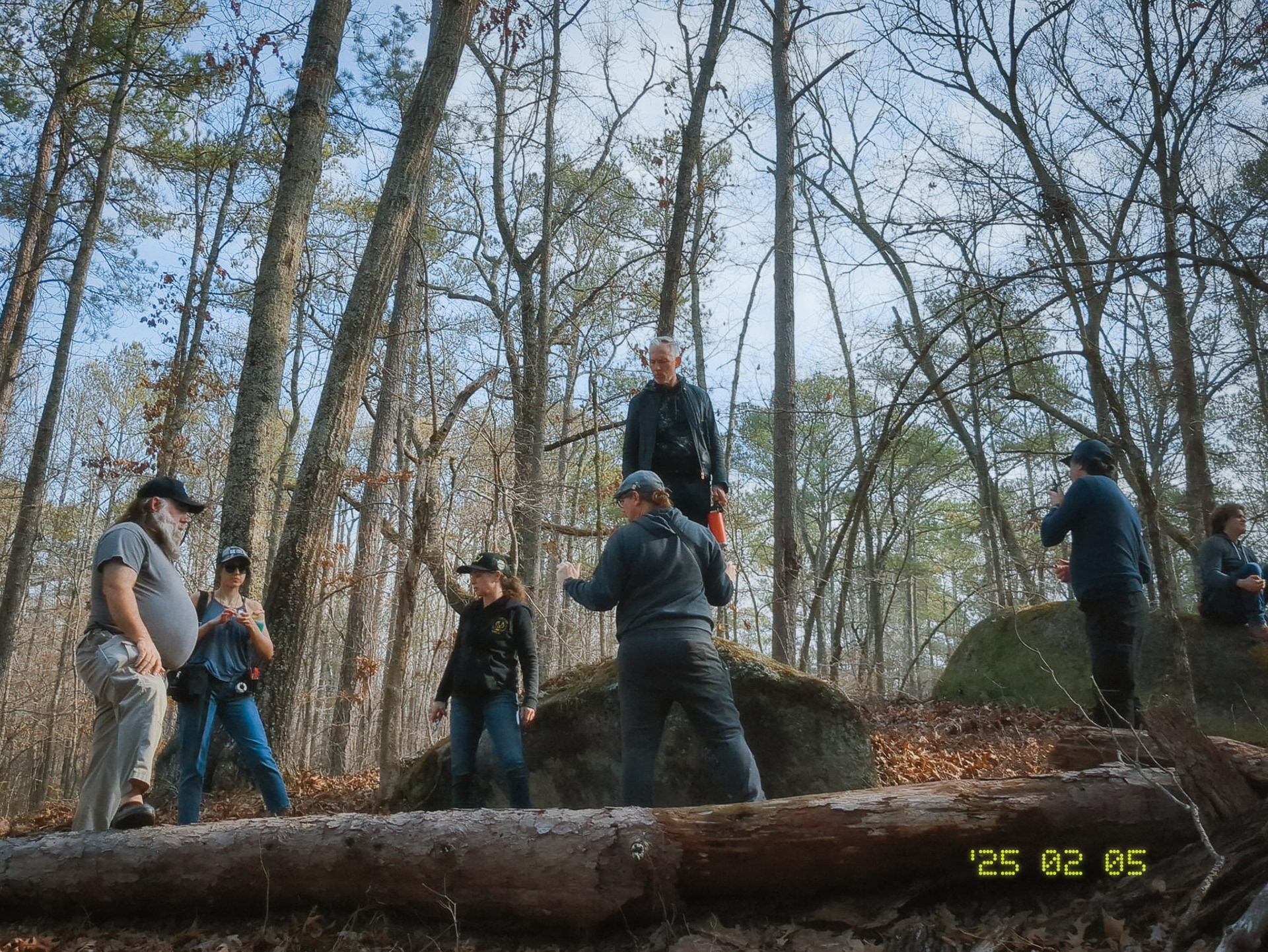
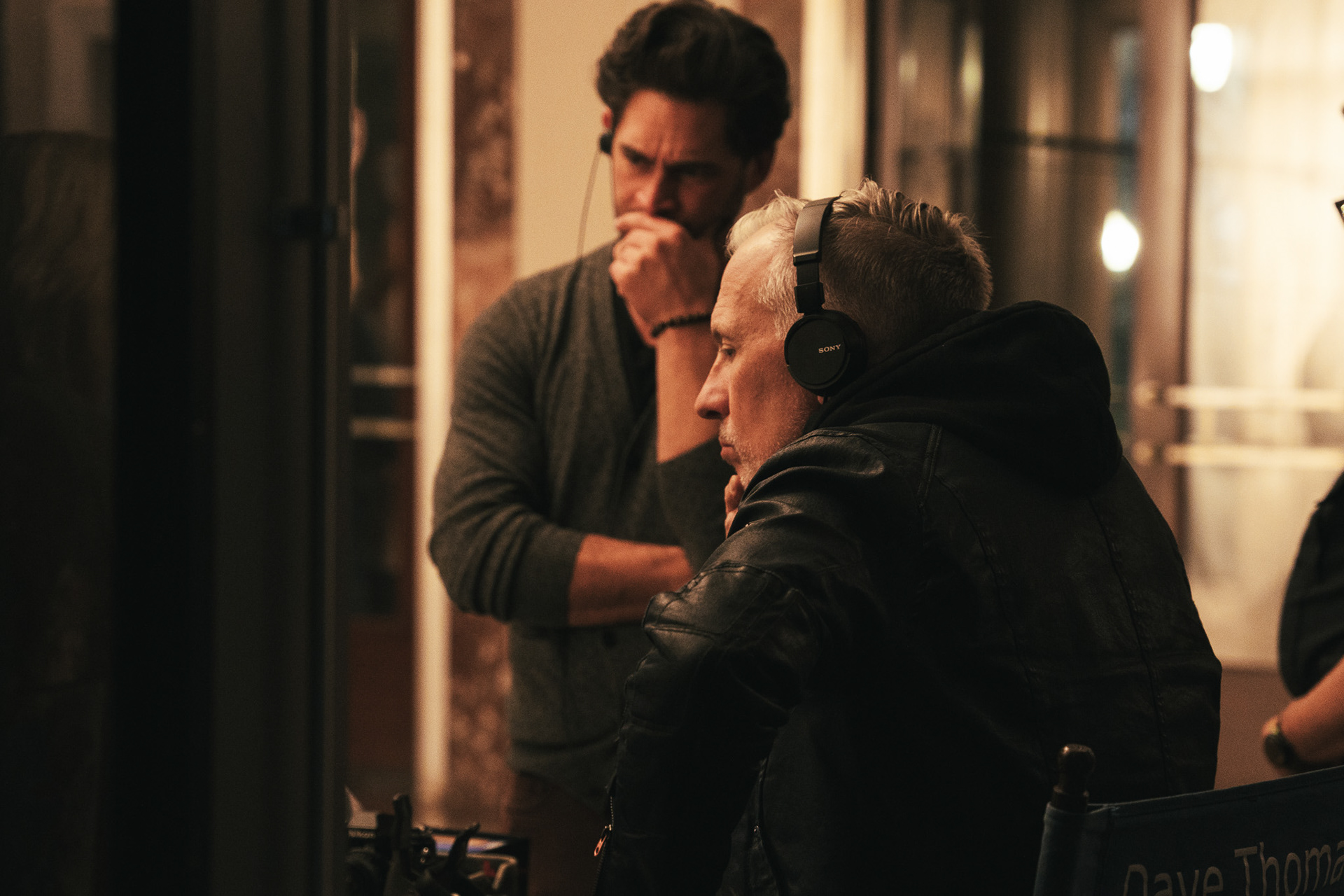
NO ONE BELIEVED ME | BTS IMAGES
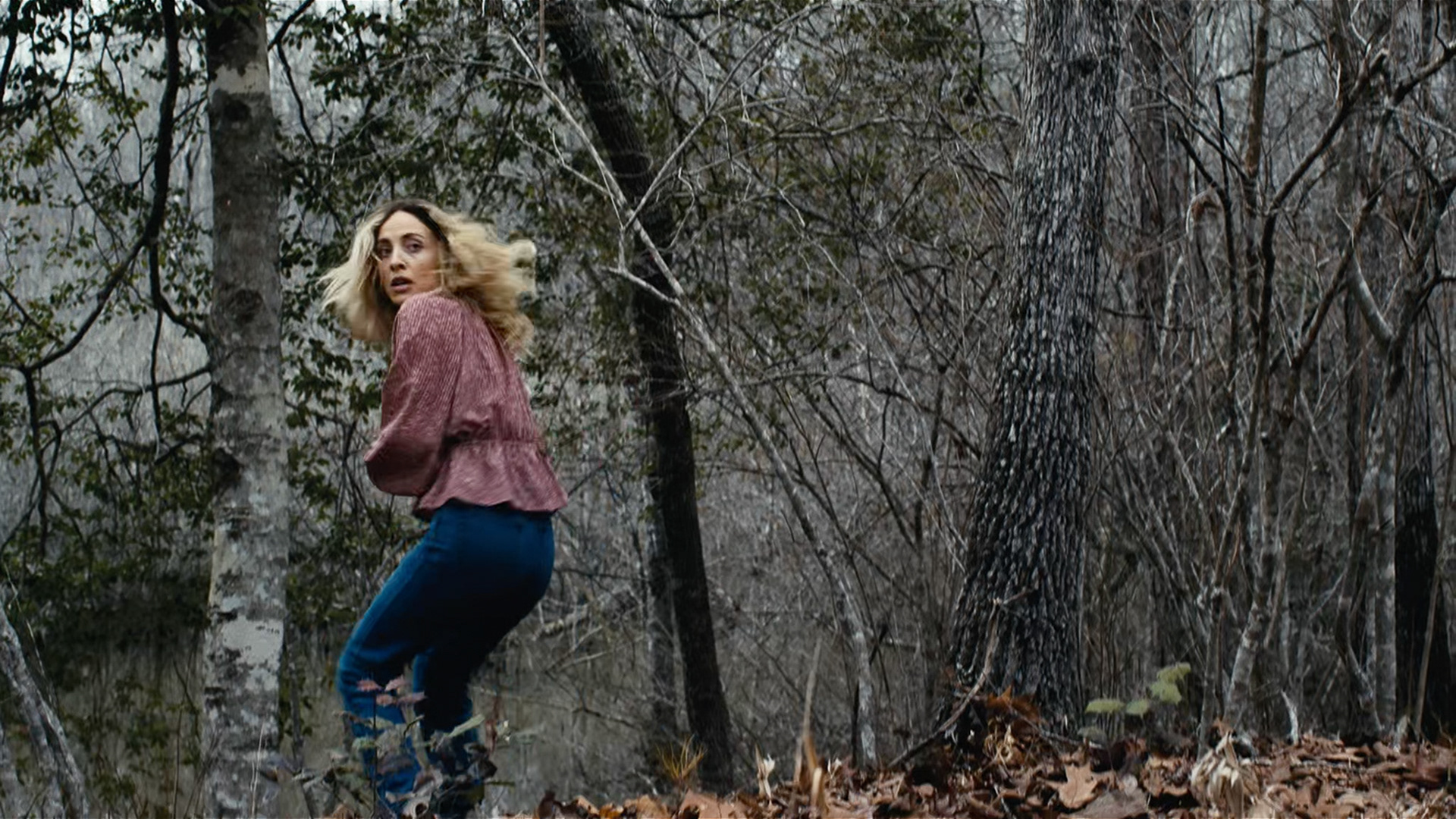
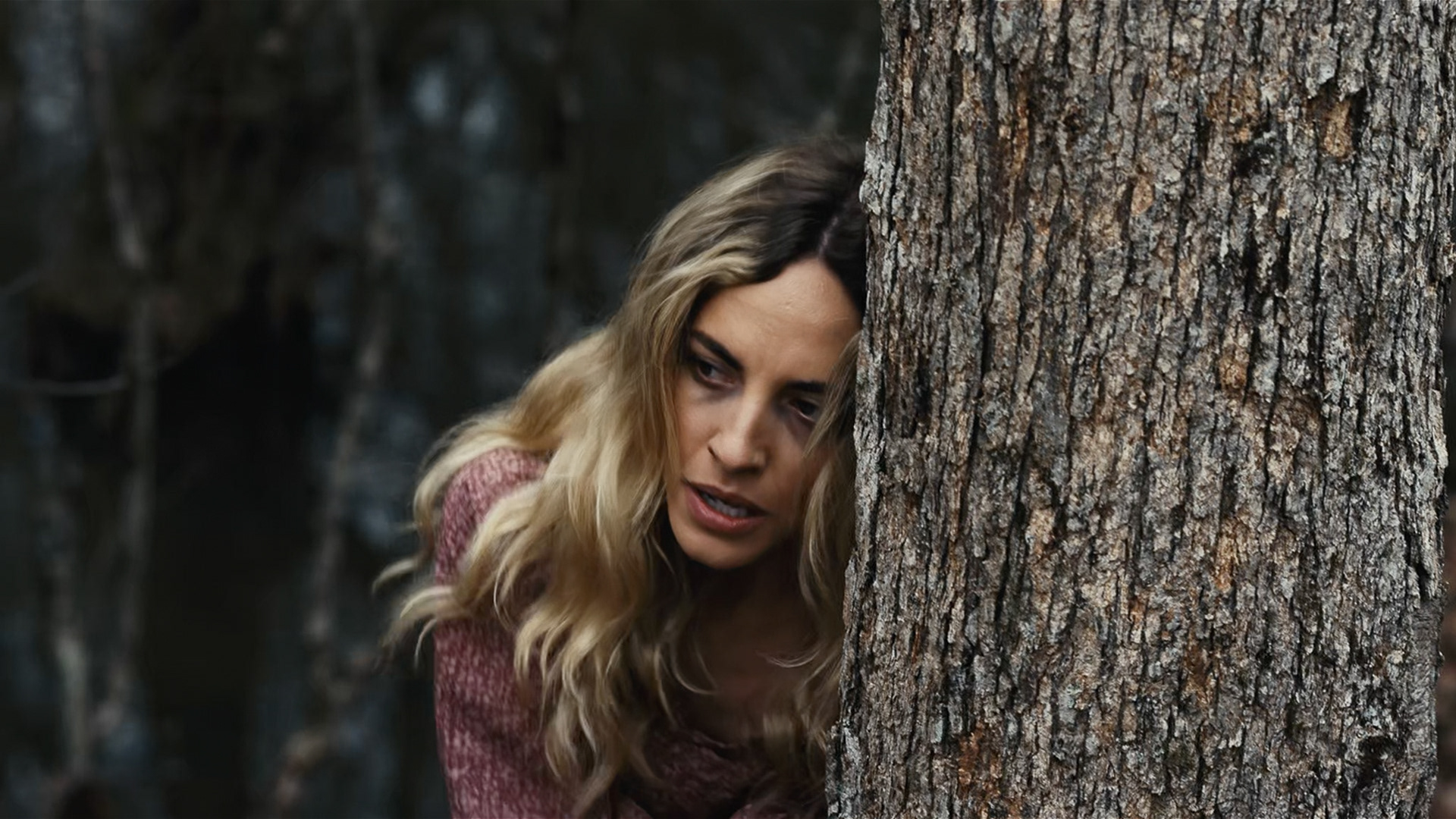
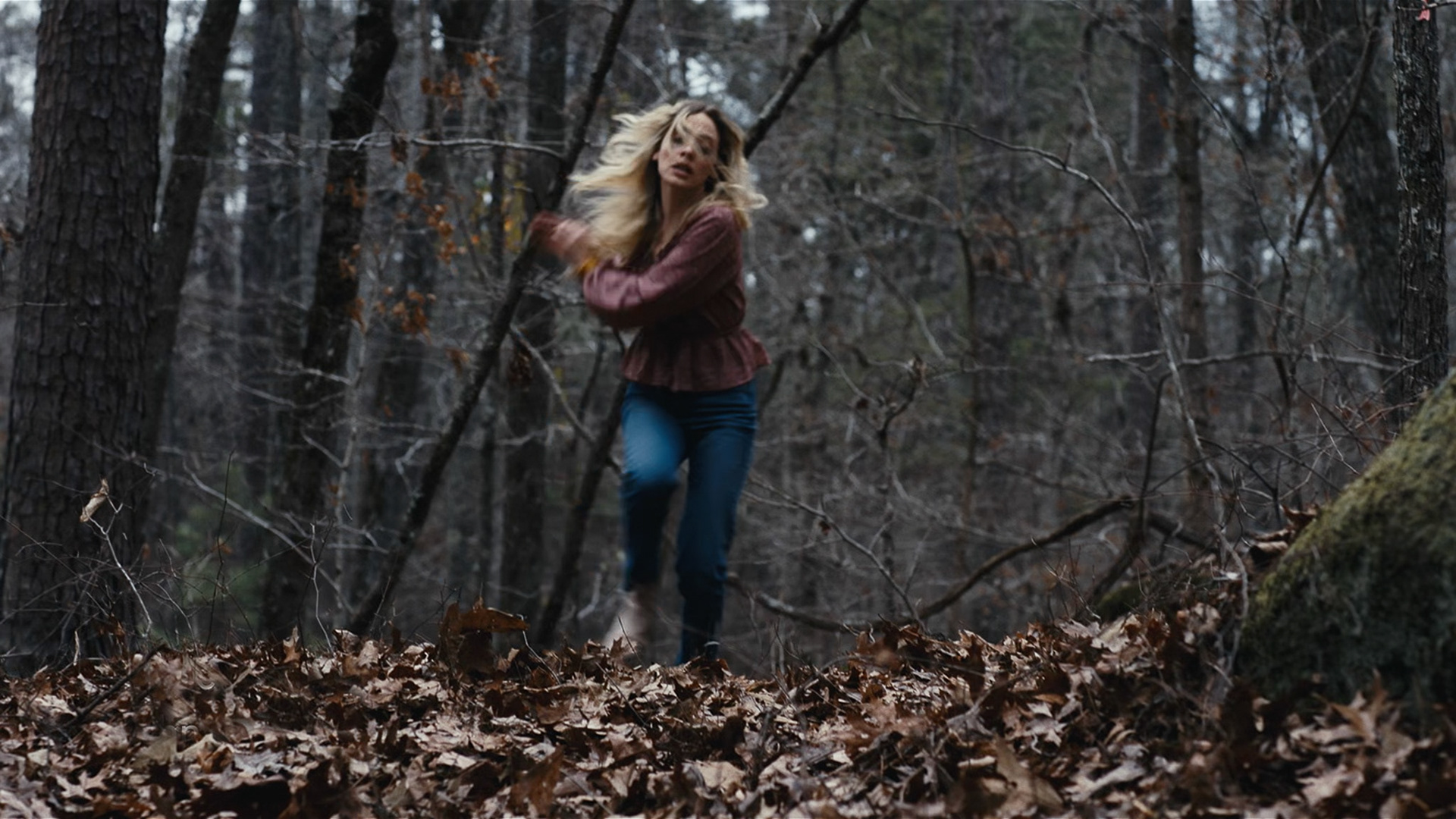
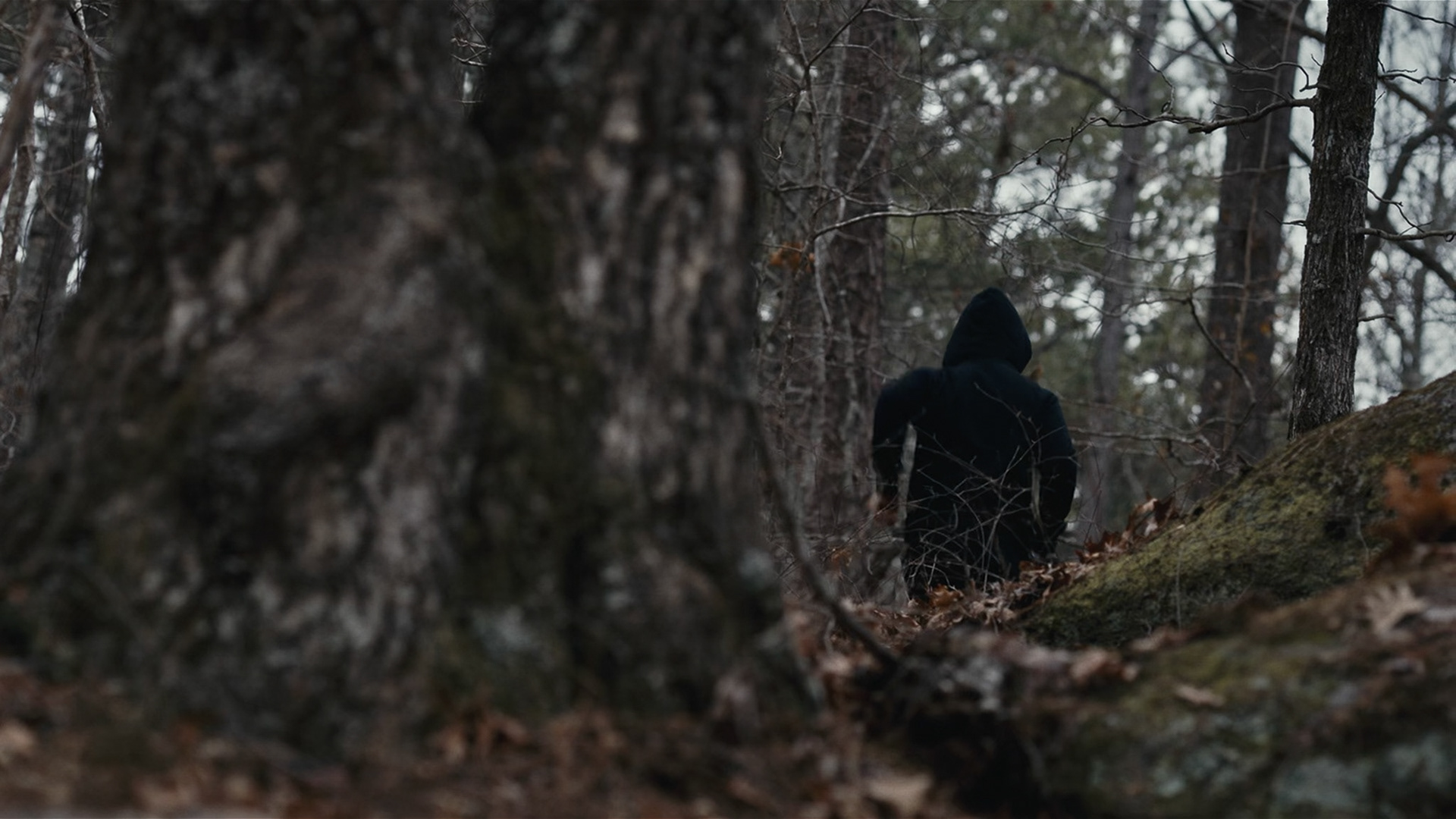
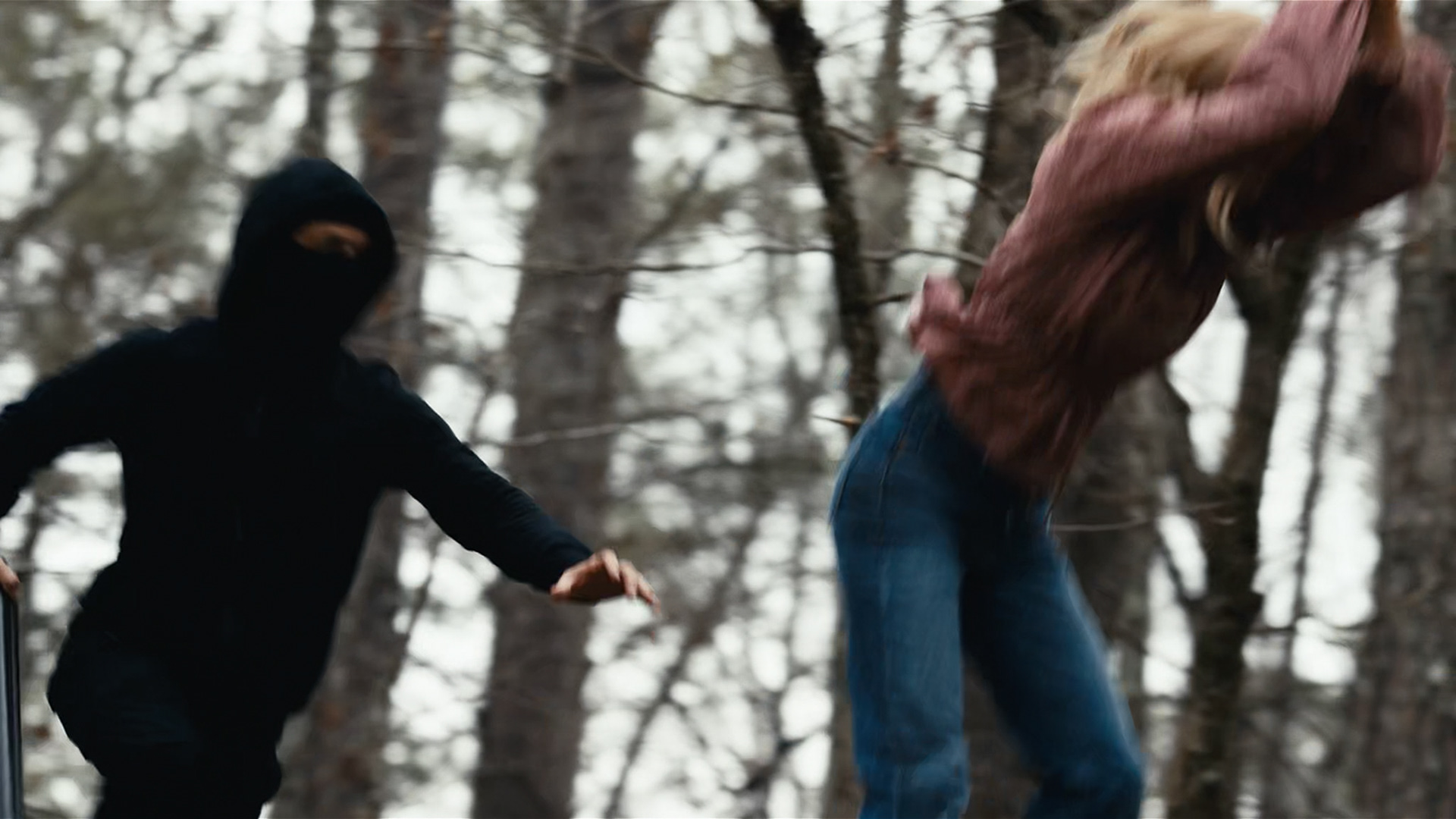
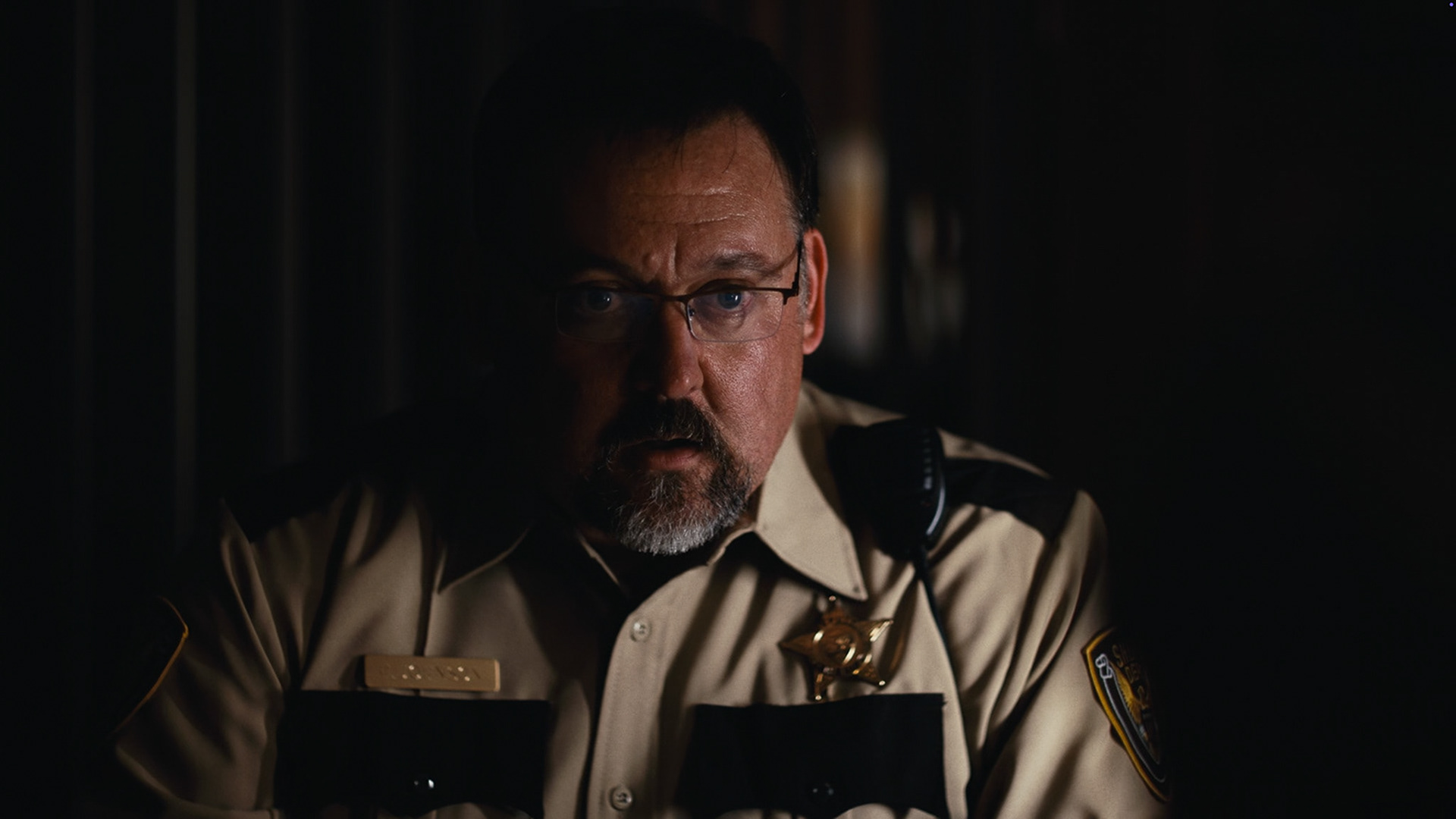
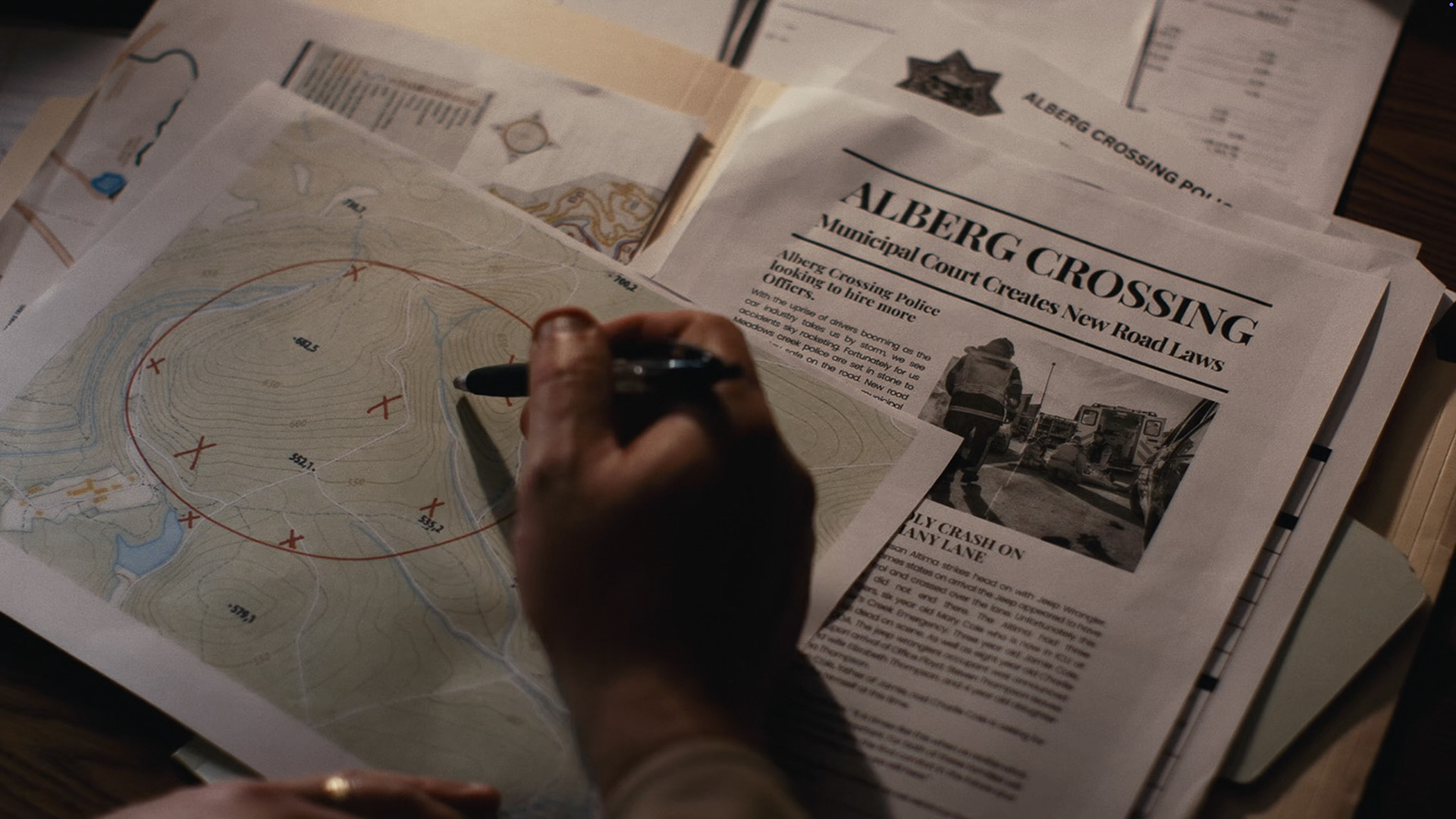
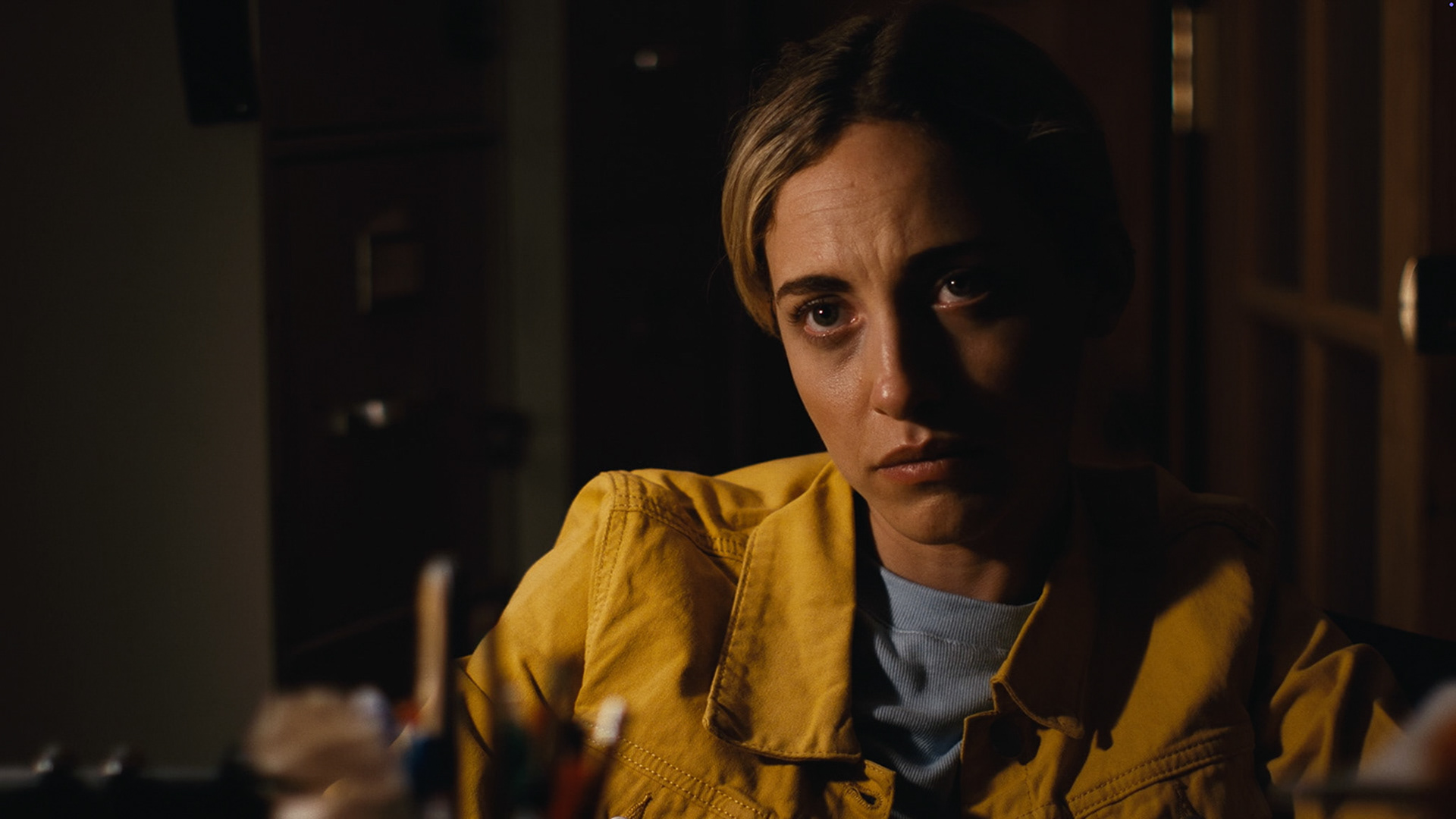
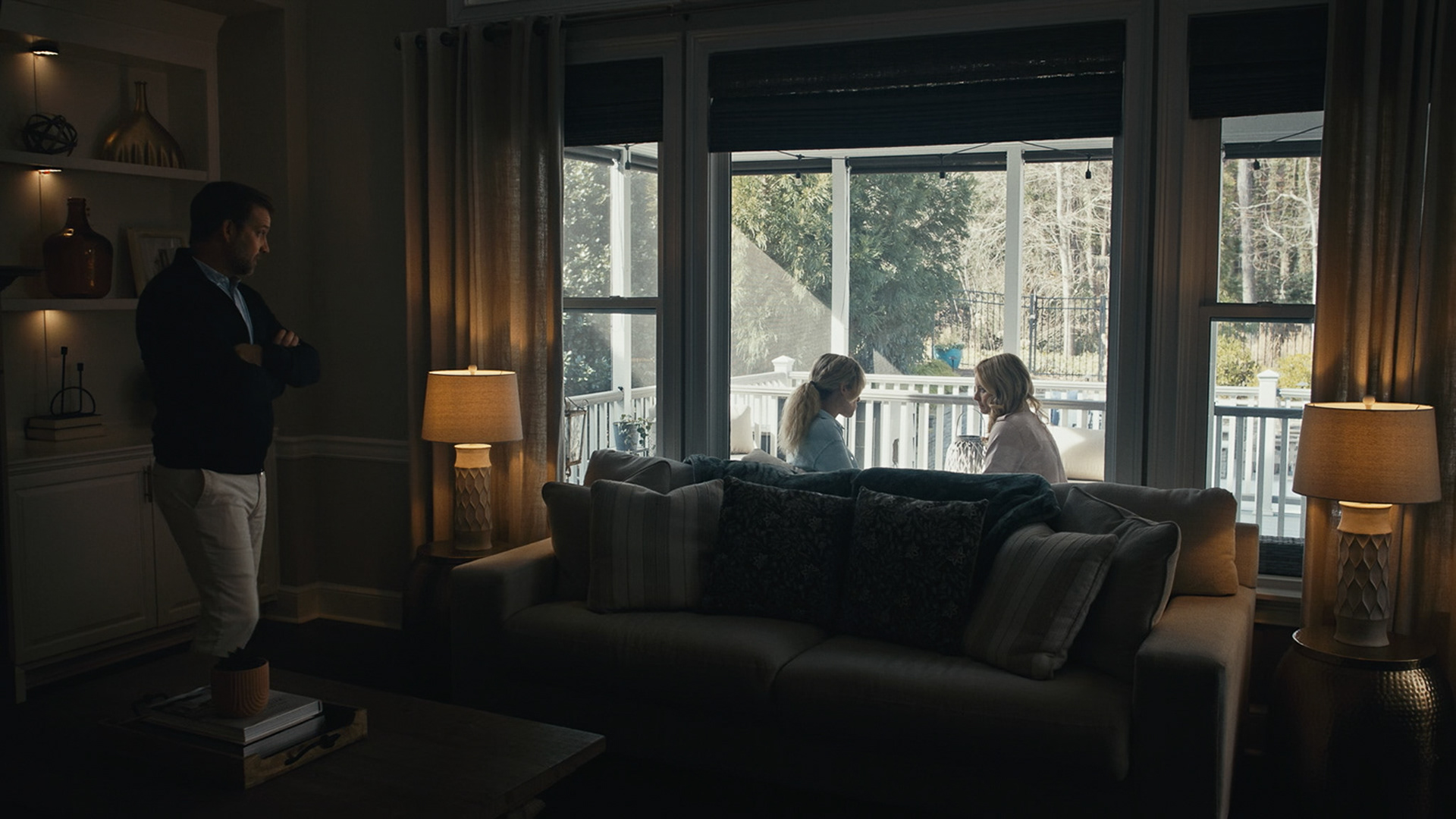
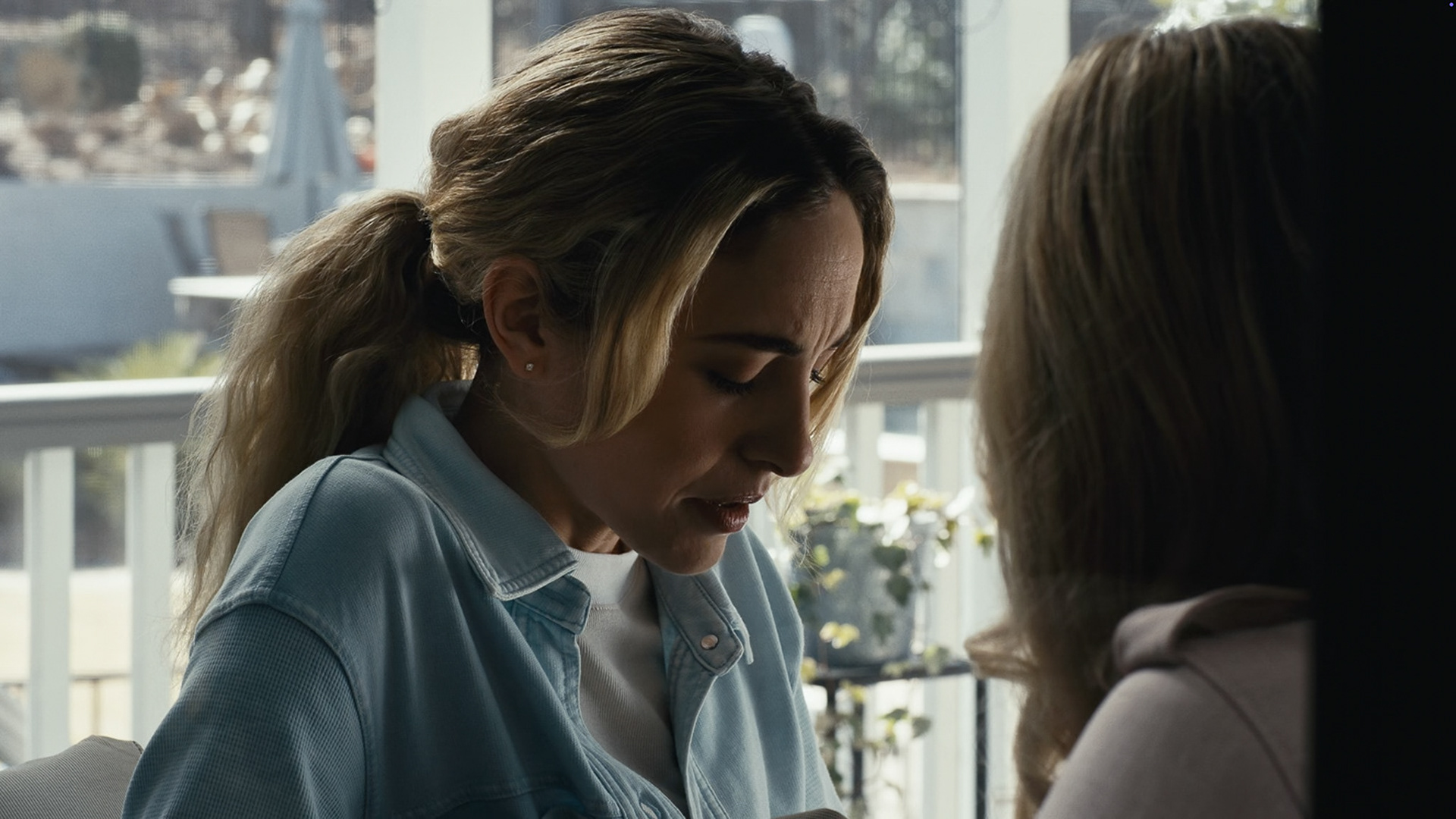
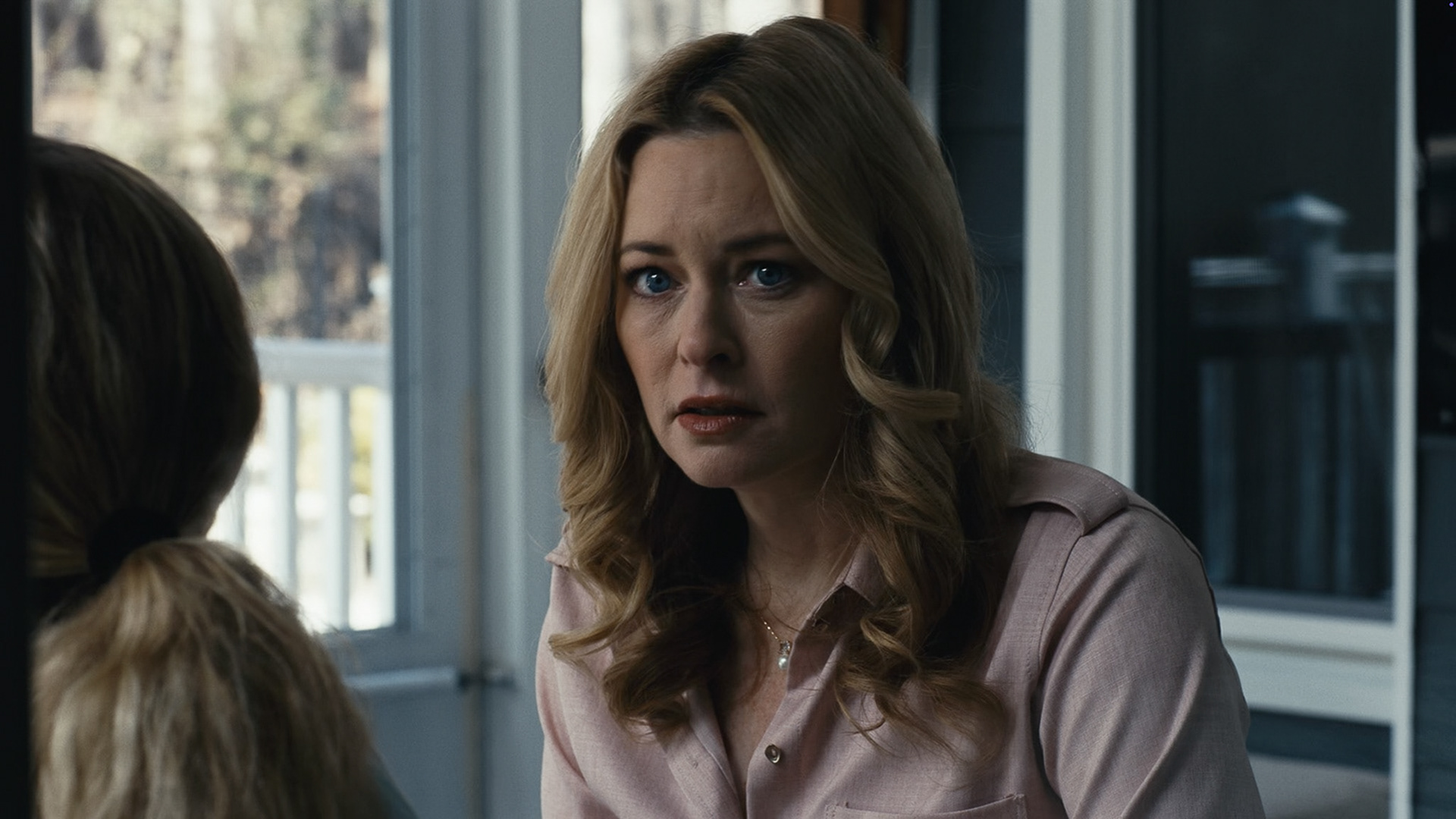
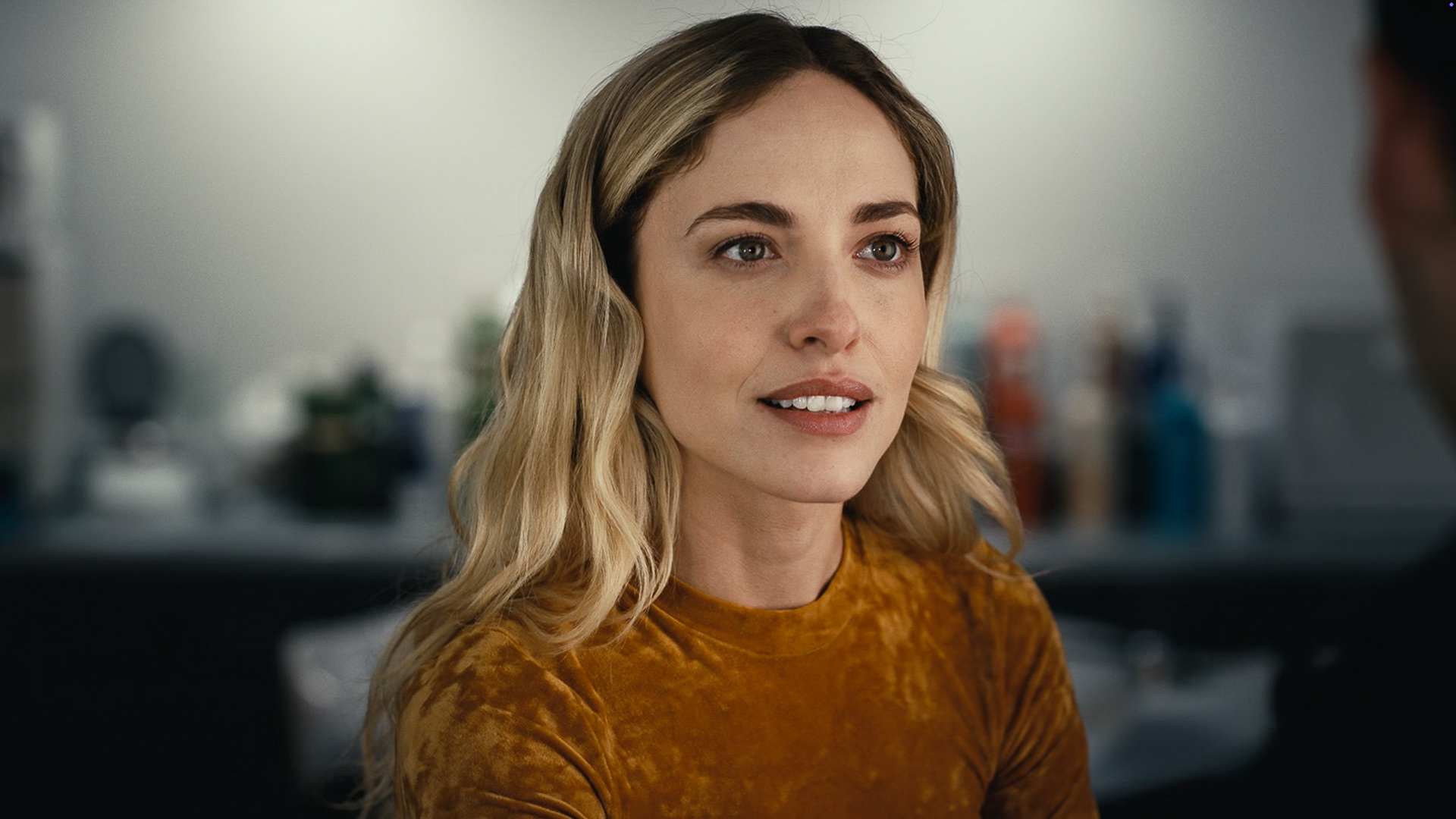
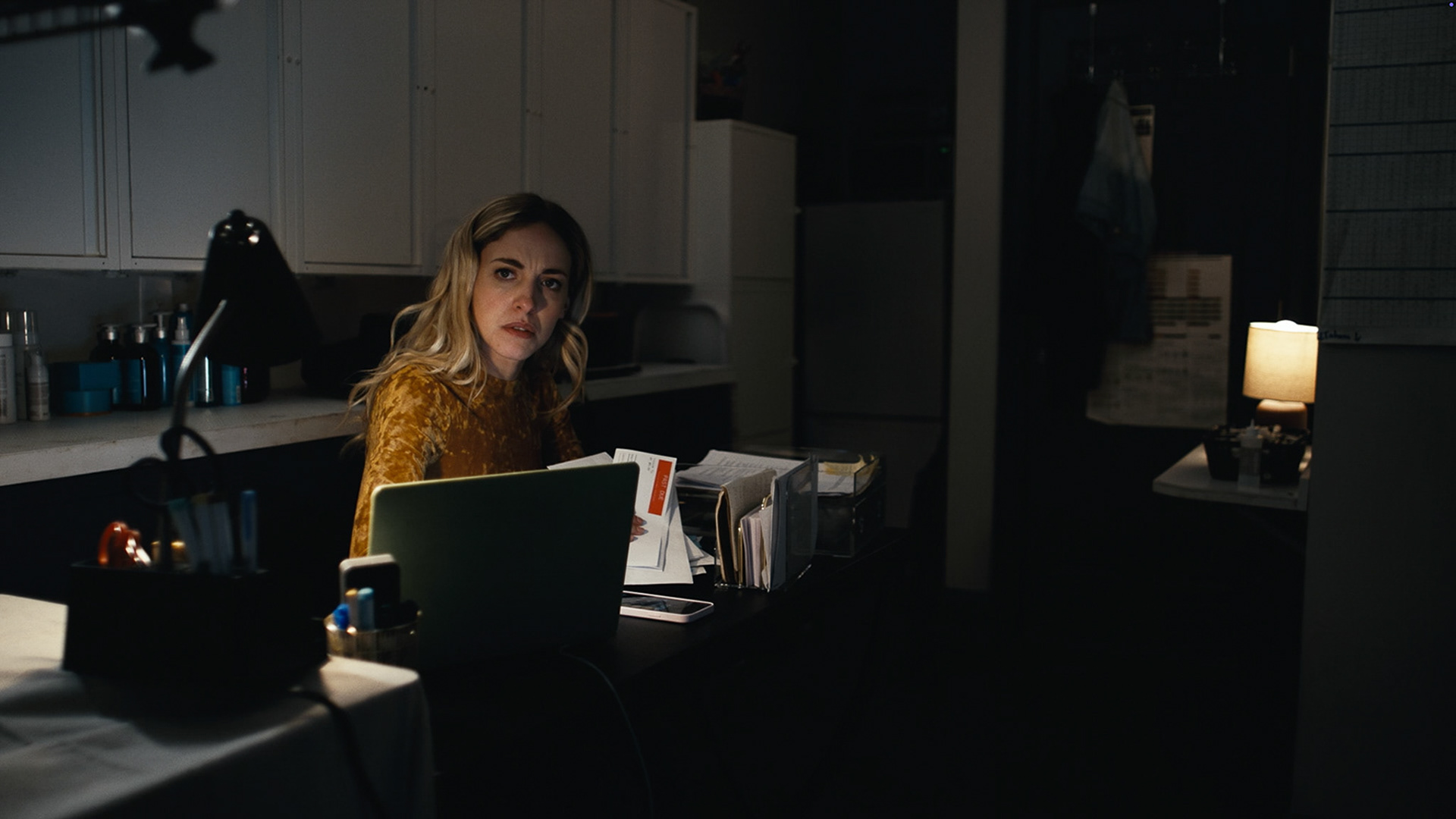
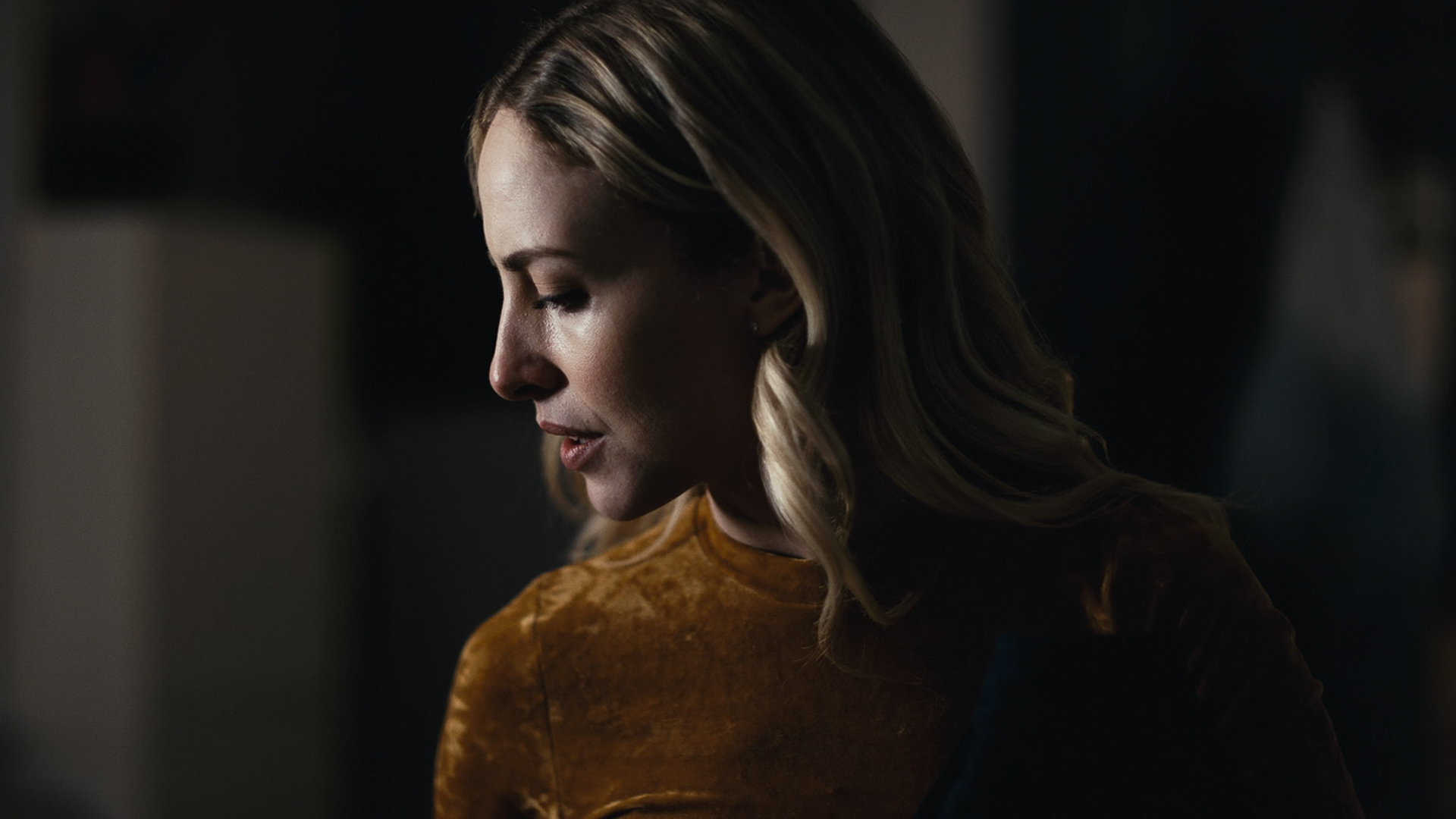
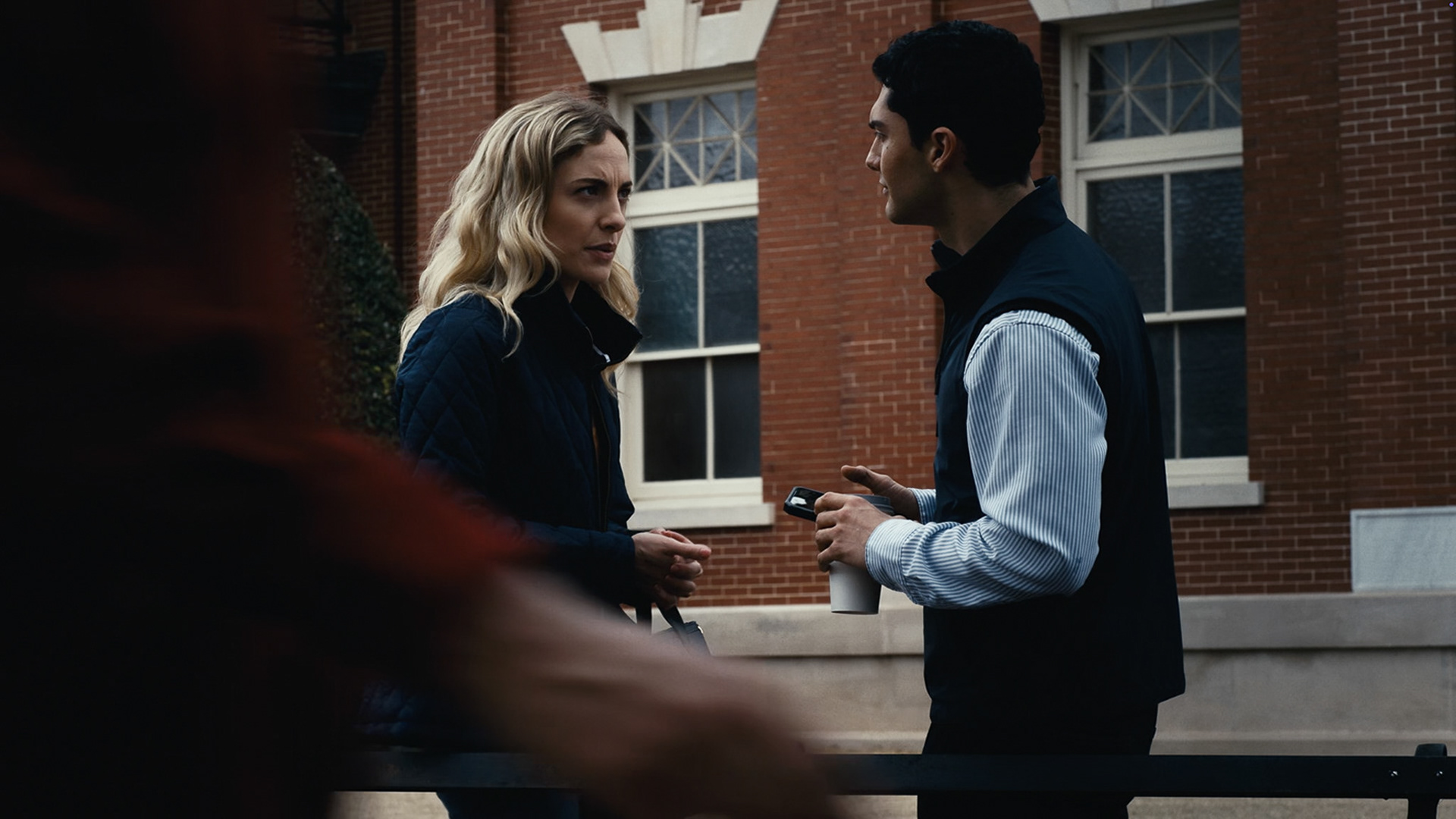
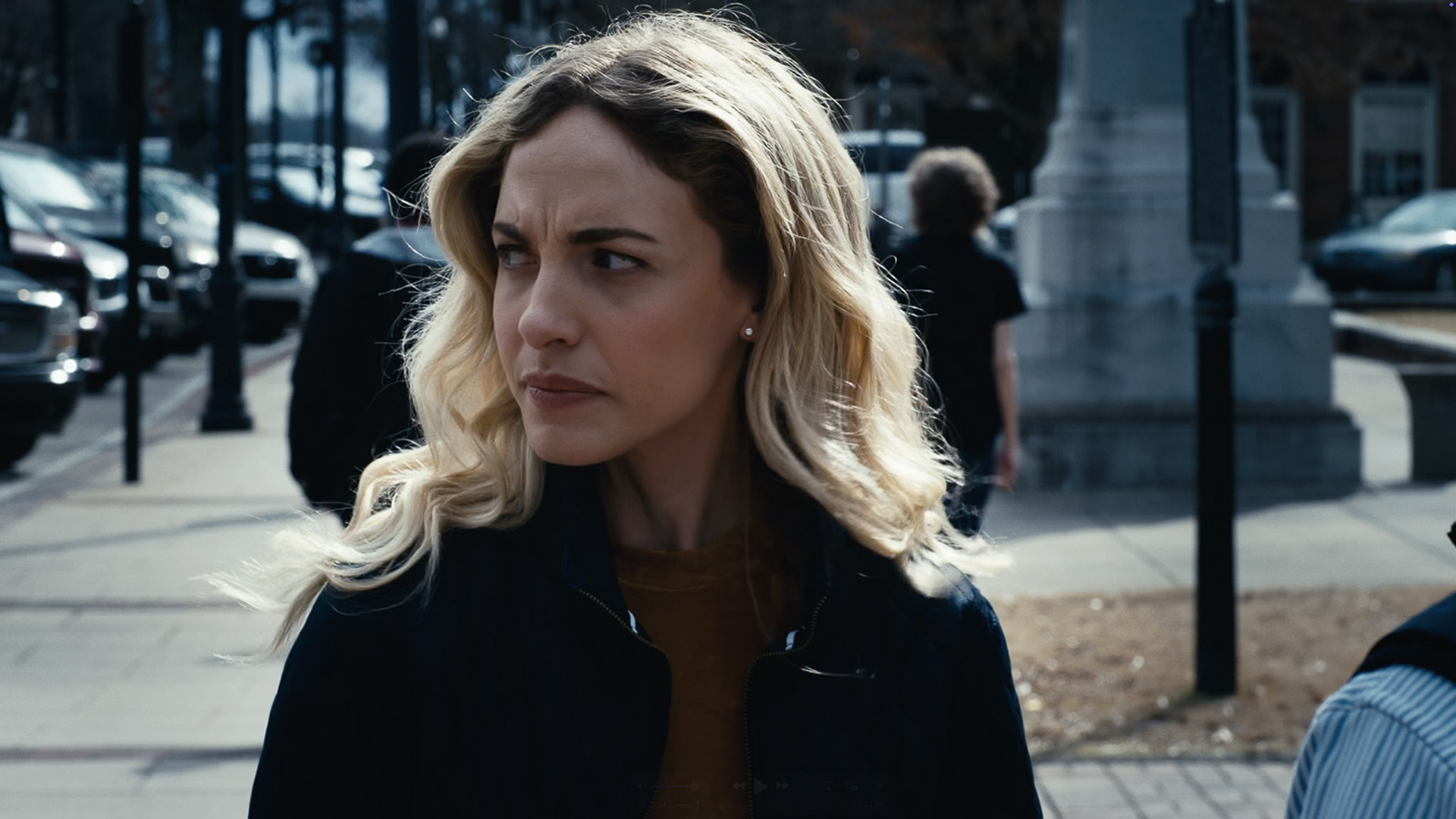
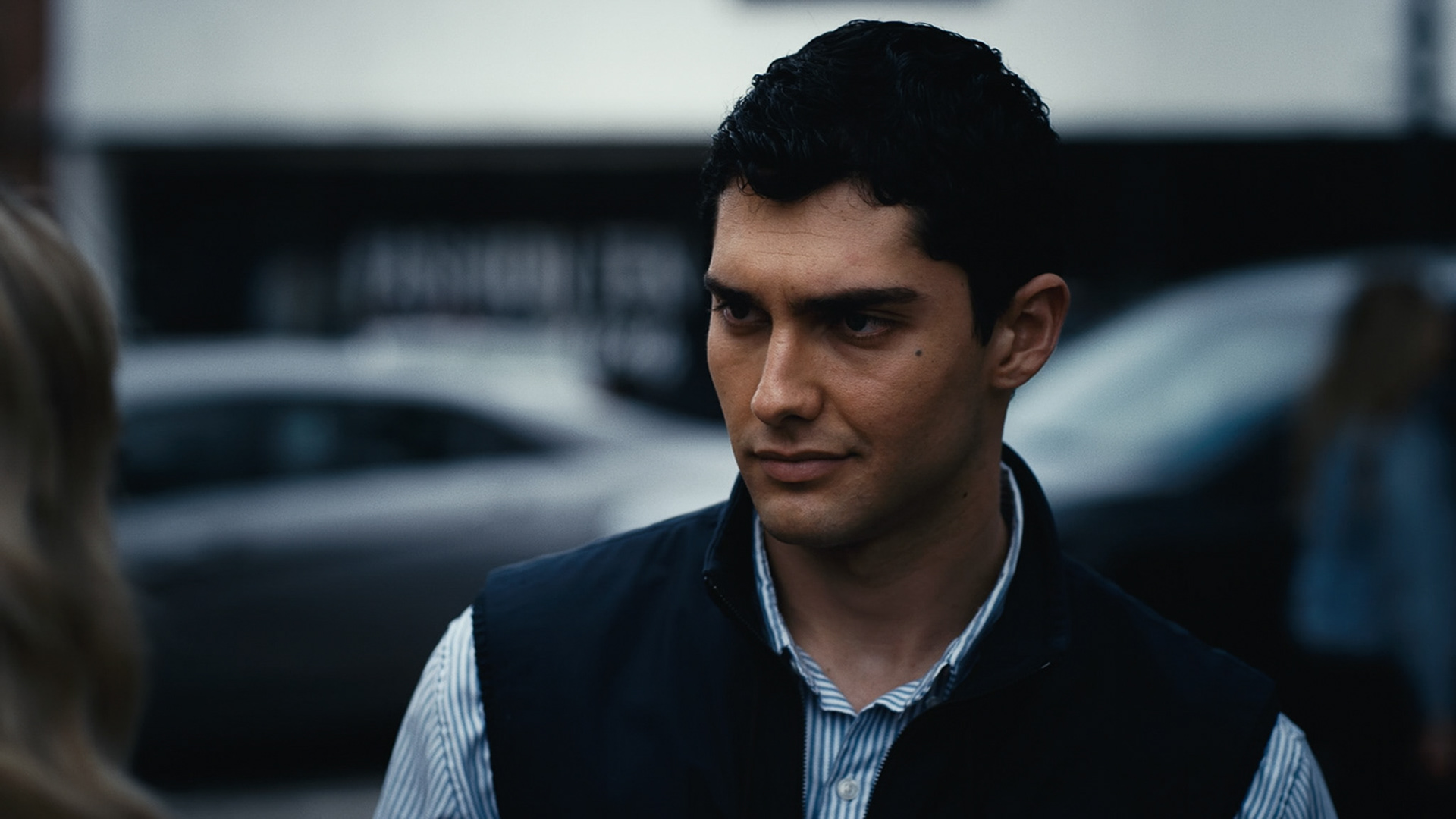
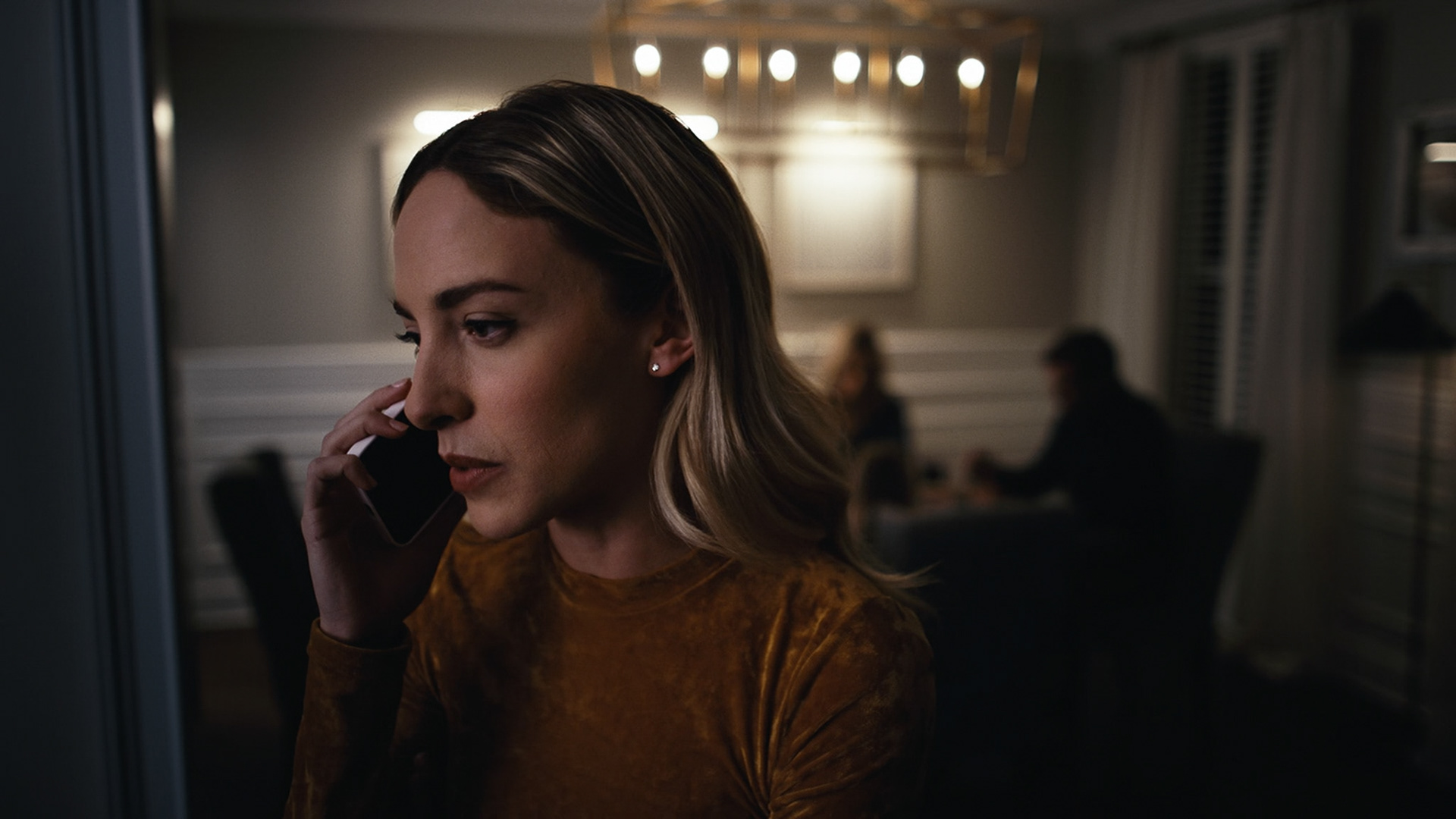
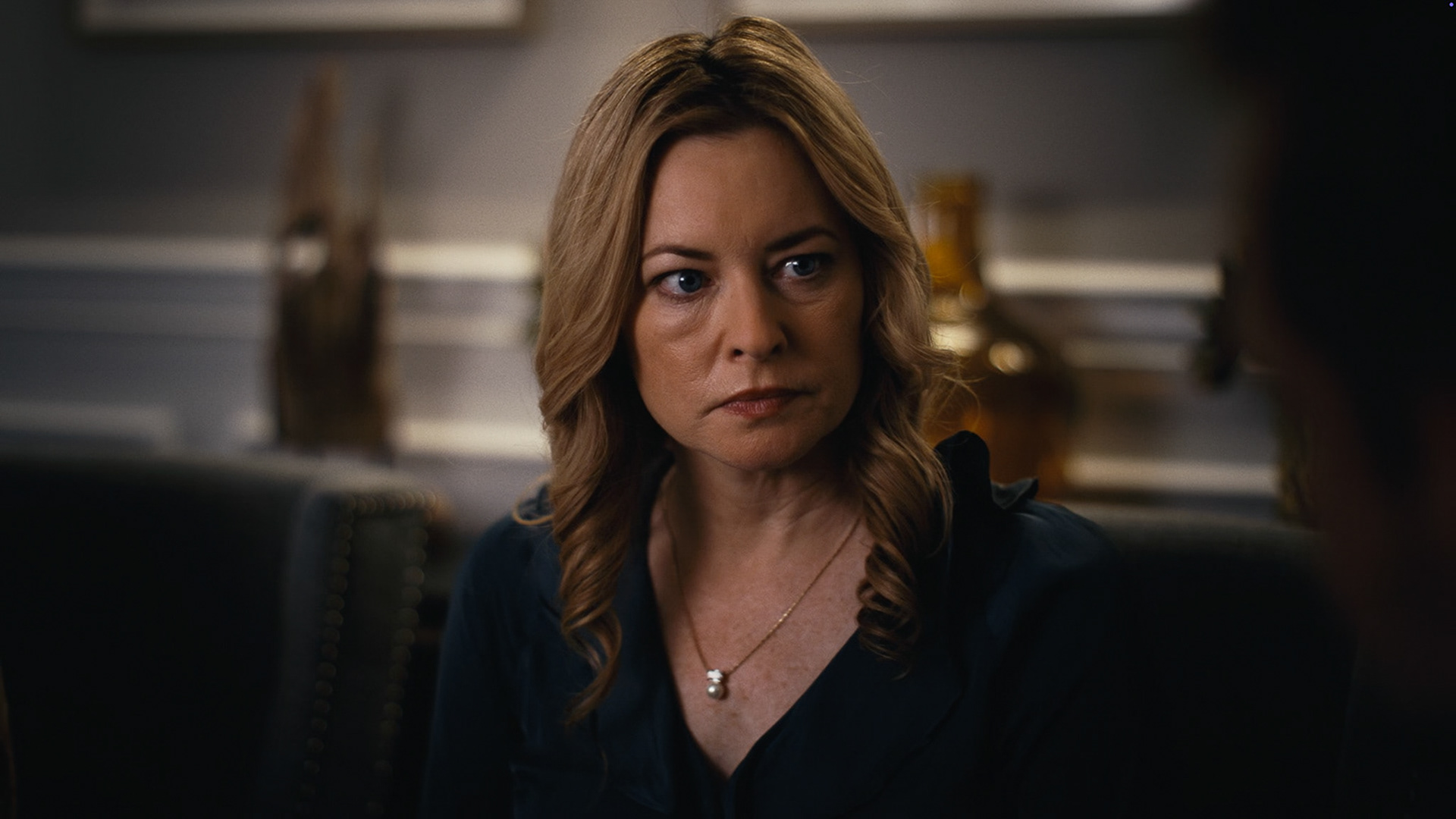
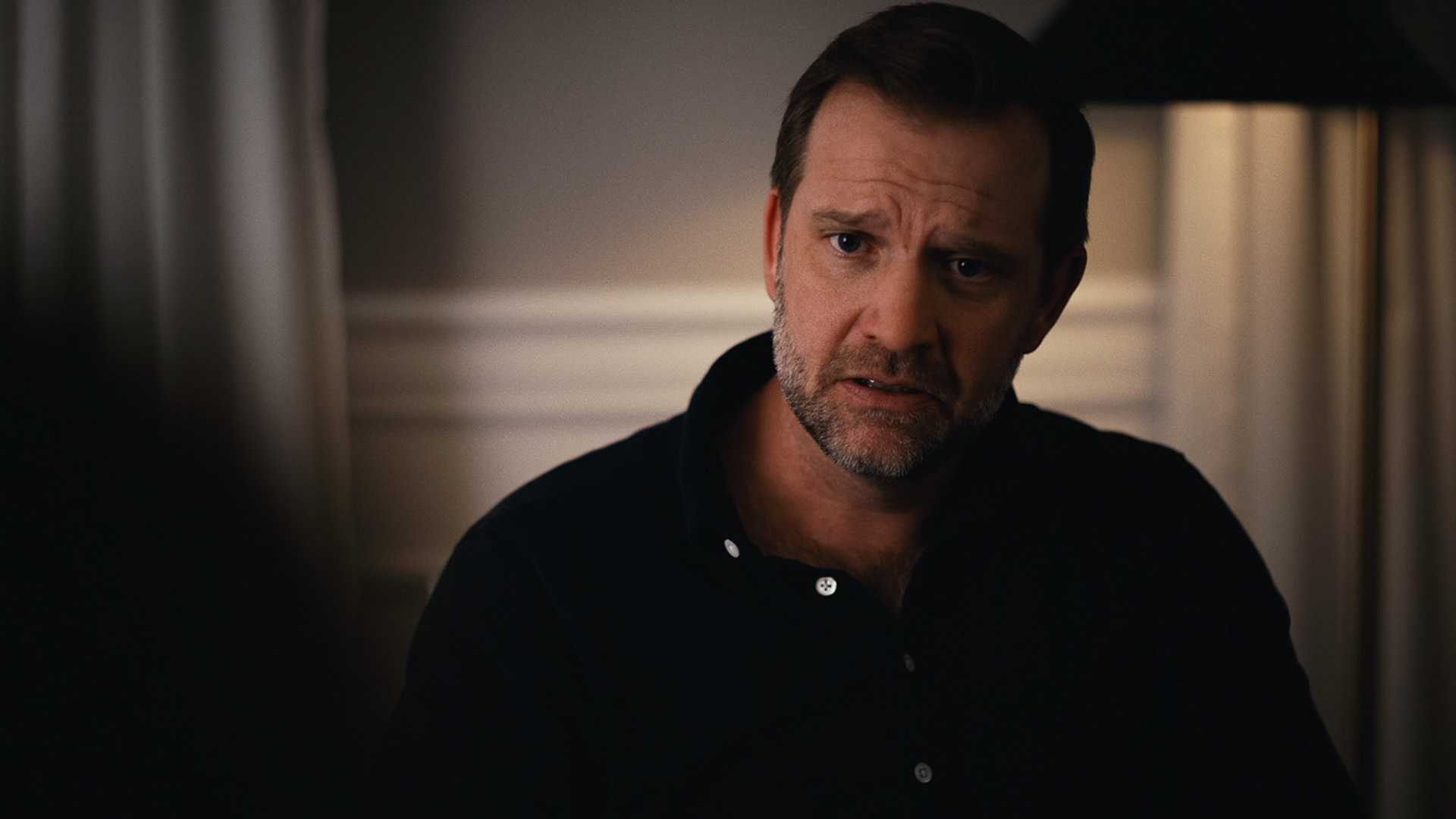
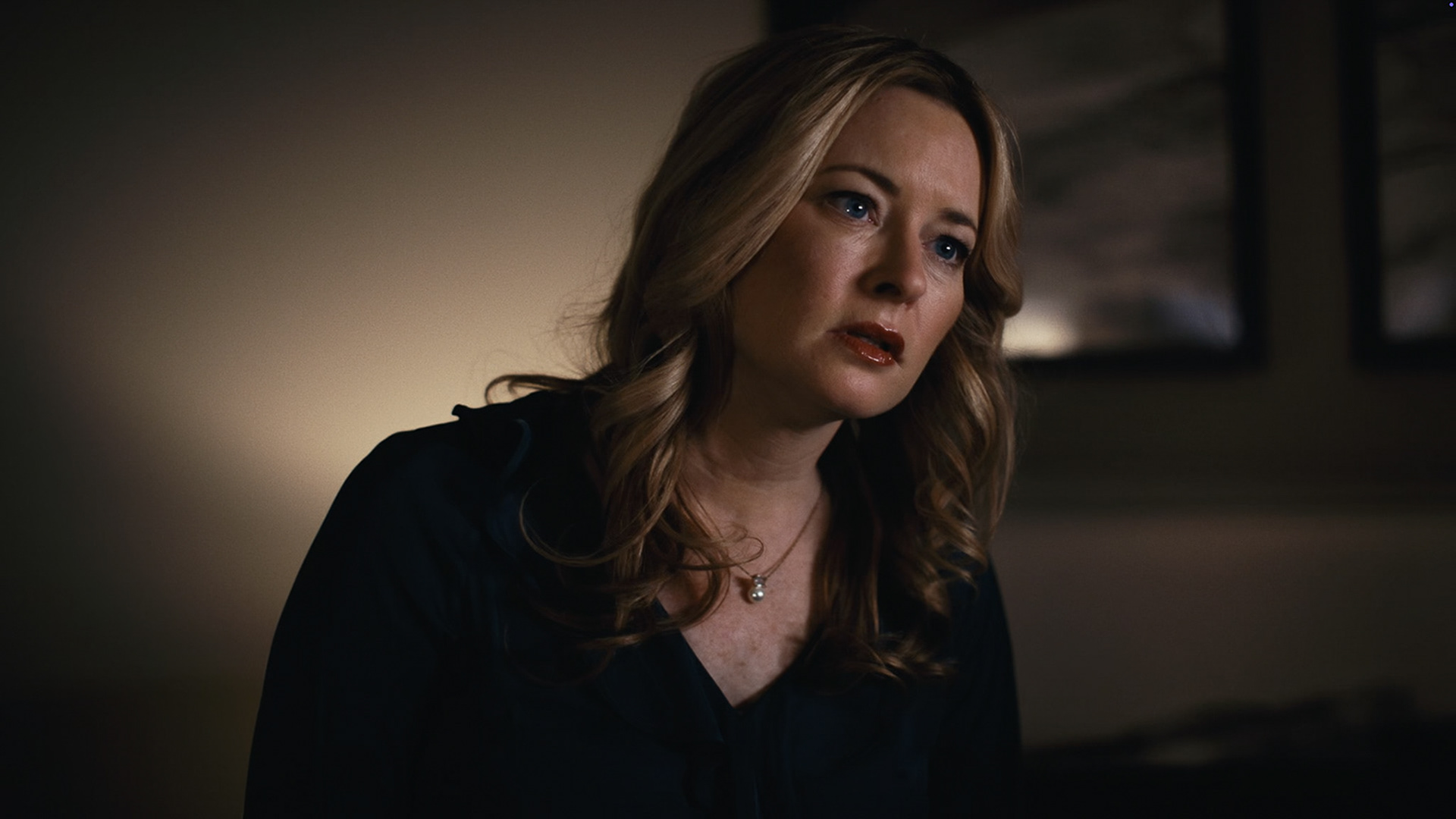
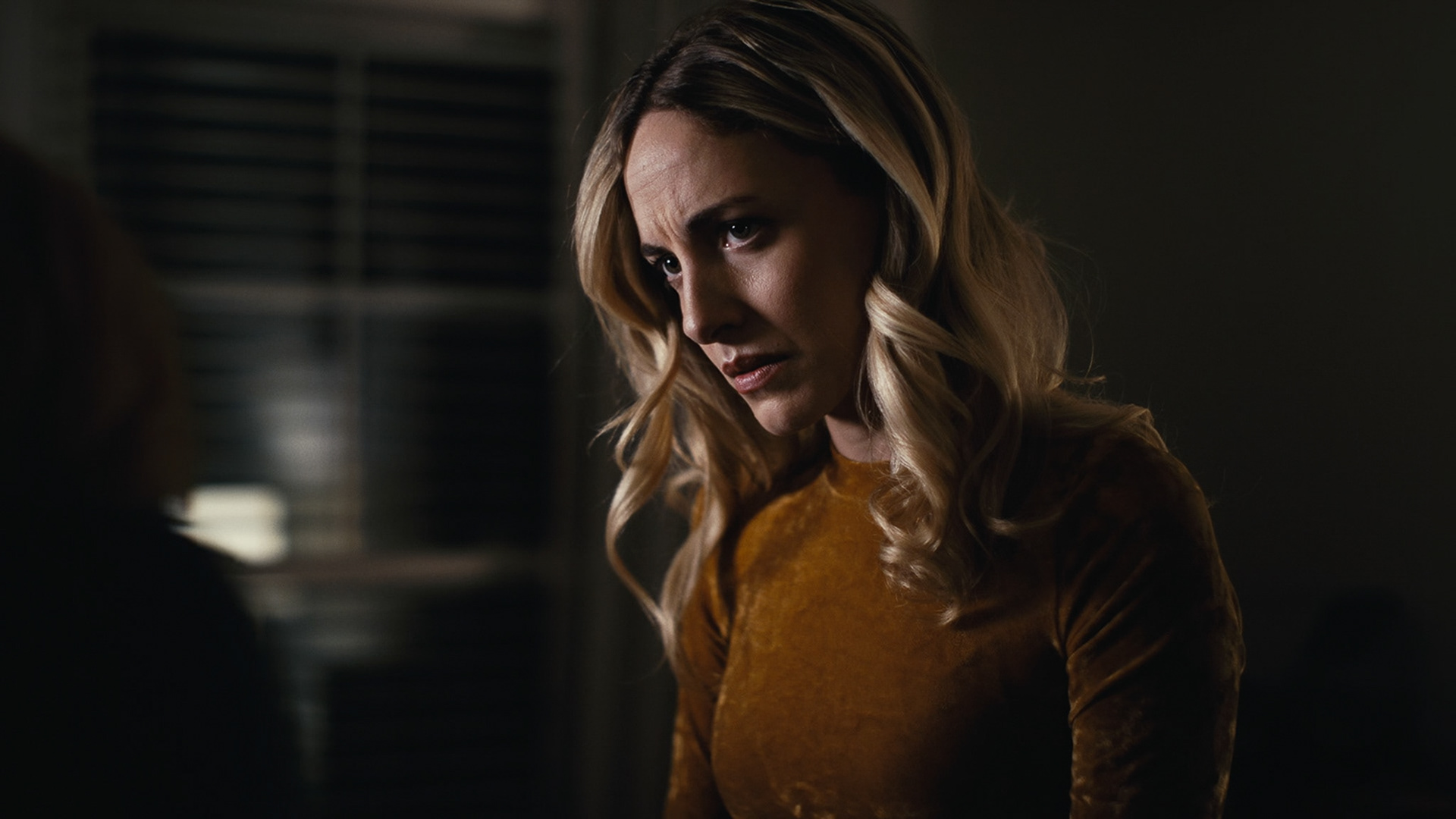
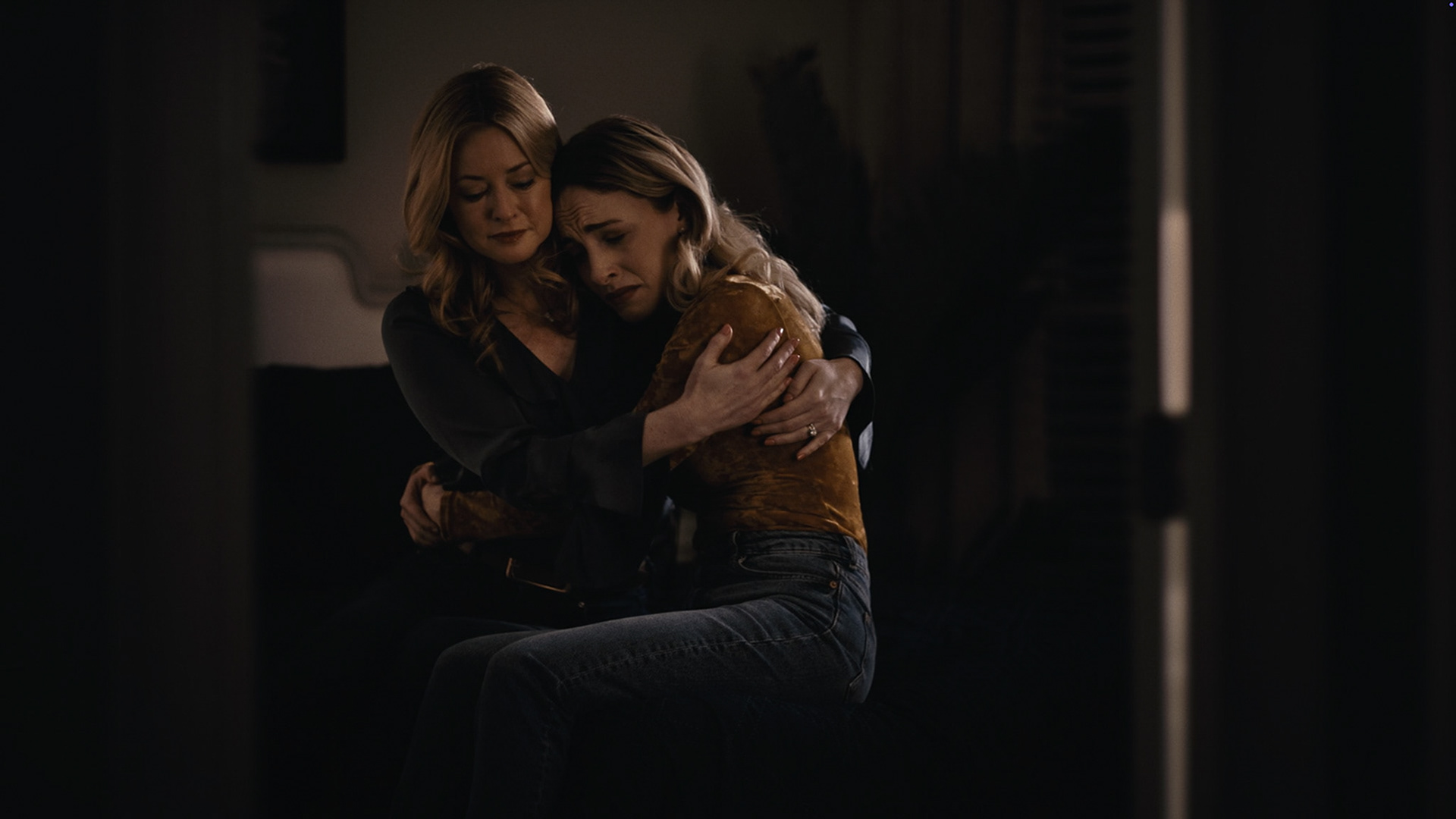
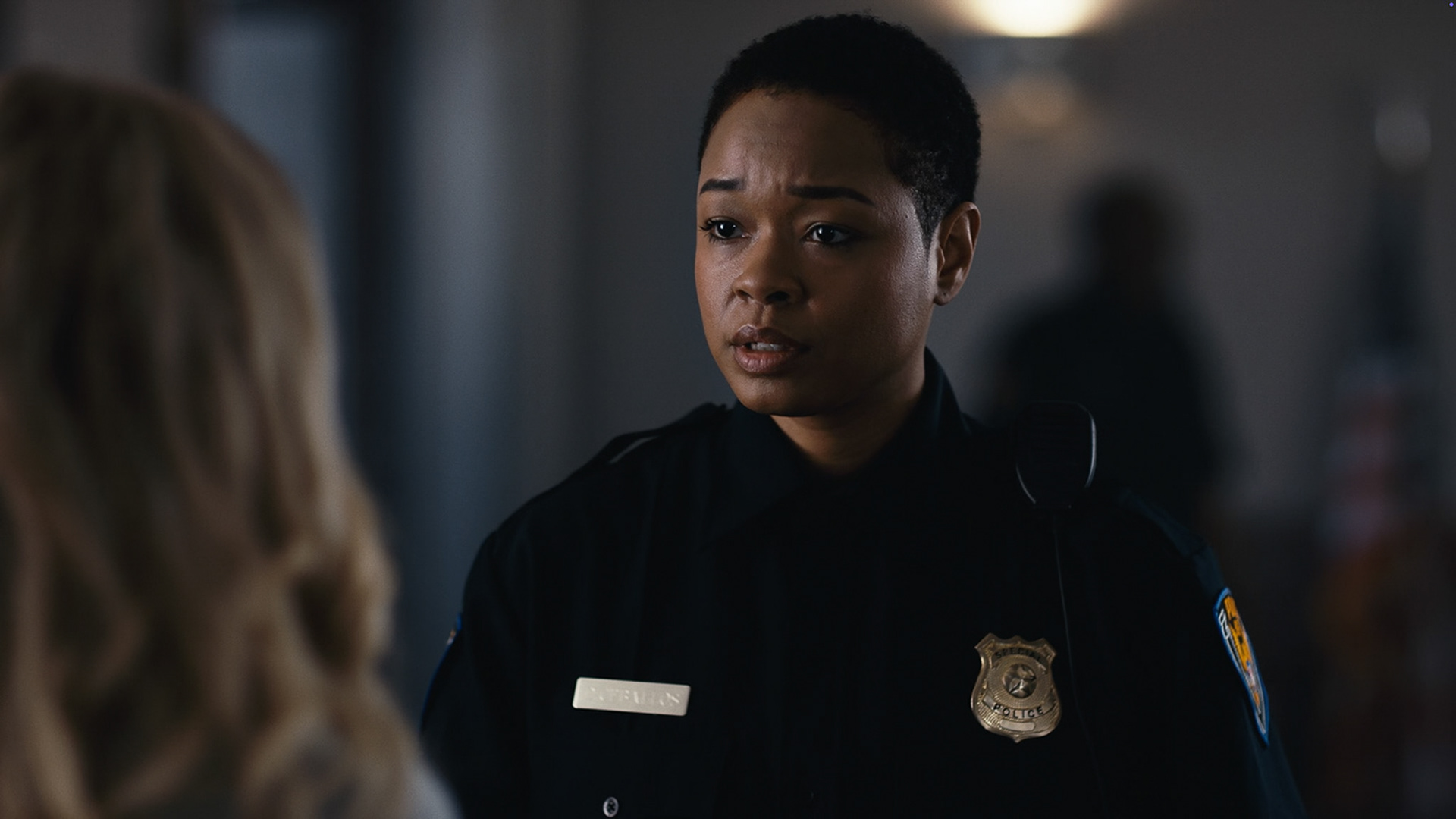
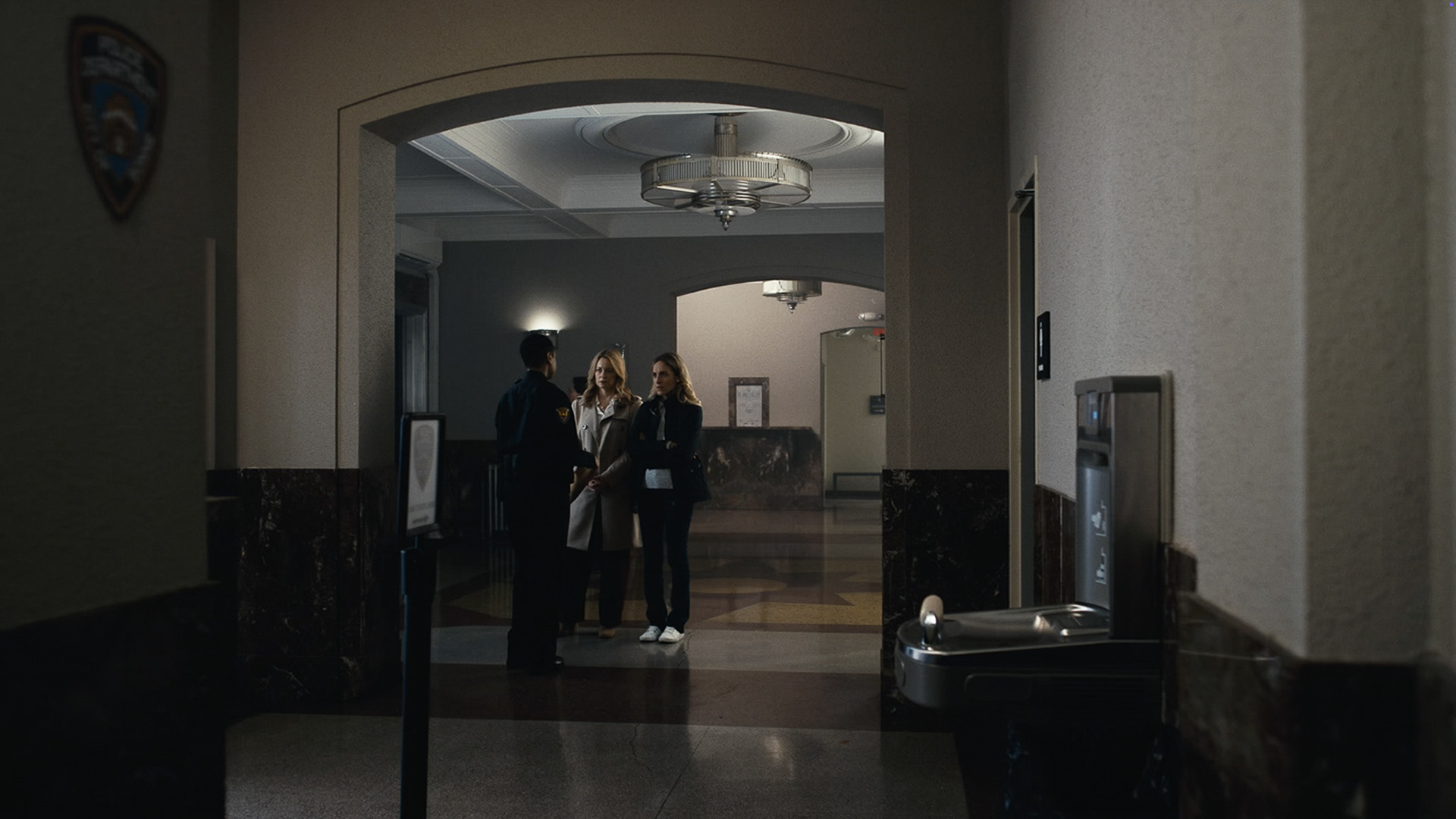
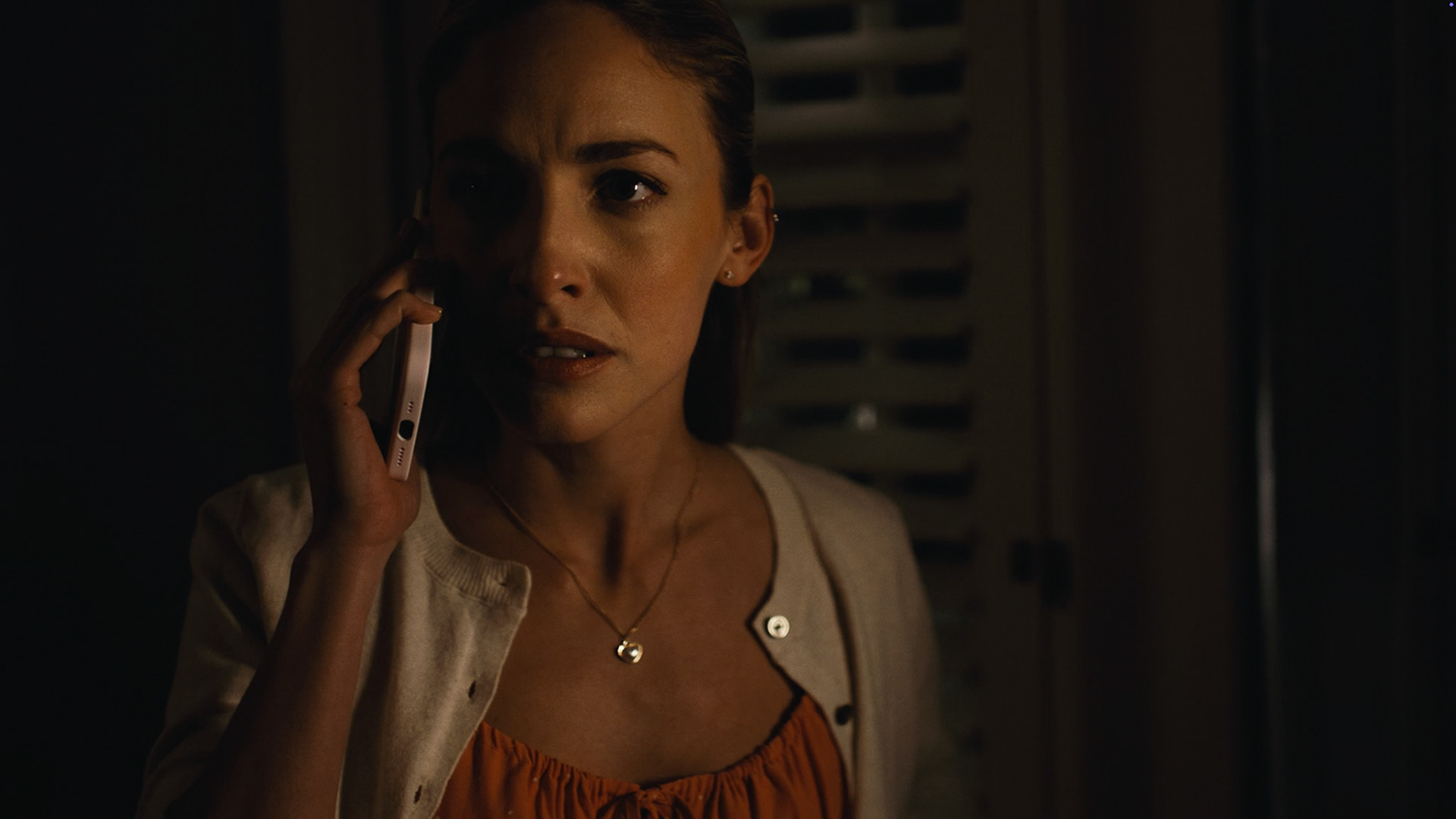
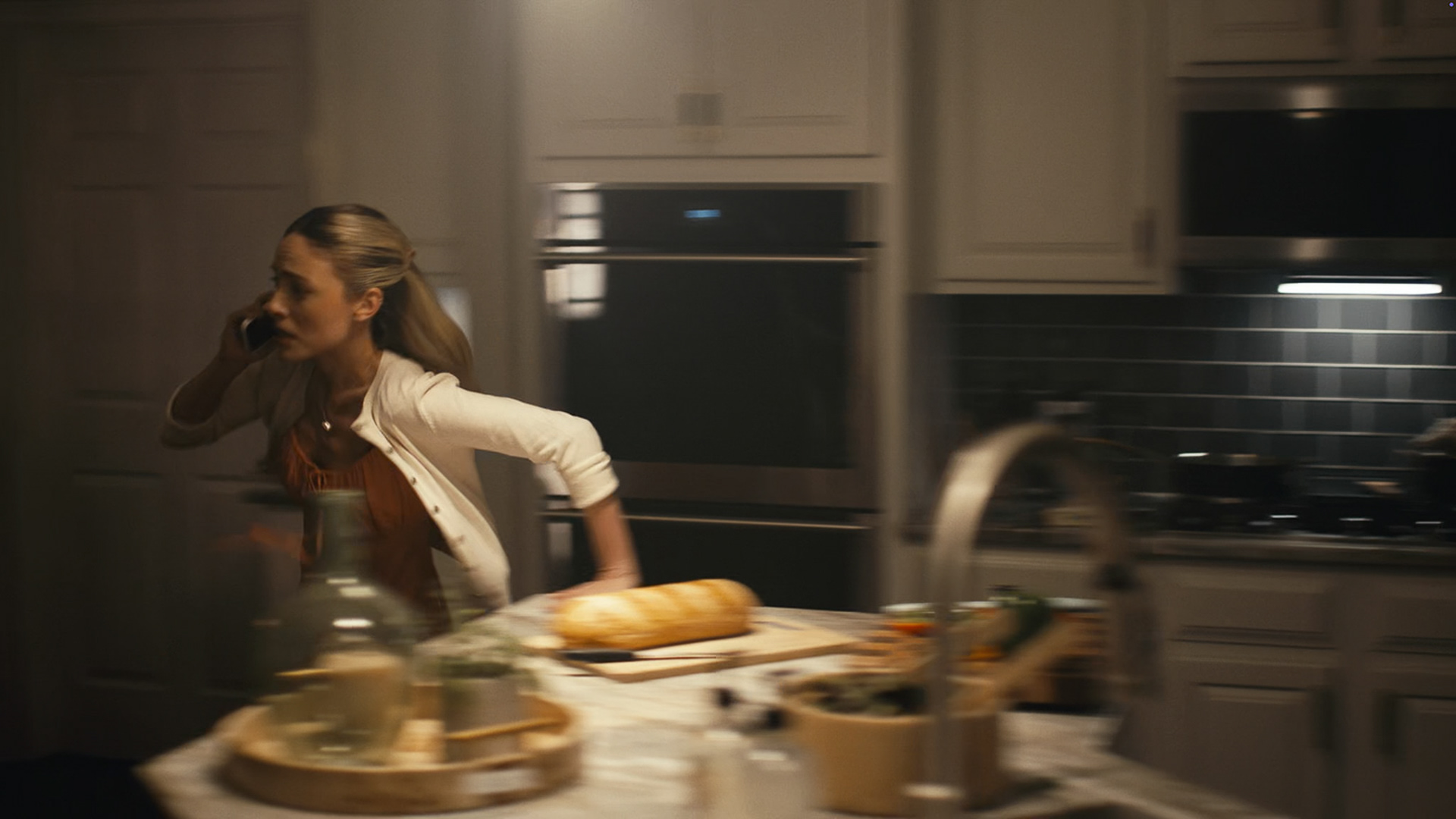
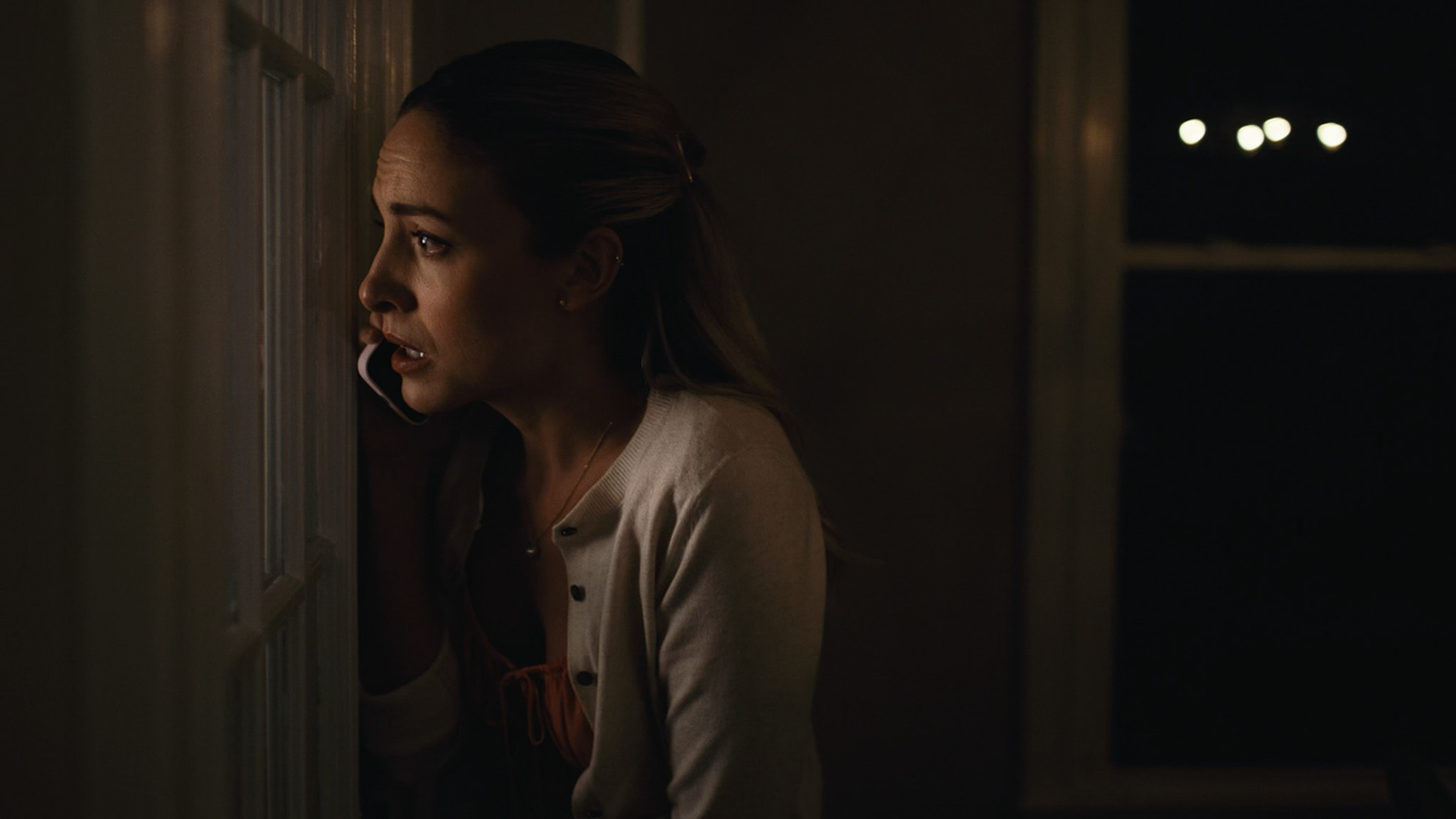
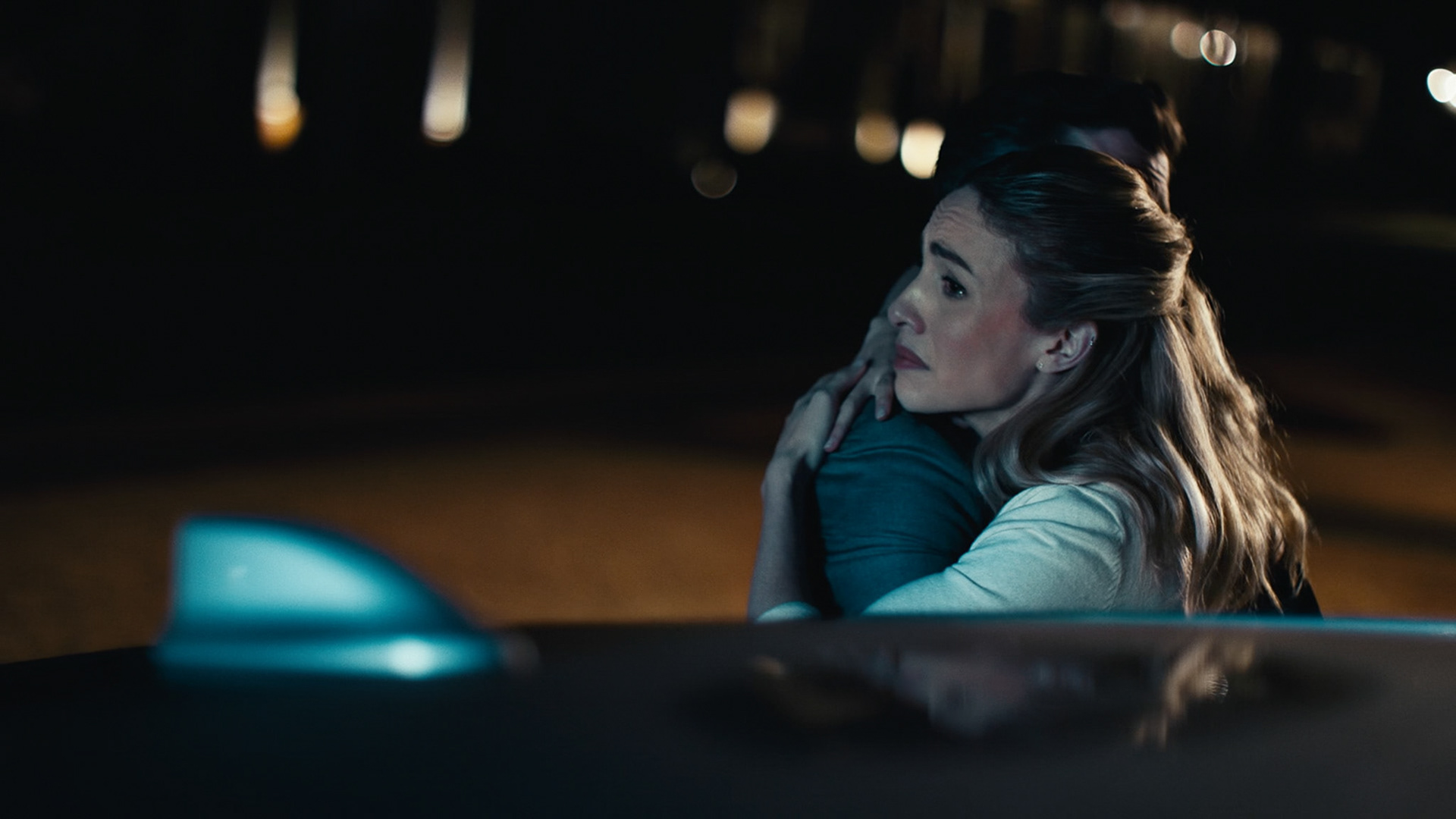
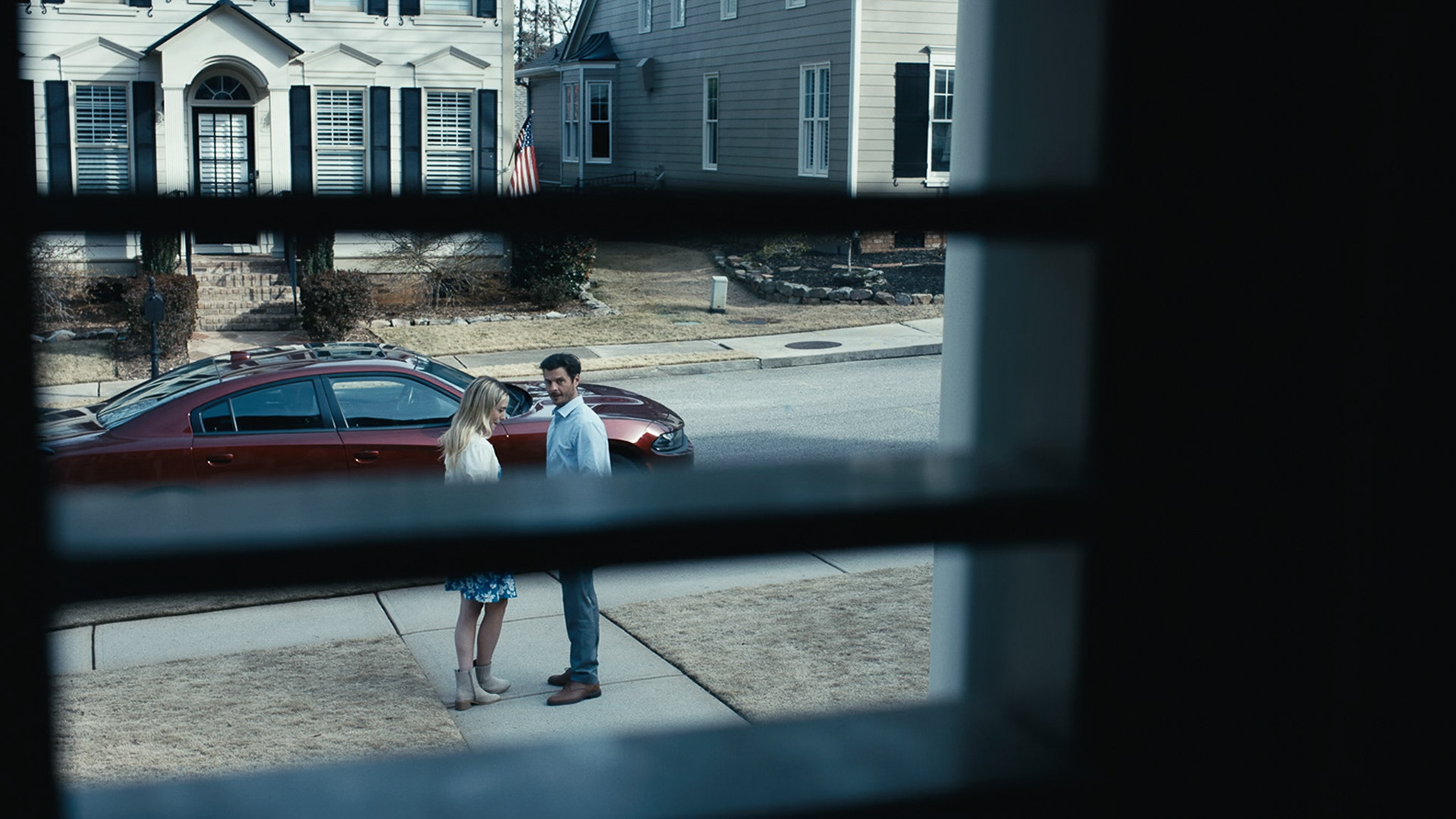
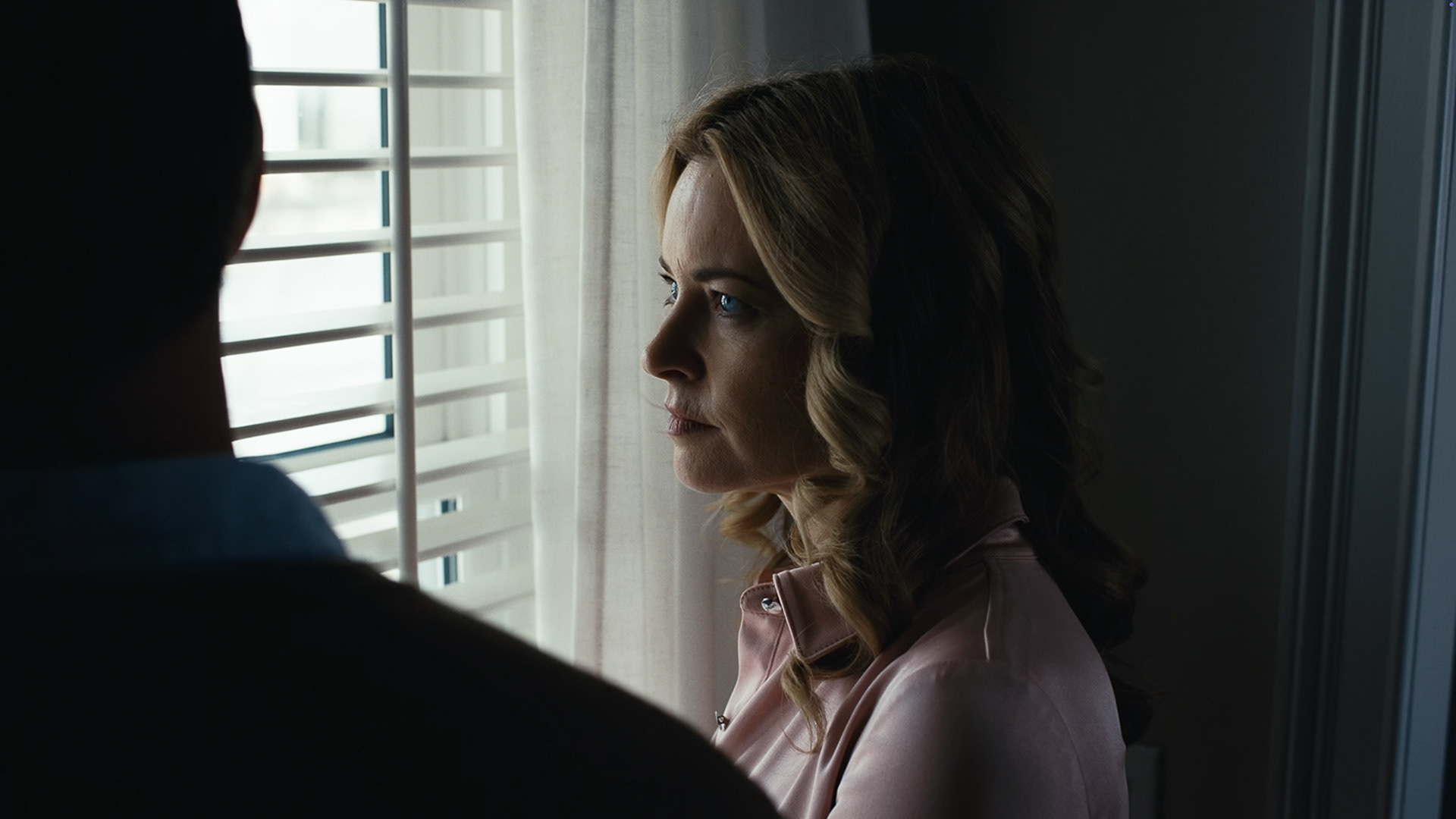
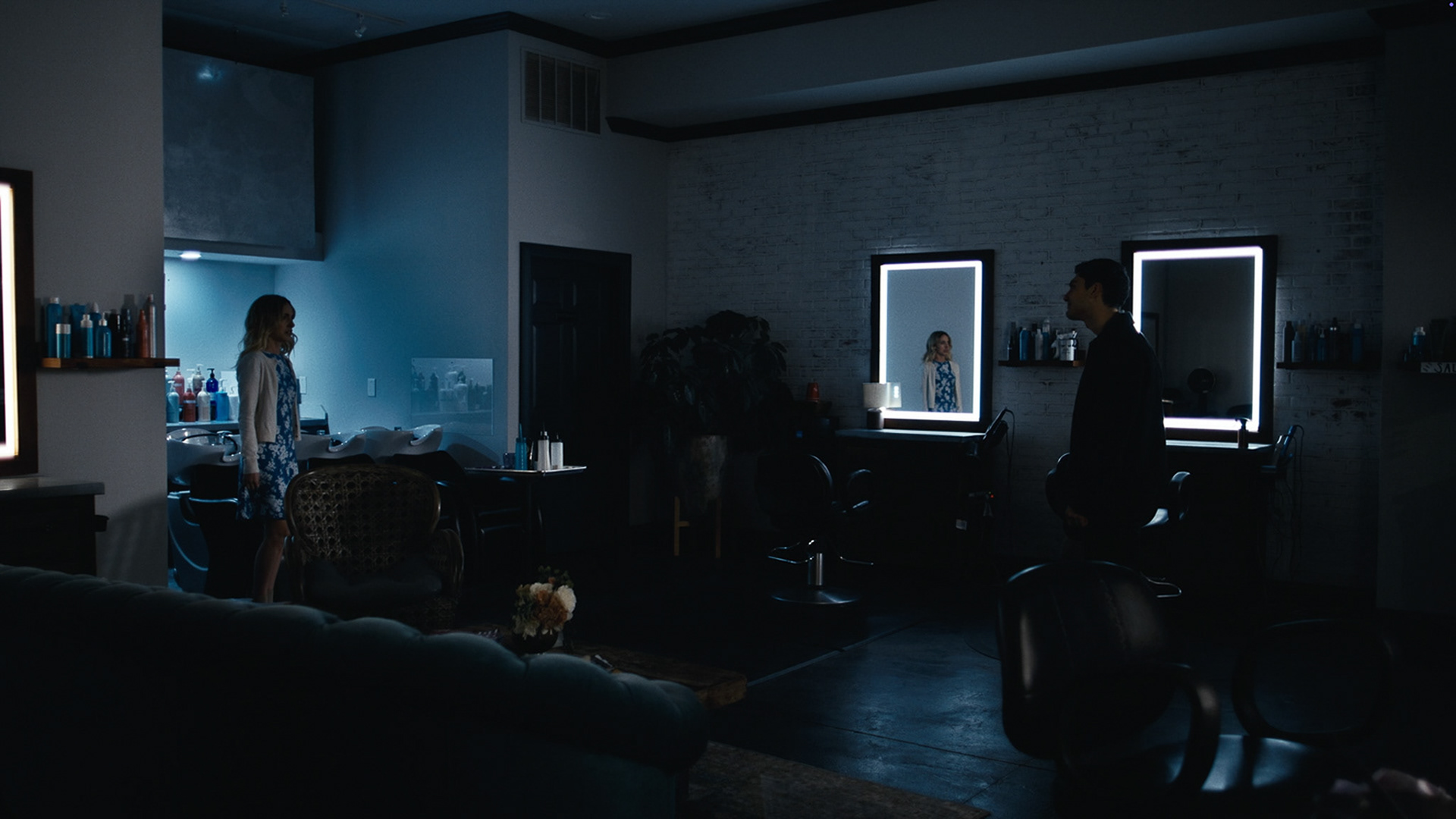
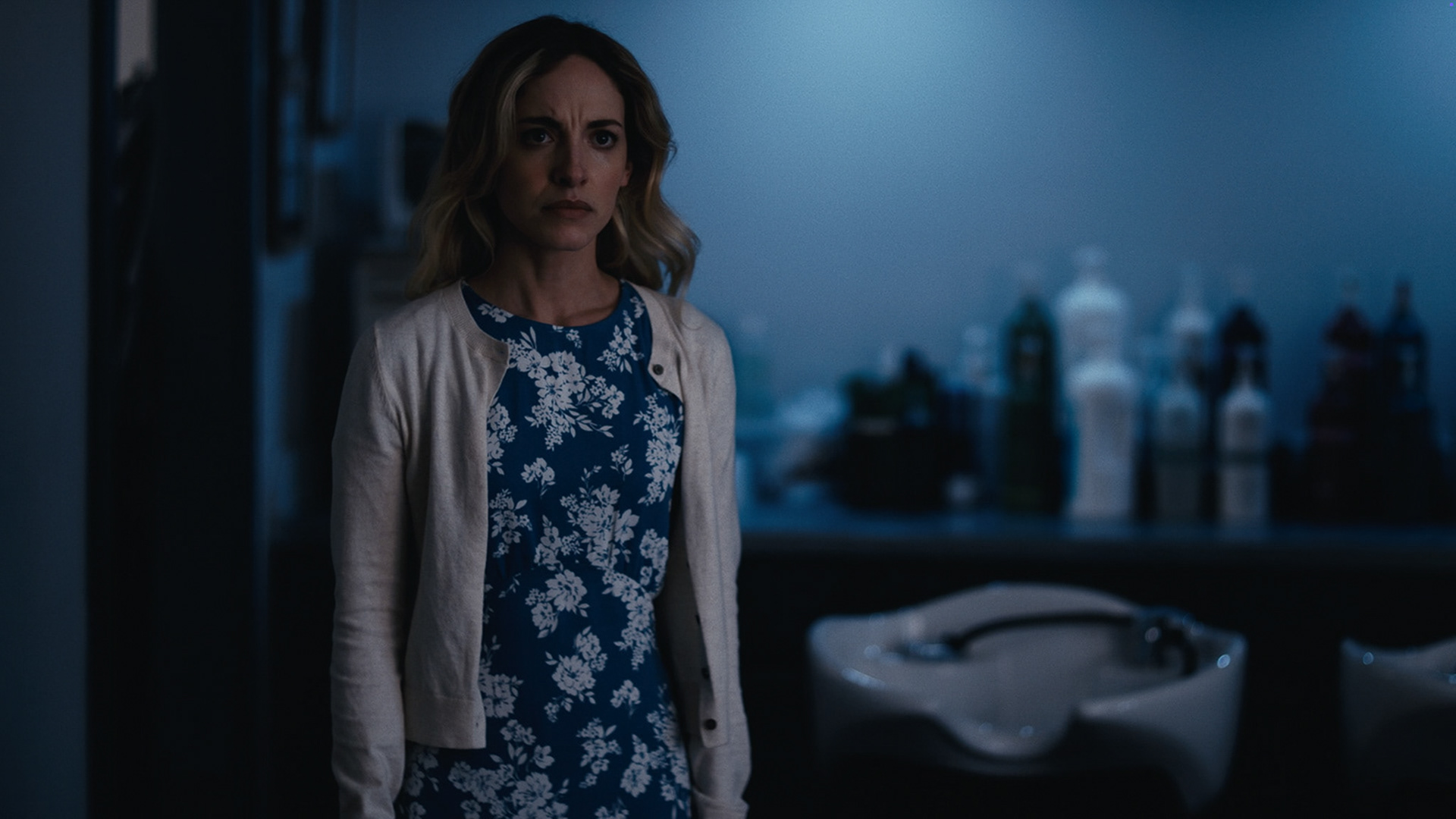
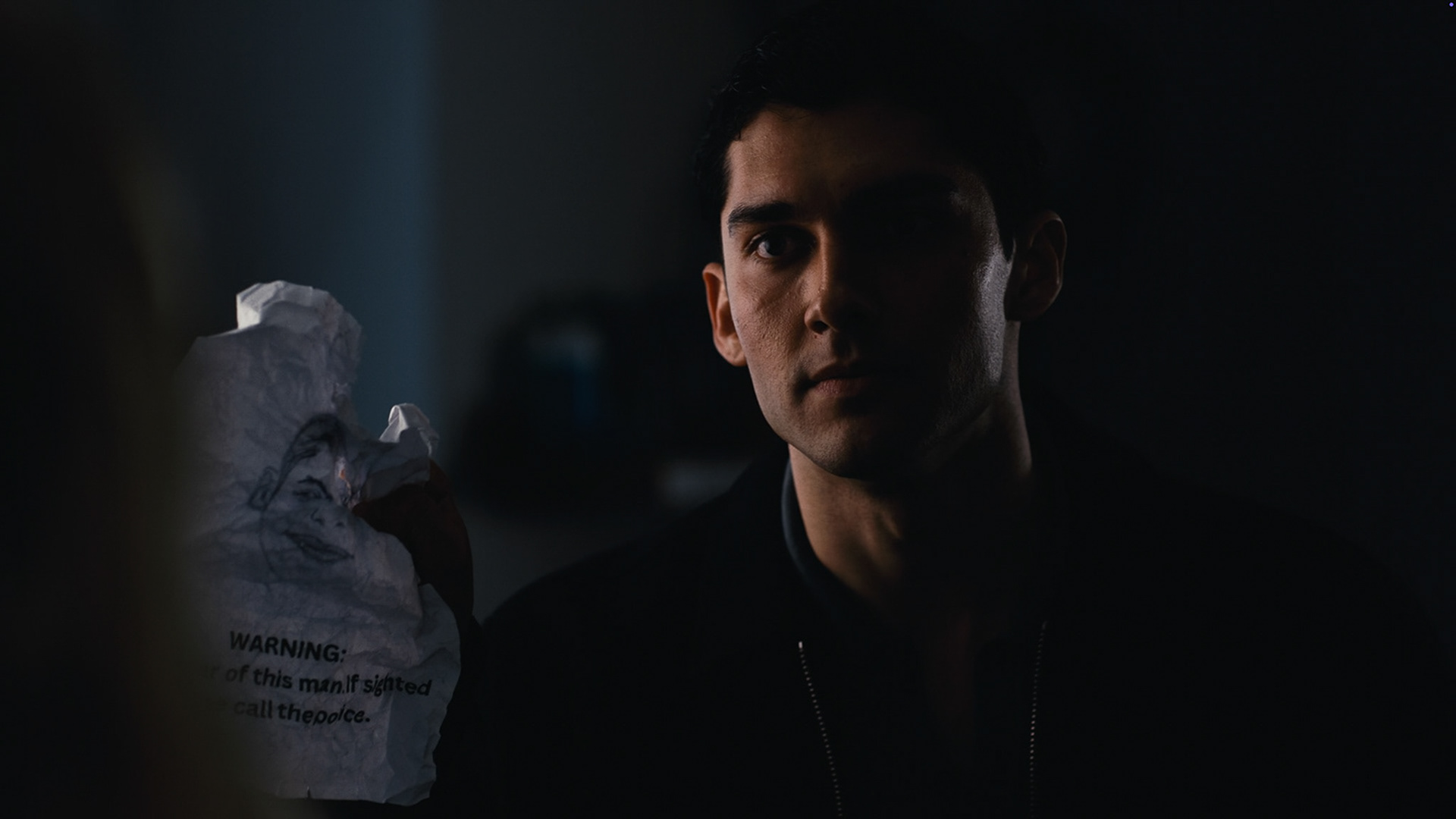
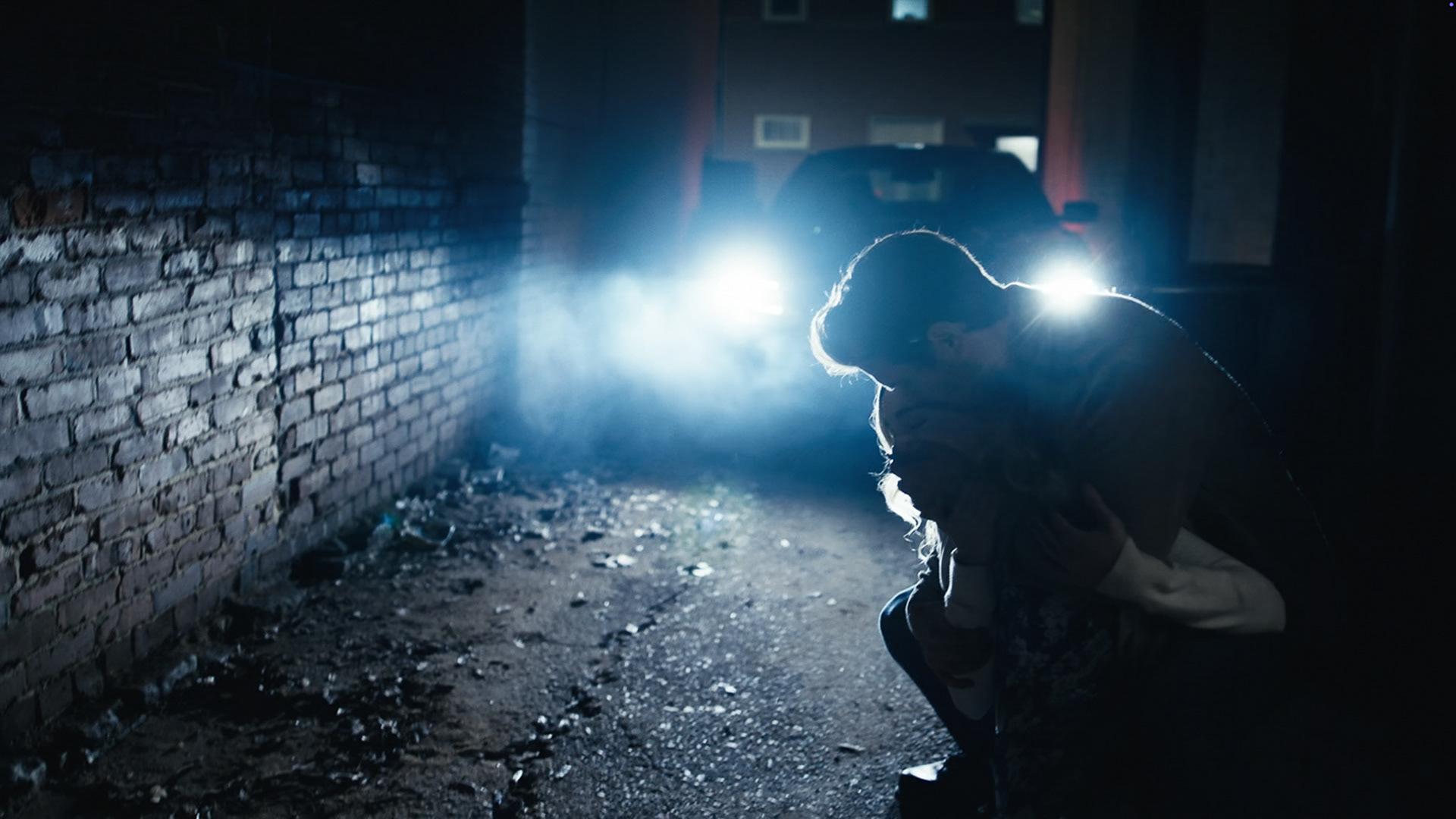
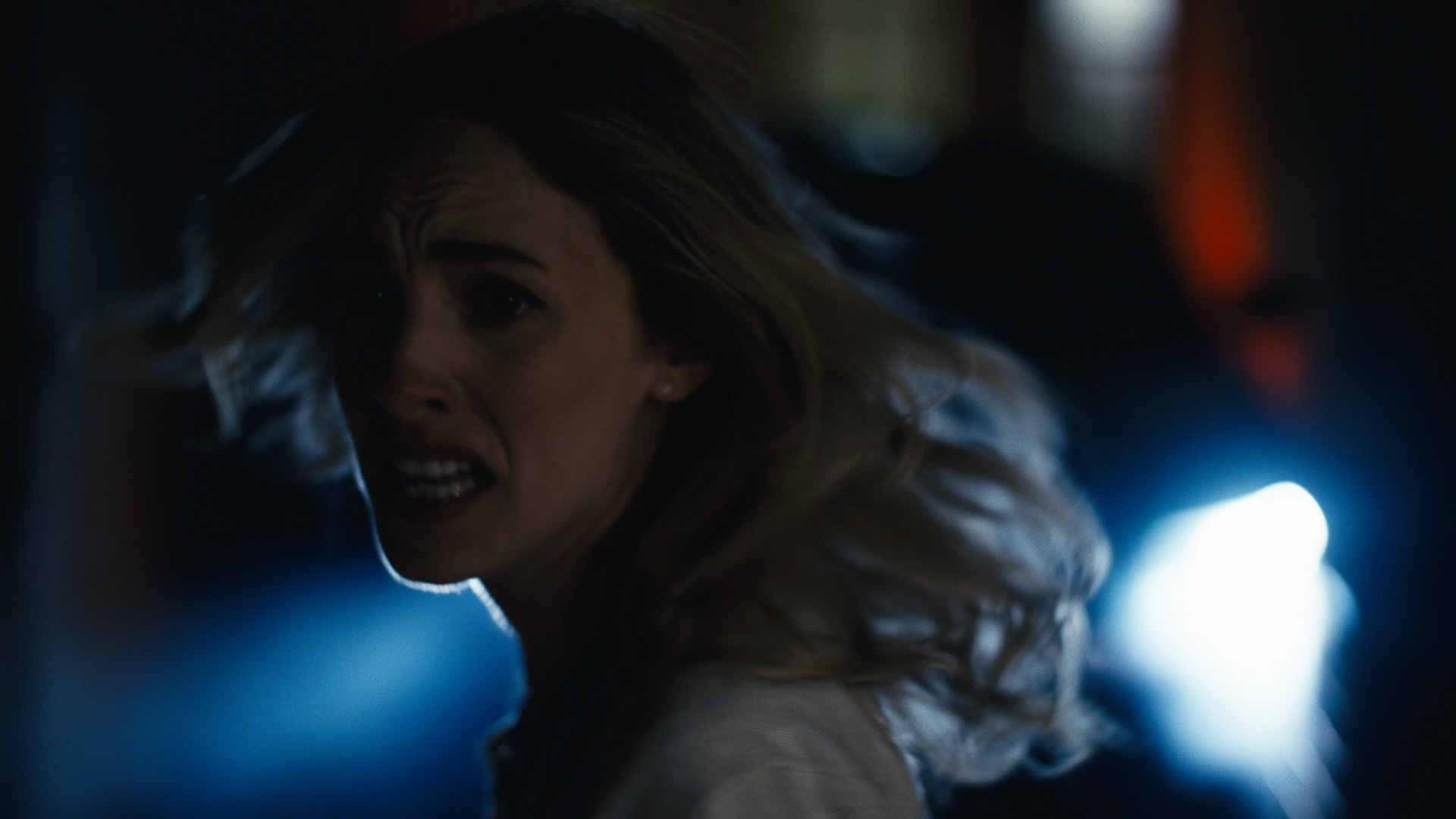
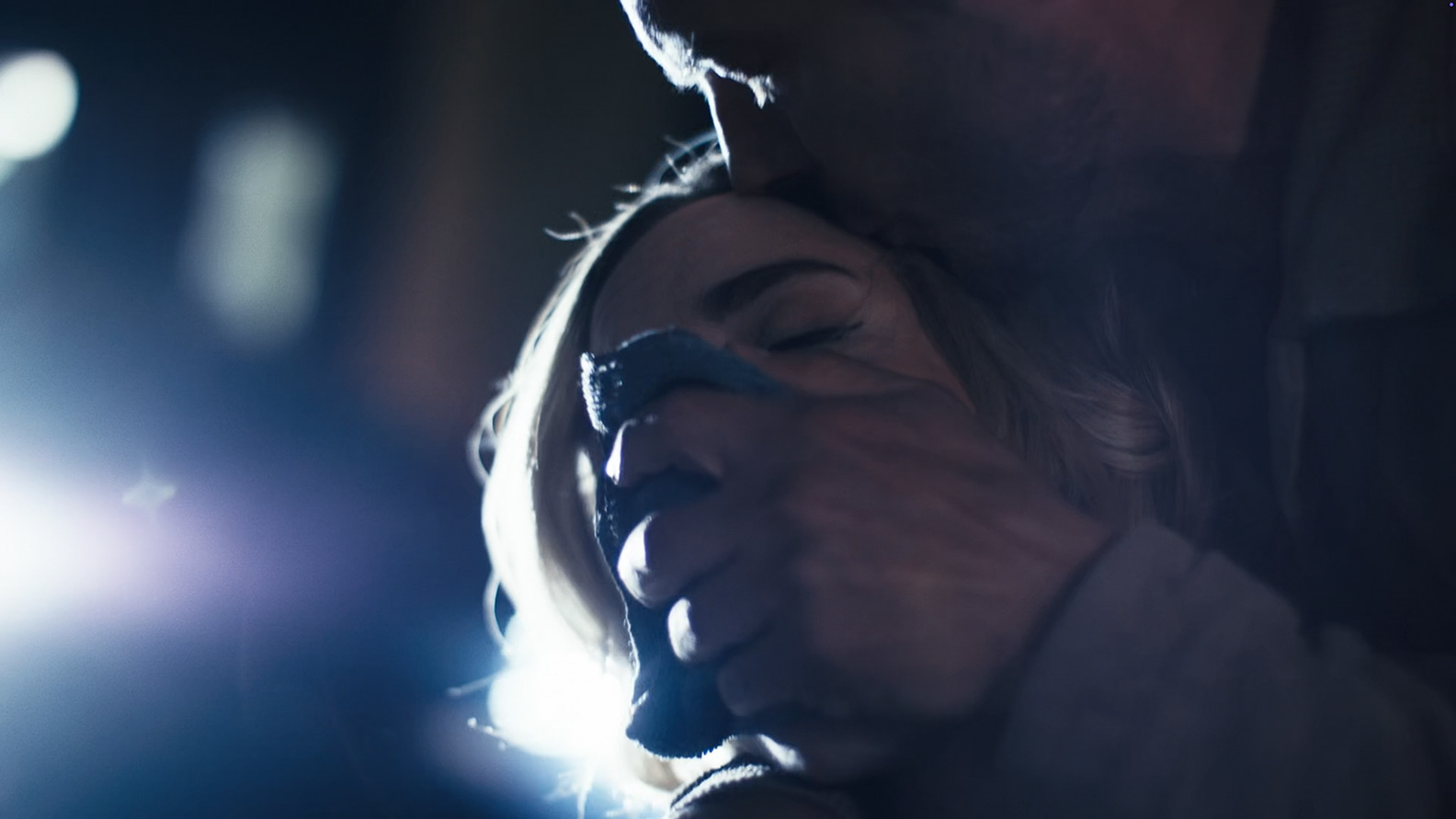
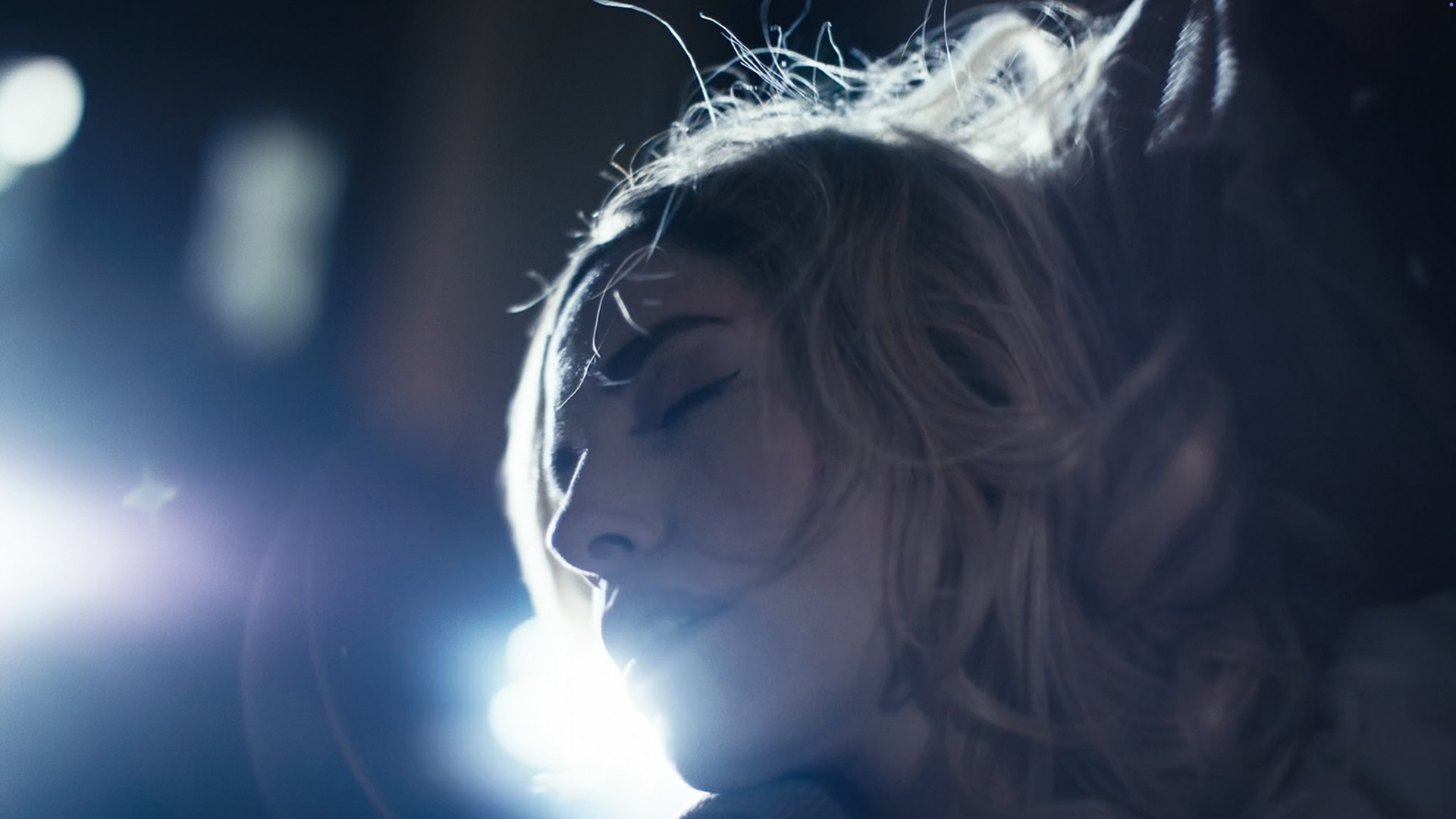
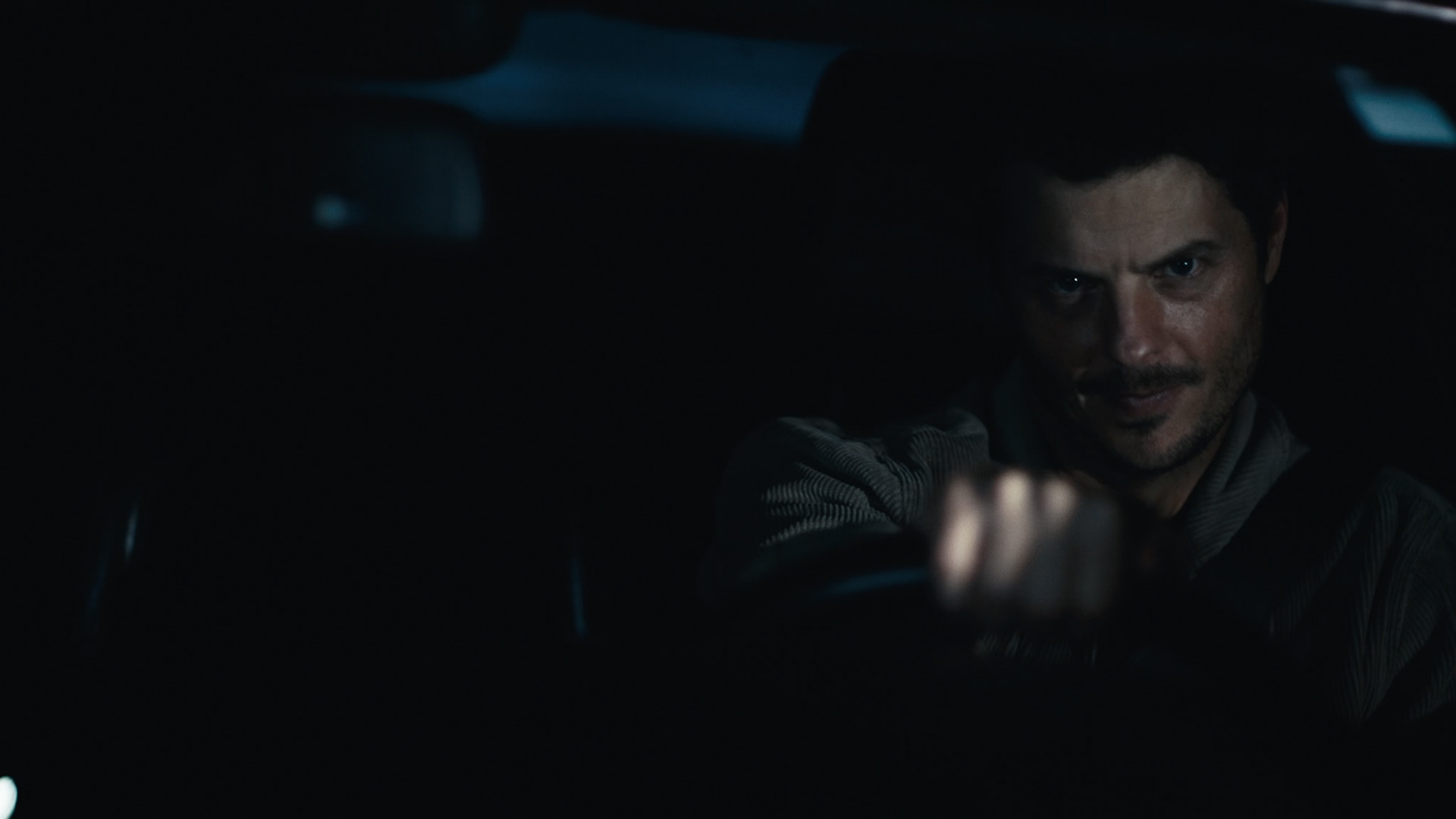
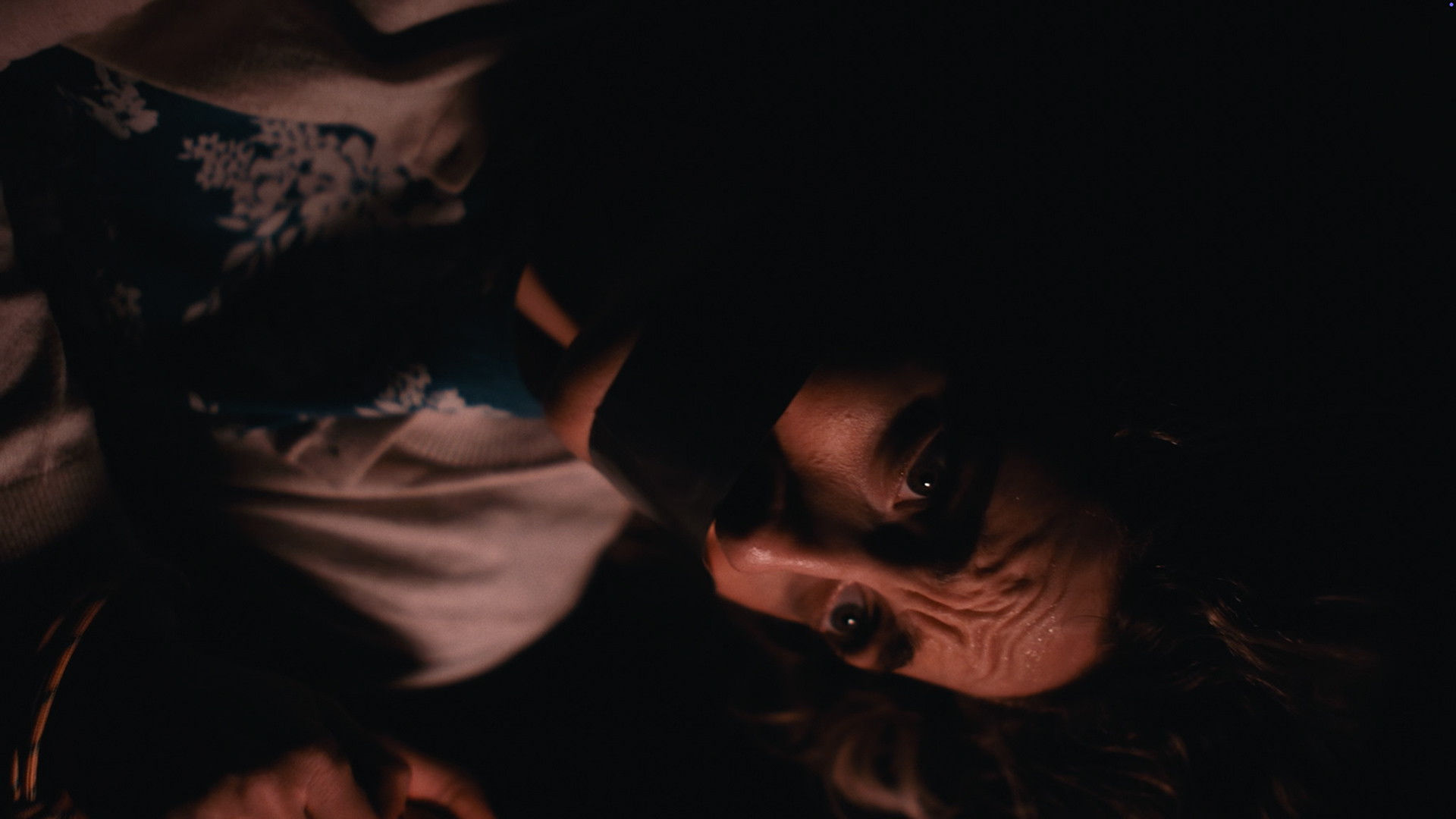
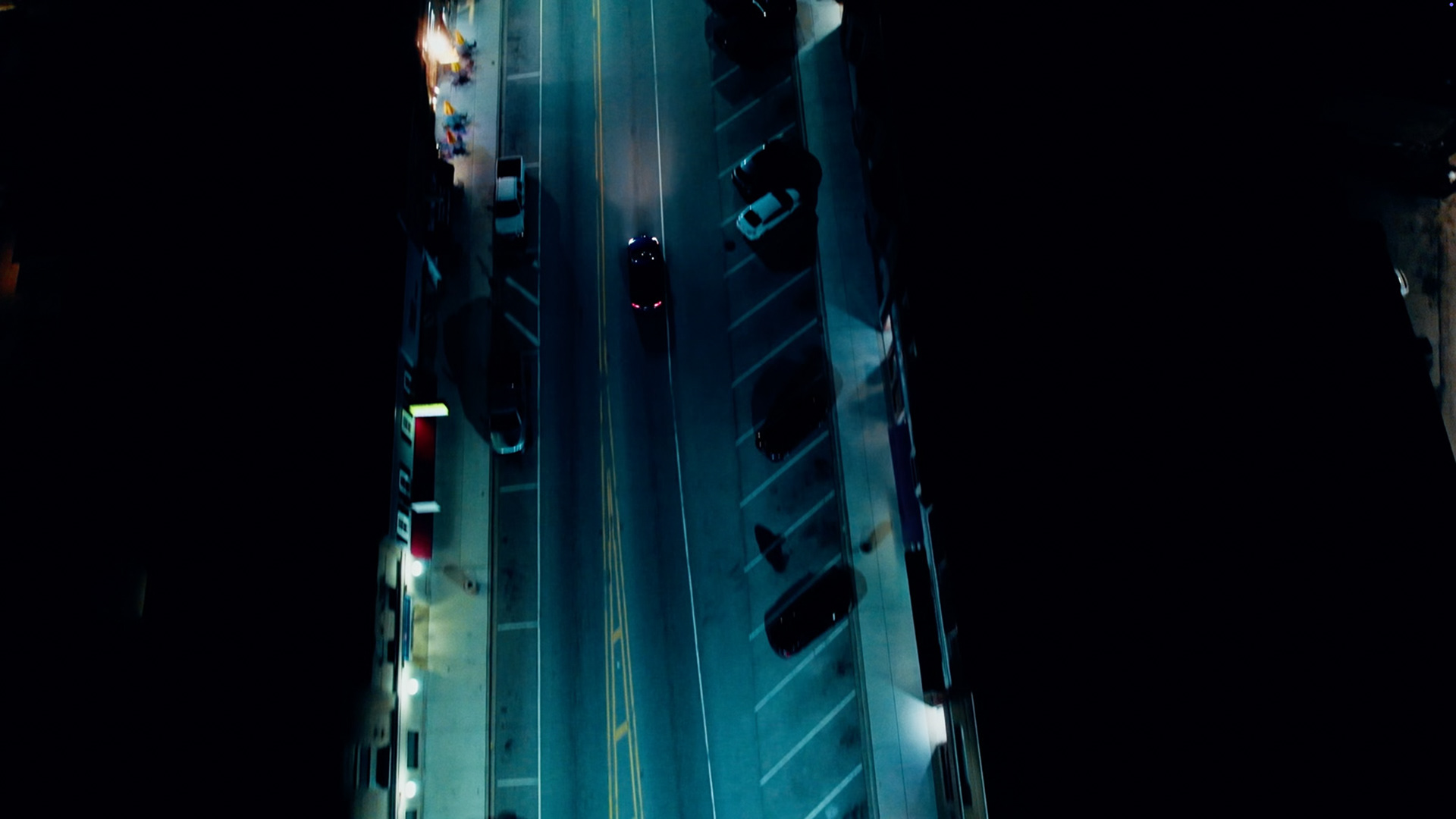
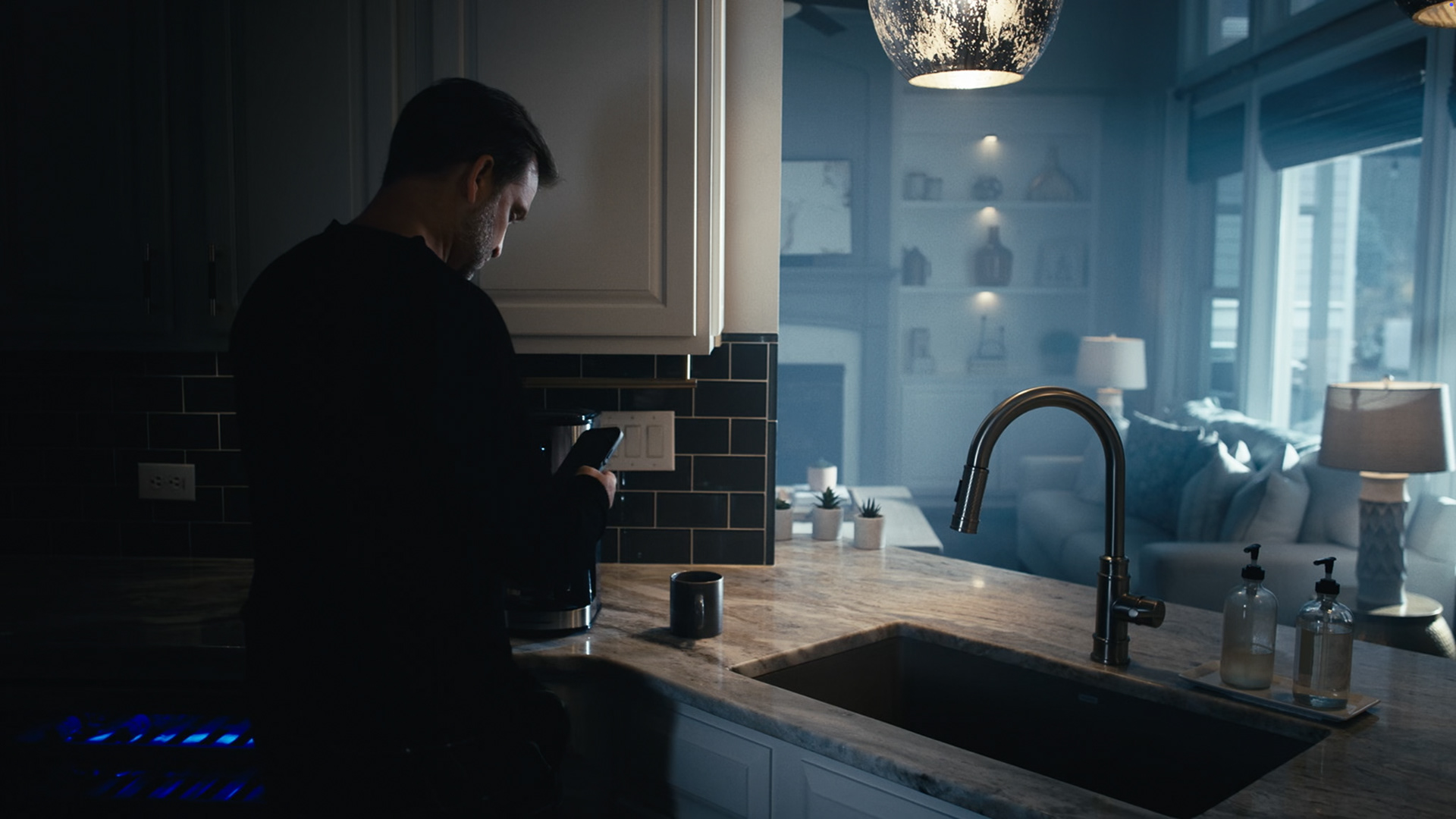
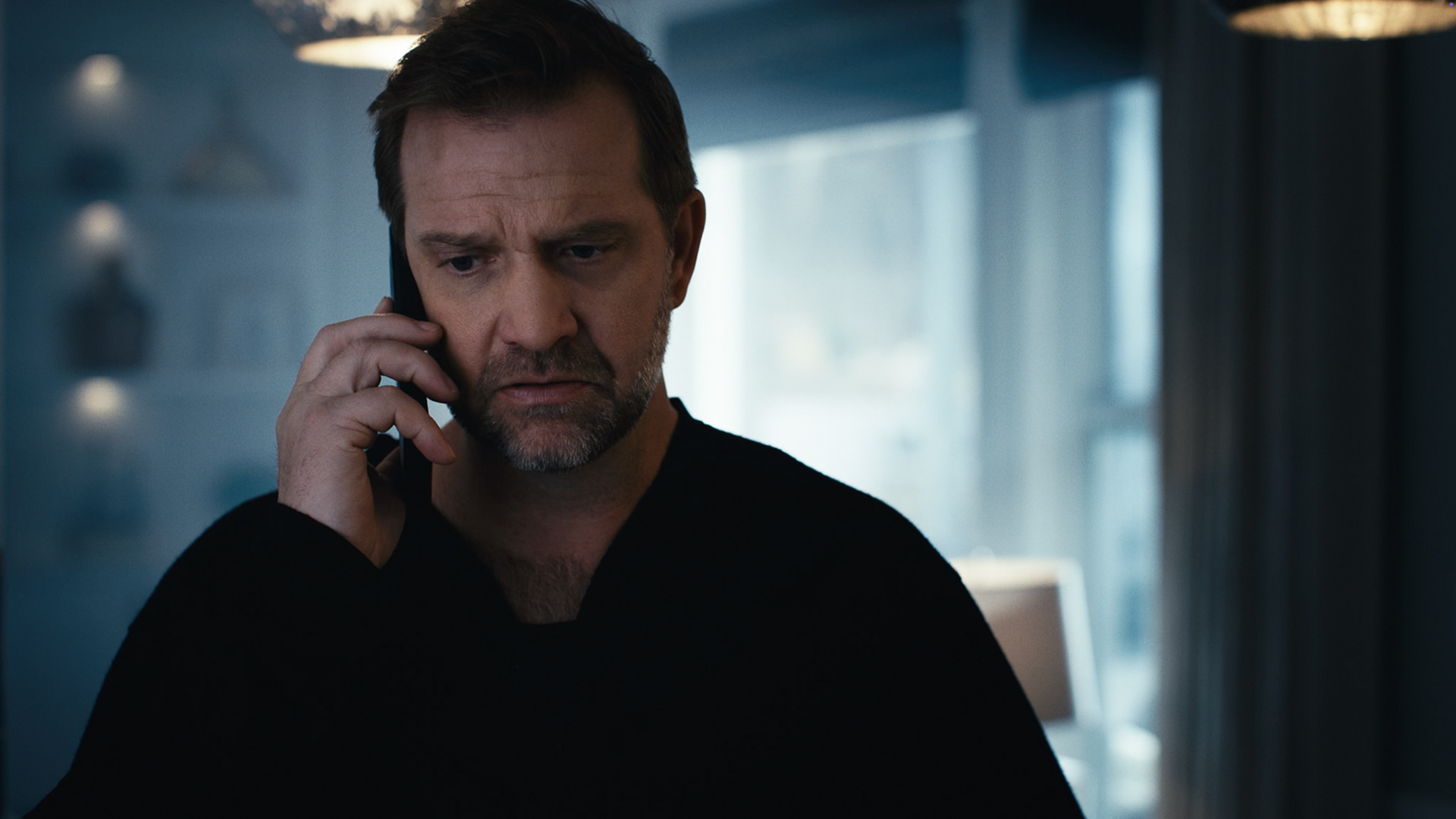
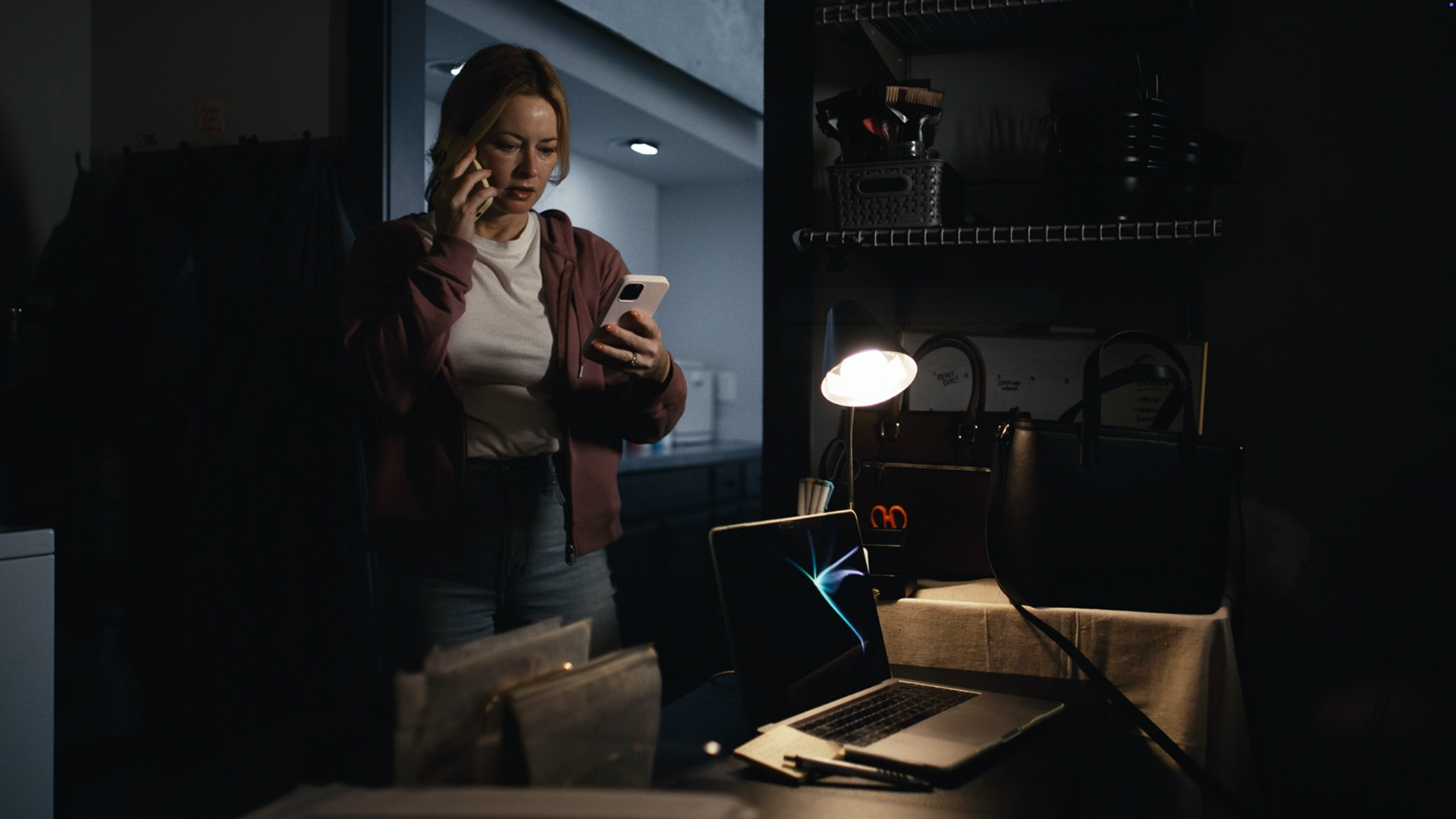
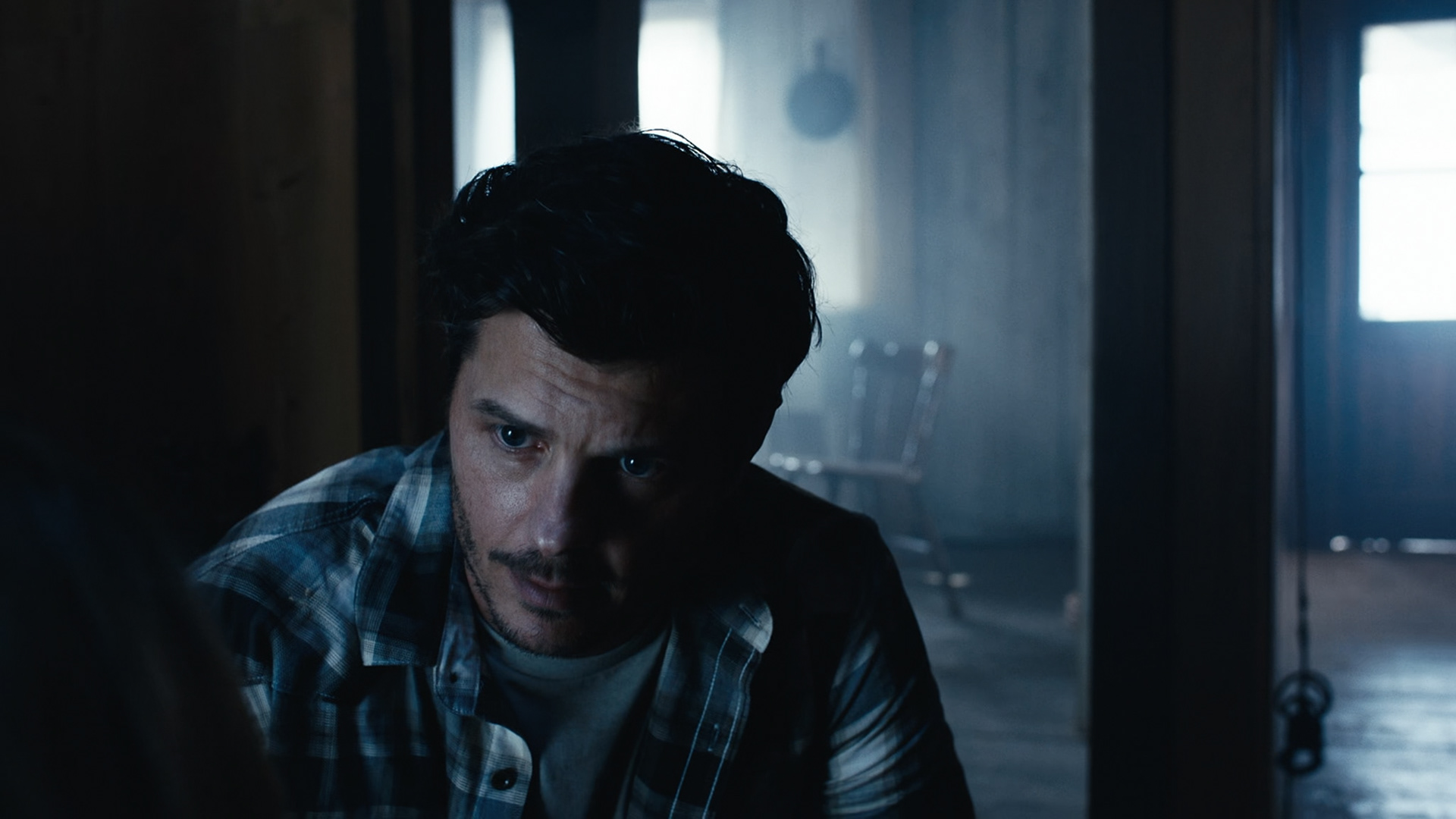
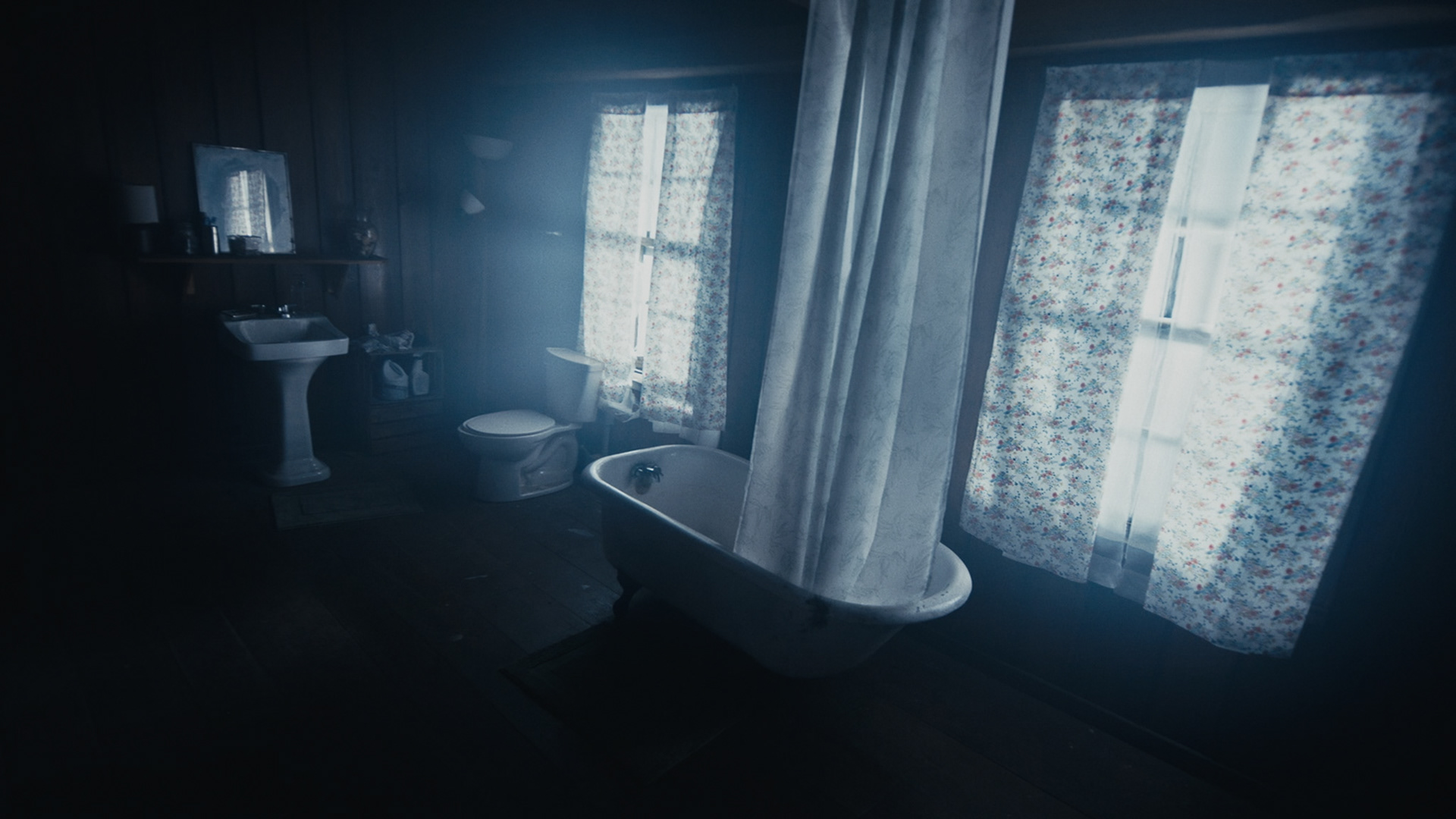
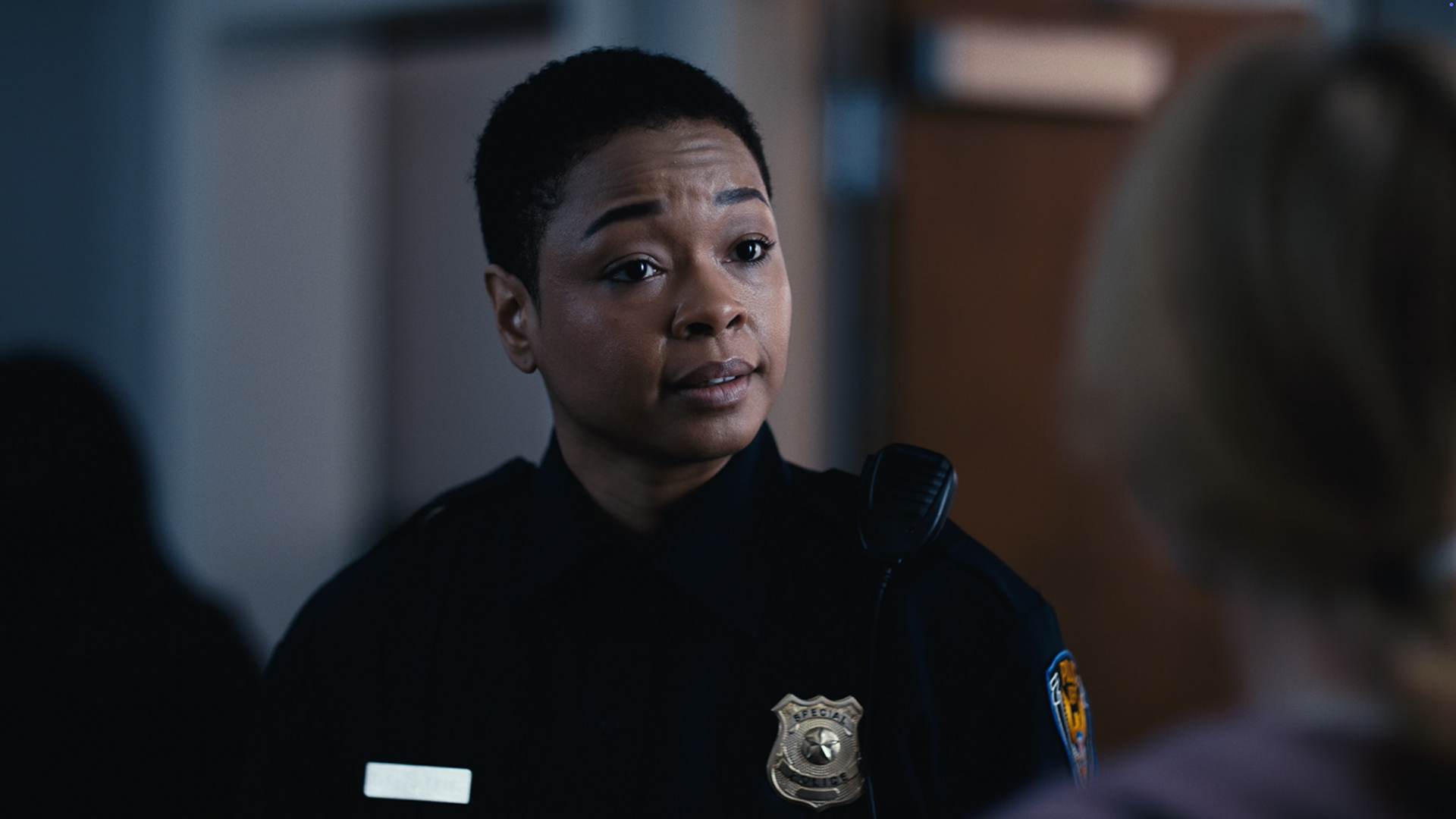
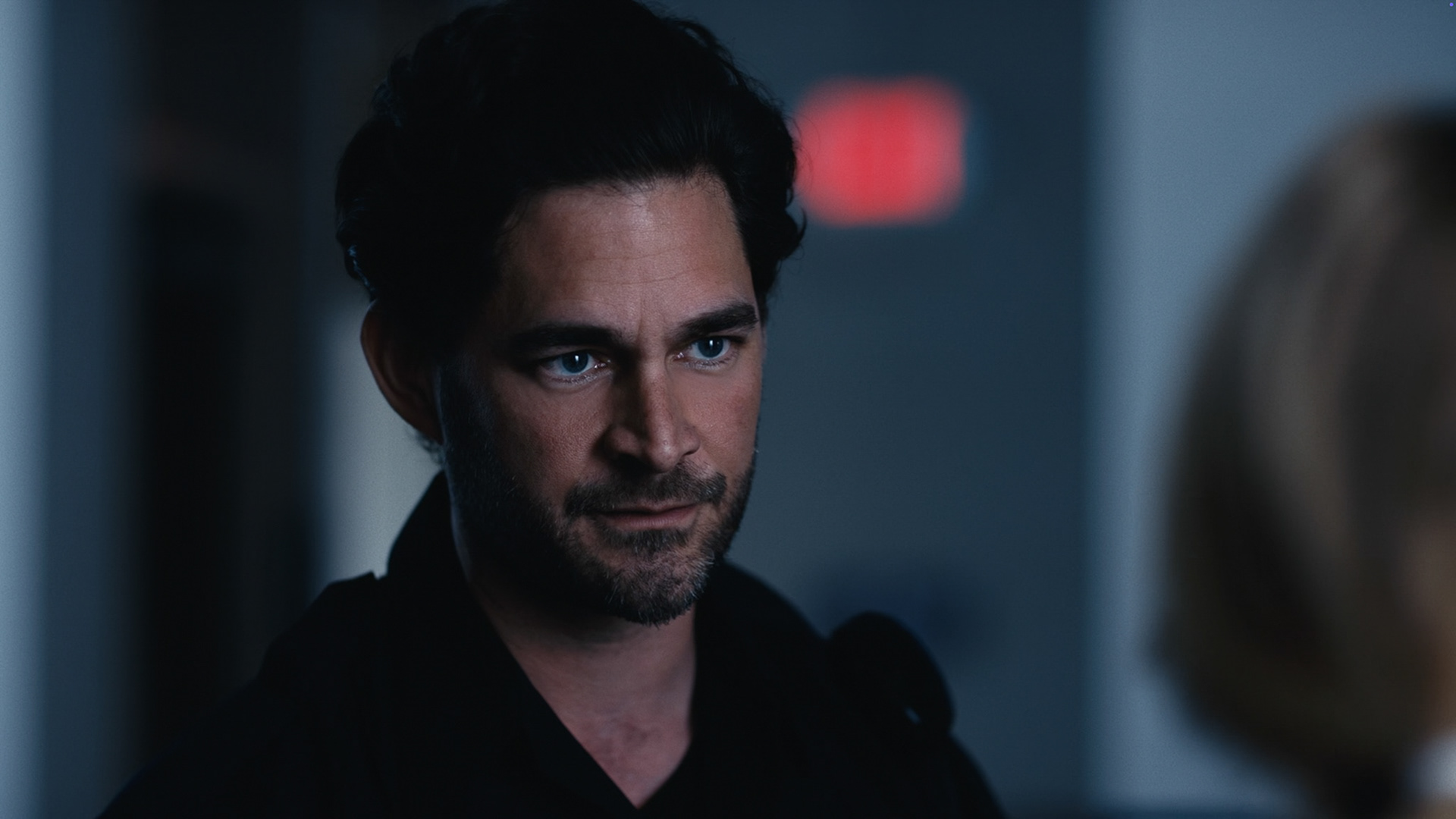
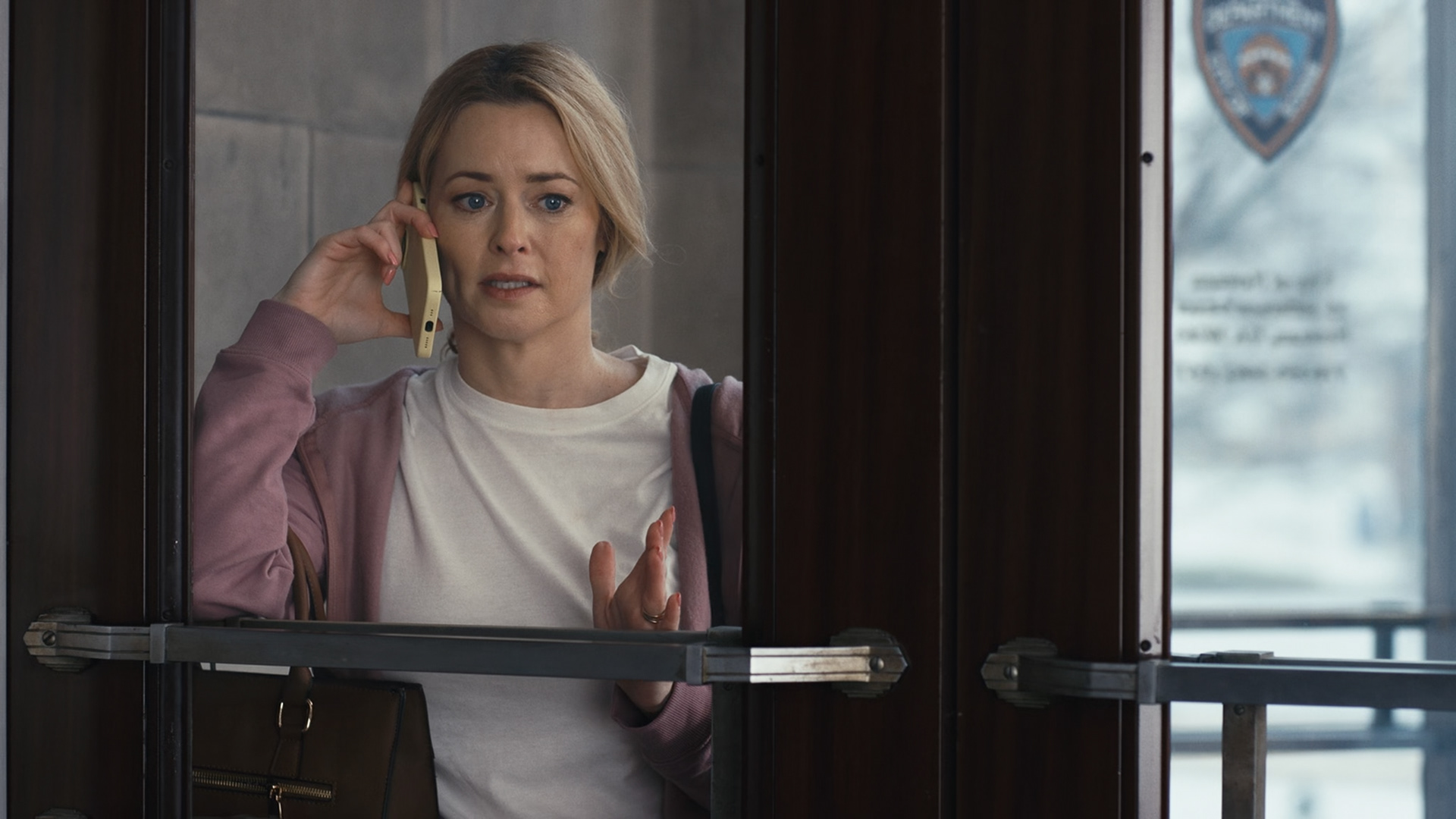
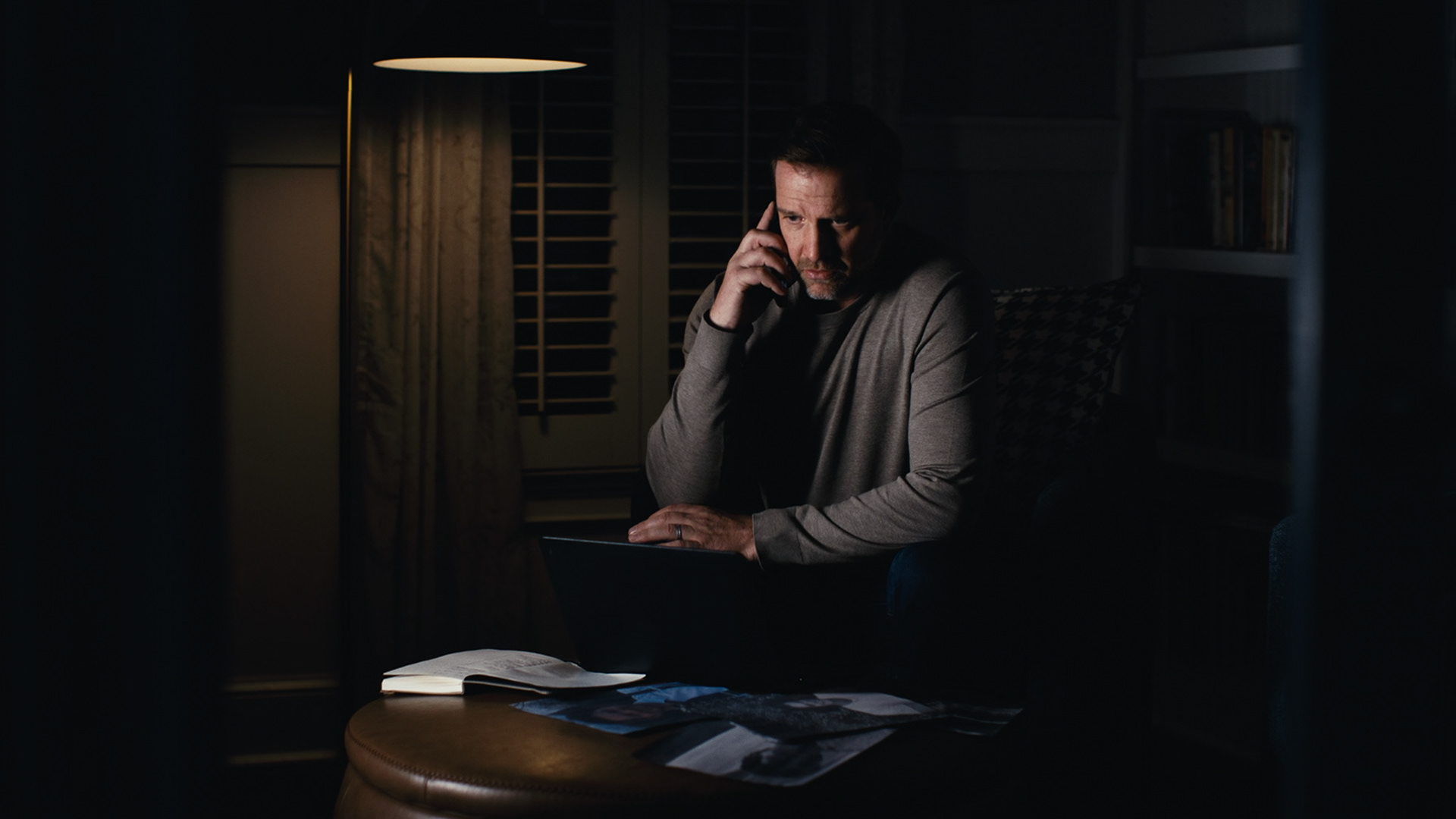
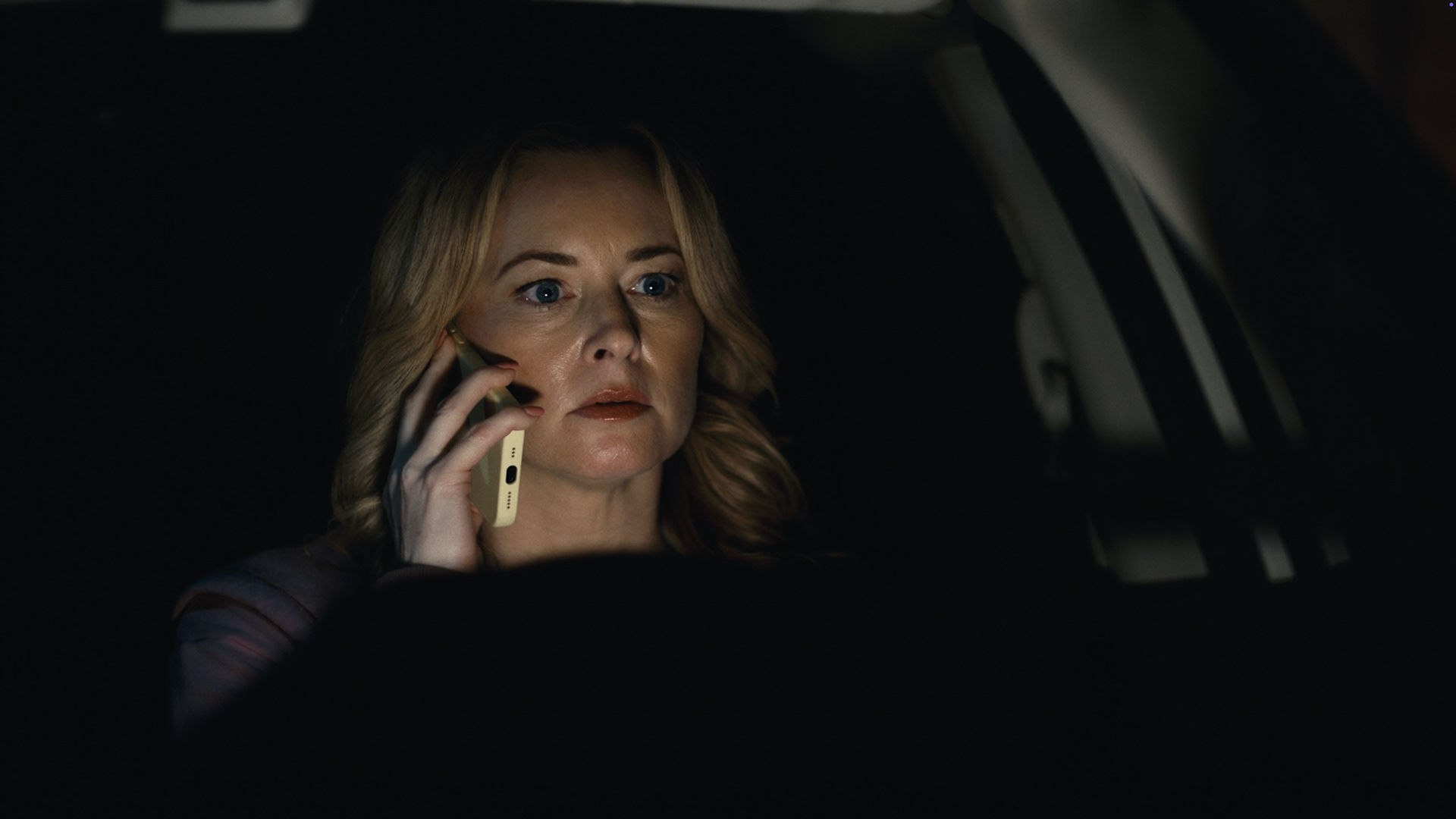
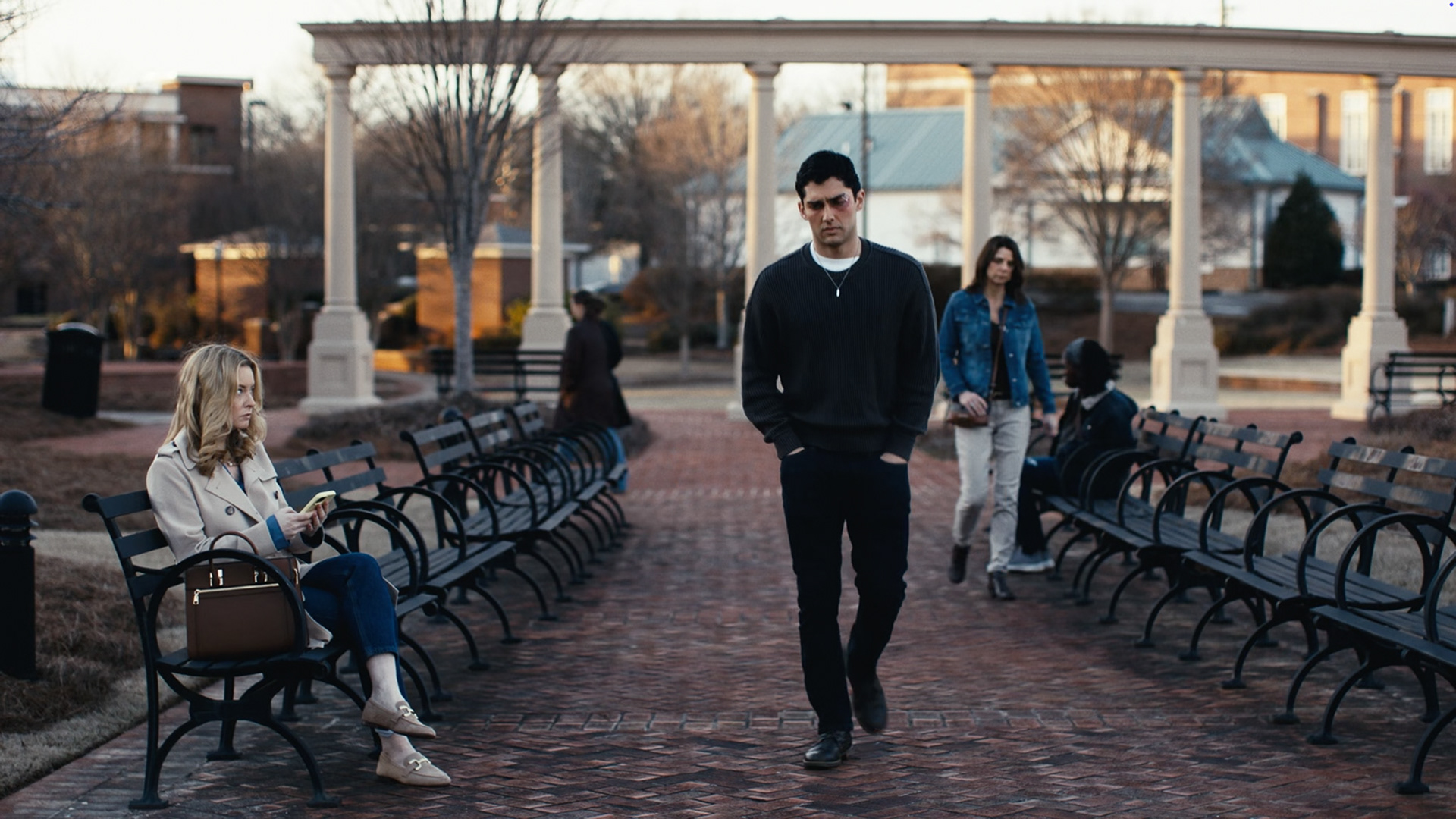
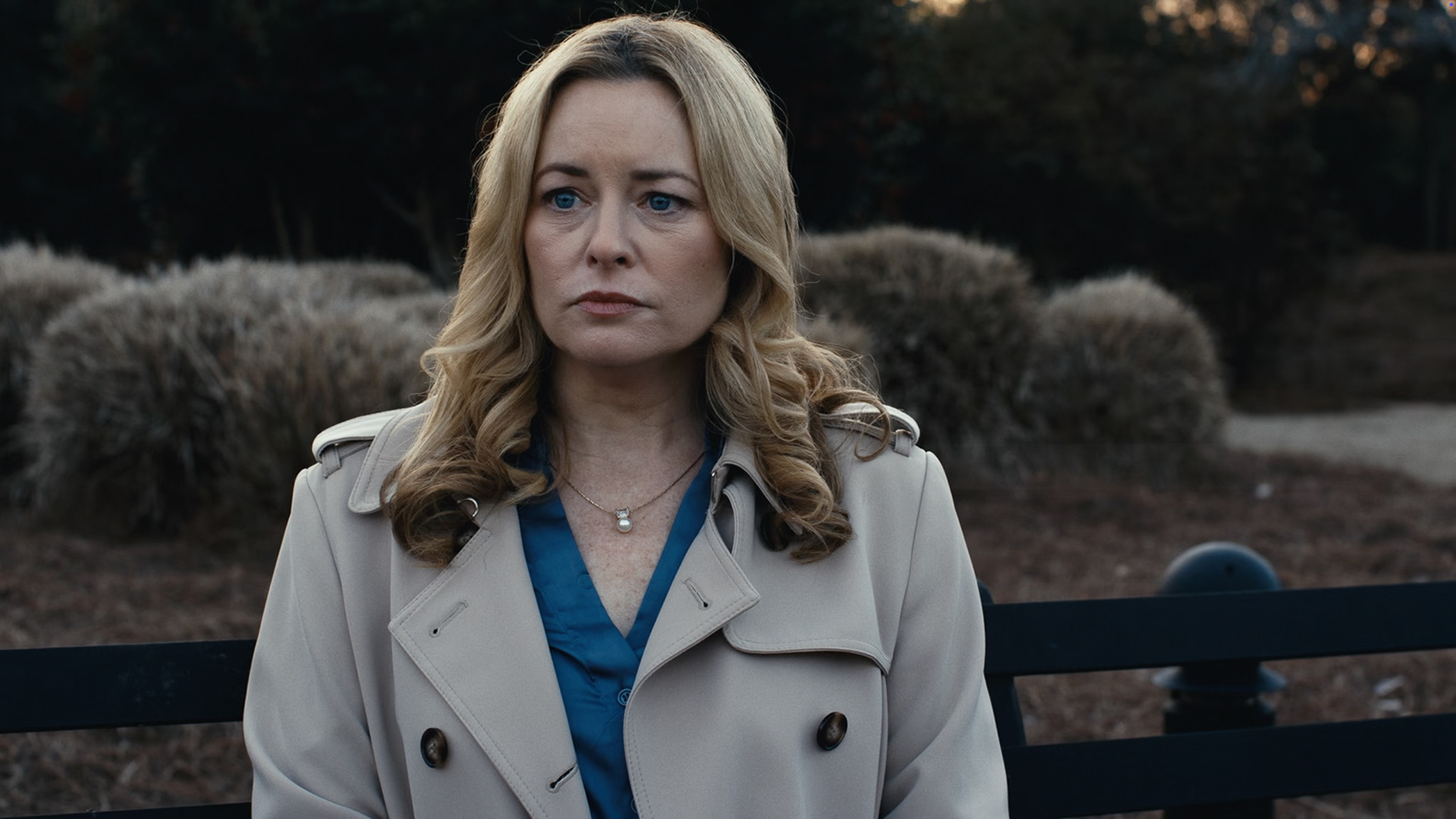
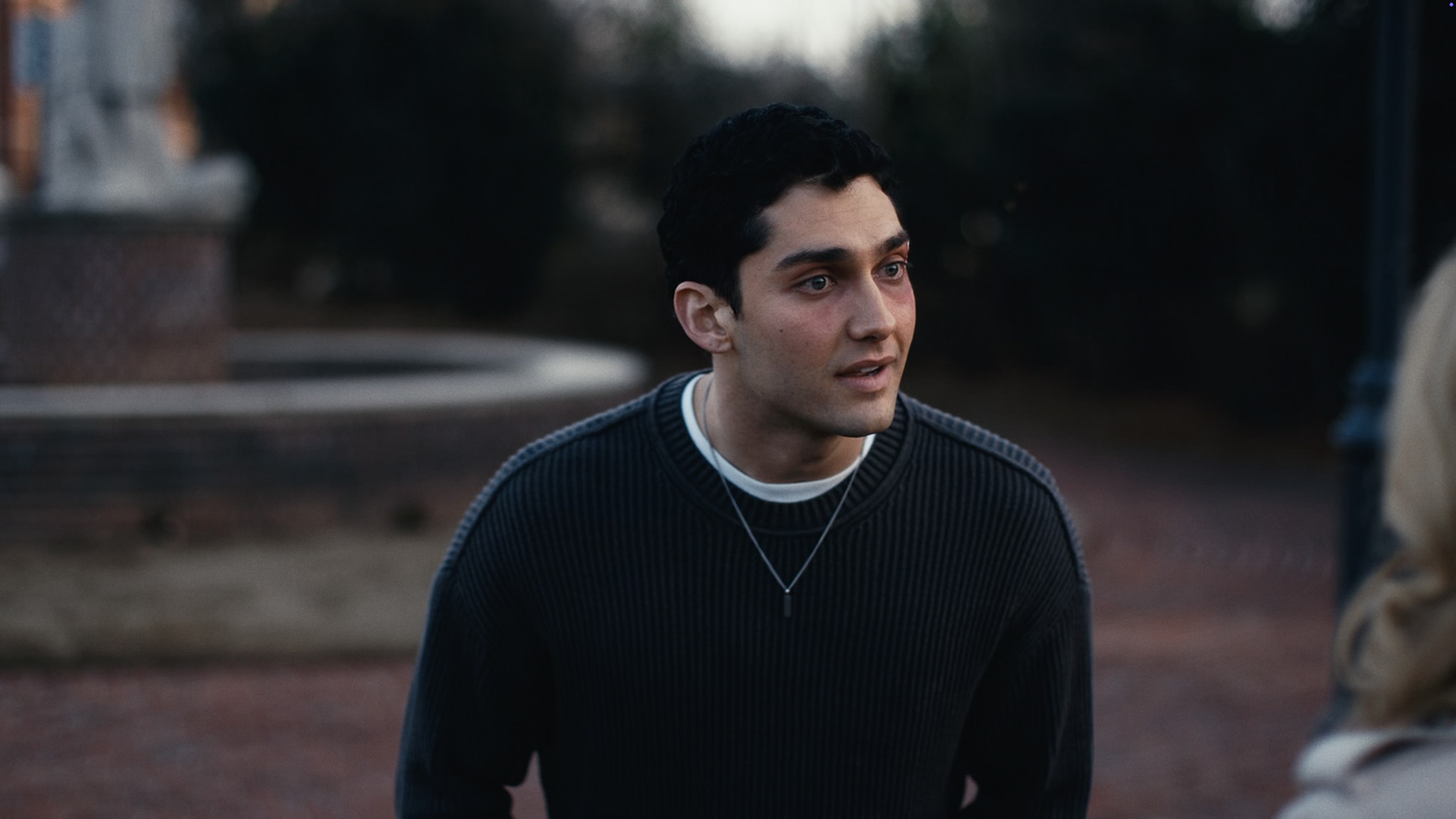
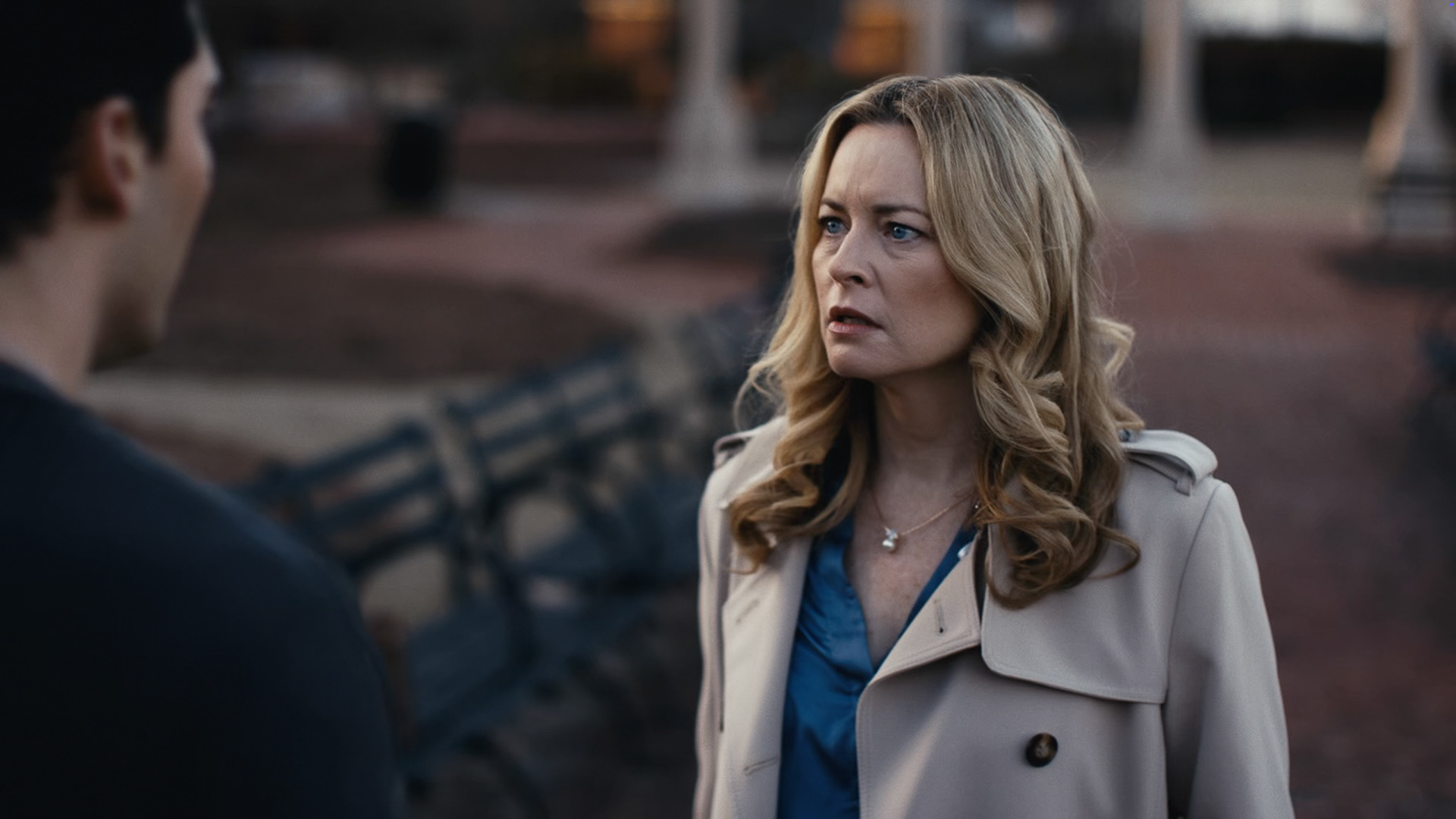
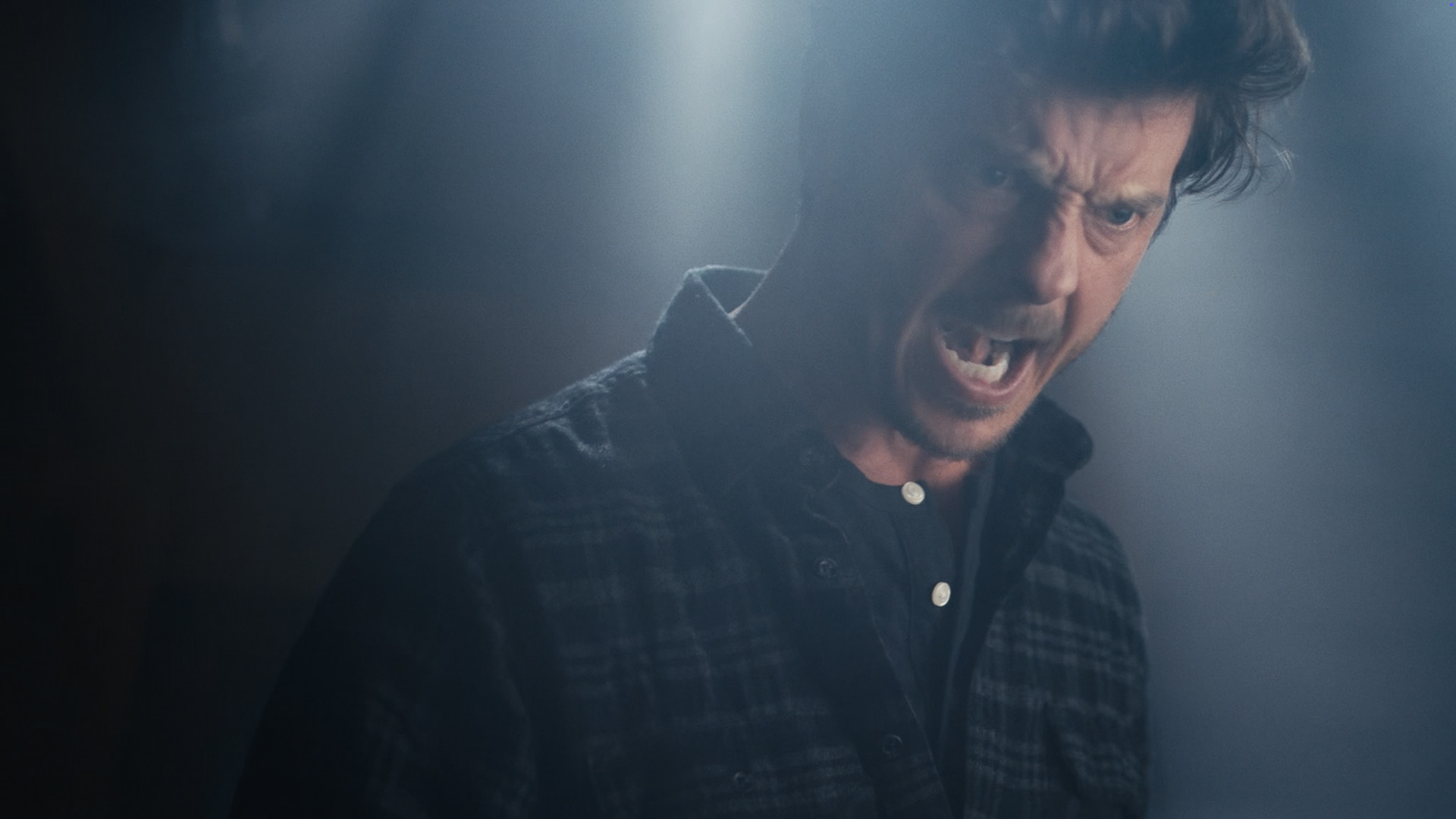
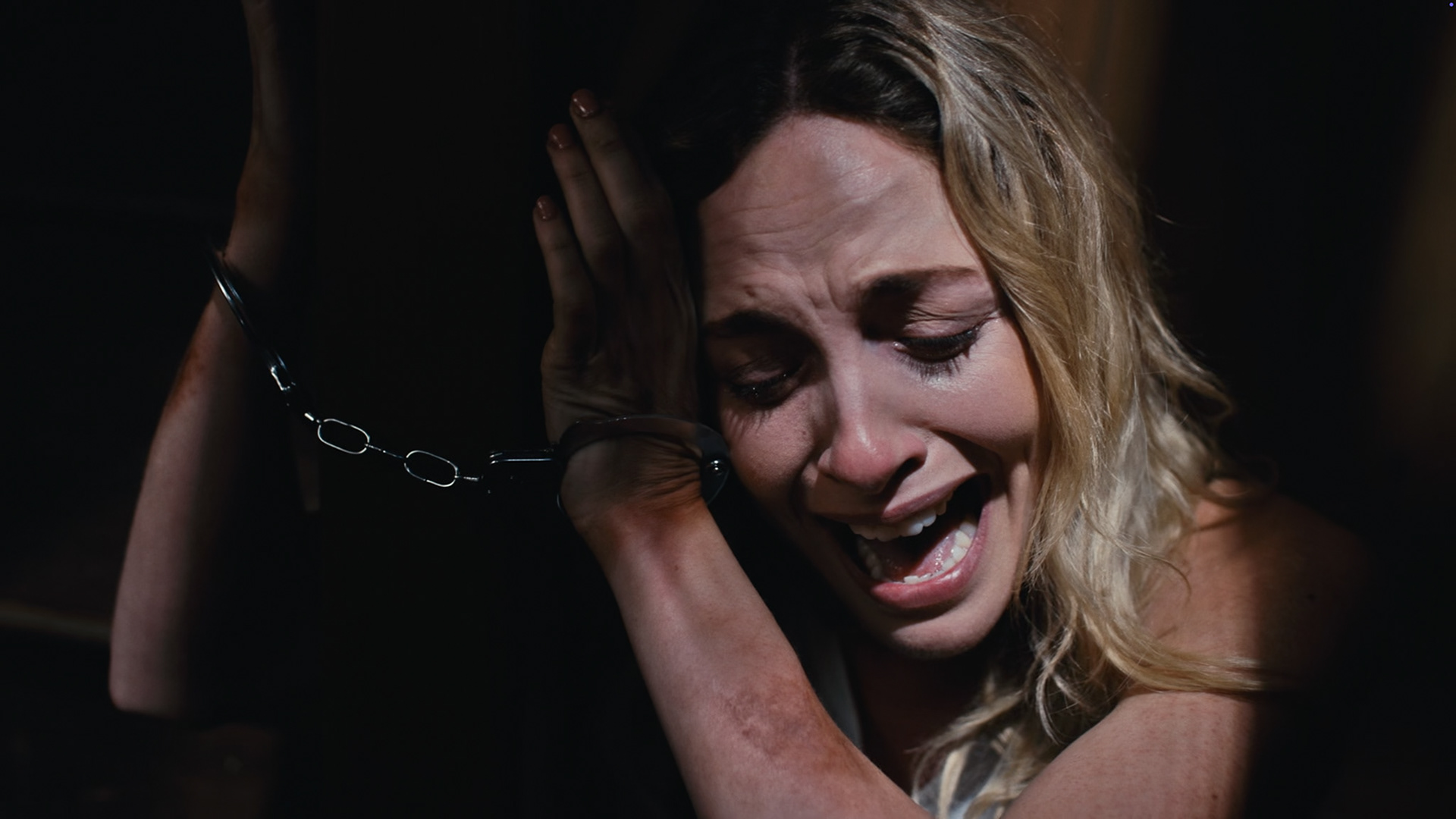
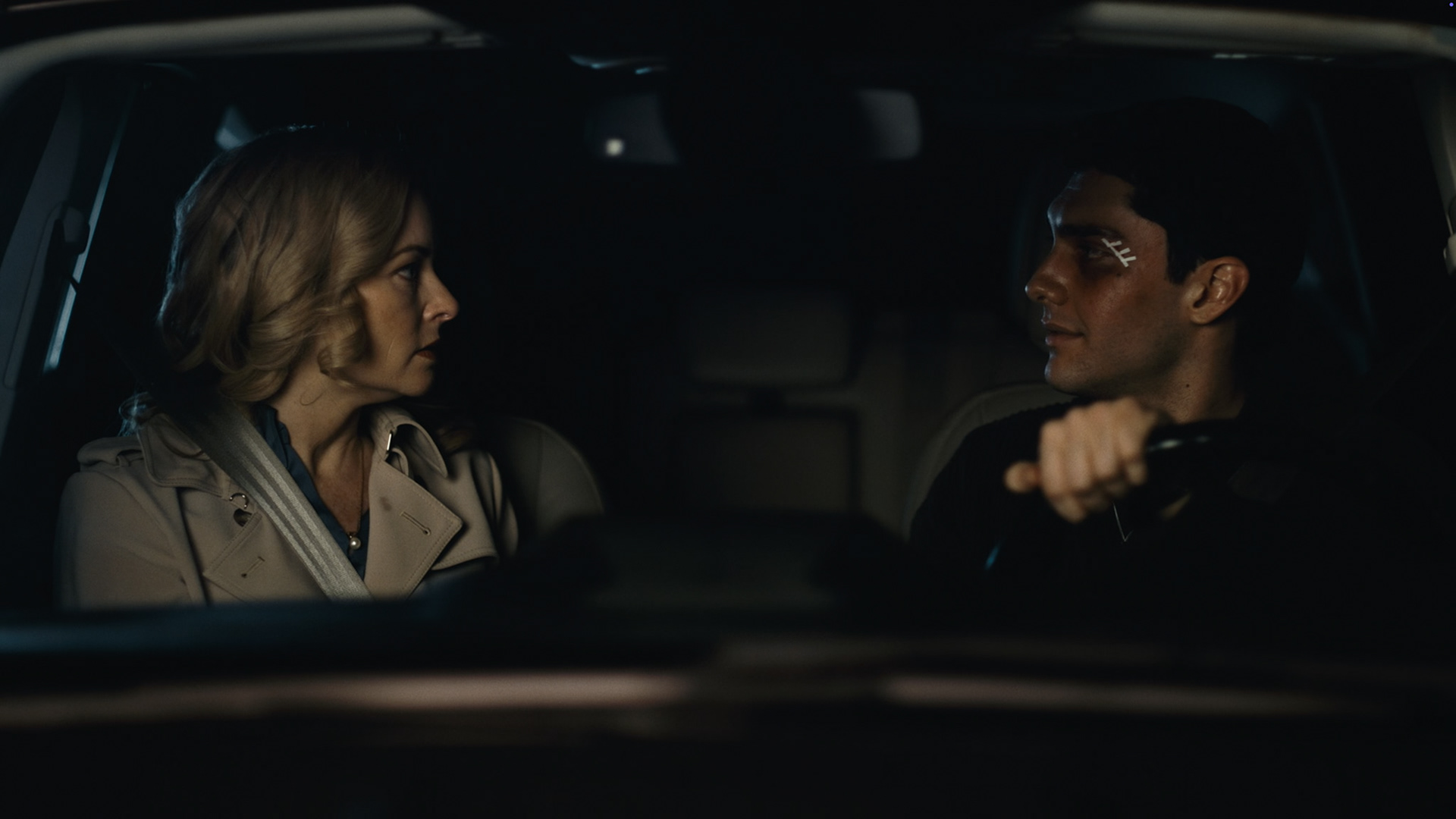
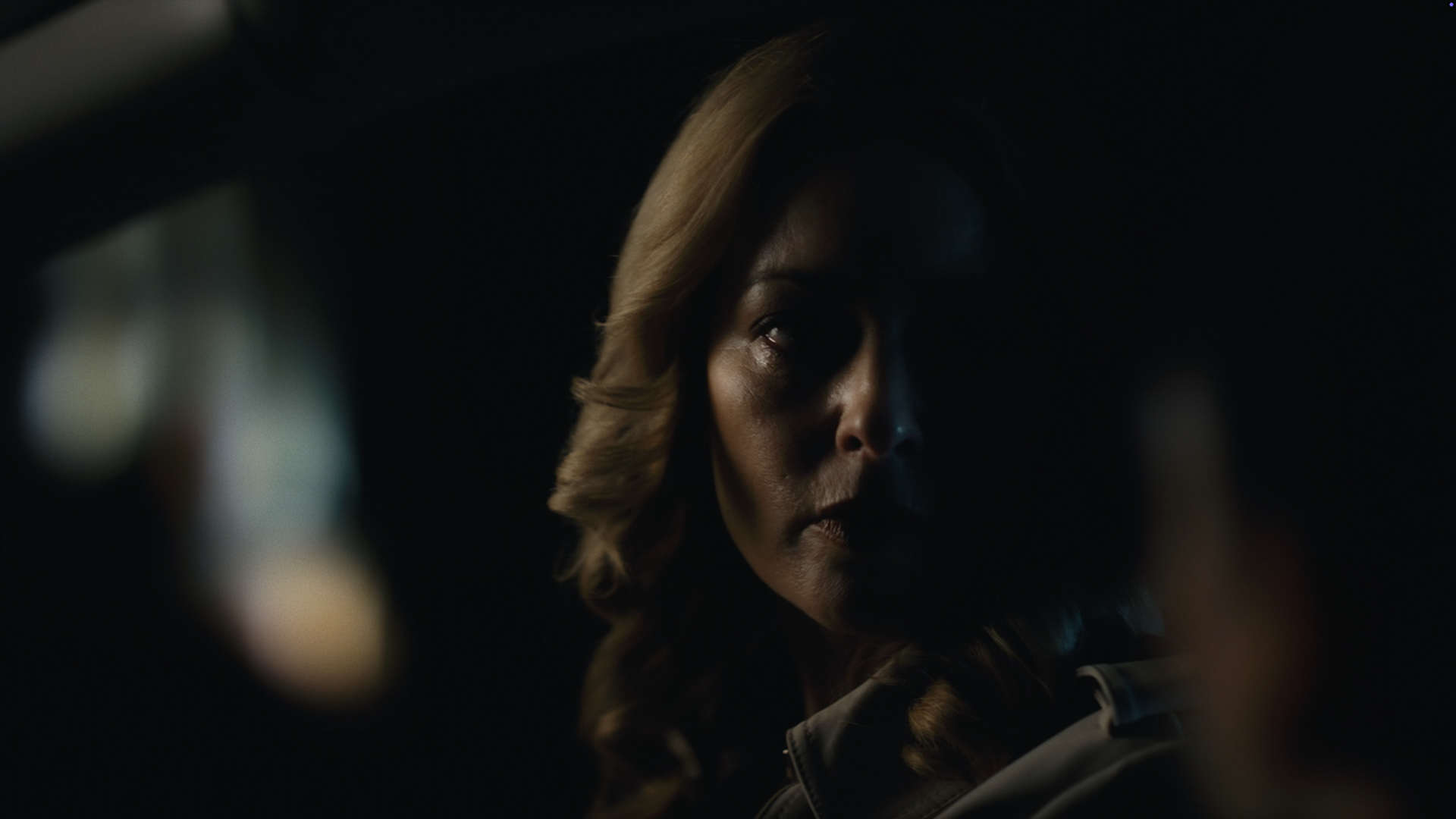
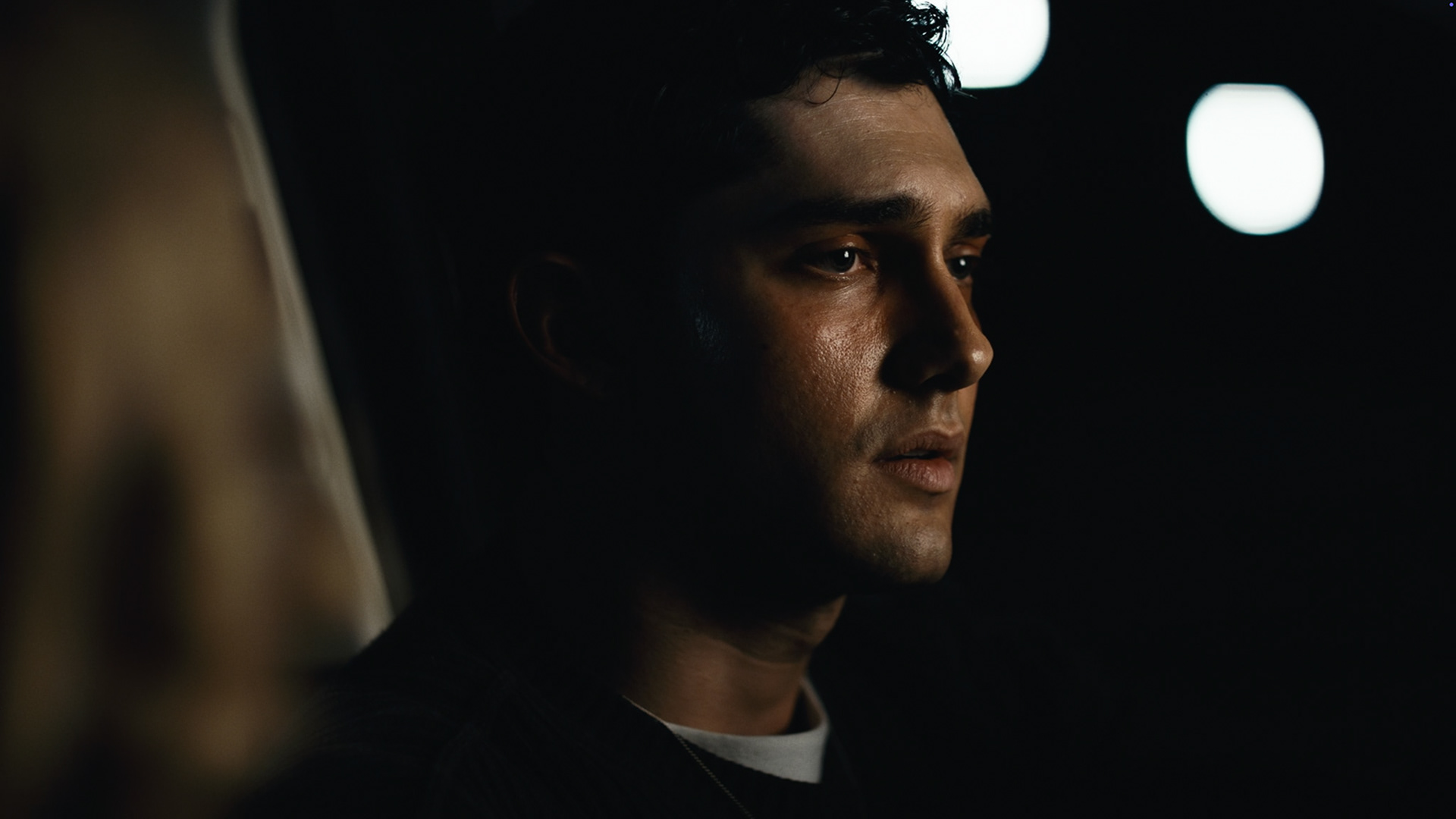
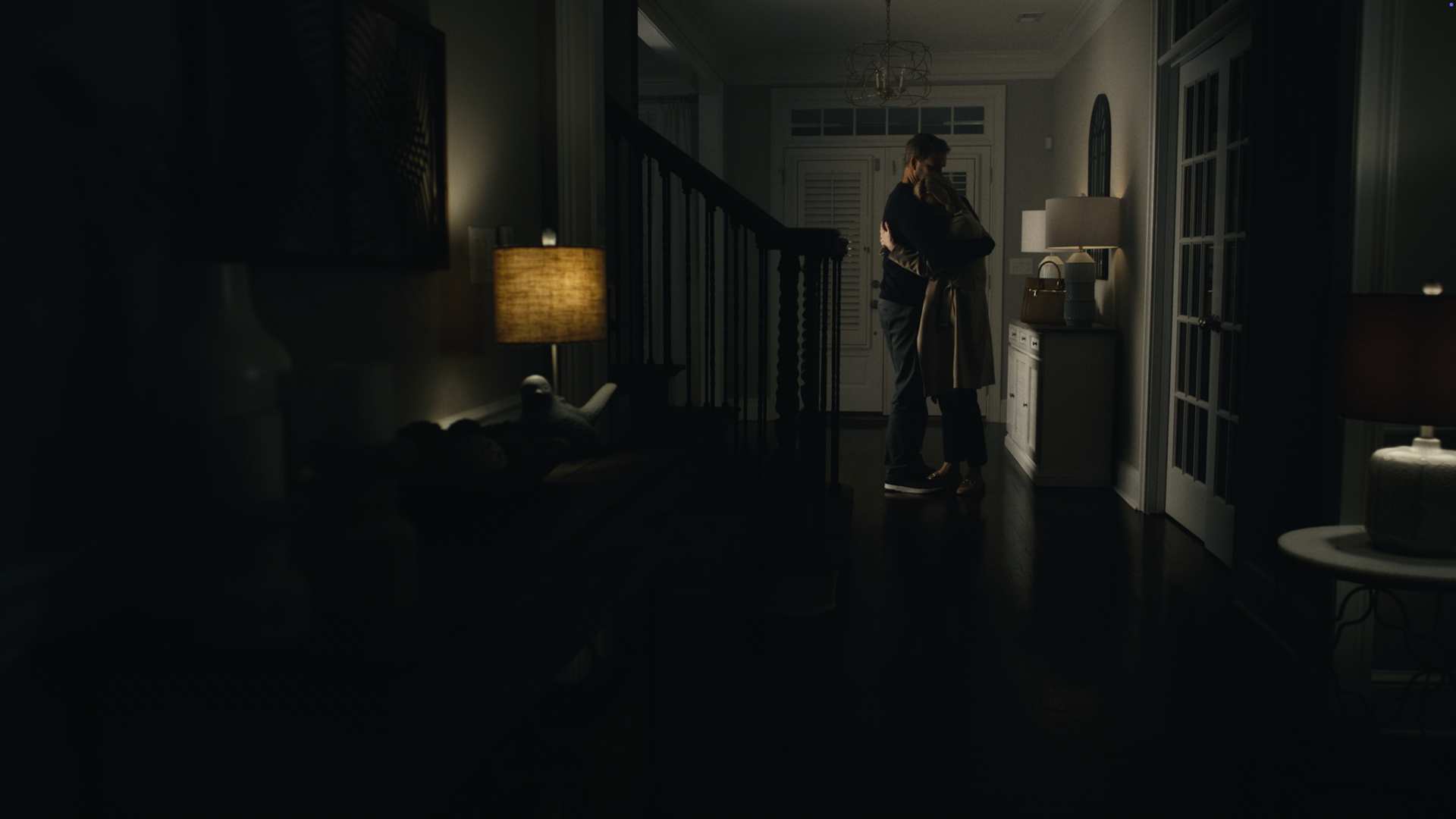
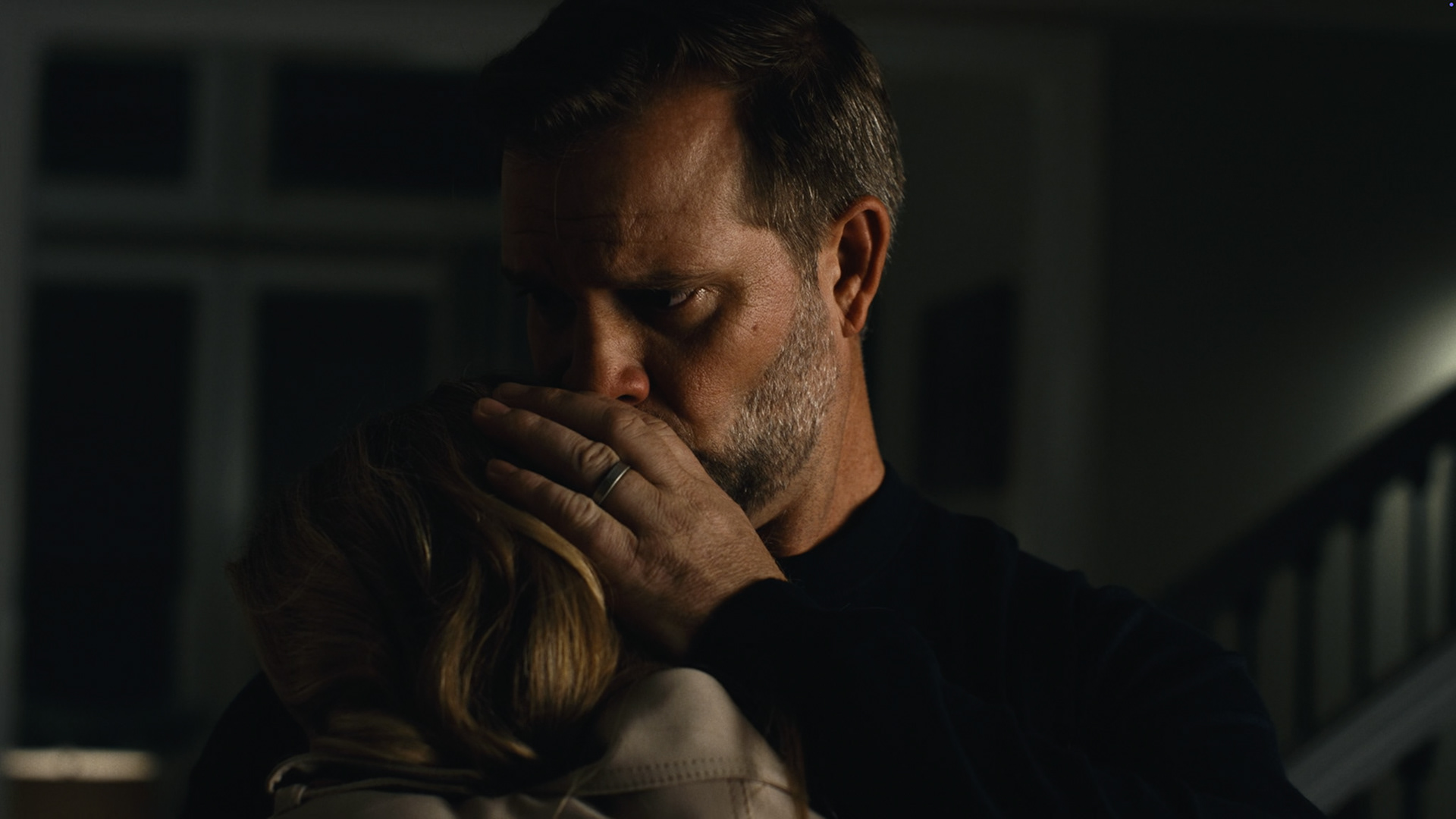
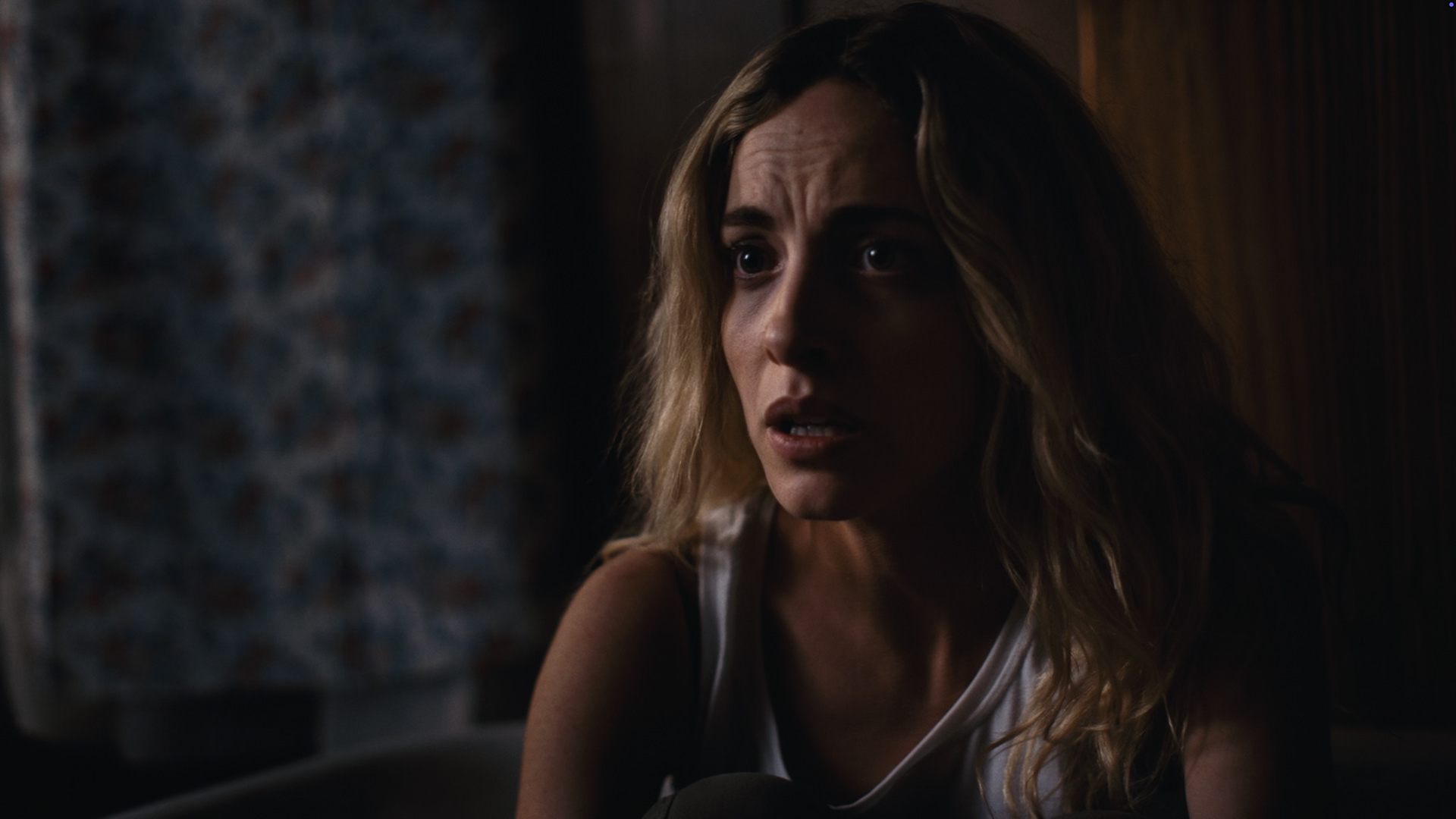
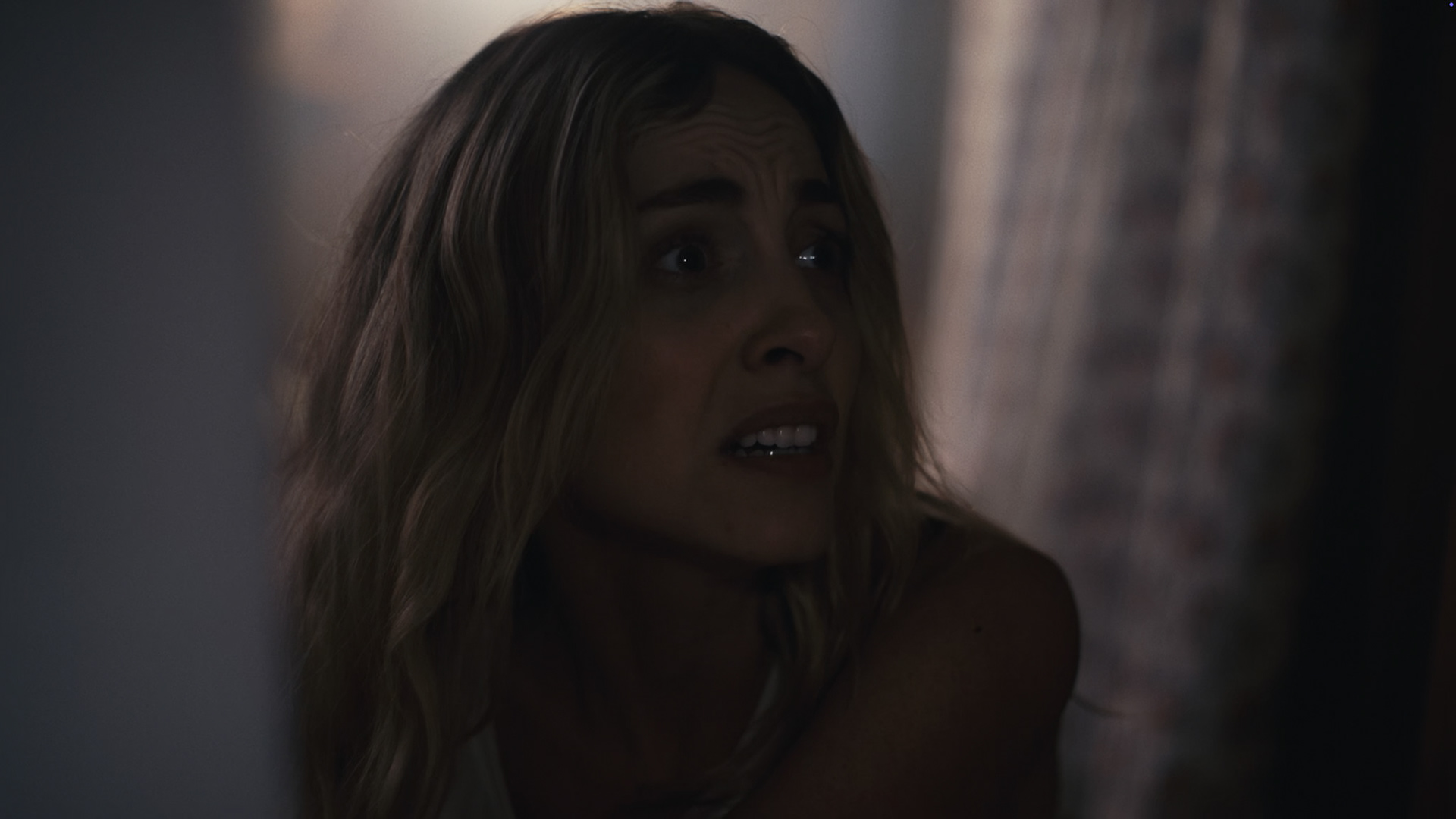
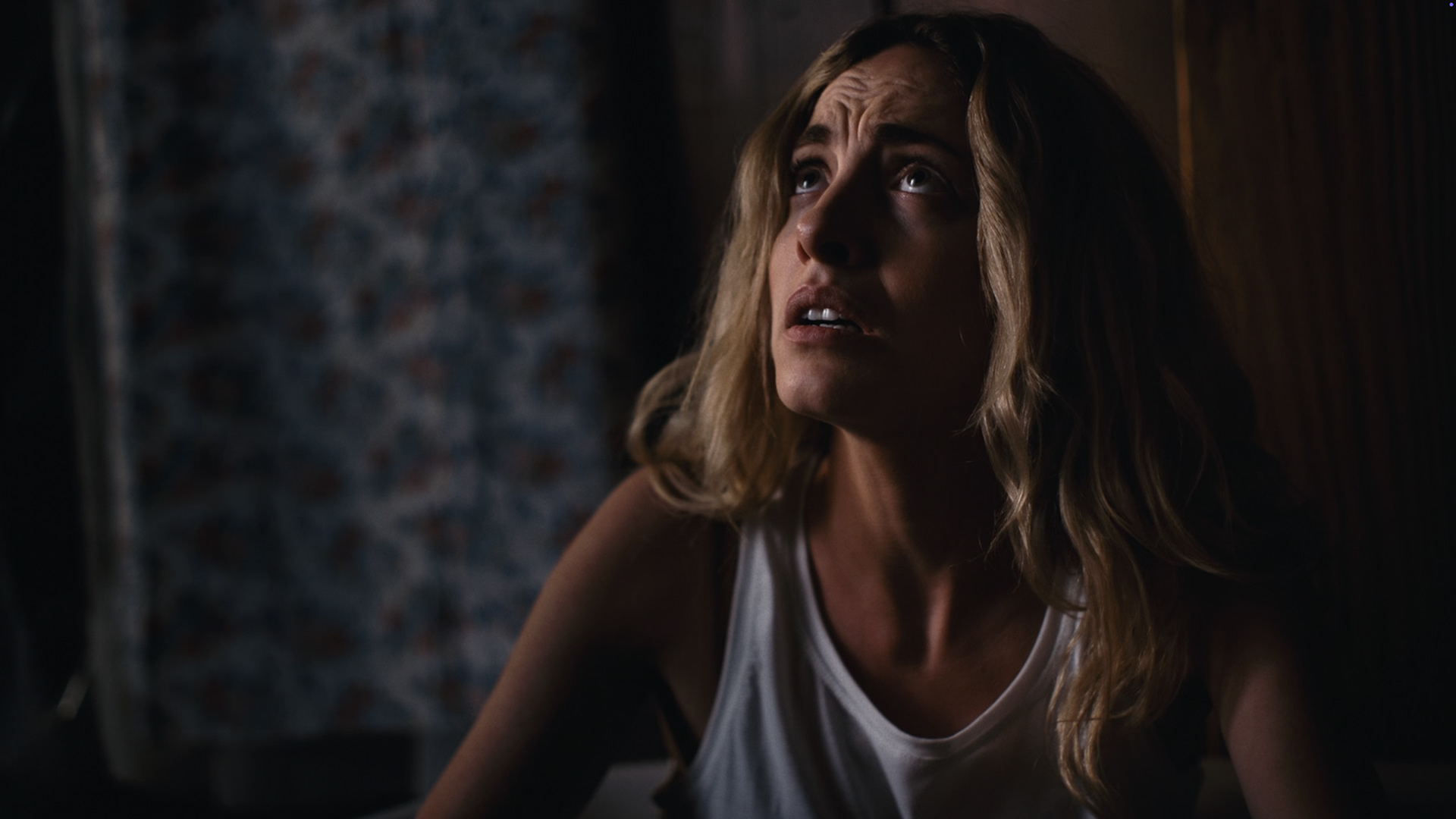
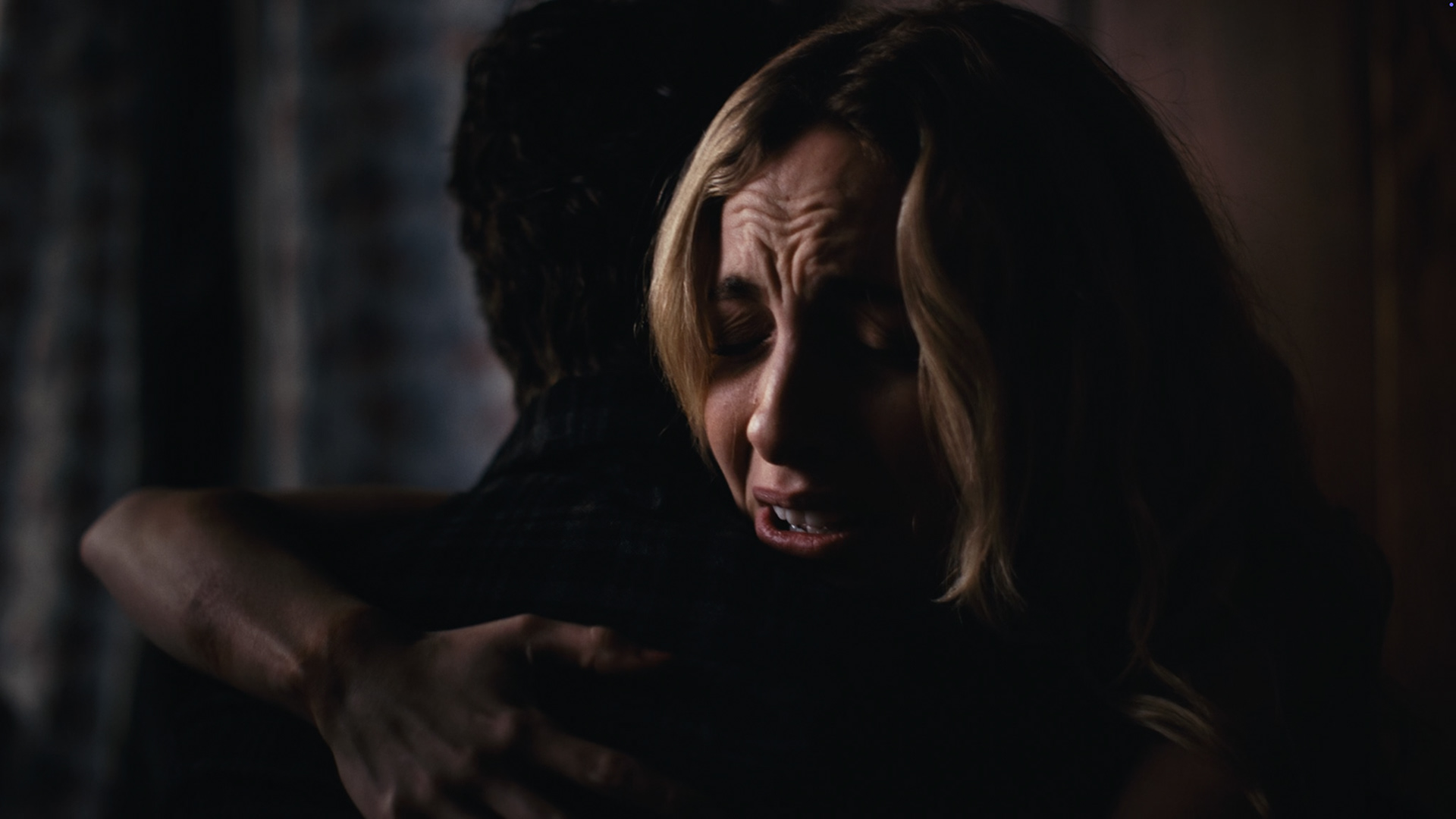
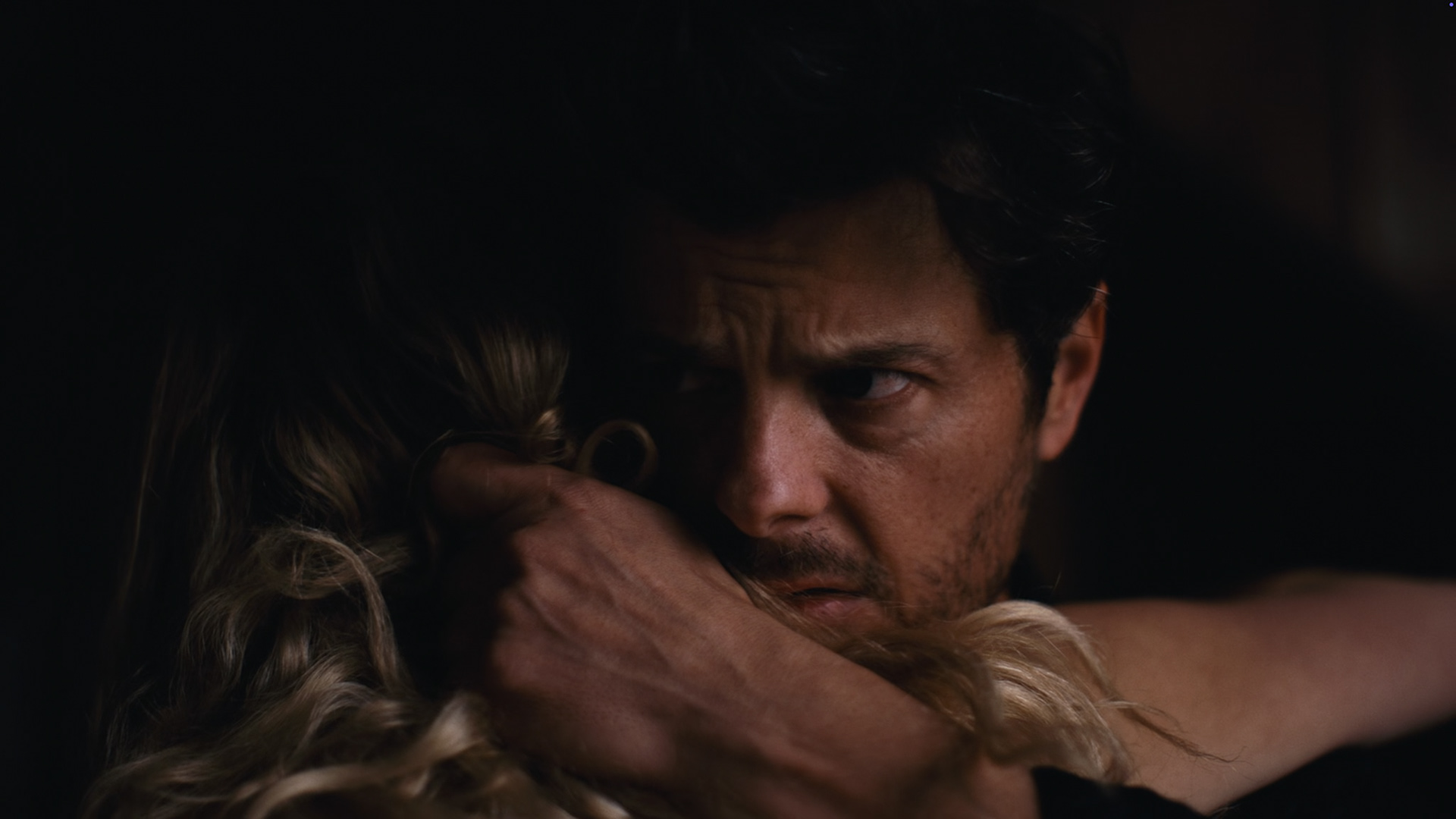
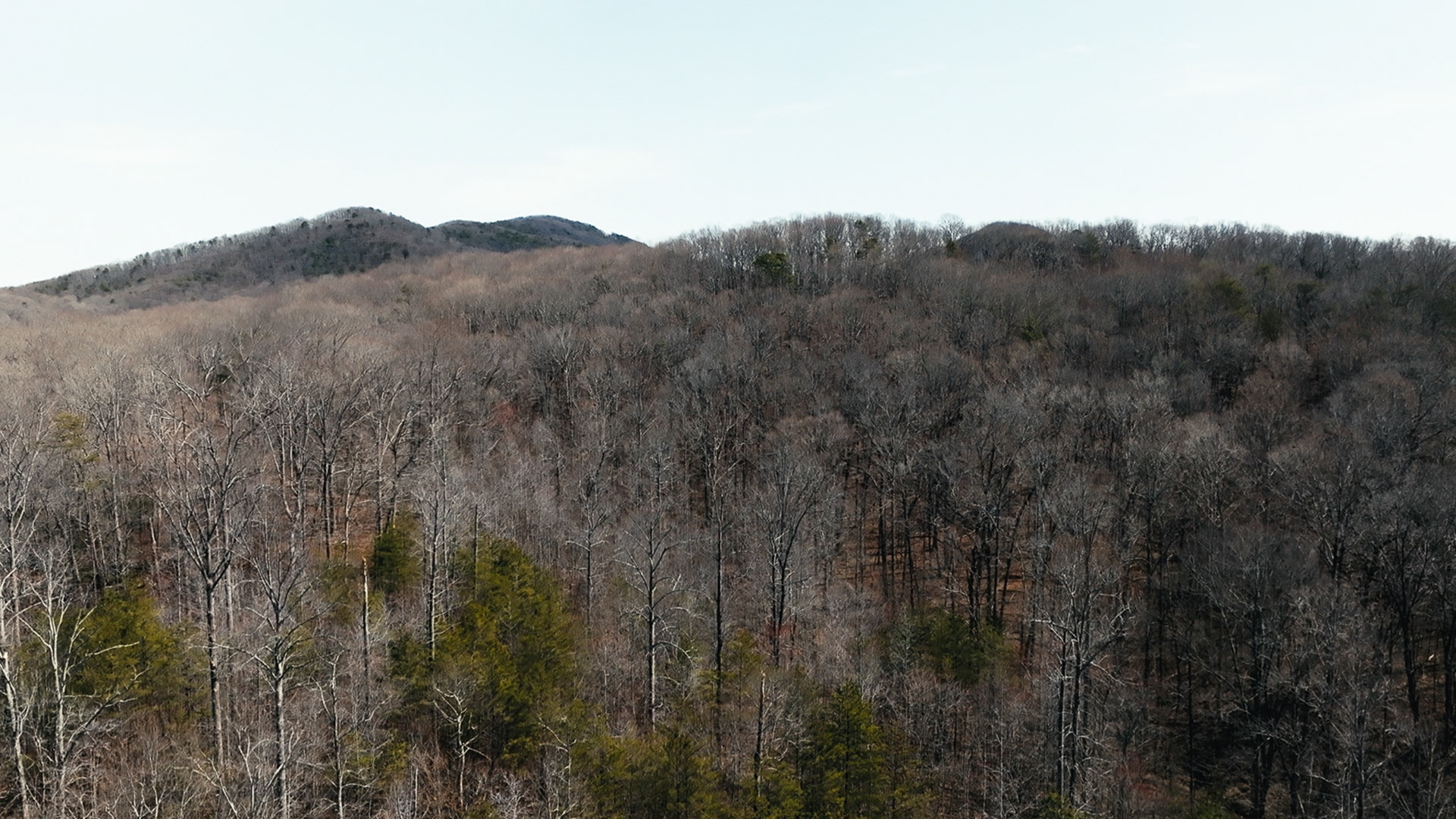
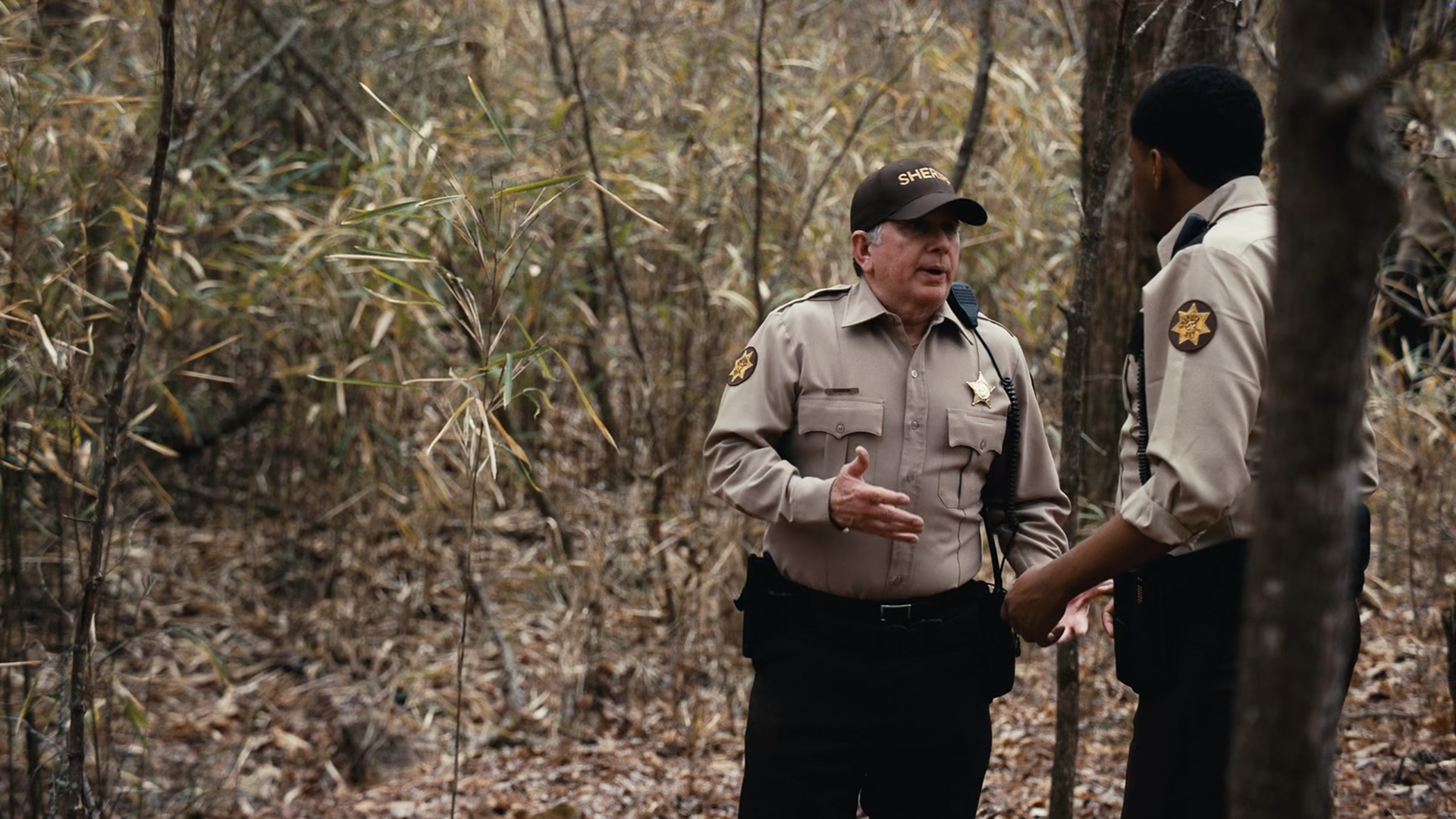
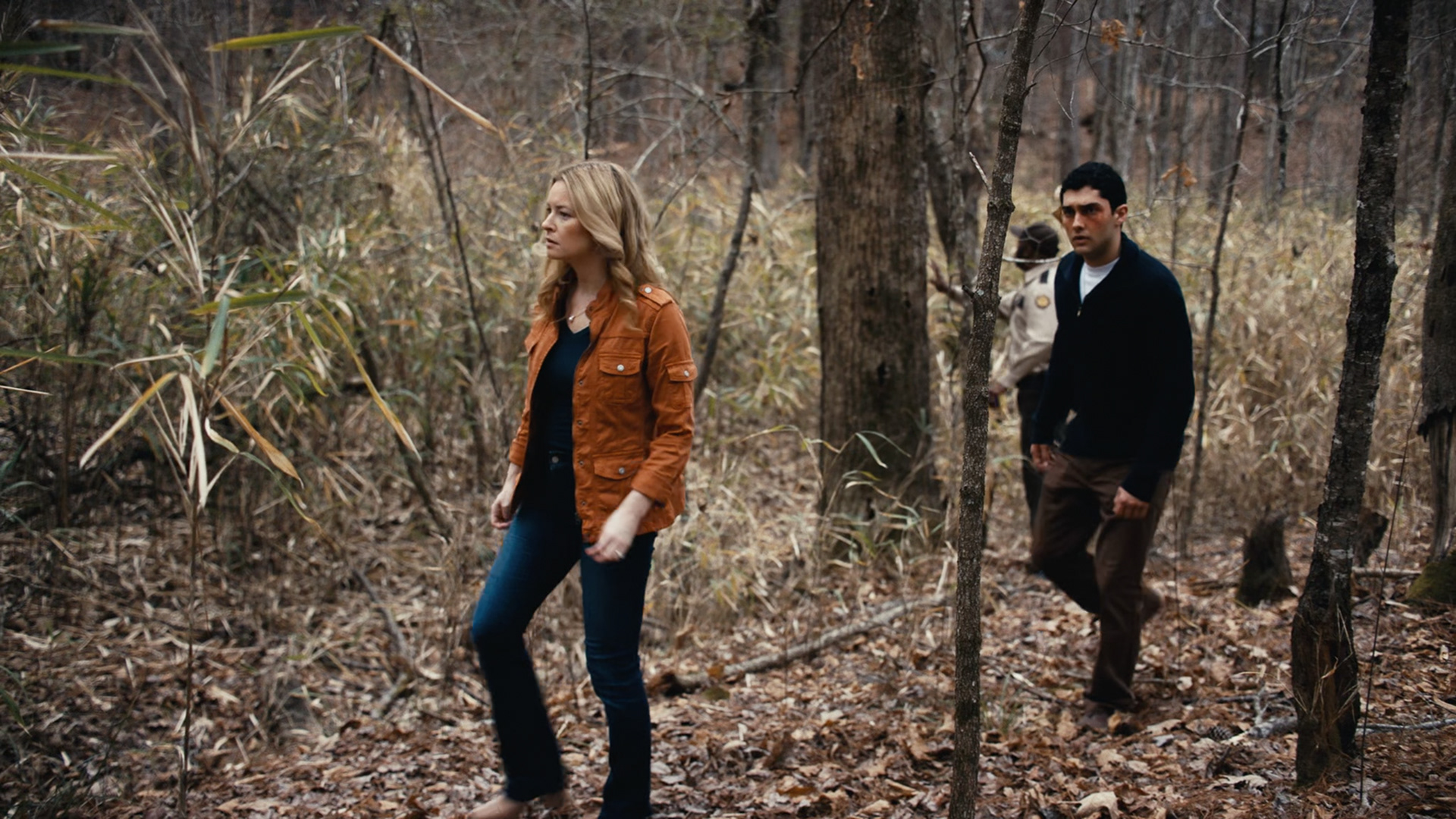
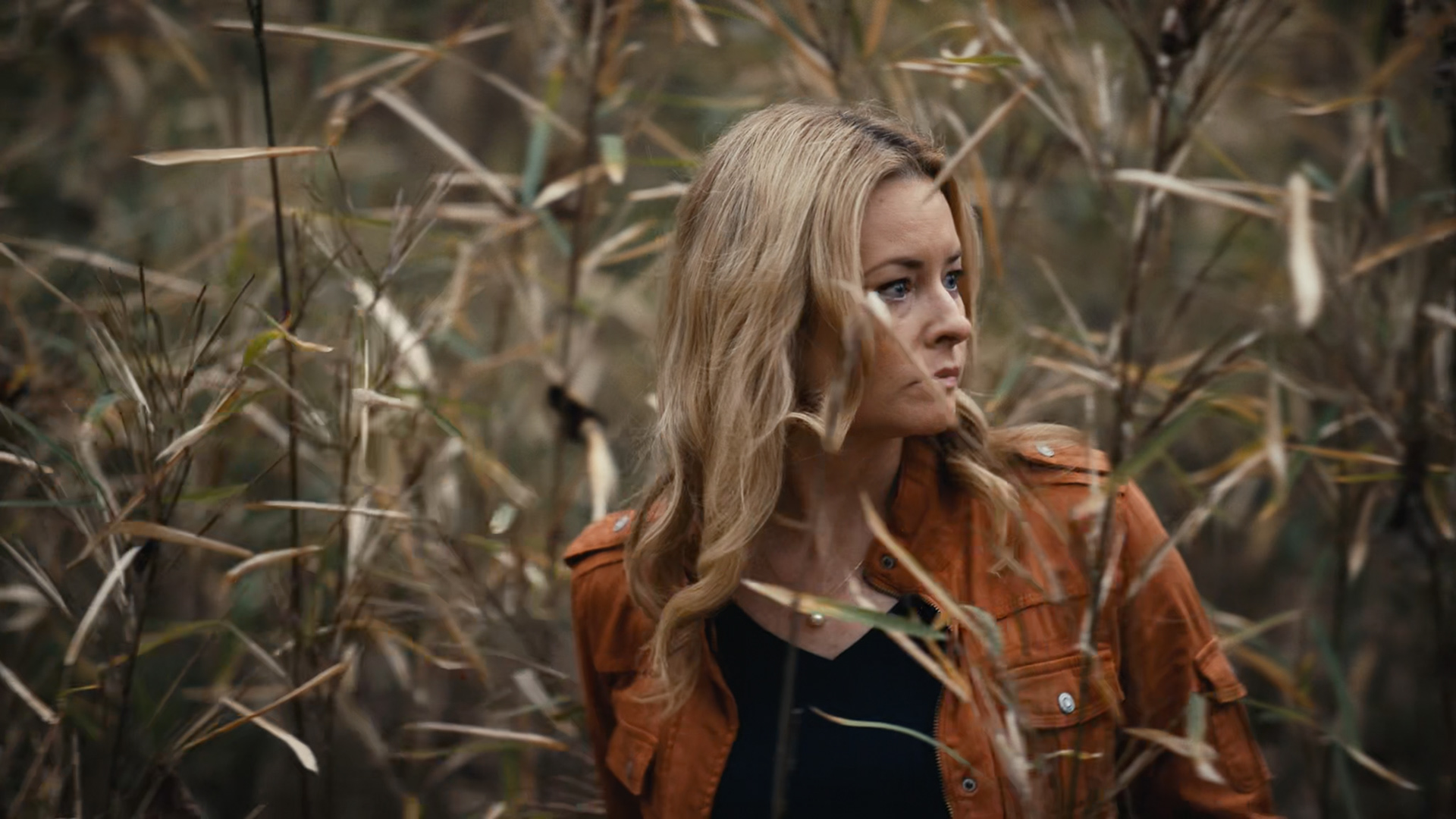
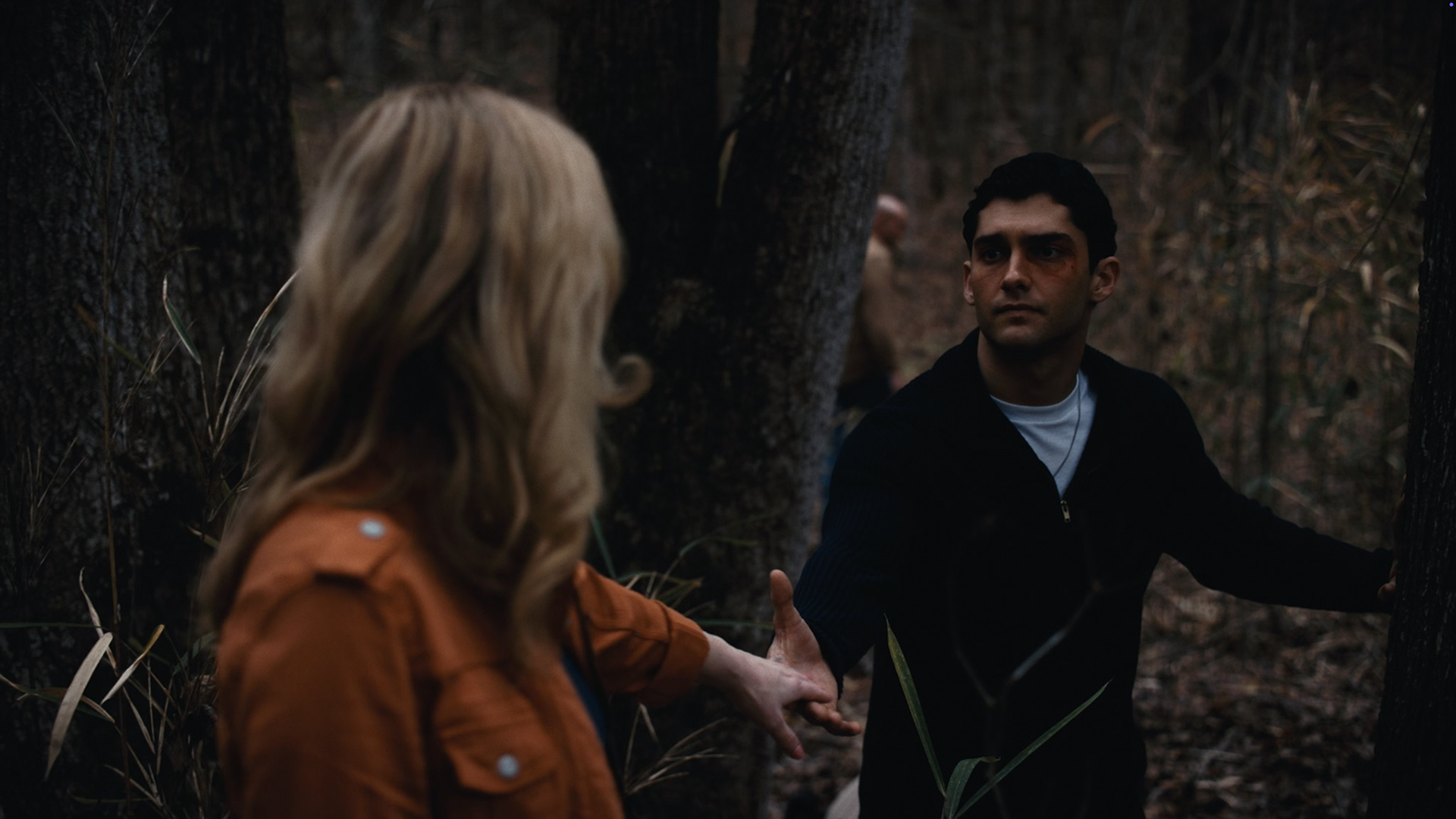
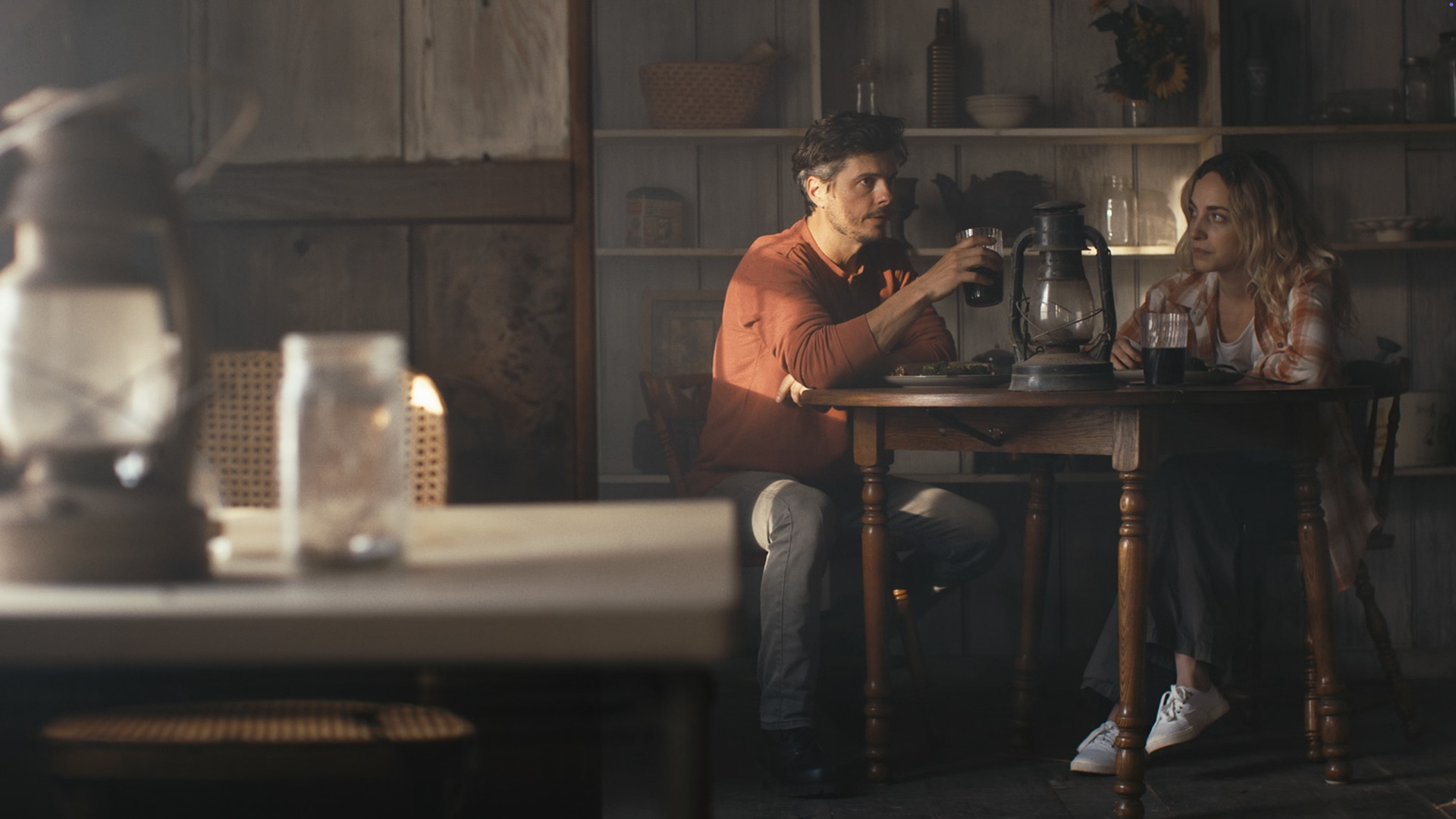
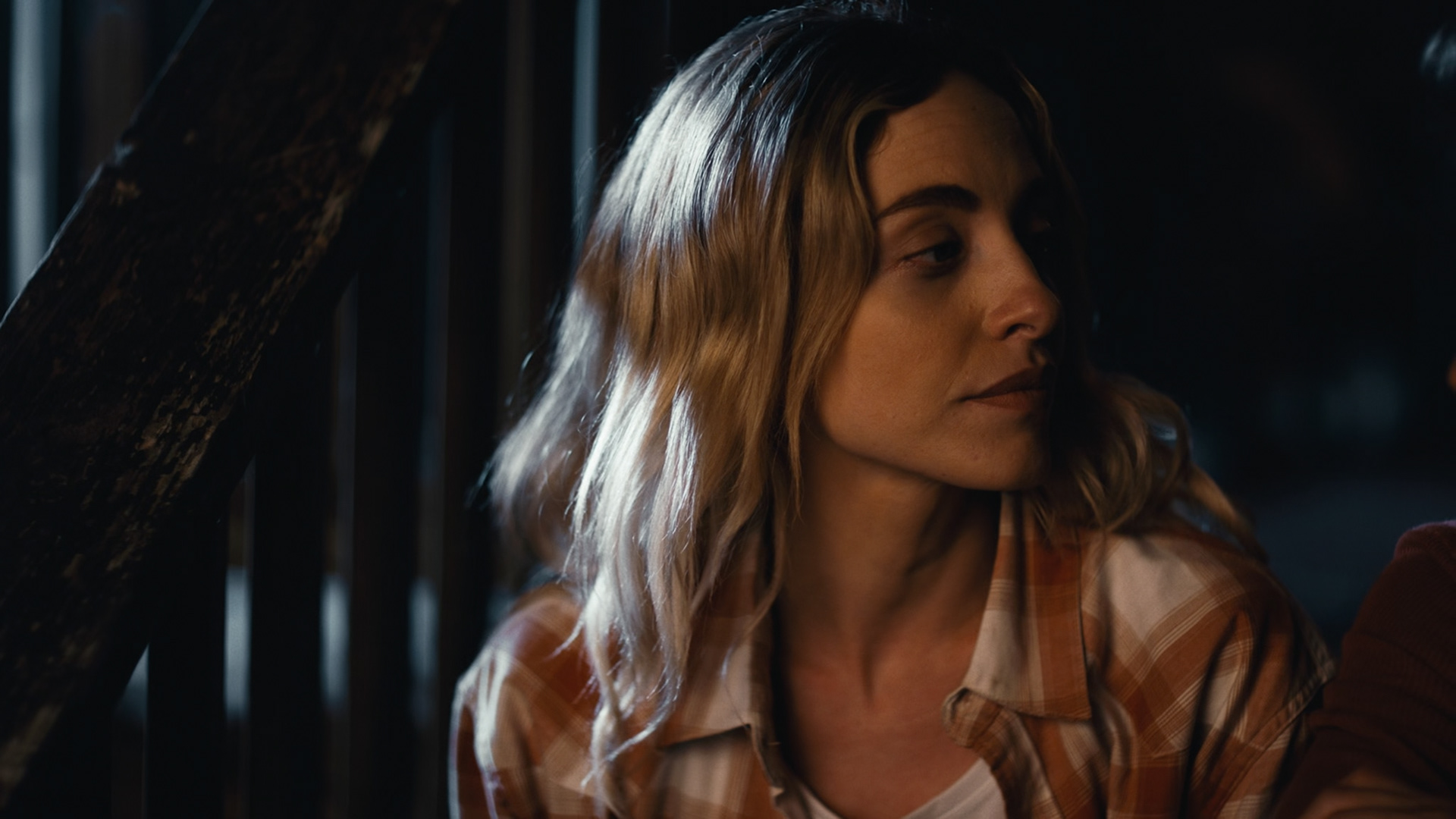
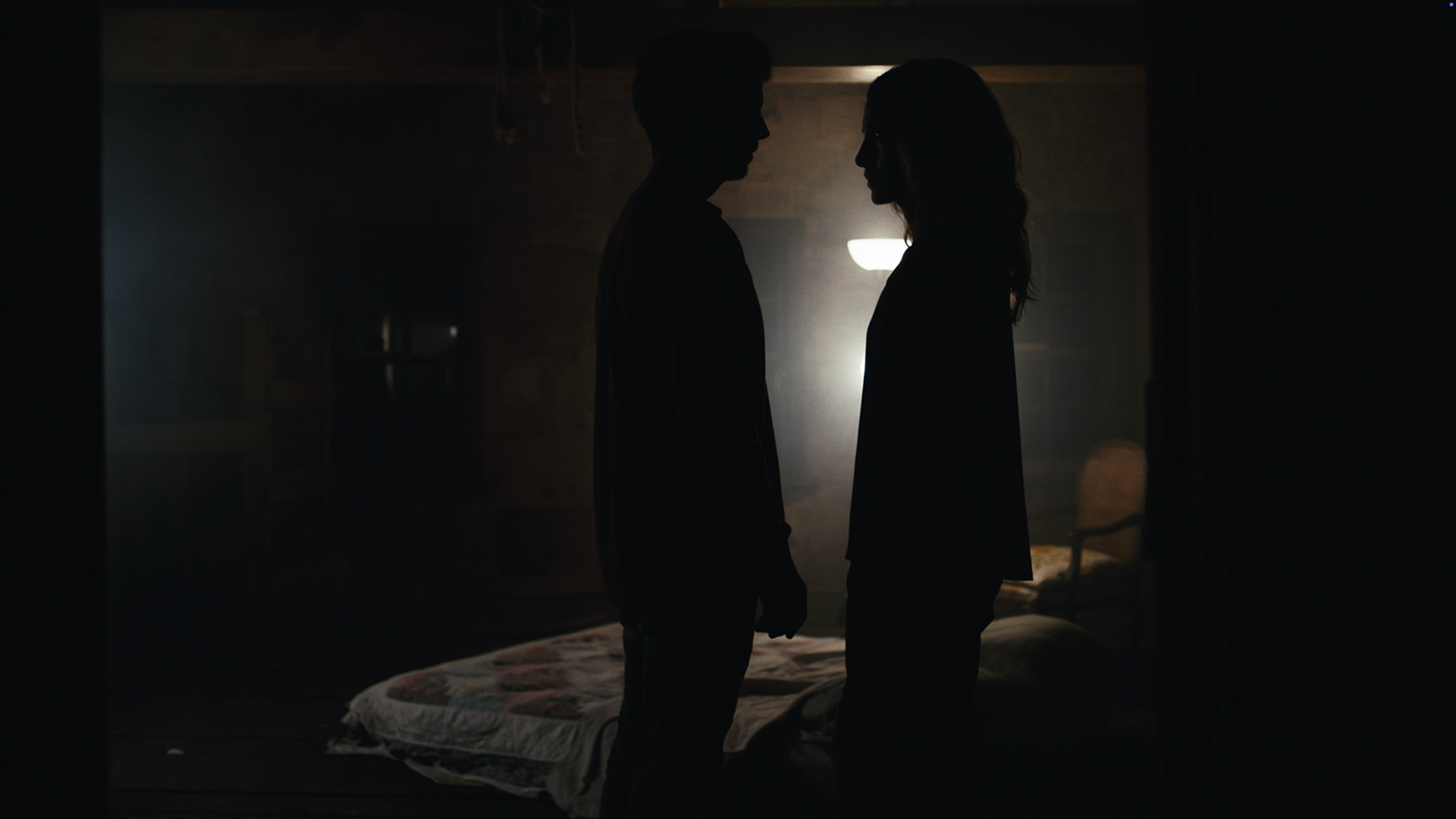
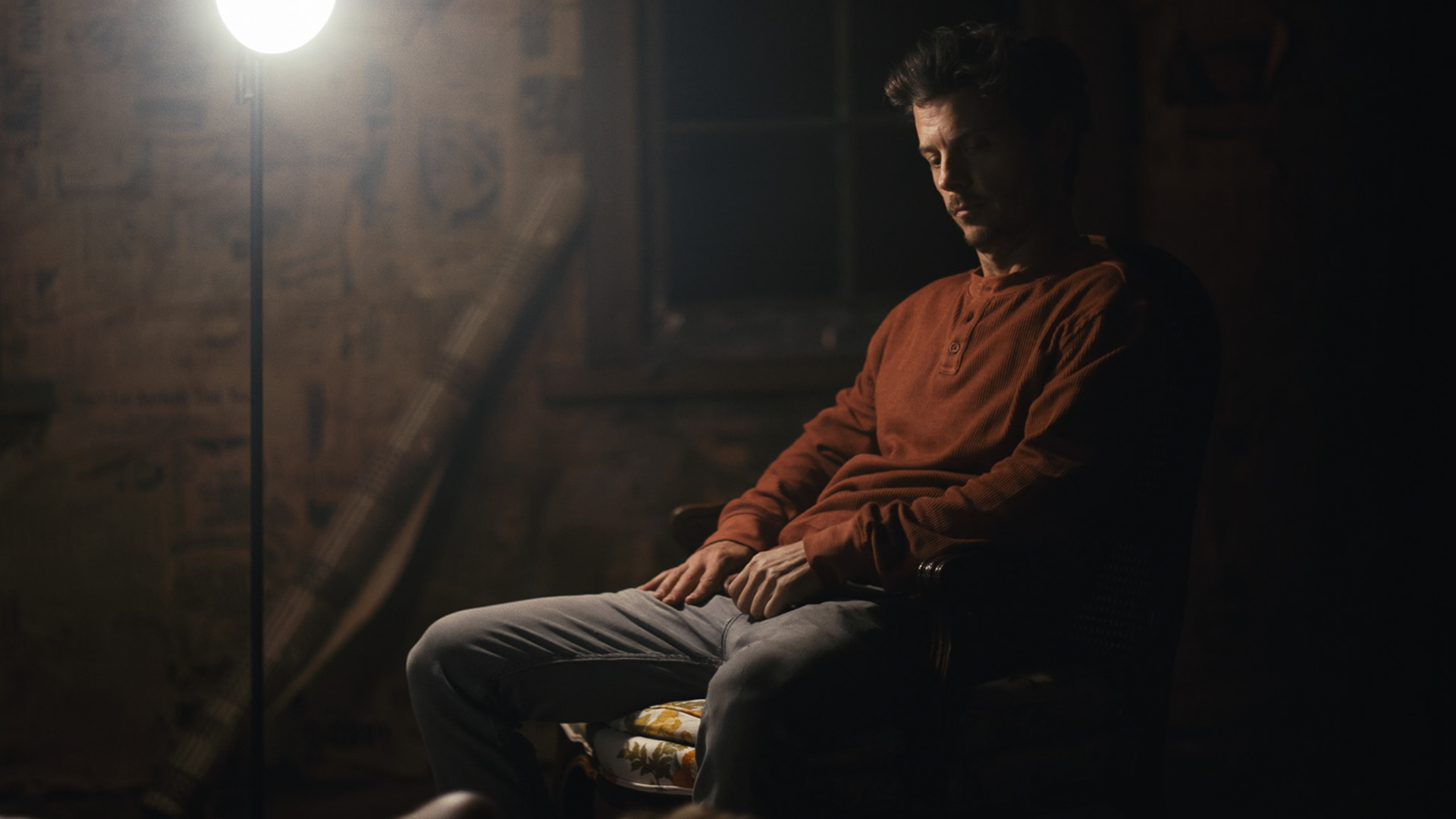
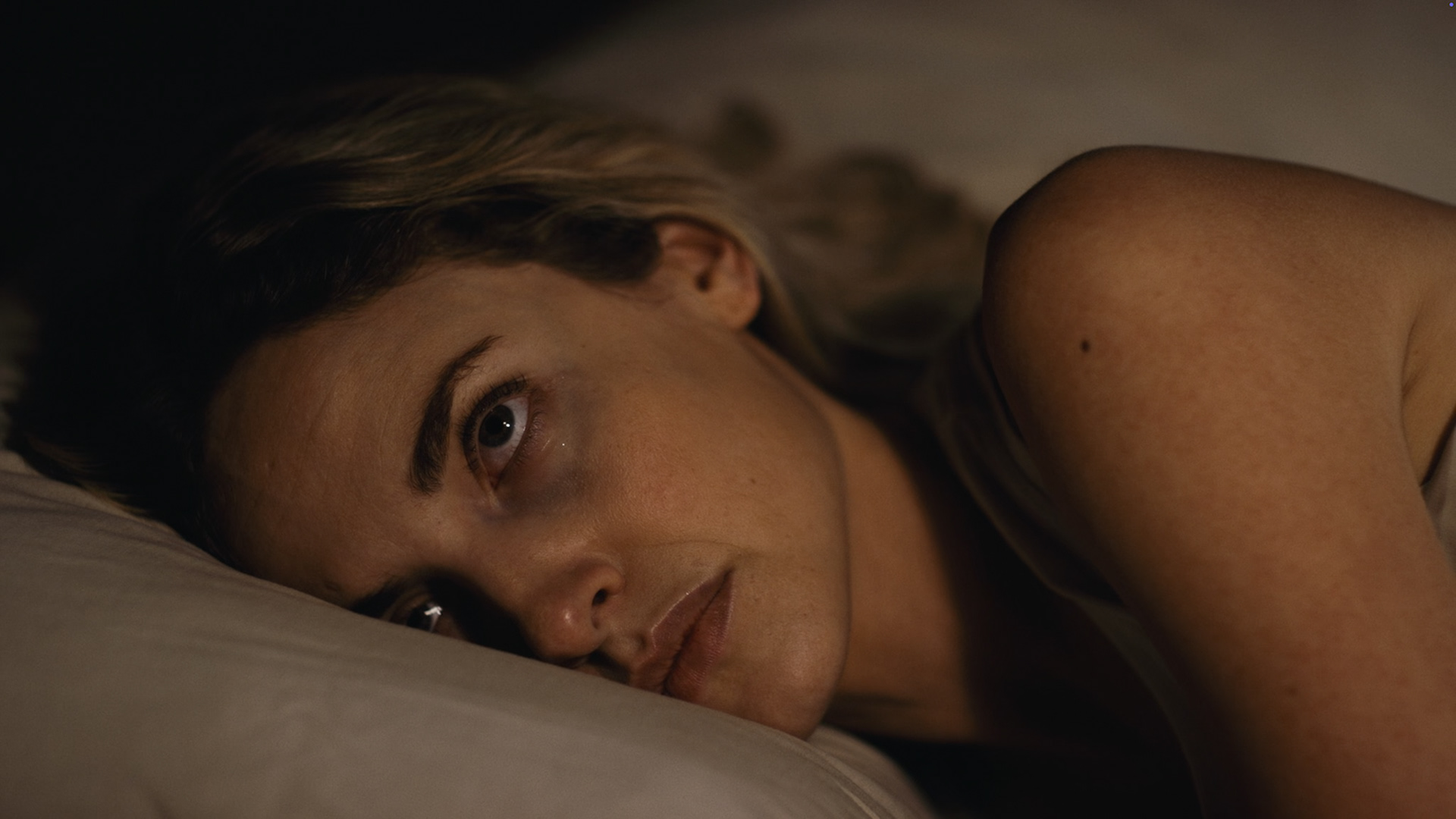
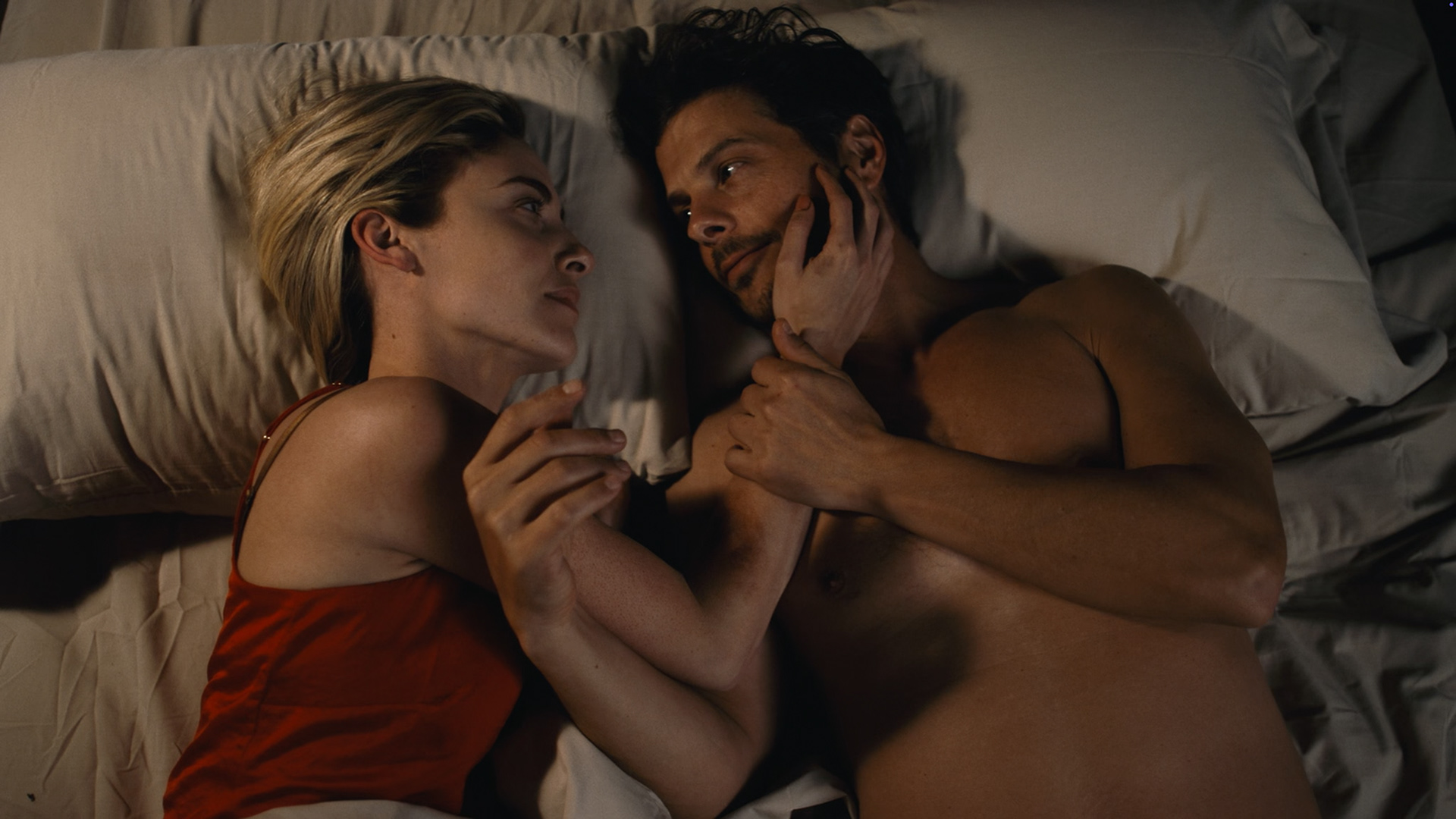
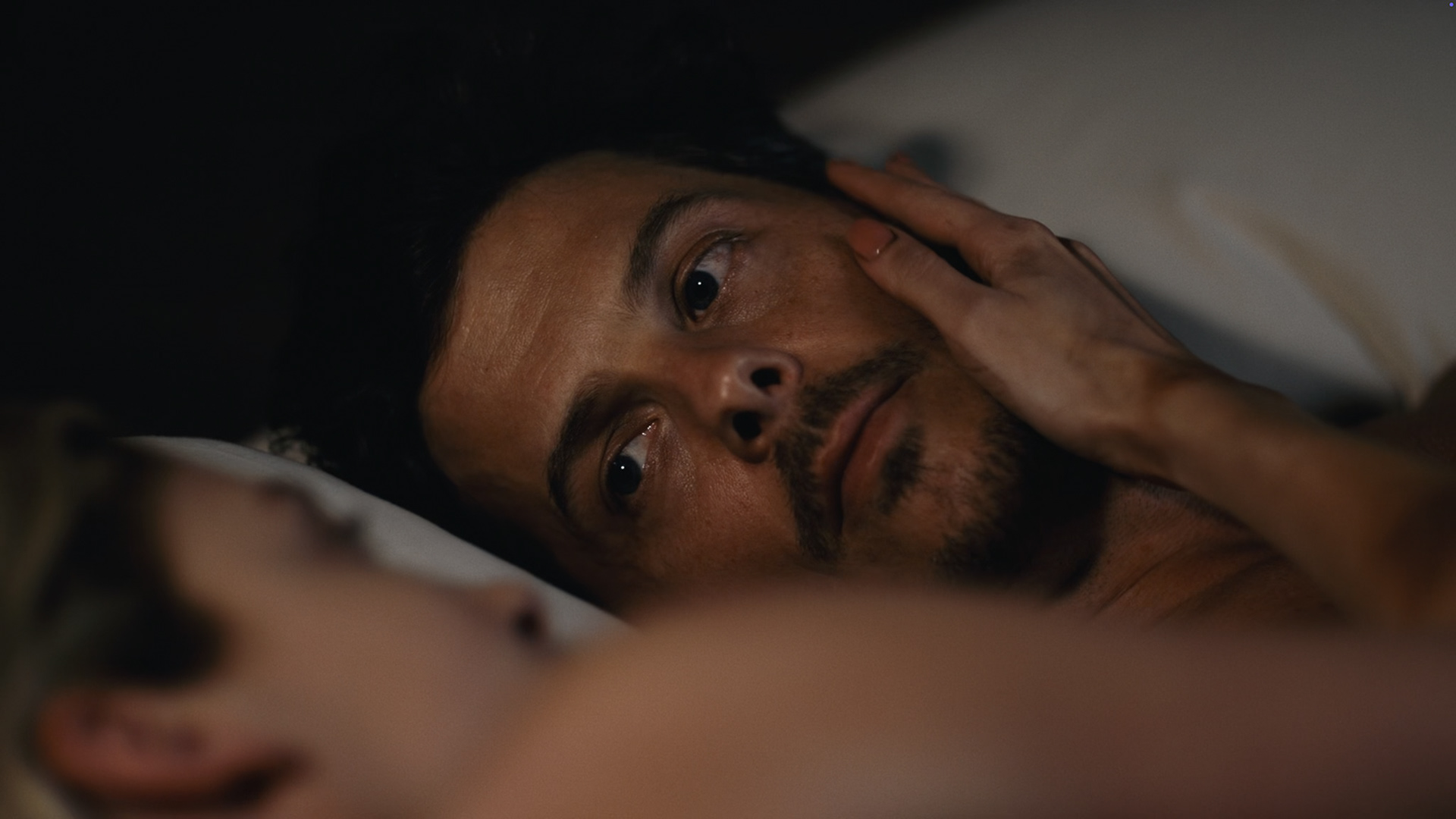
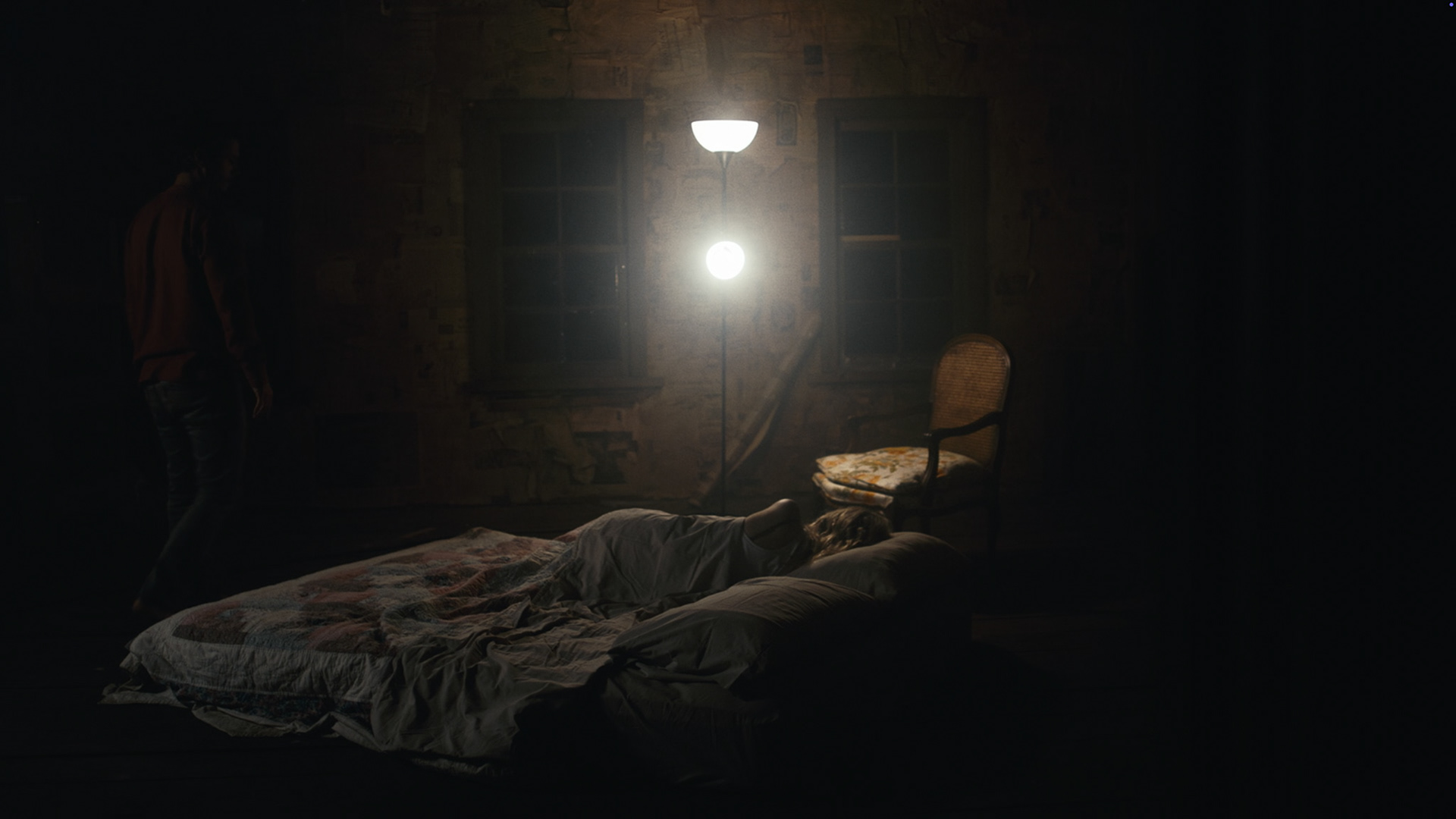
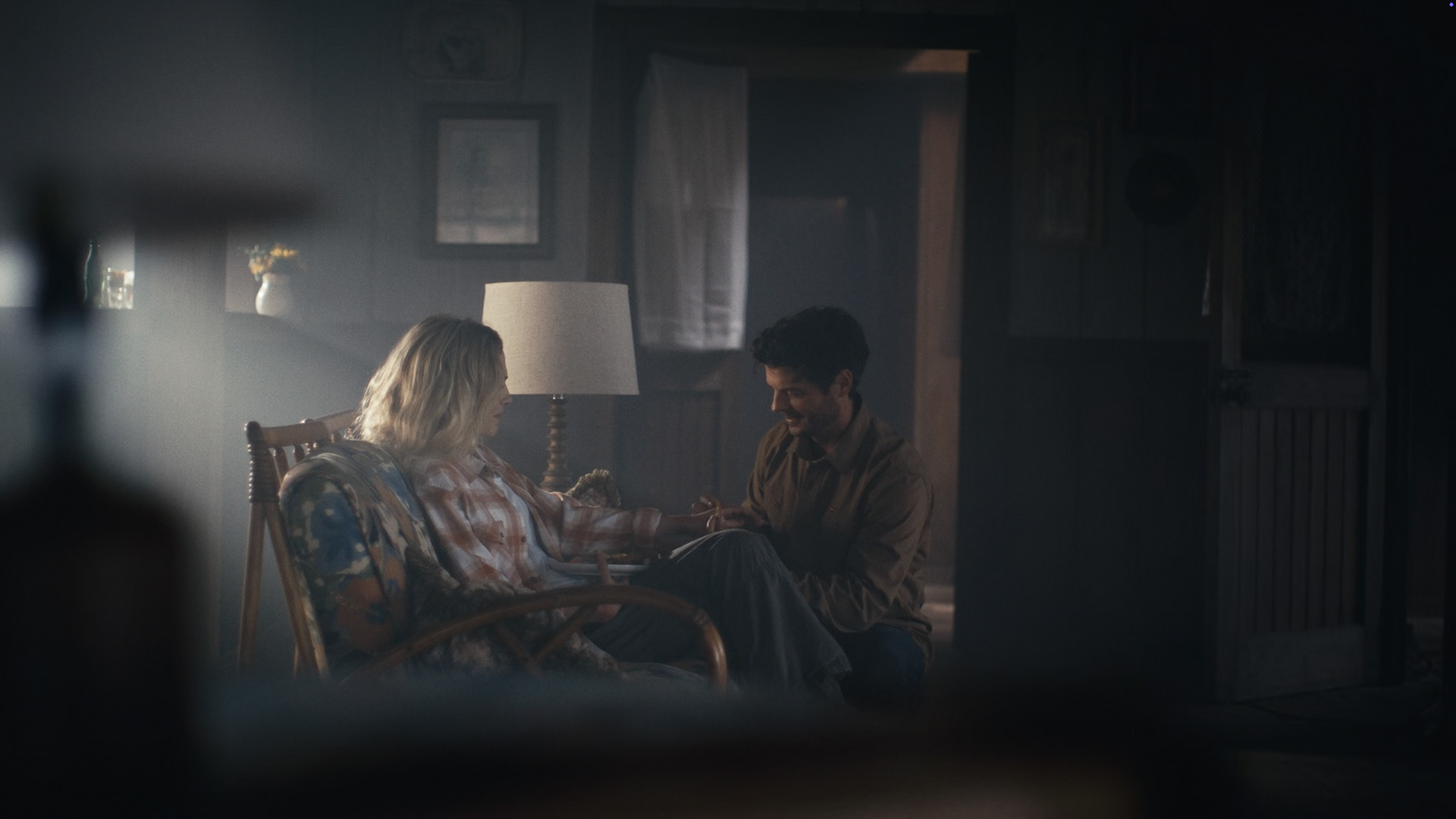
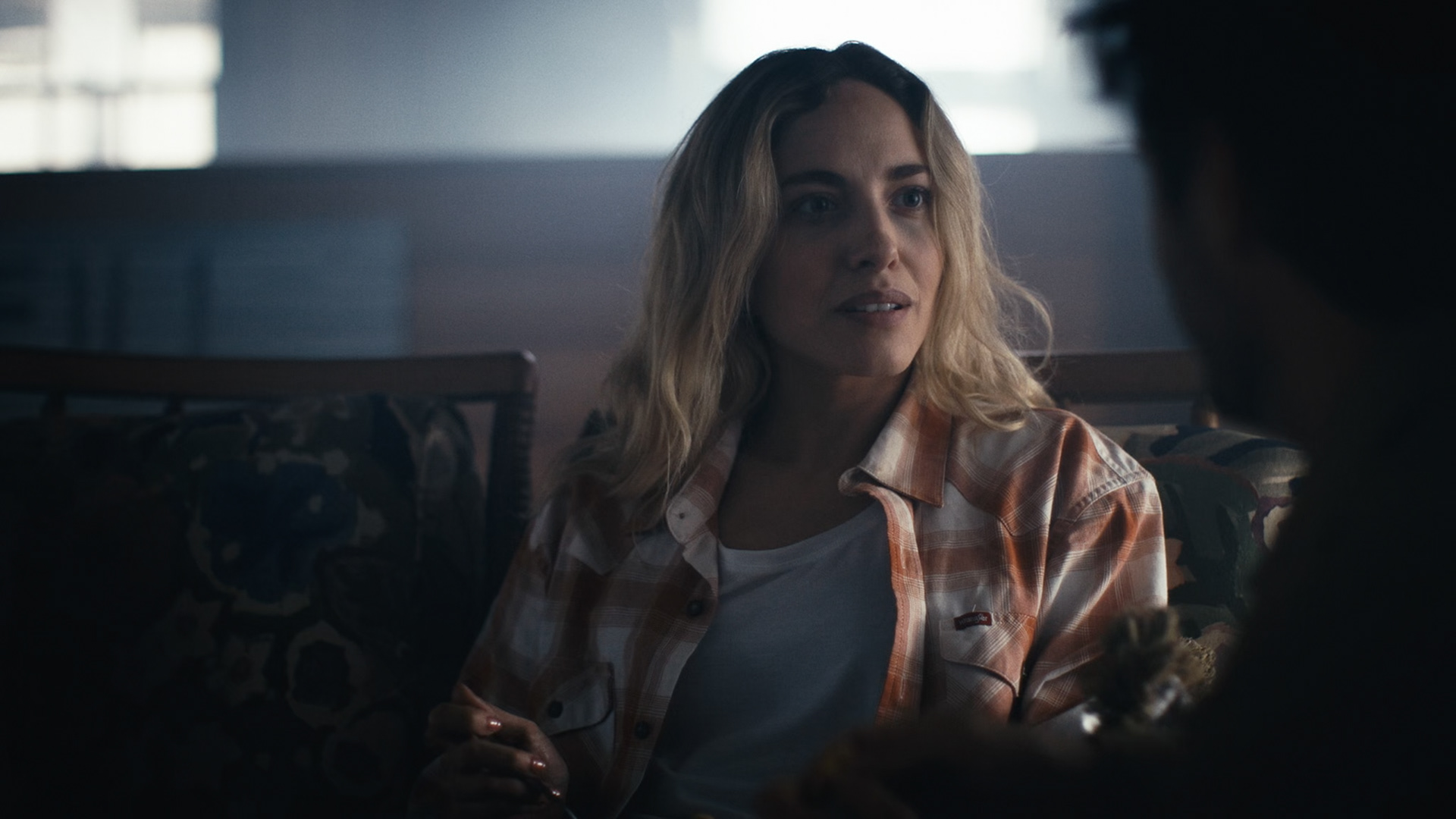
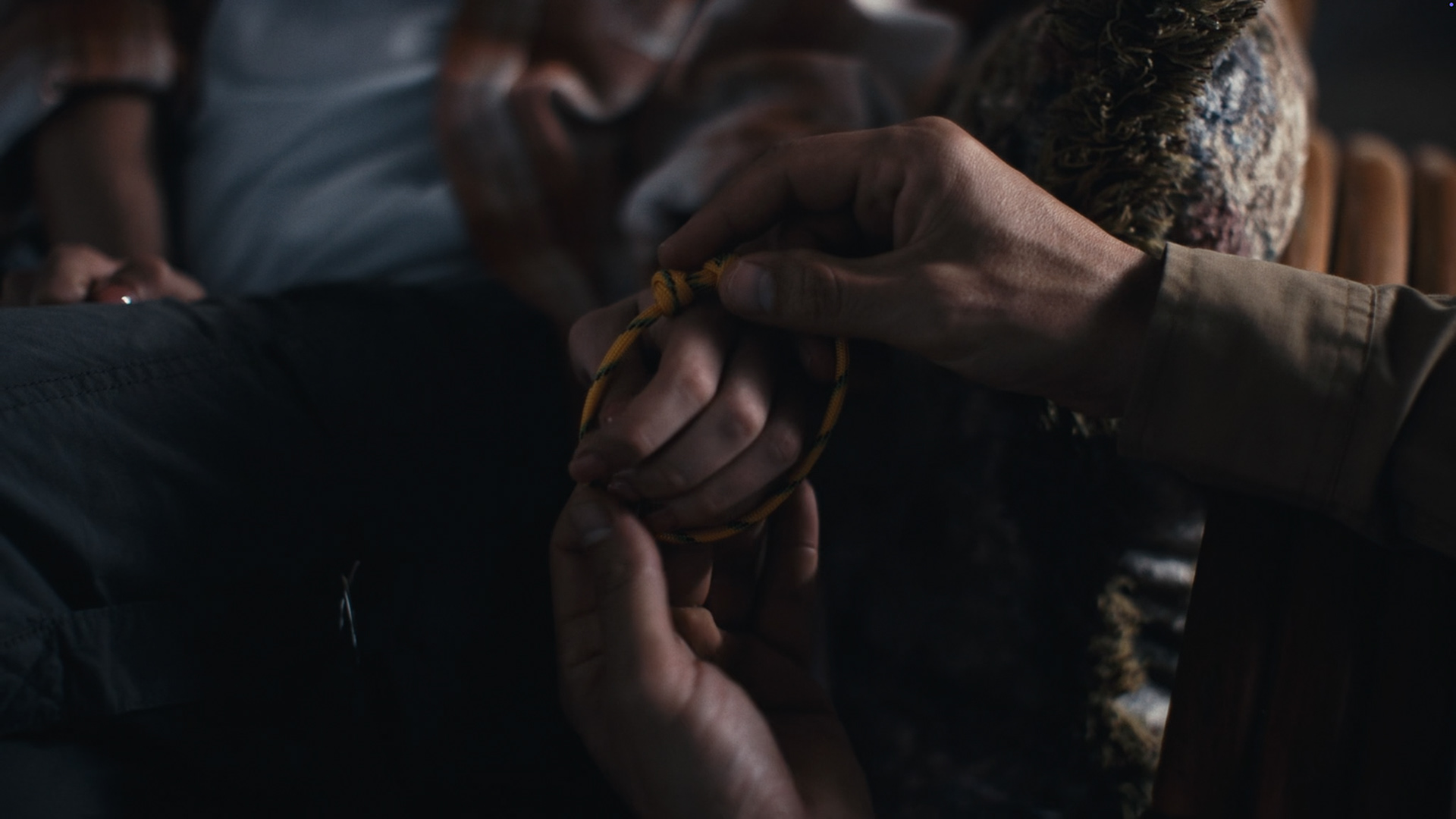
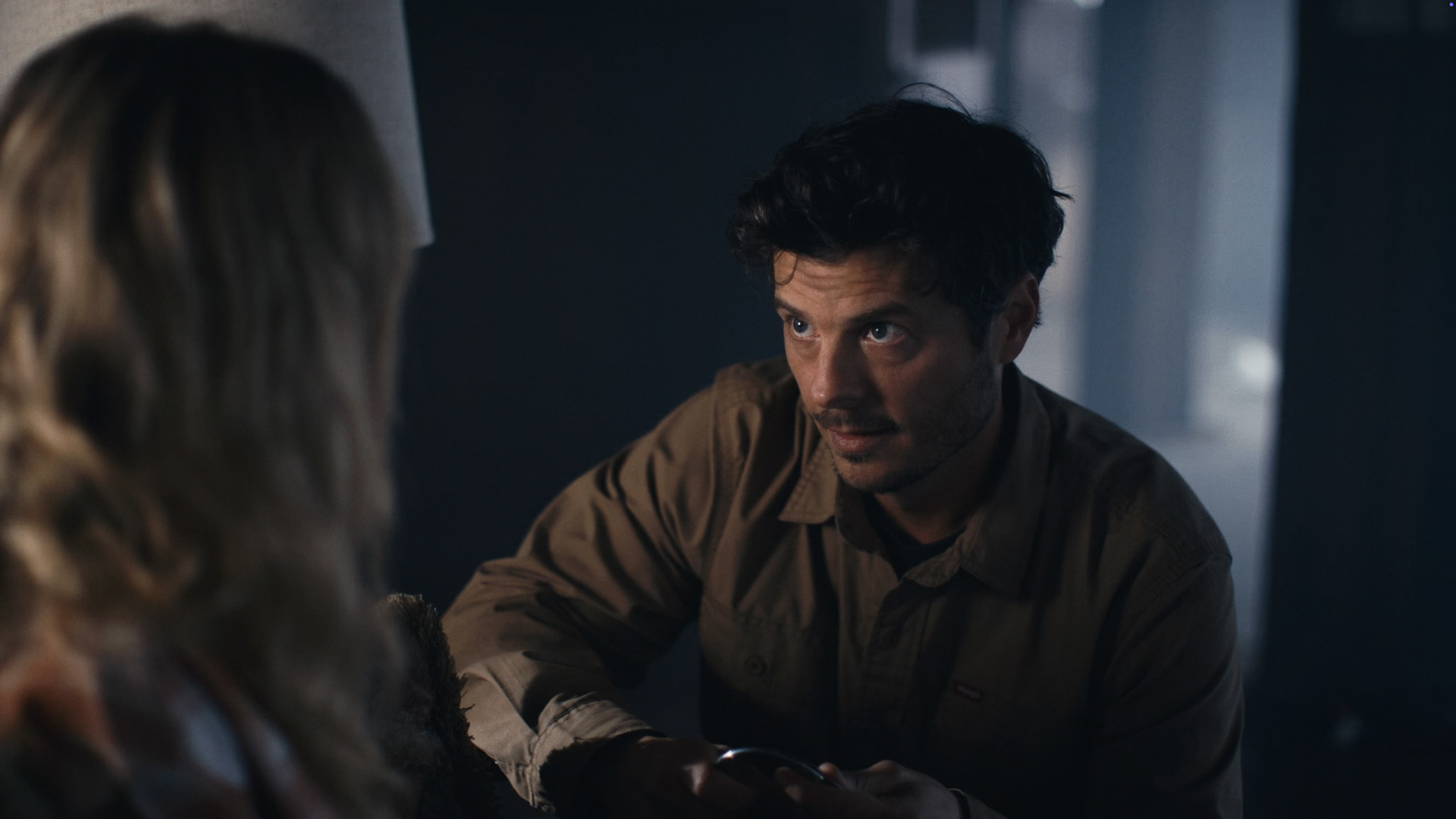
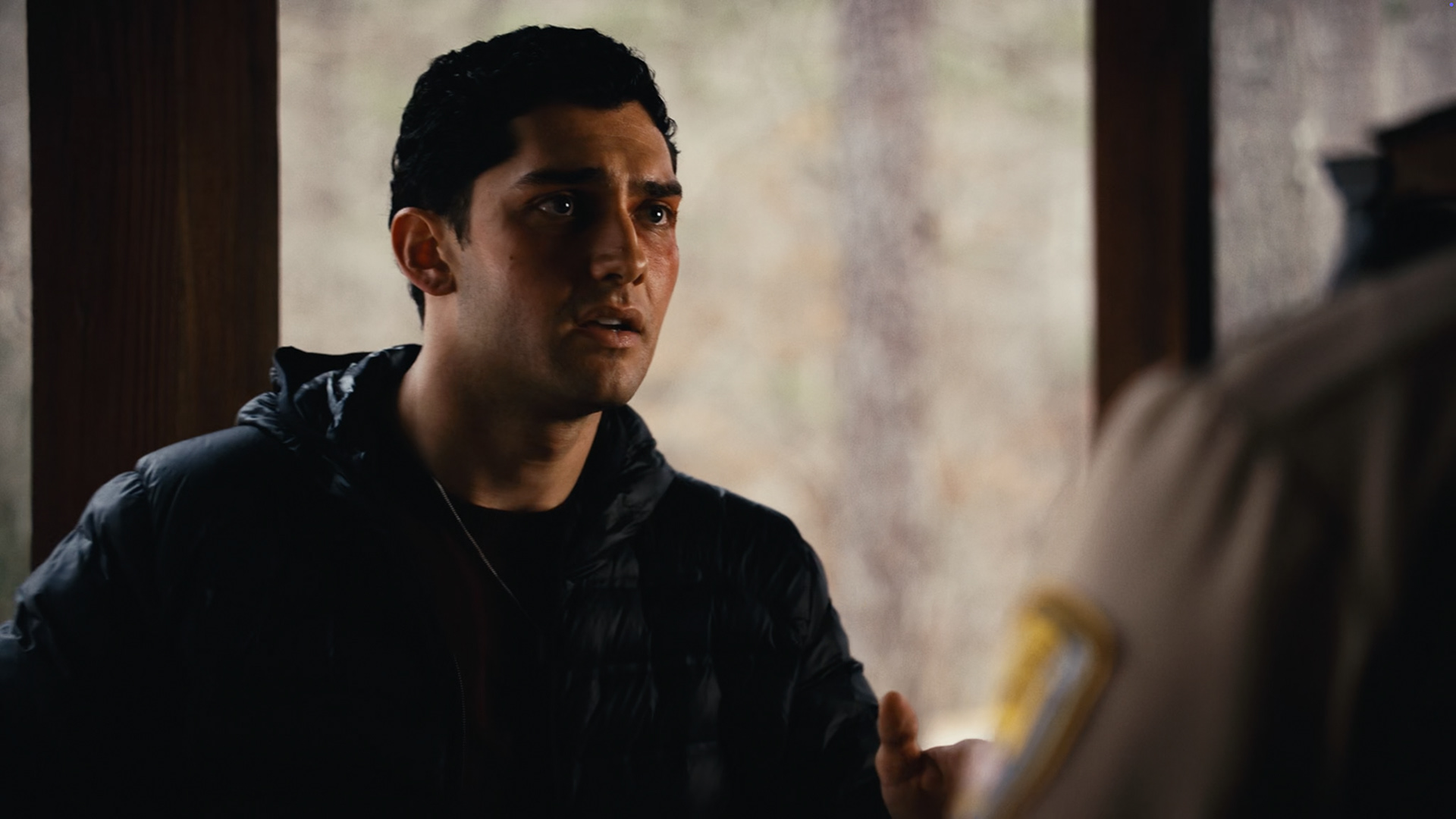
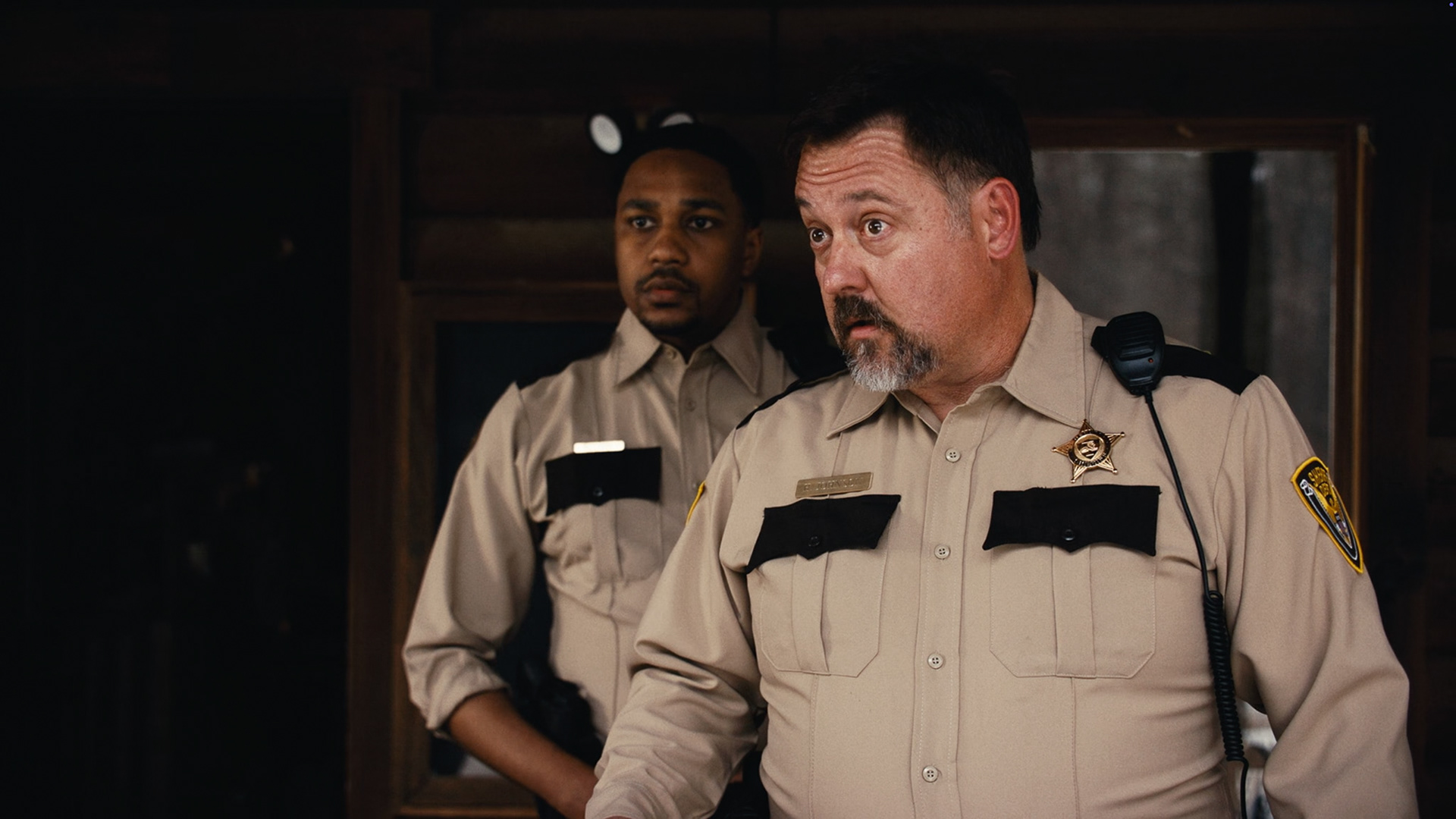
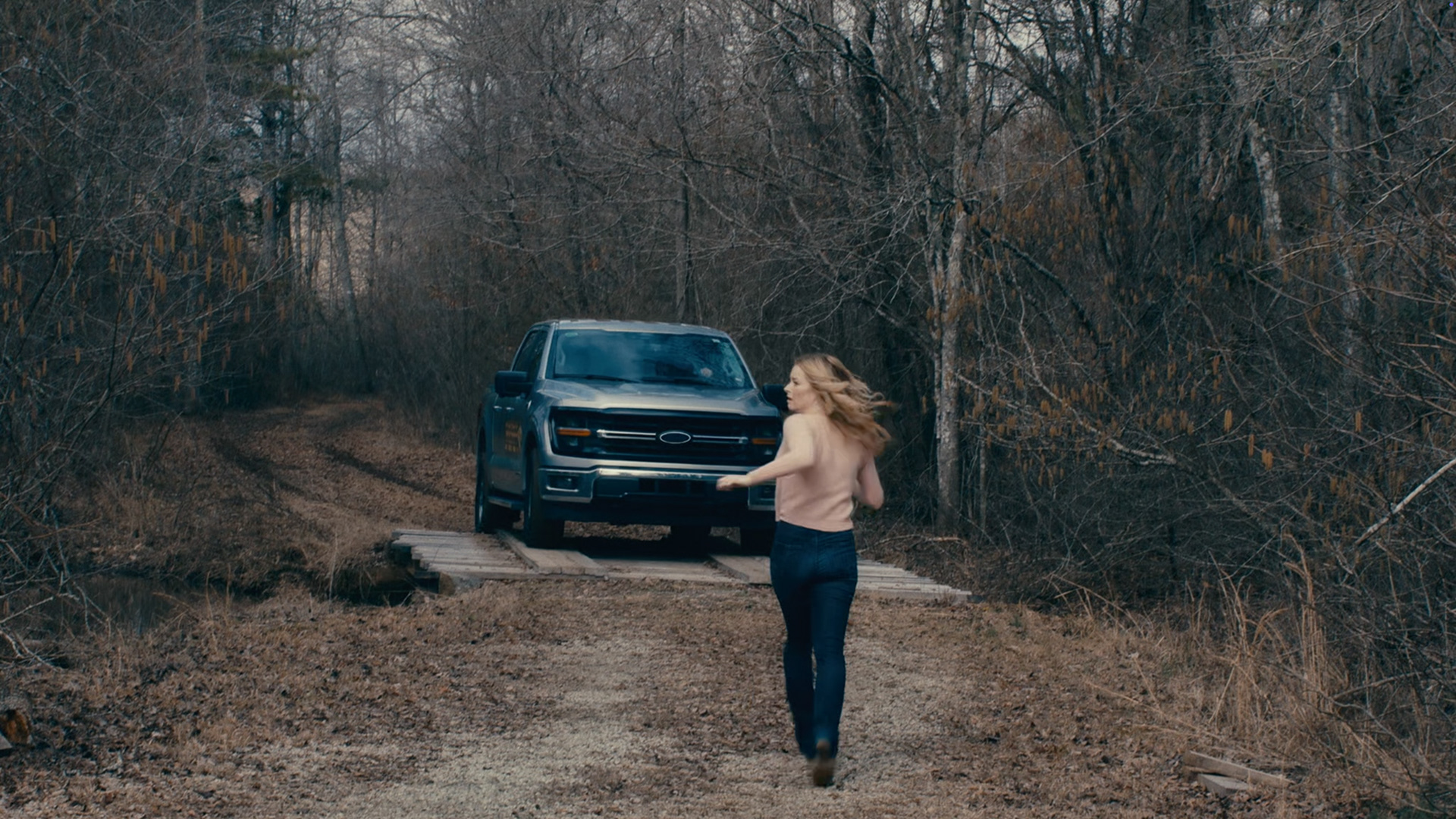
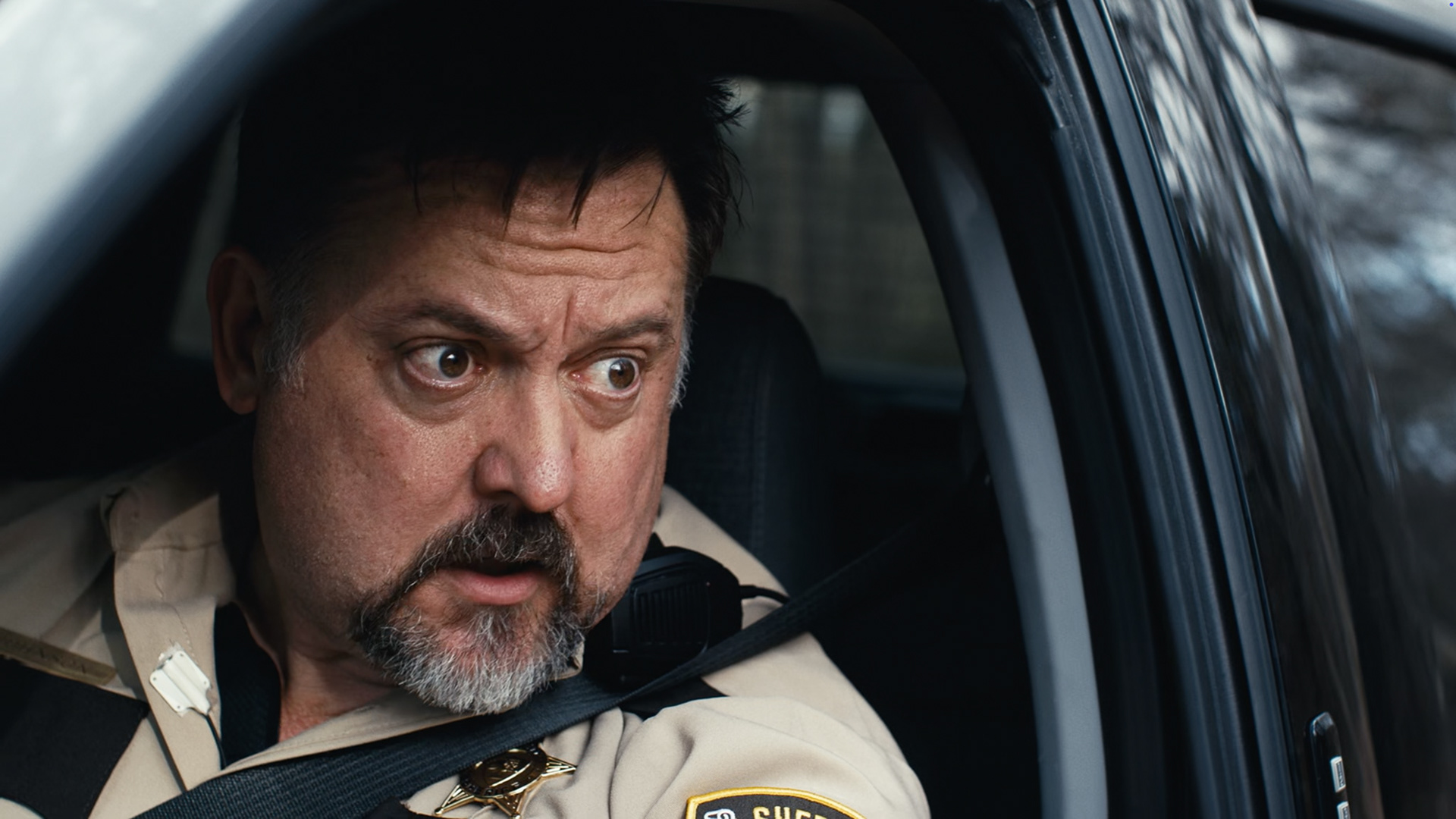
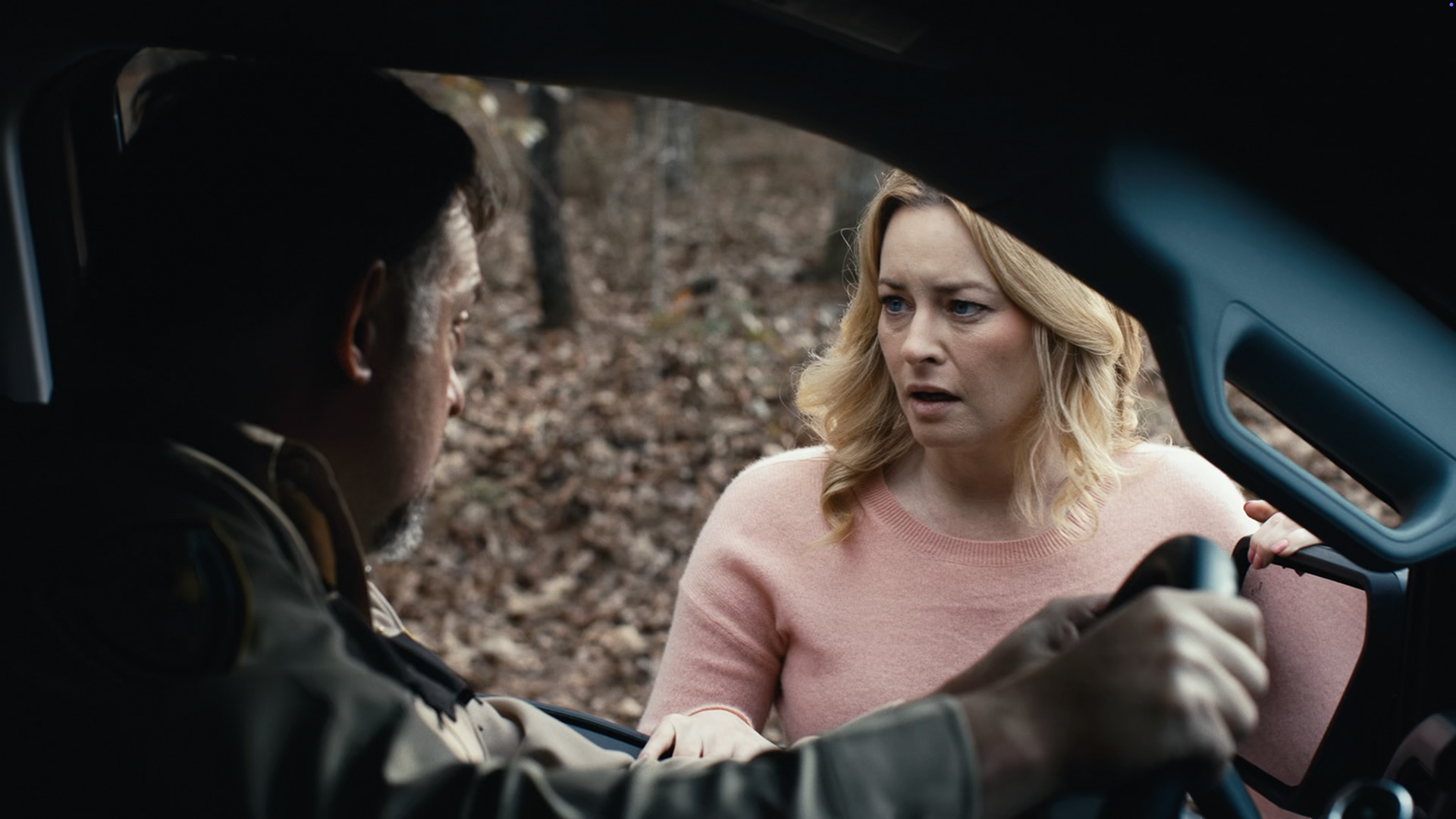
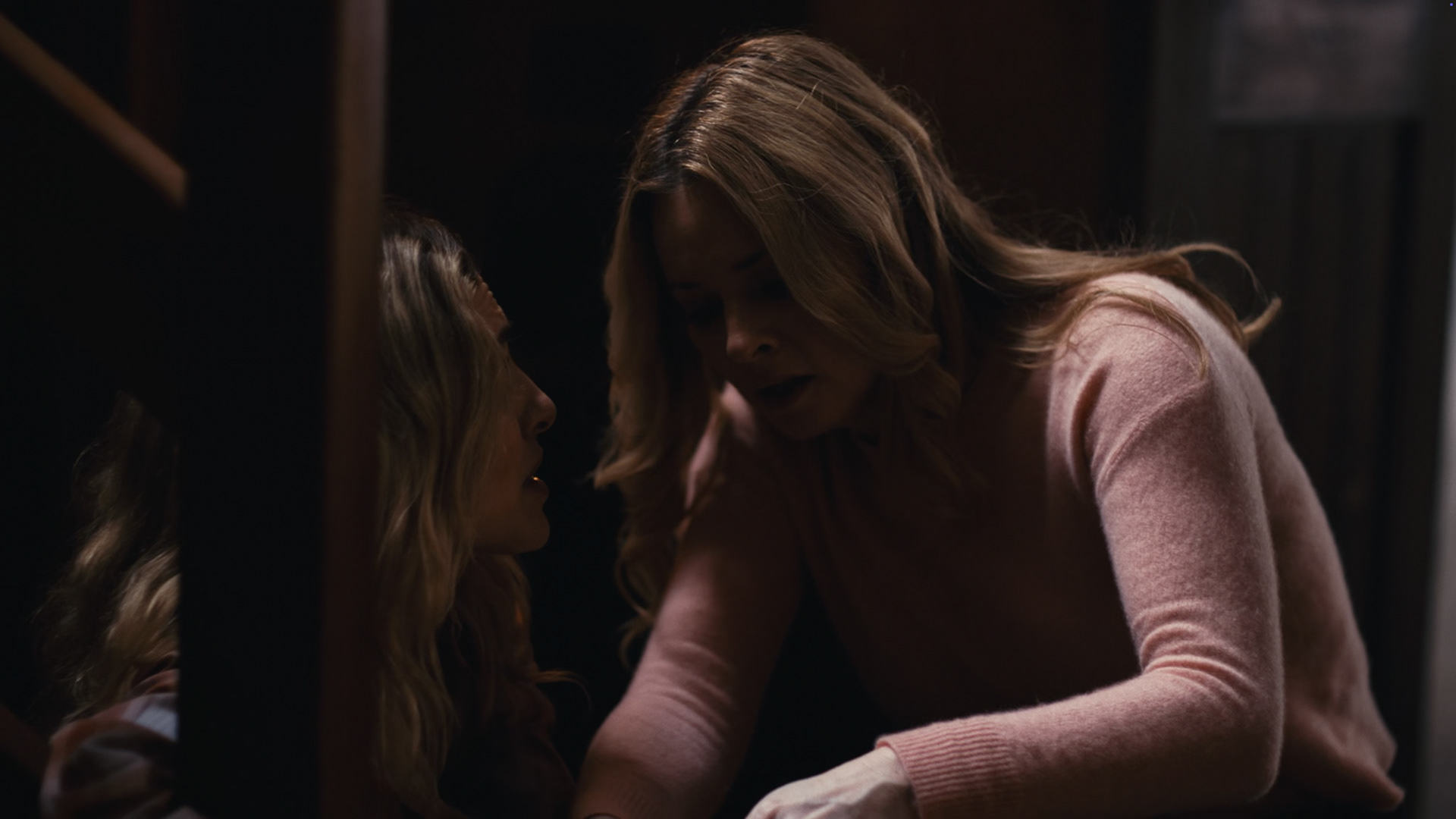
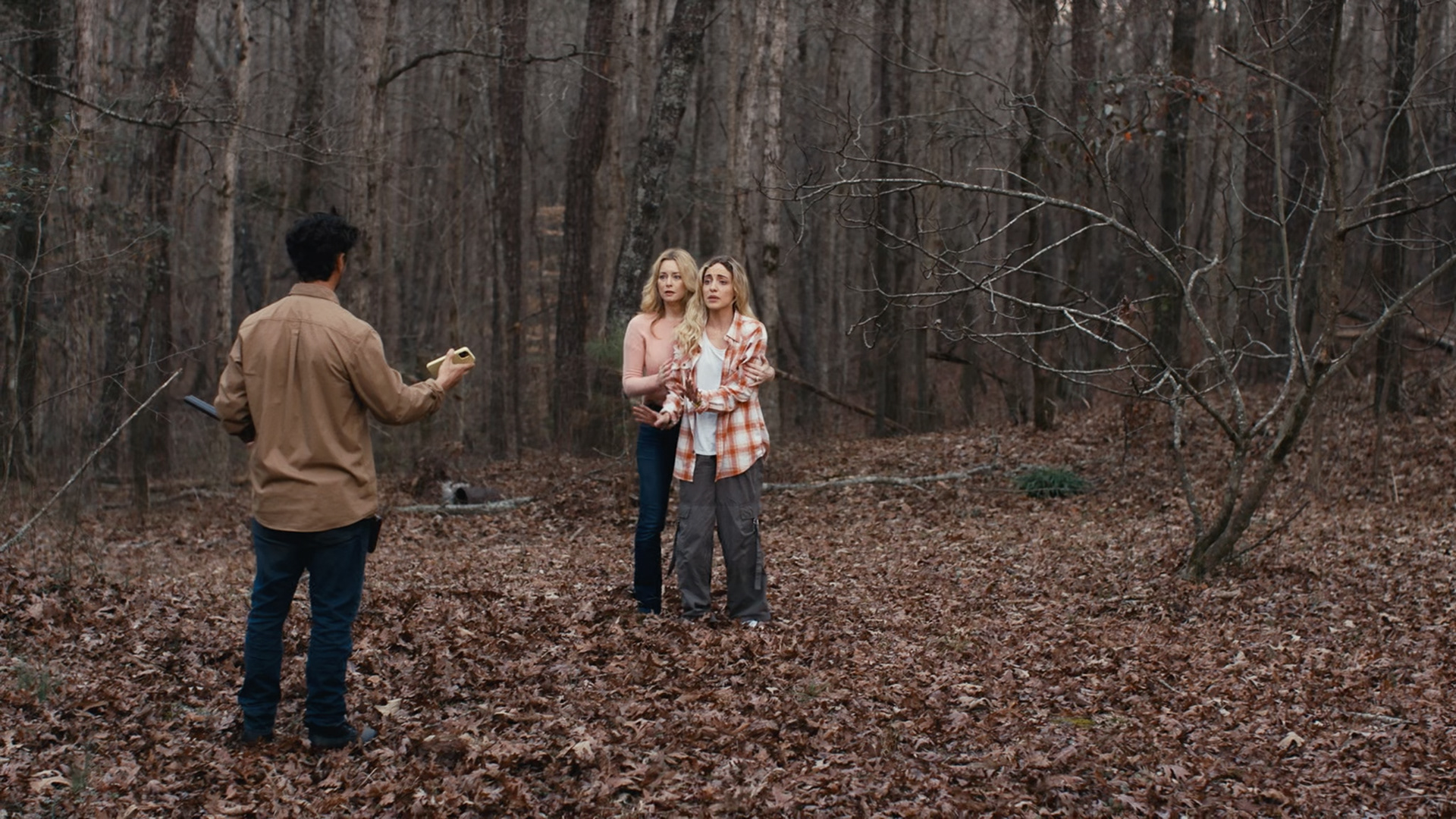
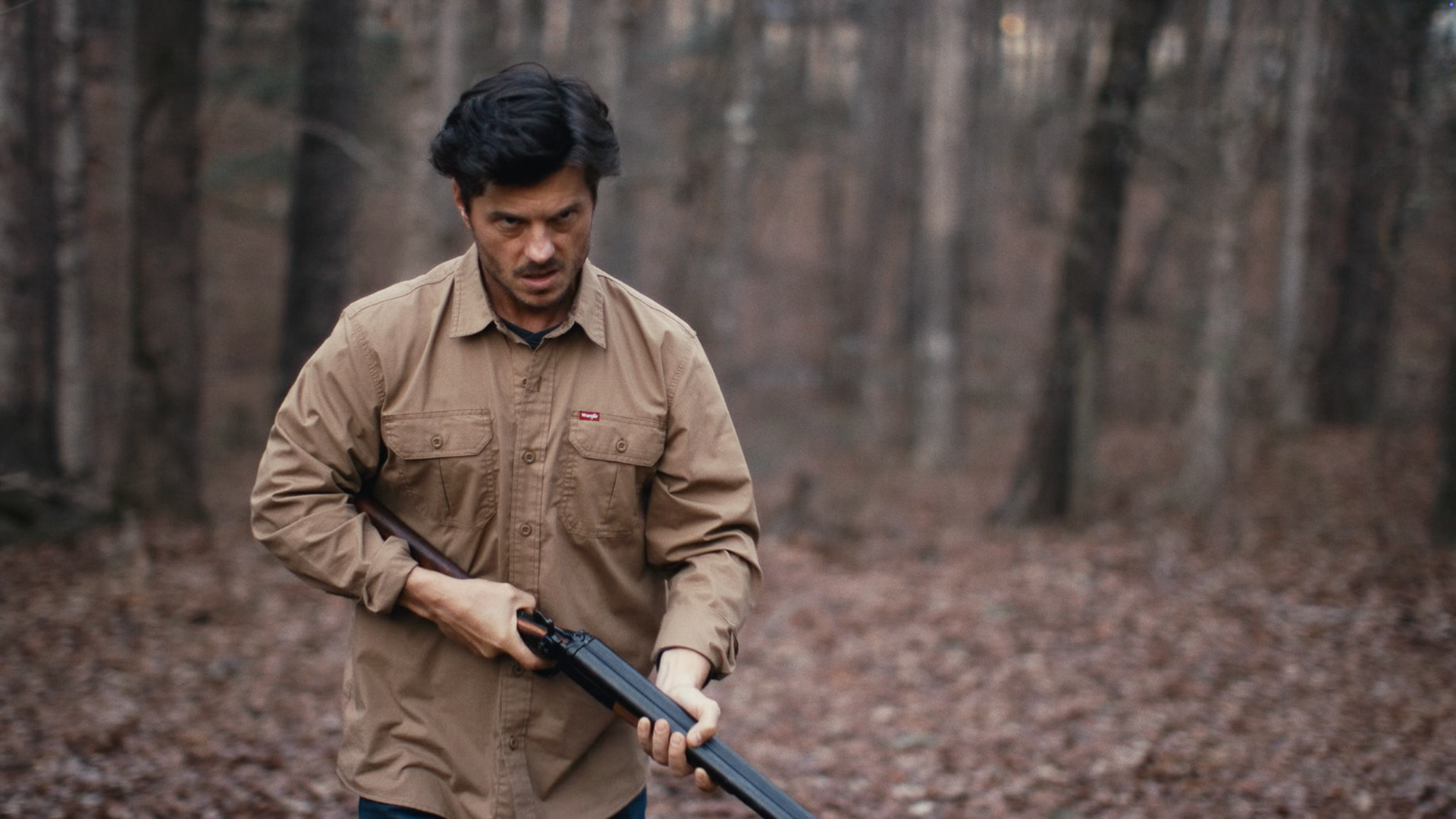
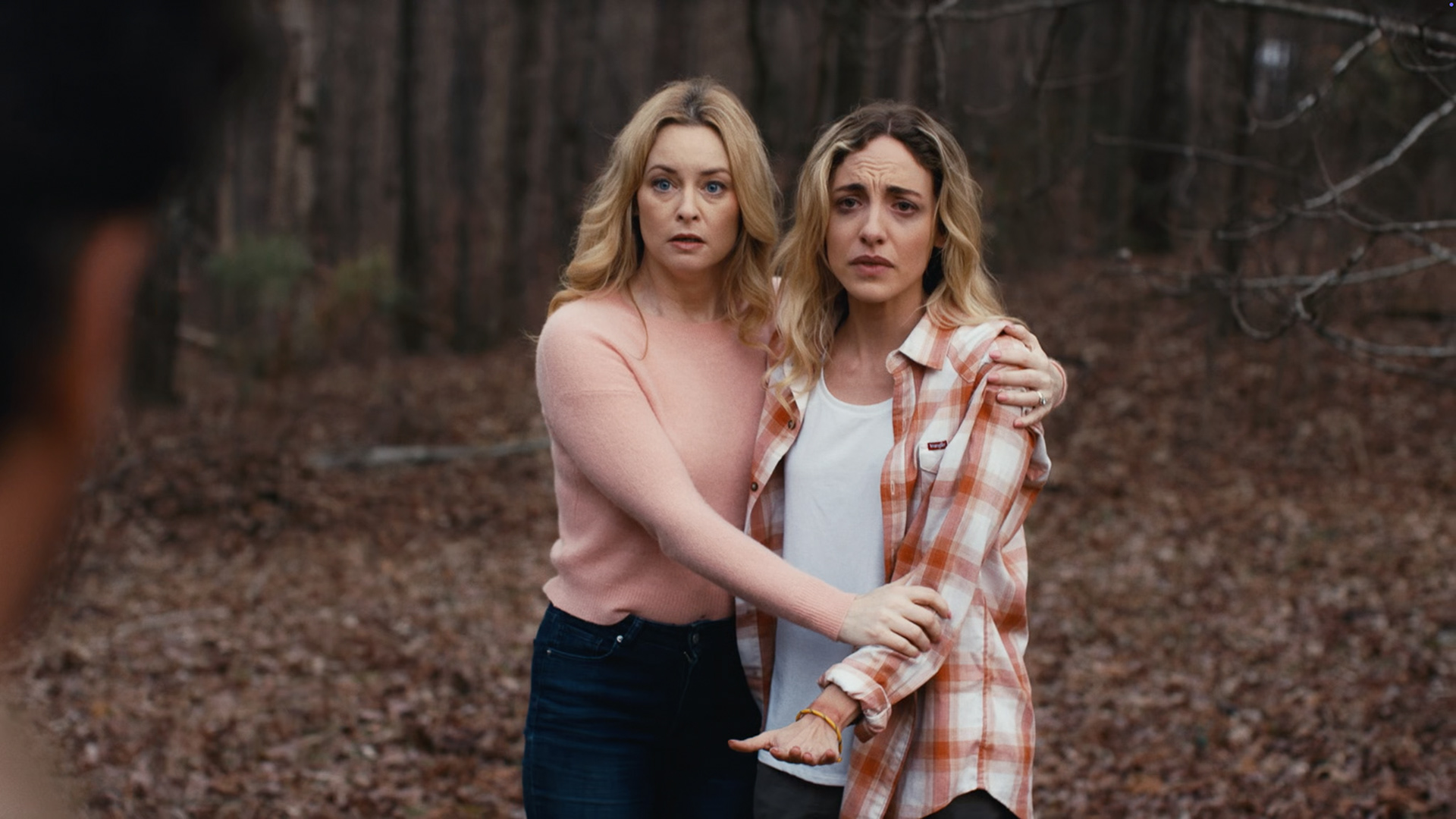
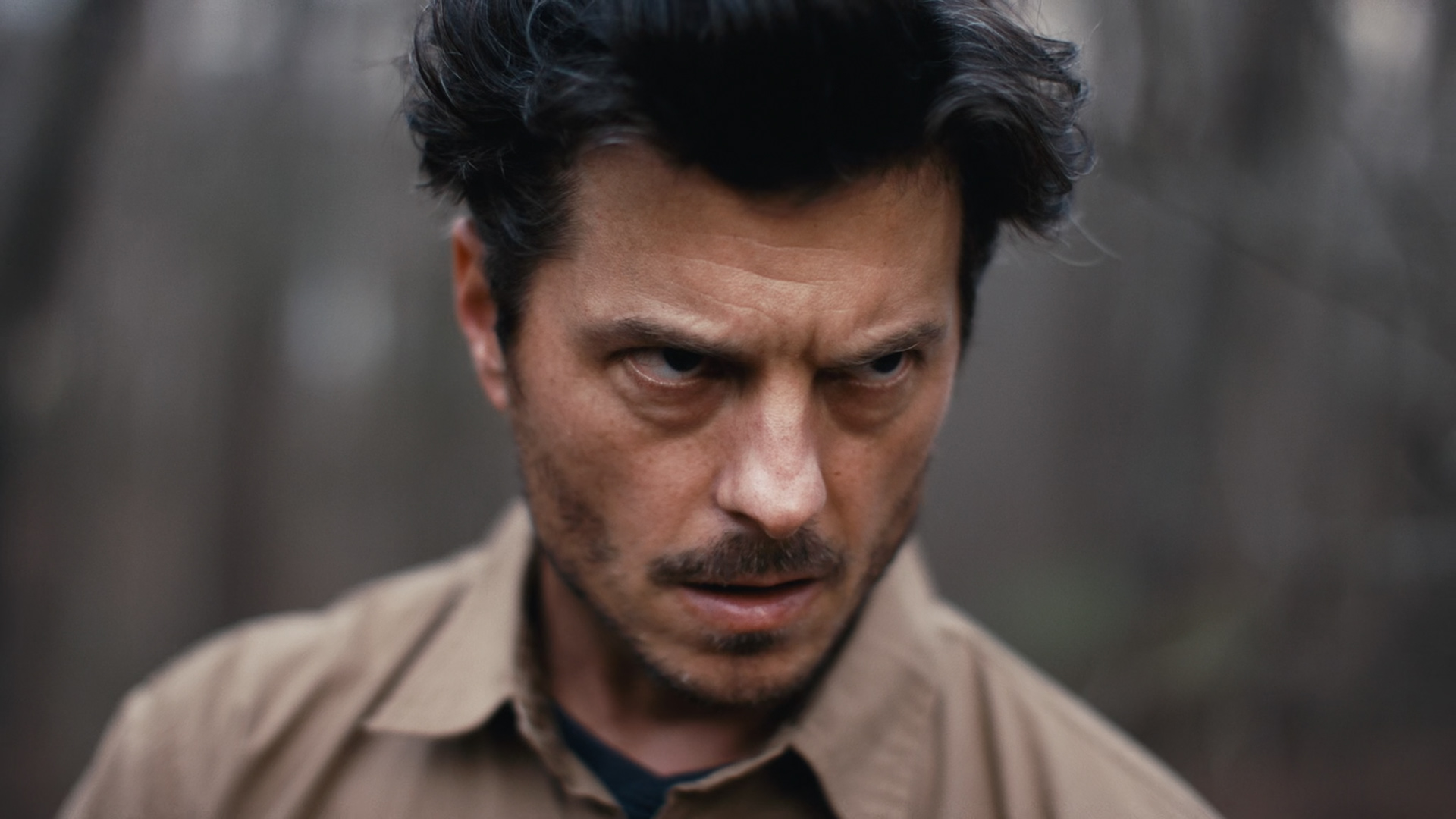
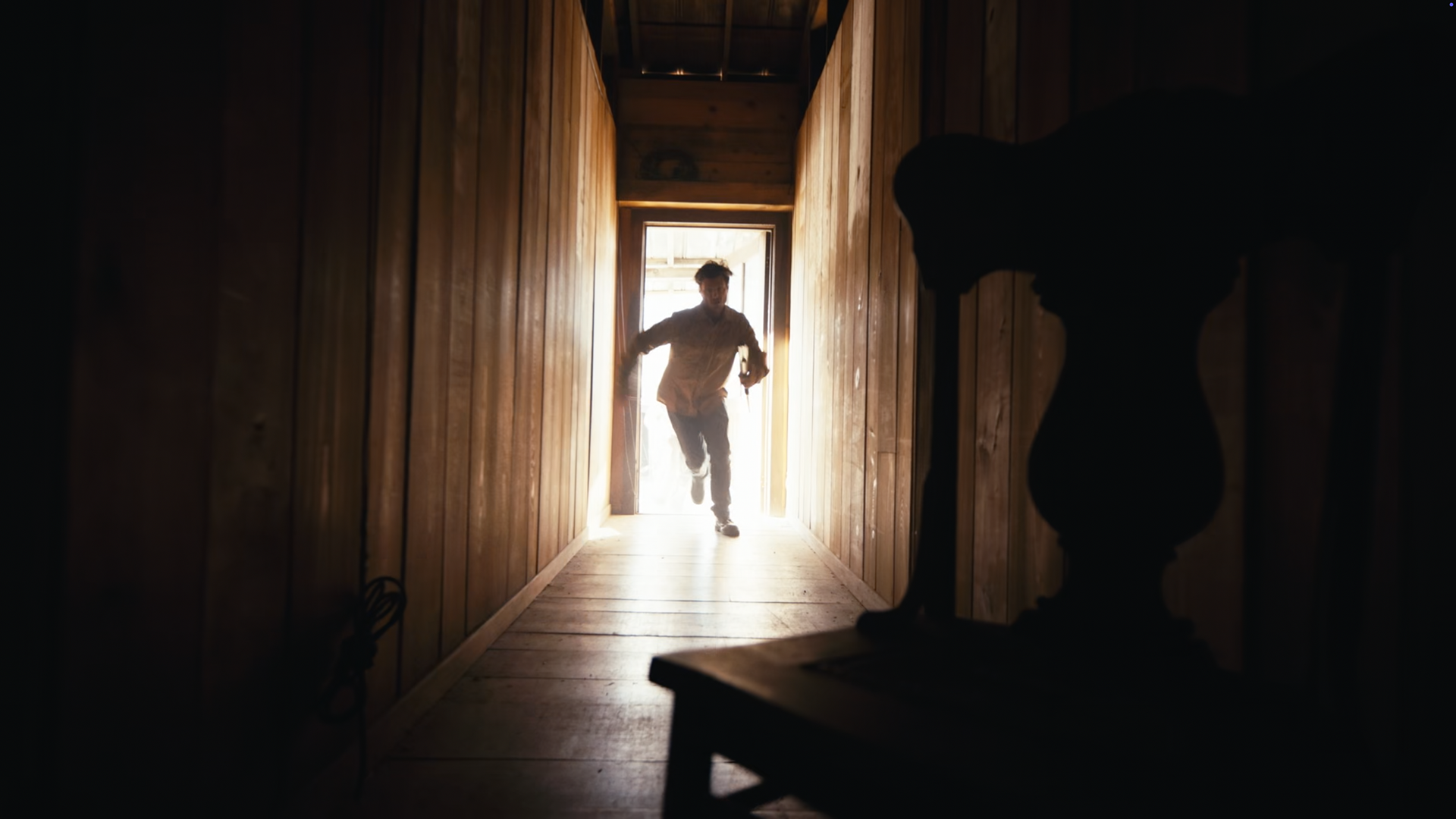
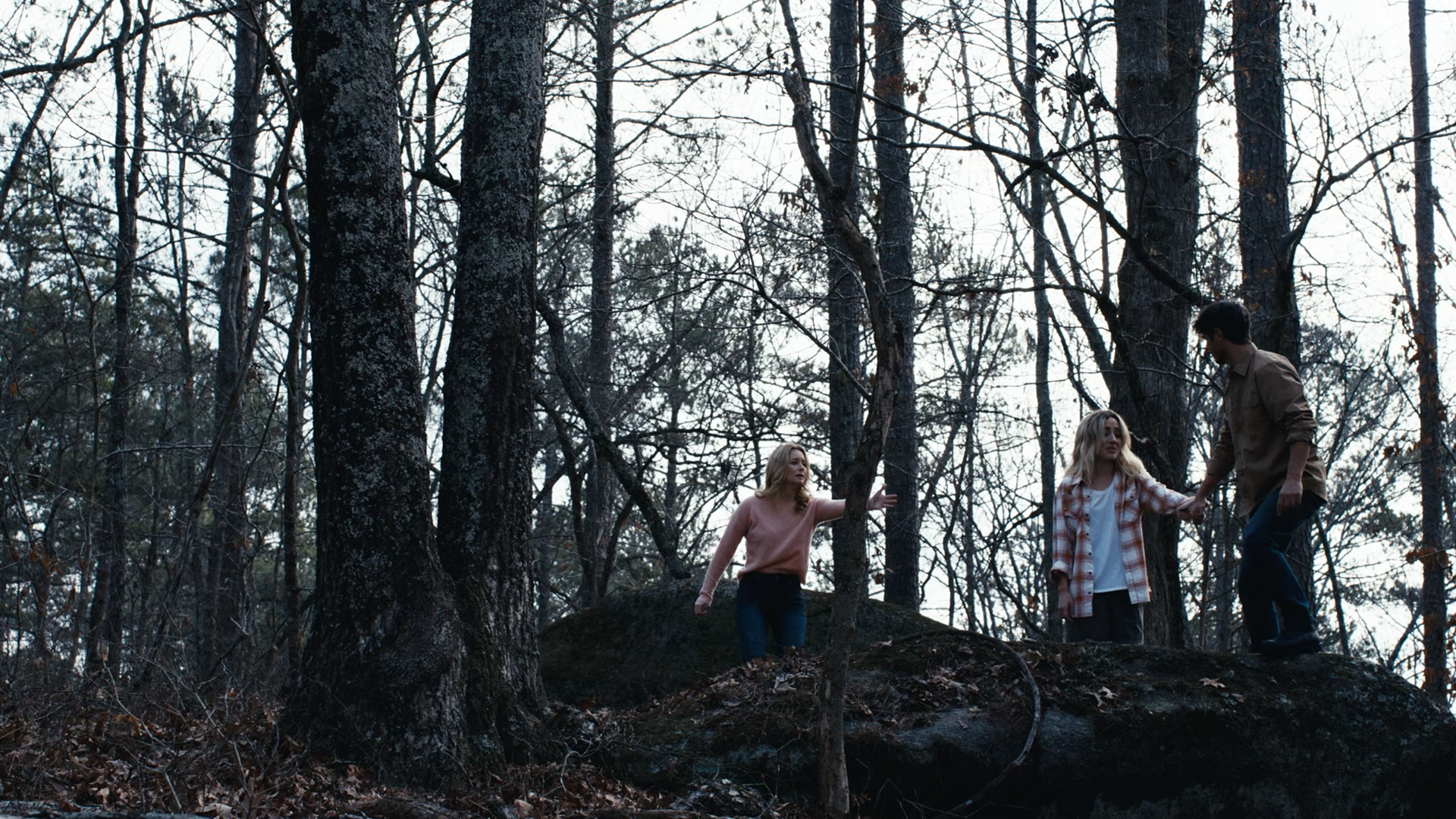
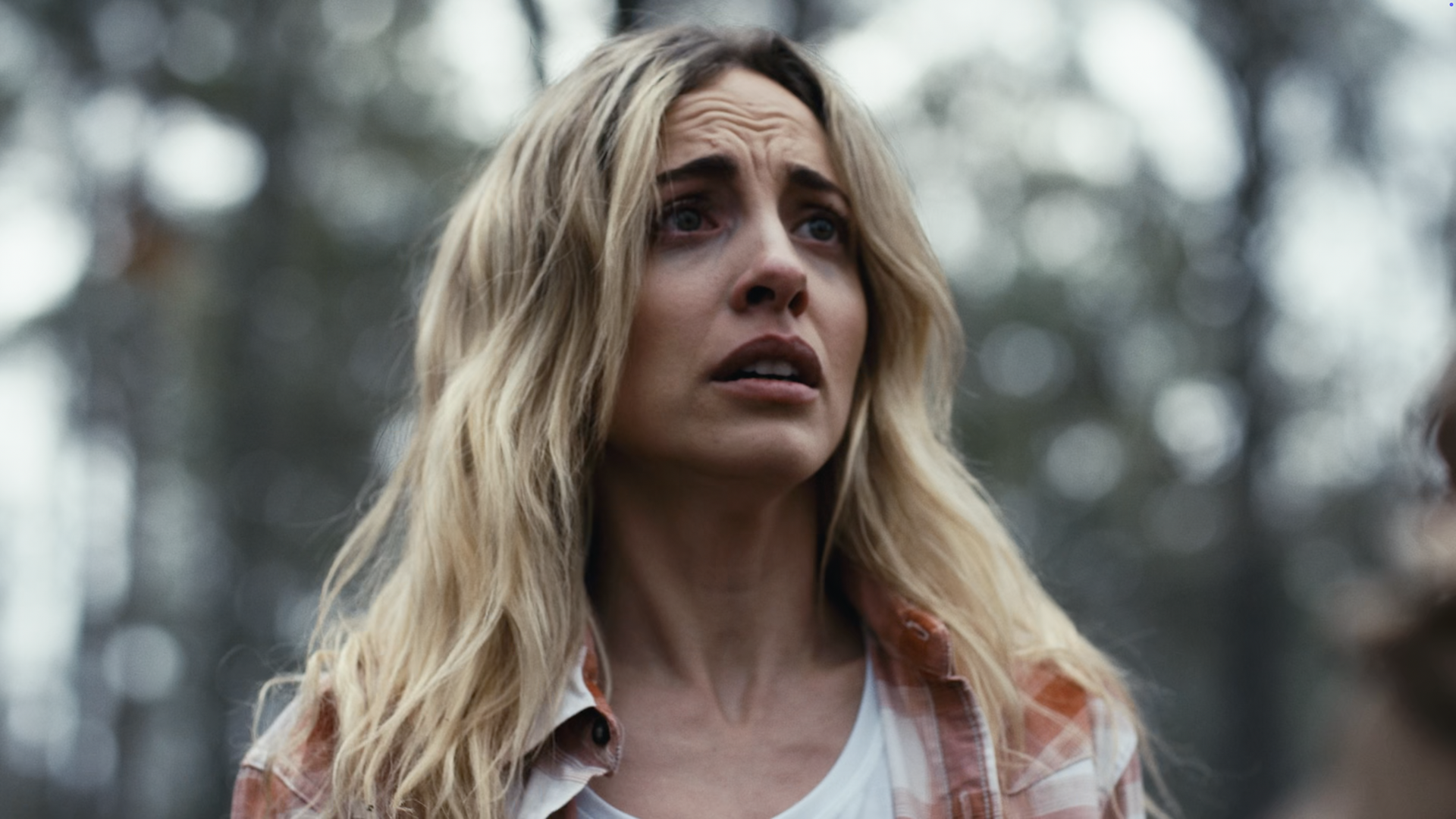
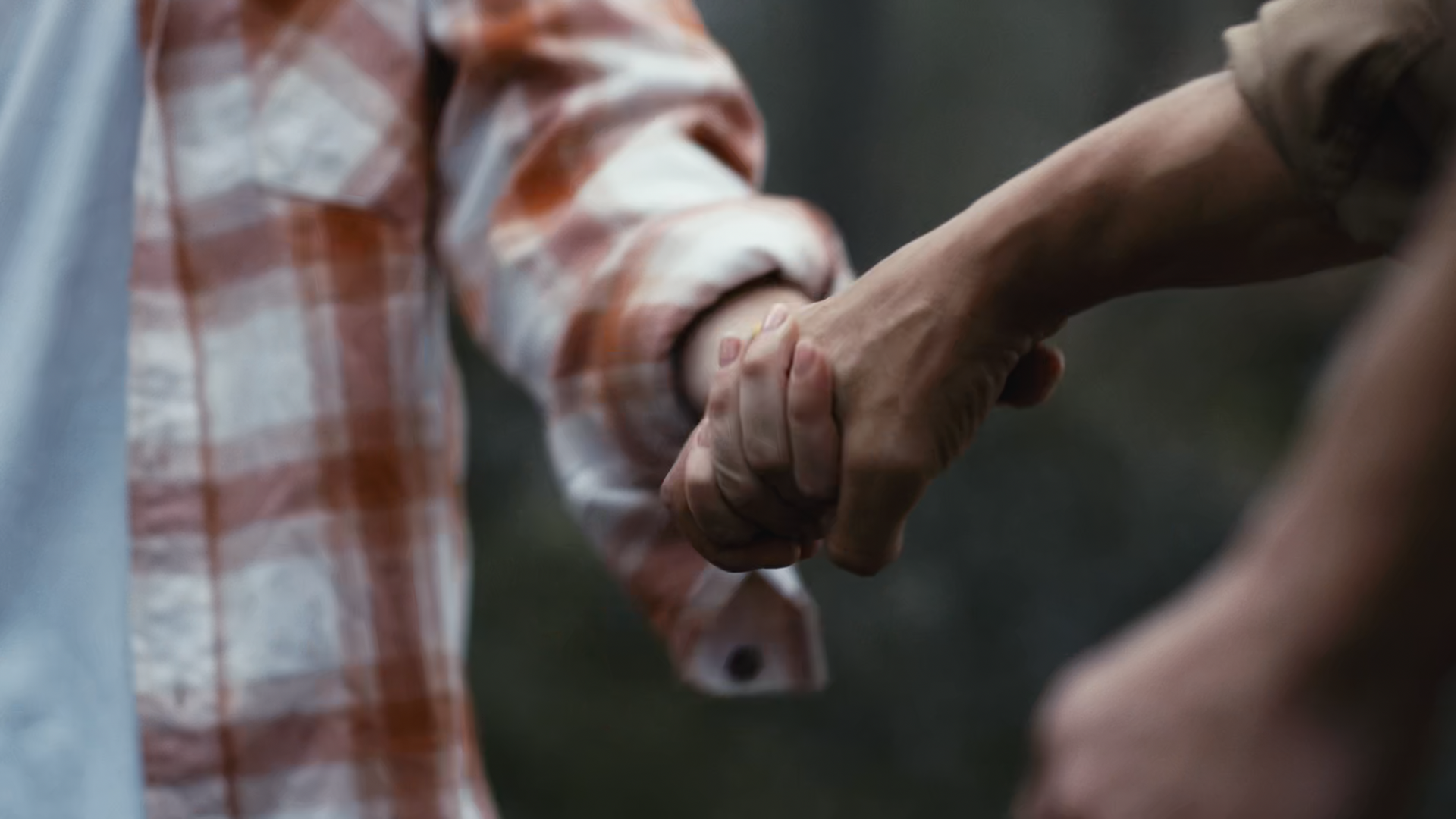
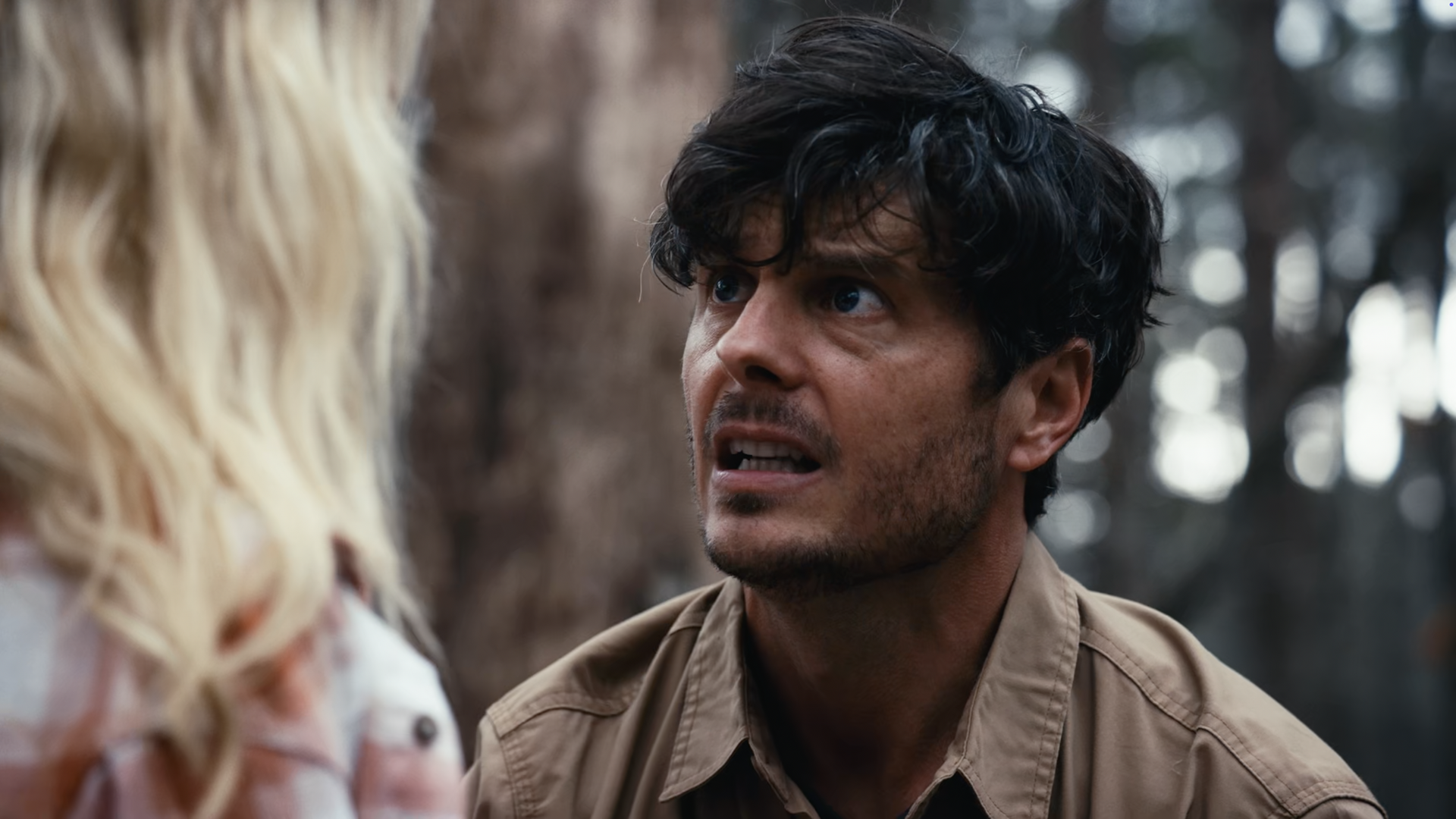
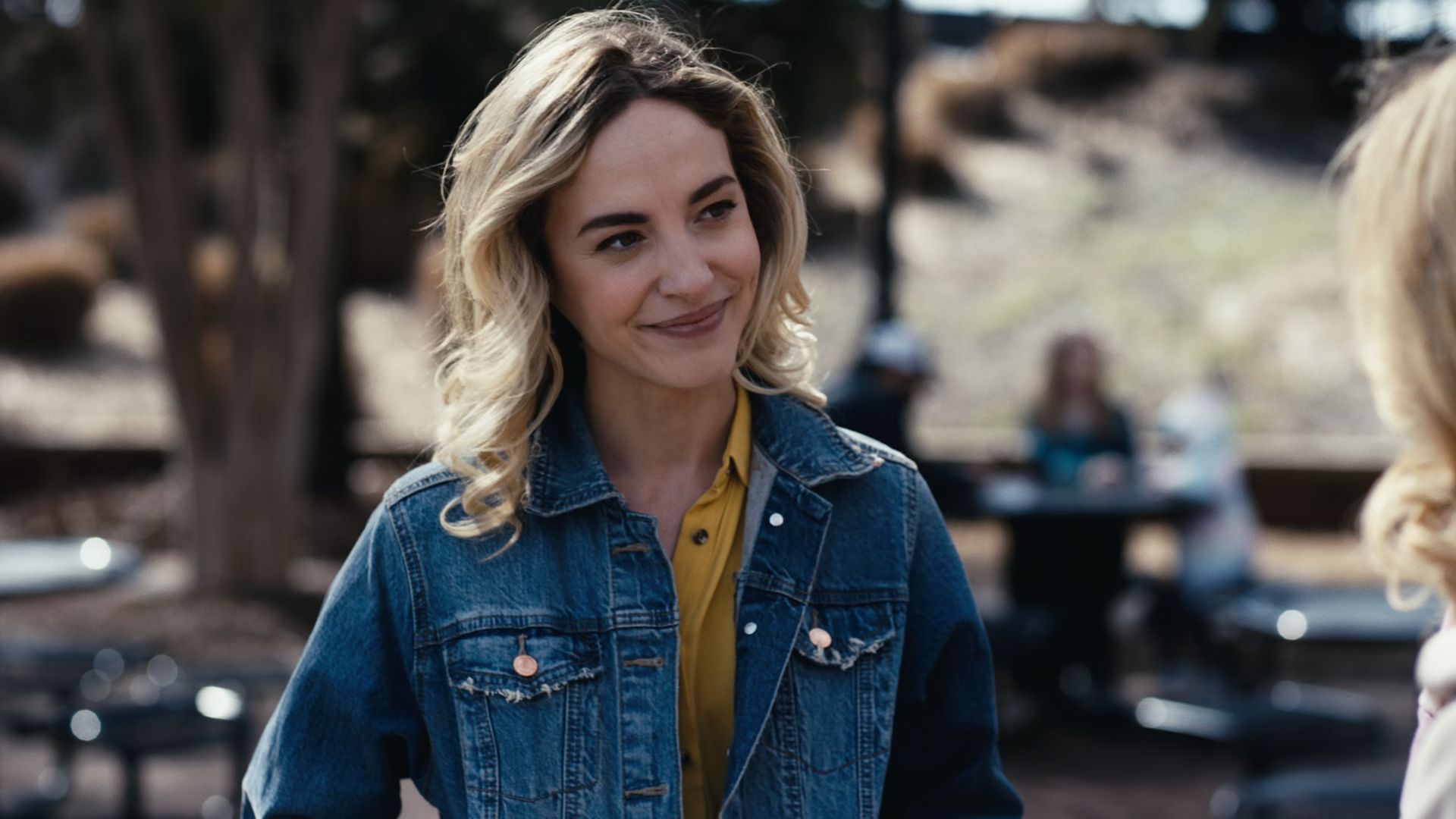
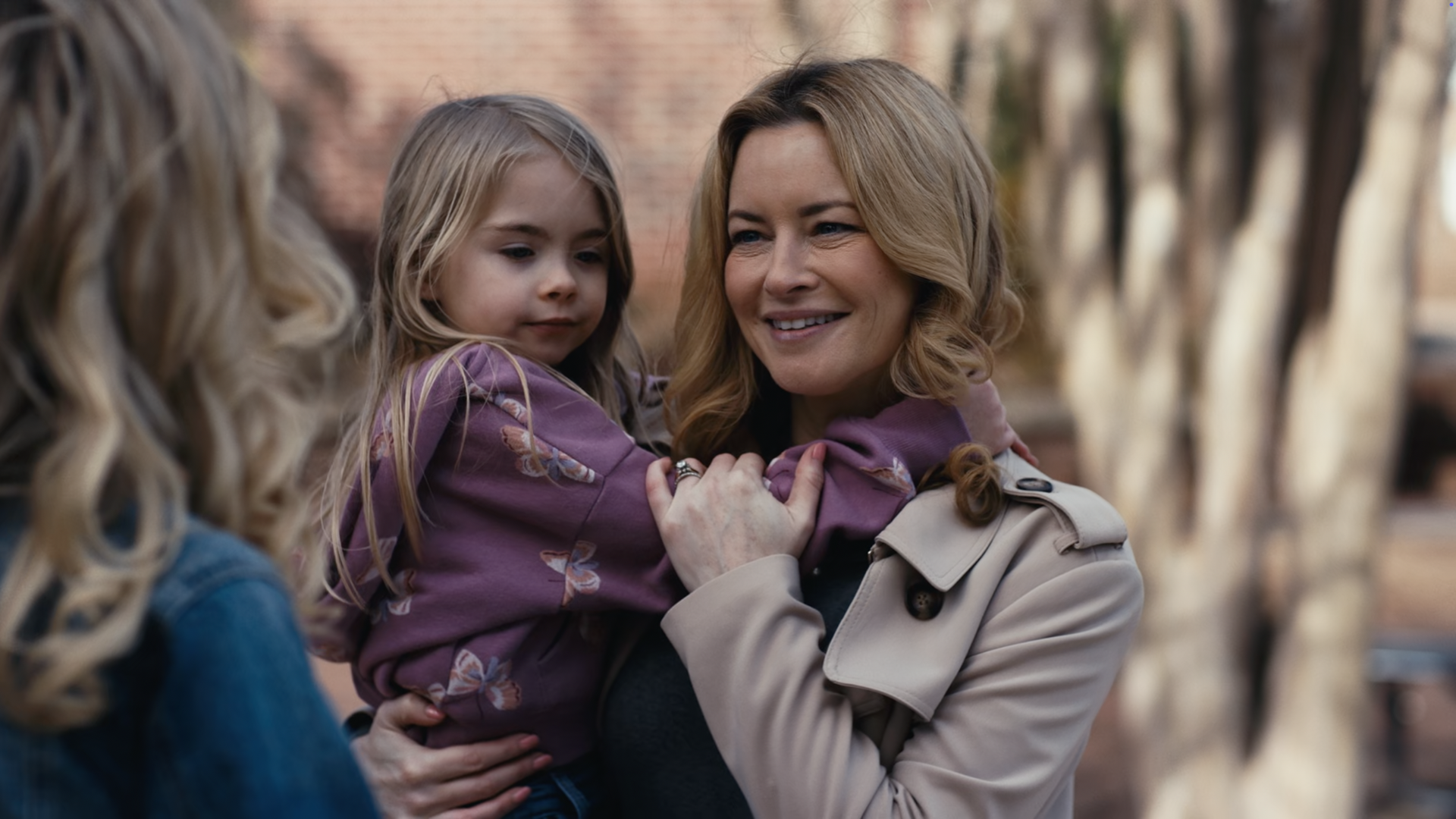
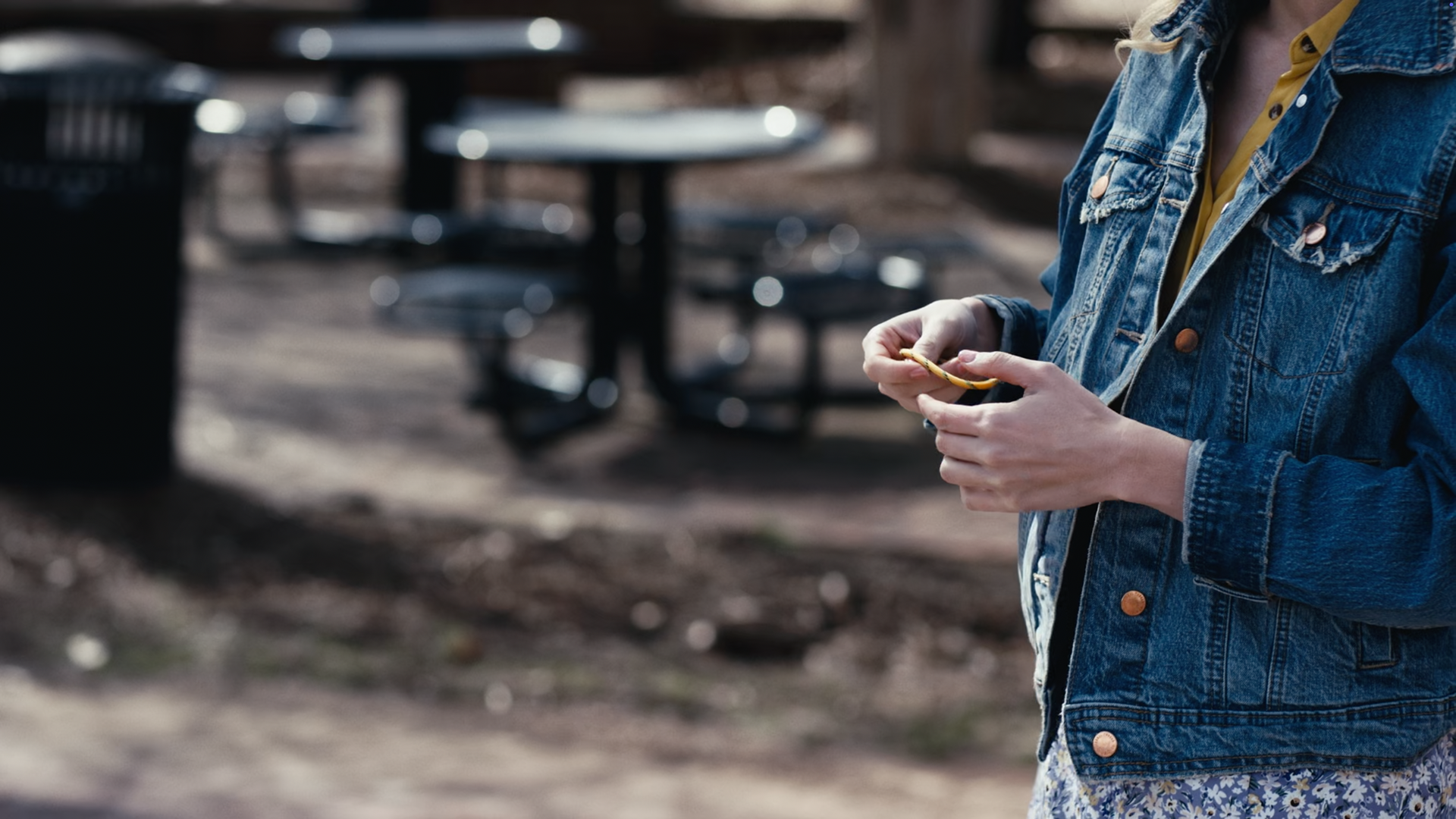
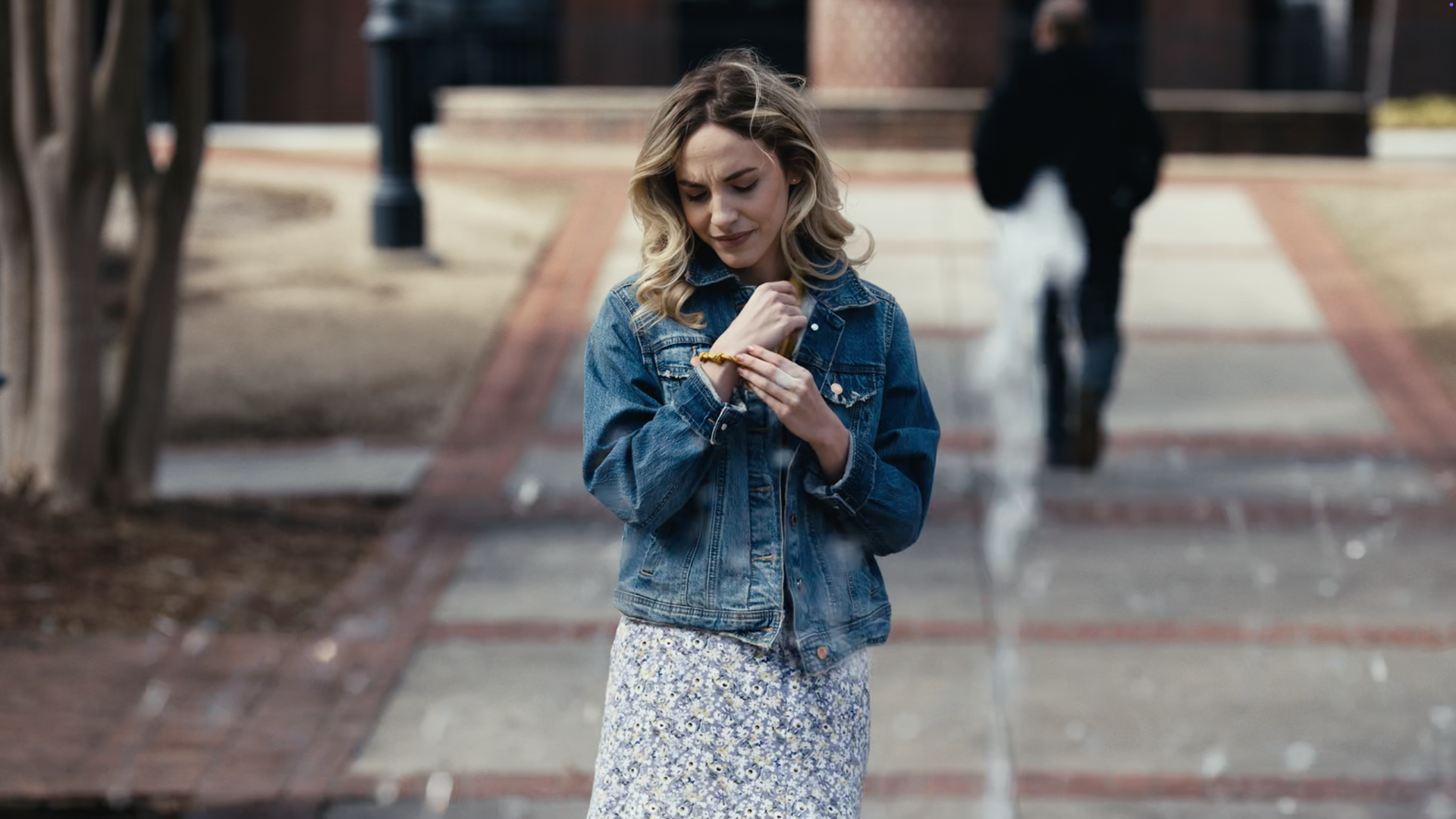
NO ONE BELIEVED ME | FILM STILLS